Tag Archives: vegetable gardening

WE ARE THE PEOPLE WE’VE BEEN WAITING FOR

March 21, 2025

Music in shops–usually just more noise to be ignored—but then,  just every now and again a line from a song provides a useful and welcome bit of advice.   A helpful insight for the volunteer gardener.  

 It can happen that for this volunteer a sneaking feeling that all is not well–a creeping feeling of discontent appears and can grow and affect every hour in the garden.  A feeling that the task is too big just too much.  And the reward–where is it???  Why aren’t there more volunteers?  Does anyone see what I am doing–much less care or appreciate it??

Sadly once this happens –if nothing changes–the next step can be a vanished volunteer.

What needs to change?  

The basic situation isn’t going to change.  Garden work can be hard and it can be repetitive.  Weeds come back without fail.  Treasured flowers and veg can seemingly fail for no apparent reason.  Add in garden tours to be led, fundraisers, plant sales,and extra work days- all need volunteers and they seem to come around way too often.

So what to do.  Everyone has heard it but now its time to believe it.  The situation is the same–the response to it that’s different-it can change–a lot–and for the better.

Take a step back and think clearly don’t just react.  Remember respond don’t react.  

Maybe part of it is listening to a lot of talk of self care. One thing often mentioned is just saying no to requests for help.  And of course no one can say yes to everything.   

We must take time for ourselves and our own homes and gardens.

But don’t lose sight of the personal benefits of helping either.  There are friendships and connections–yes we may have to work on them but its valuable work.

We all want our communities to be better–greener–safer for plants wildlife –and ourselves.  

Plant sales and garden tours–well those aren’t just things to get through–they can make a difference.  If just a few people learn about plants that will grow and provide help for the bees and butterflies–isn’t that valuable..  If people learn that insects are the foundation of life on earth and they can help protect them,  that is your time well spent.  If you help a child develop a love for living things not a fear–well what could be better–that is the highest form of self care.  

Can you save the earth?  No you cannot–but can you make your part of the world a little better?  Yes, you can and you make yourself a little better with the time and effort.  

We can’t wait for all the others who should be there helping.. Those others that should be appreciating us more.  Give them time!!  But for now–

We ARE THE PEOPLE WE’VE BEEN WAITING FOR

Susan Thornbury, Dallas County Master Gardener Class of 2008

Join us at the garden, 11001 Midway Road, Dallas, Texas 75229 on the grounds of Midway Hills Christain Church. Our work days are Monday mornings and Tuesday mornings. This is a Dallas County Master Gardener approved project.

Green Tomato Chow-Chow

February 1, 2025

WHEN LIFE GIVES YOU LEMONS,

YOU MAKE LEMONADE.

BUT, WHAT IF YOU GET

GREEN TOMATOES?

YOU MAKE CHOW-CHOW!

The first week of January was warm—high temperature in the 60’s, maybe even higher. But, this is Texas.   Give it a little time and the weather will change.

Weather reports started warning of incoming weather –COLD TO VERY COLD.

And, our tomatoes are still blooming and setting fruit, but not ripening.  What should we do? In the past, we’ve harvested the green tomatoes and put them in a cool dark place (under the bed was one suggestion) or we could just let them freeze and use them in the compost bin. 

We had five plants.  I remembered one year  Dorothy Shockley, a fellow Master Gardener at Raincatcher’s RED Garden had inviterd us to her home to take care of that year’s abundant crop of green tomatoes.  She had a recipe for B&B CHOW CHOW (also know n as Cool Point Relish in Louisiana).  It was the same pickled green tomatoes I had eaten with my fried catfish years ago, but never knew how to make it.  Dorothy shared her recipe and I dug it out of my files.
When Roger & I started picking, we didn’t know if we would have enough green tomatoes to make a batch.  Not to worry—we had 10 pounds of varying sizes, some beginning to blush, but most were green rocks. 

Cindy and green tomatoes!

We went to the store to purchase the rest of the ingredients: onions, jalapenos, white vinegar, more sugar, canning lids.  I already had jars and rings in the pantry.

After a couple of false starts at preparation (I’m not as young as I used to be) we got our batch of chow-chow jarred and ready to refrigerate .We even saved the excess picking solution per Dorothy’s recommendation to use with cucumbers and other salad ingredients.

Personally I like this solution better than lemonade.

Bon Appetite!

Cindy Bicking, Dallas County Master Gardener Class of 2006

  “The Compost Queen of Raincatcher’s RED”

B and B Chow-Chow Recipe

Sometimes–it’s time to fold ’em

October 30, 2024

If the key to life is simply living it..  The key to understanding may be simply realizing that wisdom is all around even in unlikely places.  Our job is to realize wisdom when we find it—and then apply it .

     For an example let’s think about these simple lines:

          YOU GOT TO KNOW WHEN TO HOLD EM

          YOU GOT TO KNOW WHEN TO FOLD EM

          YOU GOT TO KNOW WHEN TO WALK AWAY

          YOU GOT TO KNOW WHEN TO RUN

     Few words but the ideas are wise and useful.  No where more so than in the garden at this time of the year.  We start with the first of course.  And actually this idea was most important a little earlier in the year.

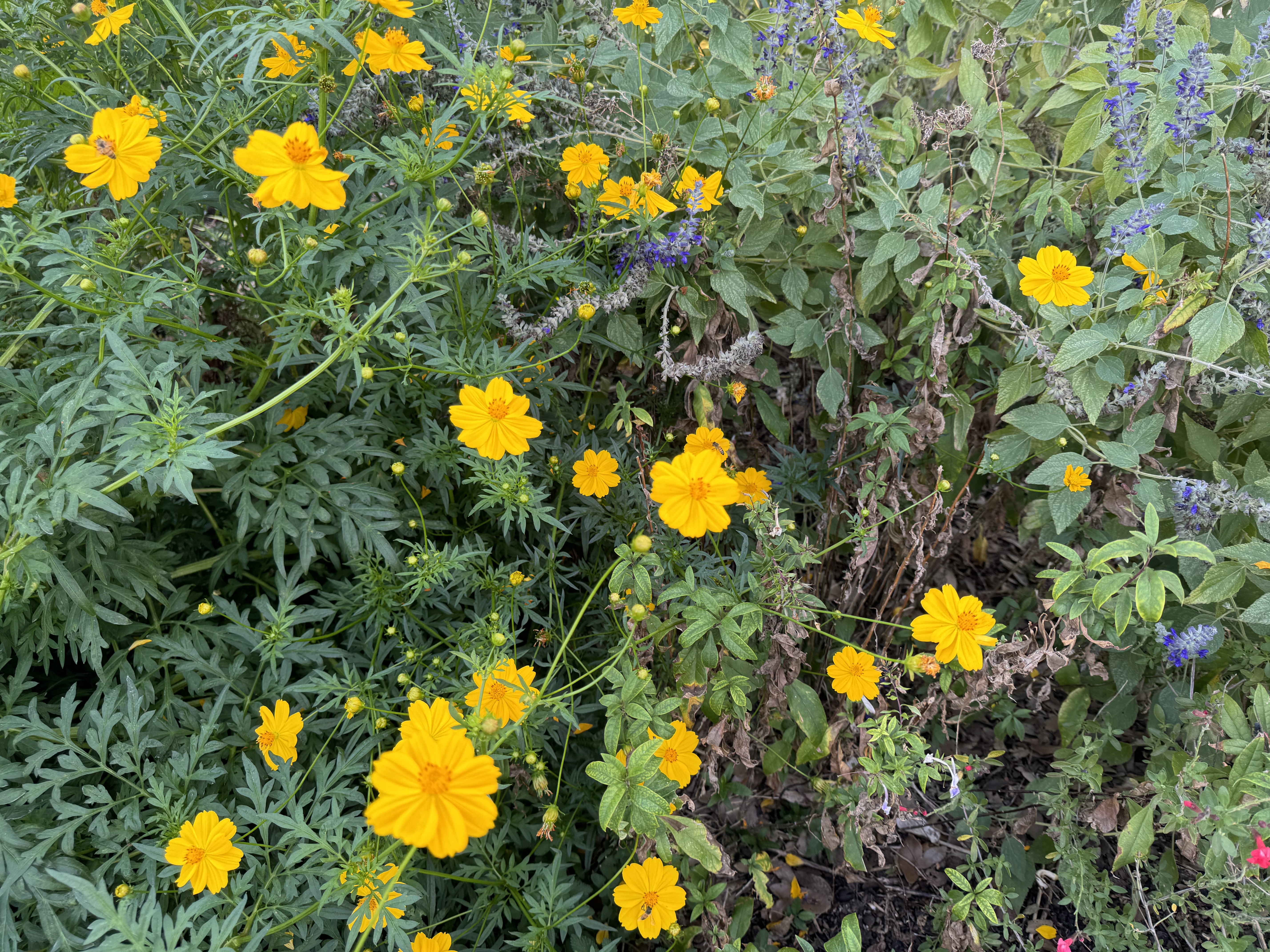
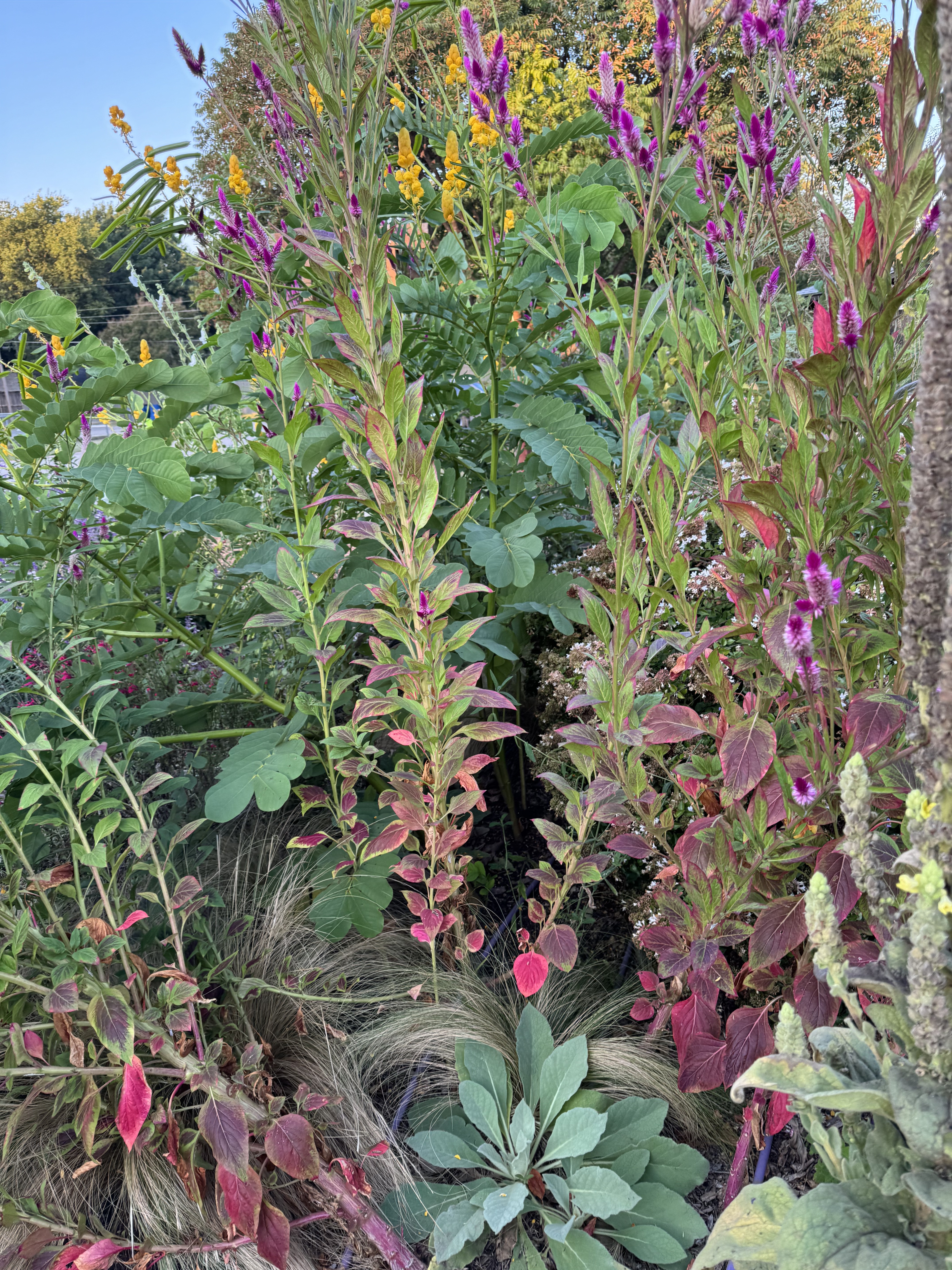
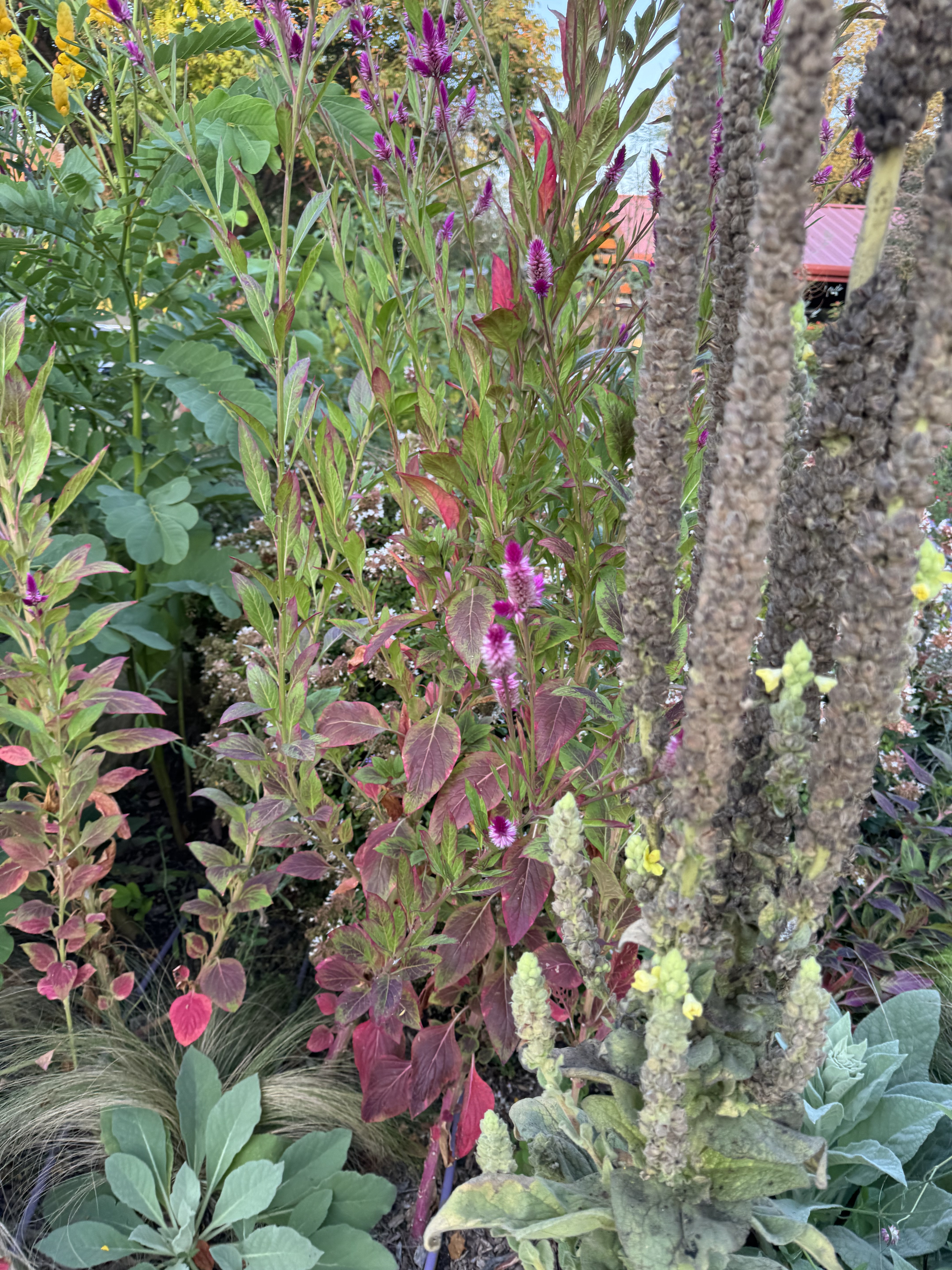
     How was it so useful?  well the yellow cosmos are a great example.  All summer they grew and grew.  No flowers at all.  Some falling over due to the weight of stems and leaves.  A passerby was heard to say ” I don’t know about those green leafy things they sure are big”  Were they a terrible mistake?  Are they ever going to bloom?  Are they going to all fall over?  Temptation grew to pull them all out.  And then all at once they bust into huge numbers of lovely cheerful flowers.  Butterflies and bees are just loving them.  They even look great as cut flowers.  

Yes!!!  holding was the best choice for sure.

The big green leafy things that were bare all summer are blooming at last and they are amazing. Cosmos!

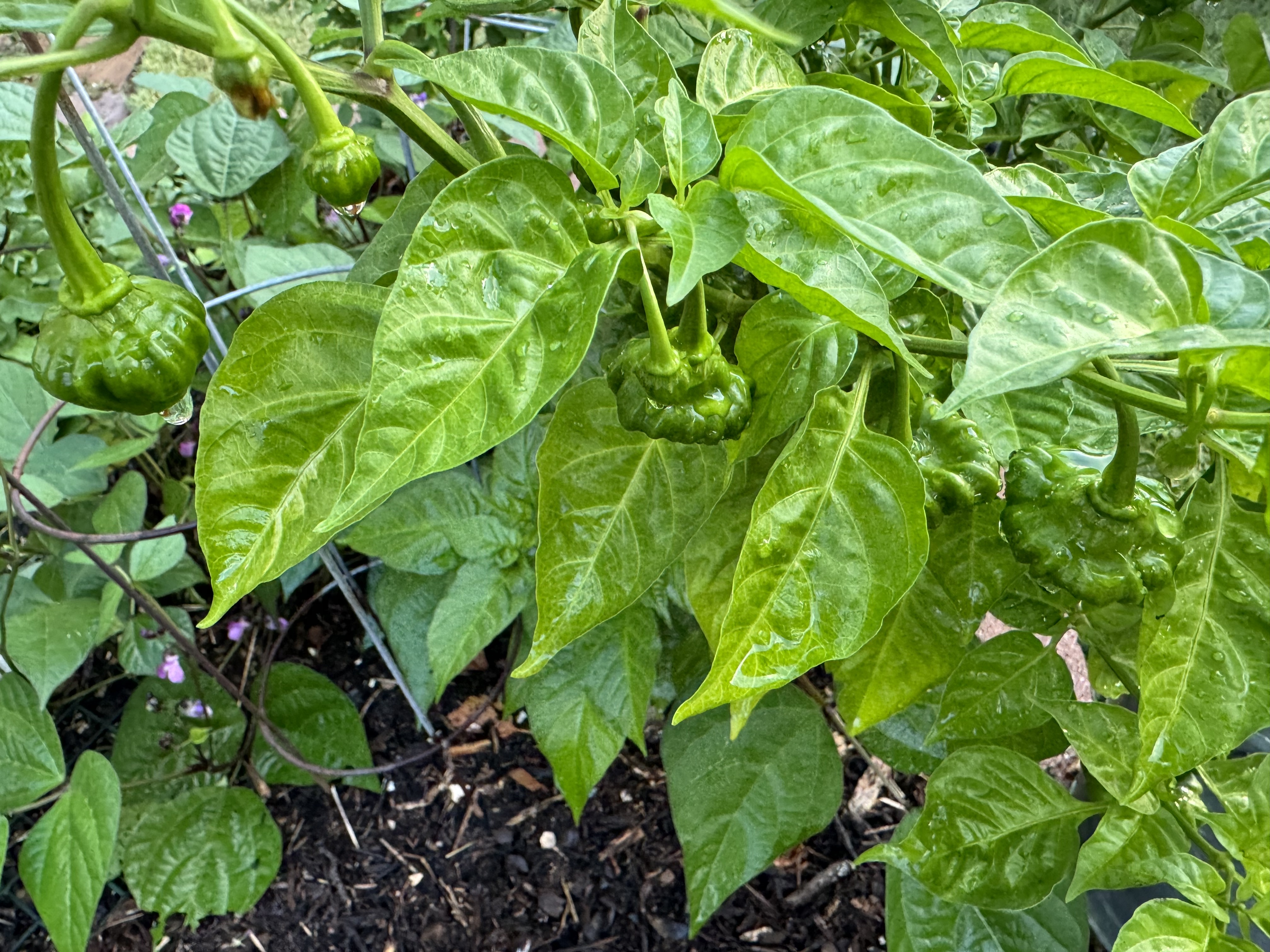
    Aji dulce peppers –no peppers for months.  All they were doing was taking up space and causing thoughts of “what on earth went wrong?”  They were biding their time. Summer just didn’t suit.  Just a small improvement in the weather–and blooms followed by lots and lots of little peppers.  It was a temptation to give up–but it would have been a shame.

The Peppers finally realizing they have a job to do.

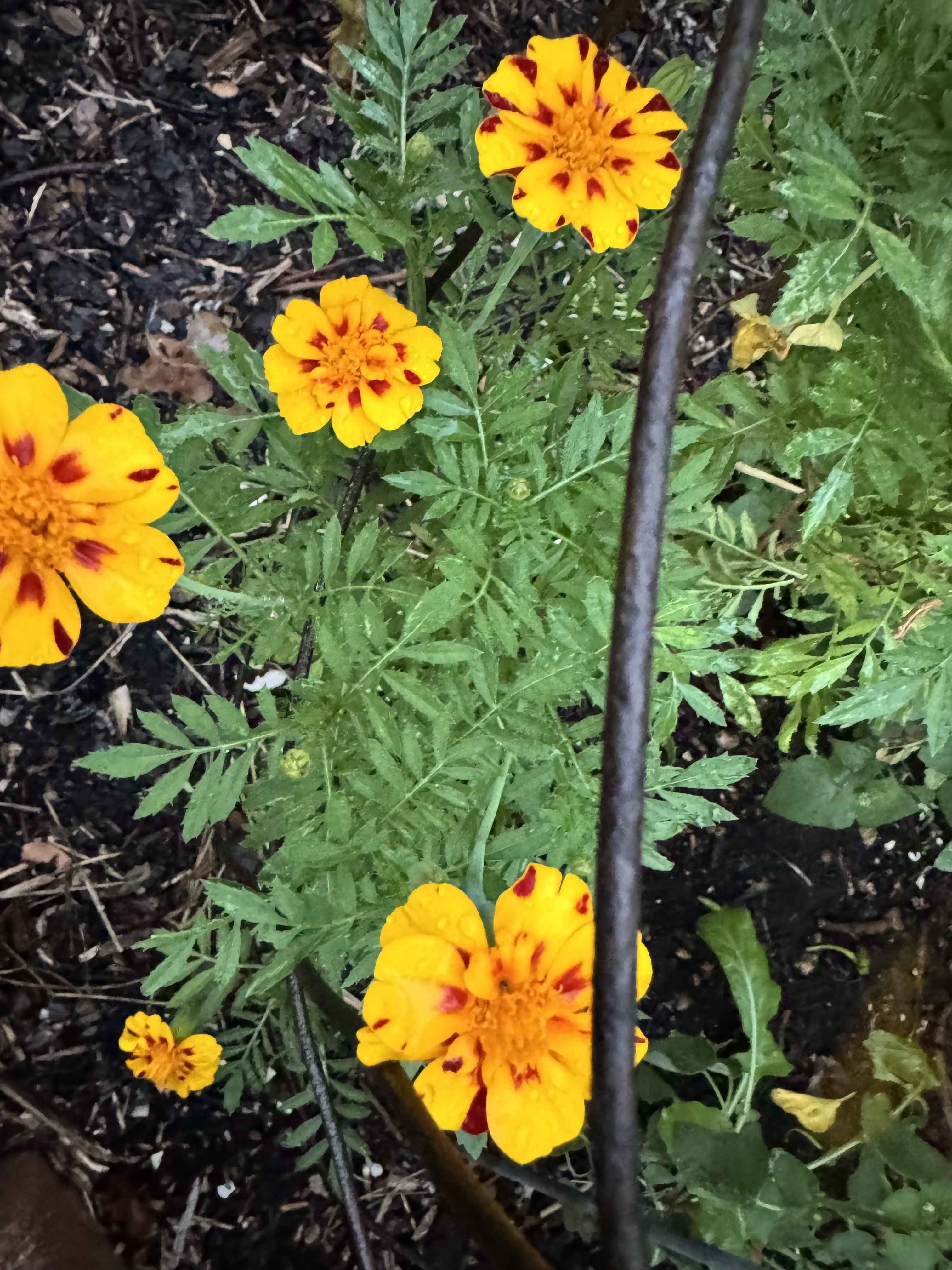
Marigolds–they also seemed to find the past few months not to their liking–the remaining tomatoes are happy maybe because the marigolds are happy.

The Marigolds were to keep the tomatoes company all summer. They are doing it now.

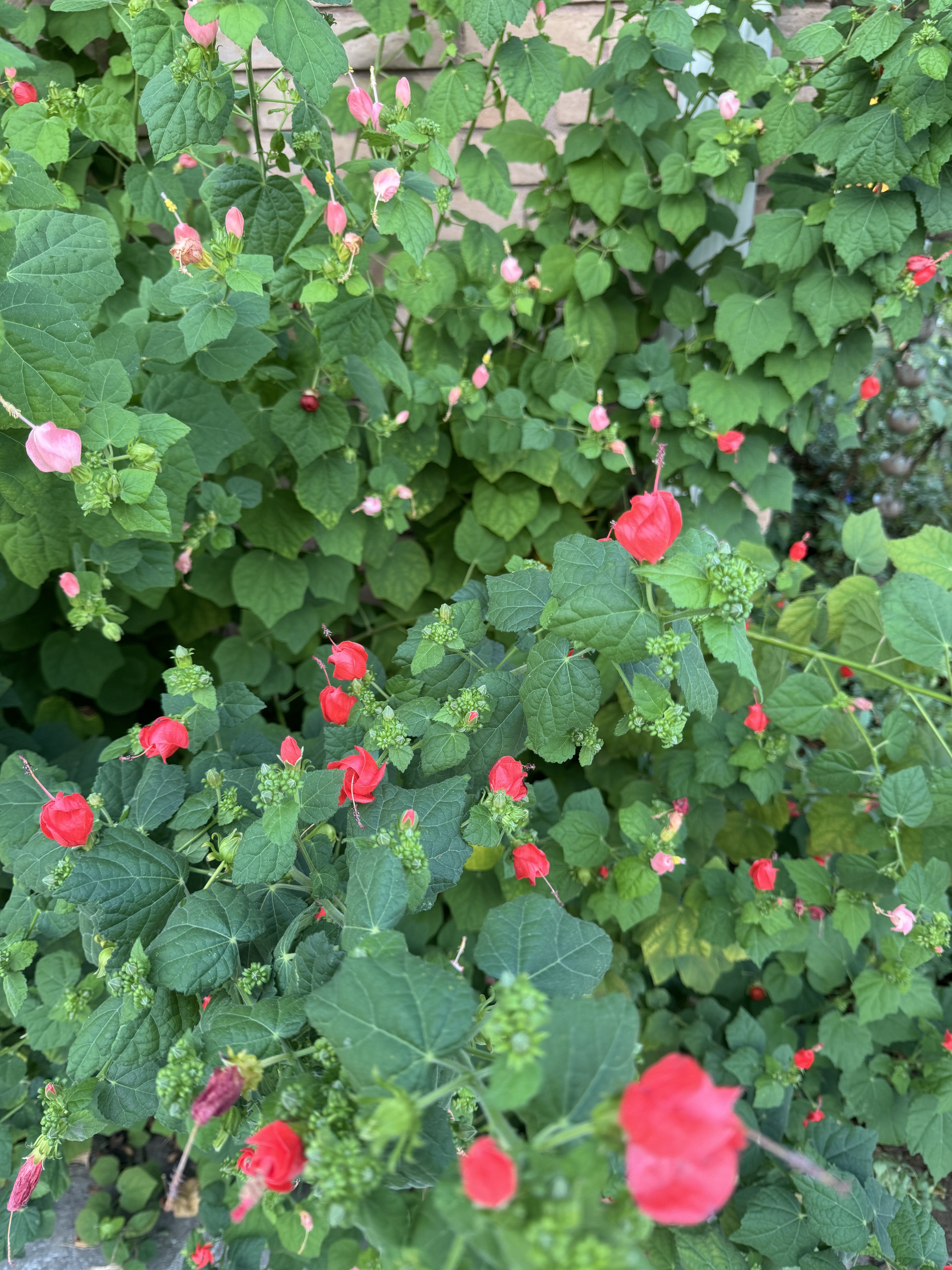
Turk’s cap–honestly it seemed to be asking to be cut to the ground–very few blooms and yet requiring constant pruning to keep it withing reasonable bounds–but–again a reward for avoiding extreme measures–countless flowers–and happy creatures.

Turk’s cap-all summer, some flowers but now covered in flowers.

     Of course the facts are–that all doesn’t go as hoped.

The most obvious are annuals that have tried really hard but have now reached the end of the line.  It is hard to do this when they aren’t quite done but face it–sad straggliy plants just distract from everything around them.  Let them go its ok.

It’s time for an old friend to go. Sad but true.

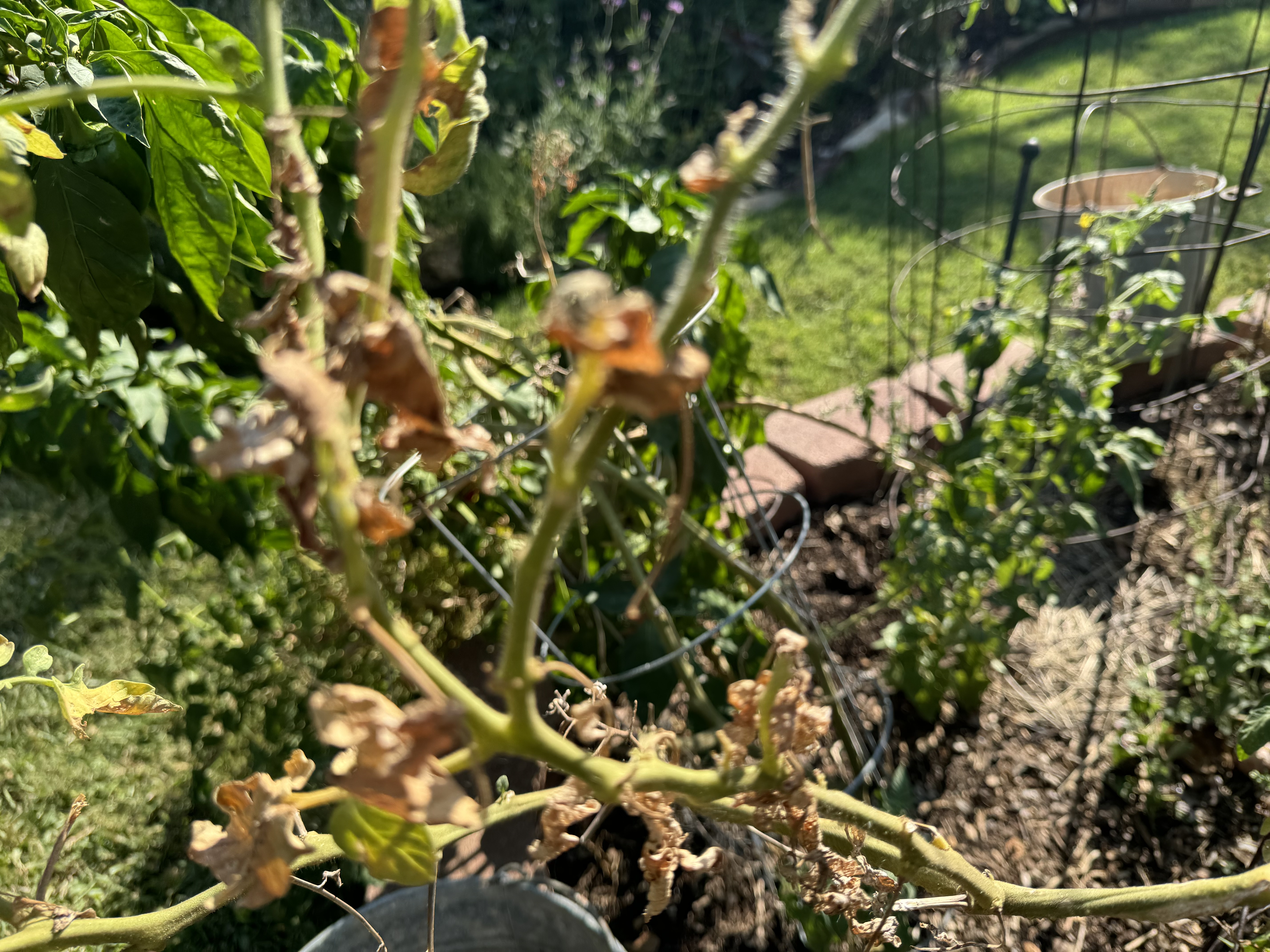
Same with vegetable plants.  These plants work hard some can make it on into fall.  But some just can’t.  It is really best to get rid of them they can attract pests and diseases that are just doing what they do to eliminate the weak–but best to beat them to it.

This tomato in my garden just isn’t going to recover.

The really hard part of the fold ’em is facing that some of your efforts really were in vain.  For some reason plants die.  Sure try  to figure out why.  Was it lack of water–a common issue.  Maybe over crowding?  But sometimes its unknown.  Pull them out anyway no use spending resources–including your time and energy on plants that just are not making it.

Perennial doesn’t mean live forever!

Those first two are pretty clear–but what about KNOW WHEN TO WALK AWAY?

 Actually its an important one.  This is the time of the year when plants have pretty well done what they are going to do.  It can be so valuable to step back and away and look at the big picture.  Could you do anything different ?  Is it just that much too much?  Or not quite enough?  Walk away and take a good look and make some mental notes for next year.

Can’t forget YOU GOT TO KNOW WHEN TO RUN.  No it won’t be a big problem don’t worry.  But do keep in mind that wasps and yellow jackets are very active at this time of the year.  Of course they are part of nature and normally not an issue–but  do look around they like to build nests in protected places–who doesn’t of course–but sadly when its right above the back door for example you may have to do what you would rather not.  But be careful at times their temper can be kindly said to be “Uncertain” And i hope you don’t have to run–but—-.

YOU GOT TO KNOW WHEN TO HOLD EM

YOU GOT TO KNOW WHEN TO FOLD EM

YOU GOT TO KNOW WHEN TO WALK AWAAY

YOU GOT TO KNOW WHEN TO RUN.

Susan Thronbury, Dallas County Master Gardener Class of 2008

Water Wise Design at The Raincatcher’s Garden

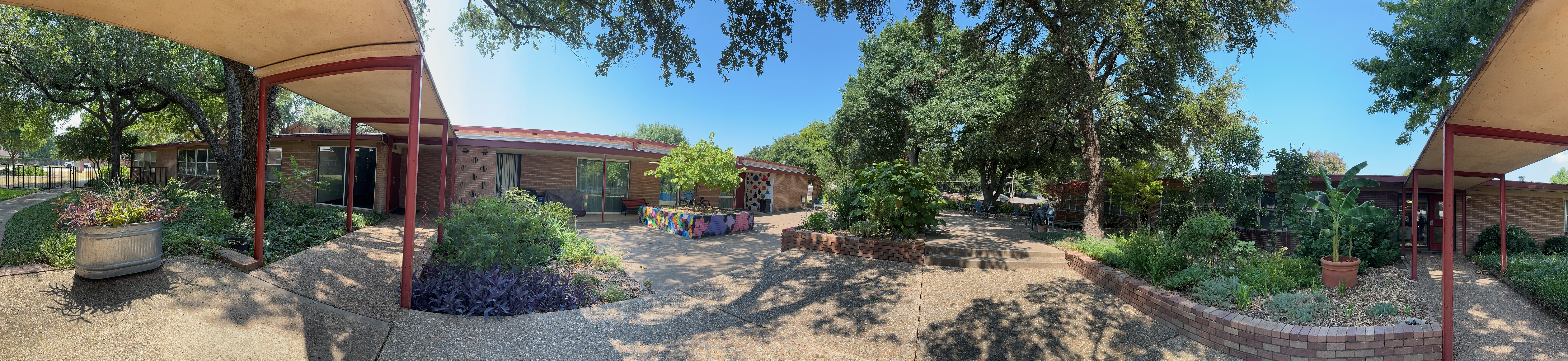
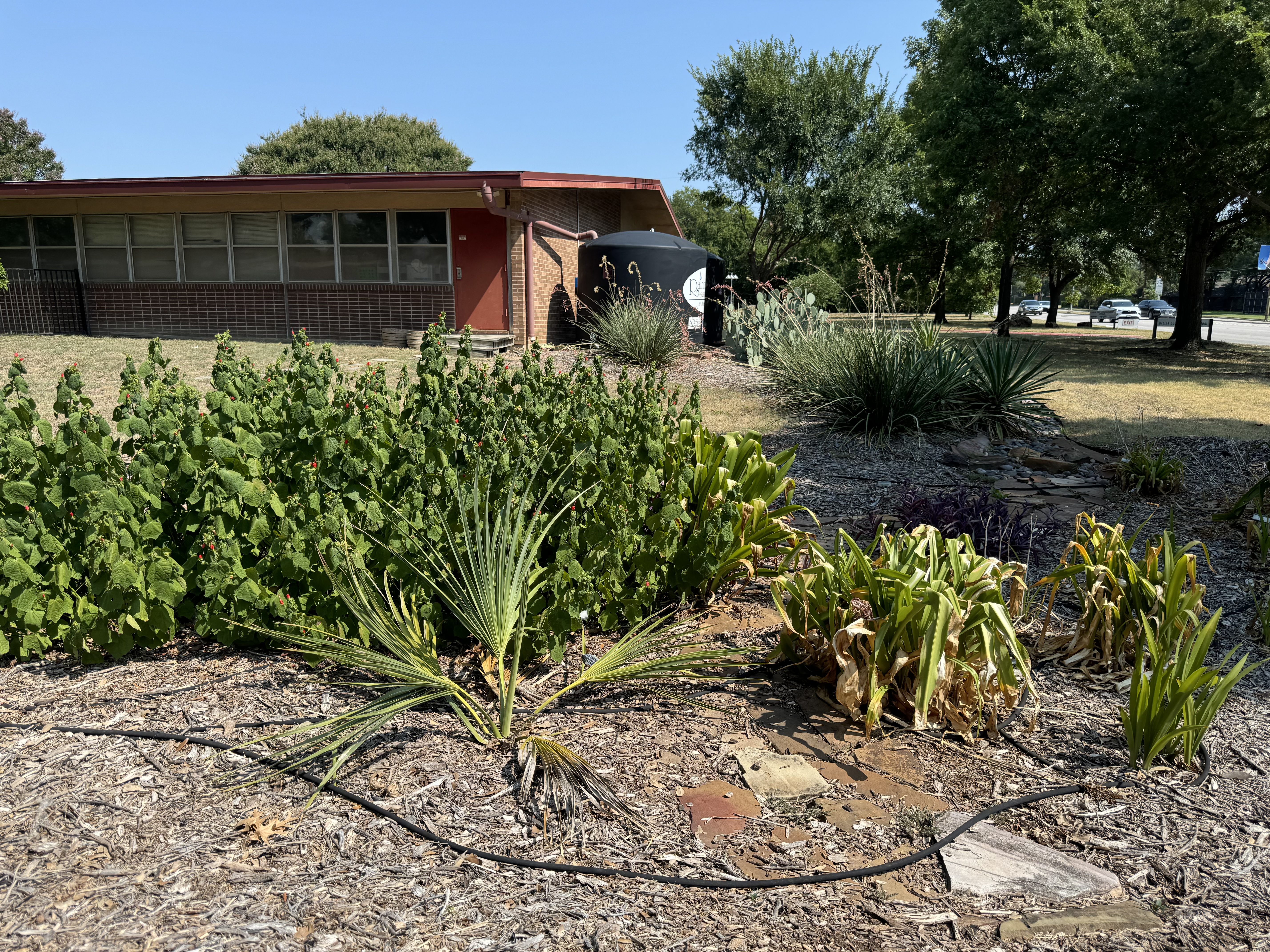
Panoramtic View of the Courtyard, Raincatcher’s Garden

Our garden has survived and even thrived this summer. The Raincatcher’s Garden was built using the 7 principles of Water Wise Landscaping:

  1. Planning and design
  2. Appropriate plant selection
  3. Practical turf areas
  4. Soil improvement
  5. Efficient irrigation
  6. Use of mulches
  7. Appropriate maintenance

With fall temperatures giving us a respite, maybe you are looking for plants and practices that will endure our hot Texas summers. Take a look below at what worked for us and as always we would love to have you come for a vsit.

Ann Lamb, pictures by Starla Willis- class of 2005 and 2008

Water Wise Landscaping

Cool as a Cucumber

July 25, 2024

Did you know that not all cukes are created equal? To simplify, there are two main types of cucumbers, American and English. Both can be used for pickling and slicing. This year I decided to try the English variety in my raised garden bed. Also, to save space, I used a trellis type support system for growing it vertically. That proved to be a very good decision.

13 inch long English cucumber ready to be harvested from my garden

After about two and a half months in the ground, my little cucumber transplant has covered the trellis and produced over a dozen cucumbers. English cucumbers generally grow thinner and straighter than their American counterparts and can grow in the range of 12 to 24 inches long. So far, I’ve been harvesting them at around 12 to 14 inches in length. 

English cucumbers have a sweeter flavor and delicate skin that is less bitter than that of other cucumbers. Many sources say that English cucumbers tend to have very few seeds but, as you can see from the photo, mine had a generous amount. 

A person peeling cucumber on a cutting board

Description automatically generated
Seeding an English cucumber with a serrated grapefruit spoon

Tips for growing:

*Plant in an area of the garden that receives a minimum 6 hours of sunshine daily. 

*Prepare the soil by tilling well while adding aged compost to a depth of 6 inches.

*On average, cucumbers require: 1 inch of water per week in moderate conditions, twice per day when temperatures exceed 90°F. 

*Add a 4-inch layer of organic mulch around base, but not touching the stem.

One of my favorite cucumber recipes is from a place in the Texas hill country where my husband and I, for over 35 years, always enjoyed having lunch. It was an absolutely charming restaurant in Fredericksburg known as ‘The Peach Tree Tea Room’. The Pedregon family opened their new venture in the fall of 1984. It brought in diners from all over the United States and internationally, as well. Sadly, it closed a few years ago leaving a void in the Fredericksburg culinary scene. Thankfully, over the years, I purchased all three of their wonderful cookbooks. The recipe I’m sharing is from their first cookbook, published in 1990. It is the recipe for ‘Chilled Creamy Cucumber Soup’. 

Making the recipe over the weekend brought back cherished memories from those early days in Fredericksburg. It was especially rewarding to use three of the ingredients called for in the recipe from my garden; English cucumbers, parsley and garlic that was curing in my pantry. 

A bowl of food on a plate

Description automatically generated
Chilled Creamy Cucumber Soup Garnished with Freshly Chopped Parsley and Tomatoes

Hope you will be inspired to take a cool and refreshing break with ‘Chilled Creamy Cucumber Soup’. In the meantime, chill out with these tasty, sliced cucumber appetizers.

Cucumber slices with flowers and a small glass vase of herbs on a wood surface

Description automatically generated
English cucumber slices topped with Herbed Cream Cheese, Salad Burnet and Borage Blossoms

And, just in case you were curious about the title…’Cool as a Cucumber’. I did a quick online search and learned something new. First, the inside of cucumbers are approximately 20 degrees cooler than the outside air. And the phrase ‘cool as a cucumber’ first appeared in a poem by the English author John Gay in 1732. It expresses the narrator’s angst regarding a woman with unreturned love! Today, that phrase is used to describe someone who tends to remain calm, assured and composed in any situation.

Linda Alexander, Dallas County Master Gardener Class of 2008

Chilled Creamy Cucumber Soup

Cucumber Slices Topped With Herbed Cream Cheese

Calabacita – SVB Resistant and Productive

July 1, 2024

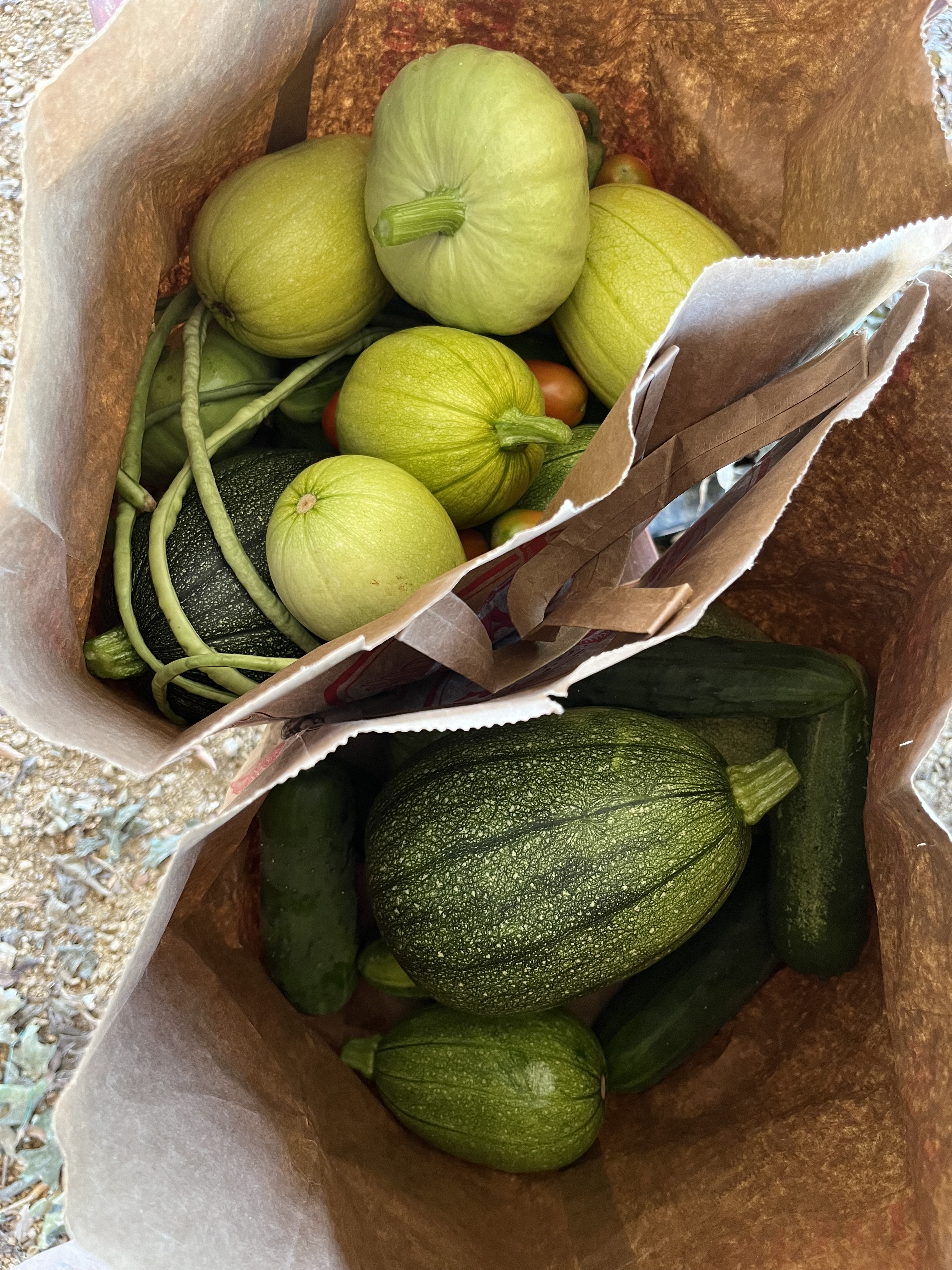
Congratulations to the Raincatcher’s Garden Veggie Team, who has harvested and donated 634 pounds of squash so far this year. It’s quite an accomplishment when you consider the ubiquity of the destructive squash vine borer (SVB) in the area.

The team’s challenge was to find a squash variety that resists SVB. Over the past three years, gardeners have tried Zucchino Rampicante (Cucurbita moschata), Baby and Waltham Butternut (Cucurbita moschata) and Calabacita (Cucurbita pepo).  All overcame SVB damage, but the Calabacita production was much higher.

Calabacita is delicious, especially when harvested at tennis ball to softball size. It can also be eaten as a soccer ball size pumpkin and stores well at the larger size. It takes a little more effort to prepare the larger size, so the gardeners included cooking instructions with donations.

One difficulty, but a good problem to have, is finding the many fruits of this prolific plant before they reach a large size.

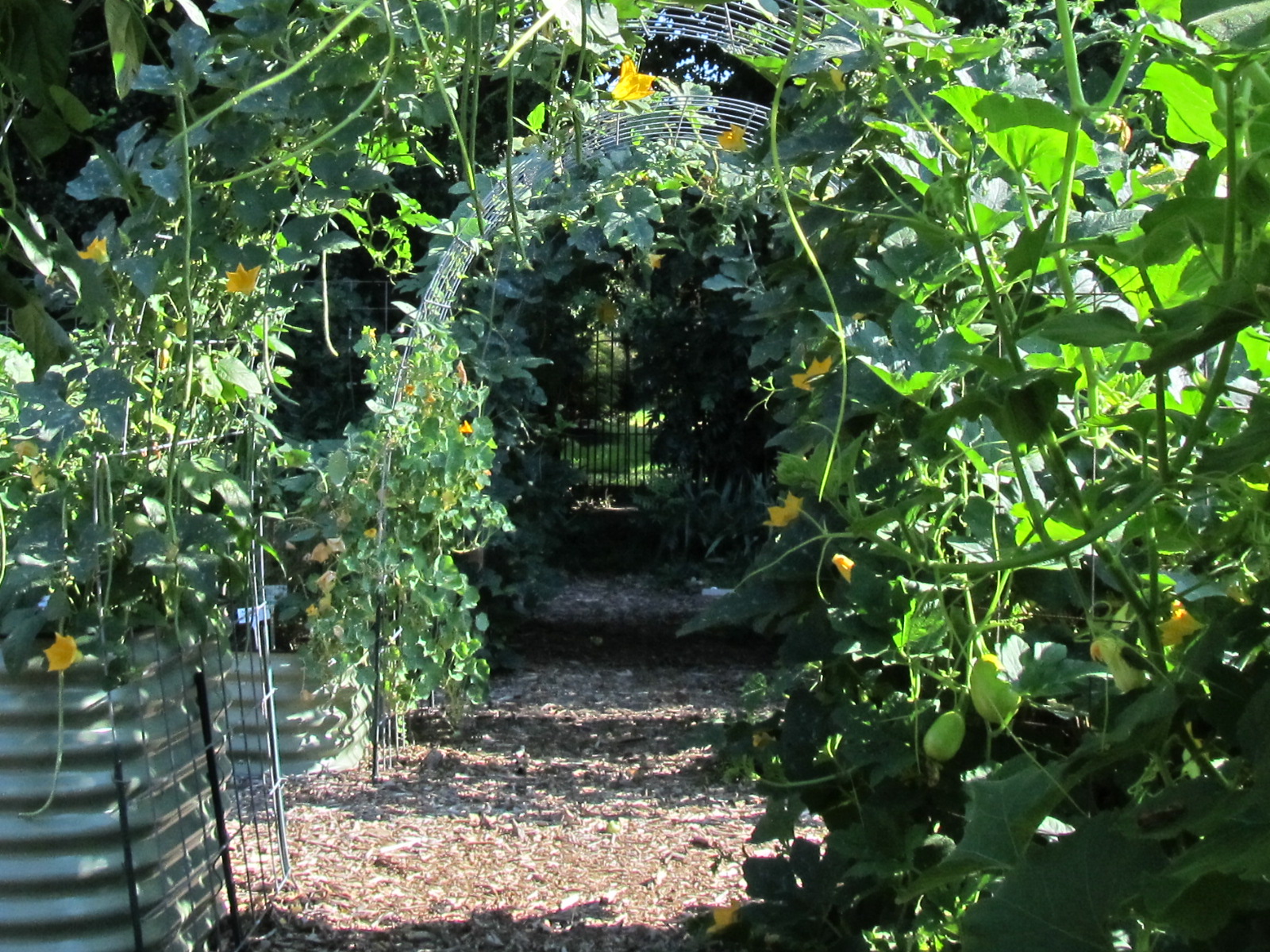
Another issue is the vines grow over 10 feet long and quickly sprawl throughout the garden. At Raincatcher’s they grew over large trellises and into the raised beds and grape arbor on the opposite side.

However, the trade off of space for productivity worked out well for the garden this year.

Well done Veggie Team, whose total production for 2024 has now surpassed 1200 pounds, providing fresh, nutritious food for the patrons of North Dallas Shared Ministries.

Cyntihia Jones and Beverly Allen, Dallas County Master Gardeners

The Veggie Team works hard every Monday morning (and many Thursday mornings during harvest), weather permitting, so please feel free to stop by with any questions you may have about growing vegetables in Dallas or just to look around and be inspired. Our garden is located on the grounds of Midway Hills Christain Church at 11001 Midway Road, Dallas, TX, 75229.

Cilantro/Coriander

May 30, 2024

Coriandrum sativum

It’s as common in the garden and grocery isles as parsley but there seems to be a level of misunderstanding that needs addressing. First Coriander and Cilantro are the same plant. The confusion is found in the seeds.  It is also sometimes referred to as Chinese parsley because of its long history of use in that cookery.  To clarify, the name “coriander” comes from the Greek koris, meaning bug, in reference to the odor of the leaves. And who hasn’t heard the taste of cilantro described as having a “soapy” character? 

Historically, coriander has been used for culinary and medicinal purposes for over 3,000 years. It is mentioned in Sanskrit texts, on Egyptian papyri and in Tales of the Arabian Nights.

In the Bible it is compared with manna. (Exodus 16:31 – “And the people of Israel called the bread manna. It was white like coriander seed and tasted like wafers made with honey.” NASB)

Coriander was brought by the Romans to Europe, where it now grows wild. In Mexico and throughout the Southwest you’ll find cilantro leaves used as a necessary flavoring ingredient in salsas, salads, soups, chicken and meat dishes.

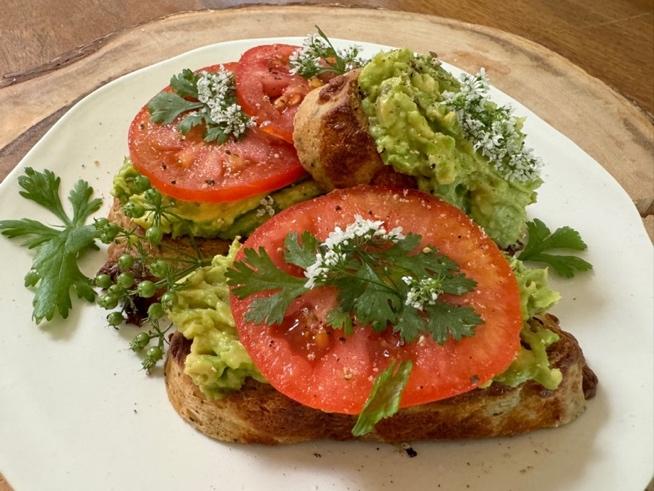
Today, coriander is grown primarily for the leaves, but chefs are discovering new ways of using the entire plant. Interestingly, for me, while working in the garden last week, a cilantro plant filled with lacey, petite white flowers caught my eye.  After taking a few colorful photos, I couldn’t resist snipping a delicate umbel and popping it into my mouth. While the leaves of coriander/cilantro have a much more assertive personality, the flowers offered a milder, citrus-like taste that was cool and refreshing. It was an “ah-ha” moment for me. Never before had I considered using the delicate flowers in my cooking. I’m now convinced that a creative approach to using them will be enjoyed and appreciated. It is recommended cilantro flowers always be used fresh, never dried.

A plate of food on a wood surface

Description automatically generated

(Avocado Toast with Tomato Slices, Freshly Snipped Cilantro Flowers and a Splash of Apple Balsamic Vinegar)

A plate of food on a wood table

Description automatically generated

(Asian Noodle Salad with Fresh Cilantro Flowers)

*Finally, here’s an easy way to simplify the confusion. When people speak of cilantro, they are referring to the stems, leaves and flowers of the plant. Coriander usually refers to dried seeds. All are edible so, please, enjoy using the entire the plant in your future cooking adventures. 

Linda Alexander, Dallas County Master Gardener Class of 2008

A Late Spring Update

According to the calendar, the first day of spring was Friday, March 20, 2024. Dallas natives know that early signs of spring started appearing in late February. One of the happiest moments for me was when two new additions to my garden in 2023 announced their comeback from winter’s cold. They are now showing signs of an exciting springtime welcome.

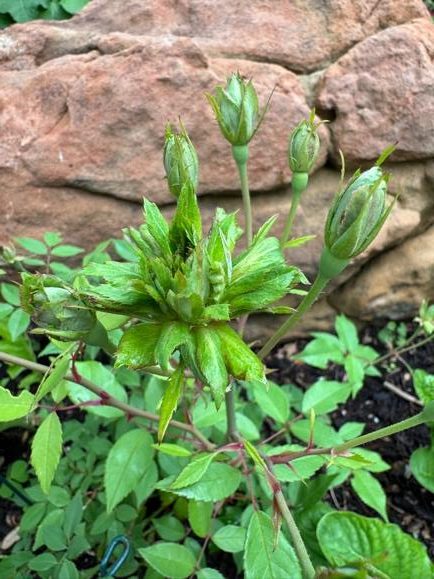
*Veggie Green Rose (Planted April 2023) – It has easily doubled in size, producing new buds over the past two months.

*Green Gage Plum (Planted September 2023) – It was thrilling to see both trees filled with delicate white blossoms during the last few days of February, continuing into March. Fresh, new green leaves started appearing in late March and early April. It’s now May and all is well.

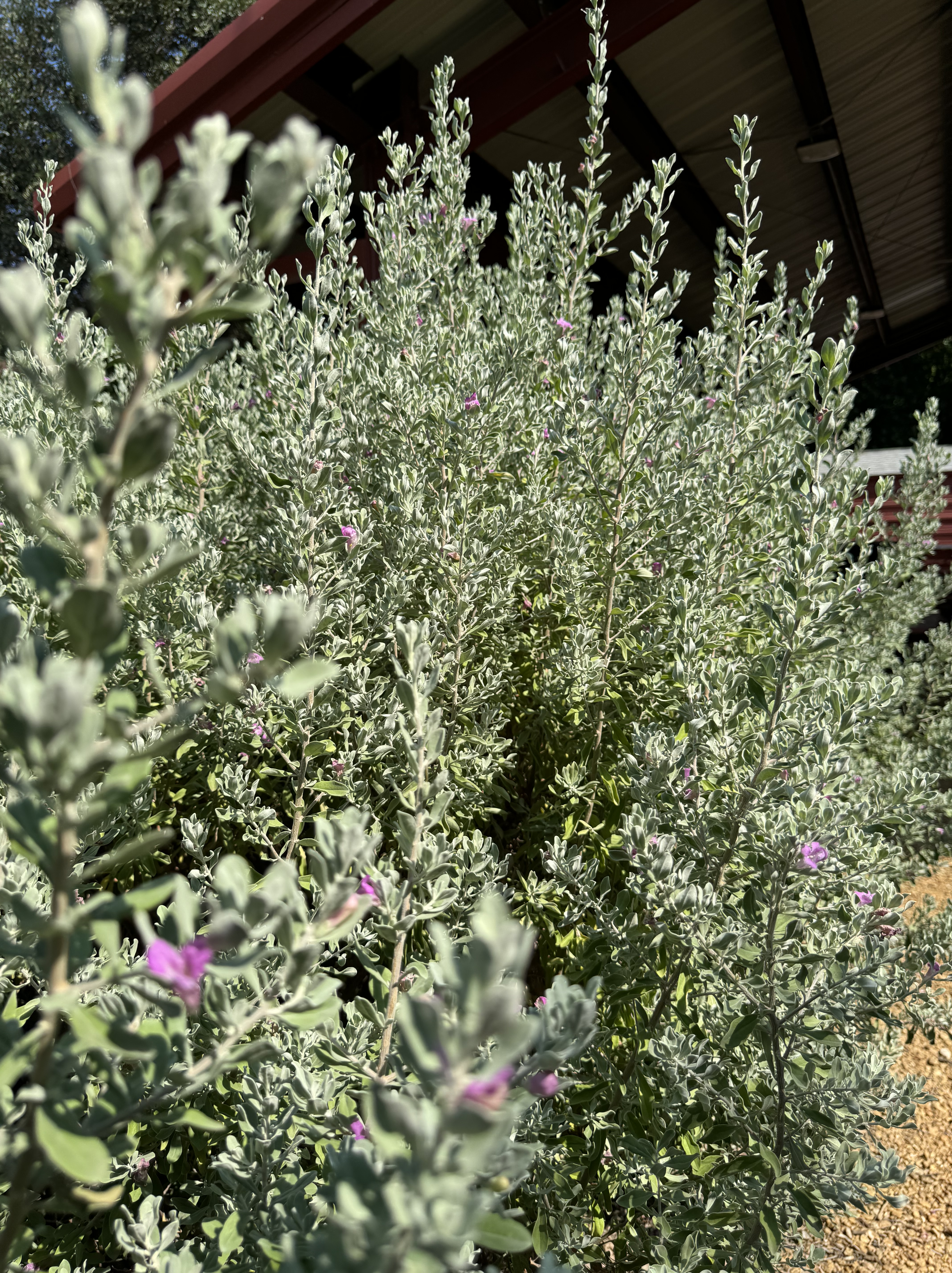
*Black Sage (Planted September 2023) Sadly, this one did not survive those few days/nights of below freezing temperatures. But I’m not giving up on growing black sage in my garden. This time I’m trying a different strategy. Last month I ordered four new 4” plants from the same grower in California. Each one was planted in a different location of the garden with varying degrees of sun to shade. I’m encouraged today that all four plants have almost doubled in size. Hopefully, by this coming fall they will all be well established and ready for our unpredictable winter weather.

(Black Sage planted in early April 2024 is thriving)

A recent Savannah Bee email featured their Black Sage Honey and the amazing story of how it thrives in the lower mountain slopes and upper desert regions of the Sierra Nevada mountains. It is a fascinating look at what it takes to produce this uniquely flavored honey. Thankfully, I still have a few jars left from my last order!

Linda Alexander, Dallas County Master Gardener Class of 2008


Raincatcher’s Garden Annual Plant Sale

 Tuesday, May 7th 2024

10 AM – 3 PM

Midway Hills Christian Church 

11001 Midway Road 

Dallas, Texas 75229

The Full Monty

January 6, 2024

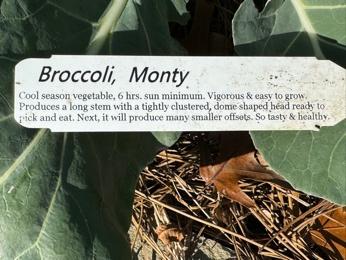
This past fall, I decided to try several different varieties of broccoli in my garden. A few are still growing and I’m hoping they reach the harvesting stage very soon. But, as you can see from the photo, this particular variety produced a beautiful head of broccoli just a few days ago. There are five or six smaller side shoots, but none will be as large as the original. 

A sign on a leaf

Description automatically generated

One definition of “monty” describes it as the whole thing; everything that is wanted or needed. 

The recipe I selected for ‘monty’ is from our family cookbook. We refer to it as Bethy’s Crunchy Broccoli Salad. It is delicious any time of year but bringing it in straight from the garden on a chilly winter morning was the best ever! It certainly met, and exceeded, our expectations.

*Johnny’s Seeds currently has packets of Broccoli, Monty seeds in stock. 

Linda Alexander, Dallas County Master Gardener Class of 2008

Season’s Greetings From Our Garden to Yours!

First, an update on our new greenhouse!

Jon and Joe meticoulsly laying the floor for the greenhouse.We’re excited to be getting the space to start seeds for the north garden.  The other greenhouse gets extremely crowded in spring with the combination of north garden and plant sale seedlings. 
Tig said the brick floor is too nice to cover up with a greenhouse!


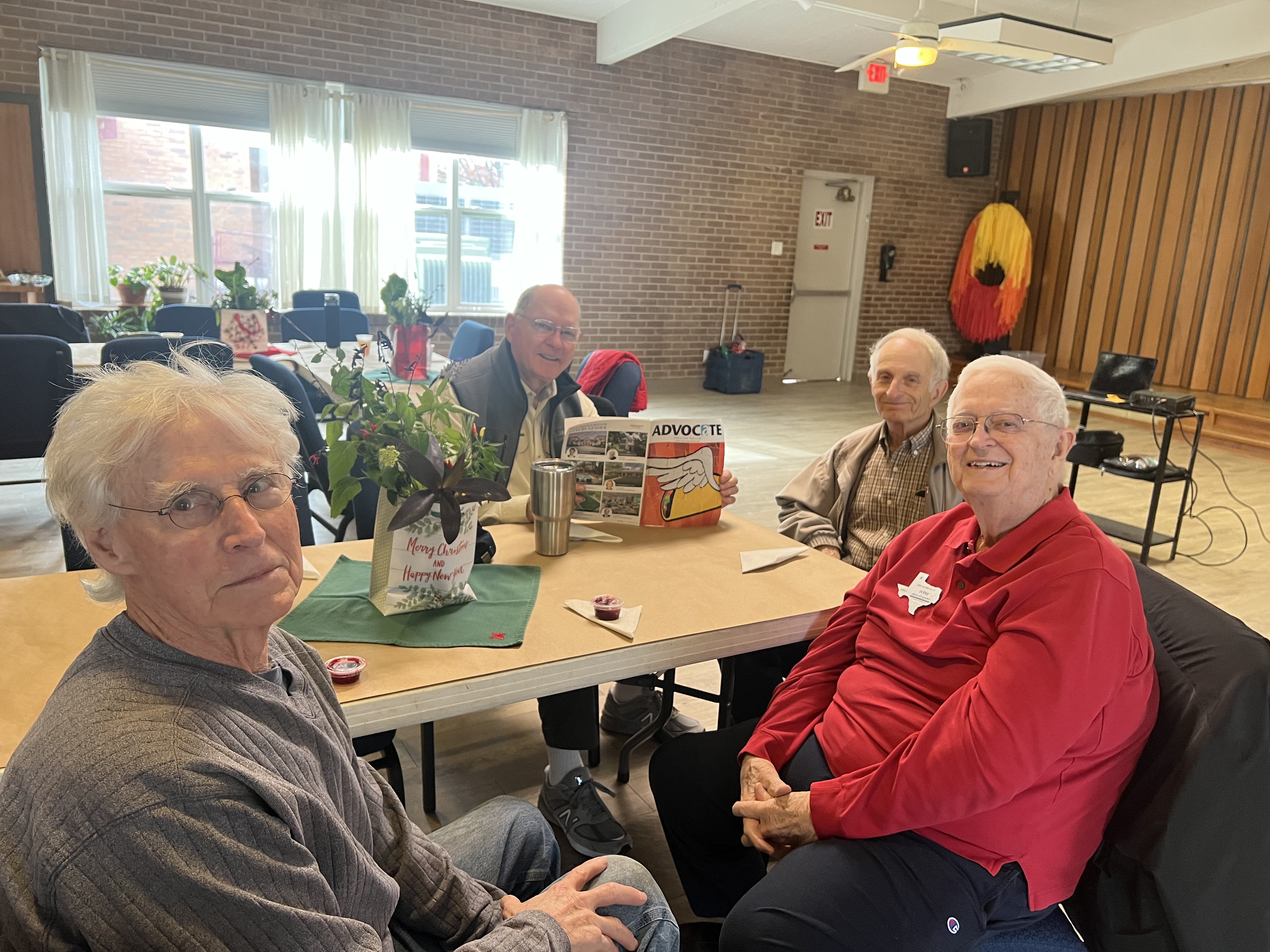
Here are a few pictures by Starla from our recent Christmas lunch.