Tag Archives: Dallas Farm to Table

Tomato Sampler Lunch Recipes From August 1, 2017

Cream of Tomato Soup with Parsley Croutons

Cream of Roasted Tomato Soup with Parsley Croutons

Ingredients:

2 pounds large, ripe tomatoes

Olive oil to coat tomatoes

8 shallots

1 small carrot

1 small fennel bulb

3 tablespoons unsalted butter

2 cups chicken or vegetable stock

5 to 6 sprigs fresh tarragon

5 to 6 sprigs fresh parsley

Salt and freshly ground black pepper, to taste

1 cup heavy cream (optional)

Parsley Croutons:

12 thin slices baguette

Olive oil to generously coat both sides of each piece of baguette

3 cloves garlic, cut in half

½ cup Teleme cheese, grated (or use your favorite semi-soft cheese, such as Brie, Havarti, Monterrey Jack or Port Salut)

¼ cup chopped fresh parsley

Directions:

  1. Preheat the oven to 425˚. Cut tomatoes in half, seed them and coat with olive oil. Place tomatoes on a foil lined cookie sheet and bake for 30 minutes, turning every 10 minutes, until the skins begin to darken and blister. Remove from oven and let cool. Remove the skins and reserve the pulp and all the juices.
  2. Coarsely chop the shallots, carrot and fennel. Melt butter in a medium saucepan over medium heat and sauté chopped vegetables until they are very soft. Stir occasionally to prevent sticking. Add the stock and herbs and simmer over low heat for 30 minutes. Add the tomato pulp and reserved tomato juices. Remove the herb sprigs. Puree the soup or run the pulp through a food mill or fine sieve for a smoother soup. Season with salt and pepper and extra herbs, if desired. Keep warm over low heat.
  3. Lower the oven to 400˚. To make the parsley croutons, brush both sides of baguette slices with olive oil and place on a baking sheet. Rub one side of baguette with garlic. Sprinkle with cheese and parsley and bake until brown.
  4. Add the cream to the soup if desired and heat until warm. Ladle soup into warm bowls and float 3 parsley croutons on top of each.

Serves 4

Adapted from TOMATOES, A Country Garden Cookbook by Jesse Cool


Summer Cherry Tomato Dressing

Summer Cherry Tomato Dressing

Ingredients:

8 ounces small cherry or other tiny tomatoes, halved or quartered, depending on size

3 tablespoons extra-virgin olive oil

2 tablespoons drained, oil-packed sundried tomatoes, thinly sliced

1 tablespoon fresh basil leaves, thinly sliced

2 teaspoons drained capers, coarsely chopped

2 teaspoons sherry vinegar

2 teaspoons fresh orange juice

½ teaspoon minced fresh garlic

¼ teaspoon Kosher salt

Directions:

  1. Combine all of the ingredients in a small bowl and stir gently to combine. Let sit for 10 to 15 minutes (or up to 30 minutes) to let the flavors mingle and to let the tomatoes marinate some. Stir gently before serving over fresh green salad. May also be refrigerated overnight.

Yield: About 1 ¼ cups

Adapted from Edible Dallas and Fort Worth, Summer 2010
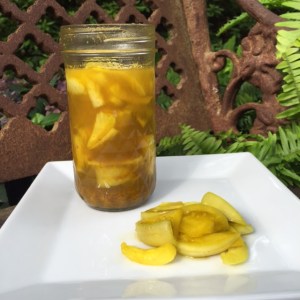
Curried Tomato Pickles

Curried Pickled Tomatoes

Ingredients:

2 pounds unripe green tomatoes

2 medium yellow onions

4 to 5 fresh whole red chili peppers

3 to 4 cups seasoned rice wine vinegar

3 bay leaves

3 cloves garlic

1 teaspoon whole allspice

2 tablespoons curry powder

1 tablespoon whole cumin

Directions:

  1. Sterilize 4 or 5 pint-sized jars by boiling in hot water or running them through the dishwasher without detergent.
  2. Cut tomatoes into wedges. Cut the onions into wedges approximately the same size as the tomatoes. Alternate layers of the onions and the tomatoes in the sterilized jars. Place 1 chili pepper in each jar.
  3. In a large, nonreactive pot, bring all the remaining ingredients to a boil for 5 minutes. Strain and pour evenly over the onions and tomatoes. Let cool.
  4. Add enough liquid to the jars to completely cover the vegetables and reach within ½ inch of the top of the jar. Add more vinegar if more liquid is needed. Cover with the lids and store in the refrigerator. Give them a minimum of a few days before eating. Good for at least 2 months in the refrigerator.

Makes 4 to 5 pints

Adapted from TOMATOES: A Country Garden Cookbook by Jesse Cool

Heirloom Tomato and Fresh Peach Salad

Heirloom Tomato and Fresh Peach Salad over Whipped Burrata Cheese 

Ingredients:

2 heirloom tomatoes, cut into wedges

4 yellow pear tomatoes, cut in half

2 ripe peaches, sliced

2 watermelon radishes, thinly sliced on a mandoline

12 zucchini spirals, thinly sliced longwise on a mandoline

2 tablespoons pine nuts, lightly toasted

16 ounces Burrata cheese (may substitute fresh mozzarella and cream for thinning) 

Directions:

1. Whip Burrata cheese in a food processor until creamy and spreadable.

2. Spread equal amounts of the cheese onto four salad plates, forming a circle.

3. Arrange an even number of tomato wedges, peach slices, radish slices and zucchini spirals on top of the cheese.

4. Sprinkle the pine nuts evenly over each of the four plates. 

Serves 4

Tomato Tart

Ingredients:

1 unbaked 10-inch pie crust (boxed, refrigerated type preferred)

Pinch ground nutmeg

1½ pounds Roma tomatoes, thickly sliced

1 rib celery, coarsely chopped

1 carrot, peeled and coarsely chopped

1 medium red onion, coarsely chopped

1 clove garlic, minced

¼ cup Italian parsley, coarsely chopped and firmly packed

2 tablespoons olive oil

2 tablespoons unsalted butter, melted

Salt

Freshly ground pepper

1 tablespoon minced fresh basil

4 large eggs, lightly beaten

2 ounces Parmesan cheese, freshly grated (½ cup)

1 large tomato, seeded and thinly sliced

Fresh basil leaves to garnish

Freshly grated Parmesan cheese to garnish

Directions:

  1. Unroll pie crust and roll out slightly to fit into and up the sides of a 10” tart pan. Gently press into place. Dust with nutmeg and prick bottom with a fork. Place aluminum foil with pie weights or dried beans over pastry. Chill 30 minutes in refrigerator or place in freezer for 10 minutes. Preheat oven to 425˚. Bake 10 to 15 minutes. Remove foil and weights. Continue cooking until crust is golden and dry in the center, about 5 minutes. Remove from oven and cool at least 15 minutes.
  2. Place Roma tomatoes, celery, carrot, onion, garlic, and parsley in a large skillet. Drizzle olive oil over top. Cover and cook over medium-low heat for 1 hour, stirring occasionally to prevent sticking on the bottom. Transfer mixture to a food processor and process until finely chopped. Add butter. Process to combine. Season with salt and pepper. Transfer tomato mixture to a medium saucepan or back into the skillet. Cook over medium heat until thickened, about 15 minutes. Transfer to a bowl and stir in basil. Set aside and allow to cool completely.
  3. Preheat oven to 350˚. Add eggs and Parmesan to cooled tomato mixture. Pour tomato mixture into tart crust. Arrange tomato slices over filling. Bake 20 minutes or until golden brown and filling is firm in the center. Cool 12 to 15 minutes before slicing. Garnish slices with basil and Parmesan.

Serves 8

Adapted from Stop and Smell the Rosemary by Junior League of Houston

Recipes and Pictures by Linda Alexander

Editing by Lisa Centala

More Tomato Recipes Tomorrow!
 

Arugula Has Its Day

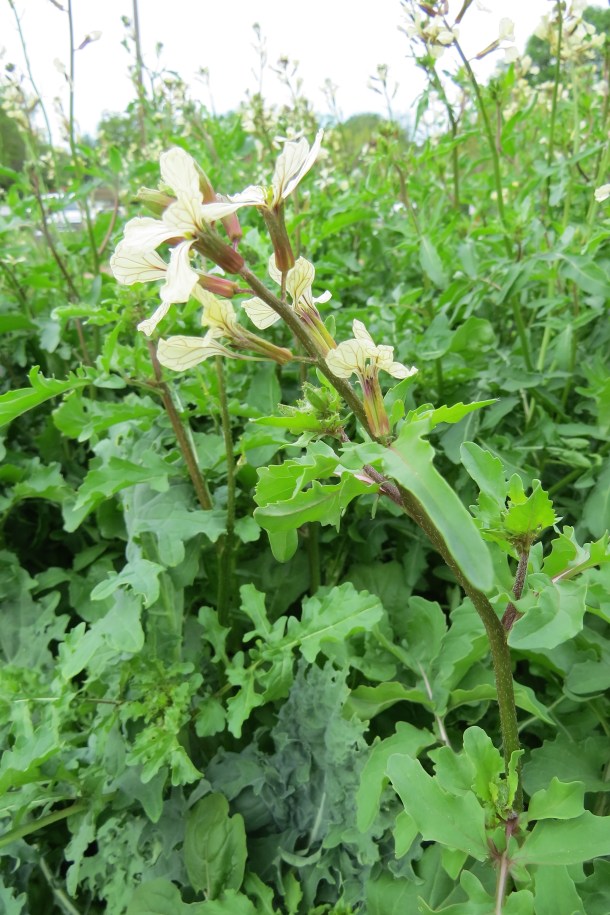
Tuesday at Raincatcher’s we noticed that the arugula was bolting. Lovely little white blossoms crowned the tops of all the arugula plants in our raised bed.  The bees couldn’t have been happier.

However, it also reminded us that the time had come for one final harvest. Carefully we clipped our way through the plants with bees buzzing all around us.  A very generous amount of arugula, at least 6 pots full, was harvested and shared with our volunteers.

Here is a delightful recipe for using fresh, peppery arugula brought in straight from the garden. A nice addition to the salad would be 1 bunch fresh roasted beets.  Be creative, arugula supports a variety of many different ingredients.


Arugula Growing at The Raincatcher’s Garden

Arugula Salad

Ingredients:

¼ cup sliced natural almonds

3 tablespoons olive oil

1 tablespoon minced shallot

1 tablespoon fresh lemon juice

1 ½ tablespoons red-wine vinegar

¼ teaspoon sugar

½ teaspoon salt

3 cups baby arugula (about 3 ounces)

3 or 4 radishes (thinly sliced)

Directions:

  1. Cook almonds in oil in a small skillet over moderate heat, stirring occasionally until pale golden. Cool almonds in oil, (nuts will get darker as they cool). Transfer almonds with a slotted spoon to a small bowl and season with salt.
  2. Stir together shallot, lemon juice, vinegar, sugar, salt and oil from almonds in a large bowl.
  3. Using a mandoline or very sharp knife, thinly slice radishes.
  4. Combine salad ingredients in a large bowl. Drizzle dressing over the top and toss well to coat the leaves.

Yield: 4 servings

Note: Freshly “pulled” radishes were added to the salad, as well.


Linda Alexander

Find out more about arugula here .

And here’s another way to use harvested arugula.

Onion Planting at The Raincatcher’s Garden, 2017

It’s January and time to plant onion sets! Onion sets can be purchased at your local garden center. Sets are immature bulbs that were started from seed the previous year. The seed are sown closely so that they stay small and then pulled when they are about a half an inch round. Onion sets are inexpensive and contain about 75 onions. At Raincatcher’s we are planting Red Creole, Early White, and Super Sweet. Next week- Lancelot Leeks.

Dallas Garden Buzz is loaded with onion stories and recipes. Type onion in the search box to catch up on alliums!

Video by Starla Willis

Onion Planting by Dorothy Shockley

Ann Lamb

And did you know…

Thank you from The Raincatcher’s Garden of Midway Hills!

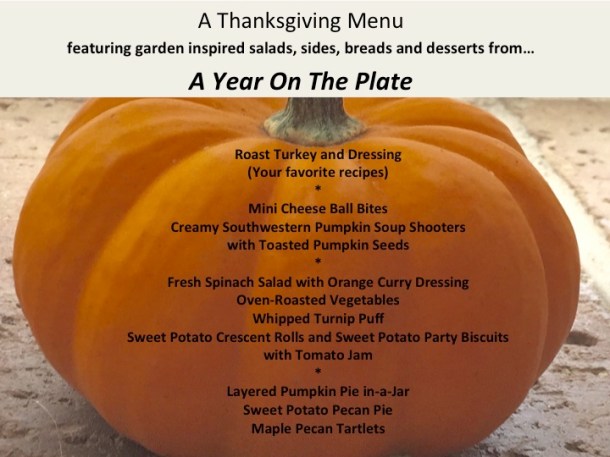
Thanksgiving Menu

Thank you to our many readers who have purchased the Dallas County Master Gardener Association cookbook, A Year On The Plate. Copies are available on our website and at North Haven Gardens while supplies last.slide08

Happy Thanksgiving to all!

Menu by Linda

Raincatcher’s Fall Veggie Garden

Please take a minute to go to this link to see information about our fall vegetable gardens. This link contains names of varieties, spacing information, and you can enlarge the plot plan for easier viewing.  Thank you, Dorothy, for setting this up for us! https://www.growveg.com/garden-plan.aspx?p=777788

Don’t forget tomorrow’s garden tour and sale of our cookbook, A YEAR ON THE PLATE, at 5030 Shadywood.

Questions? Leave a comment, we will answer or call the Master Gardener help desk at 214 904 3053.

Ann

Revised Onion Harvesting at The Raincatcher’s Garden 2016

Onions have been harvested at the garden during the last two weeks.

They are now drying in our storage shed.

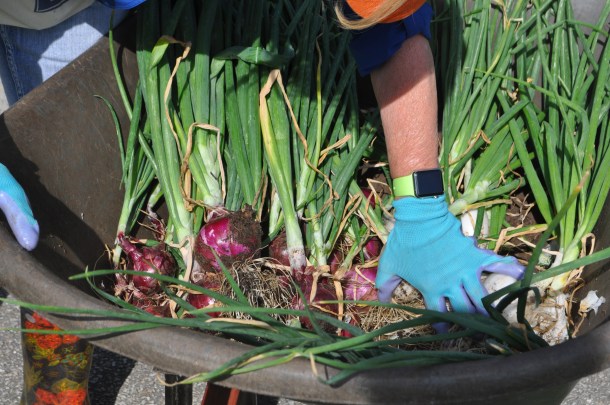
Fantastic Haul of Onions!

Fantastic Haul of Onions!

Harvest Onions when the tops begin to naturally fall over and turn brown. Dig the onions from the ground up with tops intact and to keep the bulb from being damaged. We used a garden knife or trowel to get them out of the ground carefully.  Onions that have bolted are past their prime and can be left to reseed.

As a reminder, here’s how to braid onions:

and here are notes on storing, eating, and lots of other onion thoughts in these articles: The Lowly Onion and Beginnings

Ann


Artichokes, Aphids, and Groceries At Raincatcher’s Garden

Root around our garden this spring and you will find groceries growing like crazy.

Here’s what is planted in some of our beds.

Raised Beds:

Bed 2-Sungold, Purple Cherokee, Sugary Hybrid, Celebrity, Marianna’s Peace Tomatoes and Carmen Sweet Peppers

Bed 3-Red and Green Lettuces and Onions

Bed 8-Potatoes and Clemson Spineless Okra

Bed-9 Artichokes, Gourmet Blend Beets, and  Sugar Snap Peas

Other Beds-variety of vegetables planted by and grown for our visiting school kids

In Ground Veggie Bed-Celebrity Tomatoes, Giant Jalapeño, Habanero Pepper, Ichiban Eggplant, and Black Beauty

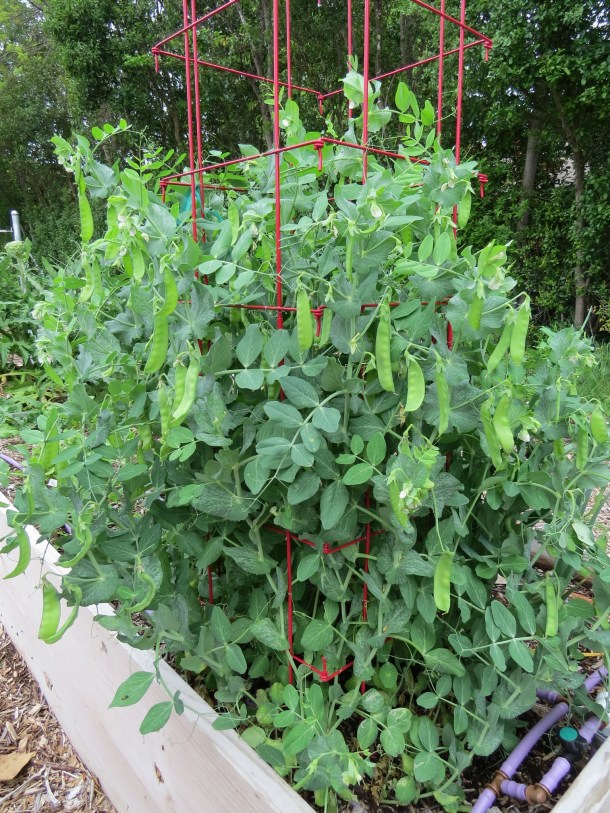
May I recommend the Sugar Snap Peas for munching straight off the vine!

Sugar Snap Peas at The Raincatcher's Garden

Sugar Snap Peas at The Raincatcher’s Garden

Aphids and Ladybugs are also eating their way through our garden. Ladybugs  seem to be winning as explained in this video:

Ann

Video by Starla

Artichokes by Dorothy

Oh, and if you have an answer to Dorothy’s question about stink bugs, please leave your answer in the comments section below.

Orphaned No More – Our Incredible Edible Landscape Project

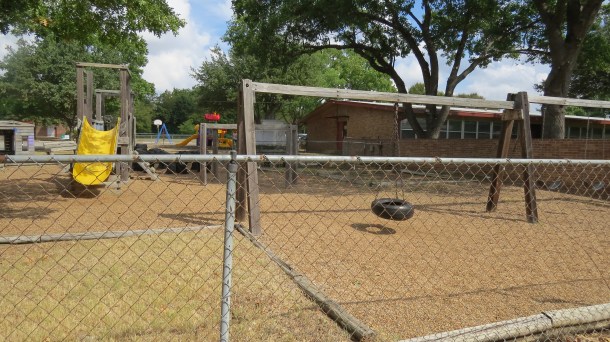
Here at Raincatcher’s, we have a wide variety of demonstration gardens spread all around: we have an orchard, raised vegetable beds, ornamental trees, five types of turf, butterfly gardens, compost demonstrations and even a mixed ornamental bed in the courtyard. But there is one, last, orphaned space; it’s known as the old playground, and in some ways, it’s the church’s secondary entrance.  Which means it’s a very visible space that most people walk past and all cars drive by.  Wrapped in cyclone fencing, the playground was deemed ‘unsafe’ by regulatory agencies, and had been sitting unused when we moved to the church from Joe Field, the location of our previous garden.  We initially used the old playground as storage for all the plants, soil, and other large objects we brought over during our move. Then we disassembled the playground equipment and put it aside, in case we might be able to use it for another purpose.

Playground "Before" Transformation

Playground “Before” Transformation

A year has gone by. The gardens have been installed.  The plants, soil, and other large objects have been moved into their new homes, and it became clear that the playground parts were not going to be needed.  We removed them, and what was left inside the cyclone fence was a greenhouse, the air conditioning mechanism for the church, a couple of compost bins, a chicken coop, mature trees, and the frame for the old swing set.  When you step back from that, you realize that the space is reminiscent of what most homeowners have in their own yards:  some nice things, some not so nice things, a fair amount of shade, some sun.

What it’s inspired us to do is play. (The space was a playground, after all!)  We’re going to be experimenting in this, last, garden, but we’ll be experimenting with a purpose.  Over the next year(s?), we’ll be installing an edible landscape in this space, this crowded, pre-owned space with some sun and a fair amount of shade.  We’ll be designing around our obstacles, turning them into features, and we’ll make the shade our ally instead of our adversary.  We’ll be showing off all sorts of different techniques from hugelkultur to vertical gardening to straw bales to edible flower beds.  Some will be raised, some will be inground; everything will be edible.  There will be some new crops, variations on common crops, and some old crops with new parts to eat.  And so in addition to growing these foods, we’ll also show you how to prepare and eat them.

Why are we going to do this? Because this space has so many similarities to the average homeowner’s yard, it’s a perfect teaching and demonstration tool, and teaching is our mission.  Why do it as an all-edible landscape?  Because there are many examples of ornamental landscaping, and plenty of examples of edible gardening, but there are not as many of edible landscaping.  We’re doing this because people are becoming interested in growing at least some of their food, but are often concerned that it won’t look good, or they can’t because they have too much shade.  This old playground gives us the opportunity to show everyone how they can create a beautiful landscape with edibles.

How are we going to do this? We’re going to do this in stages.  First, we’re going to start with the hardscape.  One of the biggest concerns people have about landscaping with edibles is the aesthetics – whether it’s an overgrown tomato plant, or the fallow season (too hot, too cold to grow edibles) for their climate.  To have a beautiful edible landscape, the first thing you need to do is make sure the landscape looks good before any plants are planted.  Plants (crops) are the ornamentation on top of a good looking base structure, your hardscape.  After all, there will be times when you may not have plants in your landscape; you might have had a crop failure, or have just harvested dinner!

In our next post, we’ll talk about hardscape ‘rules’, and show you how we’ll be incorporating them into our landscape.

Come along and follow our adventures – celebrate with our successes, and learn from our failures!

The Incredible Edible Landscape Team

Lila Rose

Picture by Starla

Note: Lila Rose will be speaking at the Whole Foods at Preston Forest soon about Edible Landscaping. Will add date to this post, so check back with us.

Chocolate Beet Cake

Chocolate Beet Cake with Beet Cream Cheese Frosting

Chocolate Beet Cake with Beet Cream Cheese Frosting

You may be thinking of Valentine’s Day but we are salivating over the recipes in our cookbook, A Year on the Plate,  only a few short months away from being published.

This cake scored the highest in all categories in our tasting this week.  But how can a cake be garden inspired?   The secret is in its main ingredient.  Can you guess what it is?  The clue is in the name.

By the end of the year this recipe will be in your hands and ready for your valentine when you purchase A Year on the Plate.  Hope that’s ok, this recipe is only a heart beet away!

Ann

Picture by Starla

Cake baking by Carol


Flavorful News from the Dallas County Master Gardener Cookbook Committee

A new Dallas County Master Gardener Cookbook is on the way.  Our members have submitted a wheelbarrow full of recipes and gardening tips that the cookbook committee has been dutifully busy tasting and testing.

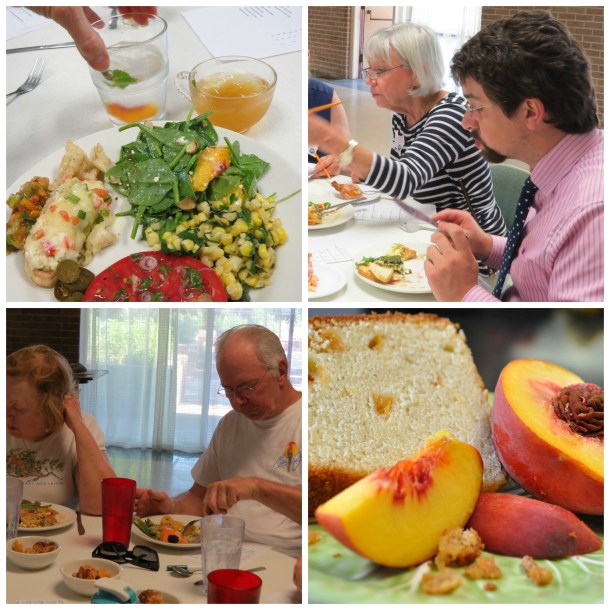
cookbook collage

We jumped into July with forks in hand. Tomato recipes were tasteful and tempting.  Corn, in abundance, brought comfort to our tummies.  Blackberries had us beaming with their beauty.  And, peaches just pushed us over the edge with their juicy goodness.  What could be better?  Well…

Cookbook August cropped overhead shot

In August we anguished over the okra. Which do we like best?  Fried, roasted, simmered, stewed or even finessed into little muffins?   And, oh how the squash recipes raised our spirits.  Shaved into salads, grated for quiche, pureed into soup, carpaccio and casseroles to consider.  How will we decide?

September, October and November we celebrated the harvest bounty. Sweet potatoes to savor, pumpkin recipes to ponder, an over-the-top apple recipe, a unique and very elegant pear presentation that left us swooning while Meyer lemon pie made us pucker with pride.

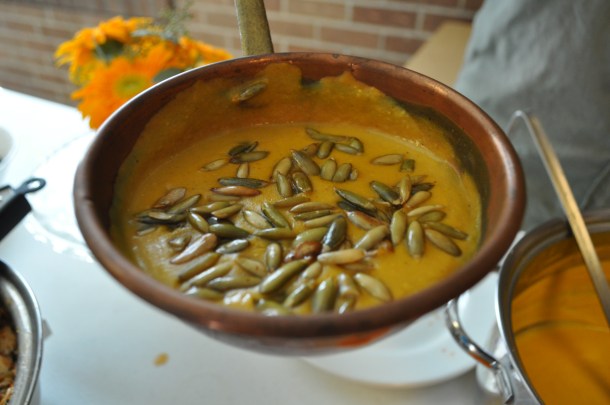
Creamy Southwestern Pumpkin Soup

Creamy Southwestern Pumpkin Soup

Our journey has been filled with flavor, fun and friendly evaluations. We’ve tasted, tested, eliminated some and accepted over 140 recipes.  Profound thanks to our faithful volunteers who have traveled with us.   The adventure continues to grow more exciting and we can’t wait to share our discoveries.

Until then, stay posted for more “flavorful news” from the cookbook committee and a special 2016 unveiling.

Take a peek at some “behind the scenes pics” courtesy of Ann and Starla!

Linda Alexander, Cookbook Chair