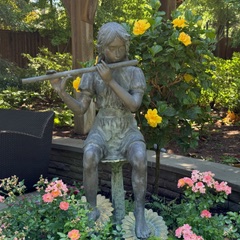
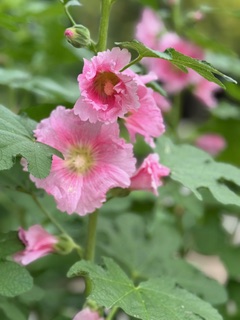
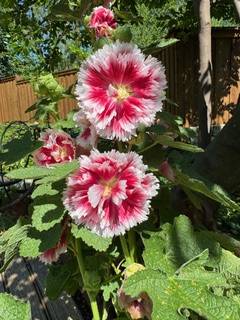
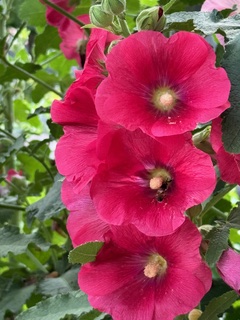
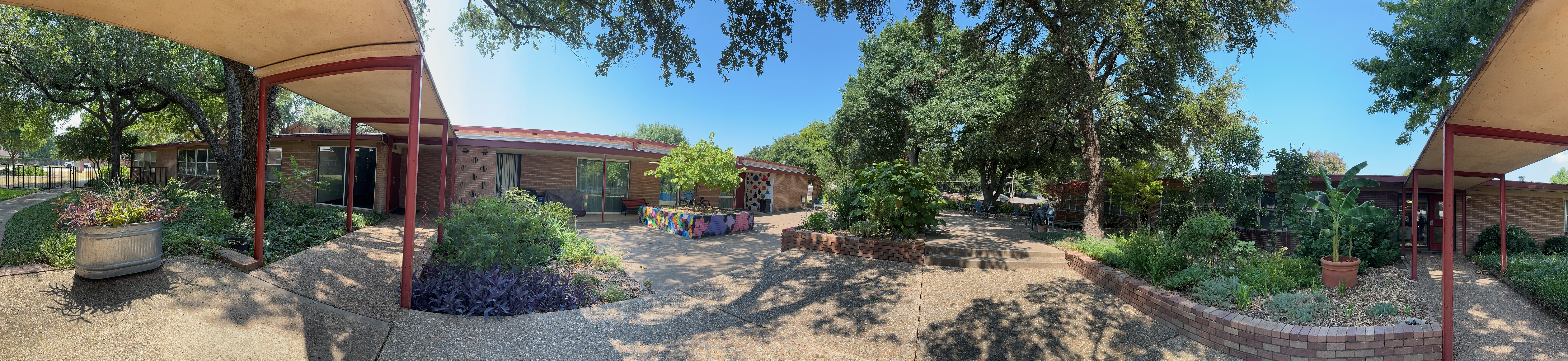
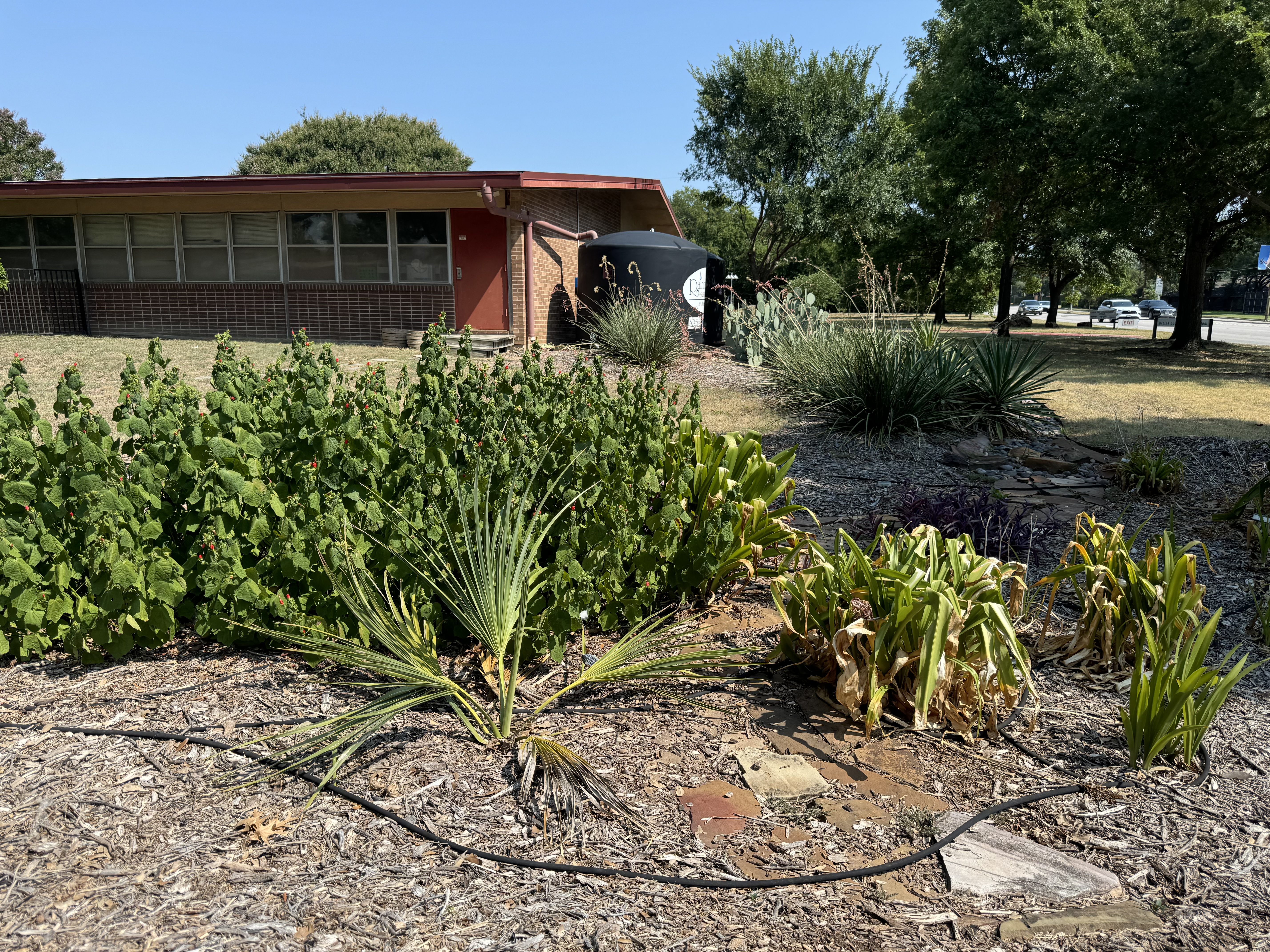
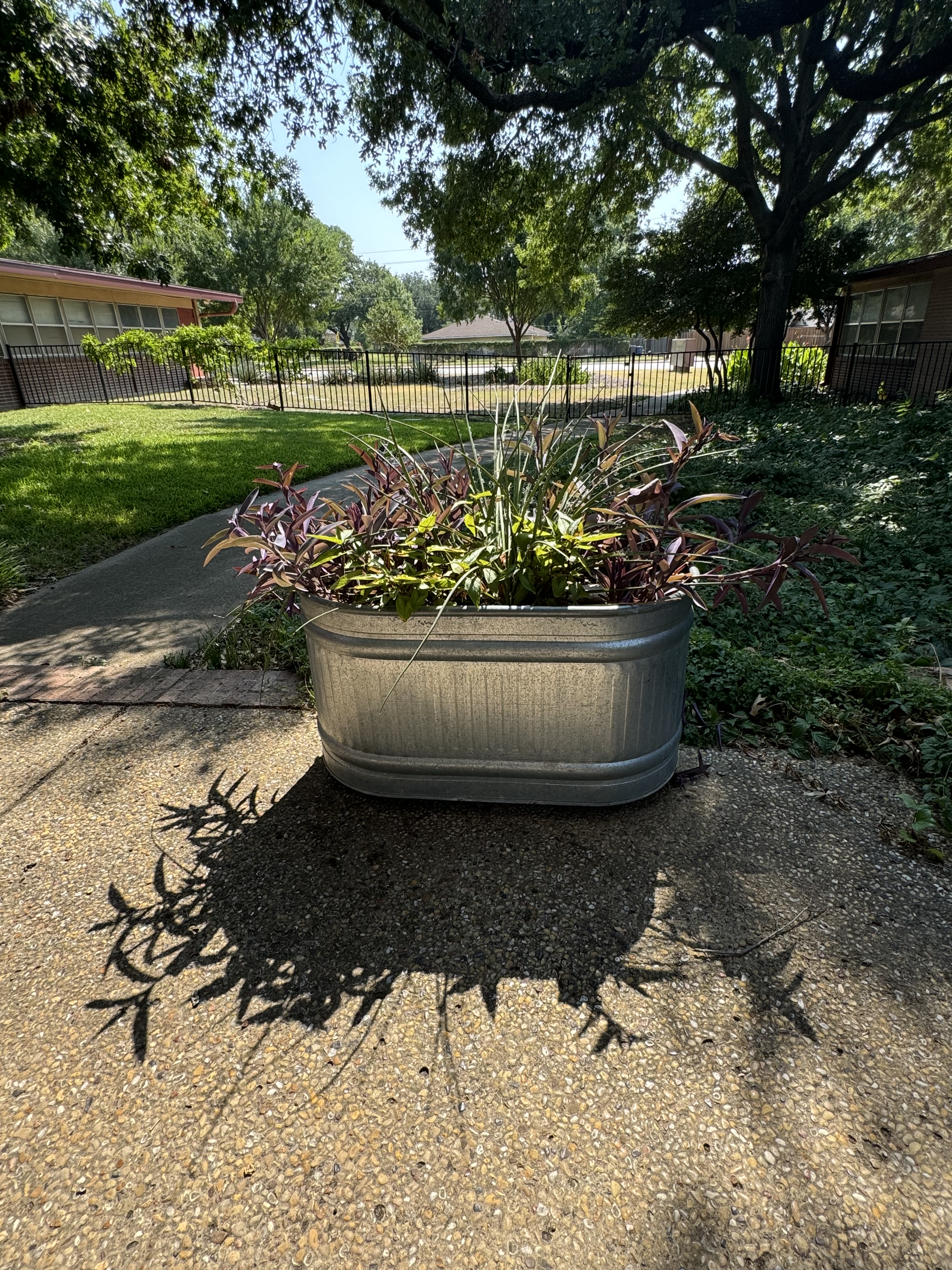
Panoramtic View of the Courtyard, Raincatcher’s Garden
Our garden has survived and even thrived this summer. The Raincatcher’s Garden was built using the 7 principles of Water Wise Landscaping:
Planning and design
Appropriate plant selection
Practical turf areas
Soil improvement
Efficient irrigation
Use of mulches
Appropriate maintenance
With fall temperatures giving us a respite, maybe you are looking for plants and practices that will endure our hot Texas summers. Take a look below at what worked for us and as always we would love to have you come for a vsit.
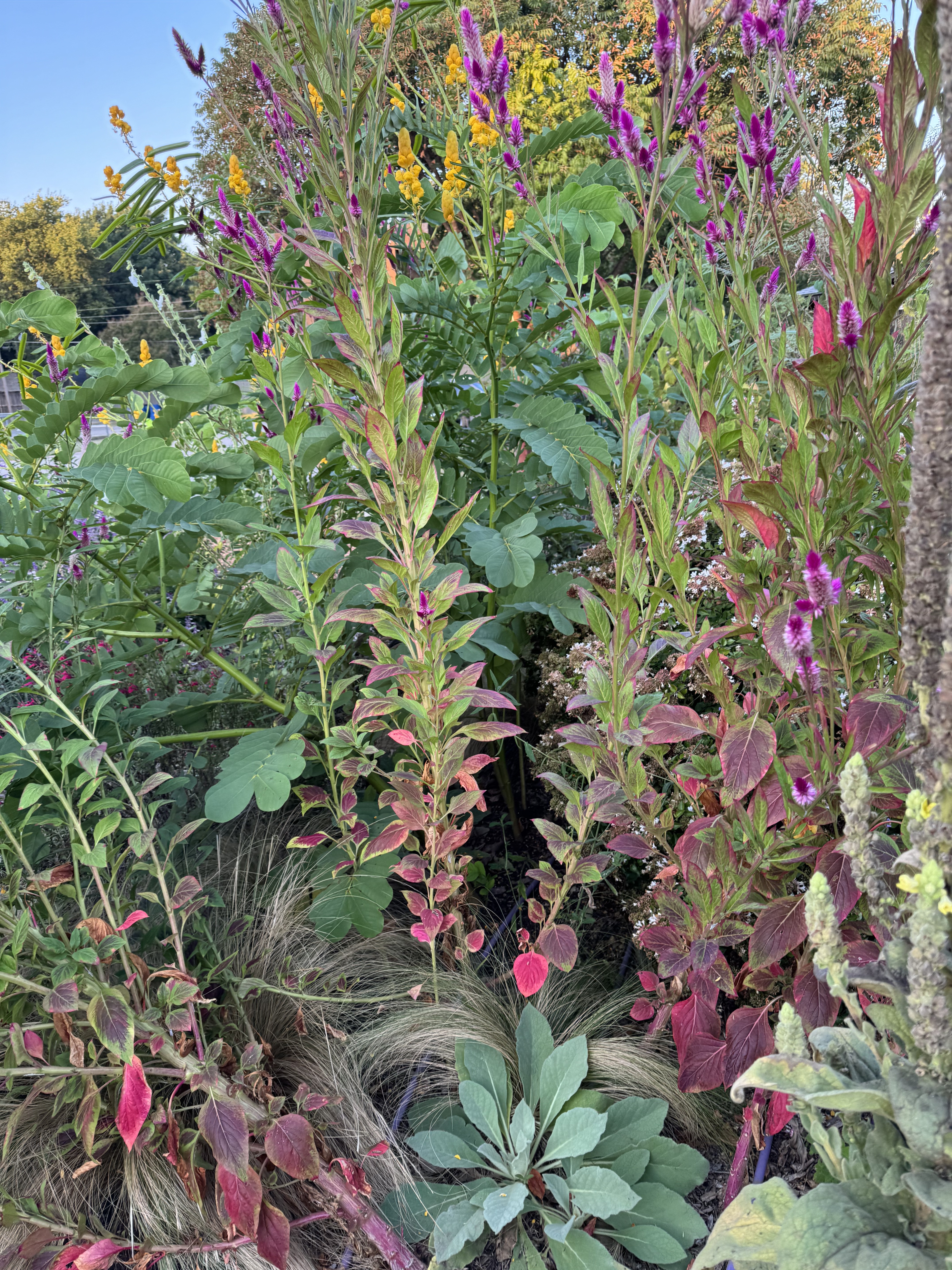
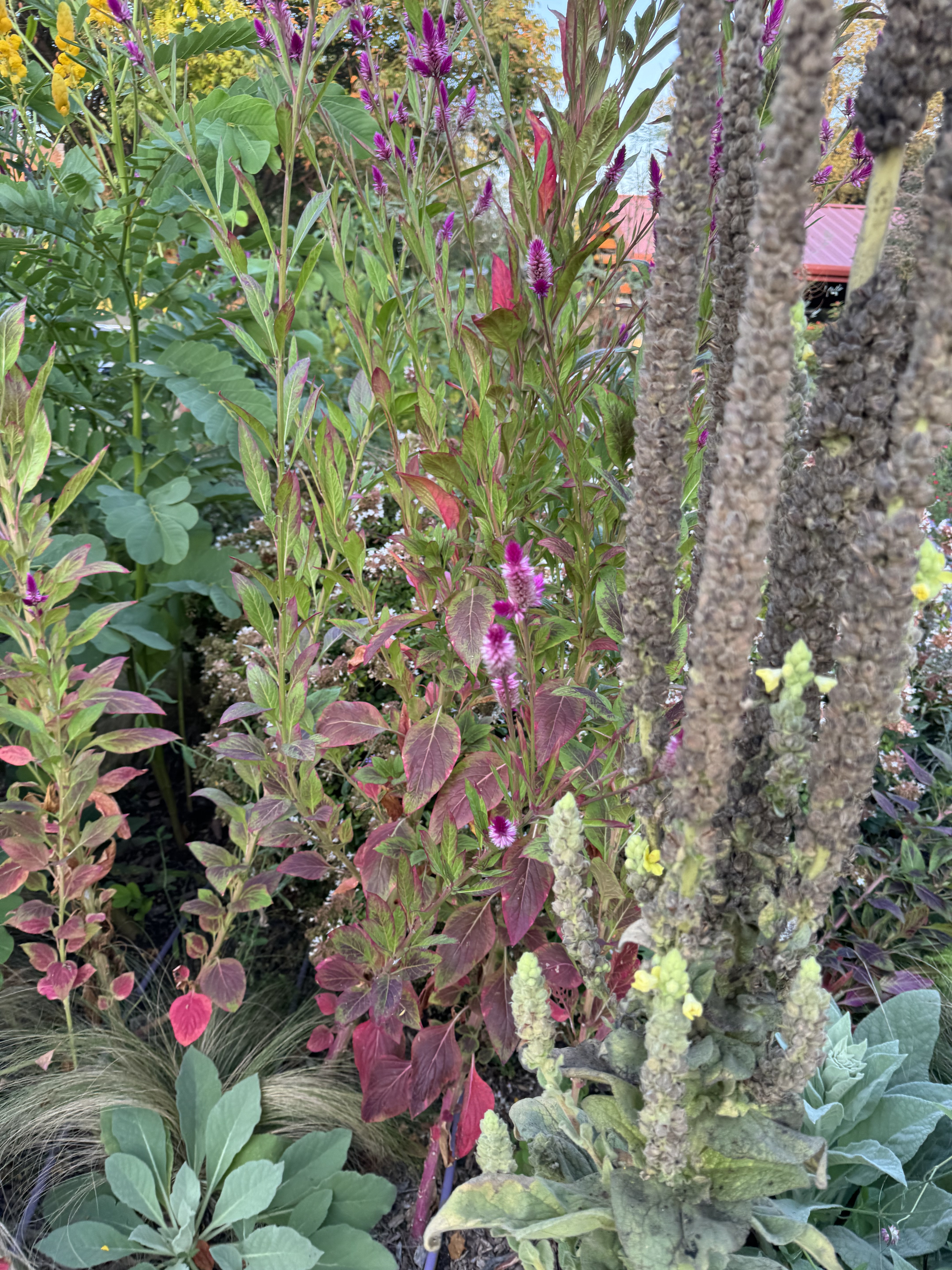
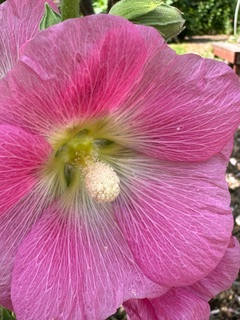
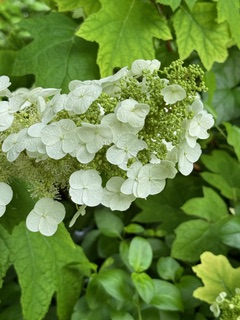
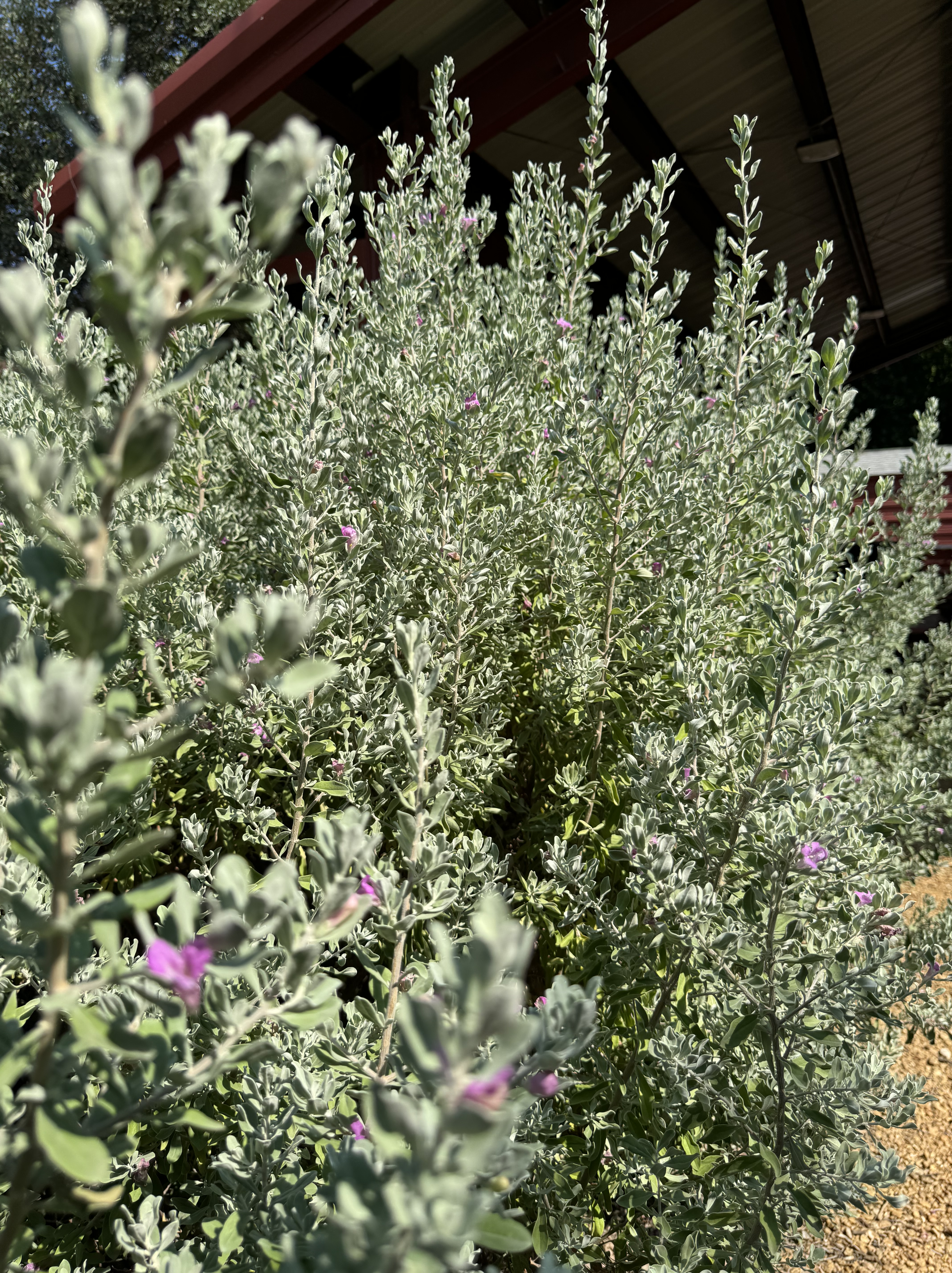
Rainctcher’s Prolific Vegetable GardenDesert Willow with attached polinatorFlame Acanthus for the HummingbirdsOkraTexas Sage, Leucophyllum frutescens, also known as the barometer bush-it blooms in periods of high humidity or rainGarden made Compost for Sale!A Crinum in bloom!Gardeners behind EsperanzaMexican Bird of Paradise, Caesalpinia pulcherrimaPentasA View of the Edible LandscapeZipper Spider-we think!Raincathcher’s Rain Garden with Rain Cisterns in BackgroundEvergreen Wisteria-we have a blog about this plant
Ann Lamb, pictures by Starla Willis- class of 2005 and 2008
Does the familiar phrase ‘once upon a time’ bring back memories of your early childhood? Maybe it was when you heard the classic story of Little Red Riding Hood for the first time or were mesmerized when you saw Disney’s version of Snow White and the Seven Dwarfs. Throughout the years, fairy tales have given us wondrous characters in magical settings and left an indelible impression on young children throughout the world. But the fairy tale that has recently impressed me most is of a uniquely different variety. It is one that produces magically, ornamental plants for your garden. In this case, it is the adorable petite eggplant known as ‘Fairy Tale’.
Fairy Tale Eggplant
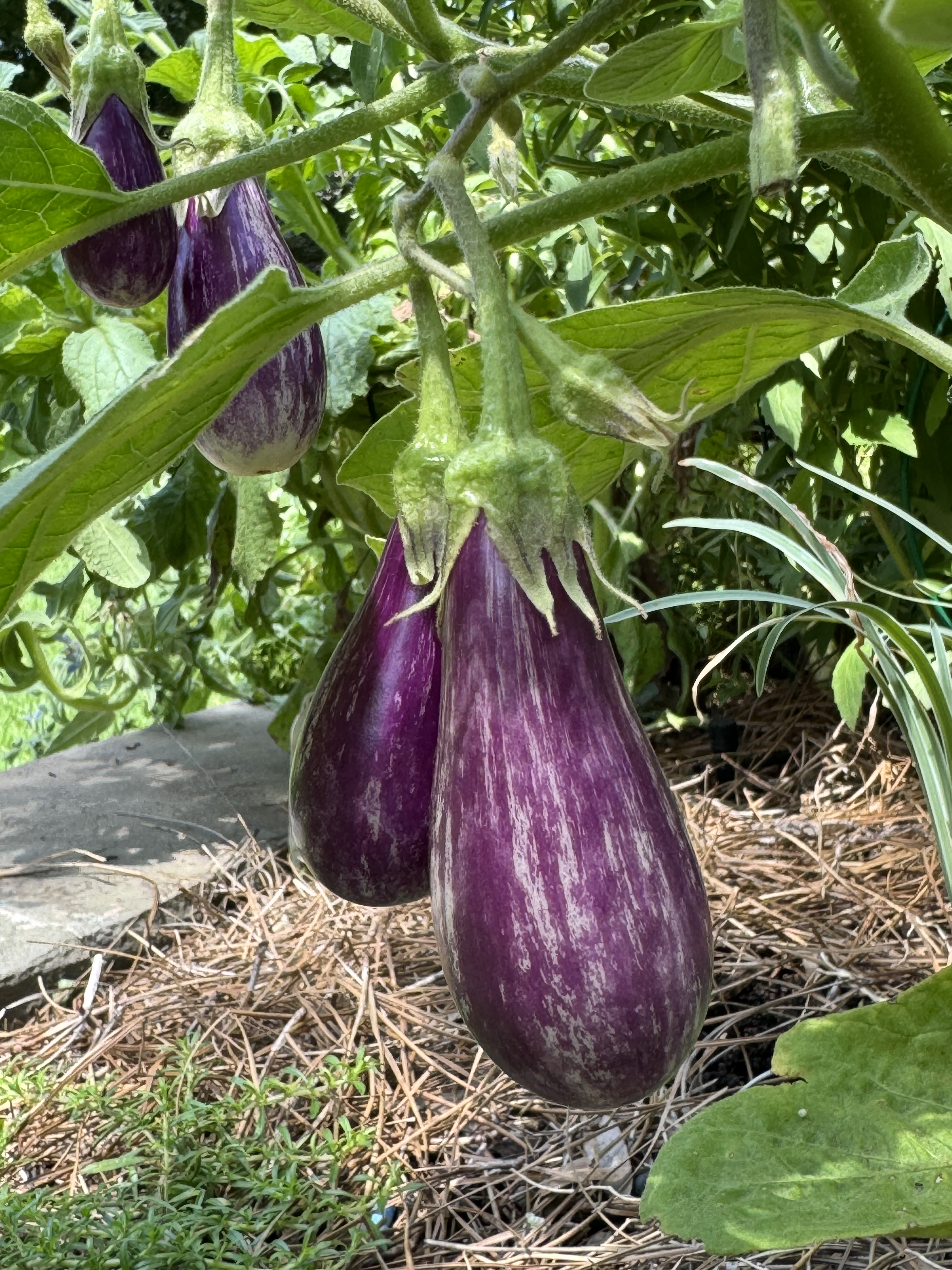
As you can see from the photo, it is a lovely mini eggplant, only 4 inches long, with stunning streaks of lavender and white. The plant itself grows to only 24” but produces tender-sweet fruits that are as beautiful as they are delicious. This variety can be grown in ground but, with its compact, dwarf size, is a just as suitable for container growing.
When it was time to harvest and enjoy, a quesadilla recipe was the perfect choice. Honey crisp apples gave it a sweet, tart taste while the smaller slices of savory fairy tale eggplant fit nicely on the tortilla. A handful of roughly chopped spinach along with some creamy Monterrey Jack cheese completed the combination of amazing flavors. Freshly made tortillas from Central Market held everything together while the quesadillas were baking in the oven.
A very unique feature of ‘Fairy Tale’ is the recognition it received in 2005 as an AAS* vegetable award winner. It was the first eggplant to win an AAS award since 1939. There is still time to grow ‘Fairy Tale’ in your garden so why not give it a try?
For transplants:
Pick a sunny site with rich, organic, well-draining soil. Eggplants require at least 6+ hours of direct sunlight per day. (Some sources advise not planting it in a plot where you grew tomatoes, peppers, potatoes or other eggplants the year before). Set transplants about 3 feet apart.
Mulch after planting.
Provide adequate water to produce the best-tasting eggplants. Fairy Tale eggplant enjoys deep, consistent watering throughout the growing season. Check often to be sure that Fairy Tale is receiving about 1-2 inches of water per week.
Harvest when fruits reach 2-4 inches in length for sweet, bitter-free enjoyment. Snip fruit with clean shears at their individual stems or in clusters. The skin should appear glossy (left side of photo), as dull skin can indicate overripe fruit (right side of photo). Harvest regularly to encourage new fruit production.
*All-America Selections winners are tested at trial grounds across North America. Each winner has superior qualities that distinguish it from similar varieties. ‘Fairy Tale’ was granted the prestigious AAS award by a nationwide panel of experts.
Linda Alexander,Dallas County Master Gardener Class of 2008
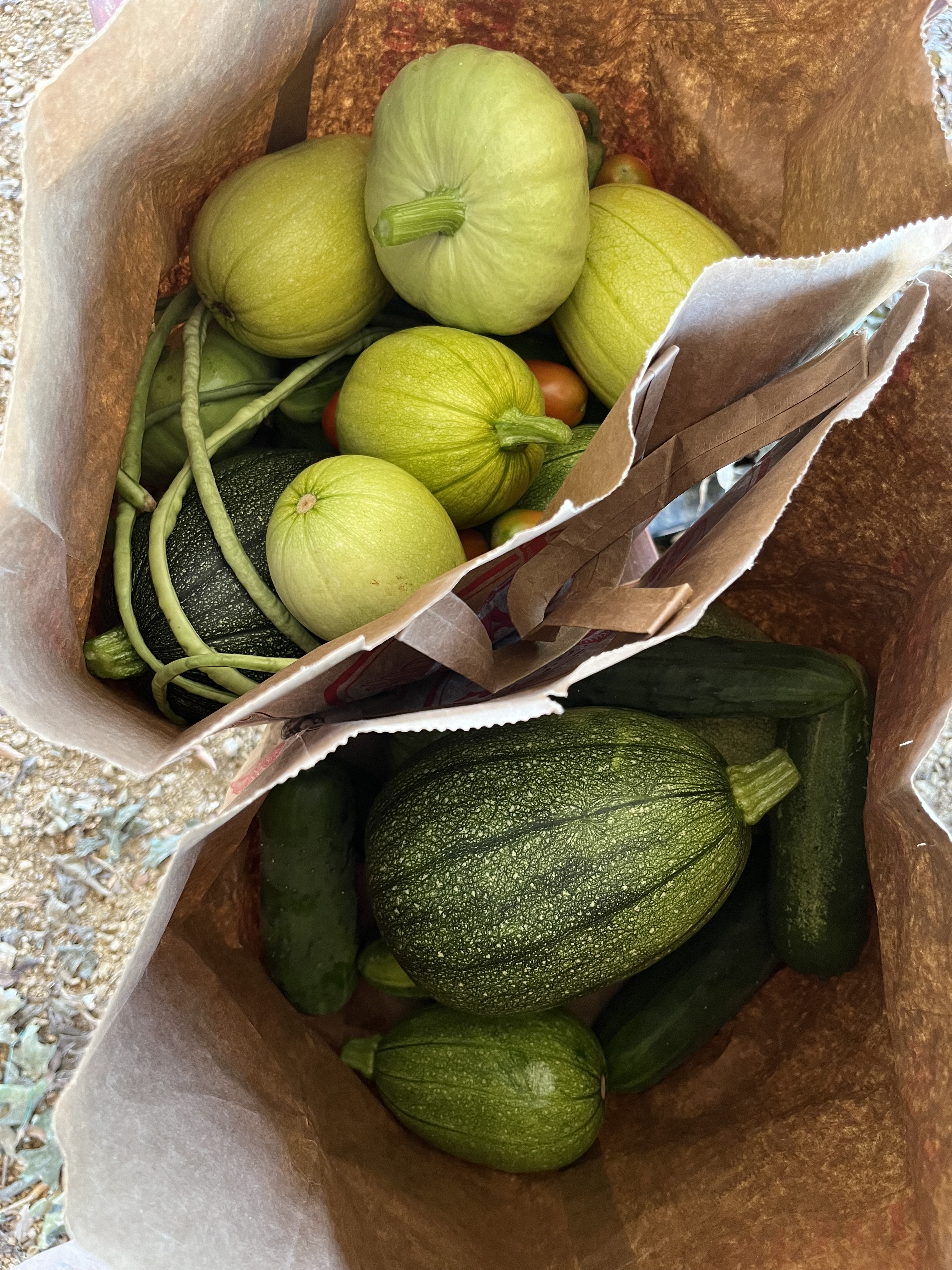
Congratulations to the Raincatcher’s Garden Veggie Team, who has harvested and donated 634 pounds of squash so far this year. It’s quite an accomplishment when you consider the ubiquity of the destructive squash vine borer (SVB) in the area.
The team’s challenge was to find a squash variety that resists SVB. Over the past three years, gardeners have tried Zucchino Rampicante (Cucurbita moschata), Baby and Waltham Butternut (Cucurbita moschata) and Calabacita (Cucurbita pepo). All overcame SVB damage, but the Calabacita production was much higher.
Calabacita is delicious, especially when harvested at tennis ball to softball size. It can also be eaten as a soccer ball size pumpkin and stores well at the larger size. It takes a little more effort to prepare the larger size, so the gardeners included cooking instructions with donations.
One difficulty, but a good problem to have, is finding the many fruits of this prolific plant before they reach a large size.
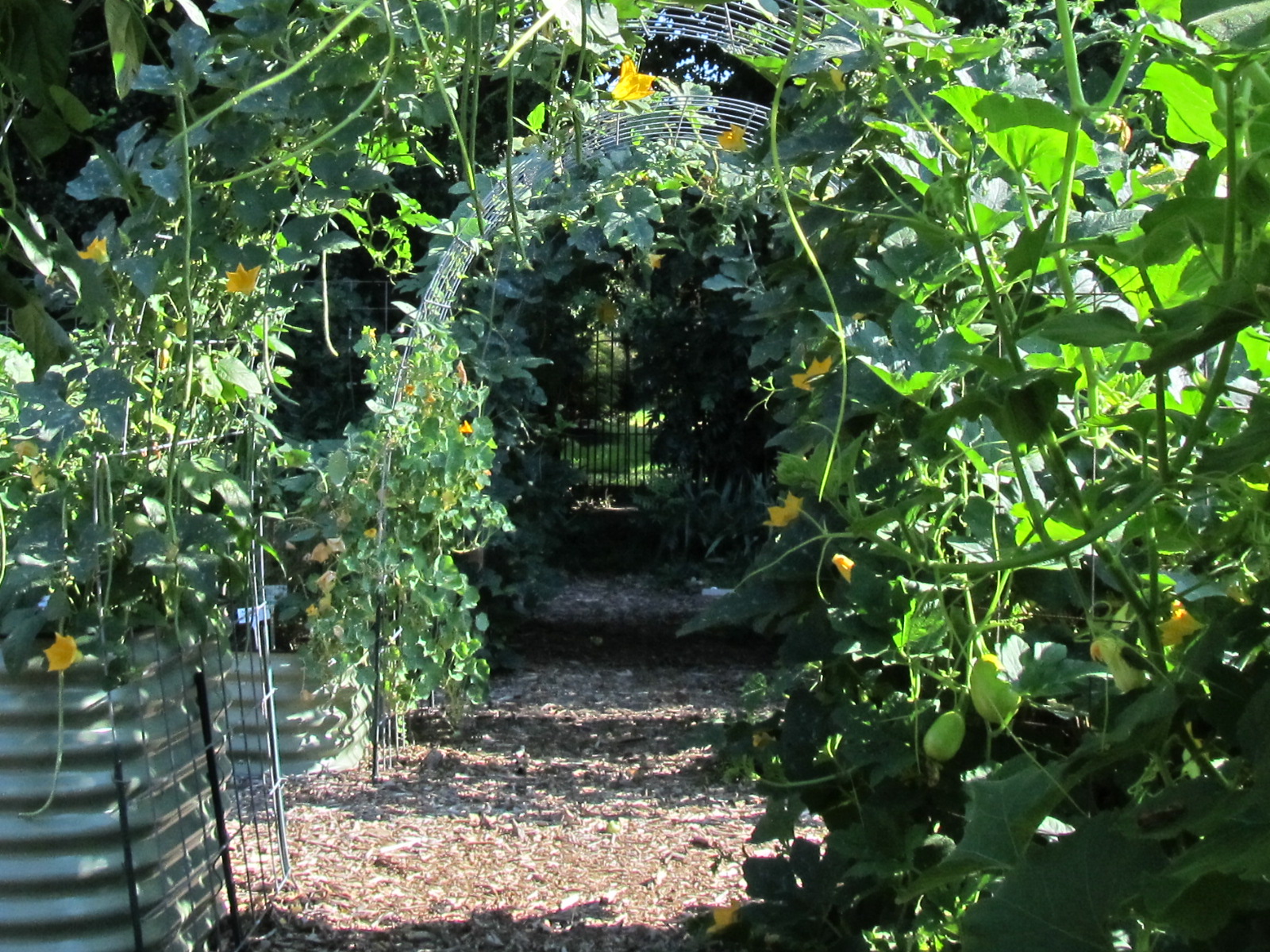
Another issue is the vines grow over 10 feet long and quickly sprawl throughout the garden. At Raincatcher’s they grew over large trellises and into the raised beds and grape arbor on the opposite side.
However, the trade off of space for productivity worked out well for the garden this year.
Well done Veggie Team, whose total production for 2024 has now surpassed 1200 pounds, providing fresh, nutritious food for the patrons of North Dallas Shared Ministries.
Cyntihia Jones and Beverly Allen, Dallas County Master Gardeners
The Veggie Team works hard every Monday morning (and many Thursday mornings during harvest), weather permitting, so please feel free to stop by with any questions you may have about growing vegetables in Dallas or just to look around and be inspired. Our garden is located on the grounds of Midway Hills Christain Church at 11001 Midway Road, Dallas, TX, 75229.
Many things connect us to our gardens.We have had a busy spring at The Raincatcher’s Garden.
Garden chores become pleasure when we work together. Spring has consisted of weeding, seed collecting, watering and learning from each other and then sharing the fruit of that knowledge with all ages and also agencies that assist others
North Dallas Shared ministries received over 200 lbs of fresh vegetables to distribute from the Raincatcher’s Garden.Our compost crew hard at work. Combining efforts and resources for common goals. Here we are at our annual plant sale Jackie, Sue and Deborah at the Raincatcher’s Plant Sale
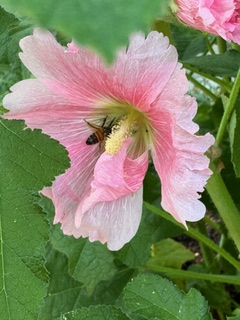
Nature unfolds before our very eyes. This honeybee is about to forage for nectar on a beautiful cactus flower at the Raincatcher’s Garden.
Garden love also includes sharing life, having fun, and learning through our garden work experiences.
Starla Willis, Dallas County Master Gardener Class of 2011
The allure of having a greenhouse is something that some gardeners dream of – a place to overwinter plants, start seedlings, and have workspace. How does this become a reality? First of all, determine your goals and ideas. Do your homework and decide if it is a project worthy of the investment of your time, money and efforts?
About the time Fall arrives and freezing weather makes its appearance, ads for greenhouses start flooding inboxes and social media sites. It seems like a good idea to have a place to store tender plants that can’t handle it outside during our coldest temperatures of January and February. Another bonus is the ability to provide a head-start for seedlings to sprout before they are planted in the garden.
There are a variety of styles, sizes, price points as well as optional accessories to consider – from heavy plastic, glass or plexiglass partitions, to brick surrounds, and various mortar and glass options, ranging in cost, size and function. A greenhouse can also be labor intensive, and impractical for those who don’t have the time, ability, or manpower to maintain it properly.
The preferred space needs to be of adequate size for your garden needs, level and in a sunny to mostly sunny location. Water needs to be close and the ability to heat, cool and monitor the space is an important consideration.
Dreaming of a place to overwinter my plants caused me to inquire online. My available location was not ideal-the space was not adequate and the prep and the assembly was more than daunting (in so many ways). Ultimately, the amount of time, effort and money to be invested caused me to pause, rethink and determine that installing a greenhouse was not my best move. However, a well-utilized greenhouse is much more than just a storage space for tender plants.
While contemplating this, Raincatchers’ acquired one that would be optimal for our North Garden. It was transported to the property and the plans for putting it into seedling production began to unfurl. It took about two months to get the “new to us” greenhouse relocated and in working order. The “team” at Raincatchers’ has spent many man hours preparing it for use, leveling the site, setting a brick floor on decomposed granite, anchoring the greenhouse against the strong Texas winds, building multiple two-tiered seedling tables, installing a solar powered cooling fan, and initiating water and electrical hookups. Maintenance will be ongoing.
Seedlings have now been started for our many vegetable beds and they appear to be very happy in their controlled environment. Note: vegetable seedlings are started and then set out into our gardens at the proper time.
If you are thinking about acquiring a greenhouse, either by purchase or building it yourself – the best of luck to you! Hopefully, you now have an idea of the reality of the effort to produce a functioning greenhouse and can make an informed decision It can be very useful and an asset to your gardening efforts; whether starting vegetables, flowers or show plants, or just over wintering your houseplants or tropicals.
Friends helping move our greenhouse.Joe at work, brick by brick.Many hands make light work.Bricks donated by Tig and fetched by Mark-thank you!Jon and the greenhouse floor-Jon keeps us level.Don, washing brickspre-installation.The greenhouse installation has been a true team effort with many hands involved-thank you!
A gardener’s considerations for Installing a greenhouse:
Manpower to construct the unit (most come in sections that require construction)
$$ Cost (from a few hundred dollars to several thousands)
Overall Size and Options
Site selection –
Sunny to mostly sunny location
Ground leveled for structure
Anchoring against the wind
Inside Flooring (Hard surface with the ability to drain) several options Shelving options (Water resistant)
Storage options (Greenhouse supplies)
Heating and Cooling Capability, i.e., a solar operated cooling fan
Electrical Considerations
Water Availability (For plant watering and seedling misting)
Shade Capability (For the long, hot sunny days)
On-going Upkeep (several hours a week)
Construction Permit (If required)
Starla Willis, Dallas County Master Gardener Class of 2011 with input from Jon Maxwell, Class of 2015
This is the time of the year when everyone wants something to change and improve advertisements that didn’t attract a bit of concern a while ago now seem tempting–the newest skin treatments that absolutely promise “younger brighter fresher” The poor child in the picture seems still a bit concerned but yet now doing better–well she should be concerned of course she is probably past Fourteen and knows its all downhill from here. Now if you want to buy thats fine after all it won’t hurt–although the price might be a real surprise and the bottle is so small and then there are two more things you absolutely must have if you really want “results” But we will go no further with this.
Baby Larkspur with maybe a weed-don’t worry about the weed.Baby poppy-same warning!Winter Honeysuckle does not give up.
No because YOUNG honestly is a state of mind more than anything and at this time of the year–well we may have to work at realizing that–and most importantly acting on our knowledge.
WE can’t let the season get us down. Its absolutely true that the leaves lying about have totally lost their charm –and how on earth did there get to be so many sticks and stalks everywhere. We have to look at things closely–after we clean up a bit of course. But take your time don’t be hasty, baby plants can be deceiving. The last thing you want to do is accidentally “weed” your precious spring flowers when in doubt don’t pull it up. Better to leave and weed than loose a poppy! Let your imagination take you to the blooms that will be here soon and you will be surprised at how much happier you will feel. Anticipating good things to come–well that is a receipt for real joy.
This is nothing but pure potential and hope!
Try to see bare patches as “Potential” not “Problems”. All the fresh seeds are here–stop and look . For some people this can be as much temptation as the five hundred dollar skin serum so do be careful. READ the labels and remember that if it says avoid heat you must avoid buying no matter how chilly and misty the day is right now. But maybe choose something new to try and go home and plant it–nothing worse than buying seeds and forgetting them–that doesn’t lead to happiness. But the choosing and preparing and planting–that can make a big difference for anyone. Feelings of accomplishment and planning for the future and feeling hopeful–well that makes anyone feel younger and fresher and its a feeling that lasts! Just the work in the fresh air helps so much even if you have to wrap up and use plastic shoes.
If it gets really cold take the time to protect your plants you will be glad you did–its work but it pays off and that makes us feel powerful. Just a little cover saved this lettuce.
If there are plants in the house don’t just pass them by they aren’t sofa cushions they really will respond to attention. water them and clean their leaves look for changes and growth–if you are fortunate even flowers–its the natural time for orchids to send up flower spikes–look carefully. Just noticing will brighten the whole day and who knows what tomorrow might bring .That is the key.
When we think about it–isn’t YOUNG really anticipating the future–the good exciting things to come? That feeling may get a little harder to come by sometimes but if we really notice our plants and gardens and care for them that feeling just seems to catch us and carry us forward–and that is FOREVER YOUNG.
Susan Thornbury, Dallas County Master Gardener Class of 2008
Walking in the garden early this morning just as sunlight was spreading its glowing rays, I stopped for a moment to gently caress the winter savory. Dew had fallen softly upon it, leaving the cascading branches with a shimmery presence. It seemed to be saying…” use me please”. And that is exactly what happened!
My husband and I love a cozy wintertime dinner by the fire. Thankfully, my winter herb garden had supplied me with the three ingredients needed to infuse the marinade for Balsamic Herb Baked Chicken Thighs: fresh rosemary sprigs, sage leaves and winter savory. This herb-garden inspired recipe delivered a pleasing amount of comfort and flavor for the perfect fireside meal.
Balsamic Herb Baked Chicken Thighs prepped and ready to bakeReady to serve!
Hopefully, you are growing a nice selection of herbs in your winter garden. If so, remember that they liked to be snipped, trimmed and used for culinary and decorative purposes in your home.
*For information about growing winter savory, click here.
*All herbs were harvested just before the cold front and freezing temperatures arrived. They were kept in a damp paper towel lined plastic baggie for two days.
Linda Alexander, Dallas County Master Gardener Class of 2008
If you haven’t purchased your tickets for the Dallas County Master Gardener Association (DCMGA) 2022 Spring Garden Tour, it’s not too late! They can be purchased for only $15 through 6:00 pm on Friday, April 29th on the DCMGA website or online for $20 on the days of the Tour or at any of the gardens. Your ticket is good for either or both days, Saturday, April 30 from 10 am to 4 pm and Sunday, May 1 from 1 to 5 pm. There are six stunning residential gardens and one school garden on the Tour, all located north of I-635 between Carrollton/Farmers Branch and Richardson.
New this year, all the gardens will be PlantTAGG® -enabled, allowing tour visitors to access the most current, research-based horticultural information about featured plants using their cell phones. There will also be a variety of educational programs presented in the gardens.