Category Archives: Spring

Nasturtium, Tropaeolum majus

It is said that Monet was rather fond of them and planted them in the border of the pathway that led to the front door of his home in Giverny.  With enchanting names like “Empress of India”, “Whirlybird”, “Alaska”, “Peach Melba” and “Butter Cream”, no wonder Nasturtiums are so welcomed in the garden.   They just seem to add a touch of old-fashioned charm.
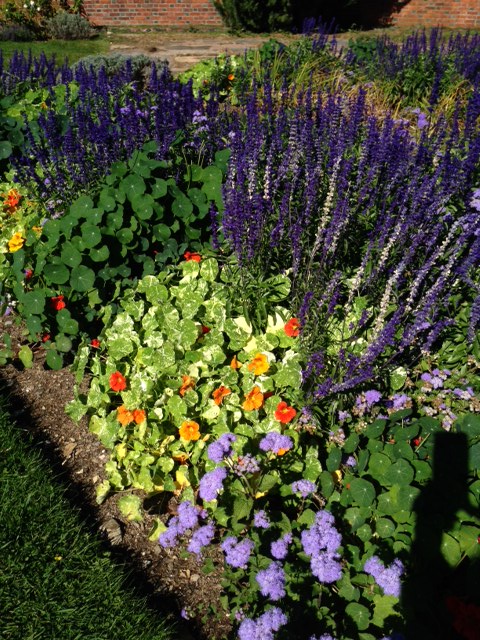
Above: Beautiful fall nasturtiums at Shelburne Farm in Vermont

Above: Beautiful fall nasturtiums at Shelburne Farm in Vermont

Nothing signals spring’s arrival more dramatically than the first bunch of jeweled toned nasturtiums perched on the shelf at your local garden center. If you are looking for decorative, even water lily pad- like foliage, with a wave of brightly-colored blossoms that are tasty to boot, then head for the nasturtiums.  You may be familiar with the varieties that have deep green leaves, but there are now a number of variegated, almost speckled ones, as well.

Above: Lily pads in the garden? No, more fall Nasturtiums from Vermont!

Above: Lily pads in the garden?
No, more fall Nasturtiums from Vermont!

Ideally, nasturtiums like to be in full sun, with moist, well drained soil. However, most varieties can survive when grown in partial sun. These carefree little dazzlers don’t seem to be bothered much by snails, other insects or diseases.  Enjoy them from March until sometime around late June when they succumb to our extreme Texas heat.

You’ll typically find two different kinds of nasturtiums: dwarf bush type and trailing.  The dwarf types are much more commonly available, and are useful as 10- to 12-inch tall colorful borders and for mass plantings.  The trailing variety will cascade dramatically down walls or hanging baskets.  Nasturtiums make a lovely addition to the herb garden with a multitude of culinary benefits.

There is nothing more intriguing than the tissue paper like profusion of blossoms that nasturtiums produce.   Although the blossoms appear delicate, they are actually very durable and make for vibrant and long-lasting garnishes.  Use the blossoms either whole or chopped to decorate creamy soups, salads, butters, cakes and platters.  Their sweet, peppery taste (both in the leaves and in the flowers) adds to the enjoyment.

Above: Organic nasturtium blossoms bundled  up and for sale at the Aspen, Colorado Summer market

Above: Organic nasturtium blossoms bundled up and for sale at the Aspen, Colorado Summer market

Nasturtiums are natives to the cool highlands of mountains extending from Mexico to central Argentina and Chile. The conquistadors brought these brightly colored plants back to Spain in the 1500’s. The Indians of Peru used the leaves as a tea to treat coughs, colds and the flu, as well as menstrual and respiratory difficulties.   Being high in vitamin C, nasturtiums act as a natural antibiotic, once used topically as a poultice for minor cuts and scratches.


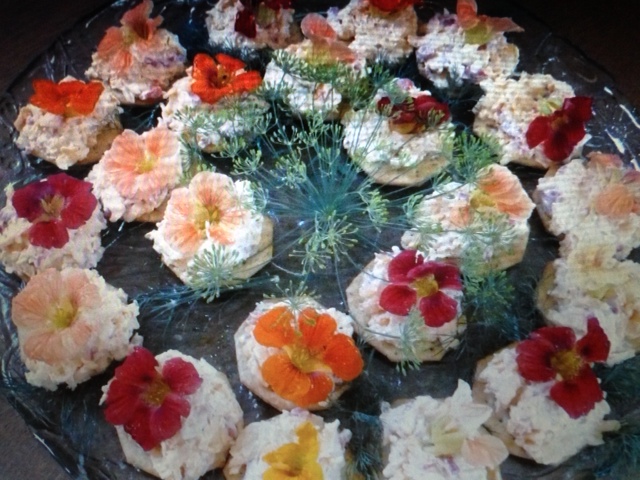
Take advantage of the many decorative ways to use nasturtium flowers for your next gathering.  However, don’t be surprised; some people will turn up their noses to a beautiful flower sitting atop a cracker spread with herb-flavored cream cheese.  Others will fully embrace the opportunity to sample such a tasty little gem.  If we could only extend our growing season nasturtiums might grace our tables more often.  Oh, dreaded Texas summers, why do you leave us so little time to enjoy this beloved plant?

Linda

Tip: Texas AgriLife Extension Service recommends planting nasturtium seeds about the time of the average last frost. They are usually planted where they can be allowed to mature, since young seedlings can be difficult to transplant.

Larkspur Deconstructed

We have had Larkspur blooming in our garden since April.  It is a cool season, self seeding annual. Another words throw down your seeds in the fall and expect blooms the following spring.   Like Love in the Mist

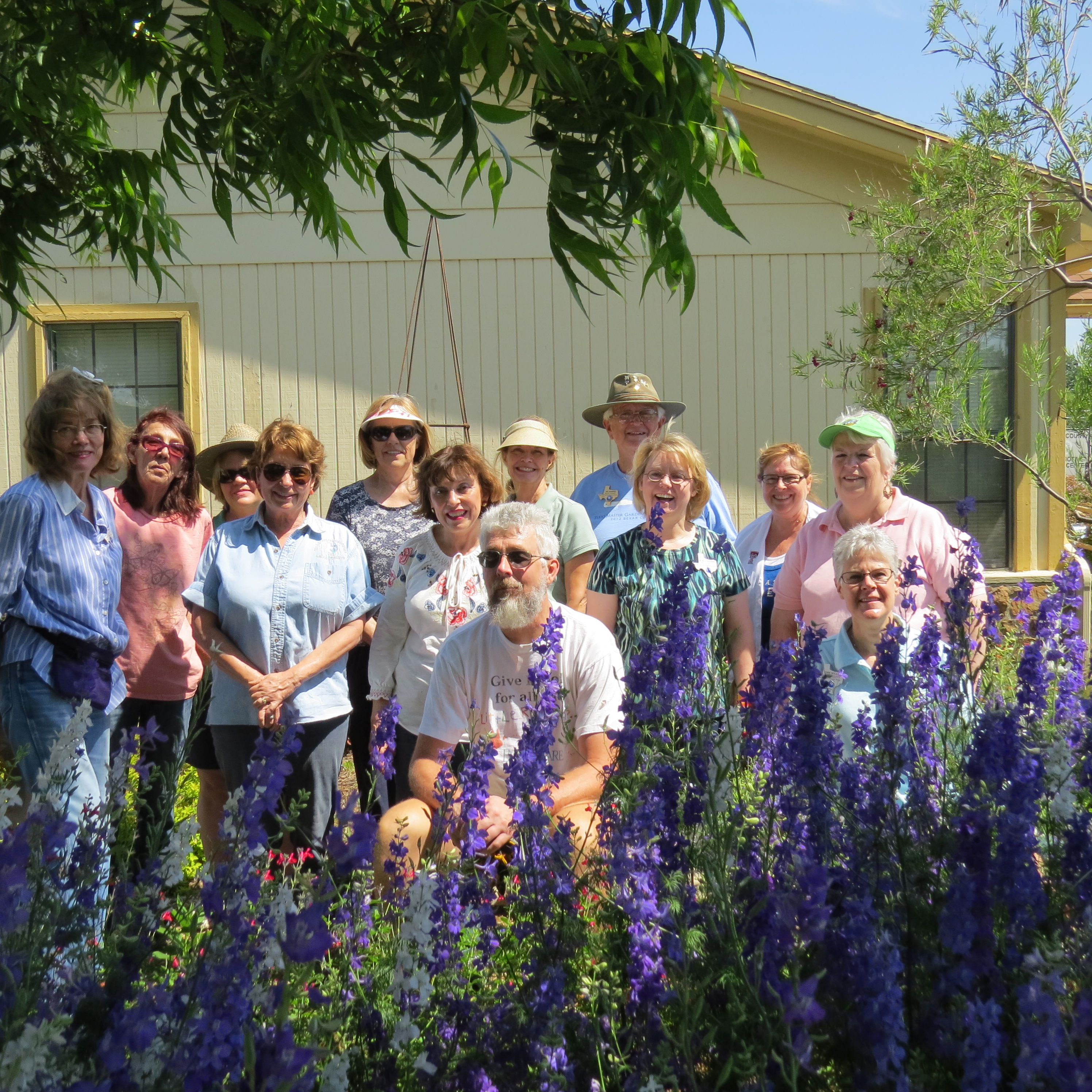
Larkspur and  some Dallas County Master Gardeners

When the flowers begin to fade and seed pods turn to papery brown, you can either leave the flower stalks to drop more  seeds  and/or you can harvest them so you have a stash to share.  We have plenty, so we will share, thank you.

Larkspur Stalks With Seeds

Jackie, a Master Gardener and  seed saving expert, suggests turning the stalks upside down in a paper bag to let them settle at the bottom of the bag.  We are doing this at the Demonstration Garden and will sort out the seeds  and package them later this summer.

  I am trying this at home, using a metal trash can for the seed collection.Larkspur Seed Saving Process

Swedish Proverb:

“All the flowers of all the tomorrows are in the seeds of today.”

Larkspur Seeds

Ann

Blackberry Class And Lunch In Our Blackberry Patch

Take the mystery out of growing blackberries. 

Come to the Earth- Kind ® WaterWise Demonstration Garden

at 2311 Joe Field Road

to hear Tim Allsup give an outdoor talk about how to grow ‘em and which varieties he likes, and how to prune ‘em! 

Date: Tuesday, June 4th                   Blackberries, Some Ripe                                                                    

Time: 11:00am-Noon

Place: 2311 Joe Field Road

Reservations: glamb@flash.net or sign up by leaving a comment on this blog.

Cost: $5.00 each person to be paid when you arrive for class 

Guests welcome, Master Gardeners will receive one hour education credit.

“Blackberry Lunch” 

Smoked Turkey, Mozzarella, and Blackberry Sandwiches 

Spinach Berry Salad with Blackberry Balsamic Vinaigrette 

Blackberry Lemonade

 Dessert Smorgasbord 

Blackberry Crumb Bars 

Fresh Blackberry Cake 

Blackberry Puffs 

Lemon Blackberry Swirl Pound Cake

Menu by Linda

Picture by Starla

Recipes will be included on our blog next week.


Spring Harvest

  Hooray for vegetable gardening  in Dallas  because it is  an all year feast  thanks to our mild winters. 

1015 Y Onions

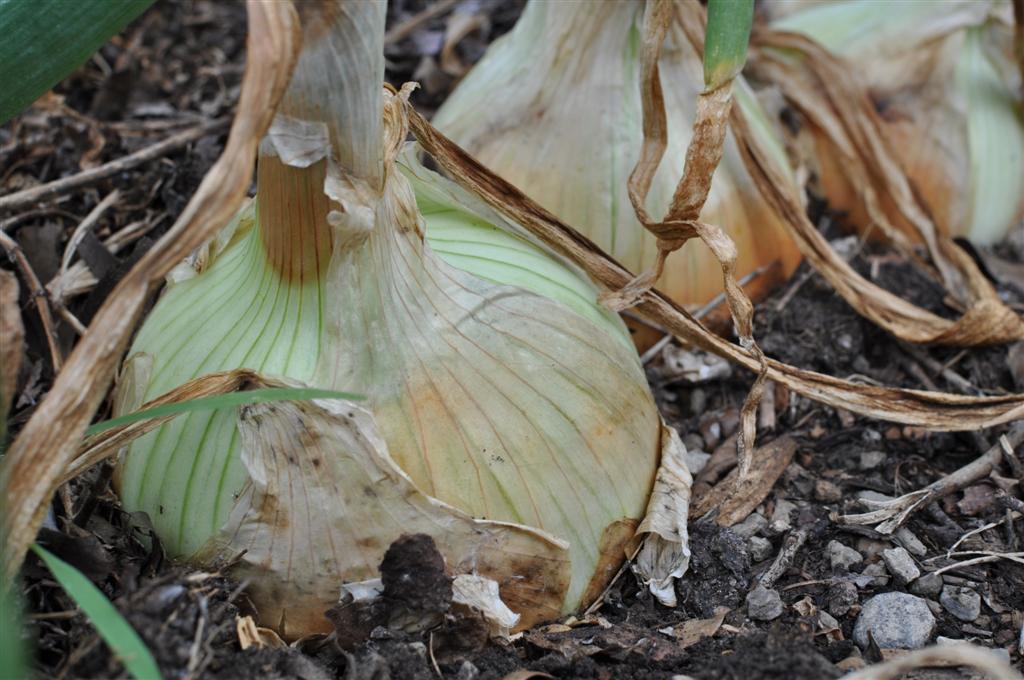
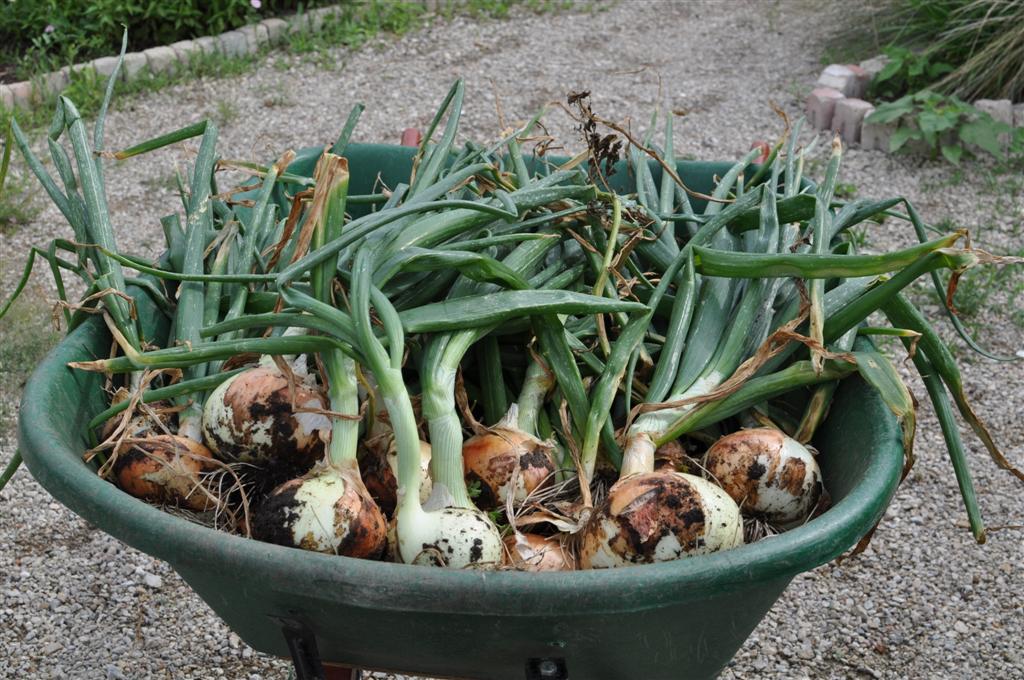
Dig back to the beginning of 2013:  in January  little onion sets, no bigger than a pencil, were planted.  Now  baseball size onions are ready for harvest

Wheelbarrow Of Onions

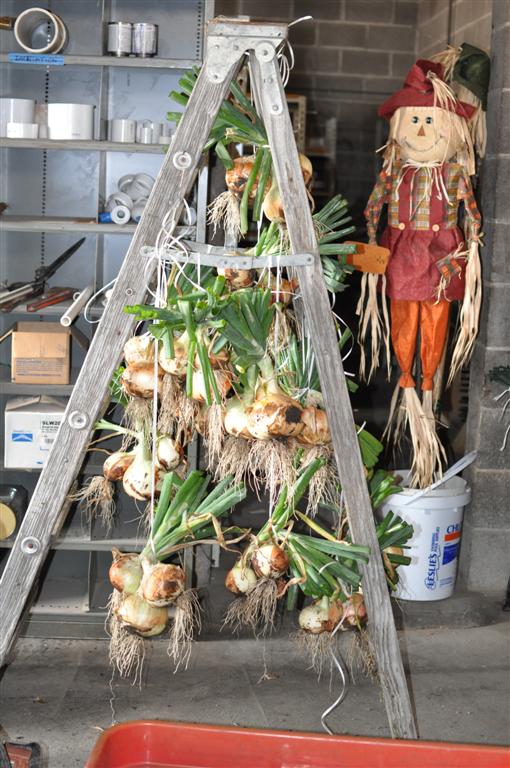
And ready for curing… and new recipes.

1015Y Onions Curing After Spring Harvest

This makes it possible to cook with each season’s bounty of homegrown vegetables all year.

 The Earth-Kind® WaterWise Demonstration Gardeners will be providing more farm to table recipes using our produce. More onion recipes are coming.

Dine with us by subscribing to our blog ! 

Ann

Red Yucca

 When the tall plumes of Red Yucca brighten up the Dallas landscape, it’s time to break out the mojitos: summer can’t be far behind. We’ve had a long, cool, graceful spring filled with the most beautiful roses in years. But today’s crushing heat and humidity signal the end of May, the last days of the school year, and the start of sun tan season.

Red Yucca With Larkspur in Background at The Demonstration Garden

Gardening just doesn’t get any easier than Red Yucca. You mix in expanded shale into your clumps of clay soil (for better drainage), plant the yucca, and watch its red blooms for 30 (THIRTY!) Weeks of the Year. Then you trim off the spent flowers at the end of the season. After yucca is established, you don’t even water it; the plant lives off rainfall. Poor drainage is its only downfall.

No wonder TXDOT plants these in large groups along the highway. Whizzing along at 70 mph, a large swatch of Red Yucca is breathtaking.

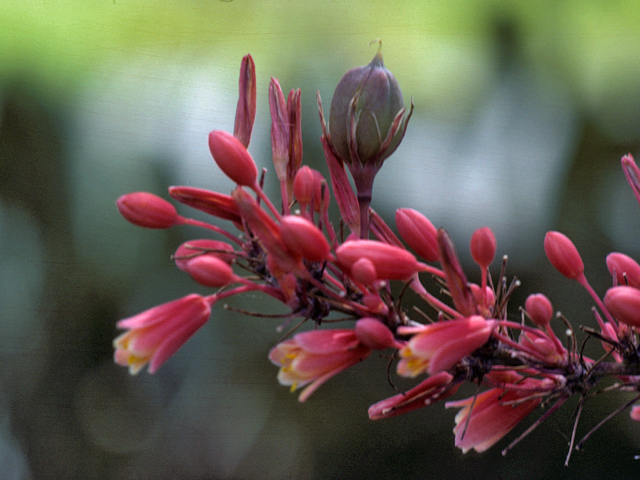
The one-inch bell-shaped flowers cluster up and down the stalks, rising 4 to 6 feet above the ground. Flowers are full of nectar and irresistible to hummingbirds. The most common flower color of Hesperaloe parviflora is the lovely coral outside, with pale yellow on the inside. A solid yellow selection is also available.

Close Up Red Yucca Bloom

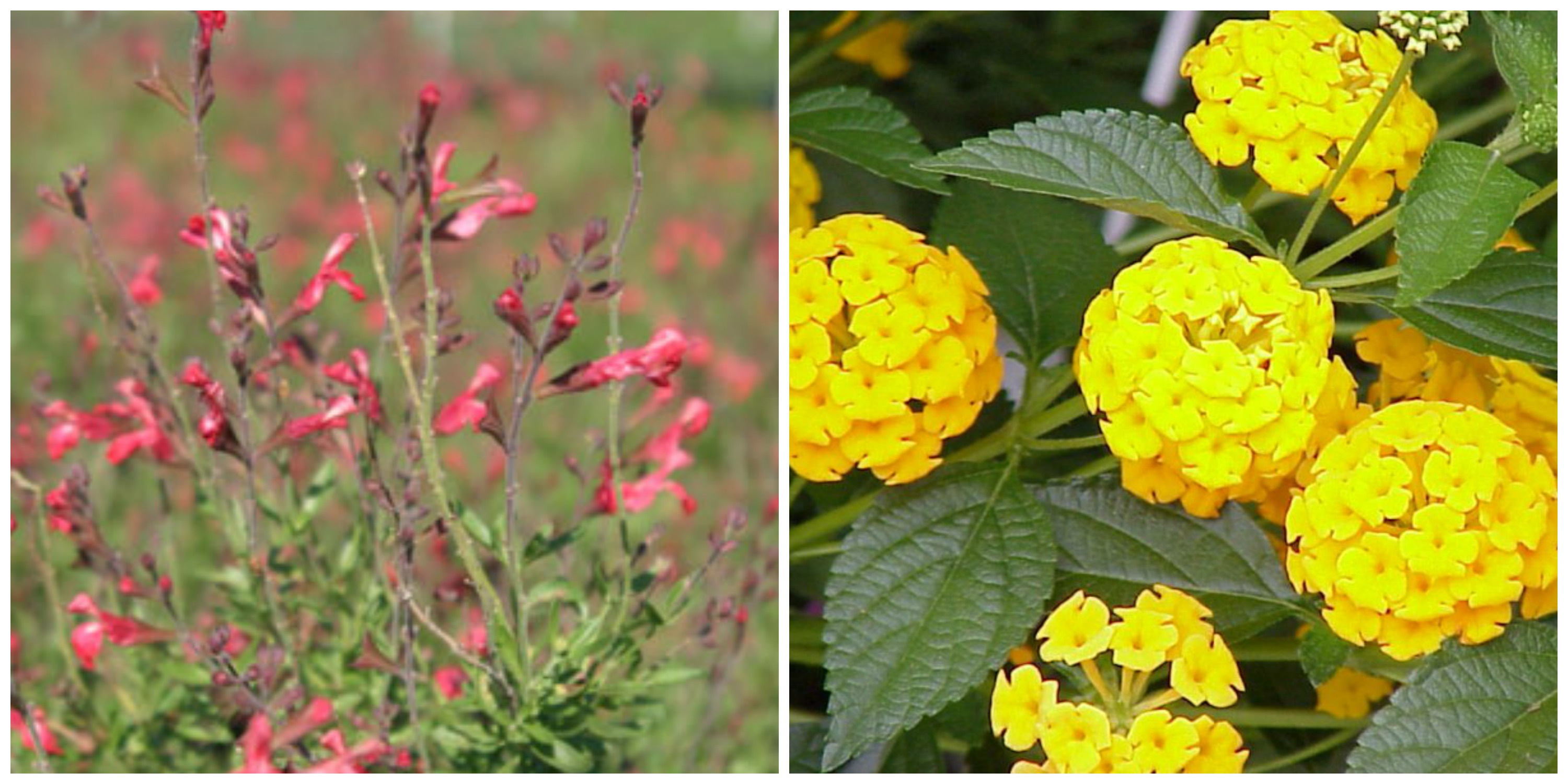
Red Yucca is a great choice to use around swimming pools and patios. Combine it with ‘New Gold’ lantana to pick up the soft yellow insides of the bloom or Coral Autumn Sage to repeat the color of the yucca’s flowers. Add a few grasses and you’re ready for a carefree landscape.

Coral Salvia and Lantana, New Gold

Mix me another mojito and pass the sunscreen.

Elizabeth

Close up photo of Yucca by Harry Cliffe

Spring Field Trips, West Dallas Community School Returns To The Demonstration Garden

 At The Demonstration Garden we have enjoyed having West Dallas Community School 4th and 5th graders come to our garden.   The students at  have a nature studies class and come to our garden well prepared. 

They experience nature on a daily basis with their very own garden at school and by coming to our garden on field trips.  These students are tasting fava beans for the first time.  Notice the smiles on their faces and carrot and rosemary in the pocket.Fifth Graders From West Dallas Community School and Dallas County Master Gardener, Abbe in background

These boys are looking  carefully for ladybugs on the roses.

West Dallas Community School Boys Visiting The Demonstration Garden

We are happy to have children come to our garden and they are happy!

West Dallas Community School Spring 2013 At The Demonstration Garden

A WIN/WIN SITUATION FOR EVERYONE!

Ann

Pictures by Starla

2013,A Beautiful Spring in Dallas

Dallas gardeners have enjoyed a long, lovely spring and I don’t think we have glowed enough about it . If you feel like glowing, make a comment at the bottom of this post.  We will send a package of seeds from our garden to the first 10!

Think back to our post, A Texas Spring?  Week after week, we have enjoyed blooms galore!

We planted these Oxeye Daisies in 2009 and this year they have been a “best of show” type exhibit. 

Oxeye Daisies Blooming at The Demonstration Garden

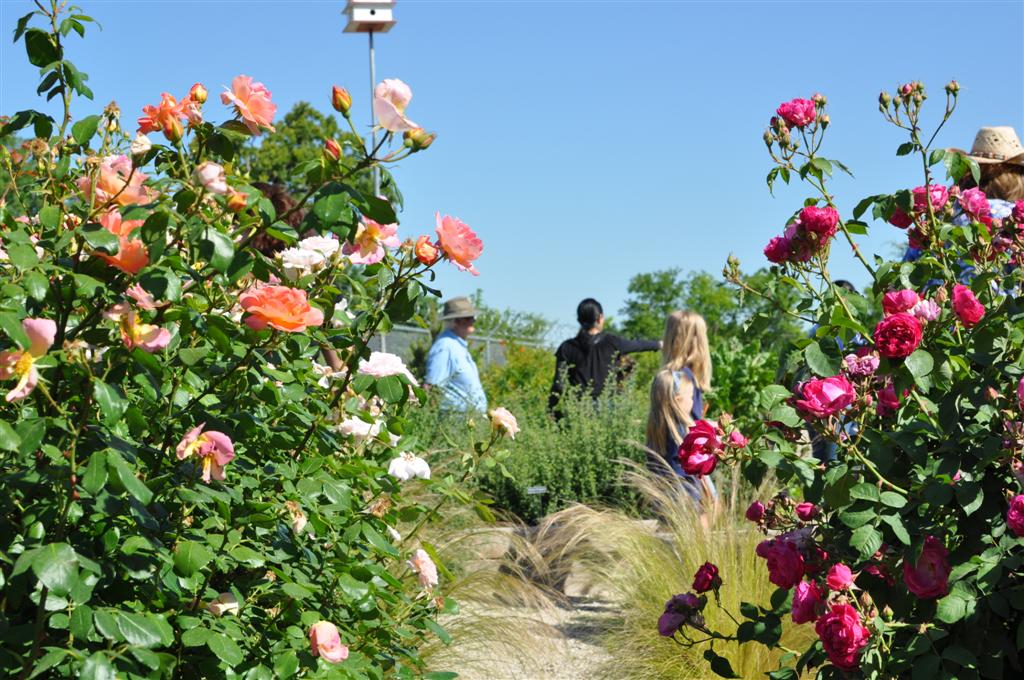
Our Earth-Kind® Roses have bloomed continuously as you can see looking through Lafter and Maggie. 

Earth-Kind Roses, Lafter and Maggie at The Demonstration Garden on Joe Field Road

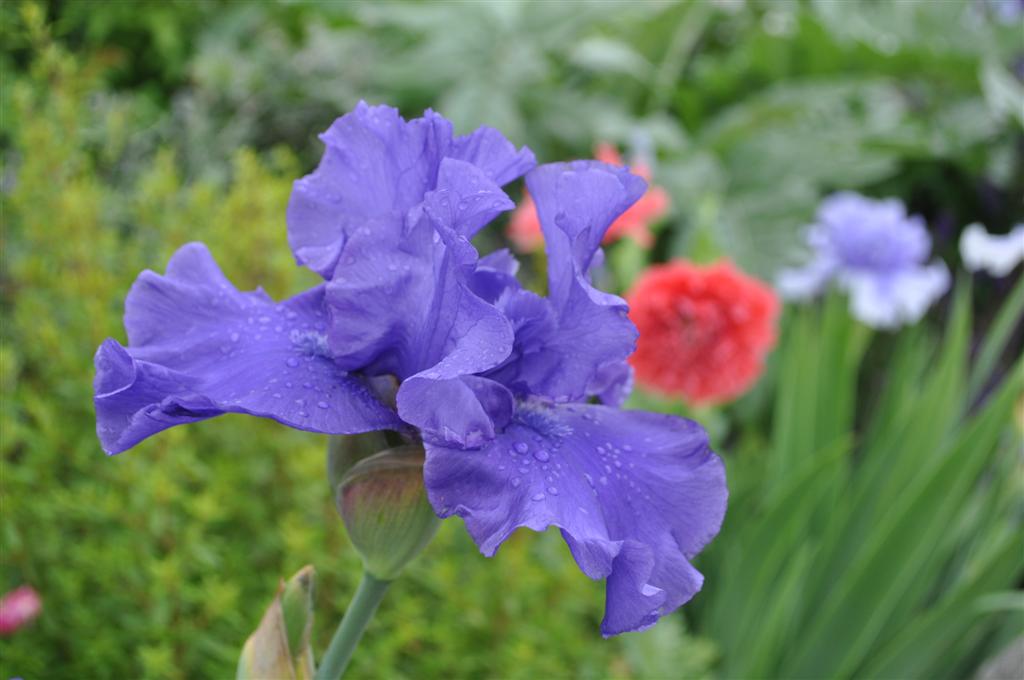
Our Iris have finished blooming so we must say goodbye to them.

How appropriate this one is called Bye Bye Blue!

Iris with Poppy Blooming in Background

Ann

A Letter To Mom After A Field Trip To The Garden

Dear Mom,

Our wonderful first grade teachers of Grace Academy took us on a field trip to a garden.  And not just any garden, this garden and Dallas County Master Gardeners  taught us about flowers, herbs, vegetables, and two kinds of composting. Mrs. Medina and Mrs. Metheny of Grace Academy, Dallas, Texas

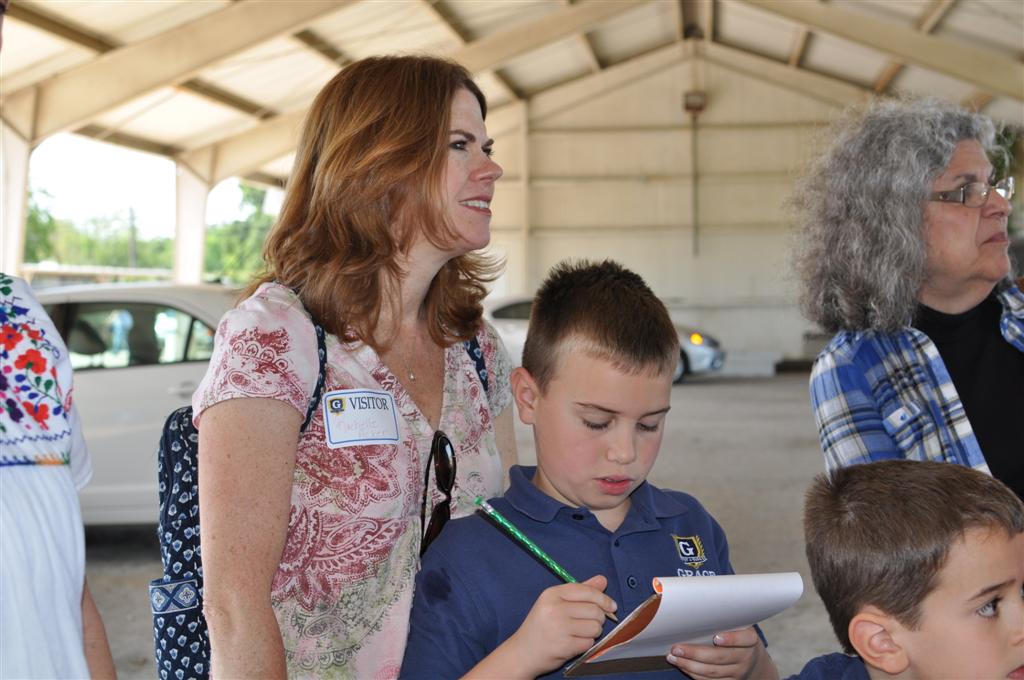
We made garden journals and recorded what we were learning in the garden that day.

Garden Journals at The Demonstration Garden,2311 Joe Field Road, Dallas

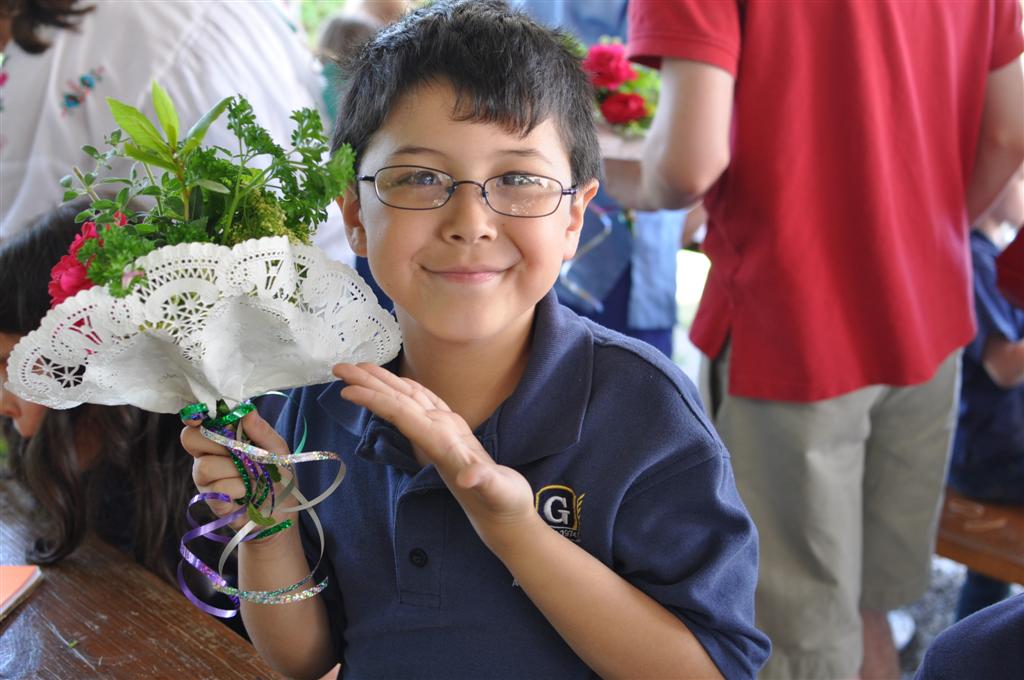
We learned the language of flowers and made tussie mussies.

Grace Academy Student with Tussie Mussie

Tussie Mussies and First Graders Visit the Garden with Dallas County Master Gardeners

Thank you, Mom, for all you have done for me.  Happy Mother’s Day!

Can we go back to that Demonstration Garden on Joe Field Road soon?

Love,

From Your First Grader

**********************************************************************

Written through the eyes of  the children on our field trip Tuesday by Ann.

Hope you don’t mind!

MAKING A LIST: SPRING PLANT SALES

 I am not one of those people—and you know who you are—who are very organized.  Ask anybody. The spring trip to the local plant sale usually goes like this:  “Plants for the vacant spots in the front flower bed? Ok, this year,” I muse to myself,  “we’re using ______ colors, and I don’t have one of _______, yet. “ 

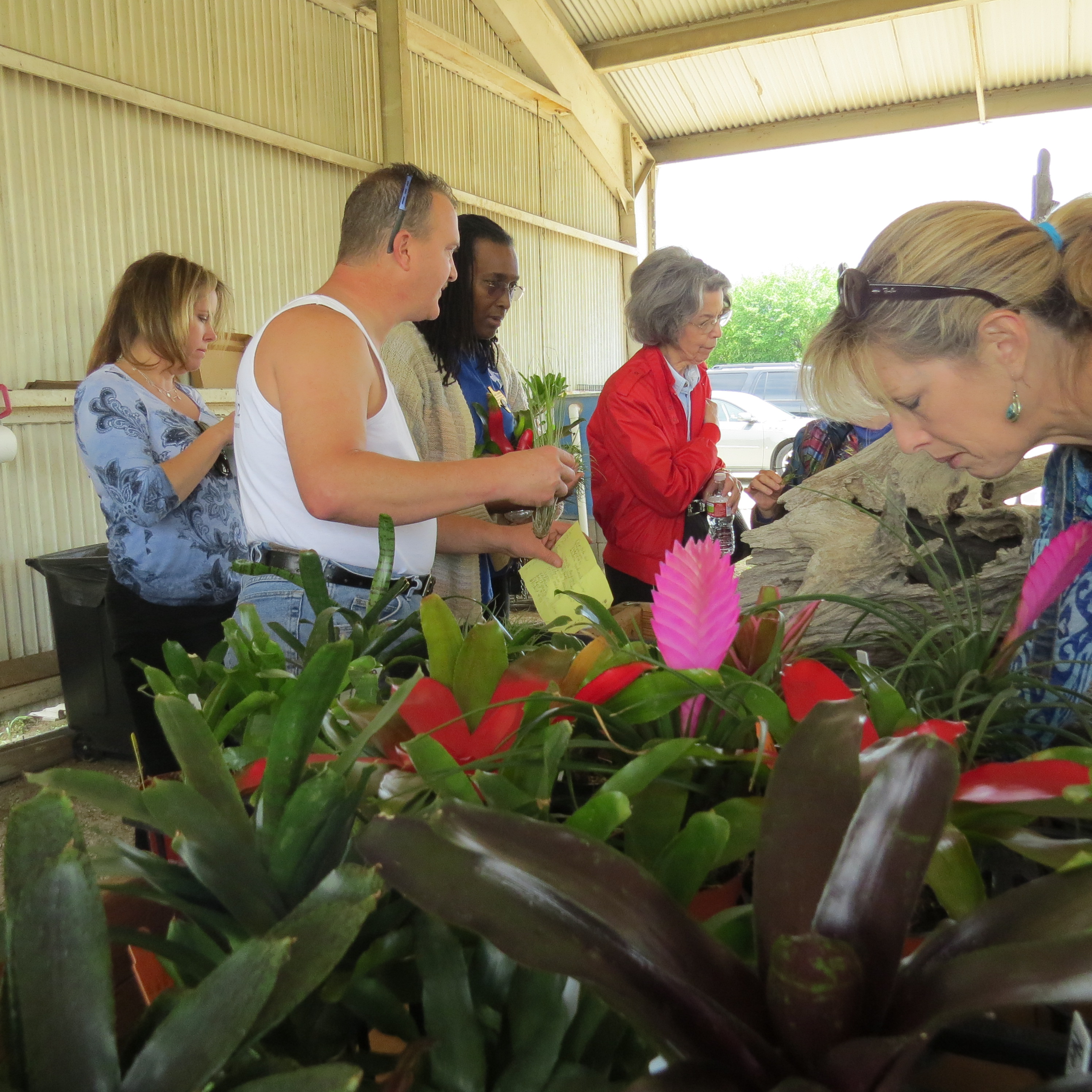
Plant Sale Shopping in Dallas

Not this spring. This year, I’m going to have a PLAN. The real deal: down to the ¼- inch, drawn on the drafting board with the compass and scale ruler kind of inspiration.  And from the plan, I’ll have a plant list.  Clutching the plan tightly, I’ll march into the spring plant sales that lure gardeners much like the waft of ribs from the barbecue joint seduce ‘cue lovers.  No impulse purchases for me.  I’ll have something I’ve never had before: a shopping list. Not on the list? Not in the checkout line. 

I did get the plan drawn up.  It took several weeks of looking at the favorite plant books, doodling around on the computer, and checking on mature sizes of plants.

Each plant had a circle drawn to scale representing its place and size in the grand scheme.  I finally had the shopping list. 

Things began to unravel within minutes at my first plant sale of the season.  Blame the perfect spring day. Chalk it up to cash burning a hole in my pocket. Proceeds go to four charities? Oh Lord, help me now. 

 Needless to say, I emerged from the check out line with two unplanned Eryngium ‘Blue Glitter’ that promise a cool purple thistle-looking bloom. Cardinal Flower Lobelia cardinalis wasn’t on the list either.  But how else was I going to have “dense spikes of brilliant red blooms that are a hummingbird magnet?”  Just put “hummingbird” and “magnet” in close proximity and I am a goner. I bought three. 

Chiding myself, I shopped at the Texas Discovery Garden plant sale the following week.  Russian sage, black-eyed Susan, asters, and Mexican sunflower went on the cart.  Each of those was on the Shopping List. 

But then I fell for Miss Huff lantana.  The “BEST of the lantanas” says the plant description.  I bought two.  I overlooked that it grows 3-6 feet high. The Best of the Lantanas needs to be moved to the side yard. 

It was getting easier to tally what purchases were not on the Shopping List: Bridal Wreath vine, “Peter’s Purple” monarda, Louisiana iris, Mountain sage…… 

Husband Mike’s only request was for something to shade the brick wall of the house from the hot west sun.  I snagged dwarf pomegranate ‘Nana’ at a sale in Collin County.  Perfect plant: 3-6 feet tall, orange blooms and fruit from spring to fall, gorgeous color next to the brown brick.  The next day as I popped it out of the pot, I noticed a slight discrepancy: the tag said ‘Wonderful’ which grows into to a small tree. 

Oh bother. Is it 3-6 foot ‘Nana’ as the plant list specified? Or have I planted a really, really big ‘Wonderful’ pomegranate? Time will tell.  

Elizabeth

Love In The Mist, Nigella damascena

Love In The Mist At The Demonstration Garden on Joe Field RoadSome cottage garden favorites just do not work for us. Towering foxgloves just rarely tower, but Love in the Mist that’s a happier story.

Love In The Mist Blooming In April In Dallas

It’s true it doesn’t care for heat but still it loves spring here and adds a pretty airy charm to the early garden.  Its easy care as long as you remember Love in the Mist doesn’t like heat.  So the seeds are best planted in fall or early winter;  the plants establish themselves over the dreary months and then grow amazingly fast and start to bloom when warm days arrive.  The flowers are in shades of blue as well as pink and white  with fine foliage that is a treat in itself. When flowering is done, the seed pods form. 

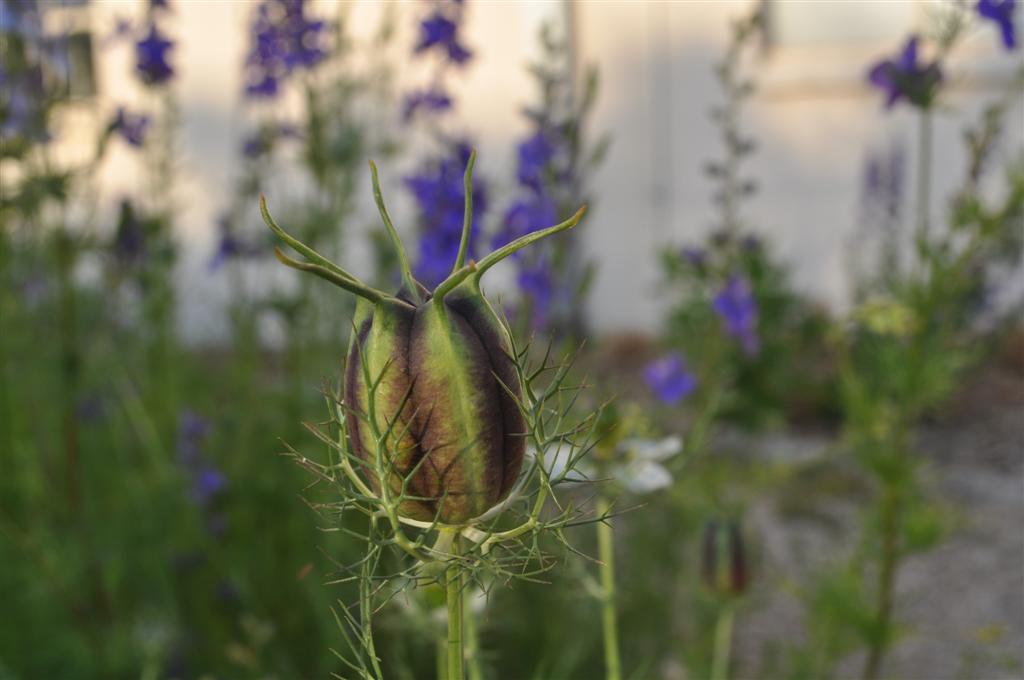
Seed Pod Of Love In The Mist

Remember,self seeding annual, means you have to allow the seed pods to become mature but in this case it’s really an added bonus as the pods are intricate stripped balloons that add interest to the flower bed and can be saved for arrangements as well. Just be sure that some seeds fall to the ground. It’s the circle of life right there in your garden; the seeds will find their way and when winter comes they start to grow  and soon…

Susan

Pictures by Starla and Ann