Tag Archives: Dallas County Master Gardeners

Facts About Growing Corn and Recipes From Our Latest Grow and Graze Event

Corn, the golden essence of summer and okra, a garden giant, were the two features at last week’s ‘Grow and Graze’ event. A panel discussion led by master gardener, Linda Alexander also included Dorothy Shockley, master gardener and vegetable specialist, along with Jeff Raska, Horticulture Program Assistant, Dallas County.

Starting with an historical look into the recorded beginnings of both crops, our panelists shared helpful suggestions and tips for growing them in our home gardens.

CORN
Some sources say that corn’s true origins date back 10,000 years ago to the pre-Columbian civilization. It is native to southern Mexico.

There are 5 main classes of corn:
Dent – called dent because of the small dent in top of the kernel. Used for livestock, the dinner table when harvested early enough, cornmeal and oil.
Flint – or Indian corn, this the colorful corn used for fall décor.
Flour – used for starches, flour, cornmeal and masa harina.
Popcorn – for popping, also can be colorful. Interestingly, any dried corn will “pop”.
Sweet – open pollinated and hybrid. The hybrid sweet corn is what we find in our markets today.

Tips:
Growing corn requires full sun, well prepped soil and varieties recommended for our area:
Kandy Korn, Silver Queen, How Sweet it Is, Merit, G90.

Plant corn seed 8” to a foot apart and always in a square or rectangle to help with pollination. Dorothy recommends putting two seeds in each hole and then thinning out the smaller one. Pollination should start in about two months.

Interesting facts:
Corn takes about 70 to 80 days to maturity. The tassel starts to emerge about 20 days before maturity. In that 20-day period, the most interesting part of the pollination takes place. The tassel, the male part of the plant appears. The tassel has anthers that will open up and spray the pollen. As this is happening, the silks, the female part of the plant emerges from the ear. The silks will be sticky on the ends, which allows the pollen to stick. The leaves will also be collecting some pollen. Along comes the wind blowing that pollen around your corn patch which connects with the silks. This is the main reason for planting corn in a square or rectangle
and not a single row.

Each one of those silks run down that ear, inside the shuck to a kernel. This pollinates the kernel and it starts to swell or fatten and develop.
Remember, when purchasing corn at the grocery or farmer’s market always buy corn with husks still in place. Look for ears that are full, filled out at the base and fresh silks that are not dried out. And, don’t forget to do the “peel back” test to check for freshness and plump, full
kernels. Ideally, fresh corn should be prepared either the same day or within two days.

Corn Trivia:
*Each corn stalk has two ears. Most ears have exactly 16 rows of kernels. Cut an ear of corn crosswise to see the formation. The number of lines may vary but, generally, every ear of corn
has 400 to 600 kernels.
*The average American eats 25 pounds of corn a year. This include everything from corn-on-the-cob, to cornbread, corn syrup, corn starch and, of course, tortillas.
Enjoy these delicious corn recipes from our picnic-style lunch and you might be well on your way to consuming the yearly average of 25 pounds per person.

Recipes

Santa Fe Corn Soup
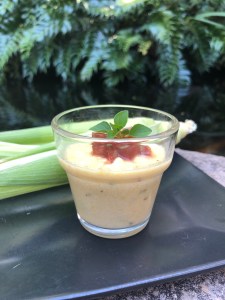
Ingredients

3 ½ cups fresh corn kernels (8 to 12 ears), or frozen corn

1 cup chicken broth

¼ cup butter

2 cups milk (or 1 cup evaporated milk and 1 cup water)

1 garlic clove, minced

1 teaspoon oregano

Salt and pepper to taste

3 tablespoons canned chiles, rinsed and diced

1 cup cubed cooked chicken

1 cup grated Monterey Jack cheese

¼ teaspoon baking soda

1 cup diced fresh tomatoes

Garnish: Fresh oregano and fried tortilla triangles

Directions

Combine corn and chicken broth in blender or food processor and puree. 

In 3-quart saucepan combine butter and corn mixture and simmer slowly 5 minutes, stirring to keep corn from sticking to bottom of pan. Add milk, garlic, oregano, salt and pepper and bring to boil.  Reduce heat and add chiles and chicken. Simmer 5 minutes. 

Remove soup from heat and add cheese and baking soda (to prevent curdling). Stir until melted. To serve, ladle soup into 6 bowls. Top with tomatoes and garnish with tortilla triangles and a sprig of fresh oregano. 

Yield: Serve 6

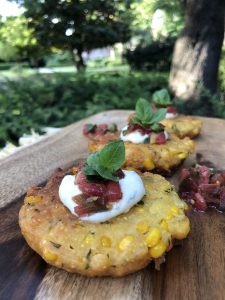
Fresh Corn Cakes with Heirloom Tomato Relish and Tarragon Crème Fraiche
Ingredients

¾ cup yellow cornmeal

½ cup all-purpose flour

2 teaspoons baking powder

1 tablespoon chopped fresh dill 

1 tablespoon chopped fresh parsley

1 tablespoon chopped fresh tarragon 

¾ cup whole milk

1 large egg

2 cups fresh corn kernels

Salt and pepper, to taste

Vegetable oil (for frying)

Tarragon Crème Fraiche (recipe follows)

Heirloom Tomato Relish (recipe follows)

Directions

In a large bowl, whisk together cornmeal, flour, baking powder, dill, parsley and tarragon. 

In a small bowl, whisk together milk and egg until smooth. Add milk mixture to cornmeal mixture, stirring just until combined. Stir in corn kernels. 

In a large skillet, pour oil to a depth of ¼ inch. Heat over medium heat. Drop cornmeal mixture by one-fourth cupfuls into hot oil, and cook until golden brown, 4 to 5 minutes per side. Let drain on paper towels. Serve corn cakes topped with Tarragon Crème Fraiche and Heirloom Tomato Relish. Garnish with herbs, if desired. 

Yield: Makes approximately 18

Tarragon Crème Fraiche

Ingredients

1 (8-ounce) container crème fraiche

2 tablespoons minced fresh tarragon 

2 teaspoons Dijon mustard

Directions

In a medium bowl, stir together crème fraiche, tarragon and mustard. Cover and refrigerate for up to 3 days. 

Yield: Makes approximately 1 cup

Heirloom Tomato Relish

Ingredients

3 large multicolor heirloom tomatoes, seeded and chopped

2 tablespoons olive oil

2 tablespoons chopped fresh basil

1 teaspoon lemon zest

½ teaspoon kosher salt

½ teaspoon ground black pepper

Directions

In a medium bowl, stir together tomatoes, olive oil, basil, lemon zest, salt and pepper just before serving. 

Yield: Makes approximately 2 cups

Corn and Jalapeno Jelly Muffins

Ingredients:

1 cup all-purpose flour

1 cup yellow cornmeal

¼ cup sugar

1 tablespoon baking powder

1 teaspoon dried red pepper flakes

1 egg

½ cup plus 1 tablespoon milk

4 tablespoons unsalted butter, melted

1 (10-ounce) package frozen corn kernels, defrosted

¼ cup jalapeno pepper jelly

Directions:

Preheat the oven to 373˚F.  Generously butter 12 muffin cups; each 2 ½ inches in diameter.

In a large bowl, mix together the flour, cornmeal, sugar, baking powder and pepper flakes. 

In a medium bowl, whisk together the egg, milk, melted butter and corn.  Pour the liquid mixture over the dry ingredients and stir lightly, using no more than 15 to 20 strokes, to combine. 

Fill each muffin cup about half full with batter; reserve ⅓ of the batter.  With the back of a teaspoon, make a small depression in the center of each muffin and drop in 

1 teaspoon of jalapeno jelly.  Divide the reserved batter over the tops to cover the jelly (do not spread the batter). 

Bake in the middle of the oven for 25 minutes, or until light golden on top.  Let the muffins rest in the pan for about 2 minutes. Using a blunt knife, ease the muffins out onto a wire rack and let cool for about 20 minutes.  

Yield:  Makes 12 muffins

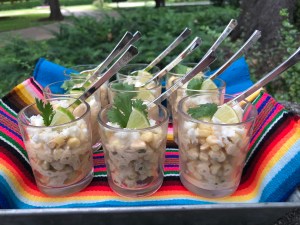
Esquites: Mexican Street Corn Salad
Ingredients

2 tablespoons vegetable oil

4 ears fresh corn, shucked, kernels removed, (about 3 cups fresh corn kernels)

Kosher salt

2 tablespoons mayonnaise

2 ounces feta or Cotija cheese, finely crumbled

½ cup finely sliced scallions, green parts only

½ cup fresh cilantro leaves, finely chopped

1 jalapeno pepper, seeded and stemmed, finely chopped

1 to 2 medium cloves garlic, pressed or minced on a Microplane grater (about 1 to 2 teaspoons)

1 tablespoon fresh juice from 1 lime

Chili powder or hot chili flakes, to taste

Directions

Heat oil in a large nonstick skillet or wok over high heat until shimmering. Add corn kernels, season to taste with salt, toss once or twice, and cook without moving until charred on one side, about 2 minutes. Toss corn, stir, and repeat until charred on second side, about 2 minutes longer. Continue tossing and charring until corn is well charred all over, about 10 minutes total. Transfer to a large bowl. 

Add mayonnaise, cheese, scallions, cilantro, jalapeno, garlic, lime juice, and chili powder and toss to combine. Taste and adjust seasoning with salt and more chili powder to taste. Serve immediately. 

Yield: Serves 4

Chocolate Polenta Pudding Cake

Cake Ingredients

2 ½ cups whole milk

¾ cup coarsely ground cornmeal

½ cup plus 3 tablespoons sugar

½ teaspoon salt

8 ounces bittersweet chocolate

Shredded zest of ½ large orange

1 ½ teaspoons ground cinnamon

⅛ teaspoon freshly ground black pepper

4 large eggs, separated

1 tablespoon vanilla extract

½ cup heavy whipping cream

Topping Ingredients

1 tablespoon unsweetened cocoa

1 tablespoon sugar

Powdered sugar for dusting

In a 2-quart saucepan bring the milk to a boil. Meanwhile, combine the cornmeal, ½ cup sugar and the salt in a medium metal bowl. Whisk in the hot milk until smooth.

Wash out the saucepan, fill it two thirds full of water, and bring it to a simmer. Cover the bowl with foil, set it over the water and cook 40 minutes; the polenta will be thick and stiff.  Stir three or four times as it cooks and add water to the pan if necessary. 

Meanwhile, preheat the oven to 350˚F. Butter an 8-inch springform pan. Finely chop three quarters of the chocolate and cut the rest into generous 1-inch pieces. 

When the polenta is cooked, remove the bowl (or pan) from the water. Blend in the finely chopped chocolate, the orange zest, cinnamon, pepper, yolks, and vanilla. Place 1 cup of this mixture in another bowl and stir the cream into it. Set aside. 

In a large bowl, whip the egg whites until frothy. Beat in the remaining 3 tablespoons sugar, and then whip to soft peaks. Fold a quarter of the whites into the non-cream chocolate-polenta mixture to lighten it. Then fold in the rest, leaving a few white streaks. Fold in the chocolate chunks with one or two strokes. Pour half of the batter into the prepared pan. Using a spoon, hollow out the center of the batter so the polenta-cream mixture will sit in a pocket. Add the cream mixture. Cover with the rest of the batter. Sift the cocoa over the top, the sprinkle with sugar. 

Bake 1 hour, or until a knife inserted at the edge of the pudding comes out with moist crumbs on it, but when put into the center, comes out with creamy streaks. Cool on a rack for 15 minutes.

Release the sides of the pan and set the cake on a plate. Serve warm or at room temperature, dusted with powdered sugar.

Yield: 1 8” cake (8 servings)

Recipe adapted from “The Italian Country Table”

Sweet Corn Ice Cream with Blackberry Lemon Verbena Sauce

Ingredients

4 ears fresh corn, shucked

1 ½ cups milk

2 cups heavy cream

1 cup plus 1 tablespoon sugar

6 large egg yolks

¼ teaspoon fine sea salt

¼ cup sour cream 

2 sprigs lemon verbena or ½ teaspoon grated lemon zest

1 ½ cups blackberries (about 6 ounces)

Directions

Using a large knife, slice the kernels off the corn cobs and place in a large saucepan. Break cobs in half and add to the pot along with milk, cream and ½ cup sugar. Bring mixture to a boil, stirring, then remove from heat. Let stand to infuse for 1 hour, the discard corn cobs. 

Using an immersion or regular blender, puree kernel mixture. Return mixture to a simmer, then turn off heat. In a small bowl, whisk egg yolks, ⅛ teaspoon salt and another ¼ cup sugar. Add a cup of hot cream mixture to yolks, stirring constantly so they don’t curdle. Add yolk mixture to saucepan, stirring. Cook over medium-low heat, stirring constantly, until custard thickens enough to coat the spoon, about 10 minutes. 

Pass custard through a fine sieve, pressing down hard on the solids. Discard solids. Whisk in sour cream until smooth. Let custard cool in an ice bath, then cover and chill for at least 4 hours.

Meanwhile, in a small saucepan, combine remaining 5 tablespoons sugar, lemon verbena sprigs (or zest) and ¼ cup water and bring to a simmer. Let cook, stirring occasionally, until sugar melts and syrup thickens slightly, about 7 minutes. Add blackberries and cook for 5 to 7 minutes longer, until fruit just softens, but doesn’t fall apart. Let cool, then discard verbena. 

Freeze corn mixture in an ice cream maker according to manufacturer’s directions. Serve with blackberries and syrup on top. Recipes makes 1 ½ pints.

Linda Alexander

More recipes to follow later this week.

 

Fall, Bring It On!

   My garden has begun to greet me in the morning feeling a little more perky in the cool air of fall and I too breathe a sigh of relief from the relentless heat of August. My smile is soon replaced with a frown as I survey the damage from my little friend, a small bunny that has ignored my no trespassing signs.

Maybe you are like me and mourn the end of summer’s offerings especially tomatoes and peaches but I know their demise makes room for fall blessings like spinach, kale (which my husband refuses to nibble unlike my bunny) and broccoli.

Goodbye summer, It’s time to pull out our fall garden calendars and dig in. I’m hoping you are able to read this article, Gardeners Learn to See Time Differently from the Washington Post by Joanne Kaufman.

She reminds us that we are governed by the vagaries of the planting season and the rhythms of the garden.

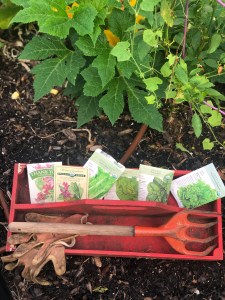
Above: Fall garden seed packets, my favorite is Parris Island Cos Lettuce.

In Texas, now is the time to scrape away some of our worn out, burned up plants and prepare for fall. The next few months are an especially rewarding time to garden in Dallas.

Ann Lamb

Planting Times for North Central Texashttp://dallas-tx.tamu.edu/files/2010/06/Vegetable-Planting-Guide.pdf

North Haven Gardens Vegetable Planting Dateshttps://www.nhg.com/wp-content/uploads/2016/01/NTxVegPlanting.pdf


Fall Garden Class

September 5th at 10am at The Raincatcher’s Garden- Native and Adaptive Plants, click here for more info.


Kale’s Misfortune

August 6, 2019

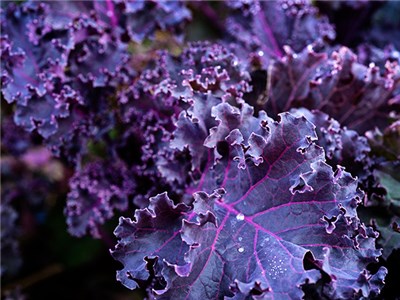
We had grandiose plans; to indulge and savor, to be nourished and satisfied. Our beautifully designed spring kale bed promised countless ways to enjoy this luscious, leafy green. An imaginative plan was developed using five different varieties of kale. Our centrally located statuary garden would be transformed into graceful spirals of translucent whites to radiant pinks. Concentric circles of the lovely Scarlet Kale with her delicious frilly, red curled leaves gently ushered in sassy little Dwarf Siberian Kale, a very hardy and productive Russian variety.

Above: Scarlet Kale

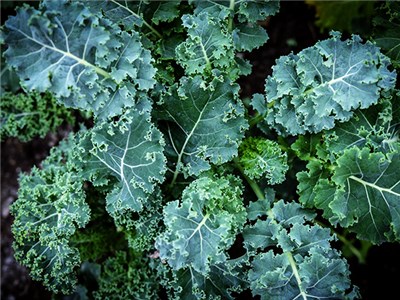
Red Russian, poetically referred to as the peacock of the kale family, adorned our bed with its striking red leaf stalks and delicate purple veins running through silver green leaves. But it was the visually stunning blue-green hues of Blue Curled Scotch that completed the rich and vibrant look of our 2019 Ombre theme. Or, so we hoped.

Above: Blue Curled Scotch Kale

As spring rains gave way to the warm days of summer, we were increasingly pleased with our Brassicaceae family reunion. And then quite suddenly, Mother Nature spoke to us. Her language was somewhat stern and unforgiving. She reminded us that our visit had come too soon. While family gatherings are happy, joyful occasions filled with laughter and sweet memories, a time of separation is sometimes needed before a return.

Shamefully, we had not listened. Members of the same family had previously made a visit to our garden. Two other times to be exact. We should have known better than to include them a third time. Was it the unwelcomed pests harboring in the soil who were waiting for the right moment to “crash” our party? Or, had the lovely cabbage white butterfly swooped down from above to deposit her eggs on the underside of a leaf? Either way, our mistake had encouraged, even invited the destruction to begin. As the tiny little green worms emerged, along with them came a voracious appetite. A simple appetizer wasn’t going to satisfy, they had come for a feast.

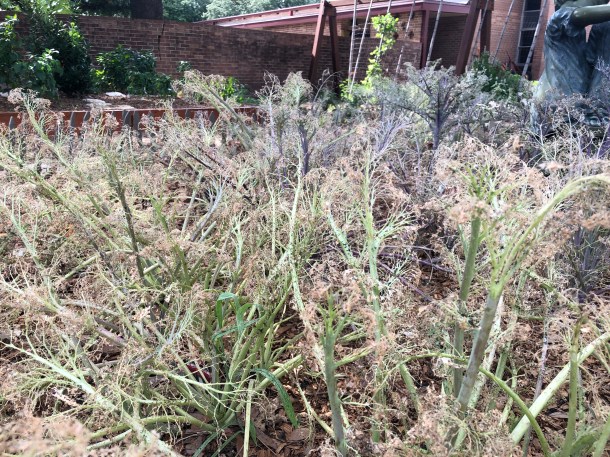
After only a few short weeks of devastation, our bed of dreams began to resemble an alien invasion. The chomping and nibbling had wiped us out. Except for one indulgent over-eater, the lacy remnants of frass (aka, solid excreta of insects) was all that remained of our beautiful kale crop. The cross-stripped caterpillar showed no mercy, he was victorious in winning the battle.

Kale Bed in early July after the cabbage worm attack

Moving forward, we’ve learned a lesson the hard way. Instructions for the next family reunion will be respectfully observed.

  1. Members of the same family, in this case…Brassicaceae…won’t meet again for three years.
  2. Rotating plant families is important for managing pests and soil fertility in the garden.
  3. To improve the fertility status of garden soil, members of other families such as Fabaceae, the legume family, can be grown to add nitrogen to the soil.

Should nutrient-rich kale make a future visit, we hope to enjoy her delicious charms.

Linda Alexander

Pictures courtesy of Baker Creek Heirloom Seeds

Refer to Caterpillar Alert, Who’s Eating our Kale?


2 Fantastic Classes, Learn, Learn, Learn at our Garden!

Everyone Welcome, no reservations required.

Tomorrow: Wednesday, August 7, 10am, Shade Gardening

Friday, August 23, 10am Texas Plant Tales Class

Balsamic Blooms Basil is a Superstar

I’m infatuated with this new basil, so I asked Linda to write about it-Ann.

Above: Balsamic Blooms Basil


Our first encounter with Balsamic Blooms Basil was in April of 2018. While the designation Texas Superstar® caught our attention, it was the beautiful deep purple blooms that we found most intriguing. We were smitten. Thankfully, we were able to locate six plants at a local garden center and then used them to create a border for our newly established hügelkultur bed.

People couldn’t stop talking about the “new plants” in our garden. As they continued to grow throughout the spring and into summer, everyone became more intrigued. A quick explanation convinced them that this was a plant worthy of adding to the home garden.

Balsamic Blooms Basil was named a 2017 Texas Superstar plant by AgriLife Research and Texas A&M AgriLife Extension Service horticulturalists after three years of field trials around the state. To be designated a Texas Superstar, a plant must not only be beautiful but also perform well for consumers and growers throughout the state. Texas Superstars must be easy to propagate, which should ensure the plants are not only widely available throughout Texas but also reasonably priced.

Balsamic Blooms is truly is a game changer. It is the first basil to have flowers and leaves growing at the same time. You’ll be tempted not to harvest those long-lasting, gorgeous purple blooms, content just to admire their beauty. But you shouldn’t miss the delightful mint flavor of the tender young flowers chopped and sprinkled over a summer salad. The sweet flavor of the foliage may be used for a delicious pesto or other culinary uses.

We were so pleased with last year’s performance that for 2019, Balsamic Blooms took center stage in our ombre basil bed at Raincatcher’s Garden. Once again, it has thrilled visitors to the garden who don’t leave without asking about this lovely herb.

As with most basils, plant in a sunny area in well drained soil. It has a mounding growth habit reaching 18-24” and is a great addition for either the edible garden or landscape.

Linda Alexander


Crushing Heat

How do  you beat the heat in summer? What are your tactics? We asked several Master Gardeners and this is what they said.

Above: Starla gives a pictoral  reminder for all of us

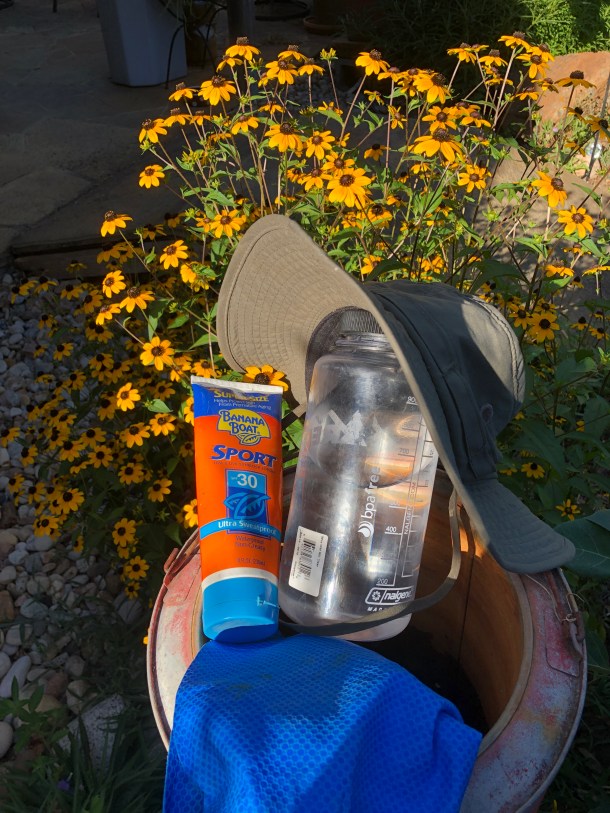
Susan Swinson says: Long sleeves and pants for the mosquitoes. I like the fabric in hiking pants. It’s pretty cool and wicks moisture. Hat and sunglasses of course and towel for mopping up. Enormous insulated glass of iced tea with a lid that I keep in the shade. If I’m working in the backyard I rig up a big fan with extension cord.

Lisa Centala: A hat and sunscreen are the first wave of defense! One way I stay cool is to drape a wet, cold cloth around my neck. I keep a couple to change them out and roll some ice in the towel if it’s really hot.

Jim Dempsey: Never go out into the heat without a good wide brim hat.

Jon Maxwell: In the Texas summer heat, “you have to start early and end early!
Its not just the plants that need water, remember to drink plenty when out in the summer garden, and not just when you feel thirsty!

Cindy Bicking: I try to get out early in the morning and get “finished” for the day by 10 a.m. If  I have a lot to do, I keep to the shaded areas as much as possible.  I also set a timer for 15-20 minutes and then go inside for about the same amount of time.  That’s when I drink my water.  Also, try to wear a hat. If it’s dry enough, I mow in the morning while it is cool.  Otherwise, I wait until just before dark.  Use bug repellent.

Also, I sometimes wander about for a few minutes and pull weeds, trim a littler here and there.

Dallas Garden Buzz Readers, please give us your heat crushing advice in the comment section.
Ann Lamb


Grow and Graze August 27th Sign-Up

Corn, the Golden Essence of Summer and Okra, A Garden Giant-GROW AND GRAZE AUGUST 27TH

Corn’s versatility is endless, lending a festive look to almost any dish. Discover the delectable potential of this simple vegetable. Savor its natural sweetness in a menu packed with everything from delicious openers to breads, chowders and desserts.

Okra is best described by award-winning chef, Michael W. Twitty, as “a globetrotter that dances so well with tomatoes, onions and corn that nobody remembers a time when the four did not carouse the kitchens of the Afro Atlantic world in search of lusty steam and the heat of a hot chili pepper looking to dance, too.” 

Tuesday, August 27th

A “Grow and Graze” Event Hosted by Raincatcher’s Garden of Midway Hills

10:00 – 11:00am * 11001 Midway Road * Church Sanctuary

Panel Discussion Led by Raincatcher’s Dallas County Master Gardener Vegetable Experts

(Master Gardeners earn up to two CEUs)

Immediately following the program please join us in the Community Hall for a Picnic-style Lunch

11:15 – 12:30

$15 per person, Reserved seating for 60, Tickets on sale July 24th, 10am, Deadline August 20th

https://www.eventbrite.com/e/corn-the-golden-essence-of-summer-and-okra-a-garden-giant-tickets-65175370287

Menu

Santa Fe Corn Soup Garnished with Fresh Oregano, Blue Corn Tortilla Chips

Fried Okra Pods with Pickle Aioli

Fresh Corn Cakes with Heirloom Tomato Relish and Tarragon Crème Fraiche

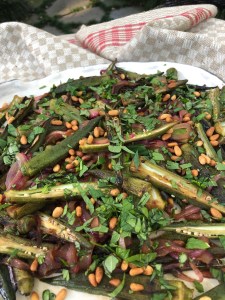
Warm Okra and Red Onion Salad with Pine Nuts

Esquites: Mexican Street Corn Salad Cups

Breadbasket Sampler: Cheddar Dill Cornbread, Corn & Jalapeno Muffins, Fresh Okra Muffins

Sweet Corn and Hazelnut Crunch Chocolate Cake with Chocolate Ganache

Sweet Corn Ice Cream with Blackberry Verbena Sauce

Linda Alexander

All members of the public invited for lunch with a reservation or just come for the free lecture. Reservations thru the eventbrite link above open at 10am, Wednesday, July 24th.

Thai Basil Sorbet, a Cool Taste of Summer

Thai Basil Sorbet

When one mentions ‘basil’, immediately people think of Italian-type basil – the Genovese variety that is used for pesto and caprese salad.  Thai basil, if it’s thought about at all, is best known as a garnish in the popular Vietnamese soup pho.

But with its spicy licorice and lemon notes, this cousin of mint works well in desserts, too.  Any variety of Thai basil can be used – we have both Persian and Cardinal cultivars in the Edible Landscape and both worked equally well.

An ice cream maker does its magic by keeping the ice crystals small while they’re being created.  If you don’t have an ice cream maker or aren’t in the mood for sorbet, there are other ways you can enjoy this syrup.  You can make a granita or popsicle if you still want an icy treat, or simply take the syrup you’ve made and pour it over a white cake, brownies, or even the olive oil semolina cake from our Grow and Graze event – it’ll infuse the cake with a lovely extra layer of flavor!

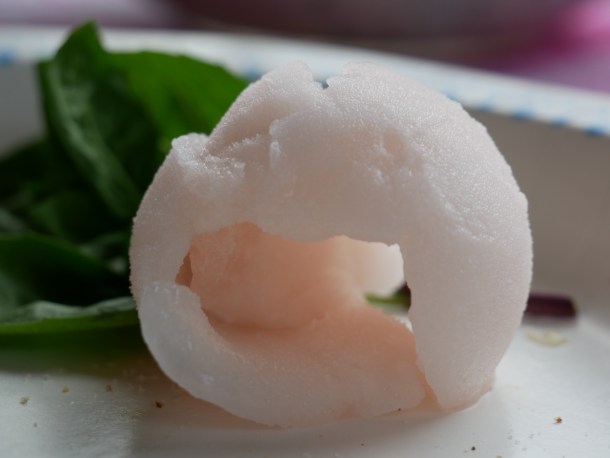
Above: Cool and refreshing Thai Basil Sorbet

The recipe below makes about a pint of sorbet – feel free to multiply it and make more.

INGREDIENTS:

2 cups water

1 cup sugar (192 g)

1 cup basil (leaves and/or blossoms) (about 55 g)

2 Tablespoons corn syrup*

2 Tablespoon lime juice

*The corn syrup is to keep the sorbet from becoming a popsicle without making the sorbet too sweet.  The alternative to the corn syrup would be a tablespoon of vodka (or rum).  If you’re not making sorbet, but the granite, popsicle, or syrup, you don’t need the corn syrup (or vodka or rum).

METHOD for SORBET:

Bring the sugar and water to a boil, dissolving the sugar.  Add the basil leaves and cover.  Let come to room temperature, and then store in the refrigerator until chilled (you can go 30 minutes to 2 days).

Once it’s chilled, strain out the basil leaves, and add the corn syrup and lime juice.

Spin it in your ice cream maker using the manufacturer’s instructions, then put in the freezer to finish hardening off.

METHOD for GRANITA:

Bring the sugar and water to a boil, dissolving the sugar.  Add the basil leaves and cover.  Let come to room temperature, and then store in the refrigerator until chilled (you can go 30 minutes to 2 days).

Once it’s chilled, strain out the basil leaves, and add the lime juice.  Don’t use the corn syrup.

Place the syrup in a shallow pan (metal is good, but something it would be okay to scratch with a fork, or use a plastic container) in the freezer for about a half hour.  Pull it out and with a fork, scrape the frozen portions into large flakes.  Return to the freezer and repeat 2-3 times or until the whole thing is a bunch of frozen flakes.  Cover, and store in freezer until ready to serve.  When you go to serve, use that fork again to make sure you’ve got flakes!

METHOD for POPSICLES:

Bring the sugar and water to a boil, dissolving the sugar.  Add the basil leaves and cover.  Let come to room temperature, and then store in the refrigerator until chilled (you can go 30 minutes to 2 days).

Once it’s chilled, strain out the basil leaves, and add the lime juice.  Don’t use the corn syrup.

Pour into popsicle molds and freeze!  This is a pretty intense way to enjoy the basil flavor – I’d suggest adding some berries to the mold and have a berry basil popsicle.

METHOD for SYRUP (over cakes, brownies, etc.):

Bring the sugar and water to a boil, dissolving the sugar.  Add the basil leaves and cover.  Let come to room temperature, and then store in the refrigerator until chilled (you can go 30 minutes to 2 days).

Once it’s chilled, strain out the basil leaves, and add the lime juice.  You don’t need the corn syrup for this use, but it won’t hurt your final product, either.

The Edible Landscape Team

Pictures by Starla Willis


Protecting Fig Trees and Grapes

July 20, 2019

To protect your fig trees from hungry birds, cover the tree canopy with bird netting.  The netting operation needs to be completed before the fruit begins to ripen. Timing is critical. Generally the birds leave unripened fruit alone but once the fig or grape shows color they are all in for their feast and little will be left for you.

This was our project last week at Raincatcher’s. We were lucky enough to have Captain in the US Army and Dallas County Master Gardener, Jon Maxwell, leading us.

Netting for the fig was from Lowes; netting for the grapes was purchased on line as it needed to be larger, 28′ x 28′ vs 14′ x 14′ from box stores.

Jon’s tips for bird netting application-have a lot of help and keep your fig tree pruned short.

Above you see Jim Miller, Jon Maxwell and one of our Dallas County Master Gardeners interns at work.

Annette Latham is a steady help with the net in the top picture.

The netting was large enough to basically hang to the ground, so heavy objects were placed at the bottom  to help hold it in place.  Mockingbirds, who love figs and grapes, have been quite furious!!

Written by Ann Lamb as explained by Jon Maxwell

Pictures by Starla Willis


Looking forward to fig harvest? Here’s few fig recipes from last year’s Grow and Graze event

Don’t forget Grilled Figs with Thyme Honey and Gorgonzola Toasts.

By the way, if you are interested in the Dallas County Master Gardener program, call our help desk at 214- 904 -3053 or go to our website here. Classes start in January when it’s cool!


What’s Growing in July Vegetable Gardens in Dallas?

July 16, 2019

Dallas County Master Gardener, Ruth Klein has joined the The Raincatcher’s Garden Team to work in the vegetable garden.  I asked her a few questions about what’s growing at Raincatcher’s.  Her advice-go tropical!

Thanks, Ruth!

July tends to be a slow time in Dallas for vegetable gardening except for black eyed peas, okra, and sweet potatoes.  We introduced some tropical crops which needed to be trellised.

To make use of the materials already in the garden,  we rummaged through the shed and found some lavender colored PVC pipes.  We bent them between the beds and stuck them in the soil.  This was not stable enough for Dallas winds, so the guys , led by Jon Maxwell, purchased PVC connector pieces and put them on the top of the arches.   The arches were then covered with bird netting to act as supports for the vines connecting it using zip ties.

Above: A view of the vegetable garden with new trellis

We were pleased that the supports were attractive,

something like the Calatrava bridges over the Trinity.

  Seeds of red noodle beans, bitter melons, and loofa squash, (aka sponge squash) were planted.   As soon as we got the netting up, the vines rapidly began climbing.

Bitter Melon

Loofah bloom visited by a pollinator

Black eyed peas


Red noodle beans can be cooked like green beans.   Wash and salt them, add a little butter, and steam  in the microwave- very easy and delicious. Even the bigger ones that I was afraid would be tough are delectable.

The black eyed peas can also be harvested as immature pods and be prepared like green beans.  Traditional green beans can not tolerate the heat and tend to get rust, but the black eyed peas and noodle beans are disease free.


One of the in-ground beds has compacted soil, and attempts to grow corn in it were unsuccessful this year.  We filled it with black eyed peas, and they are thriving.  When the peas are spent, we plan to cut them off at the base and let the roots degenerate before turning the soil over.  Hopefully, this will act as a cover crop and help to enrich and break up the soil for future planting.


Sadly, the Spring tomato crop was decimated by squirrels or rats, and we fear, two legged pests.  We have begun plans to build a chicken wire enclosed “house” with a door which can be locked for the next Spring tomato crop.  It is too hot now for heavy work, so we plan to begin soil prep and construction after the first cold front in the Fall.

Most of the Fall planting dates begin in late August, so we will harvest and begin soil prep before then.

Ruth Klein

Pictures by Starla Willis

Grow and Graze Recipes Part II and August 27th Annoucement

July 13, 2019

Gardening friends, I forgot to include the tomato sauce that goes with the Raincatcher’s Summer Garden Ratatouille served at the Herbs of the Mediterranean Grow and Graze event. So here it is along with the potato salad full of herbs.

Read to the end of the post to see the information about our next Grow and Gaze event. Sign up begins July 24th.

Endless Summer Tomato Sauce

Ingredients

½ cup plus 2 tablespoons extra virgin olive oil, divided

1 onion, peeled and finely diced

4 cloves garlic, mashed

1 teaspoon chili flakes

1 tablespoon fennel seeds

½ pound grass-fed beef, optional

Salt and freshly ground pepper

1 cup red wine

5 large ripe tomatoes, peeled and lightly pureed in a food processor

2 teaspoons finely chopped fresh rosemary

1 tablespoon finely chopped fresh oregano

2 tablespoons finely chopped fresh parsley

Pinch of sugar or dash of local honey

8 fresh basil leaves, torn

Directions

In a large, heavy-bottomed pot, heat 2 tablespoons oil over medium-high heat.  When bubbling, add the onion and garlic; stir, reduce heat, and cook until softened, about 5 minutes. Add chili flakes and fennel and cook for about 1 minute. Increase the heat to medium-high and add the beef.  Cook until browned, stirring occasionally, seasoning along the way with salt and pepper. NOTE:  Omit the last two steps if you are making a meatless sauce and continue from here

Deglaze pan with the red wine, picking up any brown bits by stirring with a flat-edged wooden spoon.  Cook over medium-high heat until the wine has reduced by half.

Add the remaining ingredients except the basil and stir.  Bring to a boil and then reduce to a simmer.  Cook slowly for 1 to 2 hours.  Taste to verify seasonings and adjust accordingly.  Add the fresh basil after the sauce is removed from the heat.  Cool and freeze for up to four months.

Yield: 4 to 5 cups

Salad of New Potatoes with Sweet Cicely, Lovage and Green Peppercorns

Ingredients

2 ½ pounds new potatoes

1 ½ teaspoon salt

½ cup plain yogurt

½ cup low-fat sour cream

2 tablespoons mayonnaise

¼ cup chopped red onion

2 tablespoons chopped fresh sweet cicely

2 tablespoons chopped fresh lovage, plus 1 sprig for garnish

2 tablespoons green peppercorns

Directions

In a saucepan, combine the potatoes with water to cover by 2 inches. Add 1 teaspoon of the salt, bring to a boil over medium-high heat, and then reduce the heat to medium and cook, covered, until the potatoes are tender when pierced with a fork, about 25 minutes.

Drain the potatoes. As soon as you can handle them, peel and cut crosswise into ½-inch-thick slices.

Place the potato slices in a large salad bow and add the yogurt, sour cream and mayonnaise. Turn well to mix. Add the remaining ½ teaspoon salt, the onion, sweet cicely, chopped lovage, and green peppercorns and turn again to mix. Cover and let cool to room temperature, then refrigerate for at least 6 hours and up to 24 hours to allow the flavors to blend fully before serving. Garnish with a sprig of lovage and serve.

Yield: Serves 4


Corn, the Golden Essence of Summer and Okra, A Garden Giant-GROW AND GRAZE AUGUST 27TH

Corn’s versatility is endless, lending a festive look to almost any dish. Discover the delectable potential of this simple vegetable. Savor its natural sweetness in a menu packed with everything from delicious openers to breads, chowders and desserts.

Okra is best described by award-winning chef, Michael W. Twitty, as “a globetrotter that dances so well with tomatoes, onions and corn that nobody remembers a time when the four did not carouse the kitchens of the Afro Atlantic world in search of lusty steam and the heat of a hot chili pepper looking to dance, too.” 

Tuesday, August 27th

A “Grow and Graze” Event Hosted by Raincatcher’s Garden of Midway Hills

10:00 – 11:00am * 11001 Midway Road * Church Sanctuary

Panel Discussion Led by Raincatcher’s Dallas County Master Gardener Vegetable Experts

(Master Gardeners earn up to two CEUs)

Immediately following the program please join us in the Community Hall for a Picnic-style Lunch

11:15 – 12:30

$15 per person, Reserved seating for 60, Tickets on sale July 24th, 10am, Deadline August 20th

https://www.eventbrite.com/e/corn-the-golden-essence-of-summer-and-okra-a-garden-giant-tickets-65175370287

Menu

Santa Fe Corn Soup Garnished with Fresh Oregano, Blue Corn Tortilla Chips

Fried Okra Pods with Pickle Aioli

Fresh Corn Cakes with Heirloom Tomato Relish and Tarragon Crème Fraiche

Warm Okra and Red Onion Salad with Pine Nuts

Esquites: Mexican Street Corn Salad Cups

Breadbasket Sampler: Cheddar Dill Cornbread, Corn & Jalapeno Muffins, Fresh Okra Muffins

Sweet Corn and Hazelnut Crunch Chocolate Cake with Chocolate Ganache

Sweet Corn Ice Cream with Blackberry Verbena Sauce

Linda Alexander

Pictures by Starla Willis