Category Archives: Spring

Iris Blooms In Our Dallas Garden

Too bad I didn’t get to attend last week’s Dallas County Master Gardener meeting.

I would have learned all about Iris from the speaker, Bonnie Nichols, and could have given you alot of information about them.  One thing I know for sure: it was worth it to divide our iris last August.  Look at them now!  This is a variety called Queen’s Circle.                       .

Iris Growing At The Demonstration Garden on Joe Field Road, Dallas, Texas

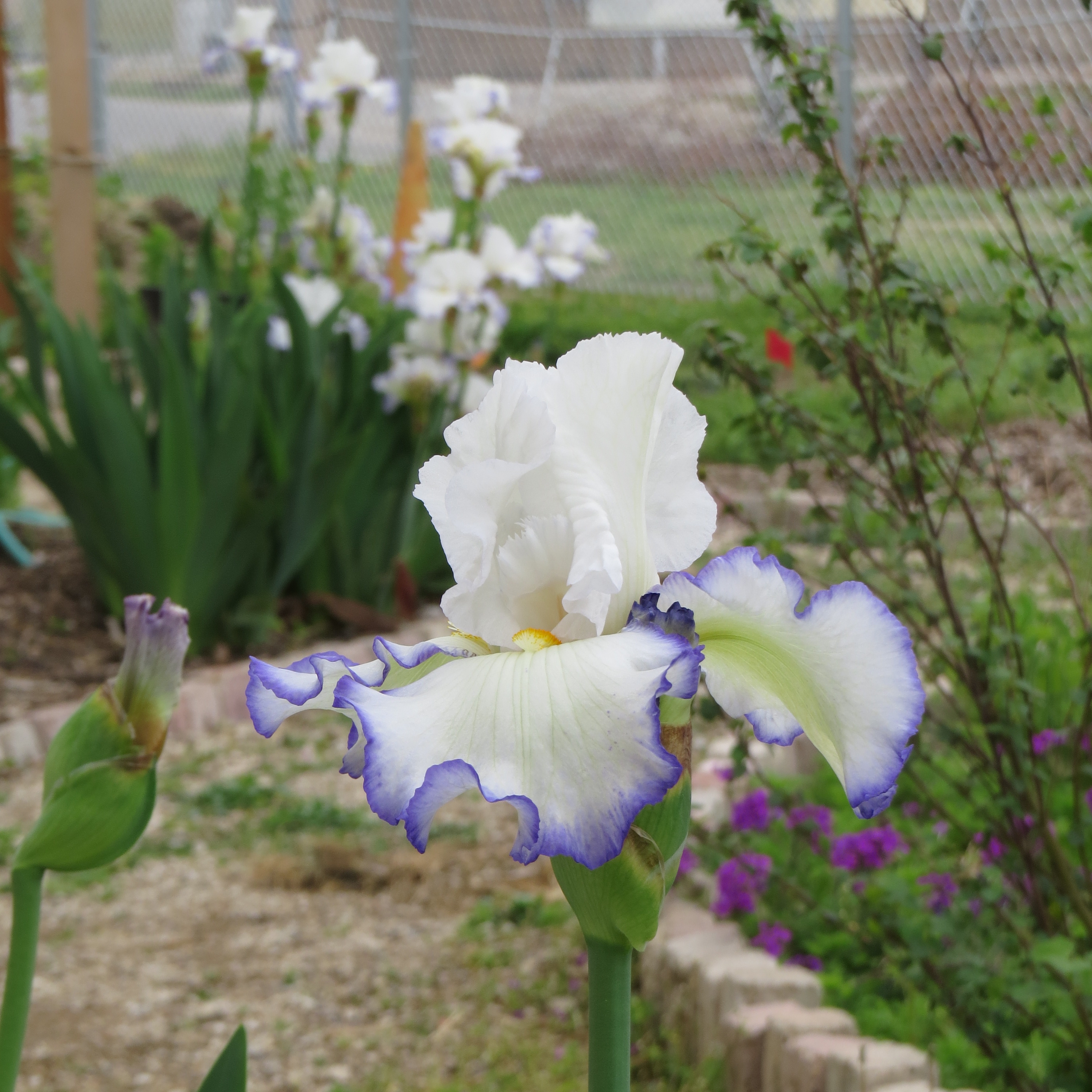
Queen’s Circle is a  Tall Bearded Iris, ruffled, with standards that are pure white and falls that are white with purple along the edges with a yellow beard.

Iris, Larkspur, and Verbena

We have 8 more Iris varieties about to bloom in another garden called our Rose Trellis Garden. We borrowed the classic pink, blue, and grey color scheme . Our Iris, Larkspur,  and the early blooming, can’t live without;  Salvia, ‘May Night’  provide the blue.

Ann

Pictures by Starla

March Blooms In Dallas

 In the garden today we clipped, potted, cleaned our garage, and accomplished a number of our spring chores.  The flowers in our garden watched us with no thought of breaking a sweat.

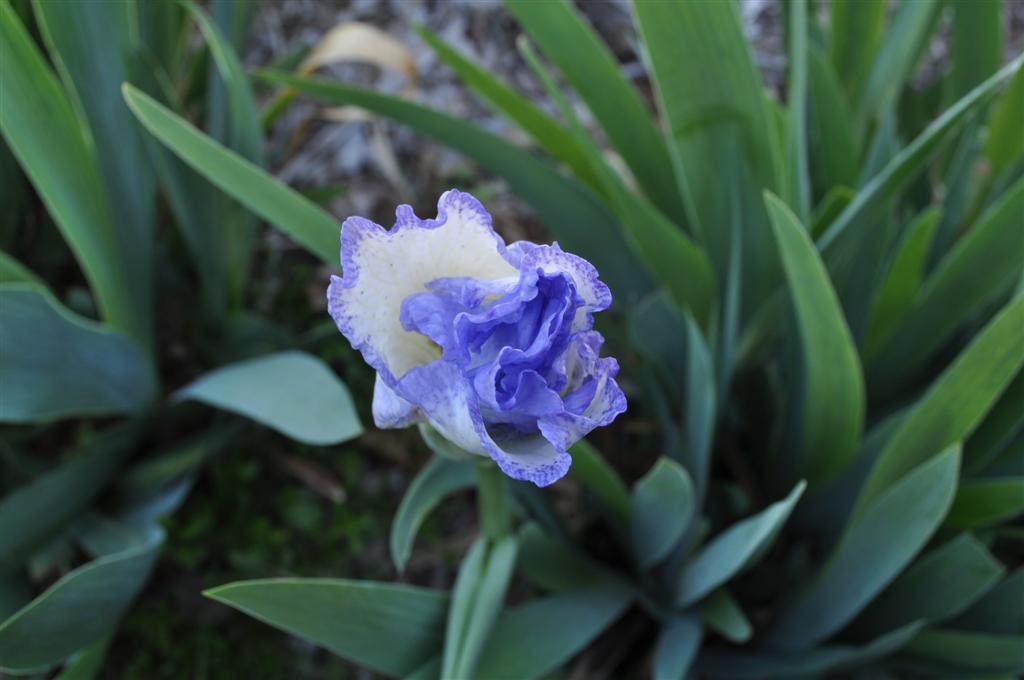
Iris About To Open

This is Iris ‘Frothingslosh’ -yes, that really is the name!

Purplish Larkspur at The Demonstration Garden

Larkspur is already blooming in our color wheel.

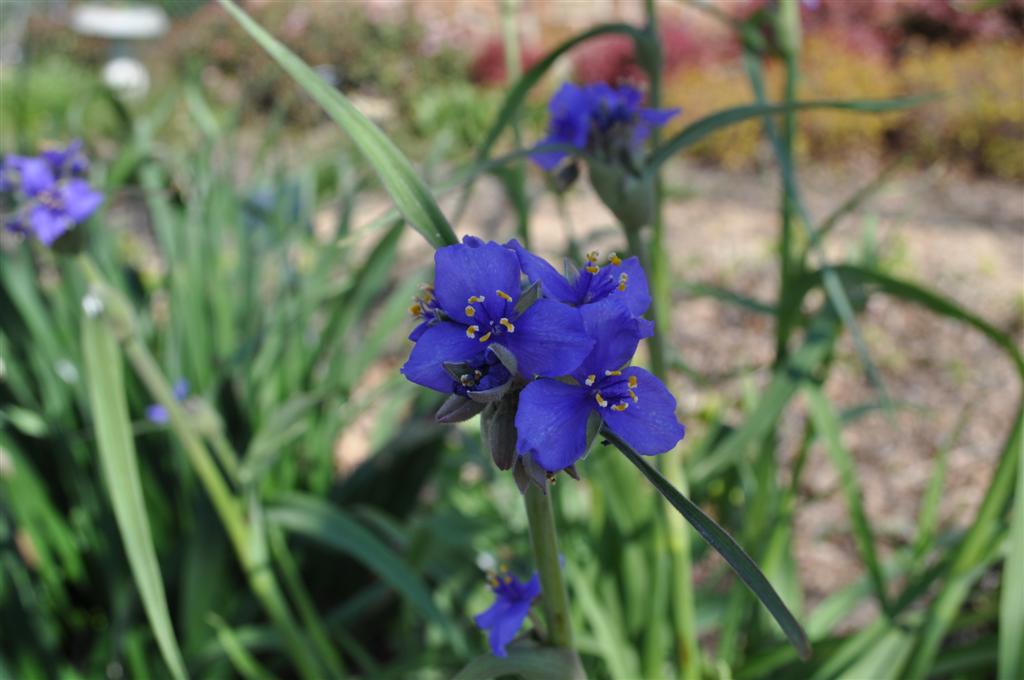
Spiderwort at The Demonstration Garden

Spiderwort a carefree, sure sign of spring.

Wheat Growing at the Demonstration Garden on Joe Field Road

We found this heavy, wheel weight at the back of the property and moved it in front of our bed of wheat.  It is such a neat artifact, we wanted everyone to see it and appreciate  it as much as we do!

Ann

Growing Leeks In Your Dallas Garden

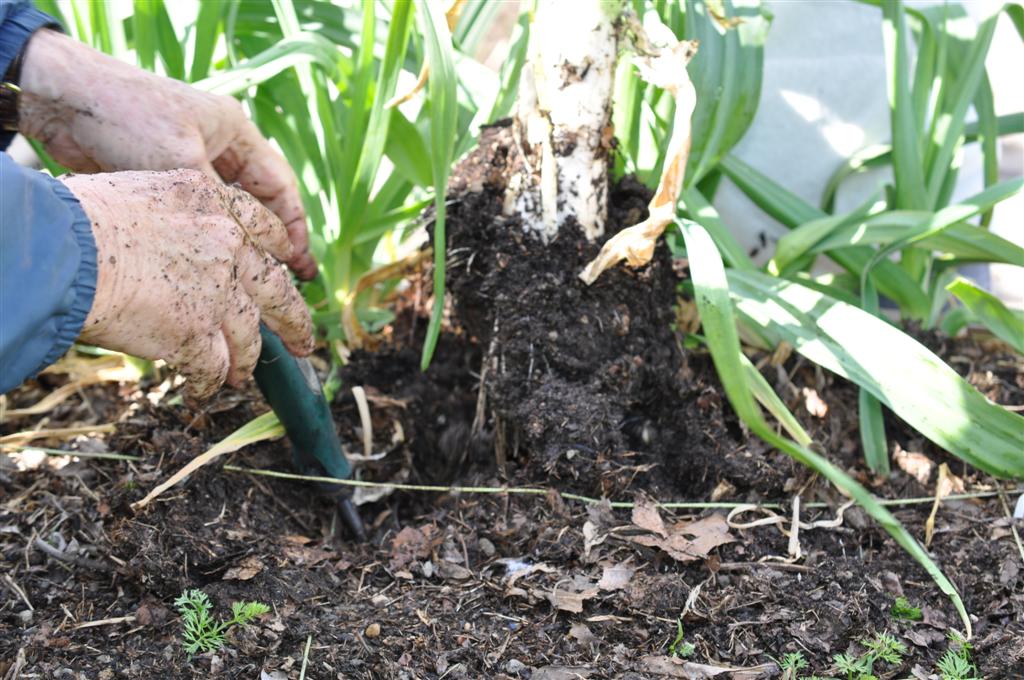
Jim wasn’t exactly sure what had been given to him when he dropped that pencil thin “slip” into the ground over 6 months ago.  This week our garden gave us the answer. Buried deep in the soil and somewhat stubborn about wanting to come out, we were finally able to get beneath the dense roots and give a hefty yank.  The game of tug-of-war had ended and our leek surrendered to an early spring harvest. 

Harvesting Leeks At The Demonstration Garden on Joe Field Road

Leeks are related to garlic and onions but have a much subtler, sweeter and more sophisticated flavor.  They can be used to enrich soups or stews and   partner well with potato and cheese to form tasty side-dishes and suppers that comfort and satisfy throughout the fall and winter. 

Leeks Harvested

History 

Leeks have been cultivated for thousands of years and are depicted in surviving tomb paintings from the time of the Ancient Egyptians.  The Romans considered the leek a superior vegetable with Emperor Nero thinking that eating leeks would improve his singing voice. 

Biology 

The leek is a member of the onion family.  It thrives in cooler climates and is tolerant of frost, hence its great popularity as a winter vegetable. 

Nutrition 

Leeks are an excellent source of vitamin C as well as iron and fiber.  They provide many of the health-giving benefits associated with garlic and onion, such as promoting the functioning of the blood and the heart. 

Preparing

Remove any damaged outer leaves.  Trim the rootlets at the base and cut off around a half to two thirds of the dark green tops.  Partially cut the leaks in half lengthwise, starting at the middle and running the knife up to the green tops.  Make a second lengthwise cut perpendicular to the first, allowing you to fan out the leaves.   Give them a good rinse to remove the dirt that can get trapped inside as the leek grows.  Enjoy these simple recipes coming your way in the next few days!

Linda

A Texas Spring

Like an orchestra warming up, the exquisite period of spring is just about to lift the baton for the opening crescendo.  Nature gifts us with a few achingly beautiful days every year: a December snowfall, a flutter of yellow leaves in crisp November.  But, for me, the most breathtaking time of the year comes in a few days in March when spring quietly tells you it’s on its way.

Close your eyes and smell deeply of a Texas spring.  It comforts you with the humid promise of drenching rains and crackling thunderstorms.  The sweet grape Kool-Aid perfume of Texas Mountain Laurel drifts by. Black compost, filled with earthiness, crumbles in your hand.

Texas Mountain Laurel  

Listen for signs of a Texas spring.  The red cardinal sits up on top of the bare branches of a cedar elm, sings for a mate.  The mud from today’s rain sucks at your shoes. The white wing dove coos. 

Redbud Tree Blooming In Spring

Finally, look for a Texas spring.  Not in shoulder to shoulder tulip blooms. Rather, one can find spring in native redbuds bursting out in vibrant pink branches in a field of deciduous brown.  Or in tall spiderwort thrusting their hot pink flowers high above a mass of foliage.  Or in the Mexican plum’s first white blooms, pretty as the lace of a bride’s dress.

A Texas spring.  Savor it this year.

Elizabeth

Thank you, Steven Schartzman, for use of his pictures from the blog: Portraits of a Wildflower

Spring Is Coming To Dallas!

If you’ve never been thrilled to the very edges of your soul by a flower in spring bloom, maybe your soul has never been in bloom.  — Terri Guillemets

Please don’t take this quote harshly, enjoy these pictures of spring blooms from our garden.  If you have never been thrilled to the very edges of your soul by spring blooms, maybe today is the day!

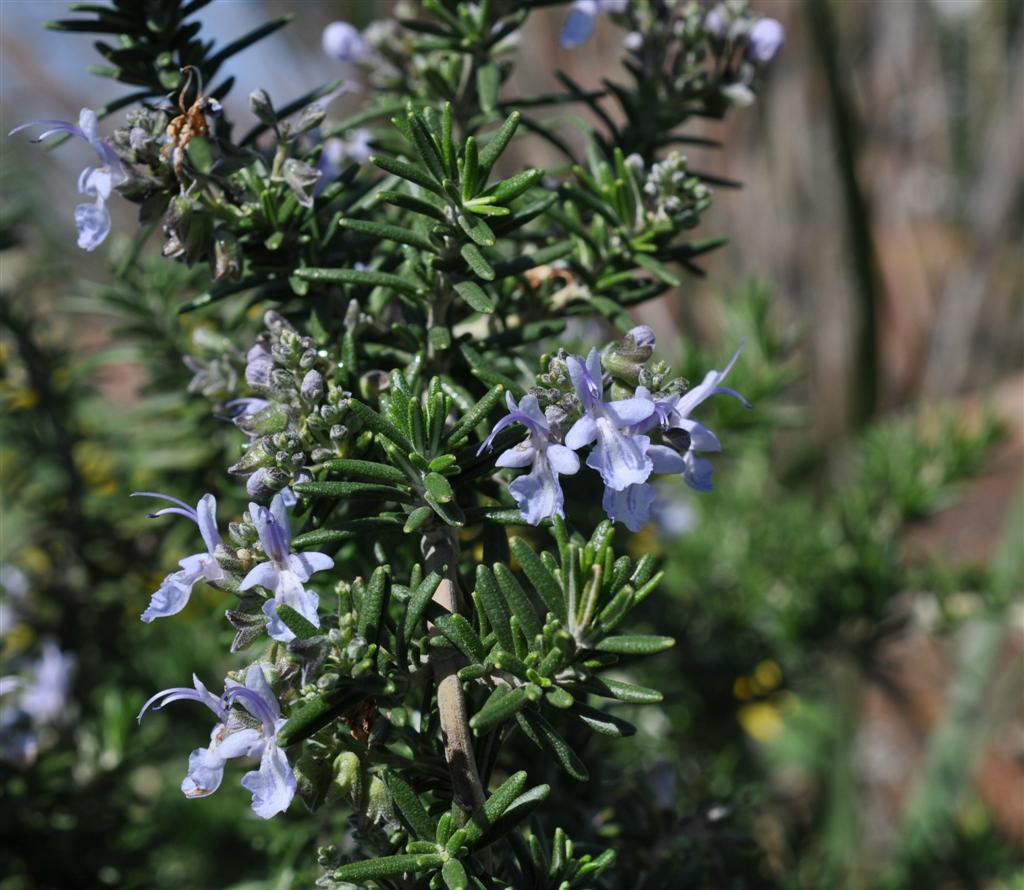
Pale blue blooms of Rosemary in our Entry Garden:

Rosemary In Bloom At The Demonstration Garden

Narciuss Campernelle. This narcissus  has a fragrance so sweet, they are also known in East Texas cirlces as “sweeties”.

Narcissus Campernelle In Front of Red Yucca Foliage

  Narcissus Grand Primo faithfully blooms every year and muliplies into larger and larger clumps to enjoy.  Our bulbs are from The Southern Bulb Company in Golden, Texas.  These Heirloom bulbs are the equivalent of a  ‘slam dunk’ for gardeners. Plant them in the fall.  They will make points for you each spring.Grand Primo Narcissus

Ann

Poppy And Larkspur Seed Planting For Dallas Gardens

Before the seed there comes the thought of bloom. –E. B. White

 Poppy Blooming In Front Of Climbing Pinkie Rose In Our Rose Trellis Garden

Plant Poppies and larkspur seed now for early spring blooms!

They require cool weather to germinate.  If you want gorgeous color for a low price, take this simple step and throw down these seeds in your garden right away.

Sow poppy and larkspur seeds on top of a well-prepared bed but do not cover with dirt. Tamp down the soil with the back of a hoe or pat down with your hands. Do not mulch.  

With a little rain, they will begin to germinate and next spring you will be well on your way to an heirloom, cottage garden look. Time is of the essence.  Do it now, you will be thanking us next spring! 

Ann

All About Basil

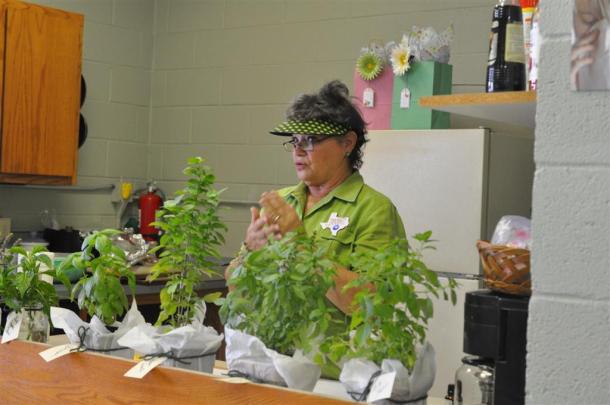
  Paula With 6 Varieties of Basil for Class  

The delightful smell of fresh basil greeted over 30 Dallas County Master Gardners as they feasted on a delicious basil based light lunch (recipes will be forthcoming) and learned all about basil from our own Basil Queen, Paula.   The first topic in her talk was: just how do you pronounce “basil.”  Is it “basil” with a long “a” (bay-sil) or with a short “a” (baa-sil)?  According to Paula, either pronunciation is correct—- and however you pronounce it, fresh basil is delicious.

     Basil has a long and varied history.  It is mentioned in literature pre 206 BCE.  The Greeks and Romans used it as a symbol of hatred.  They said that the gardener had to rant, rave and cuss when planting it.  As the centuries passed, basil became the symbol for love in Italy.  Young women would put a sprig of basil on their clothes to proclaim their chastity.   However, centuries’ later, in a complete symbolic reversal, women would put a pot of basil on their window sill when they were “entertaining” their lovers.  Voodoo priestesses used basil in their rituals as a symbol of love and devotion; while in Victorian times basil symbolized “best wishes” when given to a friend.   In Europe, basil was said to keep evil spirits away and, if a man carried basil in his pocket, it was supposed to bring him wealth.  (Paula tried this with her husband.)

     Low in saturated fat, cholesterol and sodium, basil is high in many nutrients such as riboflavin and Vitamins E and A.  However, Paula warned that it is also high in Vitamin K and should not be consumed by people who are on the blood thinner Coumadin.

     With over 150 varieties of basil, ranging from a shrub to compact varieties, with many different flavors, there is a basil variety for every taste and place in the garden.  Paula has found that though basil likes full sun, it will even grow in part shade.  Though most basils are annuals in Dallas, there is one type, a Bell Pepper basil, that can be grown as a perennial if well mulched in the winter.  
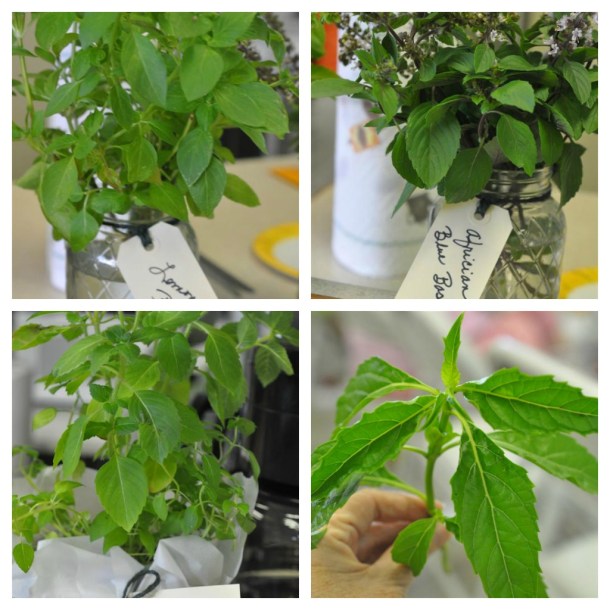
Sweet Basil, Lemon Basil, Holy Basil, Green Pepper Basil

    Some of Paula’s favorite basils are:

            Aussie Sweet Basil:  This is a columnar/upright basil that grows about 24 inches tall and is only 8-10 inches wide.  It does not set seed quite as quickly as some other varieties.

            African Blue Basil:  Primarily a landscape rather than culinary variety, this basil is grown by Paula to attract butterflies and bees.

            Holy Basil:  Used in Hindu and Muslim burial rituals, this clove/spicy basil is best used in potpourris and as a mosquito repellent.  Just rub a few leaves on your skin.

            Sweet Basil:  This type of basil is the favored basil of many people for use in cooking and making pesto.  One of Paula’s favorite varieties of sweet basil is Genovese. 

            Lemon Basil:  Leaves of this basil impart a lemony flavor to dishes.

            Thai Basil:  Used in Asian dishes, this basil imparts a licorice/anise flavor to food and drinks.

            Bell Pepper Basil:  A “Paula find” at the Herb Festival at Round Top, TX, this basil grows as a shrub in Houston.  Leaves of this variety can be substituted for bell pepper in salads.  They can also be infused in vodka and, according to Paula, make a great Bloody Mary.
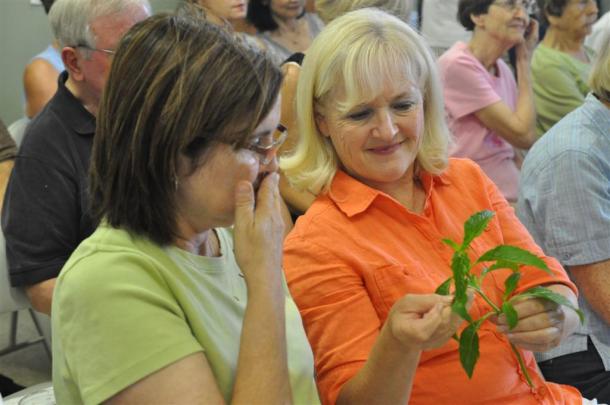
Bell Pepper Basil Sampled by Dallas County Master Gardeners Sheridan and Linda

For basil growing tips and some great basil recipes, keep following Dallas Garden Buzz.

Carolyn
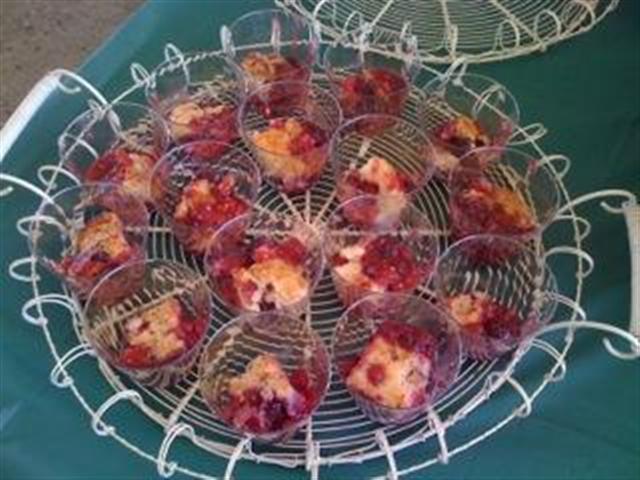
Blackberry Cobbler

Blackberry Cobbler

Blackberry Cobbler

Fruit Mixture:

8 cups blackberries

¾ cup sugar

6 tablespoons small pearl tapioca

¼ teaspoon cinnamon

2 tablespoons lemon juice

Cobbler Dough:

8 tablespoons butter, softened

¾ cup sugar

2 cups flour

1 ½ cups milk

2 teaspoons baking powder

1 teaspoon salt 

Cobbler Topping:

1 cup sugar

2 tablespoons cornstarch

1 ¼ cups boiling water

Cinnamon 

1.  Preheat oven to 375 degrees.

2.  In a mixing bowl, combine all ingredients to make Fruit Mixture.  Mix thoroughly.  Pour the Fruit Mixture into a buttered 9” x 13” baking dish.

3.  In a bowl mix thoroughly all ingredients for Cobbler Dough.  Spread over Fruit Mixture.

4.  In a medium mixing bowl, stir together dry Cobbler Topping ingredients  Sprinkle evenly over the Cobbler Dough.  Pour boiling water evenly over the cobbler.  Sprinkle with cinnamon.

5.  Bake for 1 hour until the top has a golden crust.

Serves 15.