Tag Archives: The Raincatcher’s Garden

Seed Starting Indoors

Garden Betty’s blog has been an inspiration to me. The name Betty resonates deeply because of my Mom, Betty Haughton, who was a Master Gardener, class of 2008 and then there’s the fantastic organic practical horticultural information you will want to absorb.

Click here for The No Brainer Guide To Starting Seeds Indoors by Garden Betty and then listen up to what Jim Dempsey, our seed starter says:


Last year’s zinnias and peppers started indoors and then moved to the greenhouse.

 “I use a grow light because I have no sunny location in the house. Our pepper seedlings (slow to come up and slow to grow) are just now coming up. I plan on planting the tomatoes mid- February (in the past I have started too soon)  and our flower seeds shortly after that. Weather permitting, we would like to plant the seedlings (4″ pots) by first part of April.”


Ann Lamb


Step by Step—How to Build Decomposed Granite Flooring and Paths

The Raincatcher’s Garden has a new look.  We are starting 2019 with durable, *ADA compliant, paths and a floor  beneath our shade structure.  The work has been done by a team of Master Gardeners led by Jon Maxwell who is one of the co-chairpersons of our garden.

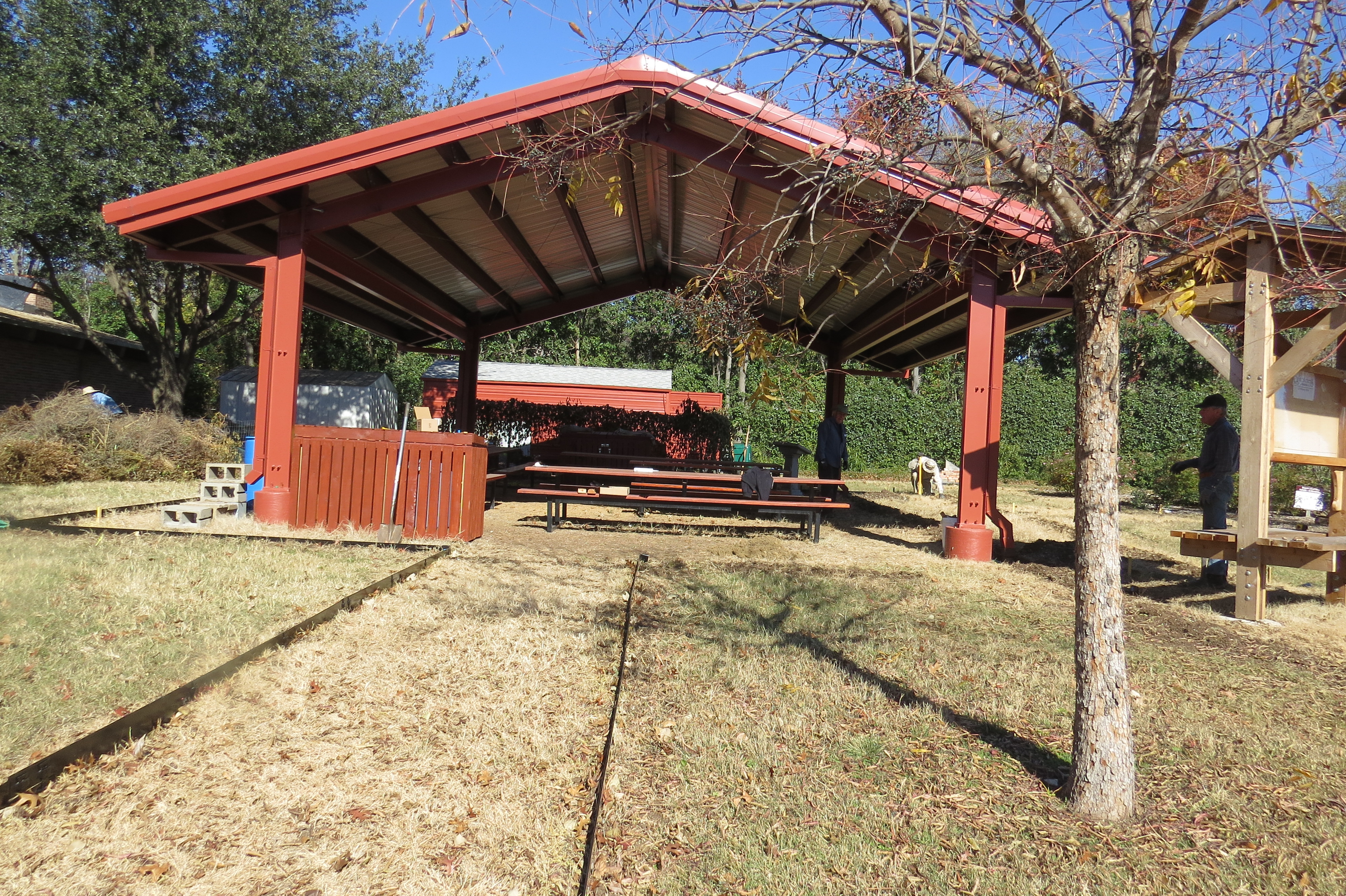
Shade structure before!

Jon, we are thrilled with this accomplishment. Hearty thanks to you, Ed Wolfgang, Tig Thompson, Hans Wildburger, Joe LaBay, and Jim Miller (2019 MG Student).

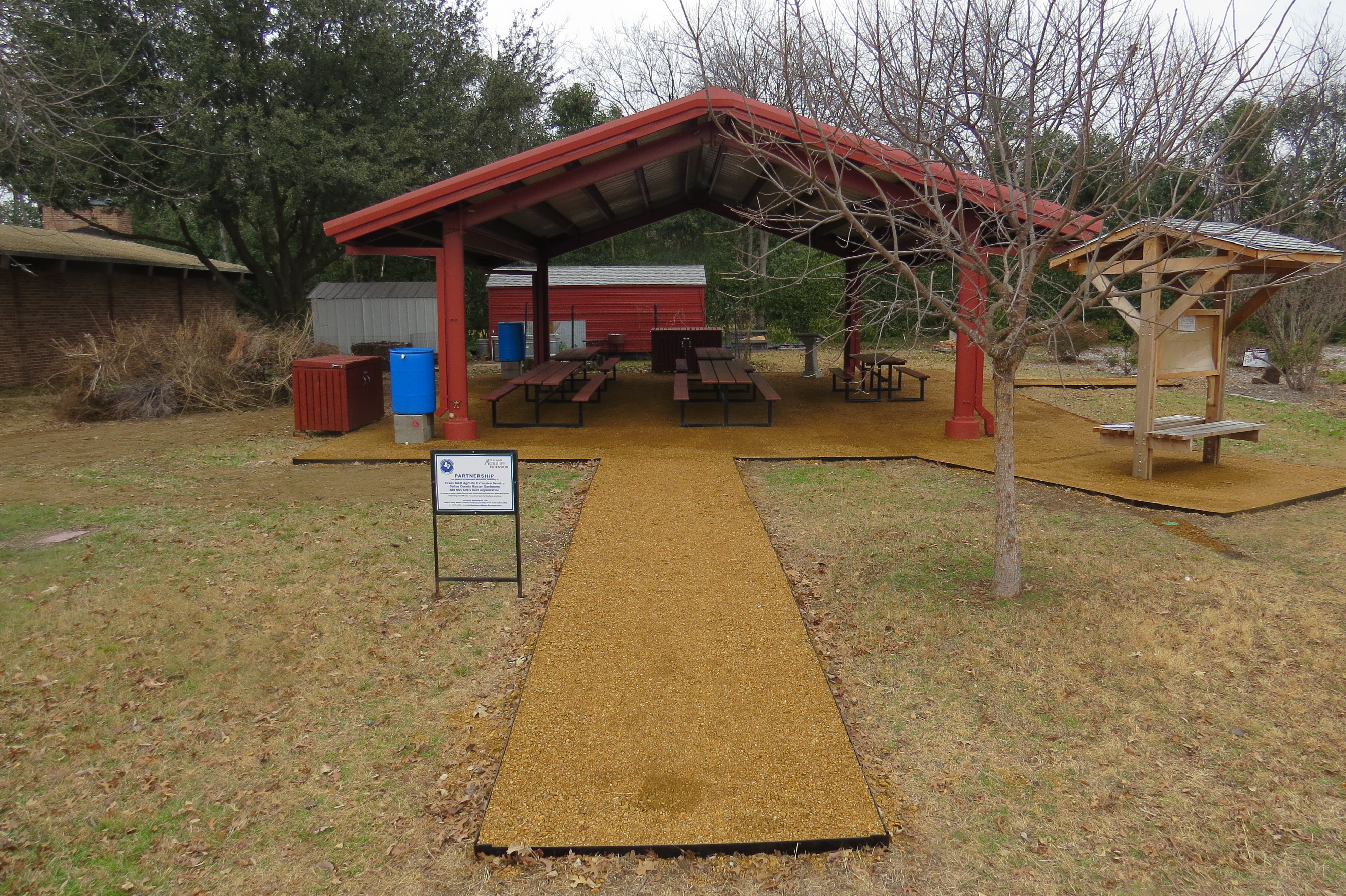
Finished product. Read below for the how-to directions.

Please tell us about the process.

What other options were considered? Why did Master Gardeners choose decomposed granite?

We considered several different alternatives, including installing a concrete pad, putting down a 4” layer of hardwood mulch, gravel and decomposed granite(DG). We ruled out concrete as too expensive and with our Houston clay soils to likely to crack and become uneven. The mulch would too quickly decompose and thus require monthly additions to the pad in order to maintain a comfortable level, and most importantly would not have been ADA compliant. Pea gravel was also considered but again is not ADA compliant nor is it particularly stable for volunteers or visitors to walk on – not to mention the accompanying dust that would coat the tables and benches. Decomposed granite on the other hand, while initially expensive, would provide an ADA compliant surface when a stabilizer is incorporated or applied. The DG floor will over time require some maintenance to maintain an even surface degraded from traffic and/or rain run-off.

You started with bare compacted soil. Would you mine giving us the process from stage 1 to completion step-by-step?

a. Evaluate the soil, its condition, and its grade. We were fortunate that the lay of the land under the shade pavilion was somewhat level and had about a 5 degree slope from the north to the south that allowed for run-off and that it had become hard packed from use and being sheltered from the elements for the past year or so.

You must start with a firm base, the ground may need to be machine compacted or rolled prior to the laying down of the first strata of sub-surface materials. During the compacting process, if necessary, you should add soil to level out the proposed DG site and fix the grade, (slope), of the pad or walkway. If you have a project that is subject to rain water floods, ie downspouts, you should modify the downspouts by either incorporating a rain-harvesting process or by modifying the drainage system.

We have done both, the east side downspouts flow pattern was modified to run underground through a 4” pipe and flow up through a pop-up drain outside of the DG pad, which allows for that rain water to run out into the contiguous parking lot. For the west downspouts we are capturing that rain water into rain barrels, which we plan to use for homeowner demonstrations on rain harvesting and as another water source for our composting station.

b. In order to contain the DG you must use some type of border edging material. You can purchase metal edging from the box stores but it typically is not strong enough to prevent getting waves in it while the DG is being compacted. We selected a 3/16” thick by 5” tall metal edging from Collier Metal Specialties LTD, “COL-MET”, which is located in Garland. Various other edging materials are available in different sizes, thicknesses and colors. The edging needs to be installed about 2” deep into the ground. On the 5” edging that will leave 3” above grade for the sub-surface material and the finishing surface material. The sturdier edging is harder to work with as it requires a saw to cut the sections to fit the desired space. We chose to use 90 degree corners for all of our turns, so this worked out quite well for the pad installation. We used 30 10’ sections, 15 90 degree corners, and 275’ of rubber cap. If you are concerned about weeds, then before laying down the sub-surface material, lay down a fabric weed barrier but this is optional.


Edging in place at The Raincatcher’s Garden

c. Add the first layer of sub-surface material. We used crushed concrete purchased from the same source for the decomposed granite, Lowry Sand and Gravel, to establish at least a 1” base. It is far cheaper than any other material that might be used and provides a non-decomposable base. Some projects use only the DG without a sub-surface base but that is considerably more expensive and it does not help to “fix” in position the surface as well. Do not roll or pack the sub-surface material.

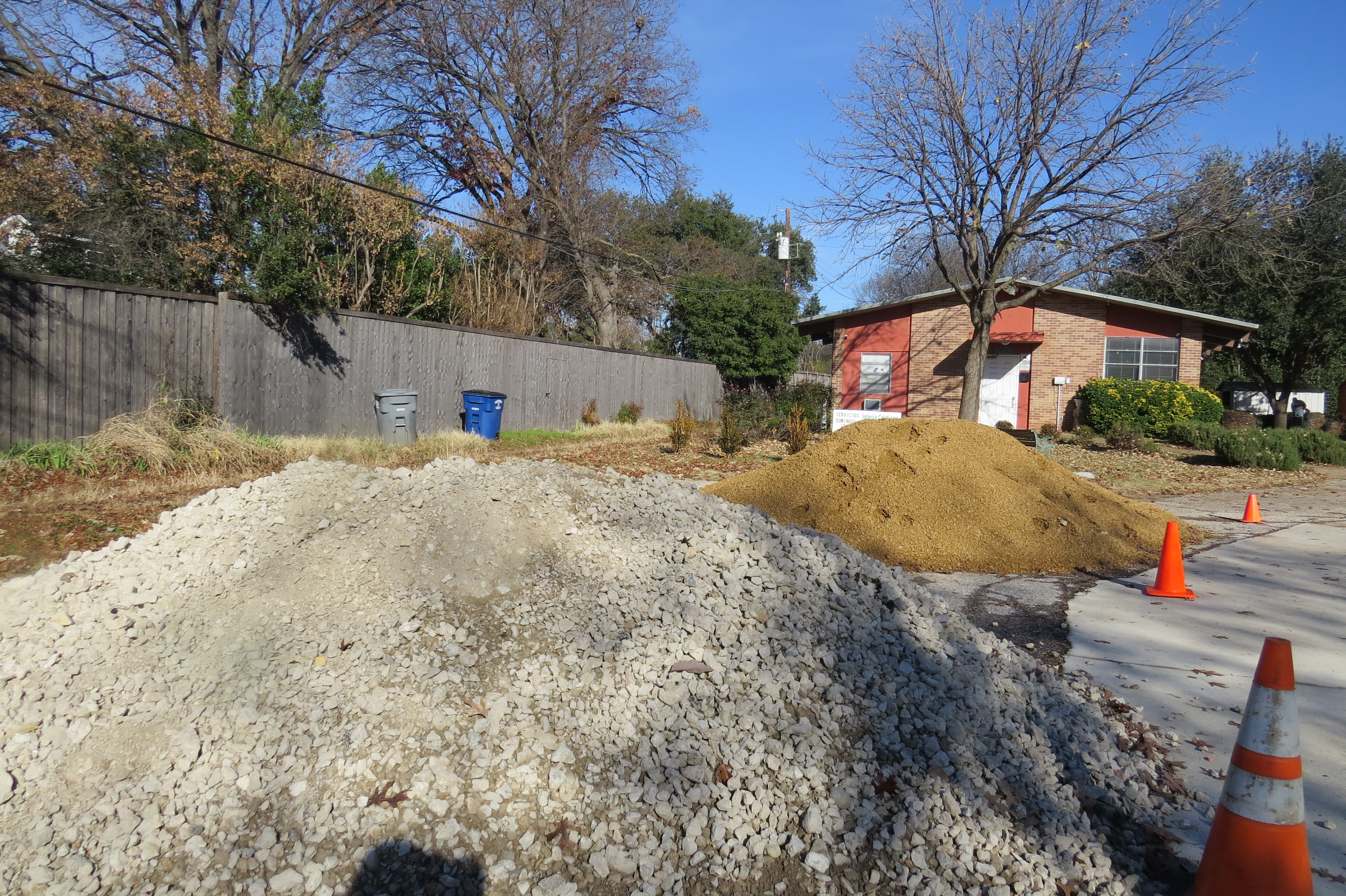
Piles of crushed concrete and decomposed granite ready for installation

d. After the sub-surface base is completed, add the first layer of DG, at least 1.5” is required. Lightly moisten the material and then roll or mechanically compact that layer. The 1.5” layer will compact down to about 1” actual. The initial layer should sit for at least 8 – 12 hours before applying the second and final layer. Once applied, the final layer will again need to be rolled or mechanically compacted as well.

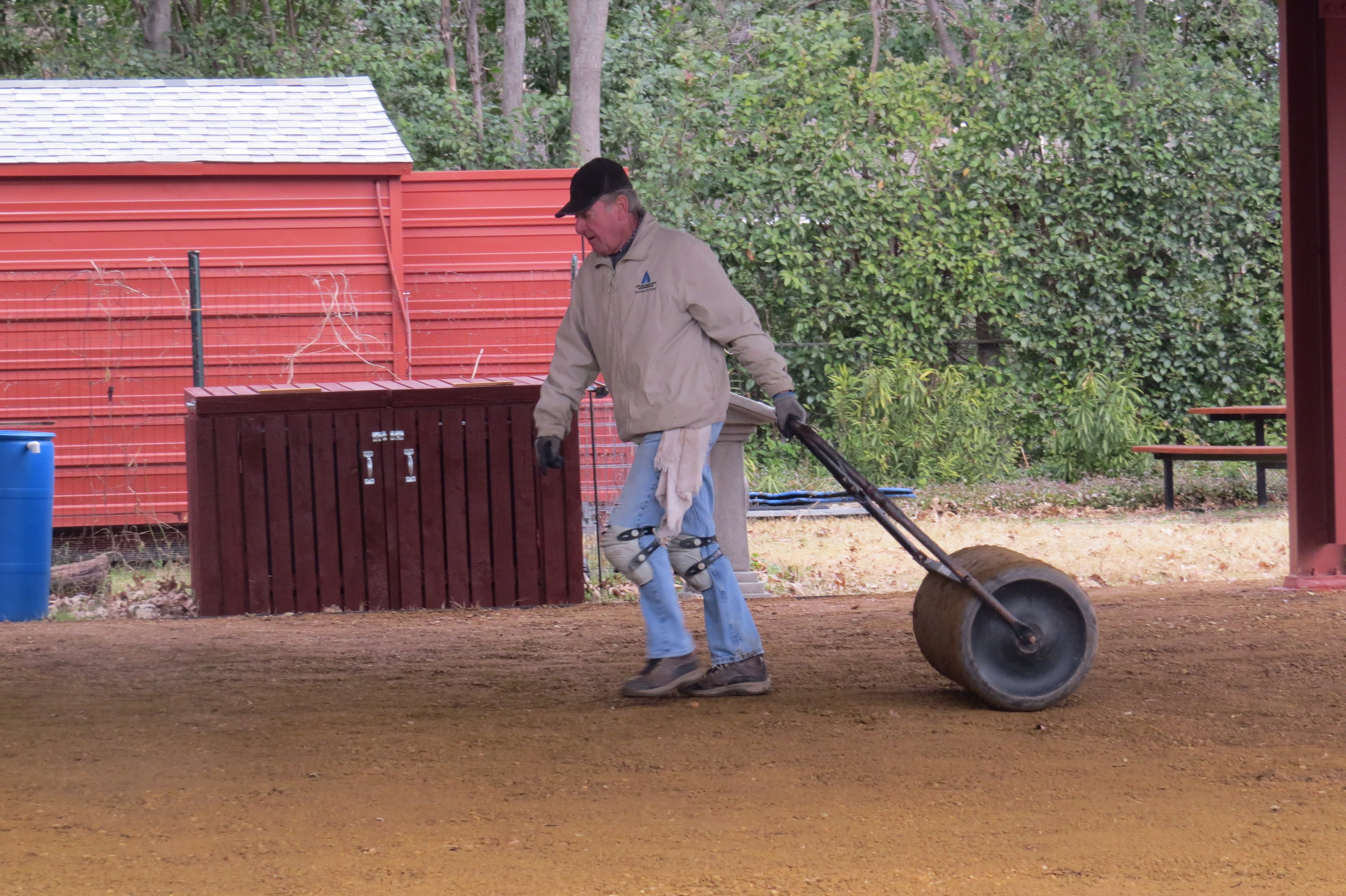
Jim Miller ready to roll!

e. After compacting the final layer of DG you should determine if there are any uneven spots in your pad or walkway. We used a simple method of stretching a string line, both parallel and perpendicular, and eyeing it. If there are uneven spots, level with additional DG, lightly rake to level, lightly moisten and then compact those areas.

f. In order for the pad or walkway to be ADA compliant a stabilizer must be added to the DG. It can be ordered with the stabilizer incorporated, which increases the cost dramatically, or you can purchase stabilizer used as a drench to help make the surface harder. In either case, the addition of stabilizer increases the cost of the project substantially.

g. For safety consideration, since we are open to the public and provide tours to school children as well as adults, we are adding a rubber cap onto the metal edging to reduce the effects of someone falling and hitting the edge of the metal. Also available from COL-MET.

Thanks guys, for putting the metal edging in place and for the rubber caps that will be put on top of it for safety.

How many cubic yards of materials were used and at what cost?

Our project required 8 cubic yards of crushed concrete, about $40/yard delivered, and 20 cubic yards of decomposed granite, about $70/yard delivered. Fortunately, one of our supporters, Arrow Lift Rentals, provided equipment to move and compact the materials.

What was the total cost of the project for this 2200 square foot area?

Total cost of this portion of the shade pavilion project was less than $2,000.00.

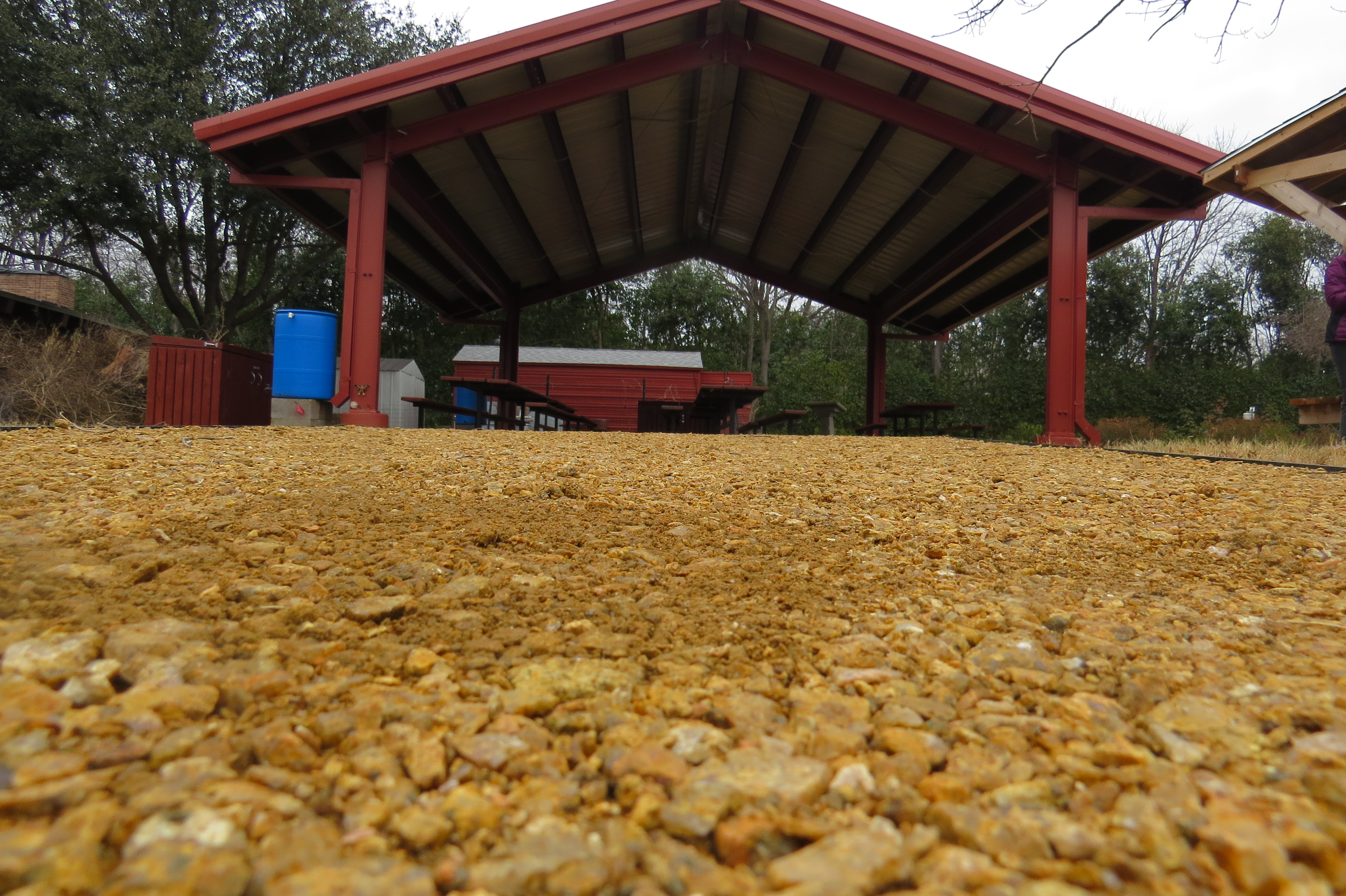
Up close and personal with our decomposed granite! Fait accompli!

Now that it is finished so beautifully, what upkeep will be needed?

Fortunately, very little; just an occasional addition of DG in areas of heavy traffic or water run-off. That is one of the benefits of a decomposed granite pad and walkways.

Thank you, Jon.

Ann Lamb

Pictures by Starla Willis

HUGE SHOUT-OUT


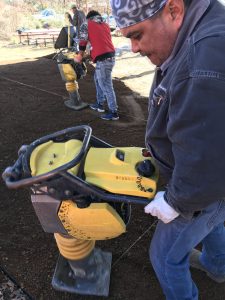
Arrow Lift employees and machines like this mechanical compactor placed us on solid ground.

More thank you’s to  COL-MET, Abbe Bolich and Arrow Lift Rentals. Arrow Lift helped us get in under the $2,000 line with their labor and equipment at reduced cost. Community partners are so important to the ongoing work of our garden.

*We will be ADA compliant when stabilizer is applied at a later date.

News From the Winter Vegetable Patch at Raincatcher’s

Lovely looking lettuce but guess what Syann told me-it took 3 sowings to get that lovely lettuce because the rain kept washing the seeds away.

Lettuce crop at Raincatcher’s 2019

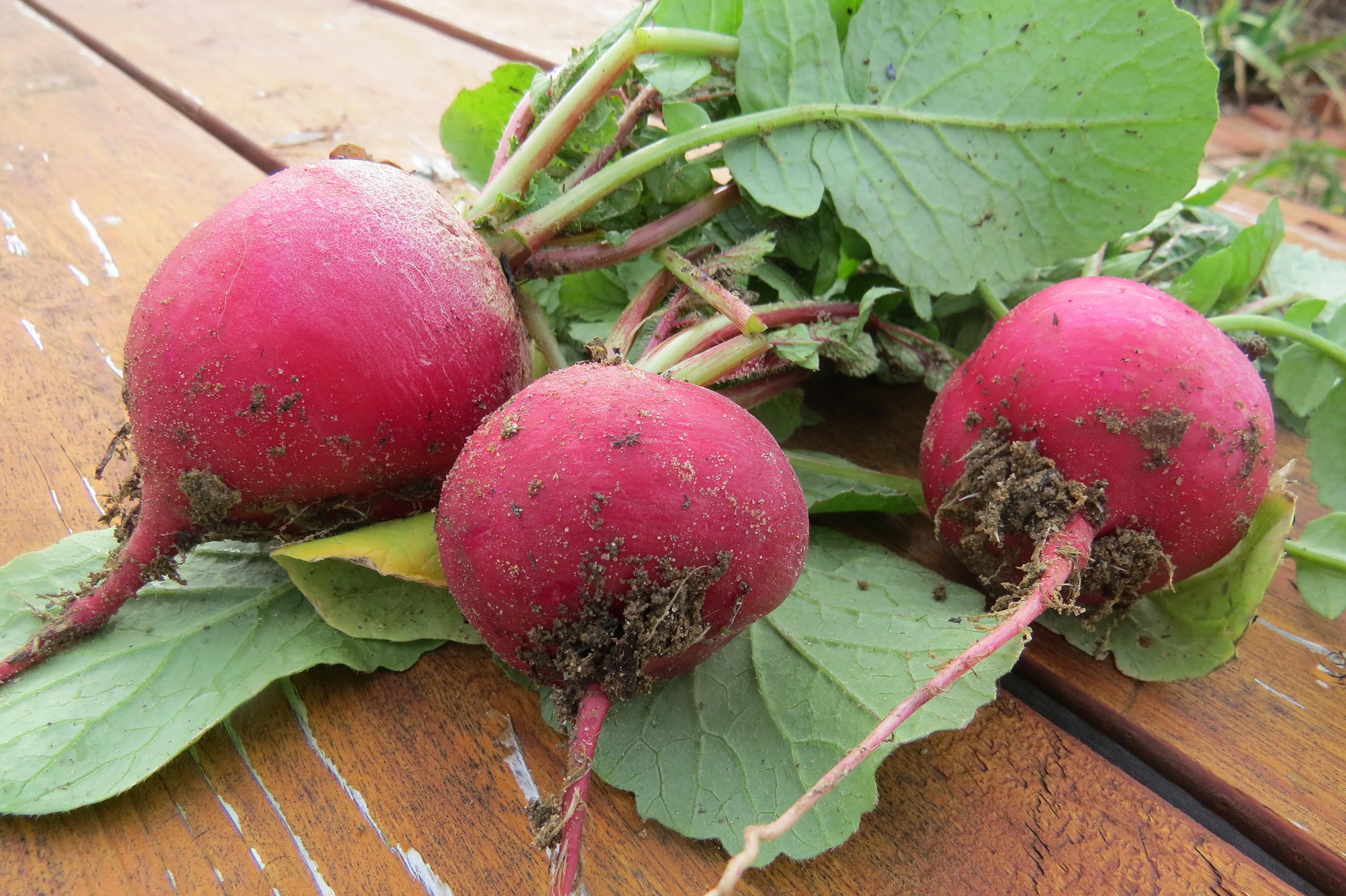
Here’s our recent radish harvest. We have planted more radish seeds to enjoy throughout the spring.

Freshly pulled radishes

A dedicated team of Master Gardeners cultivates our vegetable gardens. As you can see in the picture below, note only one smiling gardener, it takes persistence and concentration to tend a research, education and demonstration garden.

Dallas County Master Gardeners-Sue, Cindy, Dorothy, Jim and Syann

We farm this patch of earth on Midway Road so that we can help you. Come see us on Tuesday mornings, attend our classes, or send us a question on this blog. We’d love to help your garden grow.

Ann Lamb

Pictures by Starla Willis


This year we will plant potatoes in the color wheel in the green section because, well, they have pretty green leaves.  Review our video: Perfectly Planted Potatoes Premieres

It’s time to plant onions, buy them now at your favorite garden center and plant like this.

A list of our 2019 classes will be coming later this month.

Raincatcher’s Garden Fund Raiser, Tuesday, January 8th at Fish City Grill

Fish City Grill-deliciousness with a purpose!

Celebrate the new year with friends and family at Fish City Grill on Tuesday, January 8th  and help the Raincatcher’s Garden.  The local gathering spot is known for Oyster Nachos, fresh seafood and a fun, casual atmosphere.

Mater Gardener, Sarah Sanders, and husband, Gerald, and friend enjoying the food and atmosphere at Fish City Grill.

 
Fish City Grill supports local organizations through its First Tuesday Benefit.  Raincatcher’s will receive 15% of the day’s receipts, including take-out!
 
Fish City Grill is located on the southeast corner of Preston and Royal, near Central Market. Enjoy your Smokin’ Hot Shrimp and Fish Tacos from 11 am to 10 pm.


Address: 10720 Preaston Road #1012
Dallas, Texas 75230
Phone: 214-891-9979
 
Contact Sue Weiner with any questions:  srw427@aol.com


Happy New Year 2019 and It’s Getting Cold Outside!

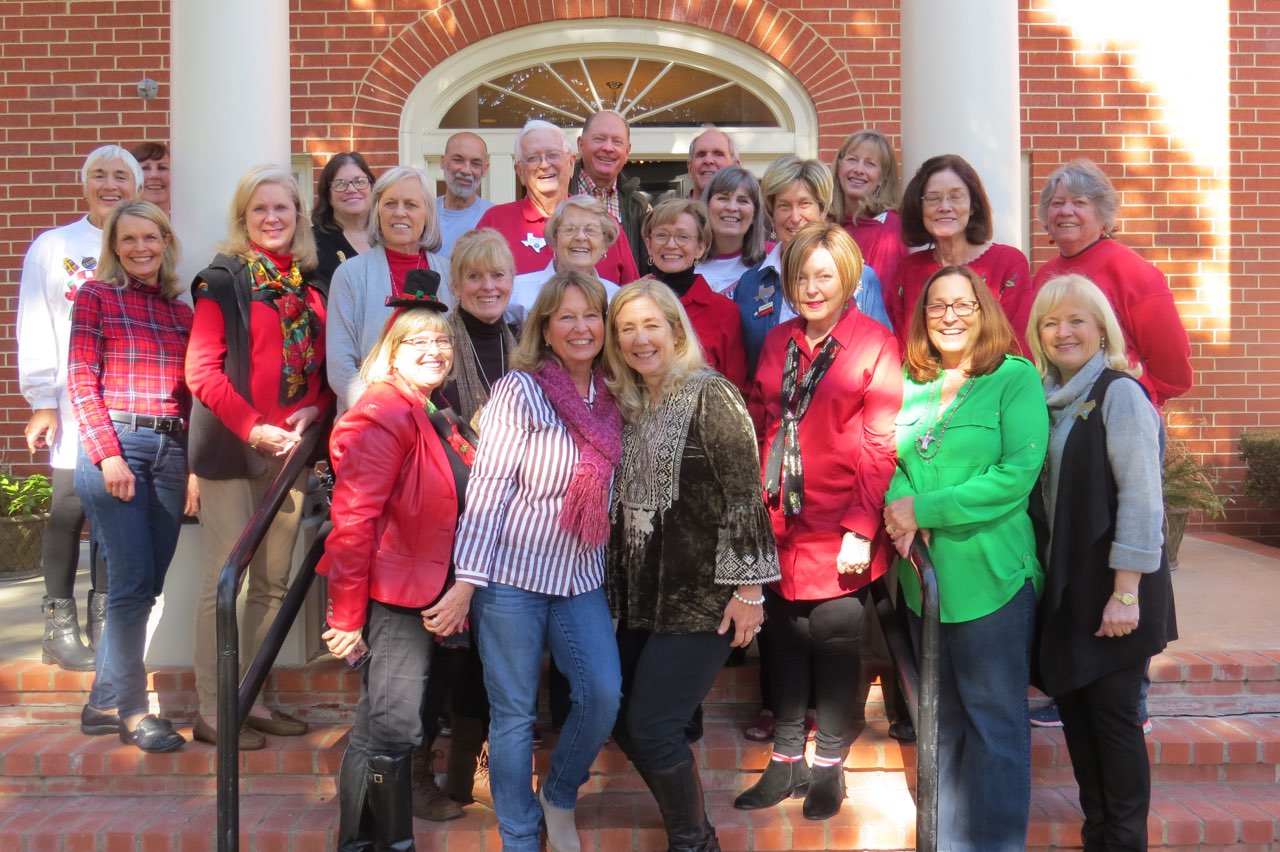
Raincatcher’s Volunteers at our Christmas Party. Some Volunteers are missing from this picture and more needed! Happy Gardening in 2019 from our garden to yours.

Q. You have often mentioned cold tolerant vegetable crops and those which are very susceptible to frosty injury.  Could you list these and temperature lows which they can tolerate?

A. This is very difficult to do and be accurate since cold tolerance depends on preconditioning. For instance, if broccoli has been growing in warm conditions and temperatures drop below 22 degrees F., it will probably be killed. If these same broccoli plants had experienced cool weather, they would probably survive the sudden cold.

In general, a frost (31-33 degrees F.) will kill beans, cantaloupe, corn, cucumbers, eggplant, okra, peas, pepper, potatoes, sweet potatoes, squash, tomatoes, and watermelon.

Colder temperatures (26-31 degrees F.) may burn foliage but will not kill broccoli, cabbage, cauliflower, chard, lettuce, mustard, onion, radish, and turnip.

The real cold weather champs are beets, Brussels sprouts, carrots, collards, kale, parsley, and spinach.

Thank you Aggie Archives for this information!

More about frost protection here.

Cold Tolerant Veggies from Daniel Cunningham here.

Ann Lamb


Shopping For Seeds for Next Year’s Garden

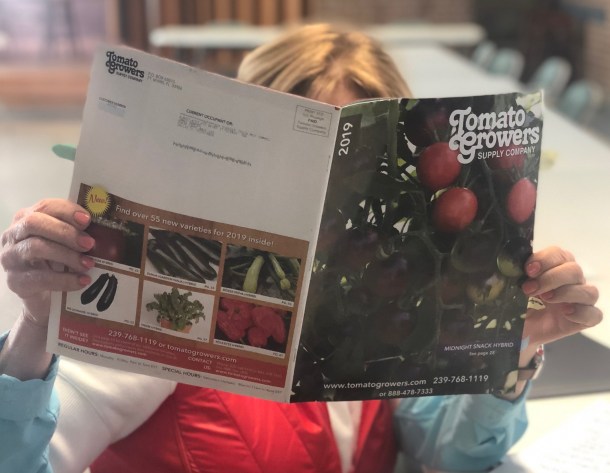
Dorothy shopping for Raincatcher’s via catalog!

Jim, Could I ask some questions about starting seeds for our 2019 gardens.

While many of us buy transplants for our garden, it’s a step up to know that our garden plans to start everything from seed.  What’s your reasoning behind that decision?
  By starting our seeds indoors, we can purchase the seed selection that we want and hopefully they will be ready to transplant at the proper time.  Some seeds are difficult to start from seed and it is better to just purchase the transplants, for example onions and leeks.  Also, some seeds are easy to start by planting directly into the ground – radishes, greens, beans, okra for example.
Are you planning to start everything for our vegetable garden from seed?
 For the raised vegetable beds, we plan on starting the peppers, tomatoes indoors and for the first time eggplant and tomatillo.
Why not the pepper, Hot Big Boss Man, that you grew last year?
 We like to try new varieties and interesting vegetables each year.  This year the peppers will be from the All America Selection list.
Ok, that was my next question. Did I hear that all seeds would be All-American varieties and why is that important? 
All of our peppers will be All American Selections (AAS) winners, except for the Poblano L.  AAS winners have been “Tested and Proven Locally” for garden superiority by horticultural professionals across North America.

Last year’s tomatoes(2018) started by seed, thanks to Jim!

You are an expert on tomato grafting! Which tomato varieties do you plan to graft and on what stock? 
No, I am not an expert by any means. I attended a workshop at a MG state conference and have grafted tomatoes with some success several times.  I also, presented an informal presentation at Joe Field garden years ago.  We plan on using the rootstock Estamino VFFNTA hybrid and grafting heirloom tomatoes, Brandywine Red and Cherokee Purple onto the rootstock.  Hoping for the same excellent flavor of the heirloom with improved production.
When do you plan to start these seeds indoors for the spring season?  Peppers we start mid-January and tomatoes mid-February. Probably, the other seeds around mid-February.  That will give us about 6 weeks before we set them out into the garden. The seedlings will be in the greenhouse the last two weeks before transplanting.
Thank you, Jim, this will help all of us as we plan our gardens for 2019.
Here’s a partial list of the seeds we are starting at the Raincatcher’s Garden:
Tomatoes-Lemon Boy and Celebrity
Peppers-Carmen, Carnato, Gallo, Gypsy, Poblano L and Hot Sweet Hybrid
Ann Lamb
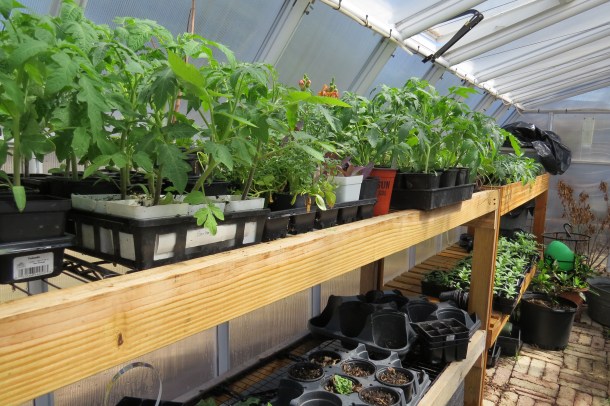
Picture in greenhouse by Starla Willis

More About Fall Color in Dallas 2018

The trees in North Texas are brighter and more colorful than ever — or at least that’s what some Dallas residents have determined.

Dallasites on Facebook have taken notice of the colorful fall foliage, with one poster saying, “All of that rain must’ve helped because I’ve never seen such pretty autumn leaves in Texas as I have this year.”

Another commenter said, “This year has been the prettiest of the 13 years we’ve been here.”

While that’s all conjecture, Daniel Cunningham, horticulturist with Texas A&M AgriLife Extension and self-proclaimed “Texas Plant Guy,” said Texans taking notice of brighter colors might be onto something.

Cunningham explained that cool weather helps to break down the chlorophyll — that’s the green pigment in plants — allowing the yellow and orange pigments to shine through. When temperatures reach just above freezing, it increases anthocyanin formation, and that pigment produces the red and purple leaves.

The rain storms that plagued North Texas recently may have also helped the trees keep their leaves longer, giving them more time to change colors for all to see.

A commenter in a Facebook thread of Frisco residents comparing North Texas’ fall leaves with the colors of Northeastern fall leaves said, “As a lover of all things fall and someone who finally did a fall foliage trip a couple of years ago, it really is stunning this year.”

Cunningham said that autumn is the best time to plant trees in Texas as well as the perfect excuse to head over to a local tree nursery.

Another Facebook user said, “It’s gorgeous if you take side streets to your destination wherever that may be just to see the foliage.”

Cunningham agreed.

“Folks, get outside and enjoy it,” he said. “Whether you do that by walking in your neighborhood or hiking around DFW, do it because we probably only have two more weeks of this lovely fall color to enjoy.”

Thank you to the Dallas Observer and Nashwa Bawab  for allowing us to print this story.

Ann Lamb

Click here for tree  suggestions to plant now that will be rock stars next spring, article by Daniel Cunningham

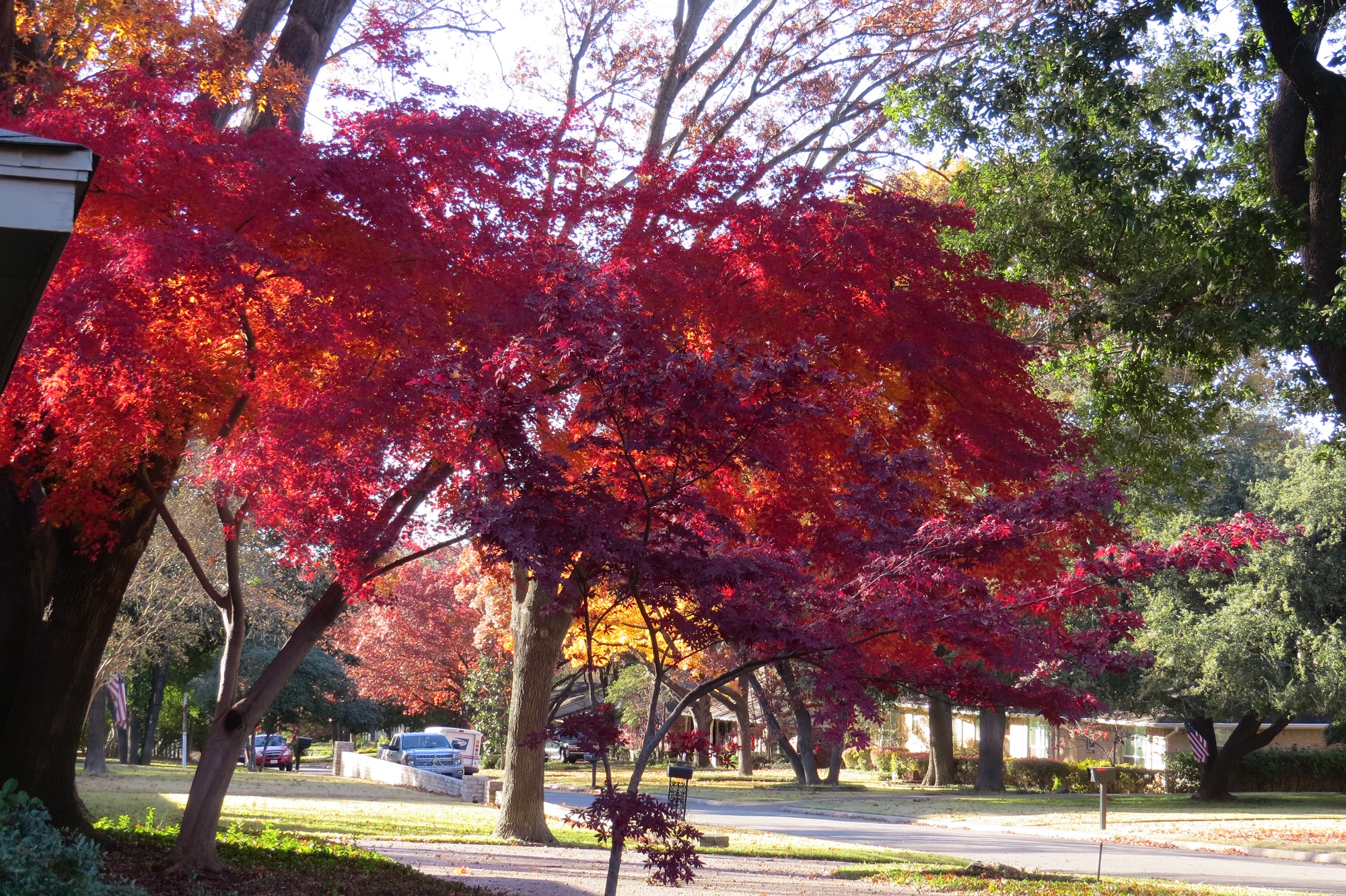
Japanese Maple picture by Starla


Fall Color in Dallas 2018


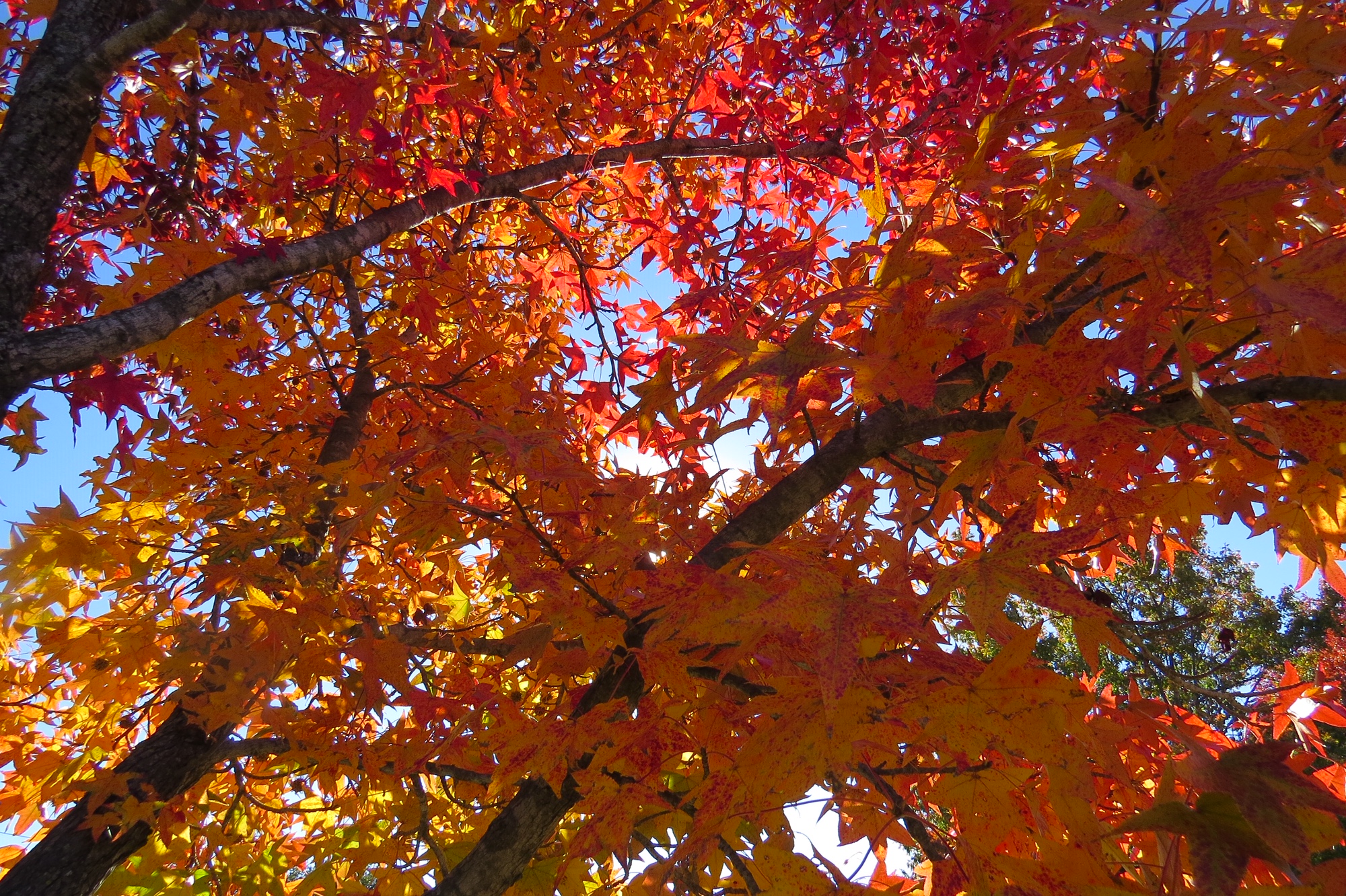
Sweetgum tree with brilliant fall color at Raincatcher’s Garden

Eric,

This Fall has been spectacular with so many kinds of trees with brilliant fall colors. Some had said it has to do with our long hot summer while others have said the rain came at just the right time and it’s a combination of the two weather factors.

What do you think is causing such beautiful fall color in 2018?

What trees would you recommend for fall color? Say someone wants to buy a tree this fall in hopes for future fall color in their yard.

What about Shantung Maples, I see alot of those in my neighborhood and I like the shape of them. Ann

Hi Ann – So good to hear from you. I agree with you 100 % on the beautiful fall colors for many of our trees in the Urban Forest. There are many different opinions on the reasons for the beautiful colors this Fall. The truth is that tree people know that temperature(highs and lows), water, first freeze date, all play a part in the Fall colors but cannot figure out the exact timing of these variables to come up with a nice tidy equation that will let us all know when to expect the beautiful  colors.

My neighbor from New York planted a Bradford Pear a few years ago . She loved the Fall colors but also found out the final ending for Bradford Pears is not pretty. I suggested she might want to look at the Shantung Maple. She planted one four years ago and every year would ask me when the beautiful oranges and reds would show up. I told her to be patient, the yellow colors looked great but it wasn’t until this Fall that she finally got the brilliant oranges that she has been waiting on. I am thinking of trying one of the Shantung maples at RCG. I have given up on the Ginkgo. They require too much tender loving care for the first two years and we need to recommend trees that are hardy and can survive with a minimum amount of care to the public. I would also like to be able to fine a Big Tooth Maple but availability in the nurseries is very limited.

I think you are on the right trail with the Shantung.

Have a great Holiday season,

Eric

Thank you,Eric, and thank you for all the effort and thought you put into our demonstration forest at Raincatcher’s!

Ann Lamb

Picture by Starla Willis

Eric Larner is a Dallas County Master Gardener from the class of 2006 and a Citizen Forester. He and his wife, Jane(also a Master Gardener) work at The Raincatcher’s Garden and many other places in Dallas planting and speaking about trees.


Butterflies at Raincatcher’s Garden, Fall 2018

Where have all the butterflies gone? We enjoyed so many this fall in our garden.

Monarch butterfly sipping nectar from Tithonia, Mexican Sunflower.

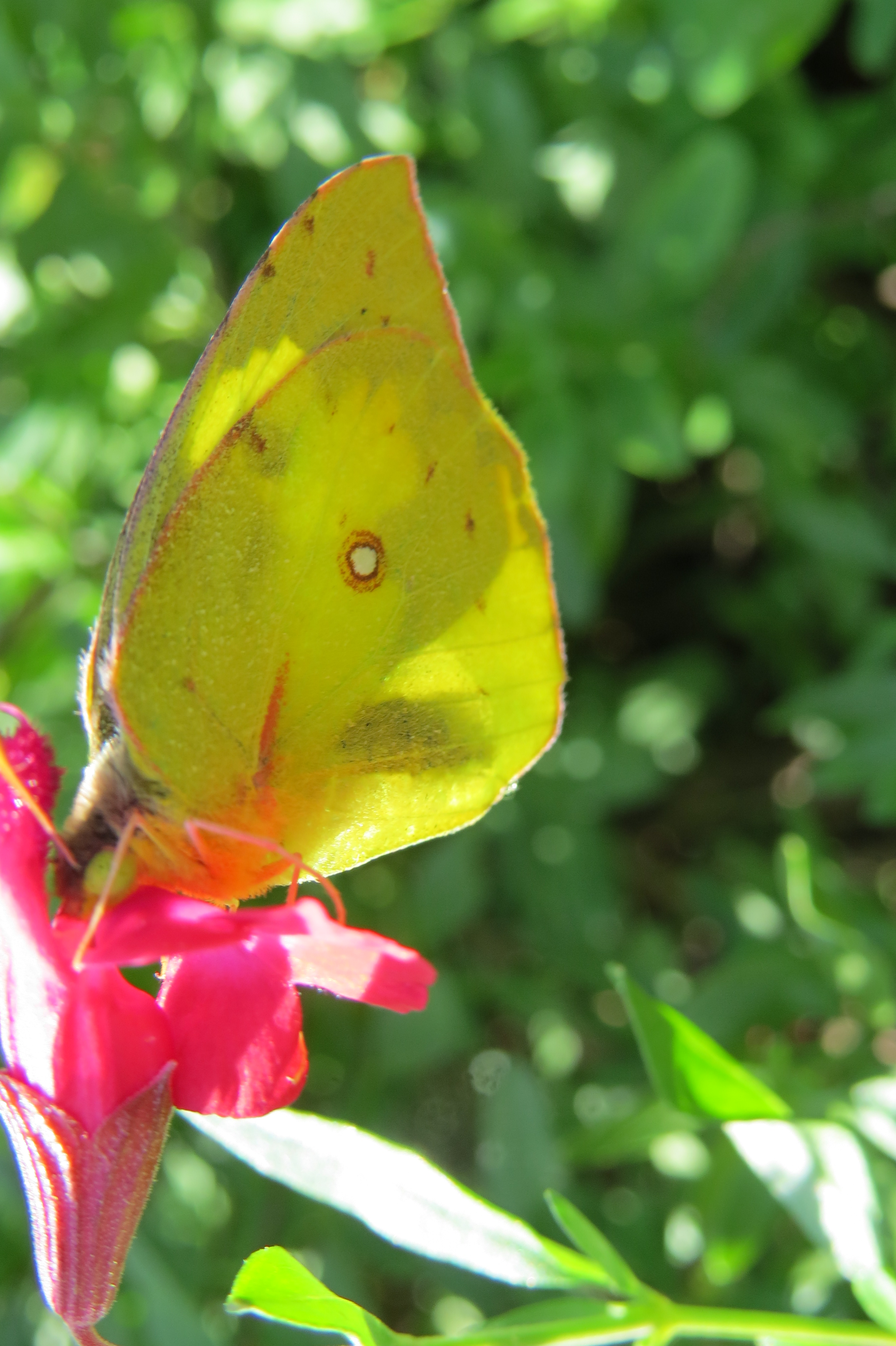
Cloudless Sulphur butterfly on a canna in our color wheel.

Queen butterfly alight Lantana, Miss Huff.

American Snout on an Okra blossom.

By late November, most butterflies have bred and died. Their  offspring  overwinter in egg, larva, or chrysalis form until next spring.

 Some adult butterflies have gone farther south and some overwinter in Dallas as adults.  Monarch migration is perhaps the most well knows but also  the Painted Lady, Common Buckeye, American Lady, Red Admiral, Cloudless Sulphur, Skipper, Sachem, Question Mark, Clouded Skipper, Fiery Skipper and Mourning Cloak  migrate to warmer regions.
Ann Lamb
Pictures by Starla Willis. Thank you, Starla!

Fascinating news from the Native Plant Society-click to read their newsletter.

Recipes from the Apples, Pears, Persimmons, Pomegranate Lunch

Nature’s grand finale plated!

Bake Brie with Roasted Persimmons

Ingredients

2 (8-ounce) wheels of Brie, rinds intact

Roasted Persimmons, chopped (recipe follows)

1 large egg

2 tablespoons water

1 (17.3-ounce) package frozen puff pastry, thawed

Seasonal fruit

Crackers

Directions

Preheat oven to 350˚F. Line a baking sheet with parchment paper.

Cut 1 wheel of Brie in half horizontally. Place half of Roasted Persimmons on one half of Brie, and top with remaining half. Repeat with remaining wheel of Brie and remaining Roasted Persimmons.

In a small bowl, whisk together egg and 2 tablespoons water.

On a lightly floured surface, roll puff-pastry sheet to ⅛-inch thickness. Place 1 Brie round on puff pastry; fold pastry over Brie, cut away excess dough, and invert Brie onto prepared baking sheet. Repeat with remaining Brie and puff pastry. Using an acorn-shaped cutter, cut 2 acorns from remaining dough. Using a pastry brush, brush dough with egg wash. Place 1 acorn on each Brie round, pressing gently to adhere; brush with egg wash.

Bake until pastry is golden brown, 25 to 30 minutes. Remove from oven, and let cool for 10 minutes. Serve with seasonal fruit and cracker.

Yield: Makes 10 to 12 servings

Roasted Persimmons

Ingredients

¼ cup maple syrup

¼ cup granulated sugar

¼ cup brandy

¼ teaspoon salt

1 vanilla bean, halved lengthwise

4 cardamom pods

4 whole cloves

2 star anise

2 cinnamon sticks

4 persimmons, blanched, peeled, and quartered

Directions

Preheat oven to 450˚F.

In a cast-iron or ovenproof skillet, combine syrup, sugar, brandy, salt, vanilla bean, cardamom, cloves, star anise and cinnamon sticks. Add persimmons.

Roast until fruit is tender, about 20 minutes. Remove from oven and let cool completely.

Remove persimmons, discarding spices and vanilla bean. Chop persimmons. Cover and refrigerate for up to 5 days.

Yield: Makes 2 cups


Butternut Squash-Pear Soup garnished with Parmesan and Chopped Rosemary

Butternut Squash-Pear Soup

Ingredients

1 (2.5-pound) butternut squash, peeled, seeded, and chopped into 2-inch pieces

2 cloves garlic

¼ cup vegetable oil, divided

1 tablespoon kosher salt

1 teaspoon ground black pepper, divided

1 ½ cups chopped onion

1 shallot, minced

1 quart chicken broth

2 cups half-and-half

1 tablespoon fresh chopped rosemary

2 teaspoons fresh minced ginger

6 ripe Bartlett pears, peeled, cored, and chopped

Garnish: shaved Parmesan cheese, fresh rosemary

Directions

Preheat oven to 450˚F. Line a rimmed baking sheet with foil, and coat foil with cooking spray.

In a large bowl, combine squash and garlic. Toss with 2 tablespoons oil. Season with salt and ½ teaspoon pepper.

Transfer squash mixture to prepared pan. Bake until tender, 25 to 30 minutes. Remove from oven, and let cool.

In a Dutch oven, heat remaining 2 tablespoons oil over medium-high heat. Add onion and shallot, and cook, stirring often, until tender, about 8 minutes. Add squash mixture, chicken broth, and remaining ½ teaspoon pepper Bring mixture to a boil; reduce heat to medium and simmer for 20 minutes.

Add half-and-half, rosemary, and ginger, stirring to combine. Continue to simmer for 10 minutes. Remove from heat, and let cool slightly. Add pears to mixture.

In the container of a blender, puree mixture, working in batches, until smooth. Return mixture to pan, and simmer over medium heat for 10 minutes. Garnish with Parmesan and rosemary, if desired.

Yield: Makes 8 servings
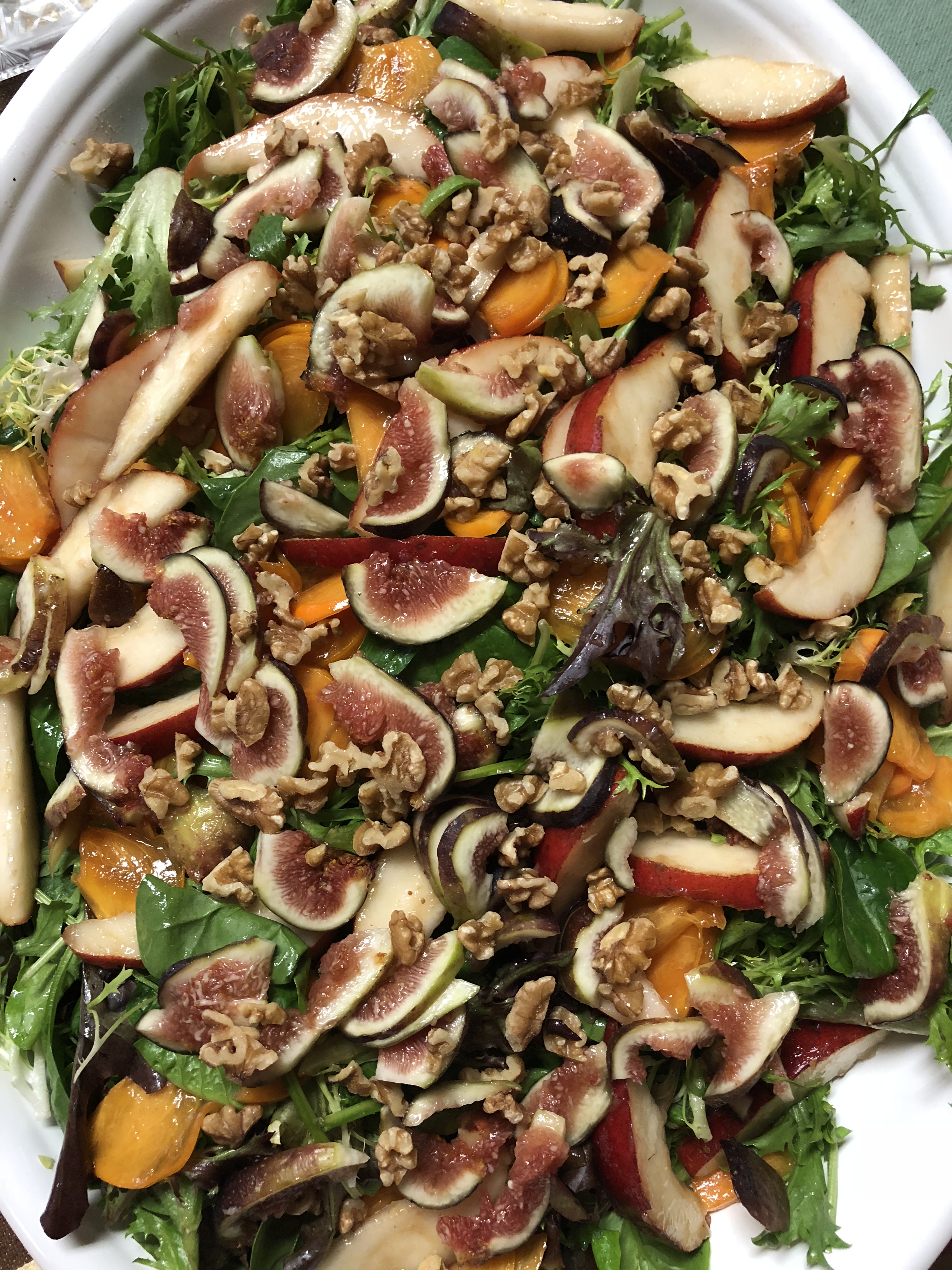
Figs, Pomegranates, Persimmons and Pear Salad

Salad of Figs, Pomegranates, Persimmons and Pears

Ingredients

½ cup walnut halves

2 large heads frisee, carefully rinsed and stems trimmed

1 Fuyu persimmon, cut into thin slices

1 Red Bartlett pear, halved, cored and cut into thin slices

6 fresh figs, halved through the stem end

Directions

Preheat oven to 350˚F. Spread the walnuts on a baking sheet and toast until lightly browned and fragrant, 5-7 minutes. Remove from the oven and let cool.

Arrange the frisee, sliced persimmon and pear, and fig halves on individual plates, dividing them equally. Sprinkle with toasted walnuts. Alternately, arrange salad on a large platter.  Drizzle with the Pomegranate Salad Dressing.

Yield: Serves 4

Pomegranate Salad Dressing

Ingredients

½ cup Pomegranate Syrup (see recipe)

¼ cup olive oil

2 tablespoons red wine vinegar

1 tablespoon lemon juice

⅛ teaspoon salt

Directions

Combine all ingredients in a jar; cover tightly and shake vigorously. Chill.

Yield: ⅔ cup

Pomegranate Syrup

Ingredients

4 cups pomegranate seeds (4 large pomegranates)

3 ½ cups sugar

Directions

Combine seeds and sugar in a large glass bowl; cover and chill at least 8 hours.

Transfer mixture to a heavy non-aluminum saucepan; bring to a boil over medium heat. Reduce heat, and simmer 3 minutes.

Pour mixture through a cheesecloth-lined colander; press against sides of colander with back of a spoon to squeeze out juice. Discard pulp.

Pour juice into a 1-quart sterilized jar; cover with lid, and screw on band. Cool; store in refrigerator up to 2 weeks.

Yield: 3 cups
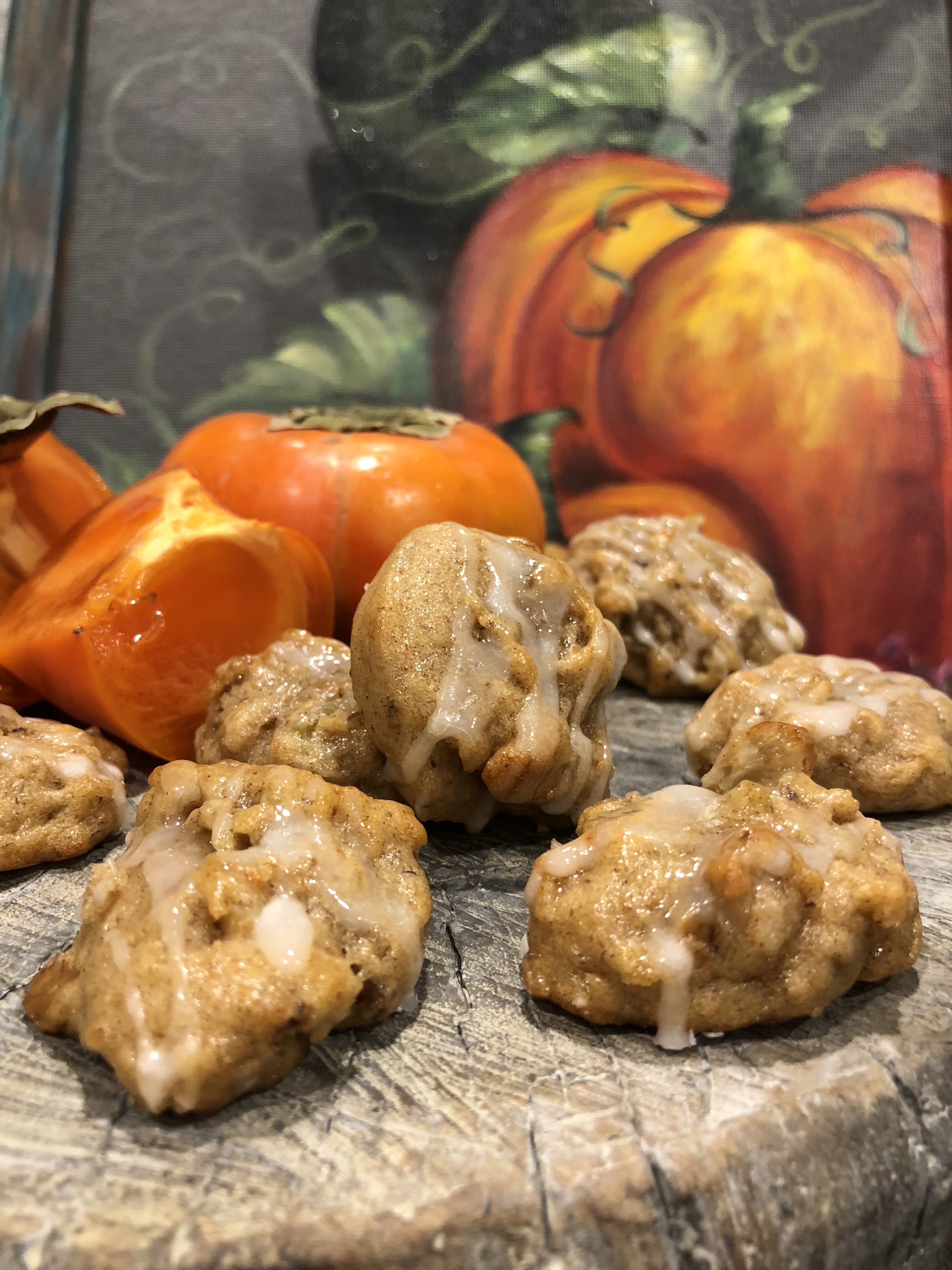
Persimmon Cookies

Persimmon Cookies

Ingredients

2 large ripe persimmons, peeled and coarsely chopped

1 cup sugar

⅔ cup vegetable oil

1 large egg

2 cups all-purpose flour

1 teaspoon baking soda

1 teaspoon ground cinnamon

1 cup raisins

1 cup chopped walnuts

1 cup sifted powdered sugar

3 tablespoons lemon juice

Directions

Position knife blade in food processor bowl; add persimmon, and process until smooth, stopping once to scrape down sides. Measure 1 cup pulp.

Combine pulp, sugar, oil, and egg, stirring until smooth.

Combine flour, soda, and cinnamon in a large bowl; add persimmon mixture, stirring until blended. Stir in raisins and walnuts.

Drop dough by rounded teaspoonfuls onto lightly greased cookie sheets.

Bake at 375˚F for 9 minutes. Transfer to wire racks placed on wax paper. Combine powdered sugar and lemon juice, stirring until smooth; drizzle over warm cookies. Cool.

Yield: 5 dozen

Autumn Orchard Crisp

Ingredients

3 pounds firm, flavorful apples

1 pound pears

Juice of ½ lemon

3 tablespoons granulated sugar

1 cup light brown sugar

1 cup all-purpose flour

2 tablespoons ground cinnamon

½ cup (1 stick) unsalted butter, at room temperature, cut up

1 ½ cups chopped walnuts

½ cup coarsely chopped cranberries

Whipped cream or vanilla ice cream

Directions

Preheat the oven to 350˚F. Butter a 13 x 9-inch baking pan.

Peel, core and slice the apples and pears. Toss them in a bowl with the lemon juice and granulated sugar.

Place the brown sugar, flour, cinnamon, butter, and half the nuts in the bowl of a food processor. Process until blended and crumbly.

Spread one-third of the crumb mixture on the bottom of the prepared pan, top with half of the sliced fruit and scatter over half of the cranberries. Top with the second third of the crumb mixture.

Layer on the remaining sliced fruit and sprinkle over the remaining cranberries. Mix the remaining nuts with the remaining crumb mixture and spread over the top.

Bake until well browned and slightly bubbly, about 1 hour. Cool to warm and top with whipped cream or ice cream.

Yield: Serves 8

Review our horticultural lesson on

apples, pears, poms and persimmons here.

Linda Alexander

Pictures by Starla Willis and Linda Alexander