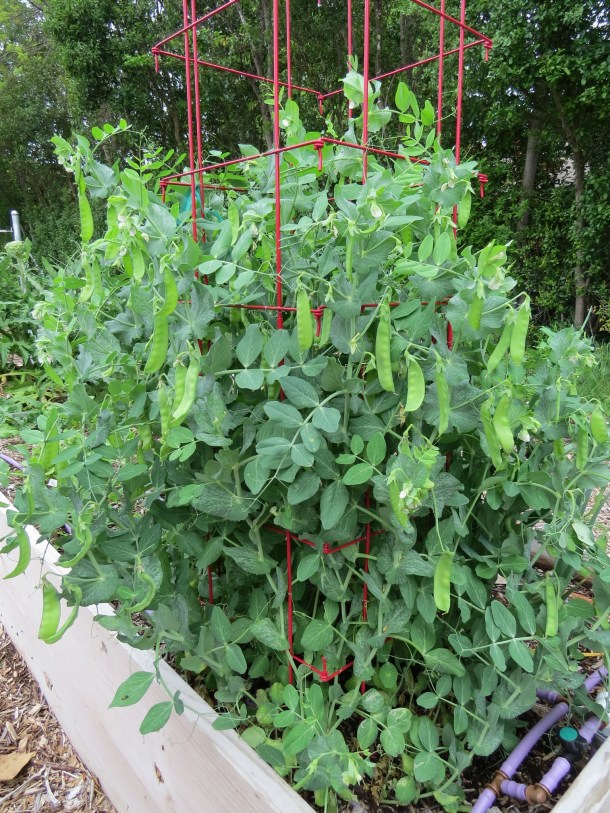
The Food and Agricultural Organization (FAO) of the United Nations and the 68th United Nations’ General Assembly has declared 2016 The Year of the Pulse. If you are wondering, as I did, why the FAO would be nominating a heartbeat throb, it is because in agricultural terms a pulse is part of the legume family. The term itself comes from the Latin puls meaning thick soup or potage. The term “pulse” refers only to the dried seed. Dried peas, edible beans, chick peas and lentils are the most common forms of pulses. However plants like green beans which are used fresh, and soybeans and peanuts which have a higher fat content, are not called “pulses.” Here at the Raincatcher’s Garden we are growing fava beans, which if left to dry before cooking would be considered a ‘pulse.”

Chickpeas Growing in the Edible Landscape at The Raincatcher’s Garden
Pulses play an important part in not only contributing to a healthy diet for both people and animals but also are a sustainable crop able to be grown with less water and are able to fix nitrogen back into the soil. They are little super foods with big benefits! Some of the major benefits of pulses include:
Nutrition: Pulses are an important part of a balanced diet and have been shown to play an important role in preventing some diseases such as heart disease, cancer, and diabetes. They are high in fiber and low in fat. They contain significant amounts of vitamins (Vitamin E) and minerals (iron, potassium, magnesium and zinc.) They also contain twice the amount of protein found in whole grain cereals such as rice, wheat, etc. As such, the World Food Organization includes bags of pulses in their relief packages.
Pulses, especially dried peas, can also be used as feedstock. A study in West Africa showed that animals fed cowpea hay, along with rice feed meal, during the dry season gain 95kg, compared to 62kg for animals that did not receive the cowpea fodder.
Sustainability: Like other legumes, pulses are able to fix nitrogen in the soil and have a positive impact on soil quality since they feed the soil microbes which benefits soil health. Pulses have also been shown to promote diversity in soil composition as they contain a greater and different amount of amino-acids than non-legumes. This may help plants thrive and perhaps offer greater protection from disease-causing bacteria and fungus.
Pulses also require very little water compared to other forms of protein such as animal protein. The United Nations estimates the water required to produce a kilogram of beef, pork, and chicken is 43-11 times higher than the water needed to grow pulses.
So…. Next time you are walking down the bulk produce aisle of your neighborhood grocery store, look at all the different varieties of dried legumes/pulses. You may even want to celebrate The Year of the Pulse with a bowl of 7-Bean soup.
Carolyn
 As with many plants, Tagetes lemmonii is known by so many common names (Copper Canyon Daisy, Mexican Bush Marigold, Mountain Marigold, Mount Lemmon Marigold, tangerine-scented marigold, and Perennial Marigold) that it is almost easier to refer to it by its Latin nomenclature. Yet even its Latin name has a fascinating story behind it.
 There is one word of caution when pruning or working with Tagetes lemmonii. Some people are extremely sensitive to the oils in the leaves and can develop a painful, itchy rash when their skin is exposed to sunlight. Sometimes this rash can continue for several days. Therefore it might be best not to plant Tagetes lemmonii where it can be brushed against, be sure and wear gloves and long sleeves when working with it, or at least wash your skin well with soap and water after handling.
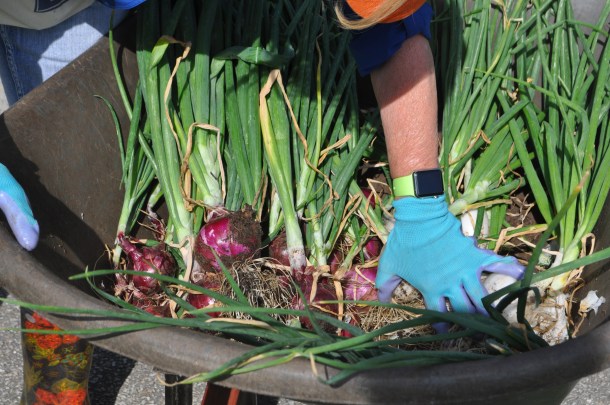
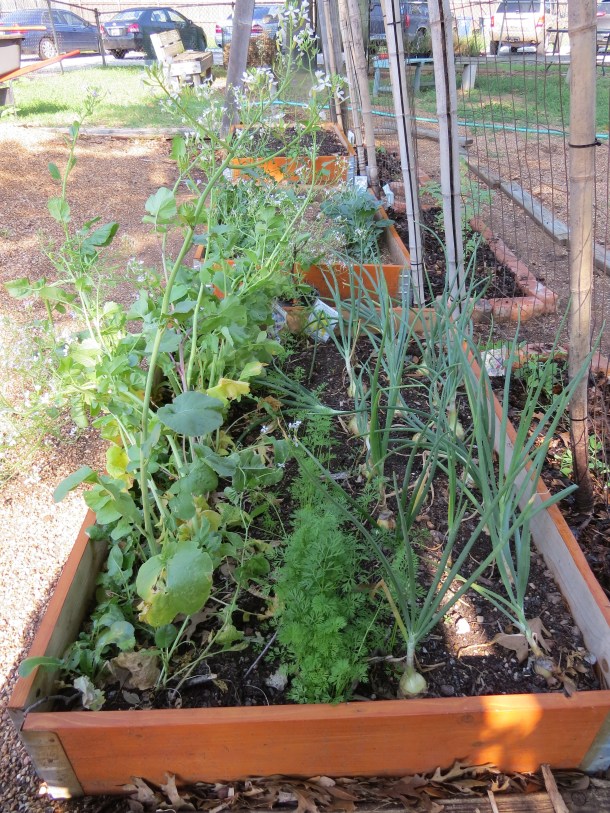
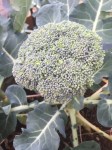 Broccoli and cabbage went in first along with a few herbs, followed by lettuce and arugula in October. I had some success with broccoli, but not so much with the cabbage, lettuce or arugula ( they bolted). Radishes and carrots were planted from seeds. After the first of the year onions were added and then potatoes came and went (I had the wrong soil, so they never sprouted). There was minimal success with the radishes (not properly thinned), but the carrots – I waited, looking for a glimpse of the carrots(roots)? under the leafy tops — until right before Mother’s day, and then I pulled them. Once again the results were mixed; I had a range of carrots from 1/4 inch to over 6-7 inches long and counted 26 of the prettiest multicolored carrots I have ever grown.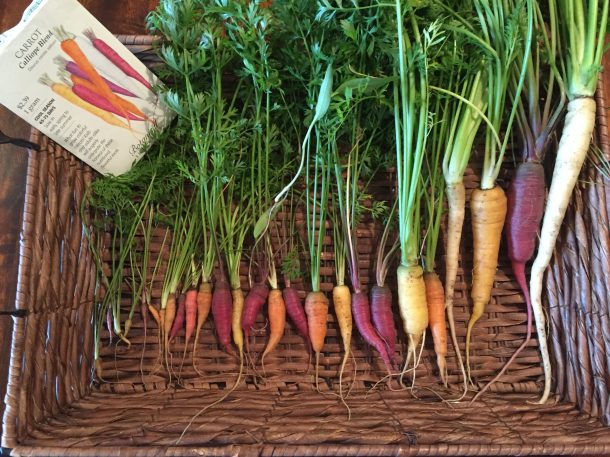








 DALLAS GARDEN BUZZ