Category Archives: Uncategorized

Orphaned No More – Our Incredible Edible Landscape Project

Here at Raincatcher’s, we have a wide variety of demonstration gardens spread all around: we have an orchard, raised vegetable beds, ornamental trees, five types of turf, butterfly gardens, compost demonstrations and even a mixed ornamental bed in the courtyard. But there is one, last, orphaned space; it’s known as the old playground, and in some ways, it’s the church’s secondary entrance.  Which means it’s a very visible space that most people walk past and all cars drive by.  Wrapped in cyclone fencing, the playground was deemed ‘unsafe’ by regulatory agencies, and had been sitting unused when we moved to the church from Joe Field, the location of our previous garden.  We initially used the old playground as storage for all the plants, soil, and other large objects we brought over during our move. Then we disassembled the playground equipment and put it aside, in case we might be able to use it for another purpose.
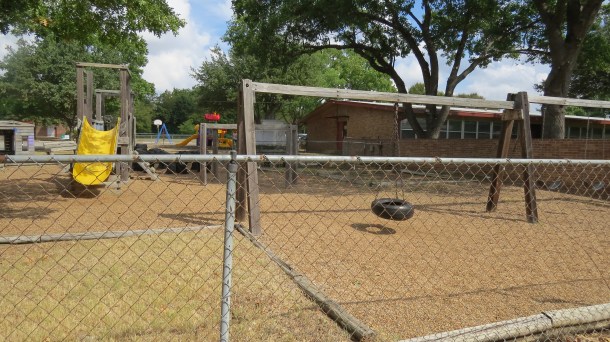
Playground "Before" Transformation

Playground “Before” Transformation

A year has gone by. The gardens have been installed.  The plants, soil, and other large objects have been moved into their new homes, and it became clear that the playground parts were not going to be needed.  We removed them, and what was left inside the cyclone fence was a greenhouse, the air conditioning mechanism for the church, a couple of compost bins, a chicken coop, mature trees, and the frame for the old swing set.  When you step back from that, you realize that the space is reminiscent of what most homeowners have in their own yards:  some nice things, some not so nice things, a fair amount of shade, some sun.

What it’s inspired us to do is play. (The space was a playground, after all!)  We’re going to be experimenting in this, last, garden, but we’ll be experimenting with a purpose.  Over the next year(s?), we’ll be installing an edible landscape in this space, this crowded, pre-owned space with some sun and a fair amount of shade.  We’ll be designing around our obstacles, turning them into features, and we’ll make the shade our ally instead of our adversary.  We’ll be showing off all sorts of different techniques from hugelkultur to vertical gardening to straw bales to edible flower beds.  Some will be raised, some will be inground; everything will be edible.  There will be some new crops, variations on common crops, and some old crops with new parts to eat.  And so in addition to growing these foods, we’ll also show you how to prepare and eat them.

Why are we going to do this? Because this space has so many similarities to the average homeowner’s yard, it’s a perfect teaching and demonstration tool, and teaching is our mission.  Why do it as an all-edible landscape?  Because there are many examples of ornamental landscaping, and plenty of examples of edible gardening, but there are not as many of edible landscaping.  We’re doing this because people are becoming interested in growing at least some of their food, but are often concerned that it won’t look good, or they can’t because they have too much shade.  This old playground gives us the opportunity to show everyone how they can create a beautiful landscape with edibles.

How are we going to do this? We’re going to do this in stages.  First, we’re going to start with the hardscape.  One of the biggest concerns people have about landscaping with edibles is the aesthetics – whether it’s an overgrown tomato plant, or the fallow season (too hot, too cold to grow edibles) for their climate.  To have a beautiful edible landscape, the first thing you need to do is make sure the landscape looks good before any plants are planted.  Plants (crops) are the ornamentation on top of a good looking base structure, your hardscape.  After all, there will be times when you may not have plants in your landscape; you might have had a crop failure, or have just harvested dinner!

In our next post, we’ll talk about hardscape ‘rules’, and show you how we’ll be incorporating them into our landscape.

Come along and follow our adventures – celebrate with our successes, and learn from our failures!

The Incredible Edible Landscape Team

Lila Rose

Picture by Starla

Note: Lila Rose will be speaking at the Whole Foods at Preston Forest soon about Edible Landscaping. Will add date to this post, so check back with us.
The time of year for the best of bushy bluestem

Source: The time of year for the best of bushy bluestem

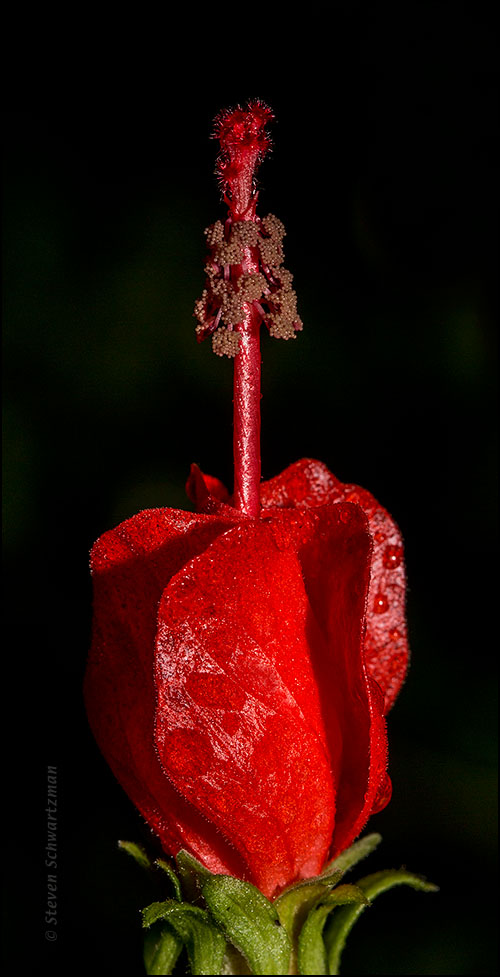
Turk’s cap flower

Portraits of Wildflowers

Turk's Cap Flower 7938

Here’s a flower of Malvaviscus arboreus, known as Turk’s cap and Texas mallow, that I photographed in Great Hills Park on July 18th. The plant was in a heavily shaded place in the woods—its familiar habitat—so I had to use flash. Don’t the clumps of pollen remind you of caviar?

——–

UPDATE: If you check out yesterday’s post showing a feather, at the end of it you’ll see I’ve added suggestions about the identity of the bird that shed the feather.

© 2014 Steven Schwartzman

View original post

Bluebonnets in Texas, 2014

Bluebonnet White Starla

Leave it to Starla, to find a white bluebonnet and capture it so eloquently for us digitally.  Hopefully, all of us have gotten out of Dallas and on Texas Highways for viewings of our Texas State Flower. Starla was in Ennis, Texas last weekend.

Bluebonnet in foreground Starla

Some of you may have been tempted to lay down in the grass to get a close up view of the Bluebonnet like she did.

Bluebonnet mirage-Starla

 Starla explained that this picture was a result of mistake, a camera setting Starla accidentally landed on.  I don’t think Starla can take a bad picture.  I love this Bluebonnet mirage.

For more lore about Texas Bluebonnets click here.

More Pictures and information from Dallas Garden Buzz about Bluebonnets here.

Ann

Pictures by Starla


In Loving Memory of Betty Haughton, June 20, 1930 – April 12, 2014

Betty with daughters Elizabeth Peck and Ann Lamb

Betty with daughters Elizabeth Peck and Ann Lamb

Our own dear Ann Lamb’s mother, Betty, was a beloved Master Gardener and friend to many of our volunteers. She was a frequent visitor to the Demonstration Garden on Joe Field Road and would light up the garden with her smile, her laugh, and the twinkle that only Betty had in such abundance. Such an irreplaceable, gracious, loving woman; we will miss her dearly.

Betty’s family and friends will celebrate her life at a memorial service at Grace Bible Church on Tuesday, April 15, at 10 am with graveside services at 2 pm at Sparkman/Hillcrest.

“Betty’s loving smile radiated the love of Christ Jesus as she was a blessing to all. She sewed seeds in hearts and also in her garden. Flowers and vegetables flourished wherever she lived, and she became a Dallas County Master Gardener at 78 in the class of 2008. Those who knew and loved Betty were familiar with her heartwarming ways, her love for her family, Sunday lunches, Haughton tea, Fourth of July floats and picnics, knitted baby hats and blankets, our country, and our military. Her quiet strength, humble spirit, and daily walk with her Savior are the legacies she leaves with all of us.”

Our thoughts and prayers are with Ann, her three sisters and their families.

Celebrating Ann

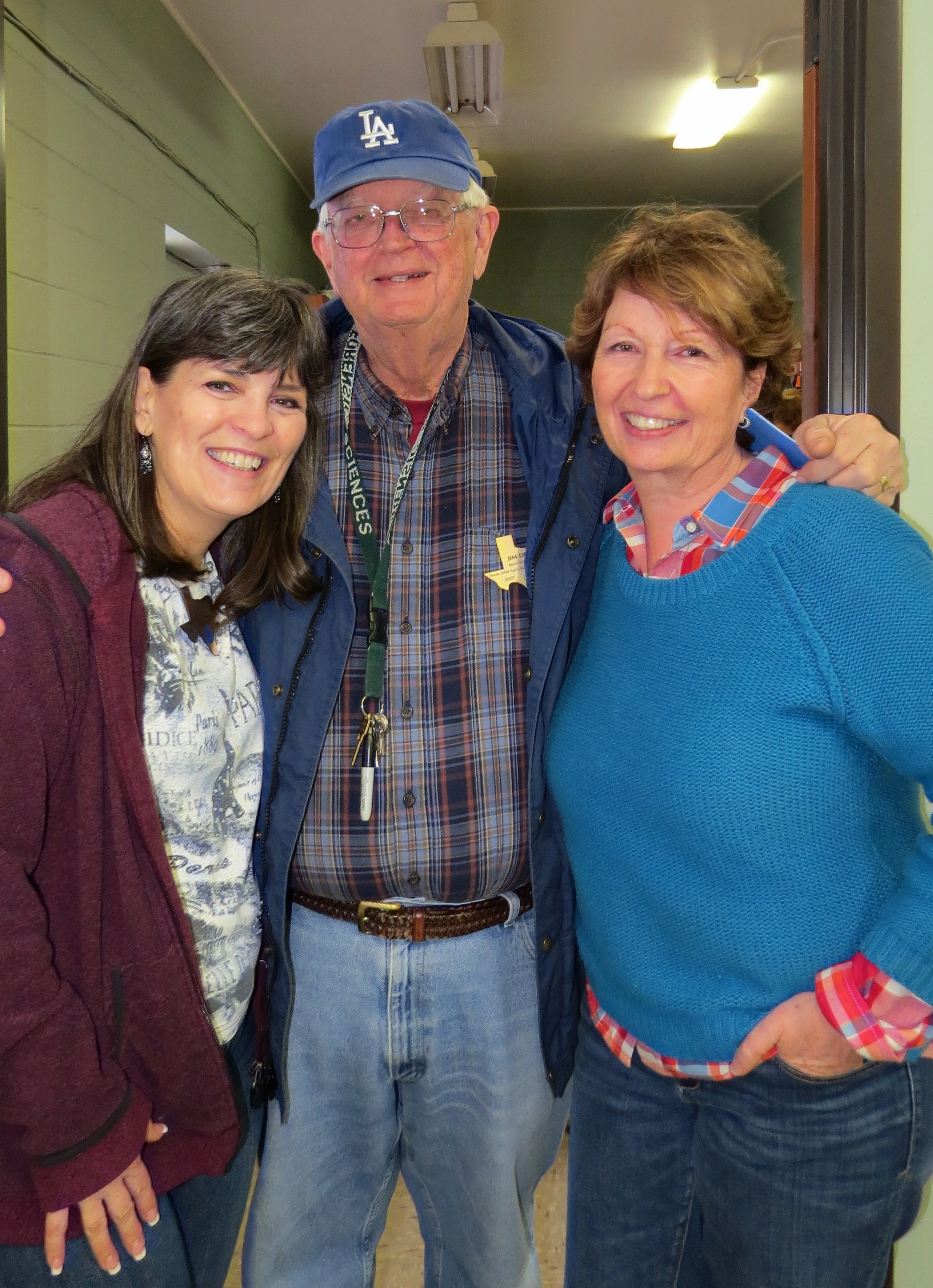
February birthday gardeners Kim Kirkhart and Jim Dempsey celebrate with Ann Lamb

February birthday gardeners Kim Kirkhart and Jim Dempsey celebrate with Ann Lamb

It is so fitting that one of the sweetest people we know has a birthday days removed from Valentine’s Day. The Joe Field gardeners celebrated Ann Lamb and her 60th birthday this month and thanked her for her years at the helm of the Demonstration Garden on Joe Field Road. Gardeners enjoyed Austin Cheese and Vegetarian Potato Soups; Chicken Pineapple Pecan, Mango Chutney Tuna Fish and Cucumber Tea Sandwiches, and Beatty’s Chocolate Cake for the birthday lunch. Volunteers gave Ann a sterling silver ornament decorated with roses as a gift of appreciation for her dedication to the garden. Happy Birthday, sweet friend, who inspires us in life and in the garden!

Elizabeth

Caramel Apple Layer Cake with Apple Cider Frosting

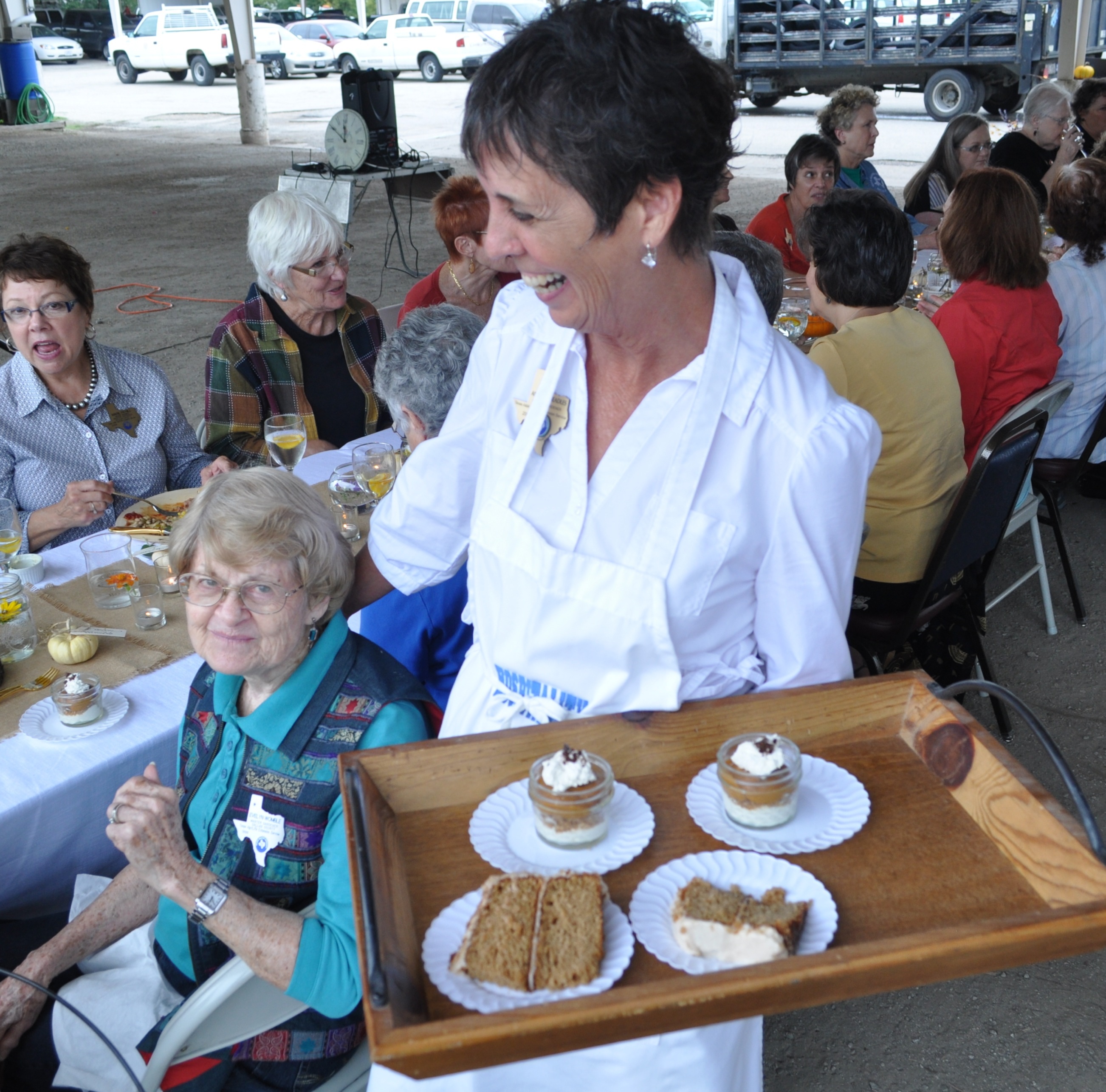
And for the grand finale, guests were tempted with two dessert choices; Caramel Apple Layer Cake with Apple Cider Frosting (made with homemade caramel sauce) or Layered Pumpkin Pie in a Jar.

Which would it be?  It was overheard that some guests had a difficult time deciding and were “forced” to sample both.

Could that be true?  We’ll never tell!

image

Caramel Apple Layer Cake with Apple Cider Frosting

Ingredients:

2 cups whole wheat pastry flour

1 ¾ cups all-purpose flour

1 tablespoon baking powder

1 ½ teaspoons baking soda

1 ½ teaspoons ground cinnamon

½ teaspoon salt

1 ½ cups light brown sugar

¾ cup canola oil

¾ cup unsweetened applesauce

¾ cup caramel sauce (homemade or jarred)

2 teaspoons vanilla extract

3 eggs

1 ½ cups buttermilk

Ingredients for Apple Cider Frosting:

7 ½ -8 cups confectioners’ sugar (to desired consistency)

¾ cup (1 ½ sticks) butter, softened

½ cup apple cider or apple juice

¾ teaspoon ground cinnamon

Pinch of salt

image

Directions:

1. Preheat oven to 350 degrees.  Grease and flour two (8 or 9 inch) round cake pans and set aside.

2. In a large bowl, whisk together whole wheat pastry flour, all-purpose flour, baking powder, baking soda, cinnamon and salt.  Set aside.  In a second large bowl, beat sugar and oil together with an electric mixer until well combined, about 30 seconds.  Add applesauce, caramel and vanilla, beat for 30 seconds, then add eggs one at a time, beating well after each addition.  Add flour mixture in three parts, alternating with the buttermilk, and continuing to beat until well combined.

3. Pour batter into prepared cake pans and bake until golden brown and a toothpick inserted in the middle of each cake comes out clean, about 35-40 minutes.  Set aside to let cool for 10 minutes, then gently loosen cakes and turn out onto a cooking rack; set aside to let cool completely.

4. For the frosting, put sugar, butter, cider, cinnamon and salt into a large bowl and beat with an electric mixer until light and fluffy, about 5 minutes.  Arrange one cake on a large plate and spread about 1 cup of the frosting evenly over the top.  Arrange second cake on top then frost top and sides of entire cake with remaining frosting.  Set aside at room temperature or in the refrigerator for at least 1 hour to allow frosting to set before serving.

Yield: Makes a tall 2-layer, 8-9 inch round cake

Caramel Sauce 

Ingredients:

1 cup light brown sugar

½ cup butter, divided

½ cup light corn syrup

2 tablespoons heavy cream

½ teaspoon vanilla

1/8 teaspoon salt

Directions:

1. In a small heavy, non-aluminum saucepan, combine brown sugar and ¼ cup butter.  Bring to boil over moderate heat.  Whisk in the corn syrup, cream, vanilla and salt.

2. Reduce the heat to moderately low, and boil gently for about 3 minutes, stirring constantly.

3. Immediately remove from heat and whisk in the remaining ¼ cup butter.  Serve warm or at room temperature.

Yield: About 1 ½ cups

*This keeps well in a covered jar in the refrigerator for up to 4 months. 

Linda

Okra Pilau For Dinner Tonight

I am making this okra recipe tonight!  Last summer I let you know of my obsession  with okra. For an okra review: click here.

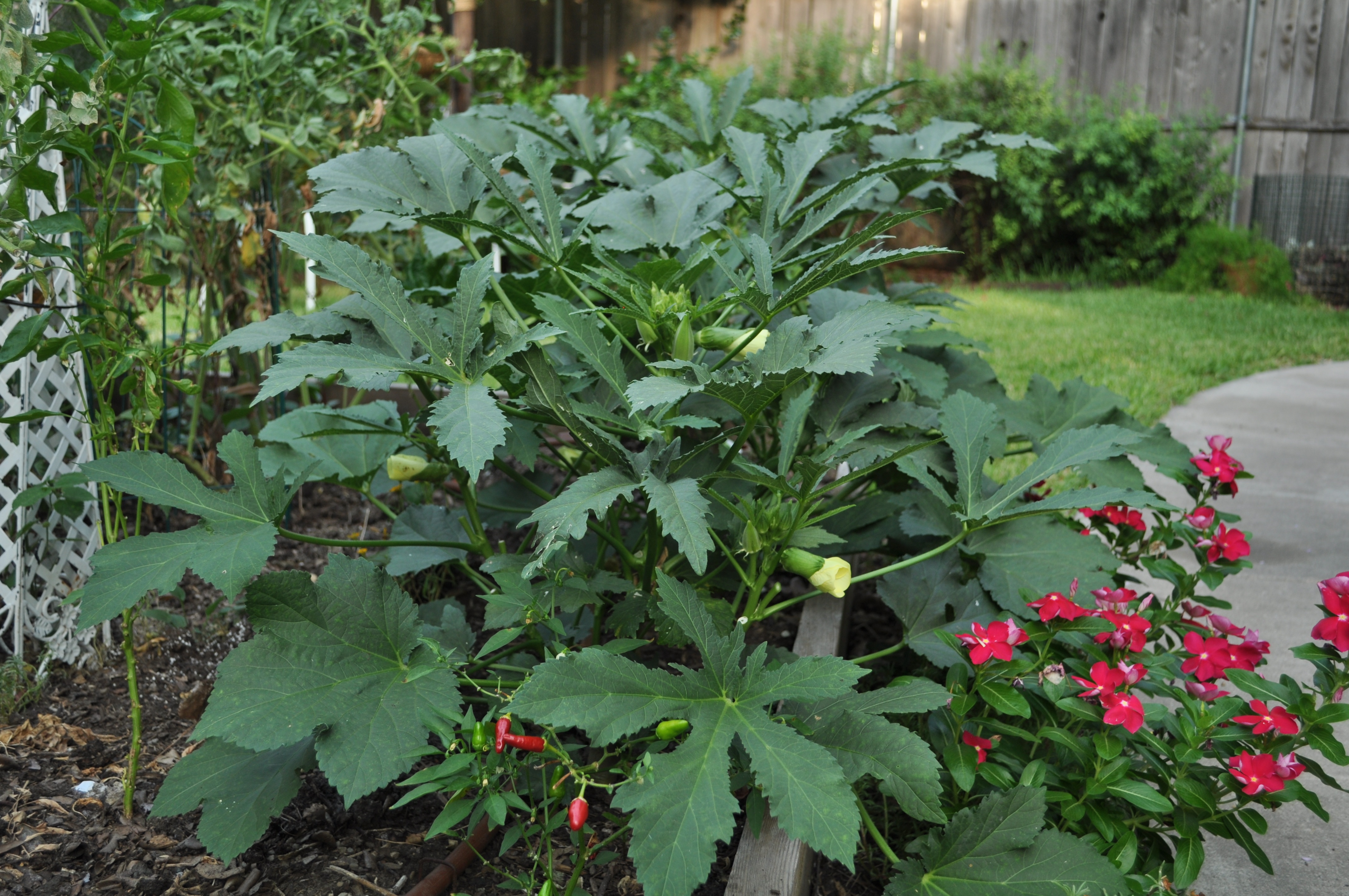
Green Fingers Okra in a Dallas Garden

Okra Pilau

Yield: 4 servings

8 bacon slices, diced
11/2 cups sliced fresh okra*
1 large onion, chopped
1 green bell pepper, chopped
11/2 cups uncooked long-grain rice
1/2 teaspoon salt
1/4 teaspoon pepper
2 cups water or chicken stock

Cook bacon in a large skillet until crisp; remove bacon, reserving 2 tablespoons drippings in skillet.

Sauté okra, onion, and bell pepper in hot drippings over medium-high heat 5 minutes or until tender. Stir in rice and next 3 ingredients; bring to a boil. Cover, reduce heat, and simmer 20 minutes or until water is absorbed and rice is tender. Remove from heat; stir in bacon. Let stand 5 minutes.

You can use any variety of okra (preferably from your garden) for this recipe that Tim says will make okra lovers of us all.

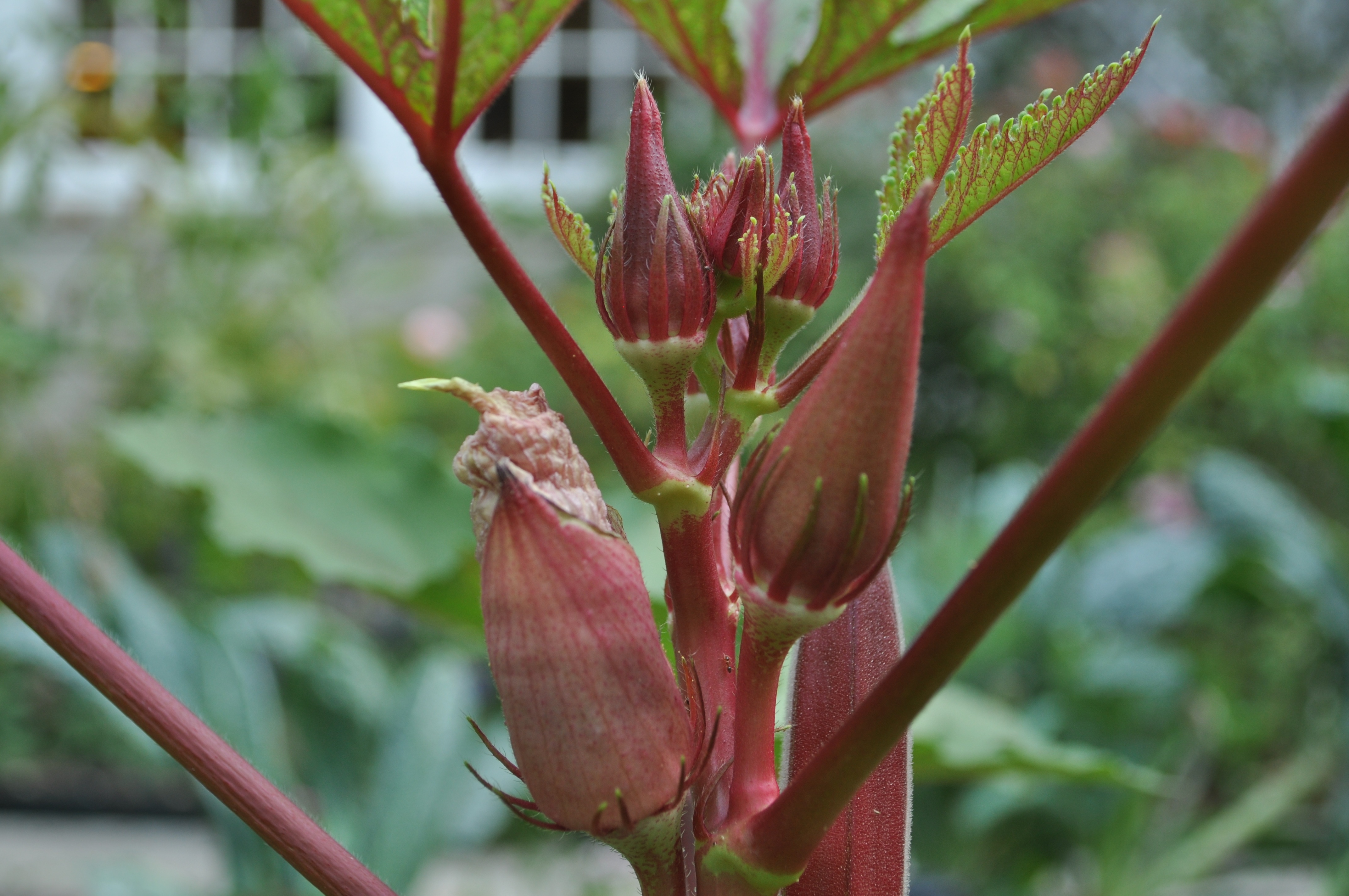
Red Velvet Okra will be in my skillet tonight.  I love it’s color even though the okra turns green when cooked.

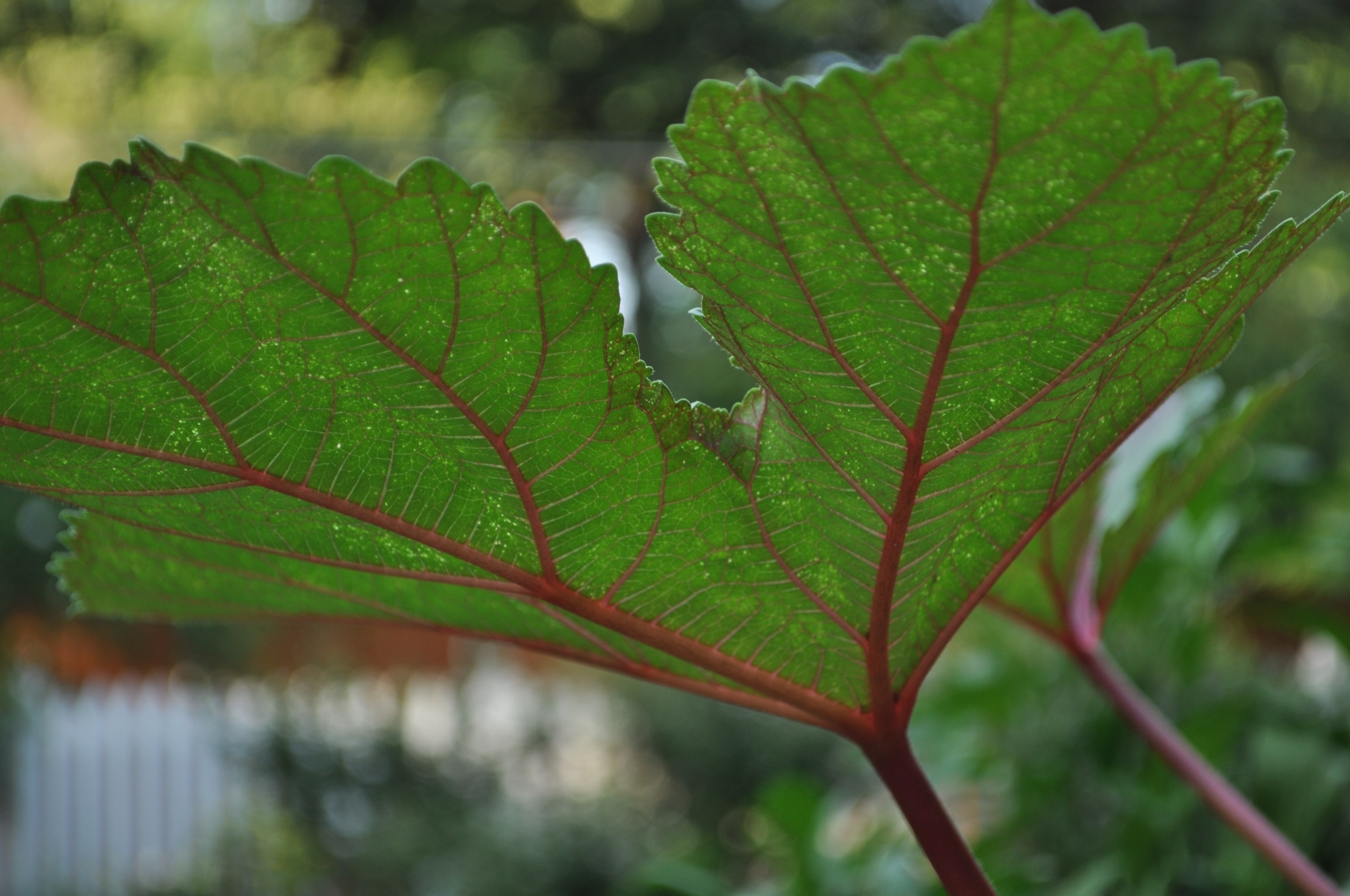
Red Burgundy Okra, Dallas Garden BuzzYou can’t eat Okra leaves but how lovely they are to have in your garden. Harvesting Okra every day requires your careful attention and looking in and around the whole plant and under every leaf to find Okra that may be hiding.  if you let it go an extra day, you end up with giant Okra good for drying and seed saving but not much else.

Okra Leaf, Dallas Garden Buzz

For the healthy benefits of okra including a hair rinse recipe, read this.

Ok now, all this about Okra is persuading me to get out in the garden and start picking.  Hope you are, too.

Ann

Tomato Grafting Part II

Purpose:  To improve tomato production, some say as much as 30% by grafting a tasty tomato onto a hybrid which is disease resistant

Materials Needed:

  • 2 clear plastic cups, one to fit inside the other to form the healing chamber
  • New Double edge razor blade-clean and sharp, snapped in half lengthwise while in paper cover
  • New Grafting clips-match the size of the clip to the size of your tomato stalk (Jim bought clips here)
  • Rootstock and scion seedlings of matching stem size(we used Celebrity as the rootstock and Brandywine as the scion or top)

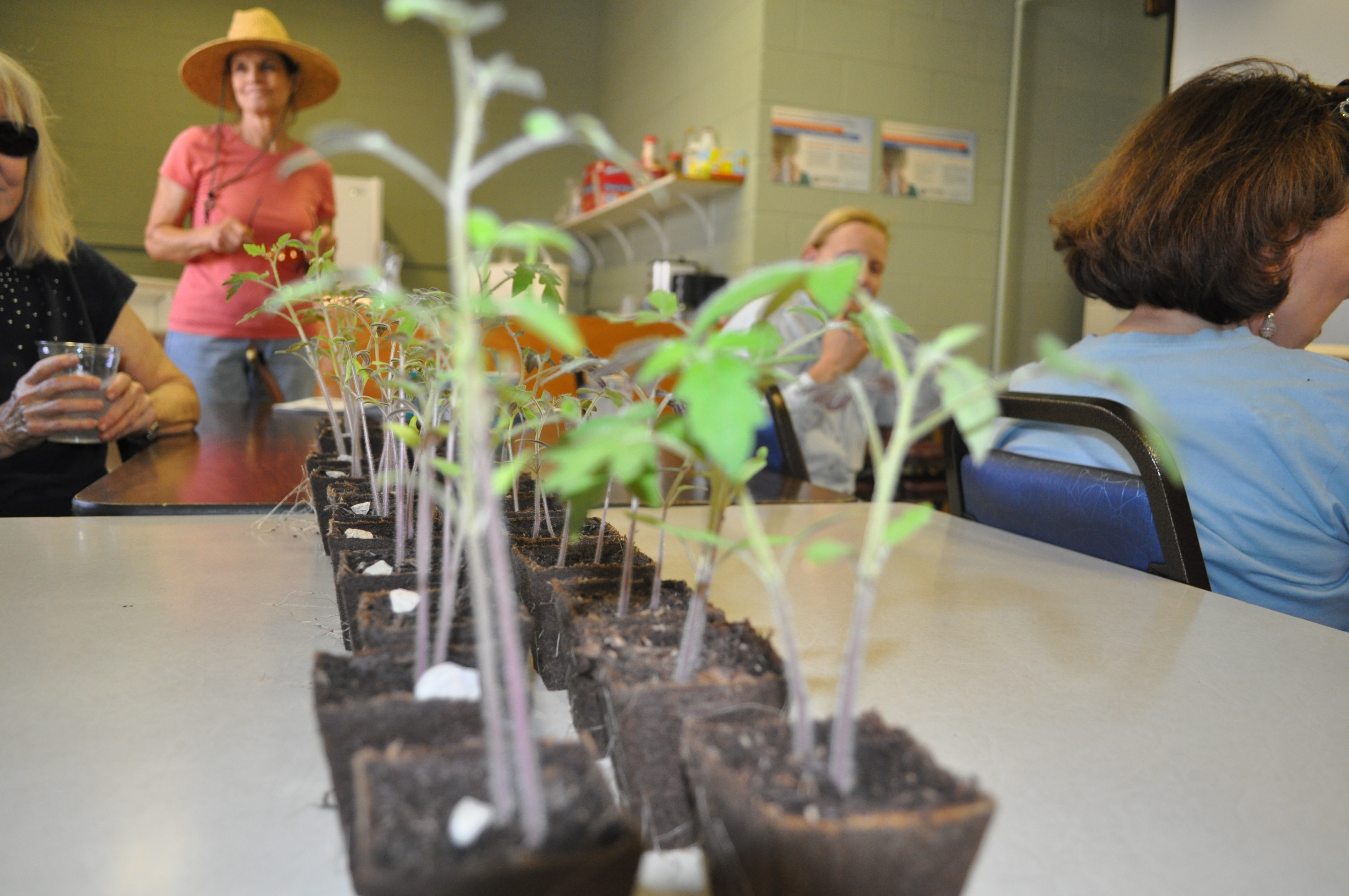
Water your plants the night before and pick a clean area indoors without direct sunlight and no fan or draft.  Tomato Seedlings Lined up for Grafting Select your seedlings. We grafted Brandywine tomatoes onto Celebrity.

Jim had 100% germination rate so we had to pick one seedling from each pot to use.  Look at the healthy roots coming out of the pot!

Tomato Seedling Ready to GraftJim suggested cutting the scion and rootstock straight across.  Remember you want matching stem size.Tomato GraftingPlace the grafting clip on the scion halfway over the cut stem, then join to the other stem so the cuts match up.

Silicon Clip on Cut Tomato Stalk

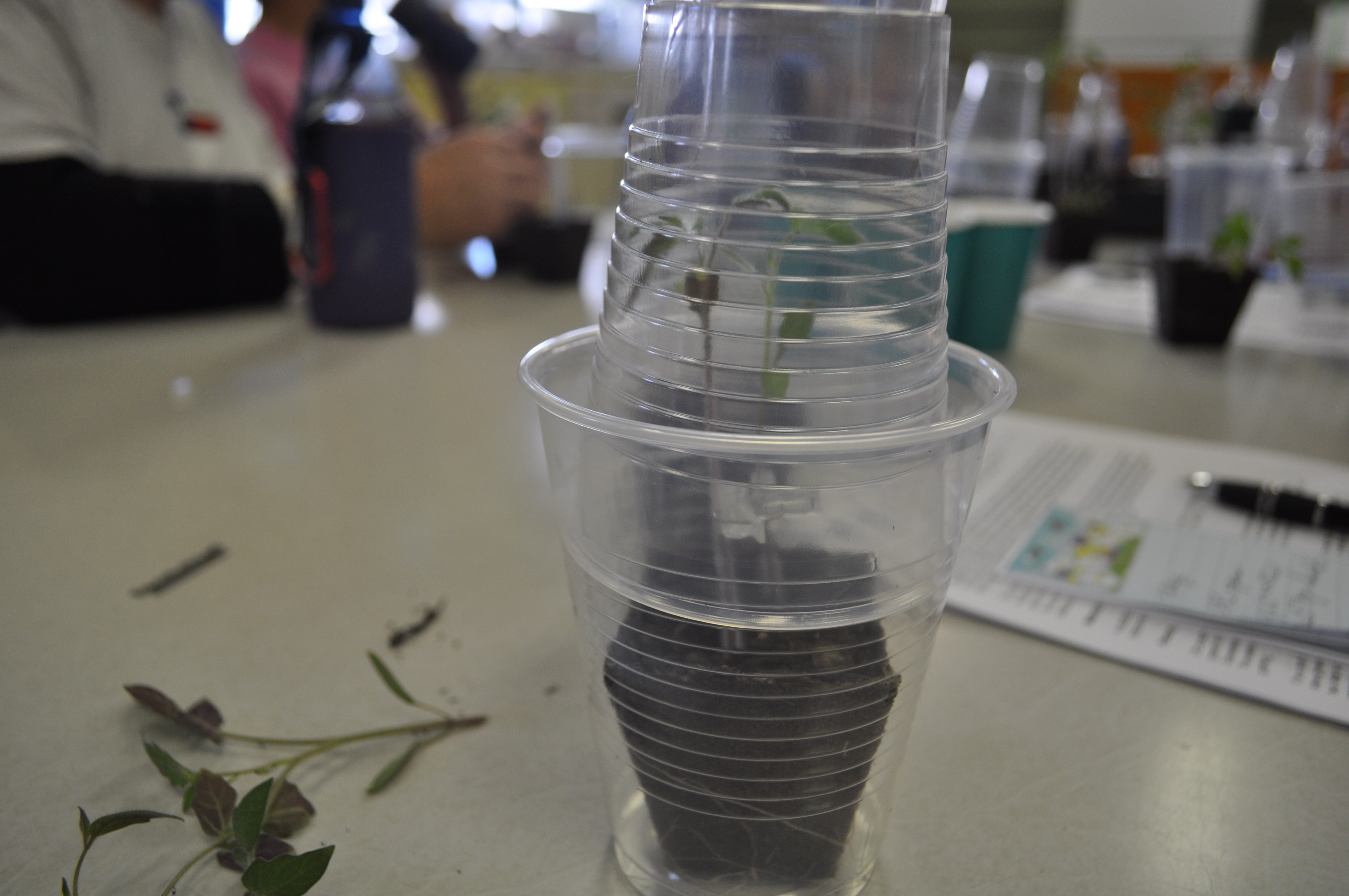
You will be able to see through the silicon clip to make sure the cut surfaces match up. Place your new grafted tomato plant in the bottom of a plastic cup, this will become the healing chamber.  Slide the smaller cup on top making sure it does not touch the leaves.

image

The plant should stay closed in the healing chamber for 3 days with no direct sunlight. Check the grafted tomato from outside.  If it wilts, open the chamber and mist or water the plant to raise the humidity level. Reclose the chamber.

4th Day-Open the healing chamber to see if the plant is moist.  Add water if needed and close.

5th Day-Make a small opening in the tunnel so some of the humidity can begin to escape.  Check frequently.  If plant wilts, close the tunnel back up, increase humidity by watering or misting and try ventilating the next day.

Don’t remove the clip. The  silicone clip will expand with the growth of the plant and eventually fall of by itself.

Let the plant grow indoors.  It will take 1-2 weeks longer to be ready to go outdoors to the tomato patch because it will have stopped growing during the healing process.

When transplanting, make the sure the graft union is above the soil line.

Thank you, Jim, for growing the plants and guiding us through the tomato grafting process!

Ann

Blackberry Class And Lunch In Our Blackberry Patch

Take the mystery out of growing blackberries. 

Come to the Earth- Kind ® WaterWise Demonstration Garden

at 2311 Joe Field Road

to hear Tim Allsup give an outdoor talk about how to grow ‘em and which varieties he likes, and how to prune ‘em! 

Date: Tuesday, June 4th                   Blackberries, Some Ripe                                                                    

Time: 11:00am-Noon

Place: 2311 Joe Field Road

Reservations: glamb@flash.net or sign up by leaving a comment on this blog.

Cost: $5.00 each person to be paid when you arrive for class 

Guests welcome, Master Gardeners will receive one hour education credit.

“Blackberry Lunch” 

Smoked Turkey, Mozzarella, and Blackberry Sandwiches 

Spinach Berry Salad with Blackberry Balsamic Vinaigrette 

Blackberry Lemonade

 Dessert Smorgasbord 

Blackberry Crumb Bars 

Fresh Blackberry Cake 

Blackberry Puffs 

Lemon Blackberry Swirl Pound Cake

Menu by Linda

Picture by Starla

Recipes will be included on our blog next week.