This article is about my friend Paco. We met on a pickleball court 5 or 6 years ago and have been good friends ever since. The first time I stepped into his backyard, I discovered we had something other than pickleball in common – gardening! Paco is from Puerto Rico and he has turned his backyard into a tropical paradise. Last year at a summer pool party, I noticed a pepper plant with small, wrinkly looking red and green peppers. He explained that he collected the seeds from peppers he got in Puerto Rico because it is an important ingredient for sofrito. I left the party with a baggie full of seeds.
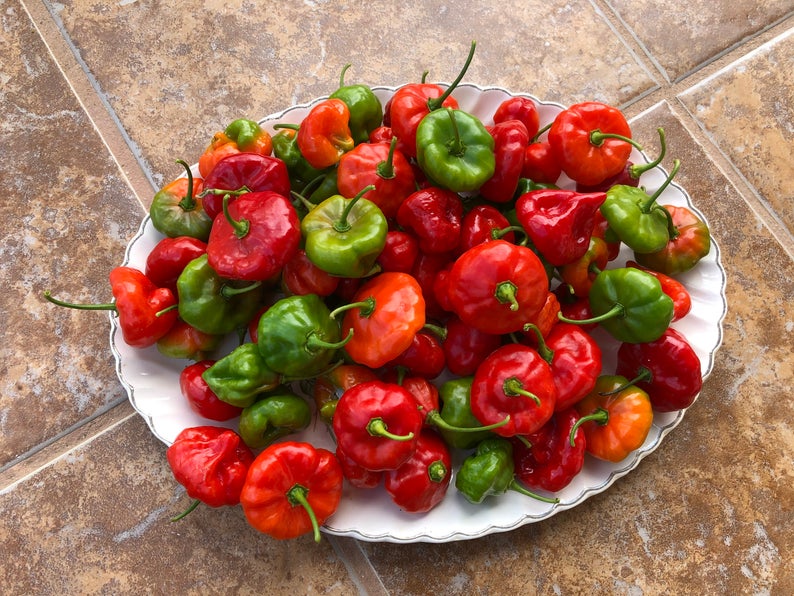
The Aji Dulce peppers (Capsicum Chinese) are small, sweet peppers. They have the shape and size of a habanera pepper but without the heat. They start out light to dark green and eventually turn red and orange if left on the plant to mature. Aji Dulce is used to season dishes in Puerto Rico, Dominican Republic and Cuba. My research found that in Puerto Rico, it is most commonly used in sofrito (which translates to stir fry or sauté in English). It is a perennial in the tropics but is an annual here.
With the seeds Paco gave me last year, we have been able to start a number of these pepper plants for the Raincatcher’s Garden annual plant sale which will be held at the garden on Thursday, May 13th. I am looking forward to growing a couple of these plants myself this summer and will be looking up sofrito recipes once I get a good crop going!
This plant goes by several names. In Puerto Rico it is know as aji dulce, ajicito or ajies. In the Dominican Rebuplic it is called aji gustoso and in Cuba it is aji cachucha. To me, this plant will always and simply be referred to as Paco’s peppers!
Jackie James
Dallas County Master Gardener Class of 1993
We will be posting more details on this blog about the May 13th plant sale in the near future.
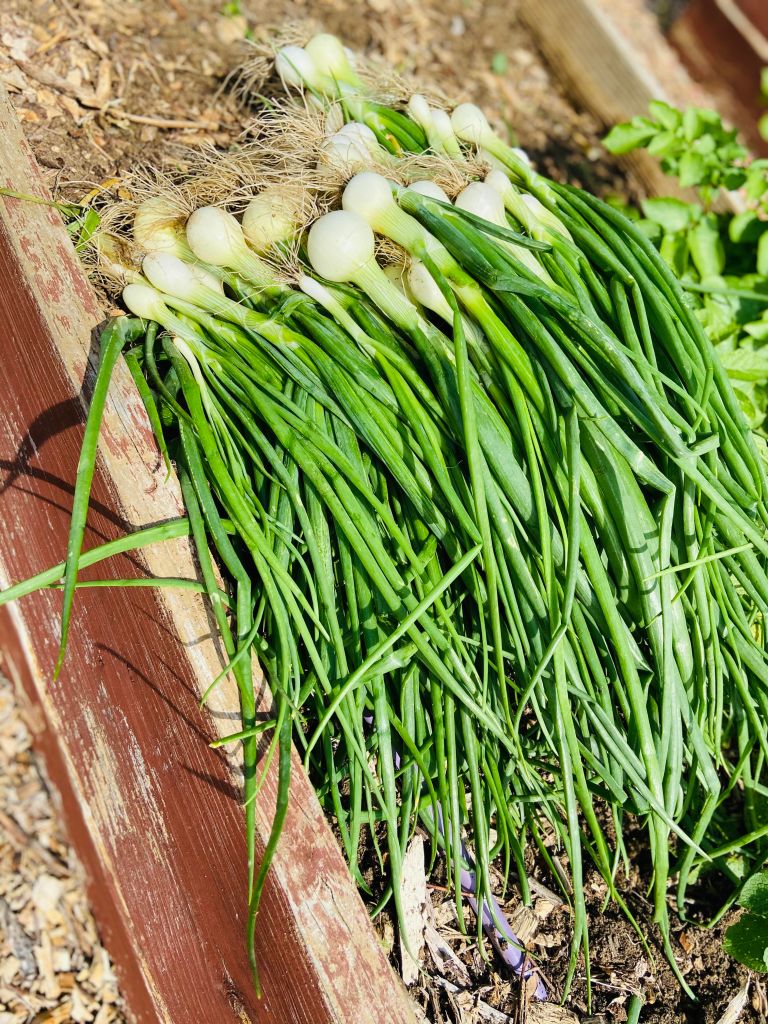
The vegetable crops in the north garden are thriving again. All of the raised beds are going strong. We had such nice yields from our Bloomsdale and Regimen spinach that we were able to donate 12-gallon bags to a food bank. Yesterday onions were harvested and donated and we picked a bountiful crop of purple potatoes.
Team leader, Lennard Nadalo, did his homework on tasty varieties. We especially enjoyed the Flamboyant French Breakfast radishes, Runaway and Wasabi arugula.
Hoping to delight our frequent preschool visitors, we constructed a teepee and planted Sunset runner beans to climb the poles.
This week the vegetable team was pleased to see peppers developing well on the varieties we are growing for the jam and jelly team fund raising efforts. We have started an heirloom variety of cucumber especially for the team to try branching out into bread and butter pickles this year.
Looking ahead to fall, we are considering small varieties of brassicas that have a better chance of success in our climate.
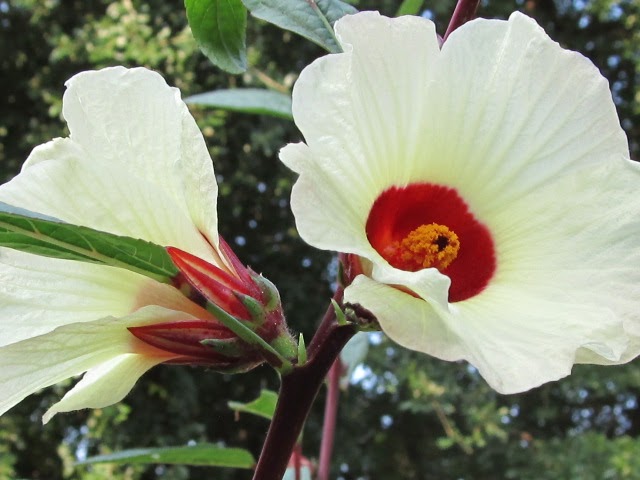
Volunteers have started vegetables from seed at home. Gardeners are tending okra and roselle hibiscus in the greenhouse to be ready in time to plant in May. The converted turf bed has been tilled and looks perfect for planting. Other volunteers took time and care creating the central brick lined bed that will have heat loving plants such as cucumbers and okra. The compost team provides the nutrient dense material that makes our plants thrive. We appreciate the many donated packets of seeds.
The spirit of cooperation among all gardeners at Raincatchers has contributed a great deal to the successful revival of this area. Thank you!
Beverly Allen, Dallas County Master Gardener Class of 2018
On October 6, 2020, we posted an article on this blog about our new Rising Sun Redbud Tree. We planted it with such great expectations of year round color including spring flowers and a combination of three different colors of leaves throughout the summer. Then came February 2021! For the past several weeks, we have been wondering whether this newly planted tree would survive the “storm of the century.” A couple of days ago we got our answer. At close inspection, we saw flower buds starting to form. Within a few days, it exploded with beautiful light purple flowers closely followed by some light green leaves.
I have been encouraged watching plants coming back to life over the past few weeks. Many plants looked dead but now are starting to show signs of life. I’m sure we will lose plants at Raincatcher’s garden as well as our own gardens, but so far I am feeling hopeful that these plants have a great will to continue to live!!!
Jackie James – Dallas County Master Gardener Class of 1993
St. Patrick’s Day is quickly approaching and we’re ready to bring out the ‘green’. But with last month’s devastating winter weather event, our garden needs a little “luck of the Irish” to show more of its true color.
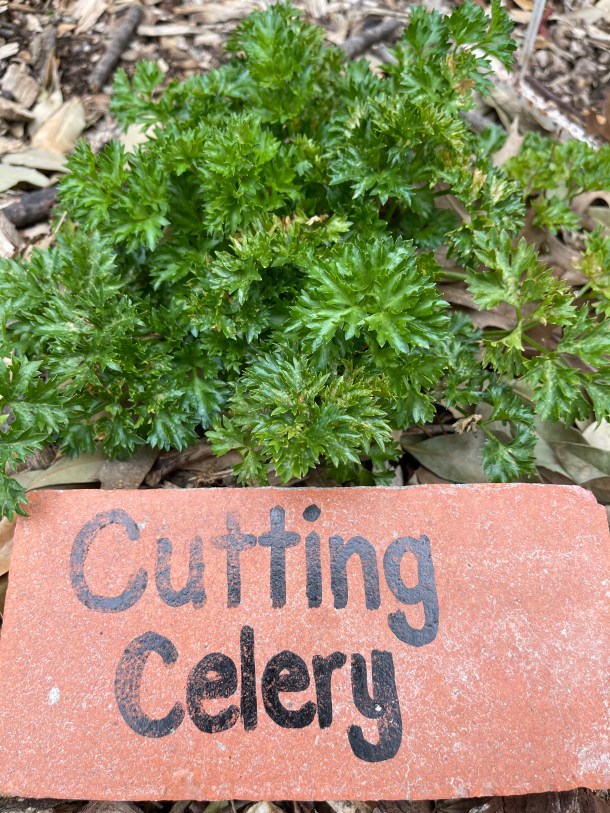
Plants that persevered under a blanket of fallen leaves include chervil, cutting celery, French sorrel, bloody sorrel, salad burnet, red stemmed apple mint, spinach, everbearing strawberries, creeping thyme and sweet woodruff. A few others are just now peeking out from the cold ground with their delicate little leaves and branches: anise hyssop, calendula, dwarf trailing winter savory, German chamomile, lemon and bee balm, pineapple sage, sweet fennel and summer savory.
With the help of Gail Cook and Jim Dempsey, our very own ‘seed starting saints’, an impressive list of seedlings are due to make an early spring appearance in the edible landscape. Alyssum, anise, aster, bachelor’s button (cornflower) impatiens, variegated rocket cress and sweet William will start arriving in late March and April.
In early May our gardens will be filled with three different varieties of basil, Jimmy Nardello peppers, jalapeno peppers, tomatillos, marigolds – ‘lemon gem’ and tangerine’, papalo, roselle hibiscus and white velvet okra.
It makes us so happy to see the garden going green again. Let’s celebrate with an old Irish wish…
May your paths bloom with shamrocks, and your heart ring with songs, and the sky smile with bright sunshine all this happy day long.
Linda Alexander, Dallas County Master Gardener class of 2009
As autumn leaves began to fall throughout the edible landscape, we noticed little touches of purple peeking through the bee balm in our greenhouse beds. Much to our surprise, crocus bulbs that had been planted over two and a half years ago, were starting to bloom. As we gently lifted back drooping branches of bee balm more crocus plants appeared. It seemed that the crocus was whispering to us for help, “please don’t cover me up”.
Crocus crying out!
With many other garden chores on the agenda that day, we took a quick departure and started the process of carefully digging up over 15 clumps of crocus plants. Everyone agreed that a new location was essential for the health and survival of our precious plants. We choose three spots in between the raised beds under the swing set frame. Our crocuses now have their own permanent, mostly sunny, location with no competition from other plants.
Crocus replanted
If you are interested in growing crocus in your garden, here is some helpful information to get you started:
*Crocus sativus is an autumn blooming crocus which produces the highly prized and expensive spice, saffron. The spice is actually the red stigmas of the crocus flower.
*Each saffron crocus bulb will only produce one flower. Each flower will only produce three yellow styles, each of which ends with a crimson-red stigma. It takes about 50 to 60 saffron flowers to yield about 1 tablespoon of saffron spice.
*Saffron crocuses need well-draining soil and lots of sun.
*Saffron crocus multiply rapidly so in a few years’ time you should have enough for your garden.
*Saffron crocus are hardy down to -15F. Fertilization may be applied annually but isn’t required.
*Saffron crocus only blossoms during a short period in the fall. Once a flower blooms, it must be harvested that same day, as it begins to wilt almost immediately.
If you’re wondering why saffron is so expensive, consider this; since each flower contains only three delicate stigmas, it takes upwards of 50,000 flowers to yield one pound of dried saffron.
Conclusion: At Raincatcher’s Garden of Midway Hills, we’re hopeful about a venture into the saffron market someday!
I met Diane at the Raincatcher’s Garden a couple of months ago when she was in the edible garden and courtyard taking photos. I stopped to say hello and she raved about our garden. She lives in the neighborhood and had noticed the garden from the street. Eventually she stopped by to check it out – and the rest is history.
She told me she sends a selection of the photos each week to people to “brighten their day.” Diane sent some of her photos to me and I was so impressed that I thought it would be nice to share some on Dallas Garden Buzz.
We have made two slides shows from Diane’s photos for you to enjoy.
Diane sends weekly emails (subject line Happy Merry Monday) to about 20 friends, family members and former co-workers. Many of the recipients live in Dallas but the photos reach people in Tennessee, Arizona and Ohio as well.
She also shares her efforts with about 25 people from her church who are home bound. Several of these people don’t use a computer so Diane gets copies made and mails the photos to them!!! It is a pleasure to think of all of the people who are enjoying our garden through her images.
DCMG volunteers have worked hard (within the activity limitations of the pandemic) to ensure the garden remains beautiful and well kept. Many of us have found working at the garden to be a much needed retreat from everything that is happening in the world.
As gardeners we take great satisfaction in the knowledge that visitors to the garden and recipients of Diane’s photos are enjoying the positive benefits and beauty of nature.
It was the sweet, anise like fragrance of Mexican Mint Marigold that drew me into the garden on the morning of October 18th. Brushing up against the plants, I yielded to the temptation and immediately tasted one of the delicate yellow blossoms surrounded by slender green leaves. My garden journey was just beginning.
Landscapes bursting with brilliant color, leaves gently tumbling down from trees and pumpkins spilling out from the porch and into the yard welcome fall in all its glory. I find myself truly enchanted, wanting the experience to linger beyond this moment in time.
Spending one blissful day after another outdoors renews my spirit and encourages me to immerse myself fully in the shimmering days of October and November. I’m immediately drawn to the garden where beauty abounds throughout. Join me on a creative journey of discovery among the flowers and foliage of the season.
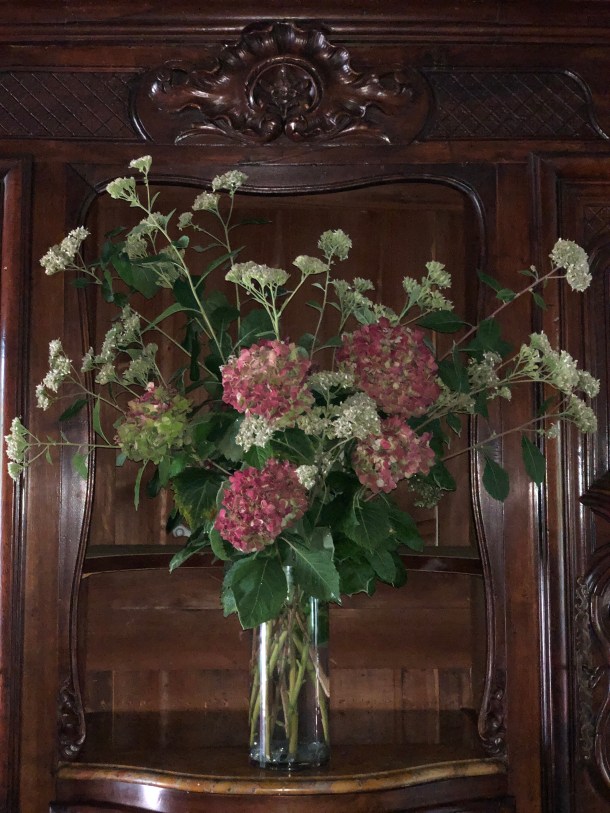
Bringing the natural world indoors reminds me, once again, that Autumn’s gifts never fail to bring happiness to my home. From soft whispers of golds and ochre to vibrant shades of burgundy and orange, fall arrangements lend themselves to a more simplistic style. Gathering your treasures is almost as joyful as placing them in a cherished vase. Let nature speak to you in a soft, sweet seasonal whisper. Savor every precious sight, smell and color of this magical season.
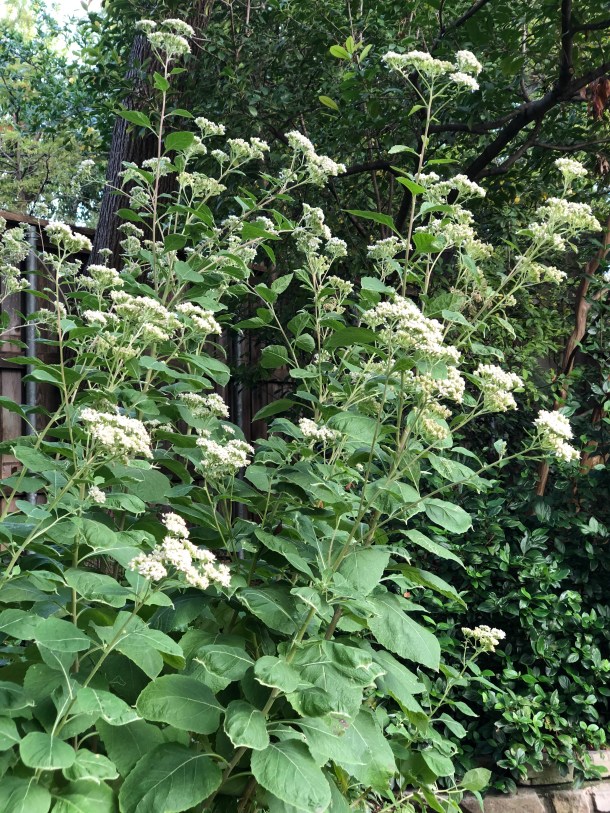
My first experience with frostweed was in 2008 as an intern in the Dallas County Master Gardener Association. It was a “give away” during one of our classes. For the past twelve years it has continued to grow in my garden.
Frostweed growing in the garden
Grow It, Use It – Frostweed is a lovely perennial plant native to Texas and many other states. It is a member of the Sunflower Family. Frostweed grows from 3’-6’ and is covered with white disc-like blooms from late August until November. It is an exceptional nectar source for butterflies like Monarchs and Great Purple Hairstreaks. It grows well in dappled shade.
During the month of October Red Rubin Basil delivers a vibrant splash of deep purple in the garden. Paired with purple-veined kale leaves in a mustard colored French olive pot, the only elements needed to complete the picture are two glasses of robust Pinot Noir and freshly cut Black Mission Figs. Cheers!
Grow It, Use It-Plant Red Rubin Basil in April and watch the colors intensify as the months pass. A location with morning to mid-day sun followed by dappled shade in the afternoon will reward you with that spectacular fall foliage. Bees and butterflies will visit the spiky blossoms until the first frost ends its growing season.
A simple bouquet of Mexican Mint Marigold surrounded by the bold, deep red and purplish savoy leaves of Red Giant Mustard pair perfectly in an unassuming pedestal vase.
Grow It, Use It – Mexican Mint Marigold can be planted in the garden after the danger of frost has passed. It tolerates many different soil types but must have good drainage. Plant it in a location that receives early morning to mid-day sun. The distinctive anise flavored leaves can be harvested throughout its growing season from spring through frost. The real show-stopper attraction begins around late September when bright yellow, marigold-like flowers attract migrating butterflies and other pollinators. Mexican Mint Marigold is a perennial that usually freezes to the ground in winter but reappears in spring.
Red Giant Mustard gets two bonus points; it has good cold tolerance and is more insect resistant than other varieties. Start outdoors in late September and continue growing until late spring. Plant in partial shade. Enjoy its beauty as a dramatic landscape plant but harvest the spicy mustard flavored leaves for eating.
When the glossy dark-green leaves of Japanese Aralia began to lose their color, consider using them in unexpected and unusual ways. As the browning tips gently began to curl and turn upwards, create a sense of drama by giving each uniquely faded leaf its place within the arrangement.
Aralia and Dried Hydrangeas
Aralia growing under an arbor
Grow It, Use It – Japanese aralia is grown around the world as a cultivated plant. Enjoy adding a tropical feel to your landscape by using it as an understory plant beneath trees or large shrubs. Plant it in rich, moist soil that drains well. Aralias prefer part sun to shade and will typically grow to around 8 feet. Try to avoid afternoon sun which may scorch the leaves. Flower stalks with creamy flowers followed by black berries appear in late fall or winter.
Freshly squeezed rosy grapefruit juice is your invitation to come for a perfectly planned fall brunch in the garden. Cascading branches of ‘Rose Creek’ abelia create a relaxing and peaceful environment where you are embraced by nature. Dreamy blush colored blossoms found in this simply elegant tabletop setting create a calming effect.
Abelia ‘Rose Creek’ at Raincatcher’s Garden
Grow It, Use It – Monrovia best describes this variety of abelia as having showy clusters of small, fragrant, white flowers that emerge from rosy pink sepals in summer. It is best planted in rich, well-draining soil in a location that receives full sun.
Come visit our blog again Wednesday morning to see the remaining photos plus a spectacular ‘Grand Finale’ arrangement. We encourage you to stroll through Raincatcher’s anytime this week to experience the full seasonal beauty of our garden.
Raincatcher’s volunteers have always loved Iris. We have some beautiful blue iris in our garden that came from our orginal garden, and we have a happy surprise for you. We are dividing iris and have some to sell! Abbe Bolich, Dallas County Master Gardener, gives an iris tutorial below. By the way, Abbe will become our new Dallas County Master Gardener Association President next year. We are thrilled she will be sharing her abilities with the Association, which supports the Dallas County Master Gardener program including Raincatcher’s. She follows a long line of selfless, capable Dallas County Master Gardener presidents.
Plant sale information will be below the video.
RAINCATCHER’S PANSY AND PLANT SALE
Raincatcher’s Garden of Midway Hills is pleased to offer pansies at a fantastic price for your fall and winter landscape color. We are also offering iris and crinums divided from our own collection, as well as plumerias generously donated by Carol Walsh in memory of her husband and 2020 DCMG Intern, Ed Walsh.
Payments for irises, crinums and plumerias may be brought when you pick them up. Please bring a check or exact change if paying in cash. Volunteers will not have cash on hand to make change due to safety restrictions.
All pansies and plants will be staged at Raincatcher’s for you to pick up from the west parking lot. Raincatcher’s is located on the campus of Midway Hills Christian Church at 11001 Midway Road, Dallas, TX. We will offer delivery in the Dallas area for large orders of 10 flats or more. Please indicate “delivery requested” in the comments section of the slot , and we will notify you to make arrangements. You may pick up your order on Tuesday, 11/3, from 9am until 2pm or contact the garden to make other arrangements for pickup. Volunteers will be available to load your order using strict social distancing and safety measures. You are asked to remain in your vehicle and please wear a mask.
Linda Alexander wrote the following article for the magazine, Estate Life Old Preston Hollow and Bluffview (October edition.) It’s a lovely way to introduce friends to our garden. After reading, enjoy a delightful musical and photographic tour of this special place by watching the video at the end of the aritcle. And, remember to visit us anytime.
Raincatcher’s Garden of Midway Hills
Situated just a half block north of the Midway and Royal Lane intersection is a Dallas County Master Gardener project that you are welcome and encouraged to visit. Raincatcher’s Garden of Midway Hills is located on the grounds of Midway Hills Christian Church at 11001 Midway Road. Master gardeners are on site every Tuesday from 9am until noon to manage and care for 12 different garden areas. Here you will find lovely examples of unique and beautiful garden demonstrations:
North Garden areas:
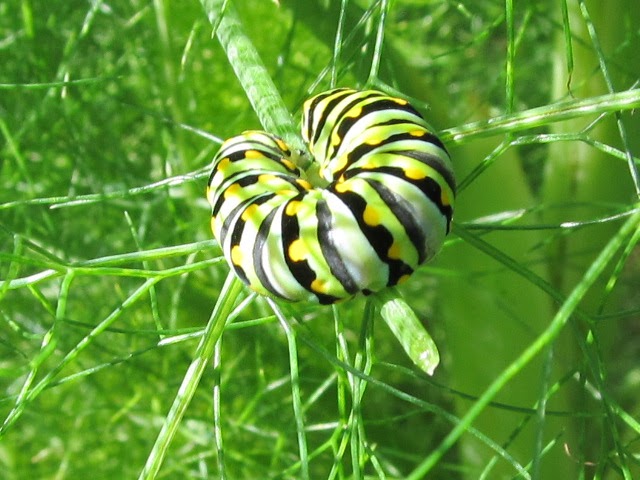
*Pollinator Garden – Birds, bees, butterflies and hummingbirds all seem to find their place here. Swallowtails and fritillaries along with small skippers and honeybees are attracted to the flowers of ‘Miss Huff,’ a huge variety of lantana. Salvia ‘Indigo Spires’ is a favorite of our large native bees. Painted Ladies and duskywing butterflies find the lovely lavender flowers of prairie verbena to their liking. And, the Eastern Black Swallowtail larvae make good use of the common fennel plant.
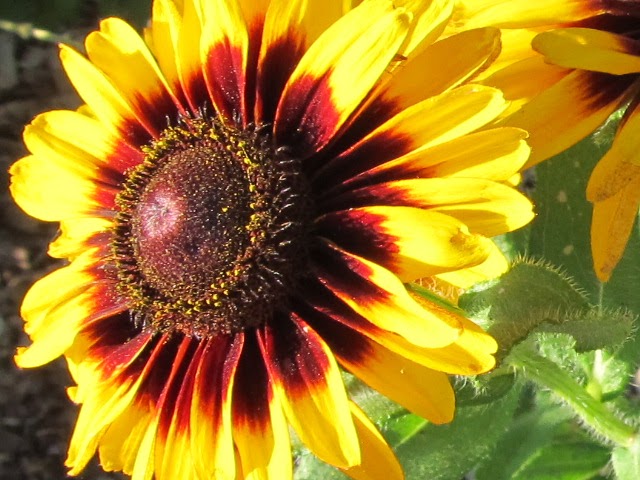
*Color Wheel – If you need help creating a specific look in your landscape, check out the options in our color wheel. Lemon thyme, jalapeno peppers and airplane plant are stars of the green spoke. Blue lovers might give Stokesia aster, black and blue salvia and Gregg’s mist a try. For a bold red look, we’re growing autumn red sage, salvia Greggii and amaryllis. If you’re drawn to mellow yellow try growing columbine, rudbeckia and Stella d’Oro lilies in your garden.
*Grape Arbor – This year our Champanel vines produced enough grapes to make over 40 jars of jelly. Yummm! You might be inspired to start your own grape arbor.
Fruit Orchard – Peach, pear and plum trees were perfectly selected, trimmed and shaped per our Dallas County Extension Agent’s instructions to yield maximum production. We’re especially excited about the new apple tree espalier added to the orchard last year.
*Raised Vegetable Beds – Gardening enthusiasts will find good examples of what grows best in our Zone 8 climate every season of the year. Fall and winter crops include tomatoes, beets, broccoli, Brussels sprouts, greens and winter squashes.
*Composting Area – This is the place where food scraps, leaves and grass clippings are turned into the “black gold” of our garden. Digging into a pile of sweet smelling, finished compost is a gardening joy. Applying it to the soil assures us that we are creating a nurturing environment for growing healthy plants.
Central Garden areas:
*Rain Garden – This area directly in front of the church demonstrates the benefit of capturing rainwater overflow and directing it to a low-lying bed filled with plants that thrive in both wet and dry conditions. Look for crinum, purpleheart, purple coneflower, Turk’s cap, dwarf palmetto and American beautyberry.
*Courtyard – Most visible to church members and tenants is an area of sun and shade between church buildings. Ample shade provides the perfect growing conditions for a variety of Japanese maples and redbud trees, bear’s breeches, beautyberries, cast iron plant, hellebores and sedums. Sunny spots welcome a variety of spring- and summer-blooming bulbs, a dramatic candlestick plant, rosemary and hoja santa among many others.
*The Edible Landscape – Located directly behind the church is an old, abandoned children’s playground where we introduced the concept of combining food with landscaping. Throughout the garden we demonstrate creative ways to integrate edibles into traditional beds and borders. It’s a daunting task to follow the criteria that every plant added to this garden must have at least one part that is edible. With over 75% shade and small pockets of sun to work with, our greatest challenge is finding innovative ways to create an edible landscape each season of the year. We are constantly searching for the lesser-known edible annuals, perennials and evergreens to use in creating a pleasing design aesthetic. Sweet woodruff, variegated society garlic and dwarf trailing sweet myrtle are some new examples of adding style and beauty to our edible landscape.
Raincatcher’s garden is a unique place to visit. We often meet guests who come just to experience the tranquility of a quiet and relaxing environment. Others come to have their senses stirred by the vast array of blooming flowers or herb-lined pathways filling the air with their fragrance. Many come for the educational programs and helpful information which can be applied to the home garden. Children delight in finding caterpillars chomping away on the fennel or monarch butterflies darting from one bloom to the next.
Starting in late winter and spring of 2021 we hope to resume our educational agenda of lectures, seminars, tasting lunches and tours of the garden. Follow us on dallasgardenbuzz.com for a listing of upcoming events and registration information as well as gardening tips and recipes.
When creating and sampling recipes for our 2016 cookbook, A Year On The Plate, these two autumn recipes received rave reviews. There’s still time to plant Swiss chard, turnips and kale for a delicious garden-to-table meal.
Raincatcher’s Garden of Midway Hills is a research, education and demonstration garden and project of Texas A&M AgriLife Extension Service and Dallas County Master Gardeners located on the campus of Midway Hills Christian Church.















 DALLAS GARDEN BUZZ