Throw a log on the fire and enjoy these “cheesy” biscuits with your favorite bowl of soup. Makes about 16.

4 cups all-purpose flour, plus more for work surface
4 teaspoons baking powder
1 teaspoon baking soda
1 teaspoon salt
1 teaspoon sugar
1/2 teaspoon paprika
1 cup (2 sticks) chilled unsalted butter, cut into small pieces
3 cups grated cheddar cheese (9 ounces)
2/3 cup finely sliced fresh sage leaves
2 cups buttermilk
1 large egg, lightly beaten
1 tablespoon heavy cream
Preheat oven to 375° F. In a medium bowl whisk together flour, baking powder, baking soda, salt, sugar, and paprika. Using a pastry blender or two knives, cut in butter until mixture resembles coarse crumbs. Stir in cheese and sage. Add buttermilk, stir with a fork until mixture just comes together to form a sticky dough. On a lightly floured work surface, with floured hands, pat dough into a 1-inch thick round.
Using a 2 1/2 inch biscuit or cookie cutter, cut out biscuits as close together as possible, dipping cutter into flour each time to prevent sticking. transfer biscuits to a baking sheet.
In a small bowl, stir together egg and cream. Lightly brush the top of each biscuit with egg wash. Bake until golden brown rotating baking sheet halfway through, 20 to 30 minutes. Transfer to a wire rack. Serve warm or at room temperature.
Recipe and photo by Linda, adapted from NEW ENGLAND OPEN HOUSE.


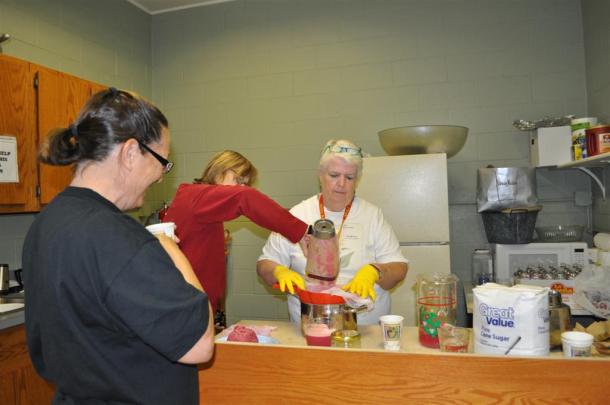
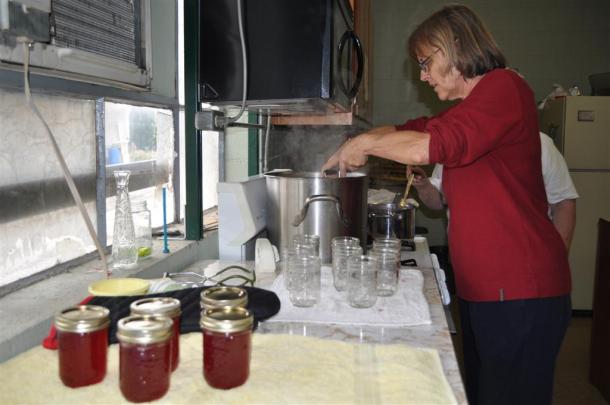
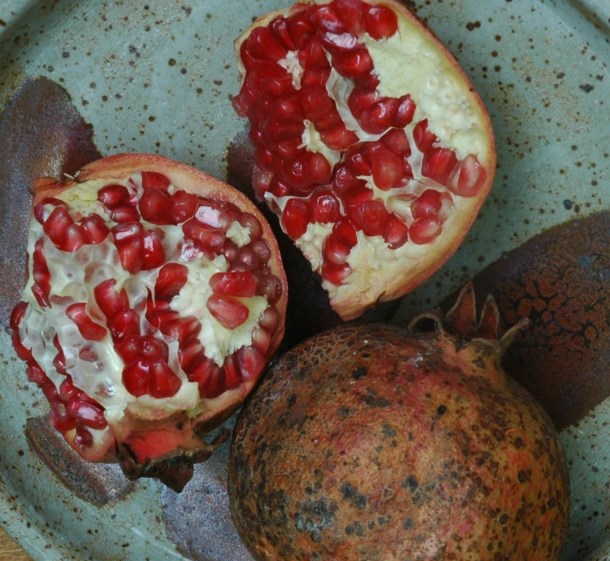 We are wild about pomegranates at the Demonstration Garden. Our three year old tree produced enough pomegranates to fill 12 quart bags of pomegranate seeds and make two dozen jars of jelly.


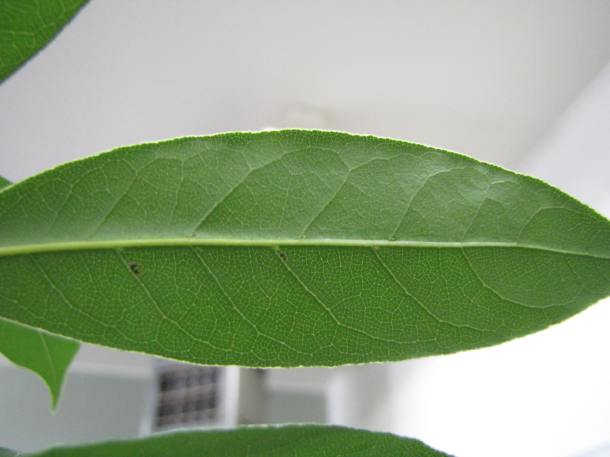
 The ‘Berggarten’ sage leaves are quite a bit larger and more rounded than oval-leafed garden sage. If dried, this sage can lose its flavor and taste more medicinal after awhile. Try freezing the fresh leaves for better flavor. ‘Berggarten’ translates to ‘mountain garden’ in German. The name comes from the gardening plots of the Herrenhausen Gardens in Hanover, Germany, built in 1666 to supply produce for the Herrenhauser Castle in Lower Saxony.
 a garnish for roasted turkeys. Crushed or chopped leaves add a wonderful flavor to soups, teas, vegetables, salmon or tilapia fillets. If you want to keep the lovely pink edge on this sage, be sure to plant it in sufficient sunlight. Otherwise, the leaves will fade to just green and white.