“In the spring at the end of the day, you should smell like dirt.”
― Margaret Atwood, Bluebeard’s Egg
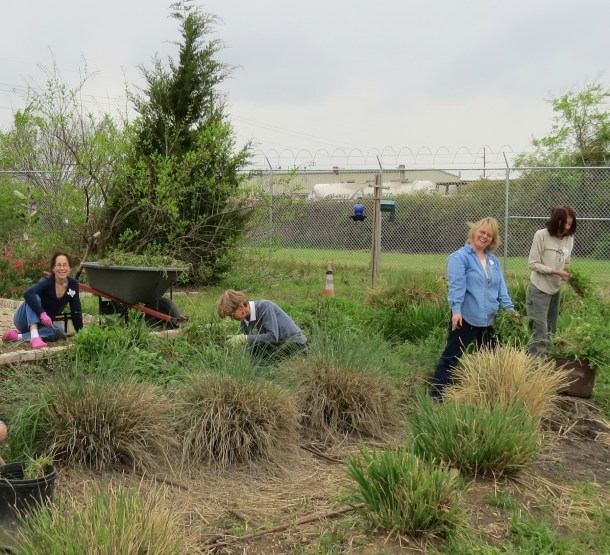
“In the spring at the end of the day, you should smell like dirt.”
― Margaret Atwood, Bluebeard’s Egg
One of the most fascinating aspects of being a gardener is learning about the history of certain plants that are growing in the garden. Our DemonstrationGarden has many plants that have long and interesting pasts. From the Garden’s “vegetable lambs” (a.k.a. cotton) to the fascinating stories behind many of the herbs, the Garden provides a mini-history lesson to the school children who visit.
Around 10,000 BC three grass species are thought to have crossed, giving rise to the plant we now call “wheat.” Archeologists have found evidence of wheat in pits and caves used by humans as far back as 8000 BC. By 6700 BC Stone Age man was using stone tools to grind the wheat into flour. In fact, it is postulated that the “domestication” of wheat and other cereal crops might have been responsible for turning ancient nomadic hunter-gatherer communities into agrarian, stationary societies. By 5000 years ago many civilizations grew wheat as a major crop. The Egyptians were the first to make loaves of bread rise, possibly as a result of using beer, rather than water, as the liquid while making their bread. Wheat bread was so important in Egyptian culture that in the tombs their dead were provided with miniature granaries to provide food for the afterlife. An Egyptian museum even displays a loaf of bread found in one of the tombs. This gives a whole new meaning to the words “stale bread.”
For the past three to four years, the Demonstration Garden has grown a crop of wheat. There are two different types of wheat: fall wheat and spring wheat. For years, the Garden’s wheat seeds (the name of the variety is unknown) were planted in a long raised bed in the spring. However, few wheat stalks made it to maturity. So, after talking to Fred Burrell, who was the County Extension agent at the time, in 2012 the seeds were broadcasted in the fall about 1”-2” apart and about 1”-2” deep in the raised bed. Judging from the plants,
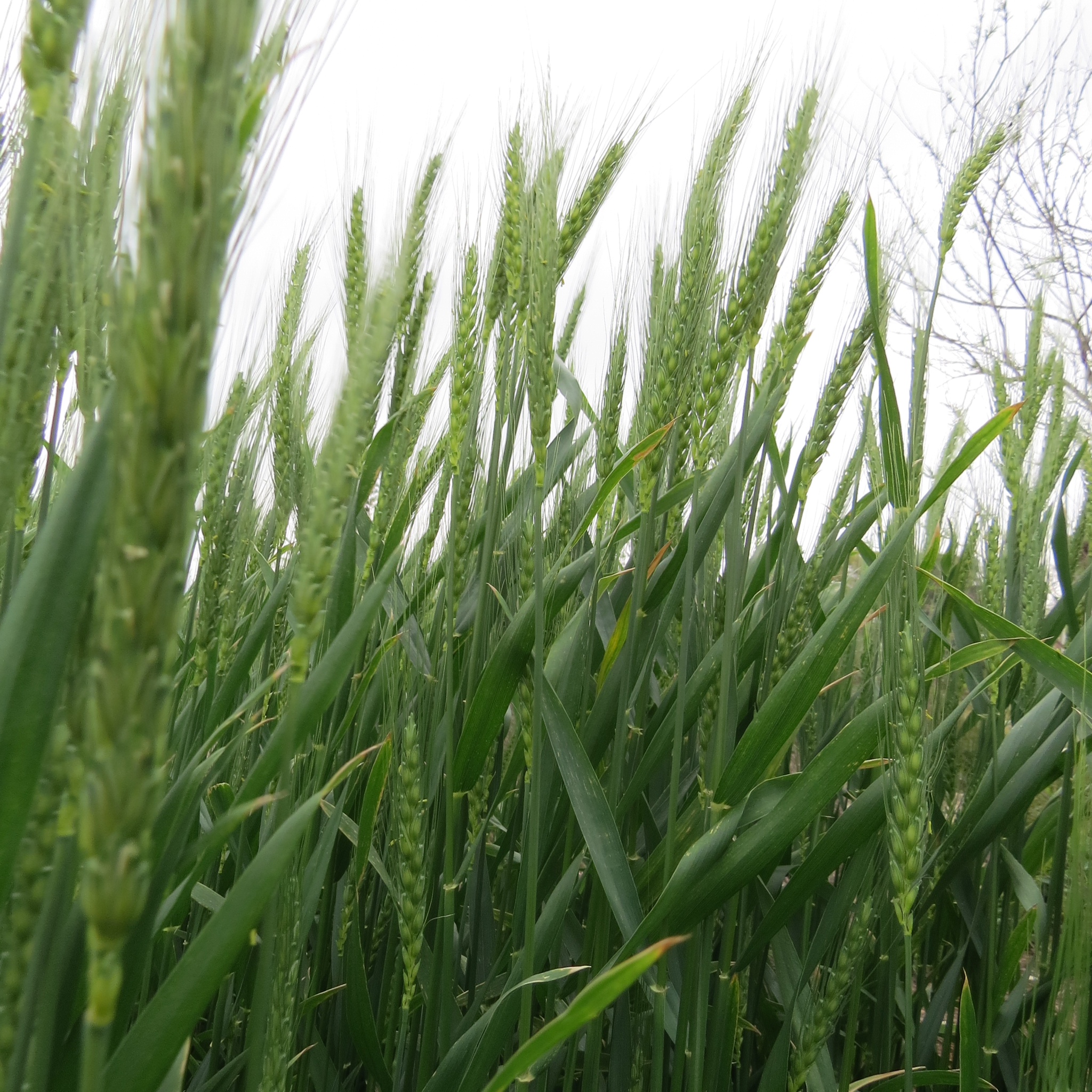
it looks as if a good crop of mature wheat will be obtained this year. By late summer the stalks will turn golden and be harvested.
Until now, the Garden’s wheat crop has been used primarily for educational purposes to show school children an actual wheat plant. In the past, the few wheat stalks that made it to maturity were cut and used for decoration. However, at some point, it is hoped that enough wheat can be grown to actually produce a loaf of bread (or maybe a mini-muffin, since it takes about 10 square feet of planted wheat to make one small loaf of bread).
If you would like to find out more information on growing your own wheat to make bread, there are several articles on the internet describing the process. Mother Earth News has a detailed article on how to go about planting, reaping, threshing, winnowing, and turning the wheat into flour. Growing your own wheat to make bread isn’t as easy as buying a loaf at the store, but it certainly makes one appreciate what our ancestors and even some people today still do to obtain wheat flour. So, as you are eating your morning toast, think about the history of wheat as an important food crop. And, if you have ever grown your own wheat for bread, we would love to hear from you.
Carolyn
Picture by Starla
Dallas Garden Buzz wants to be the blog that helps you achieve the garden results we all long for in North Texas. We don’t want to be just a pretty face but hope to guide you through the garden seasons with advice you can use to prepare and plan your own successful gardens. From time to time, we may share experience from gardens other than The Demonstration Garden to illustrate gardening technique of lessons we have learned.
My Mom asked me to oversee the installation of a new garden patch at her house. I arrived early just in time to see a plot of grass approximately 4 feet wide and 14 feet long being extracted. The old grass went to the back part of the yard where grass had died out.
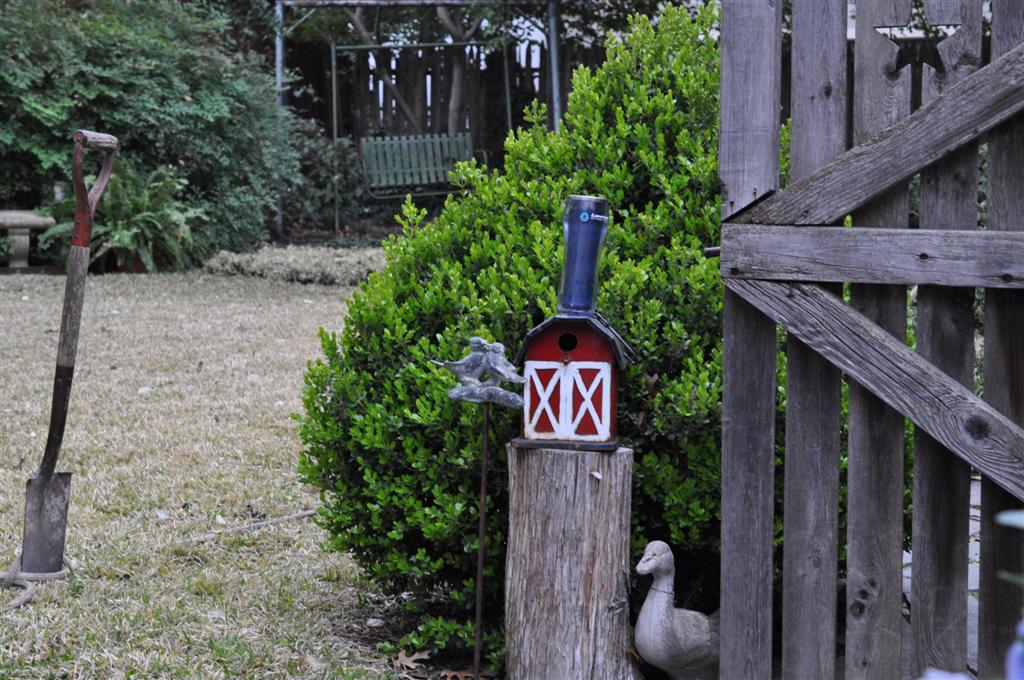
Mom wanted a garden bed wide enough for flowers and a few tomatoes in the sunniest part of her yard. She is also a Dallas County Master Gardener, so we agreed to use the Earth-Kind bed preparation for this new garden. We have used this recipe for soil improvement at The Demonstration Garden.
To coax the clay soil into submission for her dream garden, we added 3 inches of compost and 3 inches of expanded shale. Picture the new garden bed as a cake, think about frosting it with a 3 inch layer of compost and a 3 inch layer of expanded shale. Now till it in so that you have changed the structure of the top 12 inches of soil in your garden.
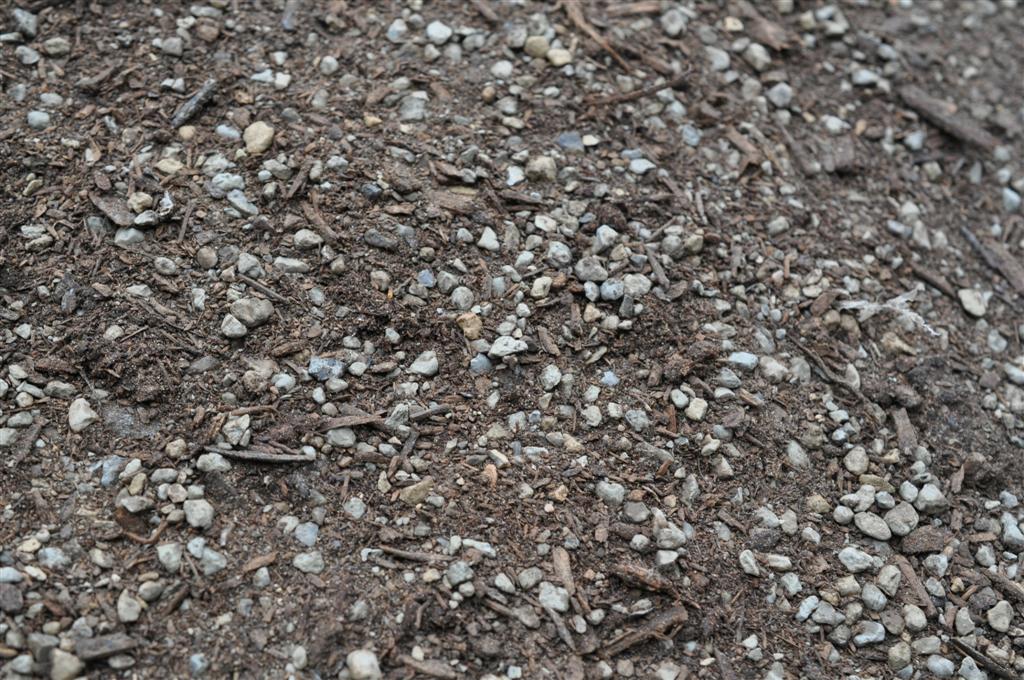
(To make the process easier, Dallasites can purchase a blend of these two products in bulk at places like Soil Building Systems and Living Earth Technology under the product names of Clay Slayer or Clay Killer.) Buy six inches of the product to till into your garden soil (3 inches of compost and 3 inches of expanded shale equals 6 inches of the two combined).
To figure the cubic yards needed we multiplied the 14 feet x 4 feet x .50 feet and divided by 27. If you want to skip the math, use the cubic yard calculator on the Soil Building Systems website. For Mom’s garden one yard of the blended product was purchased and tilled into the plot.
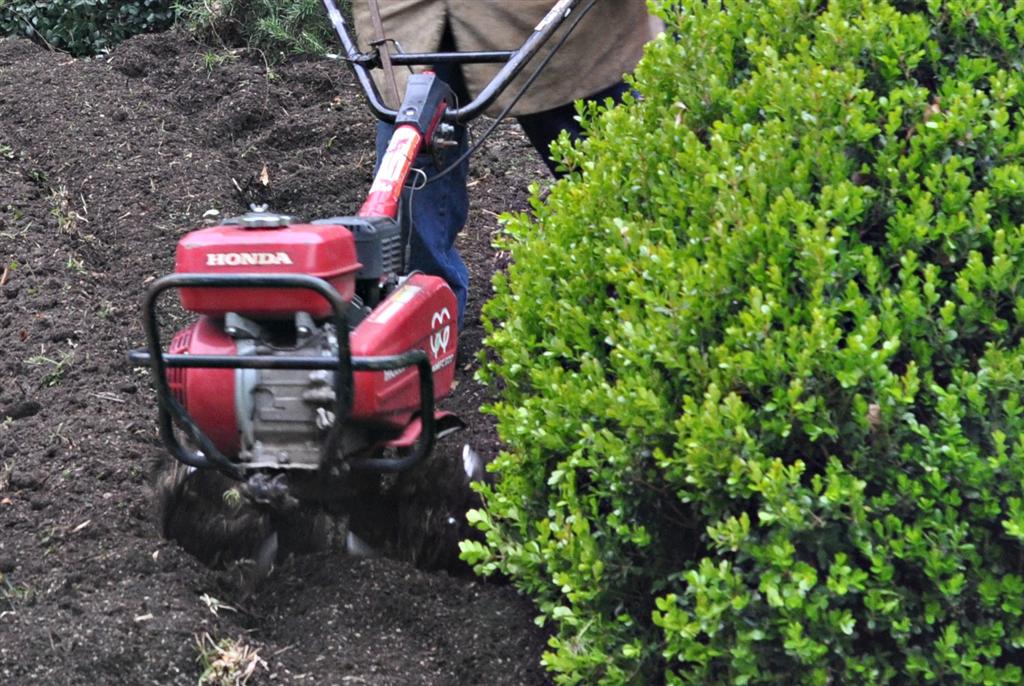
Now that the clay has been amended into luscious, friable garden soil, the garden is ready for planting and will be topped off with 3 inches of mulch.
Mom, your dream has come true!
Ann
Too bad I didn’t get to attend last week’s Dallas County Master Gardener meeting.
I would have learned all about Iris from the speaker, Bonnie Nichols, and could have given you alot of information about them. One thing I know for sure: it was worth it to divide our iris last August. Look at them now! This is a variety called Queen’s Circle. .
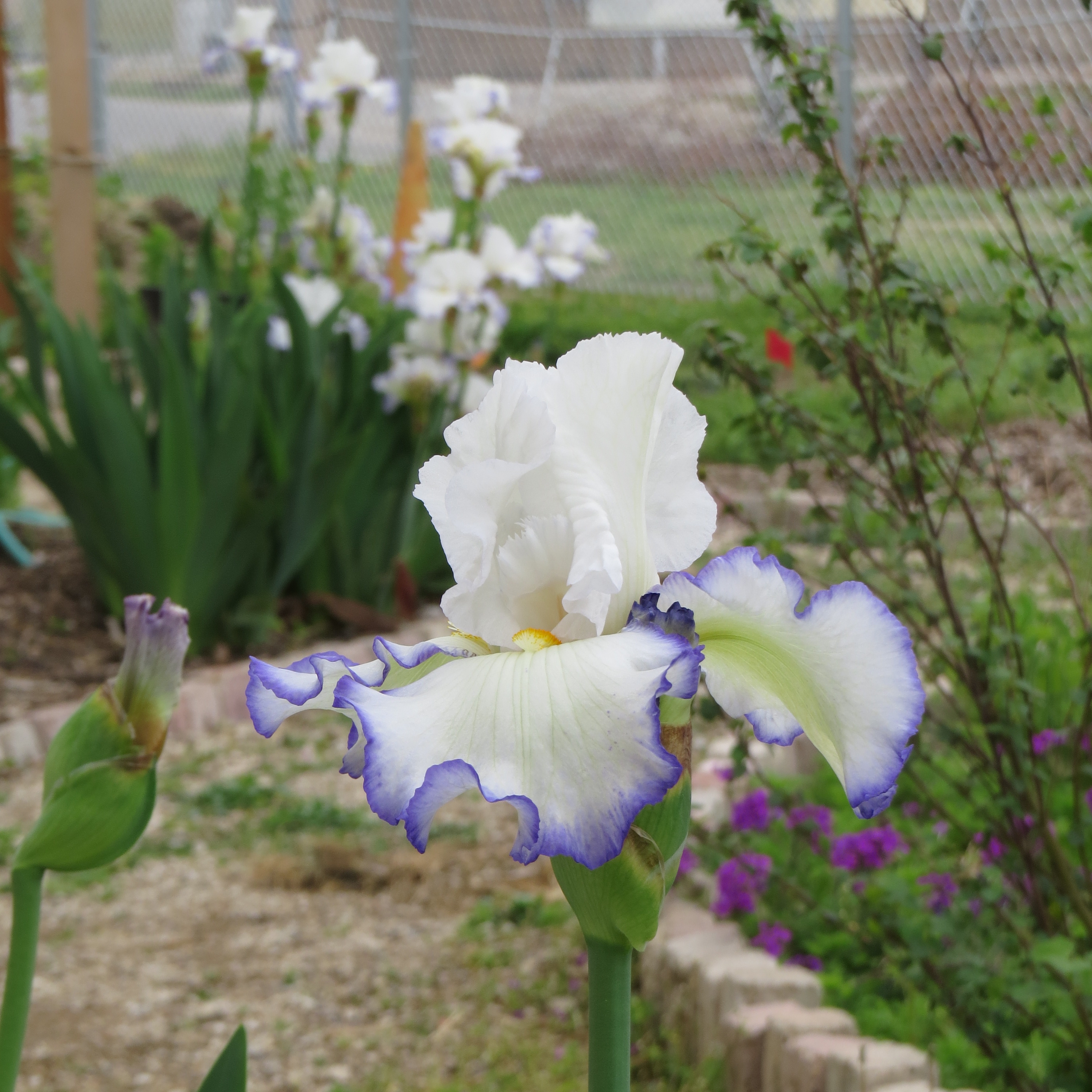
Queen’s Circle is a Tall Bearded Iris, ruffled, with standards that are pure white and falls that are white with purple along the edges with a yellow beard.

We have 8 more Iris varieties about to bloom in another garden called our Rose Trellis Garden. We borrowed the classic pink, blue, and grey color scheme . Our Iris, Larkspur, and the early blooming, can’t live without; Salvia, ‘May Night’ provide the blue.
Ann
Pictures by Starla
In the garden today we clipped, potted, cleaned our garage, and accomplished a number of our spring chores. The flowers in our garden watched us with no thought of breaking a sweat.
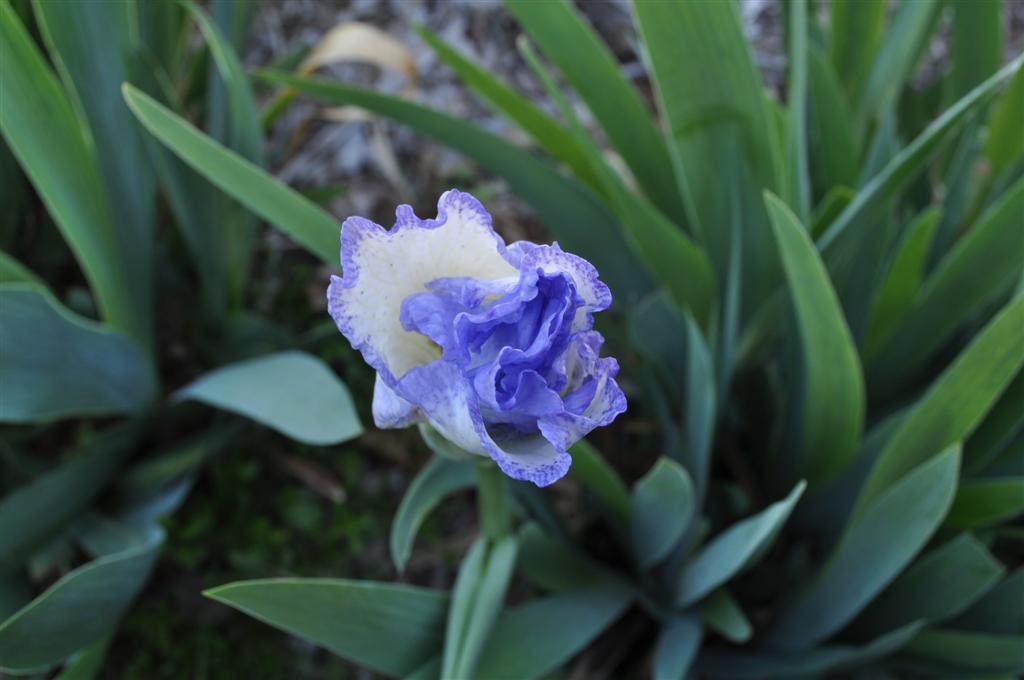
This is Iris ‘Frothingslosh’ -yes, that really is the name!

Larkspur is already blooming in our color wheel.
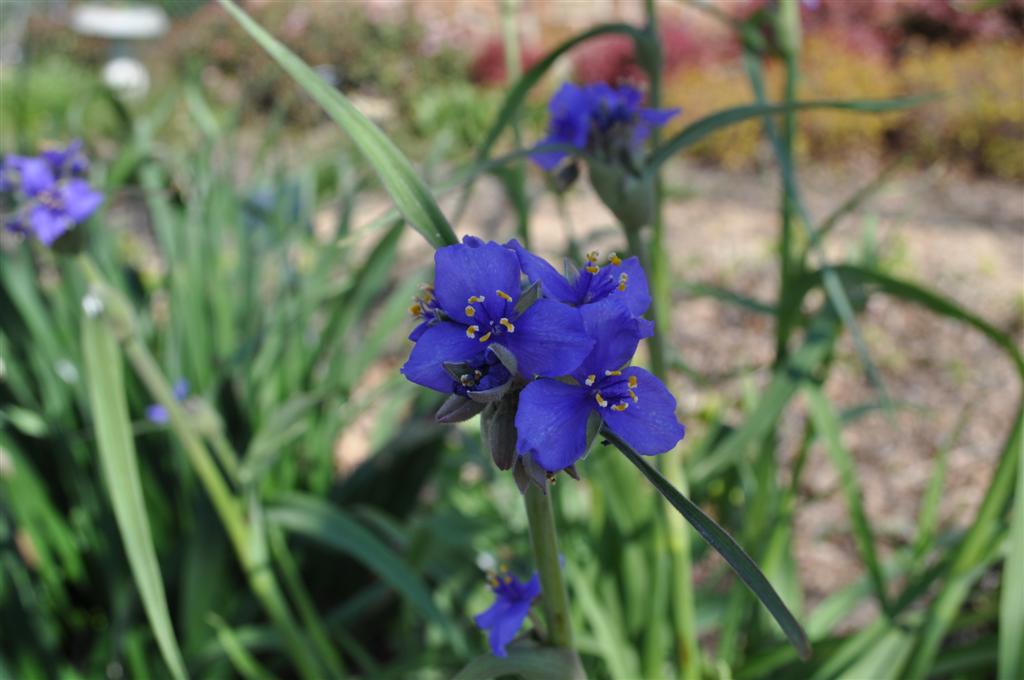
Spiderwort a carefree, sure sign of spring.

We found this heavy, wheel weight at the back of the property and moved it in front of our bed of wheat. It is such a neat artifact, we wanted everyone to see it and appreciate it as much as we do!
Ann
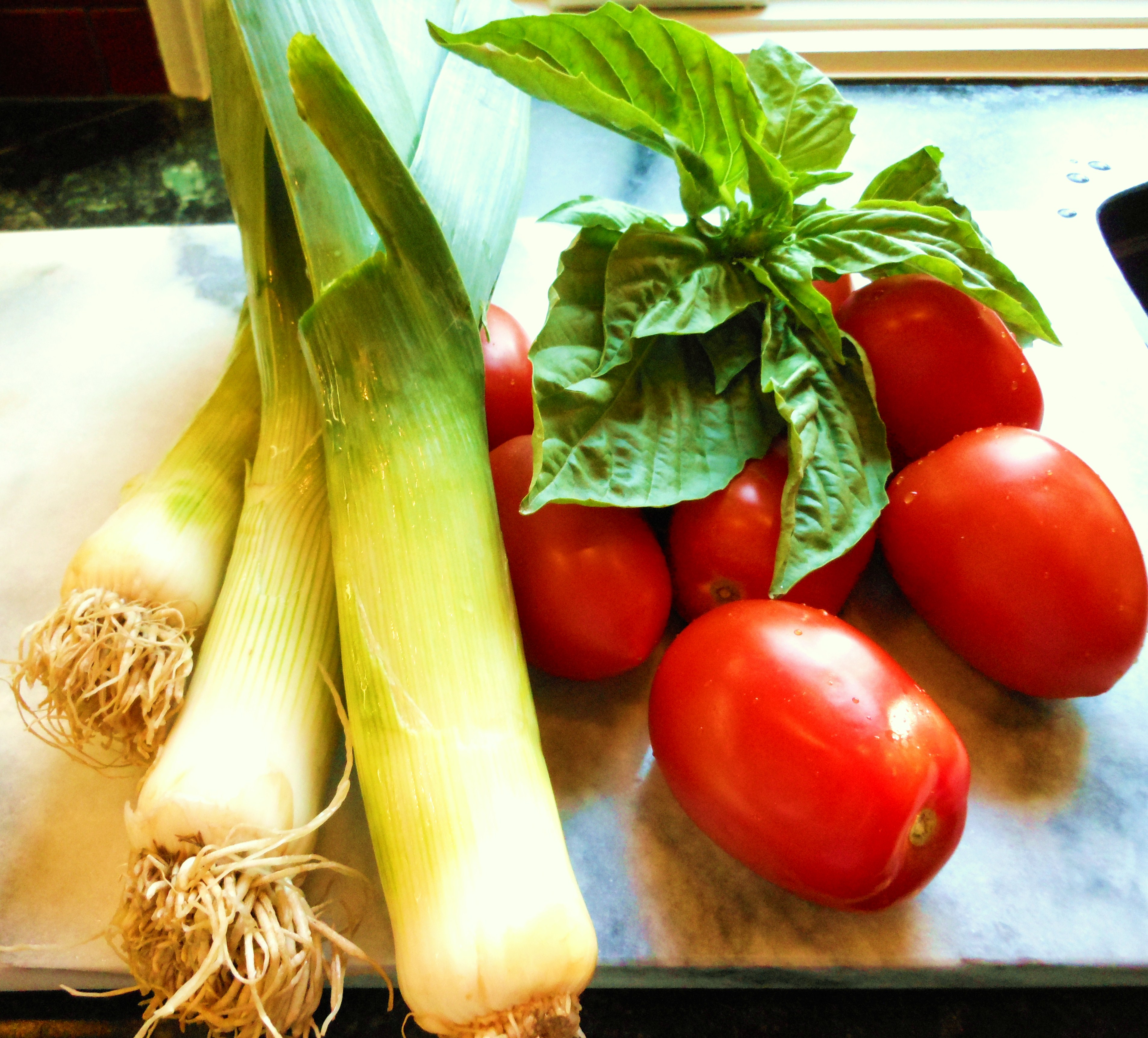
½ (15-ounce) package refrigerated piecrusts
1 (8-ounce) package shredded Italian three-cheese blend, divided
3 medium leeks, sliced (about 1 cup)
2 Tablespoons olive oil
8 plum tomatoes, sliced
1 cup loosely packed fresh basil leaves, coarsely chopped
3 garlic cloves, coarsely chopped
4-5 slices of crumble cooked bacon
½ cup mayonnaise
¼ cup freshly grated Parmesan cheese
1 Tablespoon fresh lemon juice
½ teaspoon pepper
Garnish: fresh basil sprigs
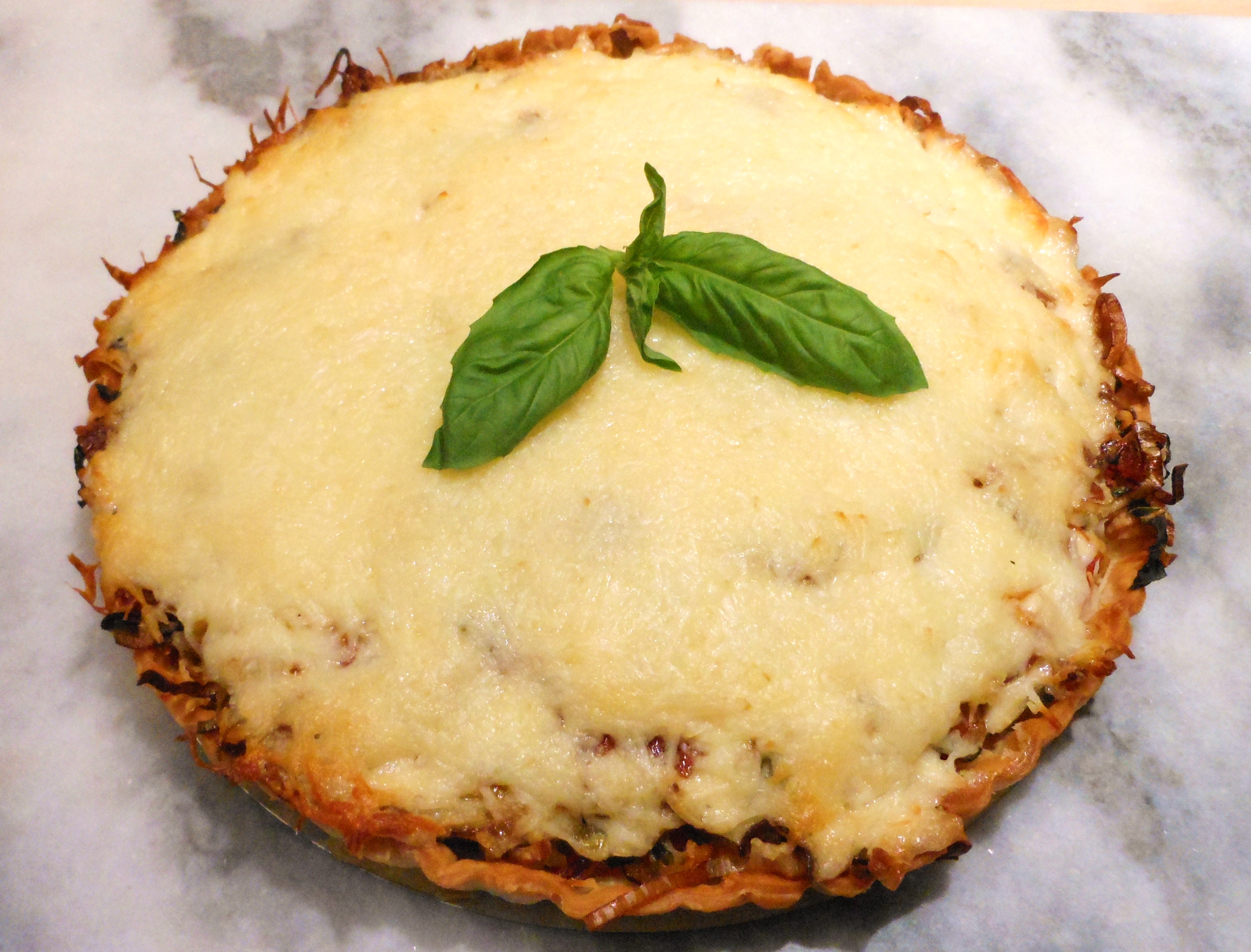
1. Coat a 9-inch tart pan with cooking spray. Fit piecrust into pan according to package directions.
2. Bake at 450* degrees for 10 minutes or until golden. Remove crust from oven; sprinkle with 1 cup cheese blend.
3. Sauté leeks in hot oil in a skillet over medium-high heat until tender; sprinkle over crust. Arrange tomatoes over leeks; sprinkle with basil and garlic.
4. Stir together remaining 1 cup cheese blend, bacon, and next 4 ingredients. Spoon over tart, spreading to edges.
5, Bake at 375* degrees for 25 minutes or until golden. Cut tart into 4 slices, or more, if desired. Garnish with basil sprigs.
Makes 4-6 Servings
Linda
Note: This recipe was a Southern Living 2003 Cook-Off Winner
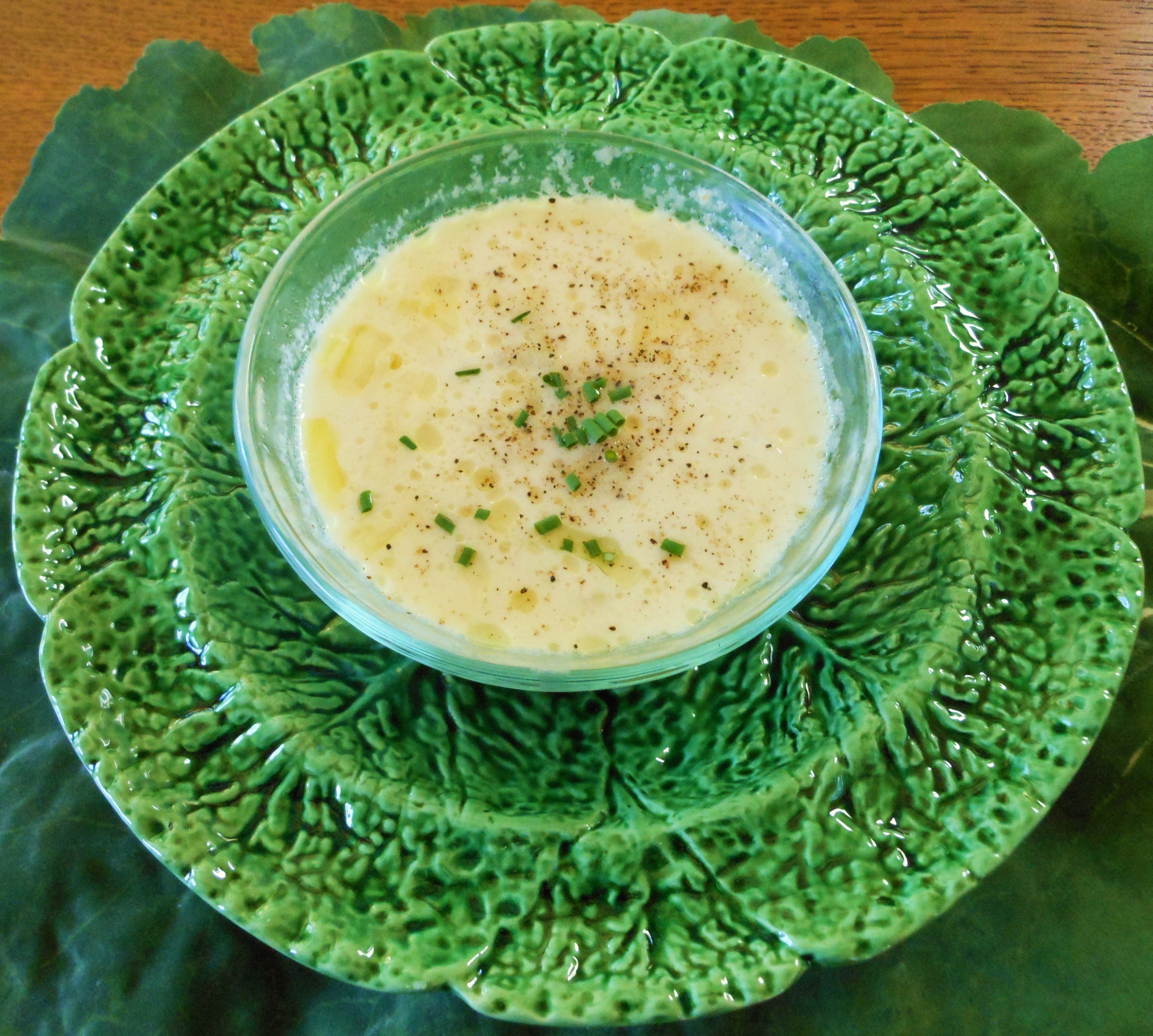 3 pounds medium potatoes
3 leeks or about 6 cups chopped
6 Tablespoons butter
6 to 8 cups water or chicken broth
1 cup half and half or evaporated milk
Salt and pepper to taste
Garnish: Bacon bits and/or sour cream and chives
1. Peel and cube potatoes. Wash, trim, and chop the leeks, using as much of the green tops as is fresh.
2. In large stock pot, melt butter and add leeks, lightly cooking on medium heat until wilted.
3. Add potatoes and broth. Bring to boil, reduce heat and simmer until potatoes are tender, about 40 to 45 minutes. If a thicker soup is desired, drain some of the liquid at this time. Add half and half or evaporated milk and heat before serving. Taste for salt and pepper. Garnish, as desired.
Serves 14 – 16
Linda
Recipe is adapted from The Peach Tree Tea Room Cookbook
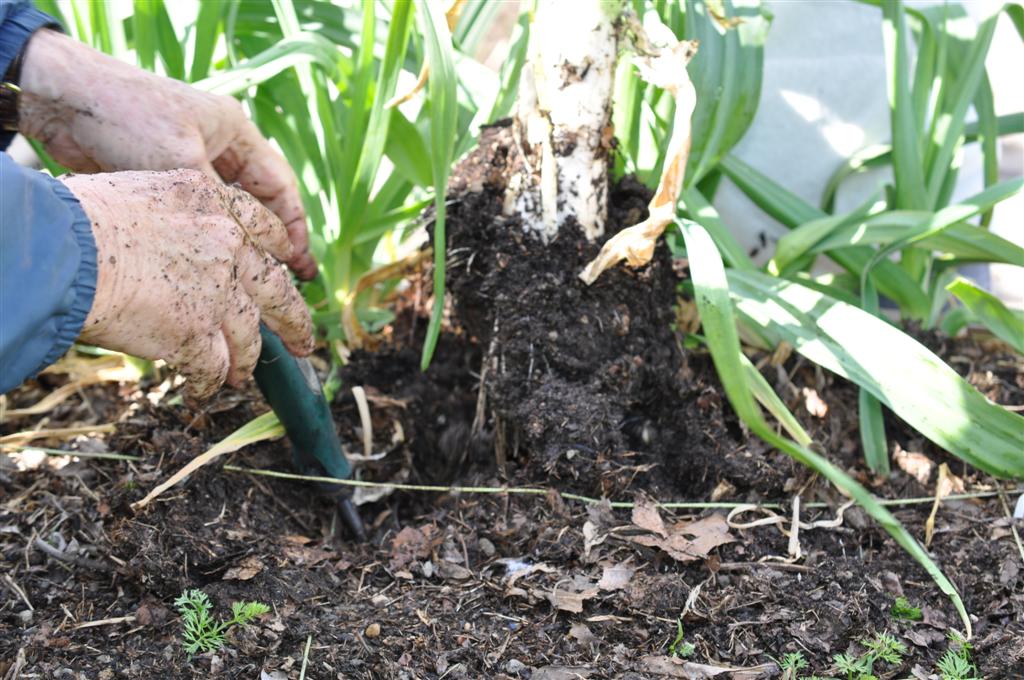
Jim wasn’t exactly sure what had been given to him when he dropped that pencil thin “slip” into the ground over 6 months ago. This week our garden gave us the answer. Buried deep in the soil and somewhat stubborn about wanting to come out, we were finally able to get beneath the dense roots and give a hefty yank. The game of tug-of-war had ended and our leek surrendered to an early spring harvest.
Leeks are related to garlic and onions but have a much subtler, sweeter and more sophisticated flavor. They can be used to enrich soups or stews and partner well with potato and cheese to form tasty side-dishes and suppers that comfort and satisfy throughout the fall and winter.

History
Leeks have been cultivated for thousands of years and are depicted in surviving tomb paintings from the time of the Ancient Egyptians. The Romans considered the leek a superior vegetable with Emperor Nero thinking that eating leeks would improve his singing voice.
Biology
The leek is a member of the onion family. It thrives in cooler climates and is tolerant of frost, hence its great popularity as a winter vegetable.
Nutrition
Leeks are an excellent source of vitamin C as well as iron and fiber. They provide many of the health-giving benefits associated with garlic and onion, such as promoting the functioning of the blood and the heart.
Preparing
Remove any damaged outer leaves. Trim the rootlets at the base and cut off around a half to two thirds of the dark green tops. Partially cut the leaks in half lengthwise, starting at the middle and running the knife up to the green tops. Make a second lengthwise cut perpendicular to the first, allowing you to fan out the leaves. Give them a good rinse to remove the dirt that can get trapped inside as the leek grows. Enjoy these simple recipes coming your way in the next few days!
Linda
Like an orchestra warming up, the exquisite period of spring is just about to lift the baton for the opening crescendo. Nature gifts us with a few achingly beautiful days every year: a December snowfall, a flutter of yellow leaves in crisp November. But, for me, the most breathtaking time of the year comes in a few days in March when spring quietly tells you it’s on its way.
Close your eyes and smell deeply of a Texas spring. It comforts you with the humid promise of drenching rains and crackling thunderstorms. The sweet grape Kool-Aid perfume of Texas Mountain Laurel drifts by. Black compost, filled with earthiness, crumbles in your hand.

Listen for signs of a Texas spring. The red cardinal sits up on top of the bare branches of a cedar elm, sings for a mate. The mud from today’s rain sucks at your shoes. The white wing dove coos.

Finally, look for a Texas spring. Not in shoulder to shoulder tulip blooms. Rather, one can find spring in native redbuds bursting out in vibrant pink branches in a field of deciduous brown. Or in tall spiderwort thrusting their hot pink flowers high above a mass of foliage. Or in the Mexican plum’s first white blooms, pretty as the lace of a bride’s dress.
A Texas spring. Savor it this year.
Elizabeth
Thank you, Steven Schartzman, for use of his pictures from the blog: Portraits of a Wildflower
If you’ve never been thrilled to the very edges of your soul by a flower in spring bloom, maybe your soul has never been in bloom. — Terri Guillemets
Please don’t take this quote harshly, enjoy these pictures of spring blooms from our garden. If you have never been thrilled to the very edges of your soul by spring blooms, maybe today is the day!
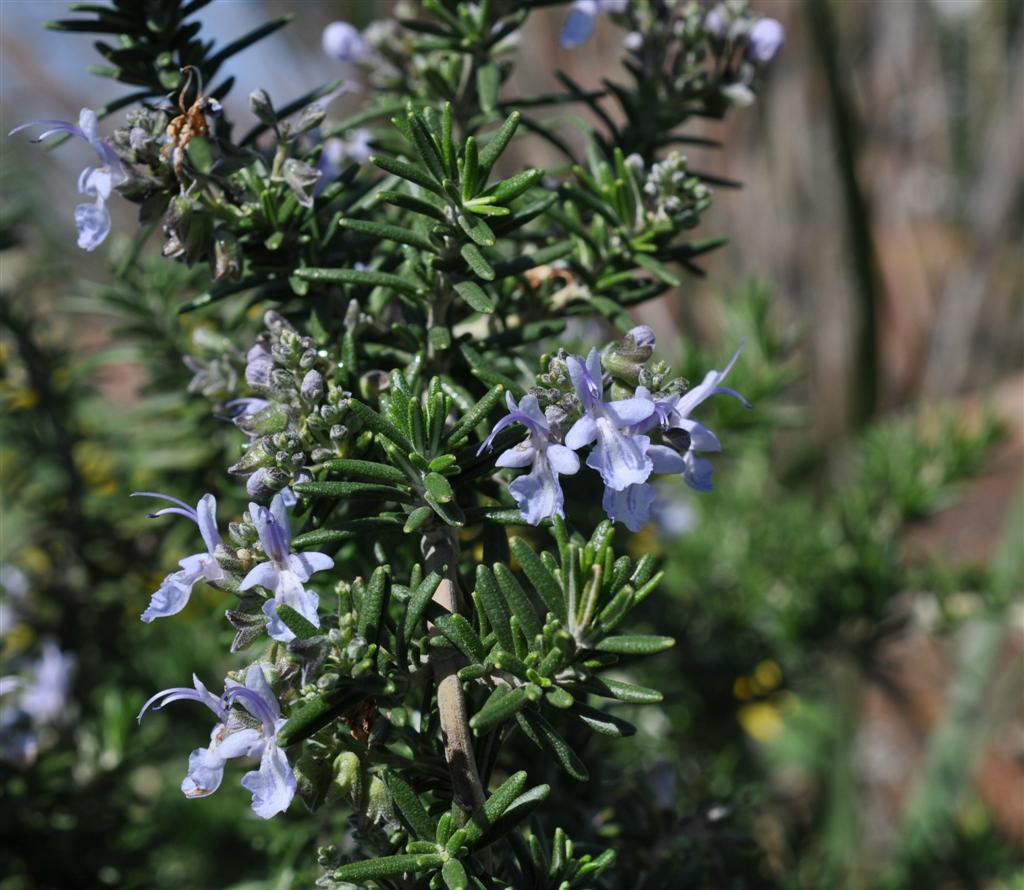
Pale blue blooms of Rosemary in our Entry Garden:
Narciuss Campernelle. This narcissus has a fragrance so sweet, they are also known in East Texas cirlces as “sweeties”.

Narcissus Grand Primo faithfully blooms every year and muliplies into larger and larger clumps to enjoy. Our bulbs are from The Southern Bulb Company in Golden, Texas. These Heirloom bulbs are the equivalent of a ‘slam dunk’ for gardeners. Plant them in the fall. They will make points for you each spring.
Ann



 DALLAS GARDEN BUZZ