Our hearts are with our fellow Texans under duress because of Hurricane Harvey.
Here are two posts about the area:
Ann Lamb
Our hearts are with our fellow Texans under duress because of Hurricane Harvey.
Here are two posts about the area:
Ann Lamb
Have you always wanted to grow a passion vine but have too much shade to grow the showy purple Passiflora incarnata? Or perhaps you have a butterfly garden and are interested in providing one of the host plants for Gulf Fritillary, Julia and Zebra Longwing butterflies? Well, if you don’t mind having a Lilliputian passion flower that is only about an inch in diameter, then Passiflora lutea is for you.
Passiflora lutea is also known as yellow passionflower, though the color of the flowers may range from chartreuse to off-white. It is a native plant in Texas that blooms from May through September. In Dallas it is considered a perennial herbaceous climbing or trailing vine that can reach 15 feet in height. Here it will loose its wide shallowly-lobed leaves in the winter but it comes back reliably in the spring. The fall leaf color is a shade of yellow. Though considered somewhat drought tolerant once established, P. lutea prefers moist, rich soil. Its flowers are followed by small black berries, which some say are edible but not very tasty.
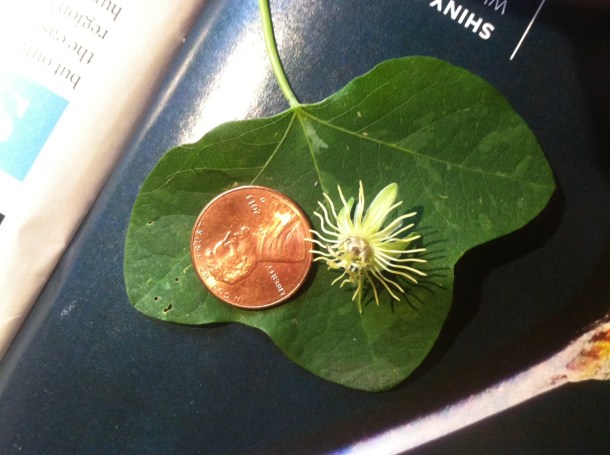
Tiny Yellow Passionflower and Leaf From Carolyn’s Garden
I have P. lutea growing wild in my shady yard near White Rock Lake. If I don’t keep an eye on it, the vines can grow rampantly in some spots. However they are very easy to pull off from wherever they are growing. I also have one pot of purple Passiflora incarnata and have noticed that the Gulf Fritillary butterfles tend to prefer to lay their eggs on P. incarnata rather than P. lutea. However, one of my neighbors had P. lutea growing in her yard and had many caterpillars feeding on it.
One of the historic uses for the berries has been to make ink. A recommended recipe is: ½ cup of P. lutea berries, ½ tsp. salt, and ½ tsp. vinegar. Crush the berries, and then strain the liquid through a fine sieve. Then add the salt and vinegar. Though this ink is not archival, the deep purple-black color is pretty
Yellow passionflower is not often found in most garden centers. However, Roseann Ferguson says that the annual plant sale at Texas Discovery Gardens will carry it. The dates for this year’s fall sale are September 15-16 with the member-only sale taking place on the 15. Many of their unusual plants sell out quickly, so get there early and consider becoming a member. Further information about the plants that will be for sale will be posted on Texas Discovery Garden’s website (www.txdg.org) closer to the date of the sale.
Carolyn Bush
Starla said, “my favorite color this week is violet.”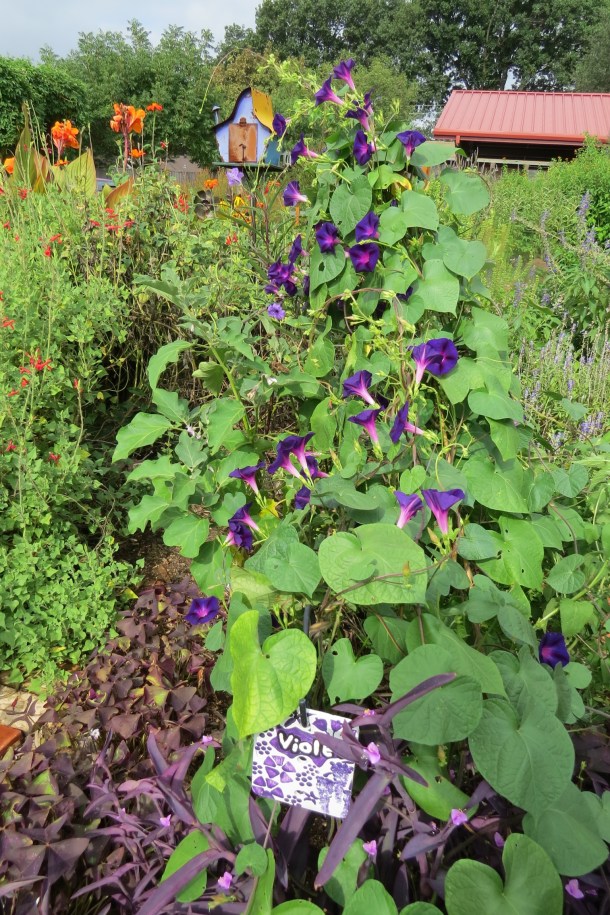
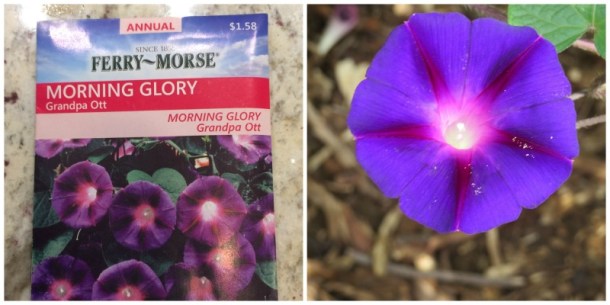
Thank you, Starla, we like it and welcome back!
Ann Lamb
Click here for other August photos
Send us your comments about the eclipse! We are interested!

Green Tomato Brown Betty
Green Tomato Brown Betty
Ingredients:
2 cups crumbs (graham cracker, whole wheat cracker or cookie crumbs)
1 stick unsalted butter, melted
3 pounds (approximately 3½ cups) unripe green tomatoes, thinly sliced
¾ cup raisins
Juice of 1 lemon
1¼ cups light brown sugar
1 tablespoon cinnamon
1 teaspoon ground allspice
½ cup apple juice
Directions:
Serves 8
Adapted from TOMATOES: A Country Garden Cookbook by Jesse Cool
Tomato Ginger Upside-Down Cake
Ingredients:
1 stick unsalted butter, melted
1 tablespoon grated fresh ginger
6 tablespoons light brown sugar
2 to 3 ripe tomatoes (or enough to cover the bottom of the pan as you would a pineapple upside-down cake), skinned, seeded and sliced ¼ inch thick
1 stick unsalted butter, softened
1½ cups brown sugar
½ cup molasses
2½ cups unbleached white flour
2 teaspoons baking powder
1 tablespoon ground ginger
½ teaspoon ground cloves
1 cup buttermilk
Directions:
Serves 8 or more
Adapted from TOMATOES, A Country Garden Cookbook by Jesse Cool
Recipes and Picture by Linda Alexander
Editing-Lisa Centala
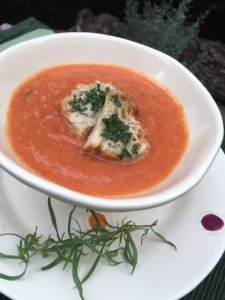
Cream of Tomato Soup with Parsley Croutons
Cream of Roasted Tomato Soup with Parsley Croutons
Ingredients:
2 pounds large, ripe tomatoes
Olive oil to coat tomatoes
8 shallots
1 small carrot
1 small fennel bulb
3 tablespoons unsalted butter
2 cups chicken or vegetable stock
5 to 6 sprigs fresh tarragon
5 to 6 sprigs fresh parsley
Salt and freshly ground black pepper, to taste
1 cup heavy cream (optional)
Parsley Croutons:
12 thin slices baguette
Olive oil to generously coat both sides of each piece of baguette
3 cloves garlic, cut in half
½ cup Teleme cheese, grated (or use your favorite semi-soft cheese, such as Brie, Havarti, Monterrey Jack or Port Salut)
¼ cup chopped fresh parsley
Directions:
Serves 4
Adapted from TOMATOES, A Country Garden Cookbook by Jesse Cool

Summer Cherry Tomato Dressing
Summer Cherry Tomato Dressing
Ingredients:
8 ounces small cherry or other tiny tomatoes, halved or quartered, depending on size
3 tablespoons extra-virgin olive oil
2 tablespoons drained, oil-packed sundried tomatoes, thinly sliced
1 tablespoon fresh basil leaves, thinly sliced
2 teaspoons drained capers, coarsely chopped
2 teaspoons sherry vinegar
2 teaspoons fresh orange juice
½ teaspoon minced fresh garlic
¼ teaspoon Kosher salt
Directions:
Yield: About 1 ¼ cups
Adapted from Edible Dallas and Fort Worth, Summer 2010
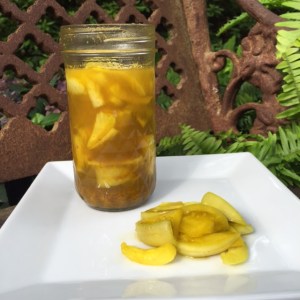
Curried Tomato Pickles
Curried Pickled Tomatoes
Ingredients:
2 pounds unripe green tomatoes
2 medium yellow onions
4 to 5 fresh whole red chili peppers
3 to 4 cups seasoned rice wine vinegar
3 bay leaves
3 cloves garlic
1 teaspoon whole allspice
2 tablespoons curry powder
1 tablespoon whole cumin
Directions:
Makes 4 to 5 pints
Adapted from TOMATOES: A Country Garden Cookbook by Jesse Cool

Heirloom Tomato and Fresh Peach Salad
Heirloom Tomato and Fresh Peach Salad over Whipped Burrata Cheese
Ingredients:
2 heirloom tomatoes, cut into wedges
4 yellow pear tomatoes, cut in half
2 ripe peaches, sliced
2 watermelon radishes, thinly sliced on a mandoline
12 zucchini spirals, thinly sliced longwise on a mandoline
2 tablespoons pine nuts, lightly toasted
16 ounces Burrata cheese (may substitute fresh mozzarella and cream for thinning)
Directions:
1. Whip Burrata cheese in a food processor until creamy and spreadable.
2. Spread equal amounts of the cheese onto four salad plates, forming a circle.
3. Arrange an even number of tomato wedges, peach slices, radish slices and zucchini spirals on top of the cheese.
4. Sprinkle the pine nuts evenly over each of the four plates.
Serves 4
Tomato Tart
Ingredients:
1 unbaked 10-inch pie crust (boxed, refrigerated type preferred)
Pinch ground nutmeg
1½ pounds Roma tomatoes, thickly sliced
1 rib celery, coarsely chopped
1 carrot, peeled and coarsely chopped
1 medium red onion, coarsely chopped
1 clove garlic, minced
¼ cup Italian parsley, coarsely chopped and firmly packed
2 tablespoons olive oil
2 tablespoons unsalted butter, melted
Salt
Freshly ground pepper
1 tablespoon minced fresh basil
4 large eggs, lightly beaten
2 ounces Parmesan cheese, freshly grated (½ cup)
1 large tomato, seeded and thinly sliced
Fresh basil leaves to garnish
Freshly grated Parmesan cheese to garnish
Directions:
Serves 8
Adapted from Stop and Smell the Rosemary by Junior League of Houston
Recipes and Pictures by Linda Alexander
Editing by Lisa Centala
More Tomato Recipes Tomorrow!
What am I ?
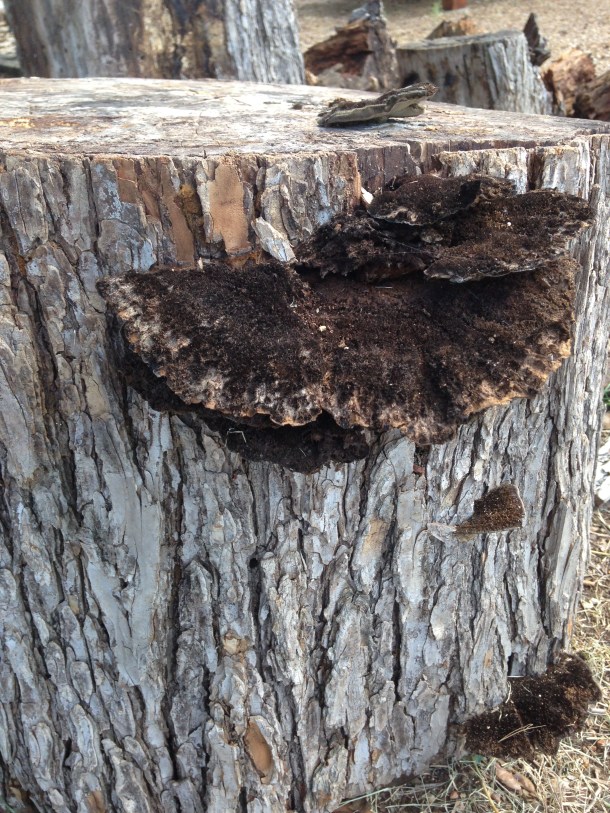
It appears that the latest visitor to the edible landscape garden is a Brown Shelf Fungus. It was found on one of the logs that has been used as a garden seat. Fungi are many-celled filamentous or singlecelled primitive plants. They lack chlorophyll and must live on decaying plants to get carbohydrates.
The Brown Fungus produces hydrogen peroxide to decompose the cellulose in the wood. Since the hydrogen peroxide (H2O2) is a small molecule, it can move rapidly through the wood. This will mean that the decomposition will not be just surrounding the area of the hyphae or filaments of the fungus. The log will eventually decay and become part of the surrounding soil.
Mark Jones
Picture by Kim Kirkhart
Growing Fall Tomatoes
There’s still time (just a little…) to get your tomatoes in for a fall crop. Jeff Raska, horticulturalist with Texas A&M AgriLife Extension Service and longtime tomato grower, will share his recipe for success with this garden favorite. We will also have a few extra tomato plants available for sale after the class.

Jeff has helped design a tomato trial, which we are implementing at Raincatcher’s. Our volunteers will plant two of the same variety of tomato into each of three raised beds to demonstrate results from different types of fertilizer: compost, organic and chemical.
Raincatcher’s is a demonstration garden and project of Texas A&M AgriLife Extension Service and Dallas County Master Gardeners located on the campus of Midway Hills Christian Church. To find the fellowship hall, please park in the west parking lot and come through the courtyard to the south church building.
After the class, we will be hosting a tomato sampler lunch with suggested donations of $10 per person. Details below.
Bring a friend, the public is welcome to either or both events.
Lisa Centala
Tuesday, August 1
11:00 AM – 12:00 PM
Raincatcher’s Garden of Midway Hills, Fellowship Hall, 11001 Midway Rd, Dallas, TX 75229
“Just-picked, Homegrown and Vine-Ripened”
Welcome to the World of Tomatoes!
Join us at the tasting table immediately following Jeff Raska’s presentation…“Growing Fall Tomatoes”
$10.00 per person suggested donation
Menu
Cream of Roasted Tomato Soup with Parsley Croutons
Heirloom Tomato and Fresh Peach Salad over Whipped Burrata Cheese
Summer Cherry Tomato Salad Dressing Tossed with Mixed Greens
Tomato Tart
Curried Pickled Tomatoes
Green Tomato Brown Betty or Tomato Ginger Upside Down Cake
Linda Alexander
Leave a comment on our blog if you have a question!
If your green thumb is ready to branch out into living color, visit our Rainbow Garden for inspiration and plan on taking lots of photos. You’ll find a colorful mix of flowers and vegetables growing in harmony. In the summer heat, early morning is a good time to stop by. Enjoy iridescent dragonflies and come face to face with giant bees casting their drunken shadows on the garden, touch fuzzy silver green lamb’s ear, and see if you can identify standing cypress. (Hint- it is red.)
See the violet morning glory threaten to take over the purple heart growing beneath it. Compare the many shades of blue flowers and notice the exuberant orange Mexican sunflower. Inhale the aroma of fresh basil and see how the eggplant and strawberries are doing.
Now take a shady break under the garden’s charming vine-covered entrance arbor and make notes before heading to the nursery to create your own rainbow. The rainbow garden doesn’t get any shade from the hot summer sun and receives only minimal supplemental water so you know these plants can take the heat in your own sunny spots at home. Drop by anytime and let the garden inspire you.
Gail Cook
Pictures by Starla Willis and Ann Lamb
Insects are as a group complicated and mysterious. Everyone loves dragonflies. Butterflies have clubs and societies devoted to their protection. Gardens are designed just to attract them. There are t-shirts and even jewelry to honor them. Why every sighting seems to cause joy and excitement.
Oak Galls are amazing and mysterious—but for some reason nothing seems to be done in their honor.
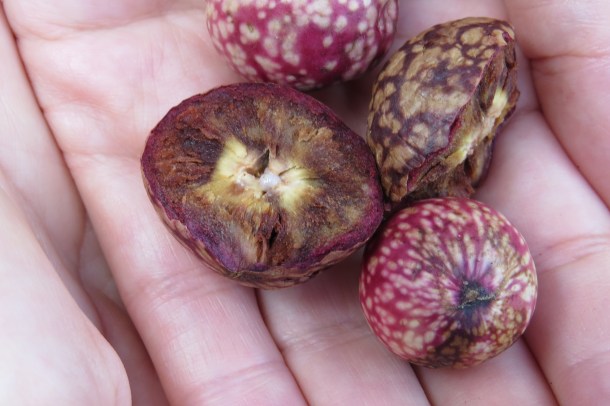
Handfull of Oak Galls
This is not fair–and this is why. Oak galls are made by tiny creatures almost all of these are cynipid wasps. Just as there are different types of butterfly that will lay eggs on only a specific type of plant, different types of cynipid wasp that will only lay eggs on one type of oak. The tiny egg produces chemicals that cause the tree to produce the strange growths called galls. The galls are different for each type of tree. The larvae hatch inside the gall where they eat and live until they are mature and able to hatch, fly mate and start the process all over again.
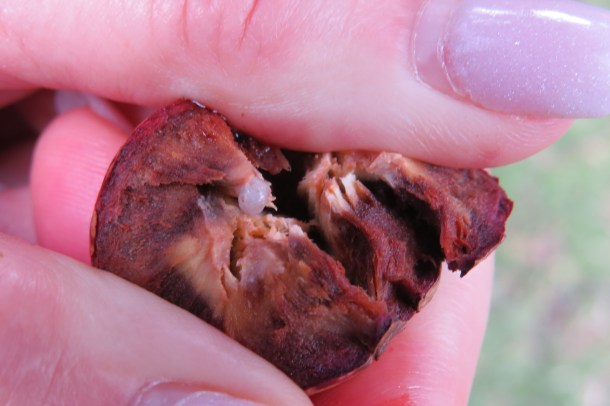
<Larvae Centered Inside Oak Gall, Cradled by Pink Fingernails
The galls are hard to see until they fall to the ground. If this happens before the creature is mature the gall can be cut open to reveal the little larvae. Of course, then it will not become a wasp—but this might be ok—in the interest of science.
The larvae only eat inside the gall. They do not damage any more of the tree. In fact the tree is almost never harmed by galls. The adults are wasps, but they do not sting. The galls themselves can be beautiful like the oak plum galls which do indeed look like little fruits.
Gall formation is unpredictable. Some years there are a lot of them, other years very few.
All in all these are simply little creatures that happen to have developed an amazing way of protecting themselves as they grow to be adults.
Have you ever heard of anyone planting oak trees in hopes of attracting cynipid wasps—it is doubtful. There seem to be no societies to appreciate and protect them.
This needs to change. Look around for oak galls. Tell your children their wonderful and amazing life story. Now surely someone could design a great t-shirt!!
Susan Thornbury
Pictures by Starla Willis
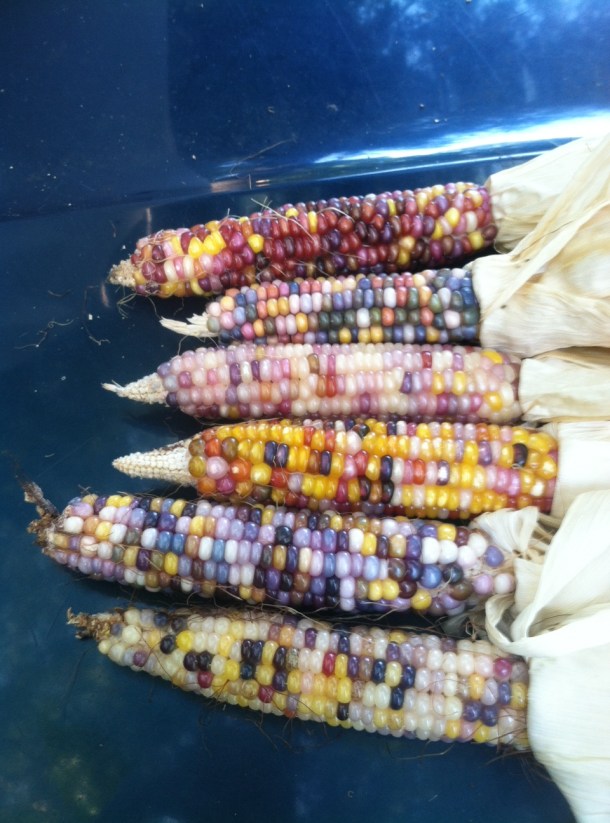
Glass Gem Corn Grown by Carolyn
Carl Barnes was half-Cherokee and, as a way of connecting with his Native American heritage, he began collecting seeds. Throughout the years Native Americans gave him ancestral types of corn that had been lost when the Tribes were brought to Oklahoma in the 1800s. Fascinated by the colors found in some of these Indian Corns, he began to select, save, and replant seeds from especially colorful cobs. Over time this resulted in a rainbow colored corn.
A fellow farmer, Greg Schoen, met Barnes at a Native Seed gathering in 1994. Schoen and Barnes became close friends and many seed exchanges took place between them. When Schoen moved to Sante Fe, he crossed some of Barnes’ seeds with traditional varieties, and even more vibrant colors and patterns were produced. According to Schoen, Glass Gem corn came from a crossing of Pawnee miniature popcorns with an Osange red flour corn and also another Osage corn called Greyhorse.
In 2009 Schoen passed some of the seed to Bill McDorman who owned a company called Seed Trust. McDorman is now the executive director of Native Seed/Search and started offering the seeds on line. Within a short time, Barnes “rainbow colored” corn became an internet hit and even has its own Facebook page. today many different seed companies carry Glass Gem corn.
In Dallas corn is usually planted from March 23- April. It does best in fertile, well-drained soil, and is a heavy nitrogen feeder during the vegetative state. Waiting to let the soil warm thoroughly is important for seed germination as is sufficient watering. Corn is wind pollinated and it is recommended to plant in blocks of at least four rows. To prevent cross pollination from other varieties, you can separate different varieties by time (plant at least 10 days apart) or distance (200 feet.)
Though there seems to be some inconsistency in how to classify different corn types, in general there seems to be four major types of corn: sweet, flint, dent, and flour. Sweet corn is what we eat on the cob or it can be canned or frozen. It contains more sugar than other types. Flint corn, also known as Indian Corn, has a hard outer shell and comes in a wide range of colors. Dent corn, also known as Field Corn, is most often used for animal feed and to make different industrial products. Dent corn is named for the dimple that forms in the middle of the kernel. It accounts for 99% of all corn production in the United States. Flour corn has soft kernels which makes it easy to grind. Popcorn is actually a type of flint corn. It has a hard outer shell over a soft starchy content. When popcorn is heated the natural moisture inside the kernel turns to steam that builds up enough pressure for the kernel to explode.
To use Glass Gem Corn as a popcorn, it is recommended to let the kernels dry out thoroughly. In fact, one review said it took nearly a year before it was ready to be popped. The resulting popcorn is white rather than colored as it is only that hard outer layer that contains the color.
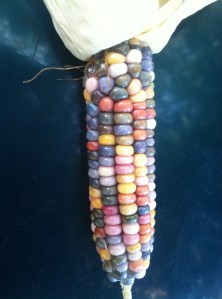 It is possible to save seed and try to propagate your own color combinations. For example, if you wanted mostly blue corn, you could save seeds from cobs that were mostly blue. However, it is the glow of a rainbow of colors that makes Glass Gem Corn so unique.
If you want to try something different in your vegetable garden next year, try Glass Gem Corn—and have your own Christmas in July.
Carolyn Bush