IT’S POLLINATOR WEEK

June 21, 2022

It’s a good time to think about the pollinator area at the Raincatcher’s garden.

First this area is just a part of the large garden—the whole garden attracts and supports pollinators.

So why a designated pollinator area?  This area provides an opportunity to encourage visitors to think about the role the garden plays in supporting bees and butterflies. 

As visitors see the interaction of insects and plants, information becomes more relevant and hopefully of more lasting benefit.  The role the garden plays in the support of these amazing creatures comes alive when bees are seen carrying pollen or butterflies hover close to their host plant.  

Raincatchers spreads the word—every garden can and should—make a difference—when thought and care goes into it.

So what is the first thing to think about when making a garden pollinator friendly?  The old rule—First—do no harm!  Chemical pesticides cannot be used—reducing use is not an option; butterflies and bees are insects so to try to attract them and then kill them is simply not  to be considered.  Just because it says organic—doesn’t mean its ok, some organic products can be used carefully—very carefully!

Its complicated—of course it is—but a garden is plants and in the pollinator area the aim is to grow as wide a variety of plants as possible—aiming for as long a bloom time as possible but also the aim is to have a variety in size and form so bees and butterflies large and small and even tiny can find something that appeals to them.

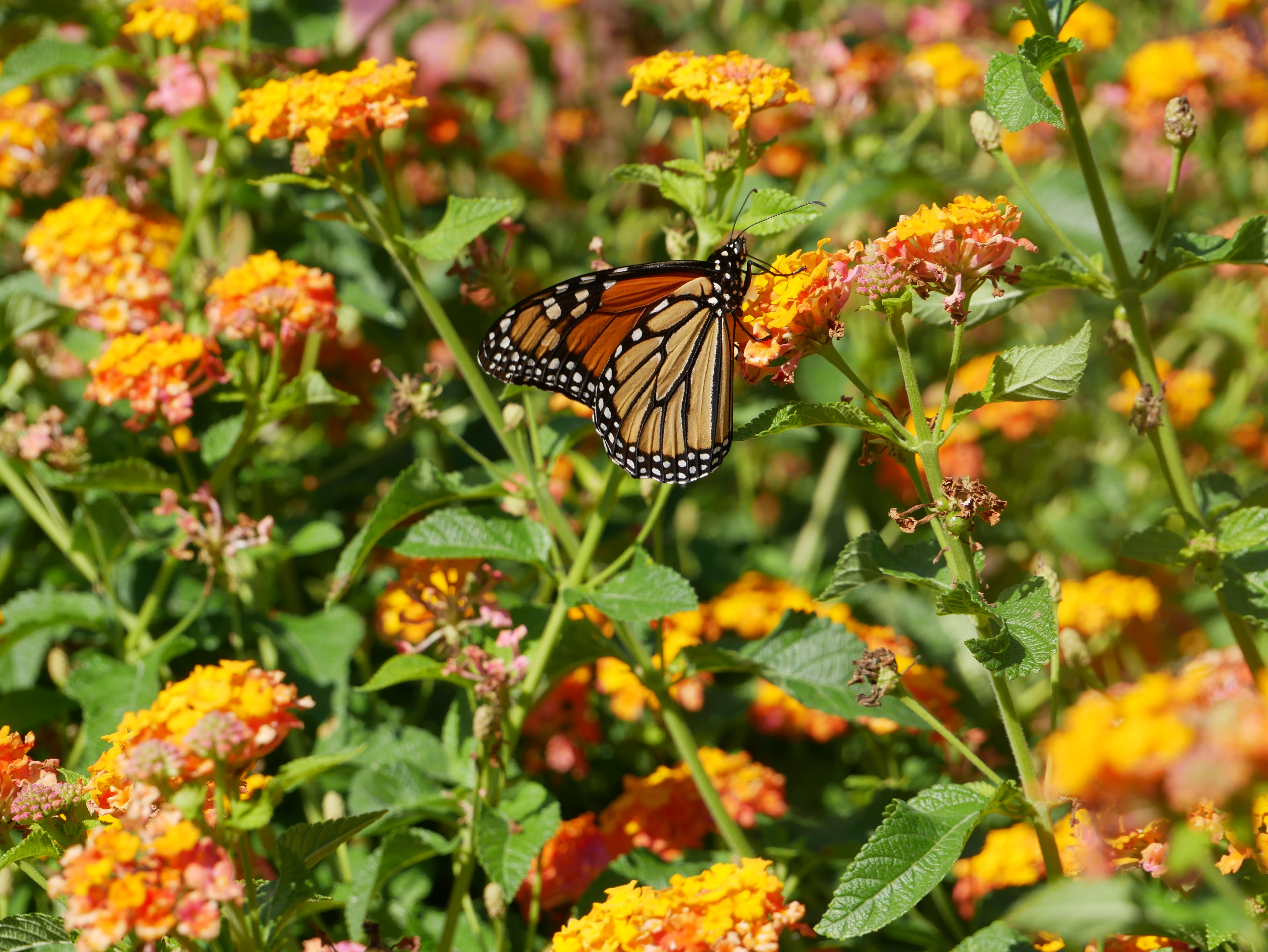
Butterflies are the stars of any pollinator area and to support them their life cycle must be considered.  Flowers are essential for adults but to really help there must also be the host plants or plants where eggs are laid and larvae grow.  For most butterflies the plant is a specific one cannot be changed. Without the correct host plant—no eggs, no larvae, and no new butterflies.

There are many plants at Raincatcher’s but lets  look at a few that would make great choices for a new pollinator friendly garden.
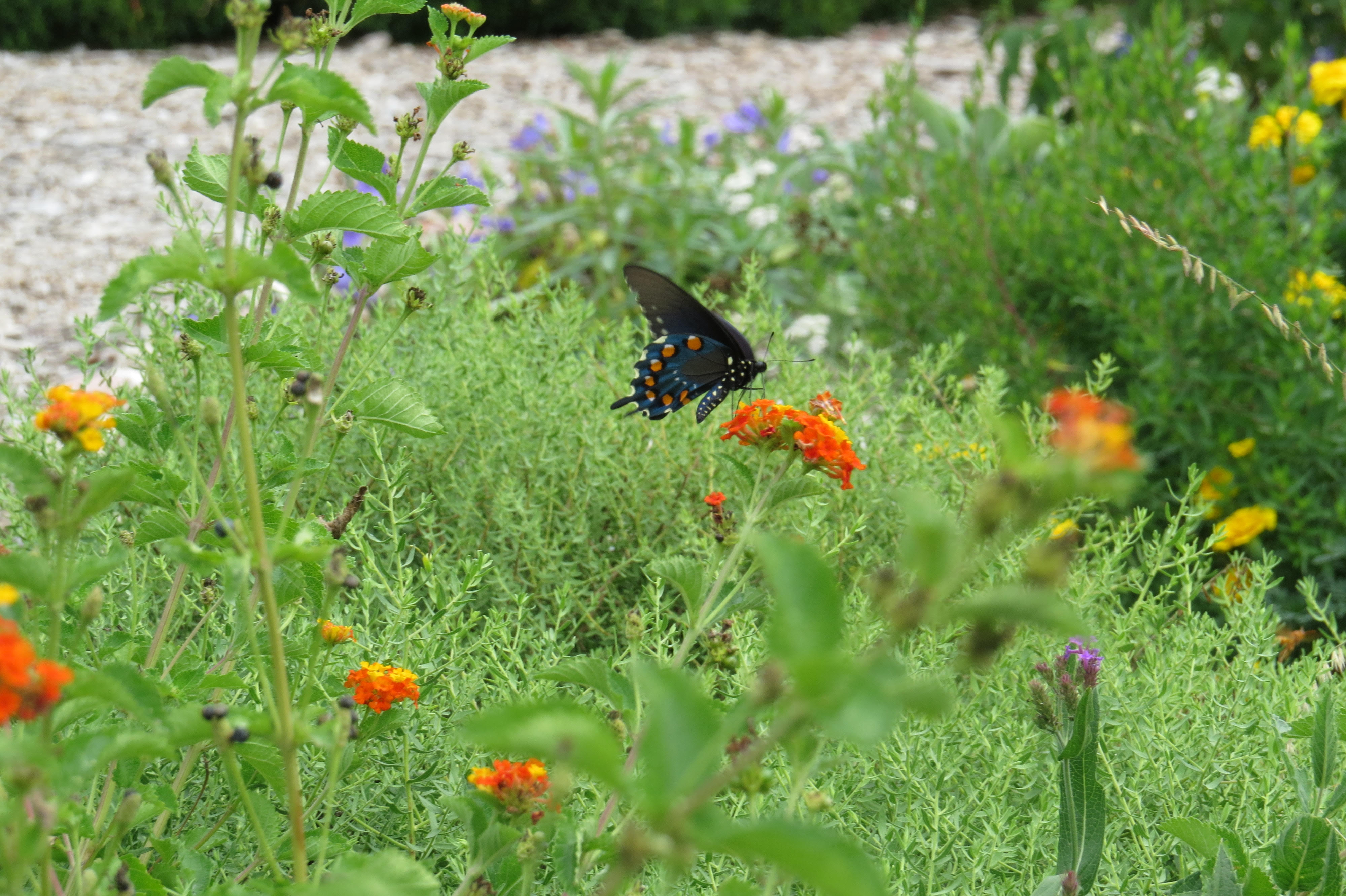
  1.  For a great many years a huge lantana has been a garden feature.  Rightly so everyone seems to love it.  Its literally a magnet for butterflies large and small –maybe it’s the “landing pad” flower form?  Bees love it too so it’s a winner.
  2. Salvias—it doesn’t seem possible to have too many.  The large ‘indigo spires’ and the ‘amistad’  attract bumble bees and other large bees take time to watch them as they climb into the individual flowers—don’t worry—they will tell you with loud buzzing when you take that step closer.  
  3. Two small trees—Bee brush and Texas kidneywood attract honey bees and a variety of small and even tiny native bees—take time to watch and breath in while close the flowers smell lovely.
  4. Coneflowers—they are popular with everyone butterflies and honey bees as well as native bees visit.  Keep them deadheaded and they bloom for a long time which is so valuable.

Now think about some host plants.

  1.  Pipevine is growing under the vitex tree.  Its just really getting a good start now and must grow more.  It’s the host plant for the beautiful pipevine swallowtail.  Its growing well but there isn’t enough those larvae eat an amazing amount and its important to have lots.  This is true of all the host plants grow multiple plants .  It isn’t a good situation to have larvae run out of food before they are grown.
  2. Common fennel this is a host plant for eastern black swallowtails—we have had some larvae on this plant. Dill and parsley are great too but fennel is wonderful for standing up better in summer.
  3.   Prickly ash—this is a large tree it’s a host plant for giant swallowtails.

We have small candlestick trees growing, (Senna alata) a host plant for sulfurs.

We also have baby African milkweeds growing.

These are just a few of the plants growing.  Come and visit the garden to see them.  There will be garden workers on Tuesday mornings but you are welcome to visit any time.

But it can’t stop with a visit.  Every garden counts—and that means yours—think how you can make it more pollinator friendly.

Pollinators are depending on us—just like we are depending on them!

Susan Thornbury, Dallas County Master Gardener Class of 2008

Starla Willis -Pictures, Dallas County Master Gardener Class of 2009
Tomatoes In My Garden

June 14, 2022

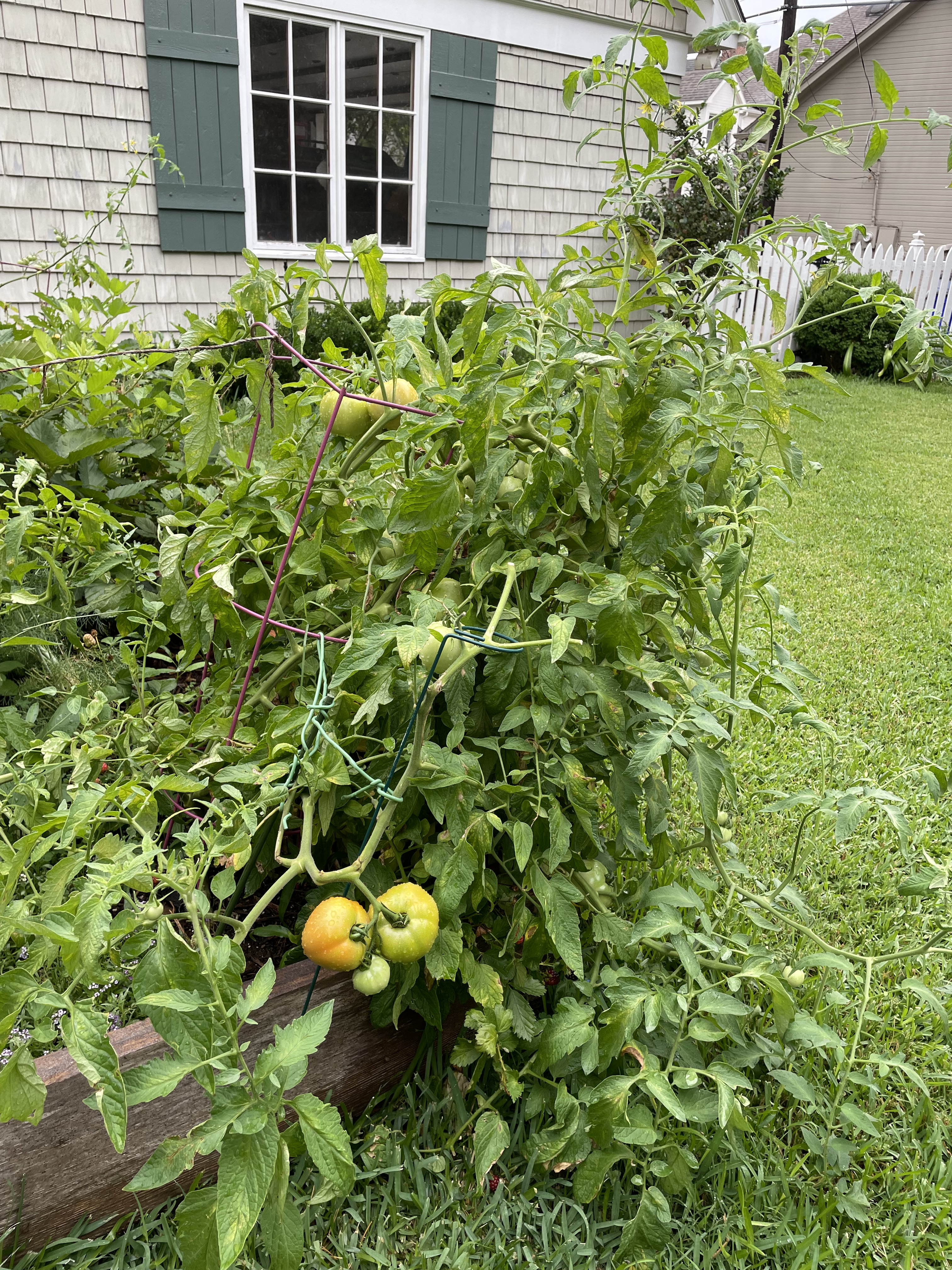
Early Girl tomatoes ready to pick

What would we do without the advice of friends, especially Master Gardener friends.

Beverly, who volunteers in the vegetable garden at Raincatcher’s, gets the credit for my bumper crop of tomatoes this year. She talks about tomato problems as in her last blog and this one, but also gives promising advice.

After viewing the webinar Epic Tomatoes with Joe Lamp’l and Craig LeHoullier, Beverly sent these notes:

Pick tomatoes at full size and 35% of color. This has a cool name – “breaker stage”.  It will help prevent splitting due to rain and will also help protect from all kinds of creatures.

Ripen indoors, don’t use sunny area.

Do not pinch suckers off dwarf or determinate plants.

Don’t take off all suckers on indeterminates.

Suckers are new plants. On big plants they may extend fruiting periods. They also provide shade.

Use suckers, especially on hybrids like Sun Gold, to start new plants (clone). Let root in water.


More good advice from TAMU : Why are my tomato leaves turning yellow? Nutrition, disease, physical disorders may be the culprit.

And thanks to my eldest son and grandson for watering my garden during the crucial early stages when I was out of town with a brand new grandson. Your diligence made my tomato hopes a juicy reality.

Ann Lamb, Dallas County Master Gardener Class of 2005

Are Tomatoes The Jerkiest/ Most Obnoxious Plant There Is?

June 12, 2022

 I have given up thinking about tomatoes in terms of their life cycle. Instead I look at it this way;  each stage is an ongoing disaster until we shut down the whole operation in July because they will no longer set fruit. 

The life of a tomato is a progression through fungal disease, wilt, blight, and infestations of mites and hornworms.  We anticipate these events and do our best to prevent them but around June you can easily find yourself, as I did, staring at hornworms the size of my index finger.  Owing to their coloring, hornworms are perfectly camouflaged until they have defoliated their habitat, i.e. our tomato plants. (We sentenced the hornworms to community service at our host organization’s preschool so the children could observe their transformation into sphinx moths.)

Don’t forget that while you are dealing with disease and pests, you must also be aware of your tomato’s changing fertilizer and watering needs.  Decrease the nitrogen when they start to bloom. Keep your tomatoes watered consistently and while doing so consult your crystal ball for the next unexpected rain that will cause them to split. 

Are tomatoes the jerkiest plant – making us work much harder than any plant should expect? Or, are they good for us in the sense that taking care of something other than ourselves is good therapy? 


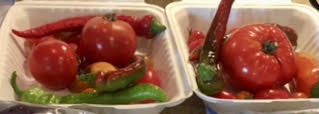
The tomatoes harvested so far this year have redeemed themselves by joining the peppers in family packs donated to North Dallas Shared Ministries.

Beverly Allen, Dallas County Master Gardener Class of 2018

The Old Red Shed is Gone

After many years of service as a storage facility for both the church and garden, the old red shed was in a state of disrepair. Rotted floors, bulging sides, leaking roof and collapsing doors made it unsafe for volunteers to use. Watching as it was torn down gave us a sigh of relief. 

What happened next, with nothing left but an empty space, allowed for a time of reflection. The area bordering the north side of the shed had been transformed into a lovely sensory garden, one of our newest additions to the edible landscape. Expansion to the now vacant area would require the installation of an irrigation system but the church had suggested that they might need the space for future use. The other option was to relocate the sensory garden. Our decision was something unexpected which, ultimately, proved to be a magical solution. 

Just a few yards away and bordering the stone pathway was a garden area we had previously christened as “The Kaleidoscope Bed”. With an eclectic mix of evergreen and perennial flowers and herbs as well as colorful annuals, it seemed as if we were being invited to consider yet another transformational opportunity. In the blink of an eye followed a sweet smile of happiness, the blending of gardens began. The Kaleidoscope Bed would graciously surrender its name while allowing existing plants and ornamental features to remain in place. 

Our plan going forward is to maximize the sensory impact that the garden has on its visitors. Adhering to the 70/30 rule, our primary focus will be the addition of more edibles supported by a small percentage of non-edibles. We’ll be including textural plants such as lamb’s ear for it’s soft, fuzzy feel and an upright, aromatic rosemary for both smell and touch. 

For real summertime garden beauty, we’re going to feature Balsamic Blooms Basil once again. It’s the basil that received a Texas Superstar designation in 2017. We first fell in love with its deep purple blooms and the sweet flavor of its gorgeous foliage in the spring of 2018. When we learned that this was the first basil to have flowers and leaves growing at the same time, our vote was unanimous to move it to the top of our seasonal list. Balsamic Blooms will always have a place of honor in the edible landscape. 

Balsamic Blooms Basil and Begonias

Our newly relocated and appropriately named Sensory Garden offers triple the amount of space than before to feature a wide variety of plants that stimulate the senses. Come by for an inspirational visit and let your soul be nourished by the wonderful world of nature.

Linda Alexander, Dallas County Master Gardener Class of 2008

Avocado Toast…Dressed Up in Seasonal Colors

It was only a few years ago when just an ordinary piece of toast topped with gently smashed avocado became the rage. You’ll find it now on menus across the country from small cafes to upscale restaurants. Everyone seems to have created their own version by using an alphabetical listing of edibles including everything from artichokes and micro greens to tomatoes and tarragon for appeal. My approach tends to be more simplistic in style. 

An early morning harvest from my edible garden provides a seasonally fresh selection of blossoms, greens, herbs and vegetables. On Saturday mornings from April until November a visit to our local farmer’s market gives me additional options. Here are a few delicious suggestions that my husband and I have recently enjoyed but be creative with your choices because any combination that pleases your palate is a winner. 

Springtime

*Thinly Sliced French Breakfast Radishes, Onion Chives and Nasturtium Blossoms

*Broccoli Florets, Arugula and Mrs. Taylor’s Scented Pelargonium Blossoms

*Thinly Sliced Carrots Topped with Caraway Sprigs

*Swiss Chard Perpetual Spinach and Nepitella Blossoms

Summertime

*Sliced East Texas Peaches and French Tarragon

*Campari Tomatoes Sprinkled with Chopped Balsamic Blooms Basil Leaves

*Sliced East Texas Peaches, Sweet Banana Peppers and Purple Basil

*Armenian Cucumbers with Salad Burnet and Watercress

Avocado toast is something we enjoy for breakfast, brunch, lunch and as a delightful appetizer. For a light summer dinner we often serve it alongside homemade gazpacho or chilled cucumber soup. Our goal is simply to use garden fresh ingredients! The only exception is when I’ve made a visit to purchase fresh eggs from my master gardener friend who raises chickens at her ranch. A delicately fried egg sitting on top makes for a very scrumptious breakfast experience.

**Additional edibles from summer’s bounty will include anise hyssop blossoms, blueberries, shaved yellow crooked neck and zucchini squash, onions, jalapeno and shishito peppers. To complete the flavor kick be sure to consider a sprinkling of these herbs; anise, dill, fennel, lovage, mint, papalo, pipicha, lemon thyme and rosemary or any of your personal favorites. 

Linda Alexander, Dallas County Master Gardener Class of 2008

When Your Garden Provides the Ingredients…

Try These Three Recipes:

Asparagus, blueberries, garlic, jalapeno peppers, zucchini, tomatoes, basil, cilantro, Italian parsley, and mint are some of our Zone 8 seasonal garden crops. If you’re growing any of these springtime and summer favorites, consider giving them a starring role for breakfast, lunch, brunch or dinner. Each recipe calls for a list of ingredients which can be picked, snipped and harvested directly from the garden. The combined flavor profiles will elevate that fresh-from-the-garden taste experience we find so satisfying to our palates.  

Caprese Roasted Asparagus with Grape Tomatoes

Fettuccine with Cashew, Mint and Cilantro Pesto

Blueberry Zucchini Muffins

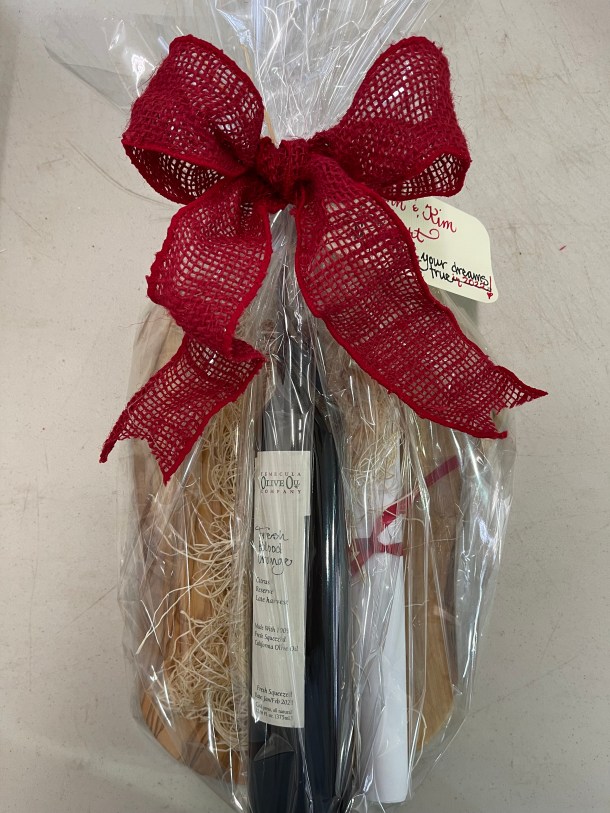
You may have noticed that the common thread in each of these recipes is olive oil. This past Christmas, family members and close friends received themed gift packages from my husband and me featuring olive oil and olive wood products. From olive wood boards, bowls and spoons to different varieties of olive oil, each one was customized for the recipient. A recipe for my favorite olive oil cake was included with each gift. 

As the spirit of giving continues, throughout 2022 our family and friends are receiving a monthly recipe featuring new and unusual ways of cooking or baking with olive oil. The three recipes listed above were for March, April and May. Summer recipes calling for olive oil will include farm fresh garden vegetables (corn, tomatoes, peppers, squash, etc.) and zesty, flavorful herbs. I’m even sharing a cobbler recipe that calls for ¼ cup of lemon olive oil!

 If you are an olive oil fan, check back for monthly recipes featuring this versatile product and its variety of uses. Writing in The Illiad, Homer revered olive oil as having the qualities of “liquid gold”. Let’s discover those possibilities together over the next seven months. 

A Bit of Trivia…It was the ancient Greeks who invented the salad dressing which was comprised of extra virgin olive oil, vinegar, sea salt and honey.

Linda Alexander, Dallas County Master Gardener Class of 2008

We Love Interns!

May 16, 2022

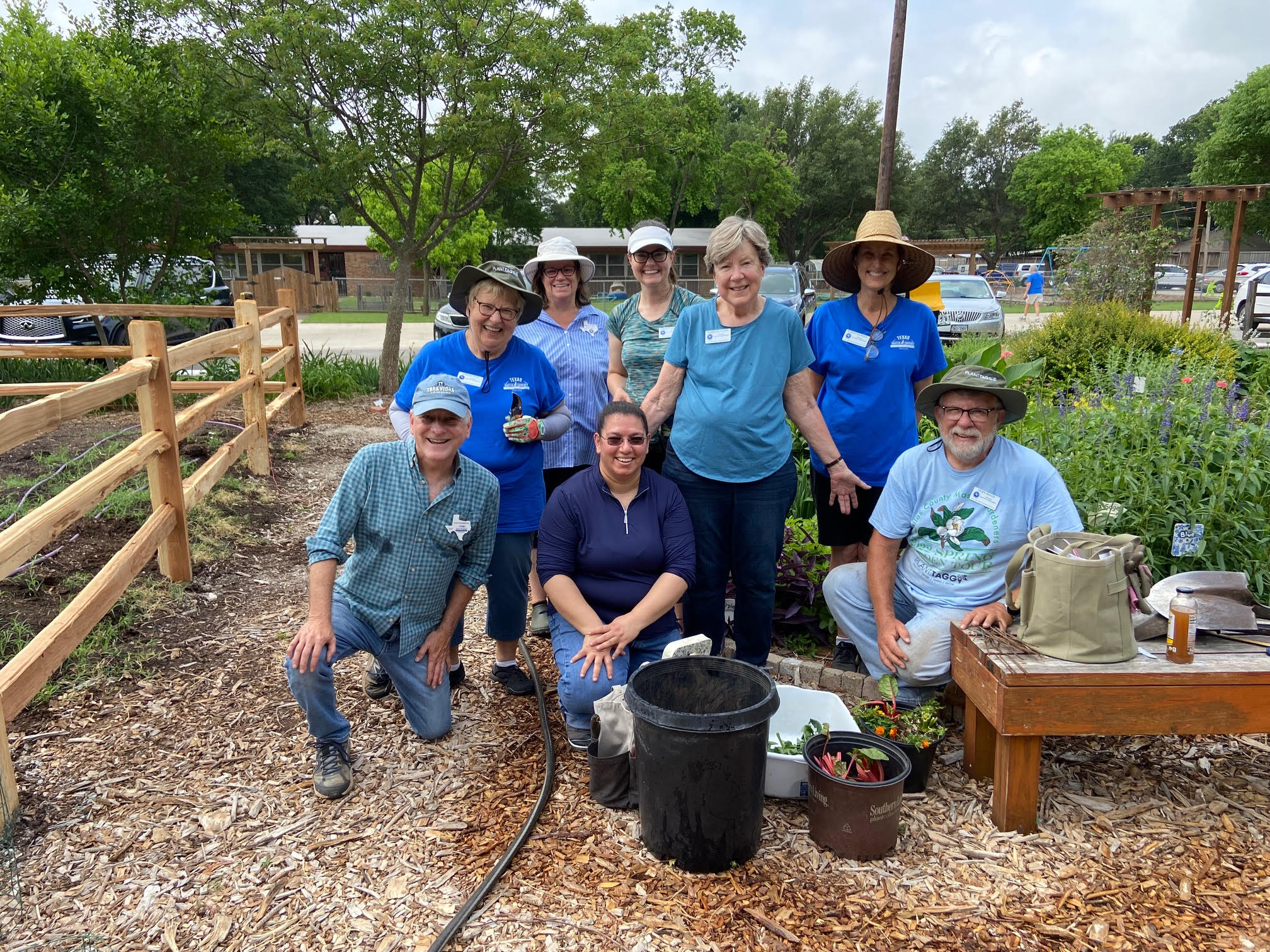
Here in the north garden at Raincatcher’s we are sheet mulching 800 square feet of turf demonstration beds to create more space for growing vegetables.  It’s more work than it sounds!  Luckily, the 2022 Master Gardener interns have been ready and willing to give us that extra bit of help to complete the project. 

One Tuesday in May a great group of interns helped us clear a path large enough to get wheelbarrows through to the gate of our brand new fence. They also cut a large cover crop of fava beans down to the ground. 

This past Saturday the class mustered again and created paths through the new beds.

They also solarized the westernmost bed where it has been most difficult to convince the Bermuda grass to go away. 

Beverly Allen, Dallas County Master Gardener Class of 2018

and thanks to Don Heaberlin, Dallas County Master Gardener Class of 2021


To learn more about solarizing click here.

And to learn more about becoming a Dallas County Master Gardener click here.

Plant Sale Thursday.

Another Reason to Visit the Raincatcher’s Garden at Midway Hills Christian Church!

As if it isn’t enough to make a trip to the Raincatcher’s garden to enjoy the beauty of the garden, make friends, work with other volunteers, get certification hours, shop at a great plant sale (May 19th from 10 am – 3 pm!!!), learn about plants and good gardening practices, etc., now there is one more reason to make the trip to the garden. 

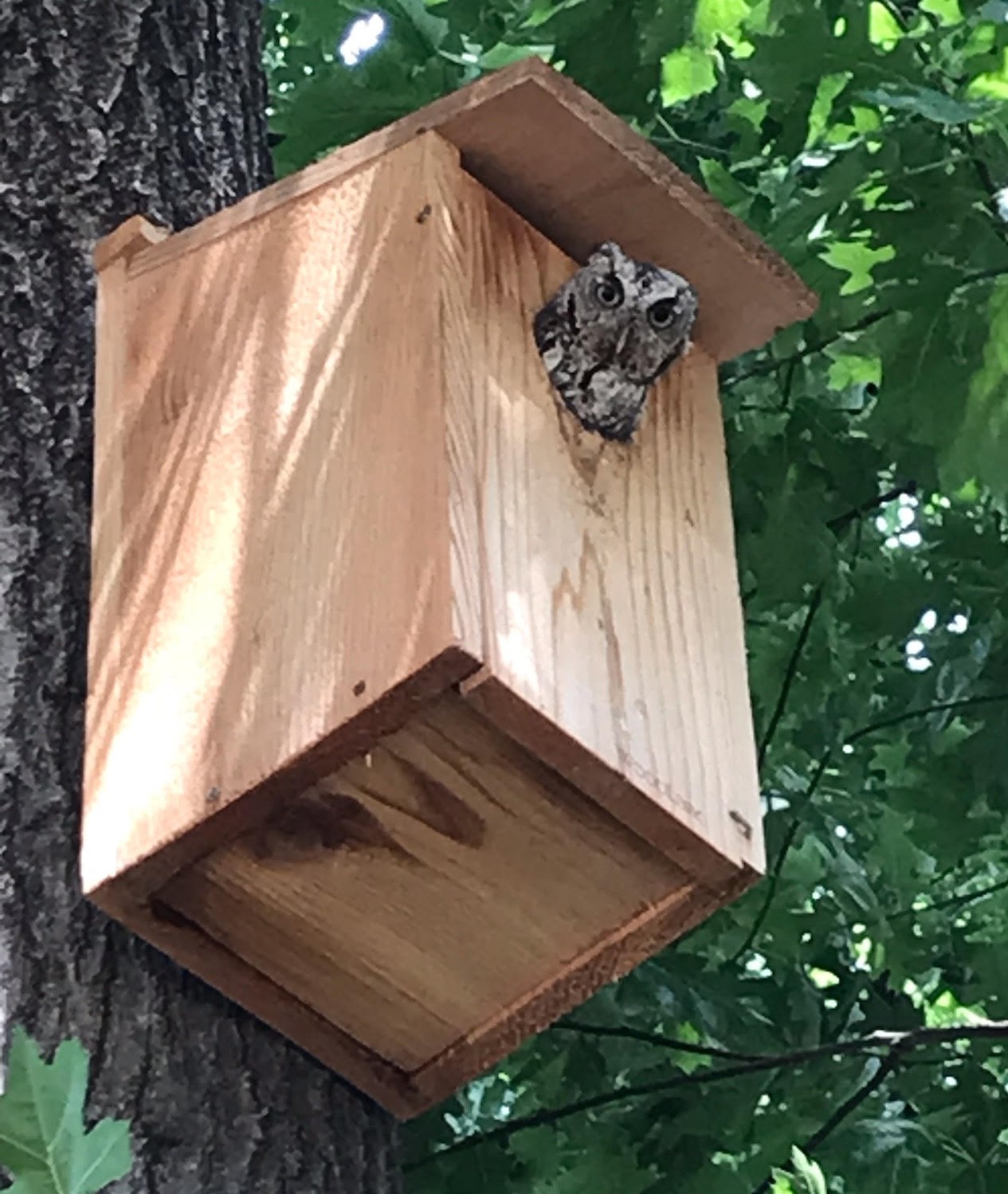
We have a new feathered friend who has taken up residence in an owl box built just for him or her. The owl box is high up in a tree in the courtyard facing the parking lot and the view that this lucky owl gets to see is the beautiful edible garden.  The best part is, when the owl hears voices, he/she tends to stick its head out and seems interested in the conversation! 

Thanks to Colleen Murray(Dallas County Master Gardener) for organizing the owl box at the garden and to Stan Herndon(Community Volunteer) for the photo. 

Jackie James, Dallas County Master Gardener Class of 1993

A Christmas Story with a Springtime Surprise

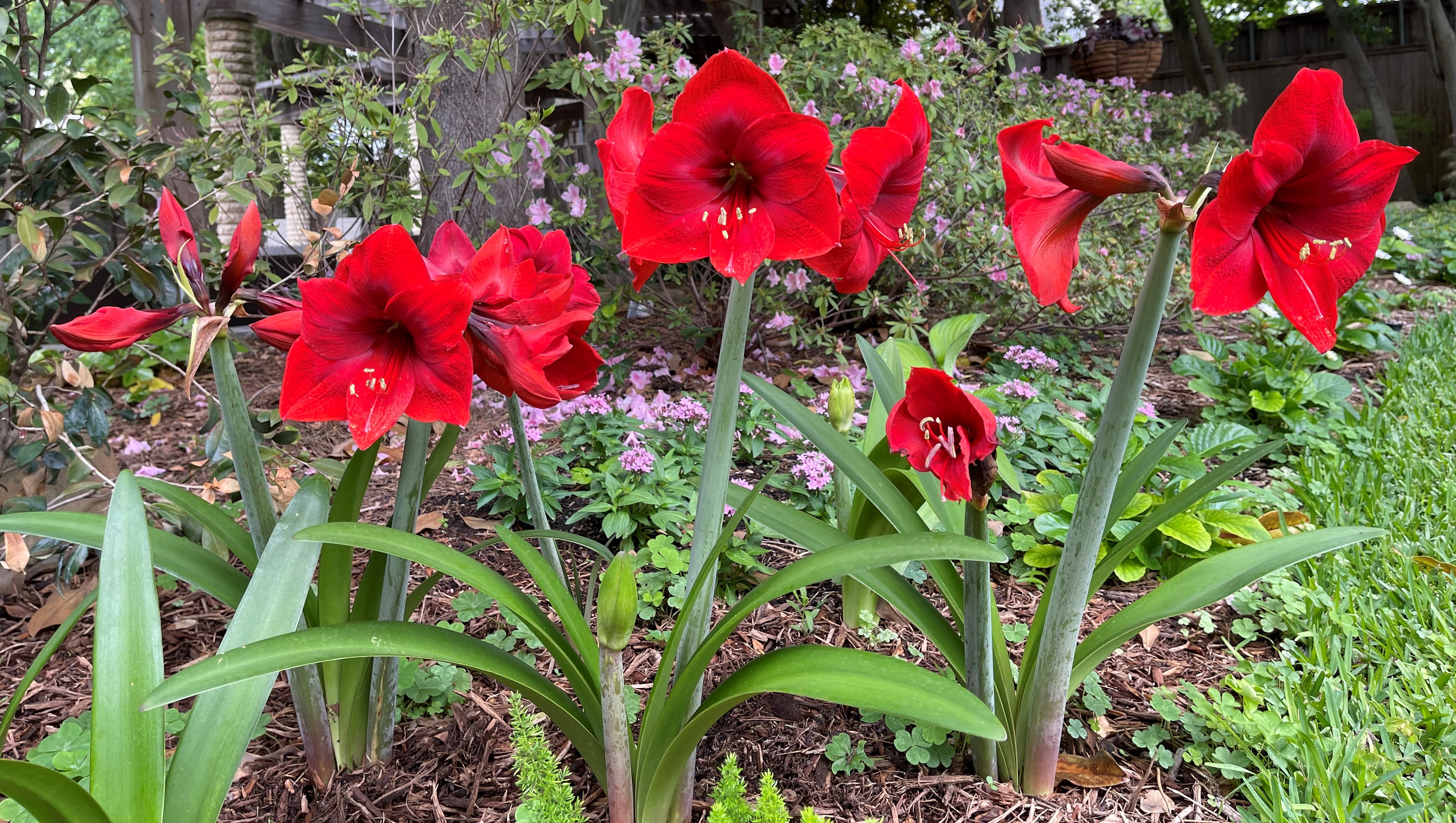
Each year in mid-November I make a trip to our local garden center in search of red lion amaryllis bulbs. Hoping for those showy red blooms to burst open before Christmas, the bulbs are placed in one of my favorite holiday containers. If the timing is favorable, we get to enjoy a profusion of large, velvety flowers for a few weeks, or longer. Christmas somehow seems more colorful and festive with a touch of nature decorating our home.

Over time, I began to wonder what to do with those lovely plants once the blooming ceased. Shamefully, many times, bulbs and all went straight to the trash. Thankfully, I remembered having seen a friend’s amaryllis in a garden bed nestled up against her house. It was mid to late April of 2012 and the amaryllis was filled with beautiful red blooms. That sweet memory changed my attitude about amaryllis. Going forward, I would be a bulb keeper.

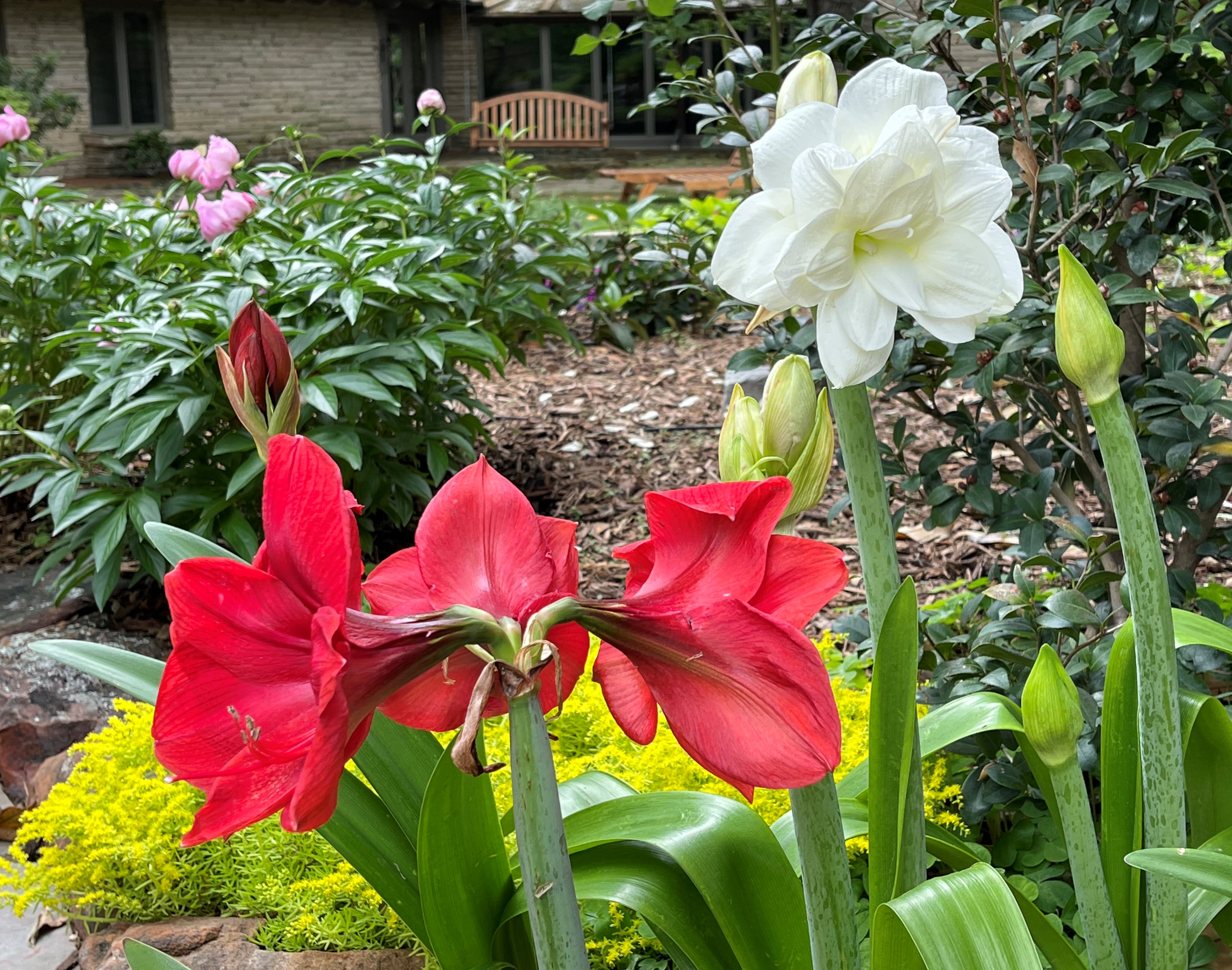
Now, ten years later, there is a special place in our garden where those leftover Christmas amaryllis bulbs are placed in their new outdoor home. We chose to locate them in an area that receives morning to early afternoon sun. For the remainder of the day, it is partial shade. As you can see from the photos, they are thriving and gracing our garden with their spectacular springtime surprise. One Christmas, we received a white amaryllis as a gift. It’s now part of the red brigade and looks very stately among the “reds”.

If you would like to enjoy amaryllis year after year, be kind to your bulbs by planting them in the garden. Here are a few simple considerations:

*Amaryllis are easy to grow outdoors in our Zone 8 climate. They can tolerate both sun and shade but, typically, do best with morning to midday sun and bright shade throughout the afternoon.

*Bulbs prefer well-draining fertile soil. Improve drainage by creating a slightly raised bed or mix in some organic matter.

*Sets the bulbs with 5 to 6 inches of soil above them, followed by 5 to 6 inches of mulch.

* When the flowers fade, cut the flower stalk back to just above the bulb. Leave the foliage throughout the summer until it succumbs to the first fall frost. 

*If the plants become overcrowded, divide the clumps and separate as needed. 

FYI…Once planted outside, forced amaryllis bulbs will eventually revert back to their natural spring blooming cycle. Our 15+ amaryllis plants generally start blooming in mid to late April, continuing for a few weeks. 

Linda Alexander, Dallas County Master Gardener Class of 2008

Pepper Palooza at the Raincatcher’s Plant Sale

We made a decision last year to fill the courtyard at Raincatcher’s garden in 2022 with lots of pepper plants.  Some of the peppers will be grown to use in our very popular pepper jellies but several of the ones we selected are for ornamental purposes.  Ornamental peppers are safe to eat but they are typically used for their attractive color or ornamental quality rather than their flavor.  They are often considered too hot to eat by most people.  

Fish Pepper

A favorite ornamental pepper that you will see growing in the courtyard is the Fish pepper.   Last summer, we fell in love with this pepper plant growing in the edible garden.  In fact, most visitors to the garden asked us about this plant because it is so unusual and beautiful.  The Fish pepper is an African-American heirloom variety that dates back to the 1800’s. It is a large plant and the leaves range from fully white to part green and fully green.  I can testify to the fact that the peppers on this plant pack a lot of heat as I was asked to try it in preparation for the pepper class that was taught at the garden last summer!!!  

Fidalgo Roxa

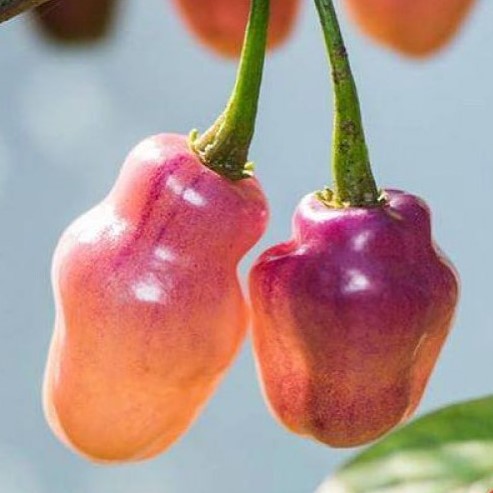
Fidalgo Roxa is a pepper plant from Brazil and is considered to be “one of a kind.”  The flowers are white and purple and the plant will eventually be loaded with purple, pink and apricot colored peppers.  It is described to have a fruity flavor that is in the upper mid heat range.


Cherry Bomb

Cherry Bomb (AKA Hot Cherry Pepper) is another variety that we chose to grow this year.  It is a beautiful compact plant with brilliant red cherry-like peppers.  Despite its name, this pepper is described as having a heat level close to a mild jalapeno – medium heat with a sweet taste.  The pepper is fleshy and juicy and can be used as a substitute for jalapenos, in vinegars and is good for stuffing and pickling.  


Shishito Pepper

Shishito pepper is a Japanese pepper variety that is very trendy right now.  They are easy to grow and yield a lot of fruit in a short period of time.  The plants are compact and do well in containers.  They have thin skin which makes them perfect for quick frying, roasting and grilling.  The pepper is considered to be mildly spicy but occasionally you might find one that really packs a punch!  

Aji Dulce pepper

And back by popular demand, we have grown more of the Aji Dulce peppers for the sale this year.  This is a fun plant with red and green lantern shaped peppers.  They are sweet and can be used in many recipes.  If you read the article I wrote for this blog last year, you will remember that the seeds came from Puerto Rico from my good friend Paco.  We have had several requests for this “Paco” pepper plant from people who bought and grew this plant last year!!!   

The Raincatcher’s plant sale is on Thursday, May 19, 2022 from 10 AM – 3 PM at Midway Hills Christian Church (11001 Midway Road, Dallas 75229).  You won’t want to miss out on this opportunity to fill your yard with beautiful and useful pepper plants.  Other pepper varieties will also be available along with many annuals, perennials, herbs, shrubs, yuccas, ground covers, etc.  Hope to see you there!!!  

Jackie James, Dallas County Master Gardener Class of 1993