Wintertime Garden Artistry

February 17, 2023

“Every gardener knows under the cloak of winter lies a miracle.” Luther Burbank

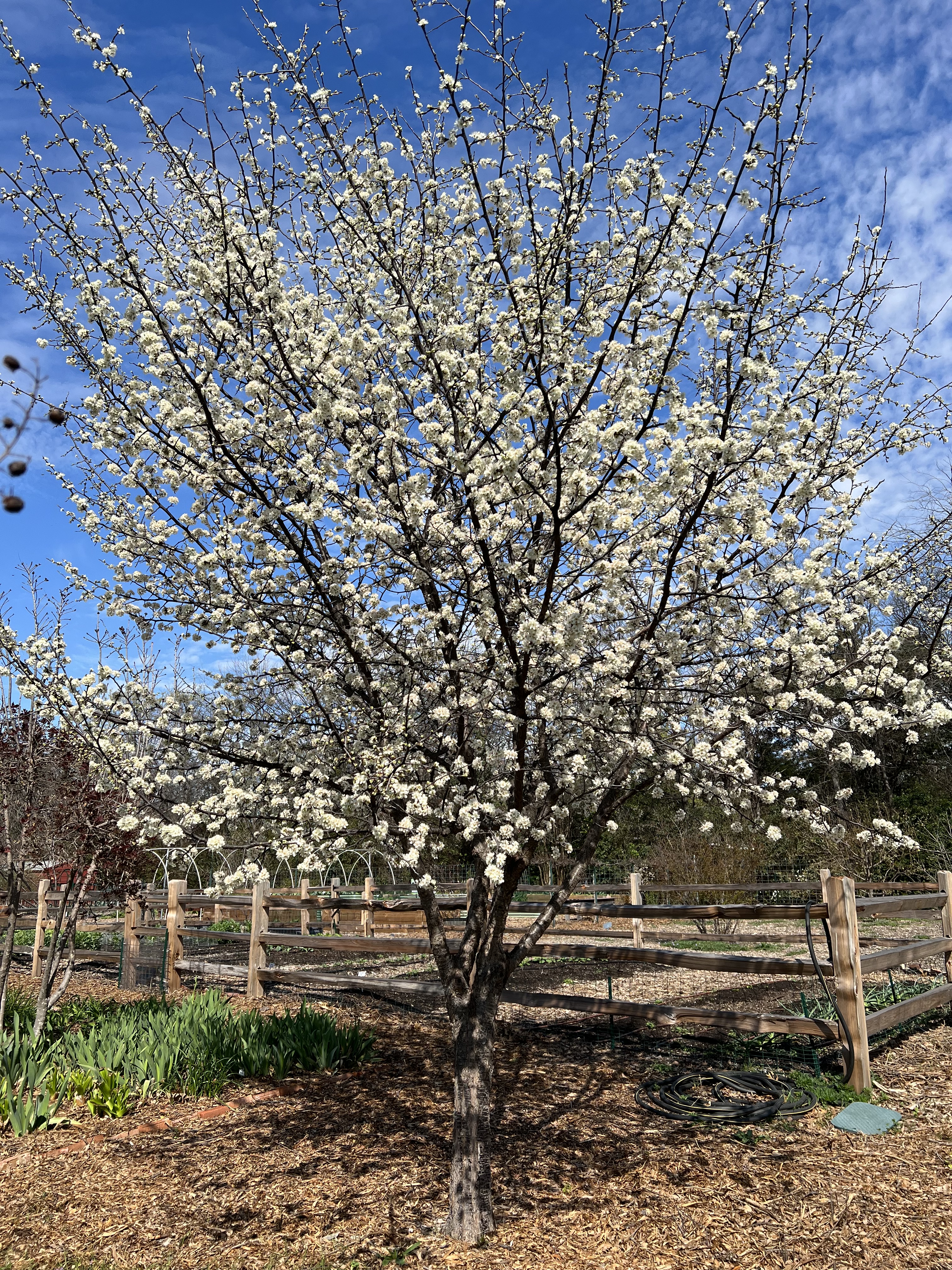
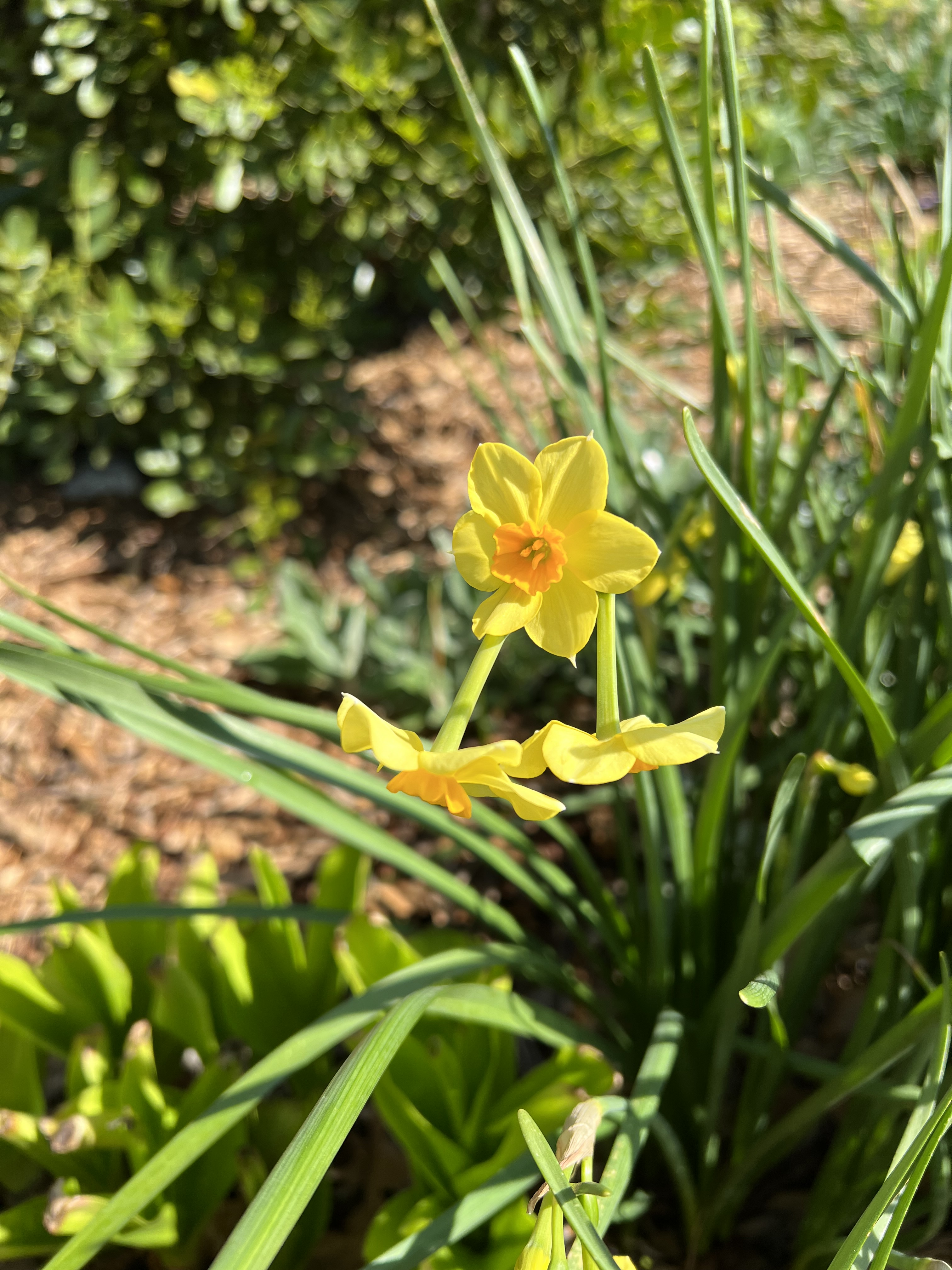
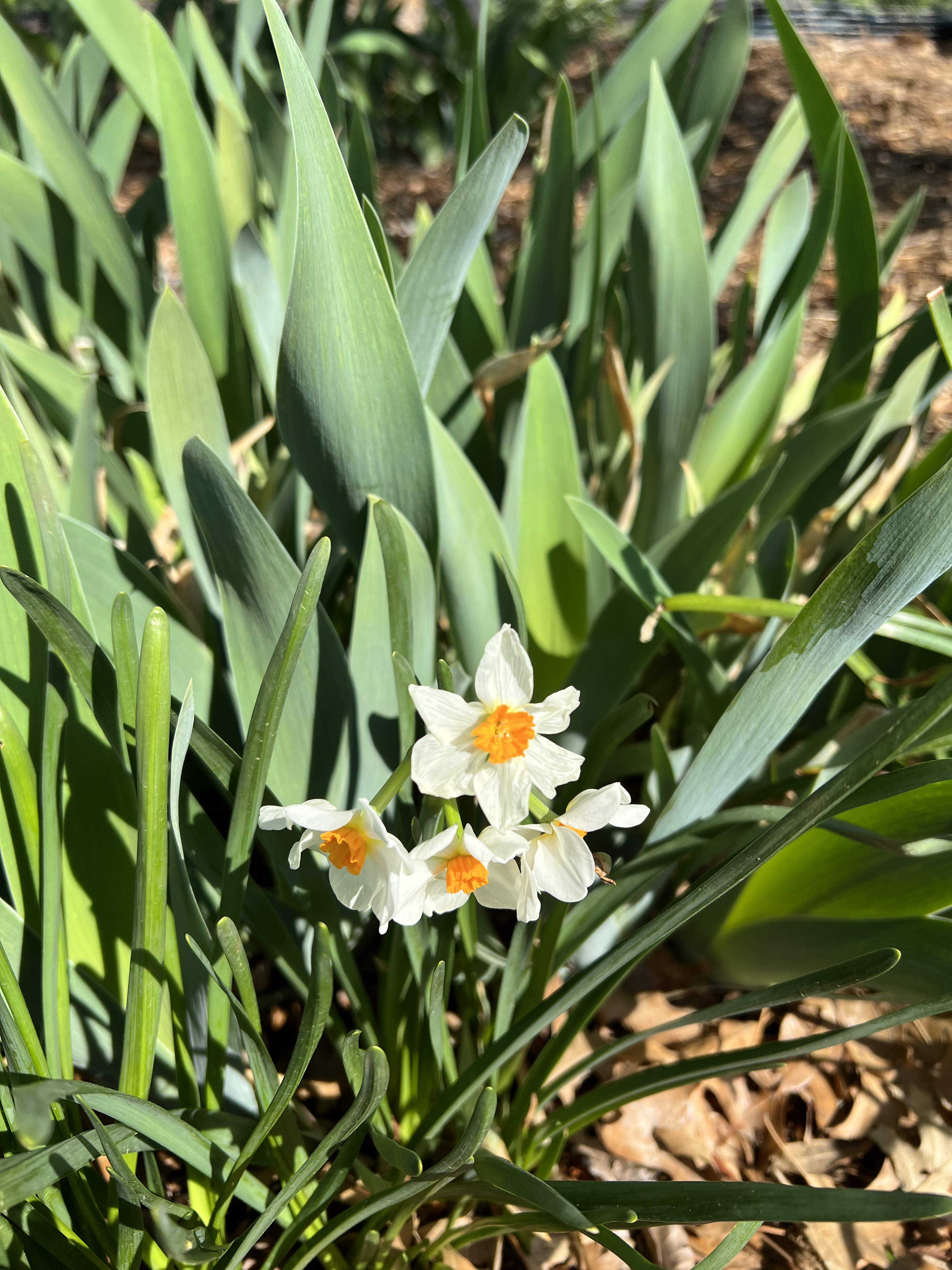
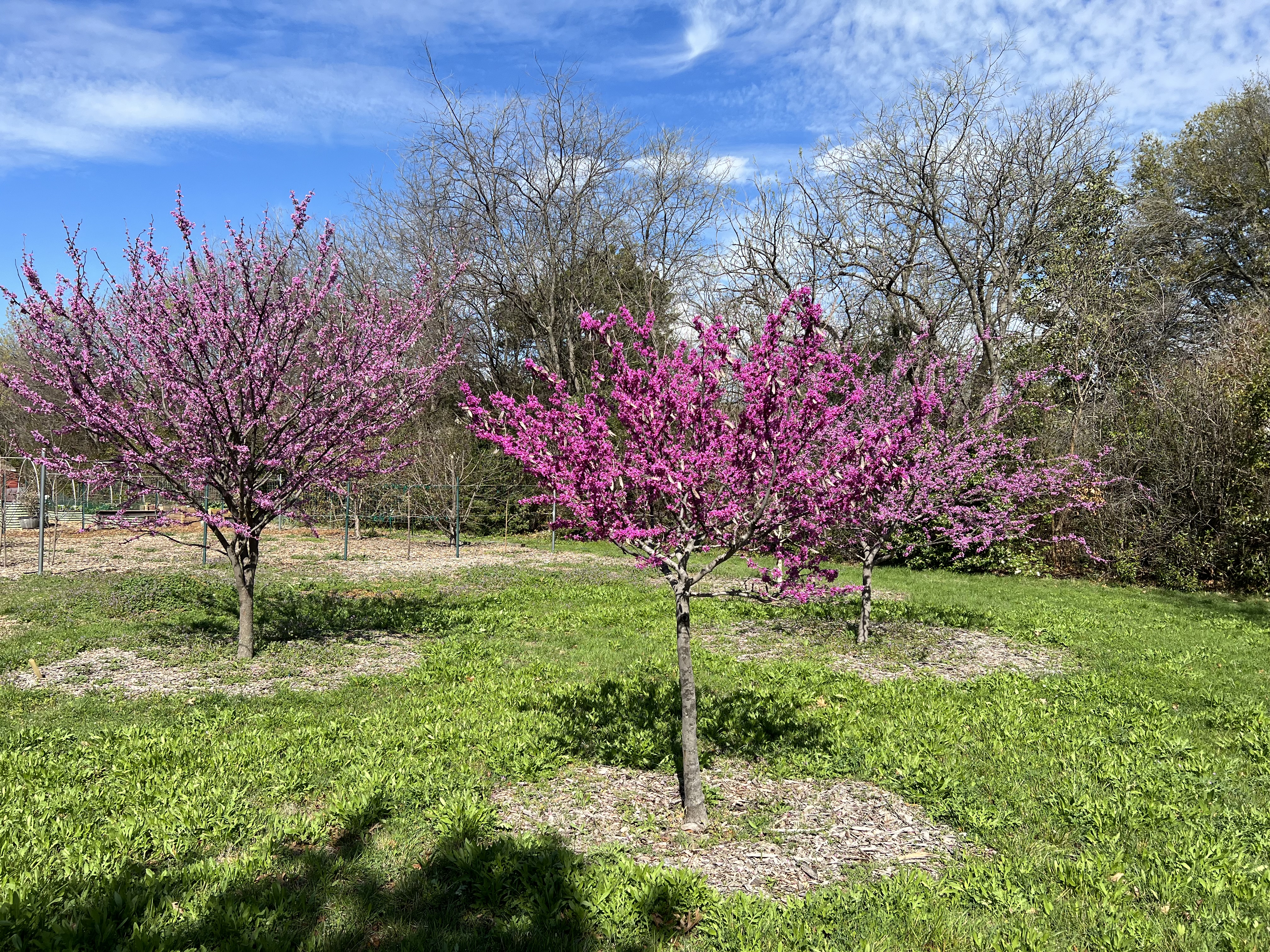
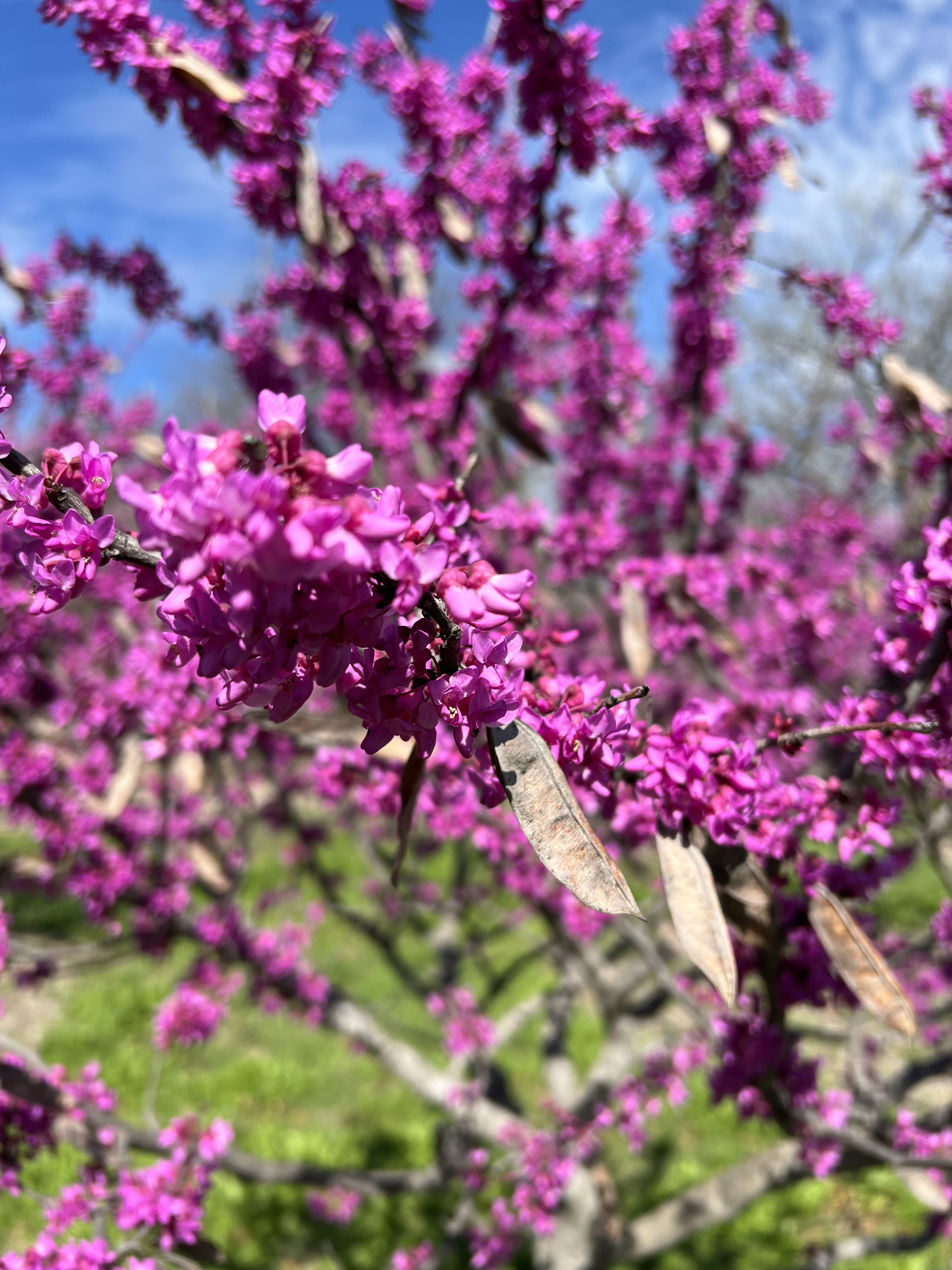
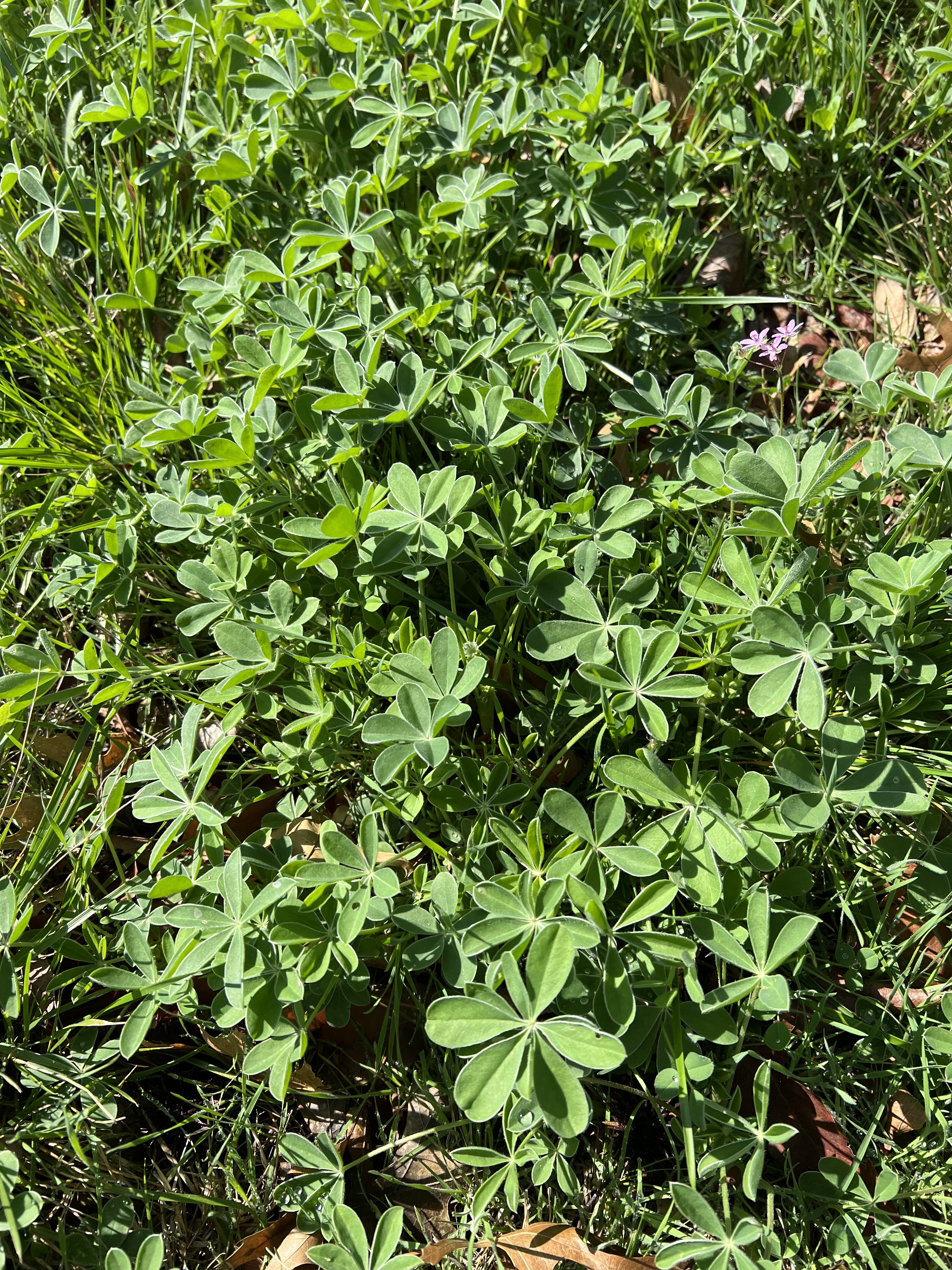
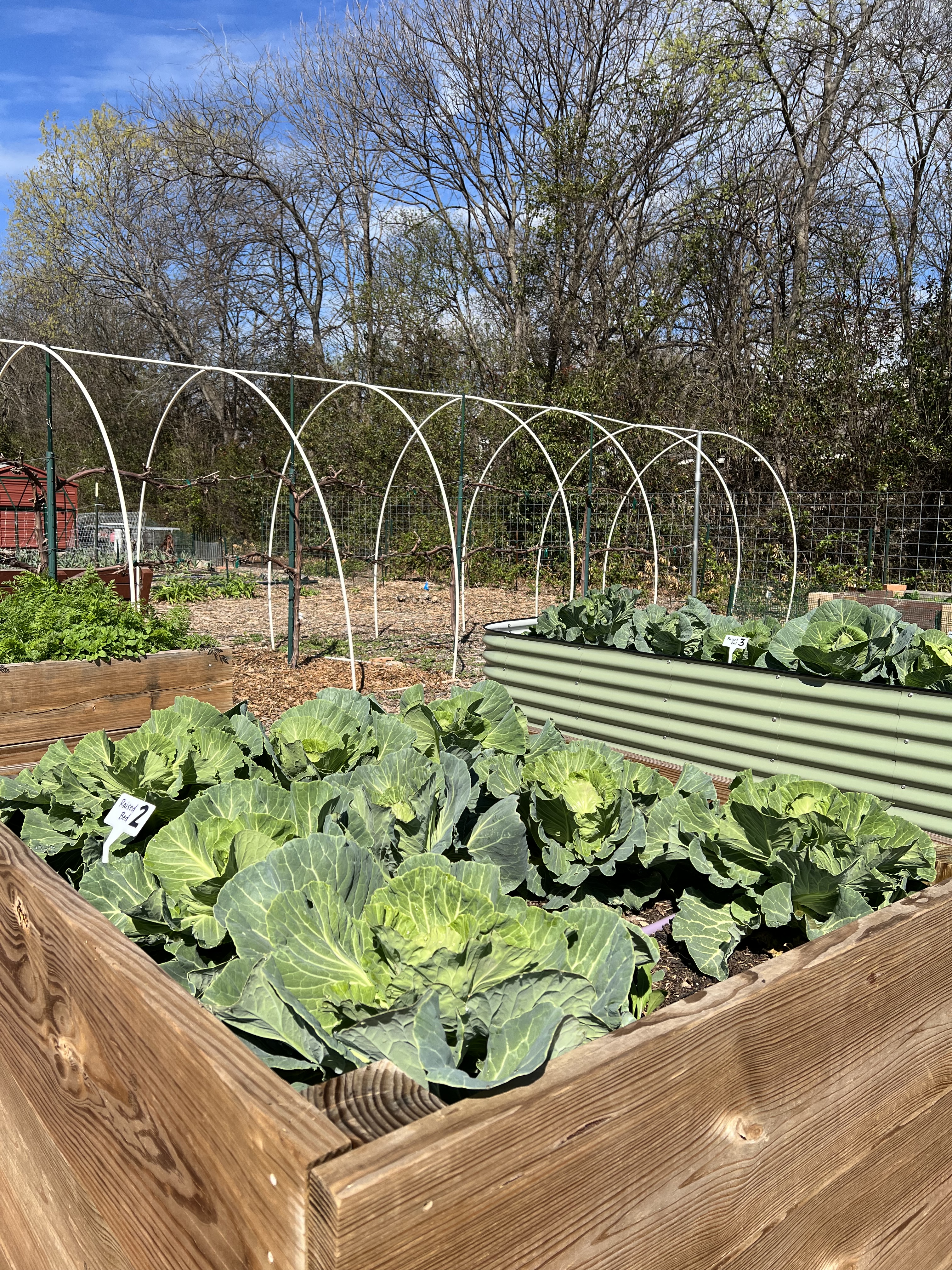
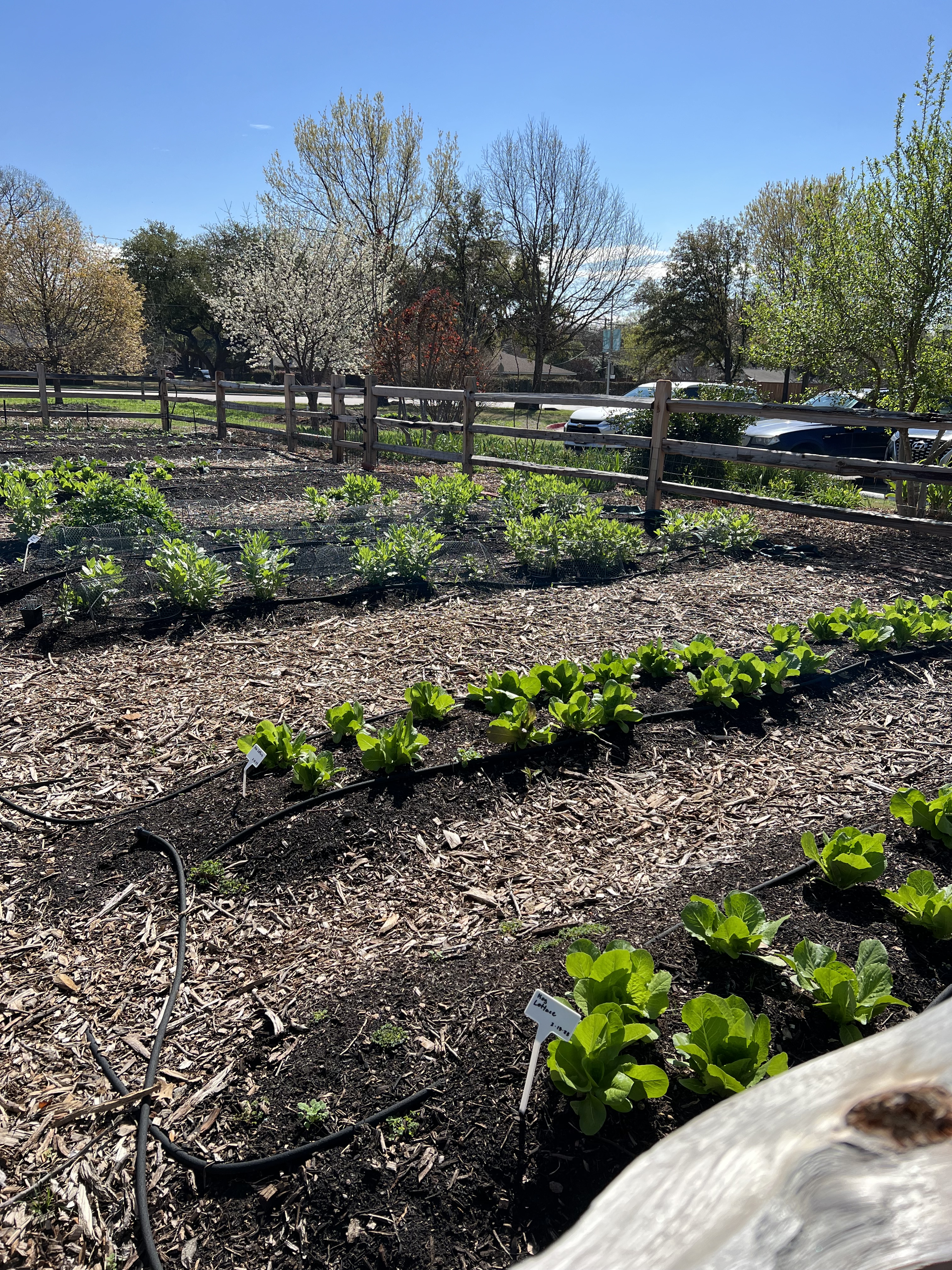
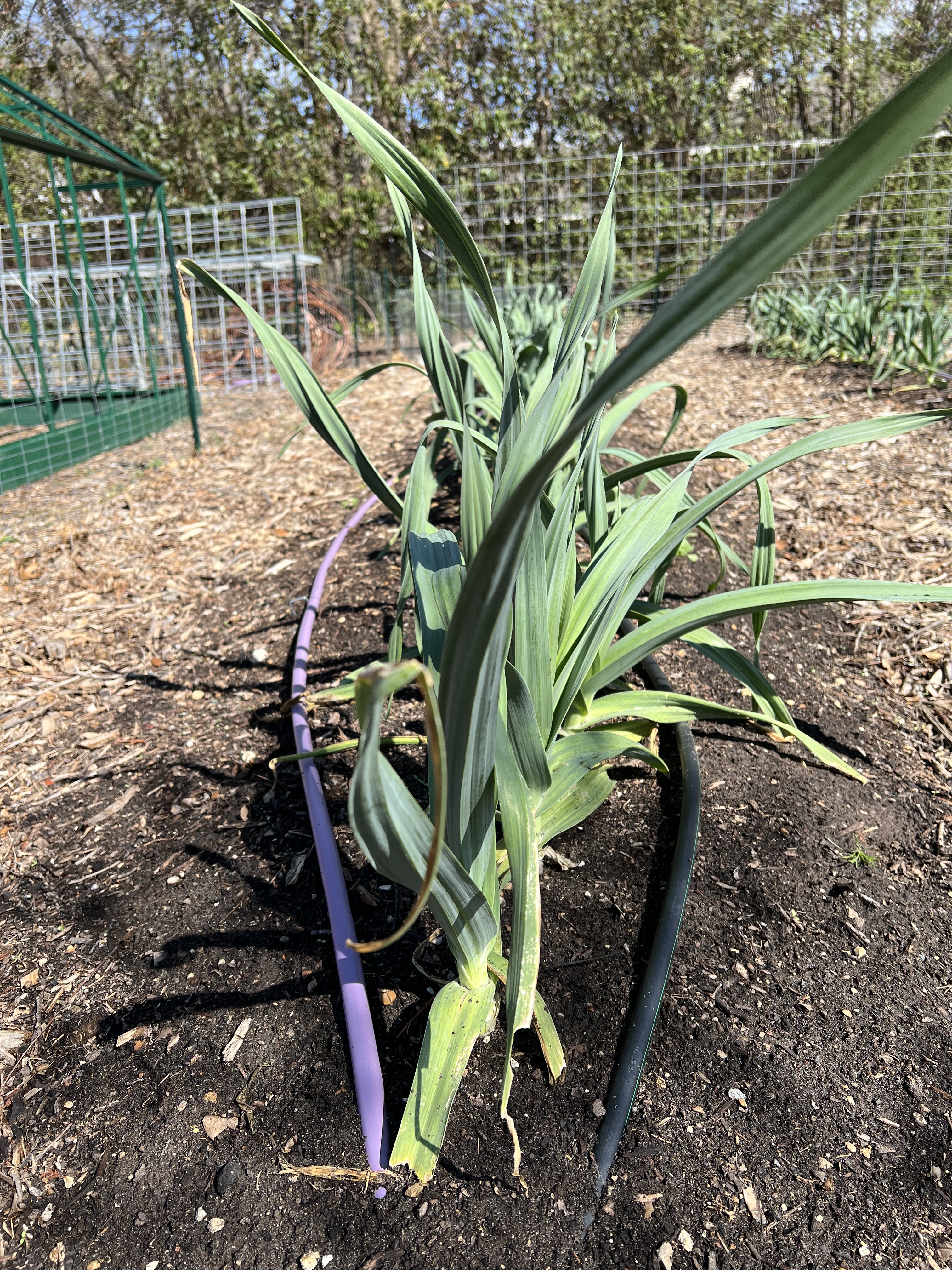
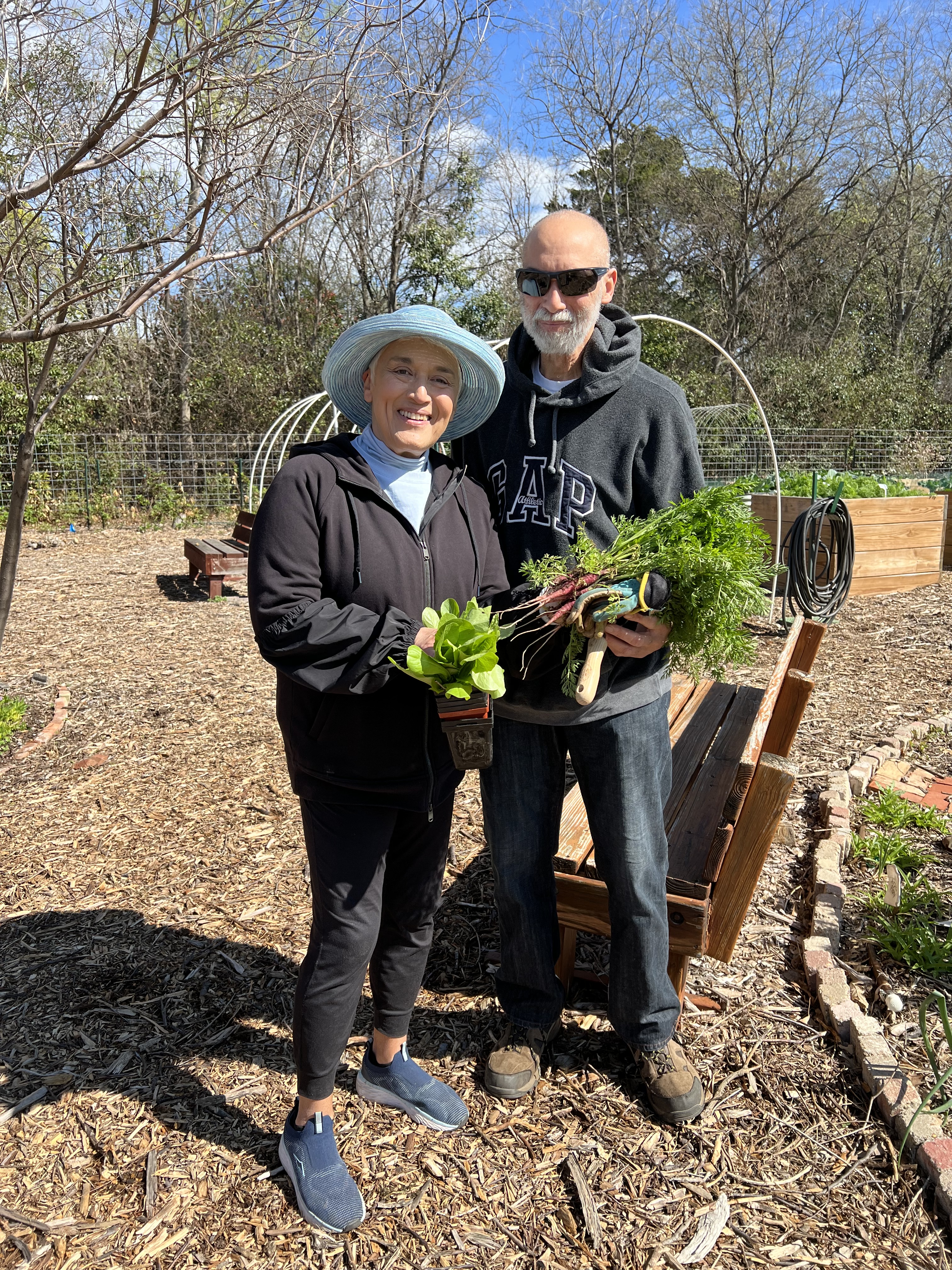
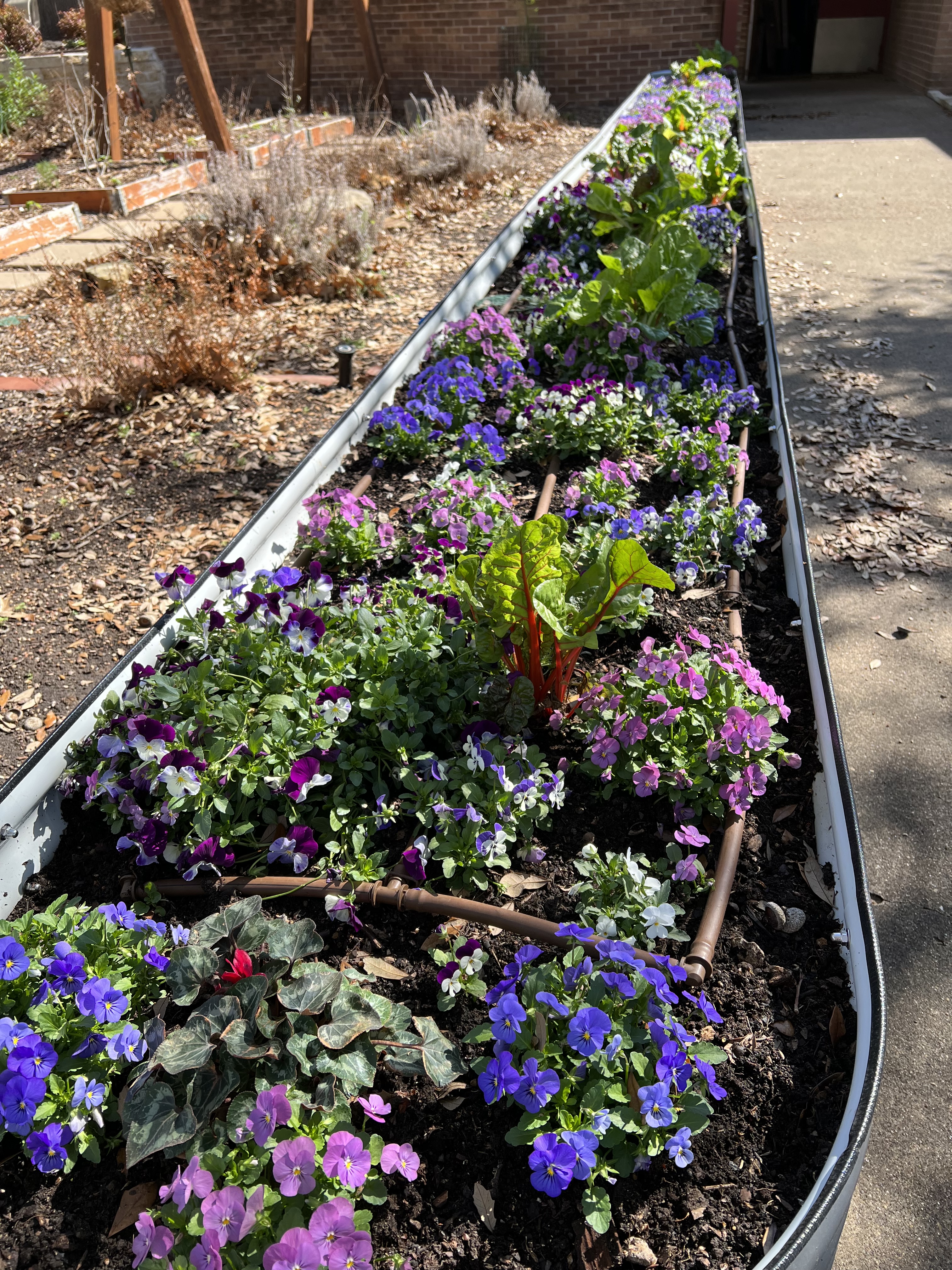
So while you are waiting, please enjoy these winter scenes.

Wintertime photos from The Raincatcher‘s Garden and a few from Linda’s yard.

Linda Alexander, Dallas County Master Gardener Class of 2008

“Drops of Honey” …February Feature

Who can resist a heavenly chocolate experience on Valentine’s Day? Sweeten it up with Honey! Recipe below.

Understanding the Anatomy of a Honeybee

On October 19, 1909, the U.S. Department of Agriculture, Bureau of Entomology received a manuscript from Mr. R. E. Snodgrass, an agent and expert of the Bureau. It was entitled “The Anatomy of the Honeybee.” This exhaustive 150-page document was described as “embodying the results of detailed studies made by Mr. Snodgrass and should prove of value as bringing to the beekeeper reliable information concerning an insect of such great importance, and also as furnishing a sound basis in devising new and improved practical manipulations.” The brilliant work of Mr. Snodgrass is considered a valuable piece of work which has now been quoted and used continuously for over 100 years. 

In 1956, the work of Robert Snodgrass was published into book form. With over 350 pages, it is a classic work that is acclaimed as much for the author’s remarkably detailed line drawings of the various body parts and organs of his subject as his authoritative knowledge of entomology. Over the years,  it was suggested that his book should be in the library of every student of the honeybee and bee behavior. 

For the sake of brevity, and in the words of Mr. Snodgrass, here is a summary of the primary functions of the honeybee:

“It possesses mouth organs for taking up raw food, an alimentary canal to digest it, salivary glands to furnish a digestive liquid, a contractile heart to keep the blood in circulation, a respiratory system to furnish fresh oxygen and carry off waste gases, excretory organs for eliminating waste substances from the blood, a nervous system to regulate and control all the other parts, and, finally, organs to produce the reproductive elements from which new individuals are formed to take the places of those that die.”

And, just to think, this is the masterfully created tiny machine that gives us honey!

Now, let’s take a closer look at how this happens.

“Drops of Honey” …FebruaryClipart - New HeartFeature

Honey dripping from spatula with honeybees around

What is honey and how is it made?

Scientifically speaking, honey is a complex carbohydrate composed of approximately 80 percent monosaccharides, or simple sugars, mostly fructose (levulose) and glucose (dextrose) in varying ratios depending on the nectar source. The remaining content, approximately 16-18 percent, is water. Fructose is slightly sweeter than glucose and, when it occurs in larger quantities than the glucose, can lead to rapid crystallization of the honey, 

Over twenty-five other disaccharides have been identified in honey along with oligosaccharides, including erlose, theanderose and panos. These are not naturally present in nectar but are formed during the honey ripening process.

One of the most important attributes of any honey is its water content. The average water content of most good-quality honeys is 17-18 percent. This happens because bees make it that way.

Yeast is also present in all honeys as a result of being in the environment in general. Proteins make up about twenty-five percent of honey composition with at least 19 different ones present. The proteins are mainly enzymes added by the bees during the ripening process. Invertase, the most significant enzyme is what sets honey apart from other sweeteners. 

Honey contains a few amino acids. The most important, of which, is proline. Some proline is derived from the plant source, and some added by the bees. Proline is the measure of honeys ripeness and is an important standard for judging quality and flavor profile. 

Gluconic acid is the most prominent acid found in honey. It adds flavor enhancing properties.

Honey contains a wide variety of minerals including potassium and trace elements. Worth noting, darker honeys are stronger in flavor due to their higher mineral content. Important also, is that these elements make it possible to identify different types of varietal honey. 

Finally, honey also contains over six hundred volatile organic compounds (VOC) or plant-based essential oils. Many originate from the plant and some are added by the bee. 

*Volatile organic compounds evaporate from honey when the honey is heated, therefore, heating honey compromises its delicate flavors.

In summary, let’s close with a few simple answers to the question, ‘what is honey’. 

*Honey is the essence of flowers. 

*Honey is a thick, golden liquid produced by industrious bees. 

*Honey is the result of a colony of bees working together to collect flower nectar and transform it into a high-energy source for the hive. 

*Honey is an organic, natural sugar alternative with no additives.

The A, Bee Cs of Honey Making

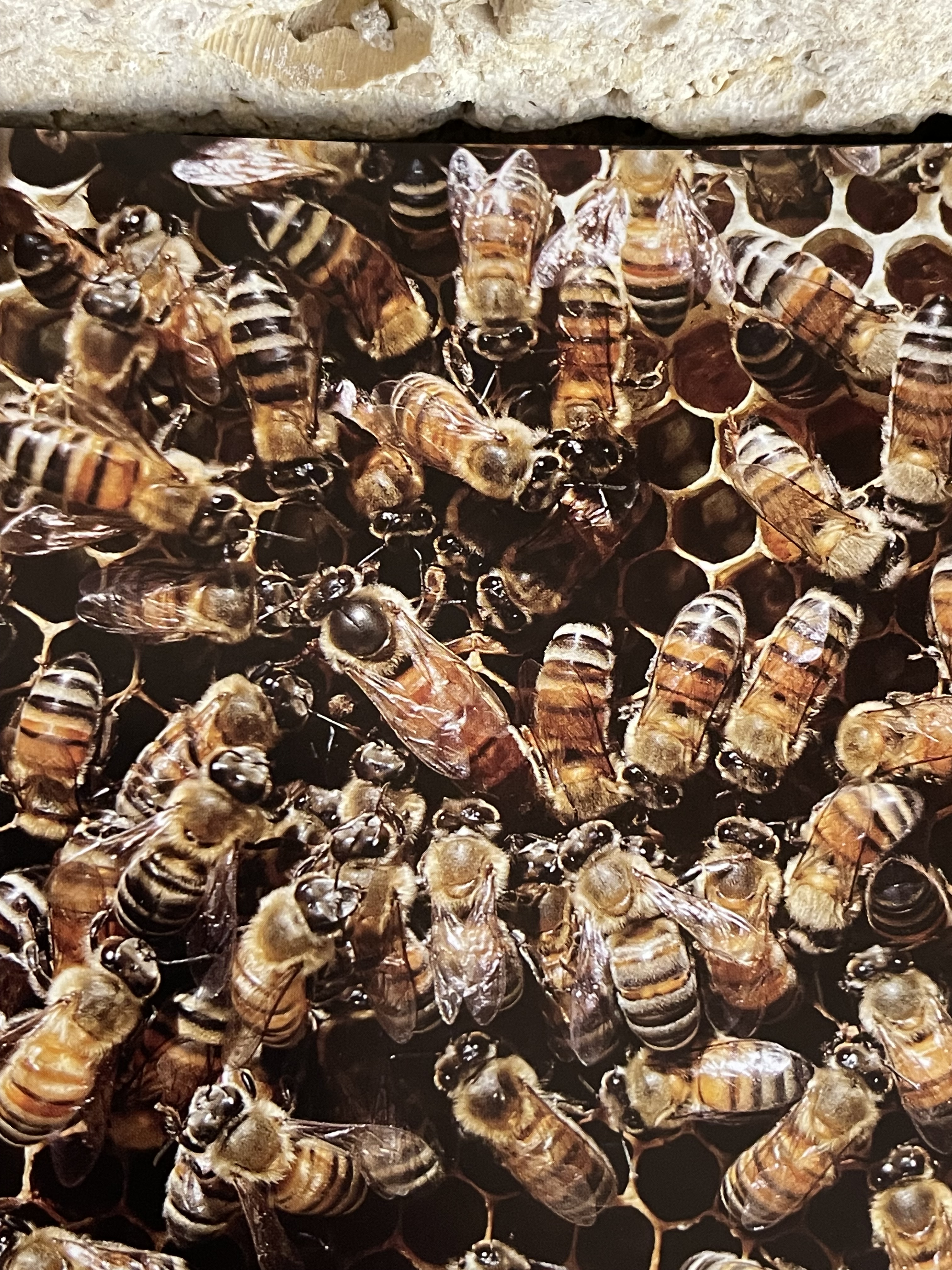
Honey production is a carefully orchestrated series of chemical processes including digestion, regurgitation, enzyme activity and evaporation. It is exclusively the creation of the female worker bees. Nectar, a sugary liquid, is extracted from flowers using a bee’s long tube-like tongue called a proboscis then stored in its stomach or “crop”. While sloshing around in the crop, the nectar mixes with the enzyme invertase which begins the transformation of its chemical composition and pH, making it more suitable for long-term storage. 

When a honeybee returns to the hive, it passes the nectar to another bee by regurgitating the liquid into the other bee’s mouth. This regurgitation process is repeated until the partially digested nectar is finally deposited into a honeycomb. 

Once in the comb, nectar is still a viscous liquid – nothing like the honey you use at home. To get all that extra water out of their honey, bees set to work fanning the honeycomb with their wings to speed up the process of evaporation. 

When most of the water has evaporated from the honeycomb, the bee seals the comb with a secretion of liquid from its abdomen, which eventually hardens into beeswax. Away from air and water, honey can be stored indefinitely, providing bees with the perfect food source for cold winter months.

Linda Alexander, Dallas County Master Gardener Class of 2008

Honey Chocolate Cake with Chocolate-Honey Icing and/or Honey Whipped Cream

NEW YEAR—-NEW GARDENING YOU

February 9, 2023

The new year brings programs that promise the new and improved you.  These sensational claims are seen everywhere; the gym, the bus stop and store fronts. They boast incredible results like guaranteed weight loss of 100 lbs. And we can’t forget the facials that will freshen the person you are right now.

It seems that for gardeners fewer promises are offered.  While you might not become a whole new gardener, it really is a good time to think about improvements, realistic improvements. And thankfully that can happen without signing a contract you might soon come to regret.   Improvement for gardeners can start today!

Where to start?  Well of course it’s a personal thing that will be a bit different for each gardener but here a few suggestions.

First It all starts with being there—in the garden.  Plan to make your garden time a part of as many days as possible.  And make the time count.  When you are in the garden really be there. 

Remember the old saying:  “The best fertilizer for the garden is found in the footsteps of the gardener.” 

Use a little time to observe closely.  See what is there. Look for insects and other creatures that have a home because of your garden. Amazing! Appreciate what is happening now.  Yes, for sure we have to plant and weed and clean but also just enjoy what is.  It is so easy to forget this in the need to make the next moment better.  The best plans and actions will just follow when we carefully observe.

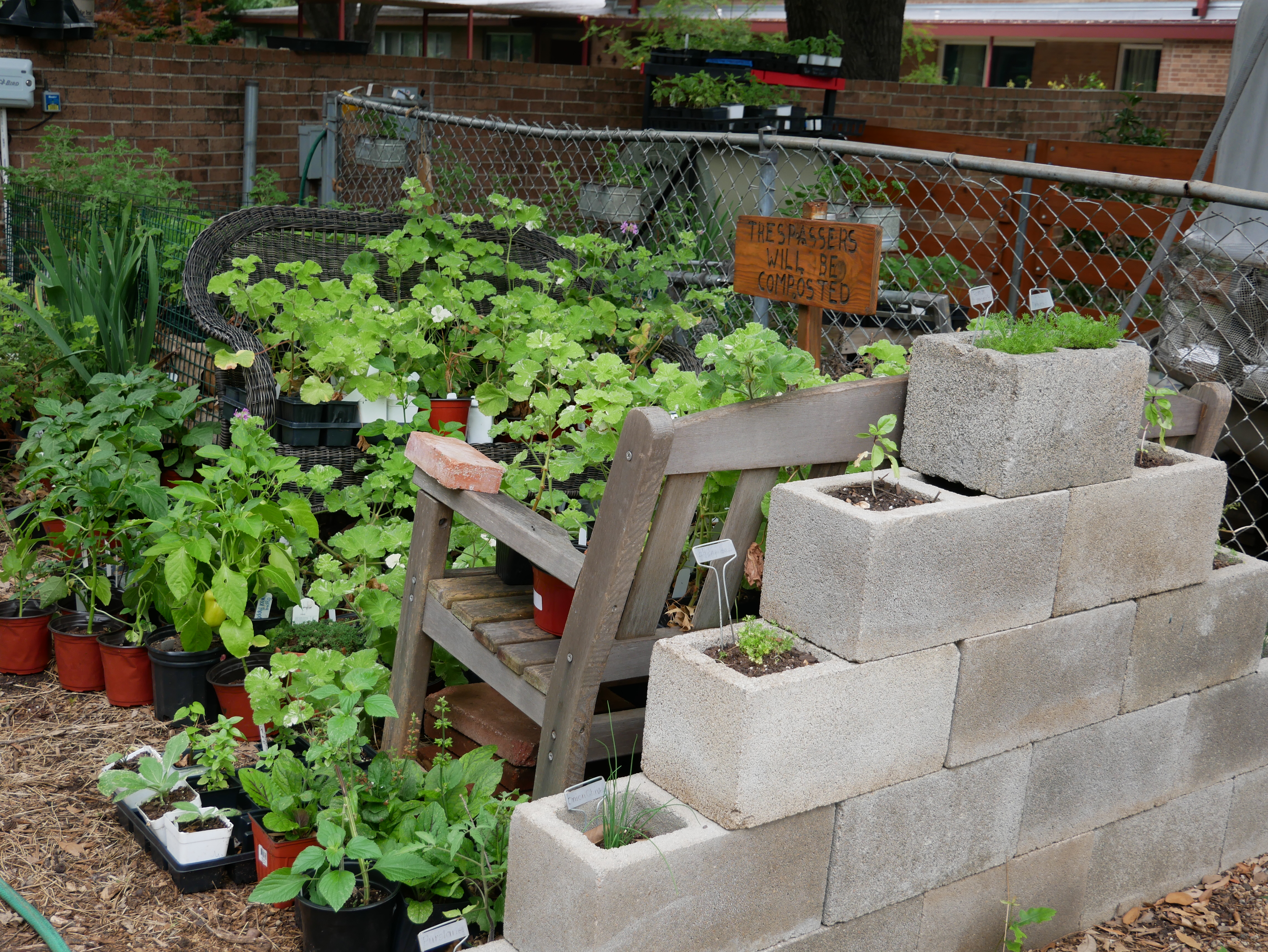
The Raincatcher’s Garden, a garden worth observing!

So lets plan to enjoy the garden more by being in it and carefully observing.

Yet another old saying comes to mind “ Reduce Reuse Recycle.’ 

Thinking before buying is so important.  First think if you can divide current plants and use what you already have. 

Try a new propagation technique.  Cuttings don’t always work but amazingly they often do.  Instructions are just a ‘click away.’ You can often share with a friend, and in return they share back.  You not only have a new plant but a happy memory.

Evelyn Womble sharing Hardy Amaryllisa happy memory for alot of us!

Containers look trendy with small divisions of grasses paired with ground covers. You might even consider a sedum that creeps over the sides.

Naturally we all want to buy just something to support local plant sales  Do be sure you have a place for the plant. No doubt you have seen pots filled with very dead plants by the curb waiting for the landfill. Poor things never even got planted.  Never do that!

The Raincatcher’s plant sale, full of repurposed pots and pass-along plants is a great sale to support! Don’t forget to put May 4th on your calendar.

Think carefully, as well, before buying products.  Obviously no toxic chemicals and remember peat is completely non sustainable.  Try coir based product. Speak up at the shop and ask nicely for what you want and explain why.  It can make a difference. Let’s try to be more aware, to spend as much time in the garden as we can and try to be responsible with resources.  

What is the next step ?

Sharing of course!  We know every garden can make a difference in supporting people and creatures—so why don’t more people have one?  Well, that is a question we can’t really answer but we can try to inspire and even assist those that do show an interest.   Take time to show neighbors around your garden and answer questions.  If you “plant the seed”  maybe it will grow and they will start a garden and then maybe they will share. And well maybe you yourself will have started something really valuable. 

Its all too easy to get discouraged with the situations around us but in practical terms gardeners can make a difference; first for themselves then the little patch of the world we care for and then others.

So, let’s start by making just a few improvements in ourselves and we will make it the best gardening year ever.

Susan Thornbury, Dallas County Master Gardener Class of 2008

Pictures by Starla Willis, Dallas County Master Gardener Class of 2011

Let the Buzzing Begin!

January 31, 2023

Honey dripping from spatula with honeybees around

Happy 2023 and welcome to the beginning of a 12-month adventure
featuring honey and honeybees.

Along the way, we’re going to learn
some very beneficial facts about bees, honey and honey production.
Join the “buzz” each month for a closer look into the fascinating world
of honeybees. Discover secrets of the colony that will leave you amazed
at how efficiently these tiny insects perform their specific duties within a brief, but highly productive, lifespan.

Follow the wisdom from our monthly “Drops of Honey” for incredibly
interesting information. Learn the story of honey and how it is made.
You will quickly discover that the honeybee is truly a brilliant creature.

The Appeal of Honey

Throughout the history of mankind, honey has been celebrated by every generation, tribe and culture. Dating back to 2100 B.C. where it was mentioned in Sumerian and Babylonian cuneiform writings, the Hittite codes and the sacred writing of India and Egypt, honey is a subject with universal appeal. Its magical properties and versatility are treasured by people groups across the globe.

Over the next twelve months, our journey into the world of “honey”
promises to give us a growing admiration for the source of this golden gift
from nature: the honeybee. Hopefully, our understanding of the role each
tiny bee plays in the process of honey production will inspire us to be more
appreciative, and protective, of these fascinating creatures.
So, let’s get busy learning what all the “buzz” is about!

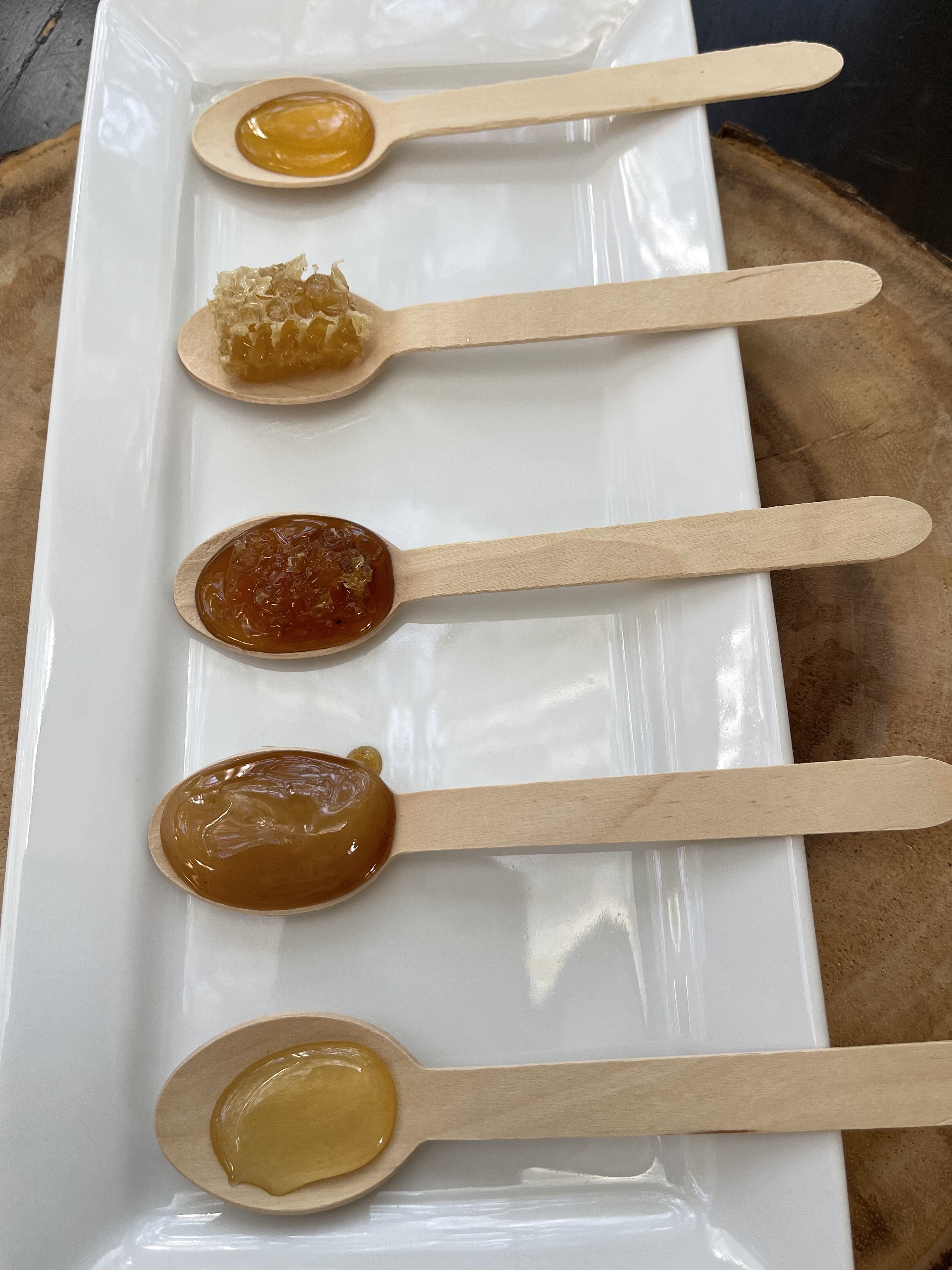
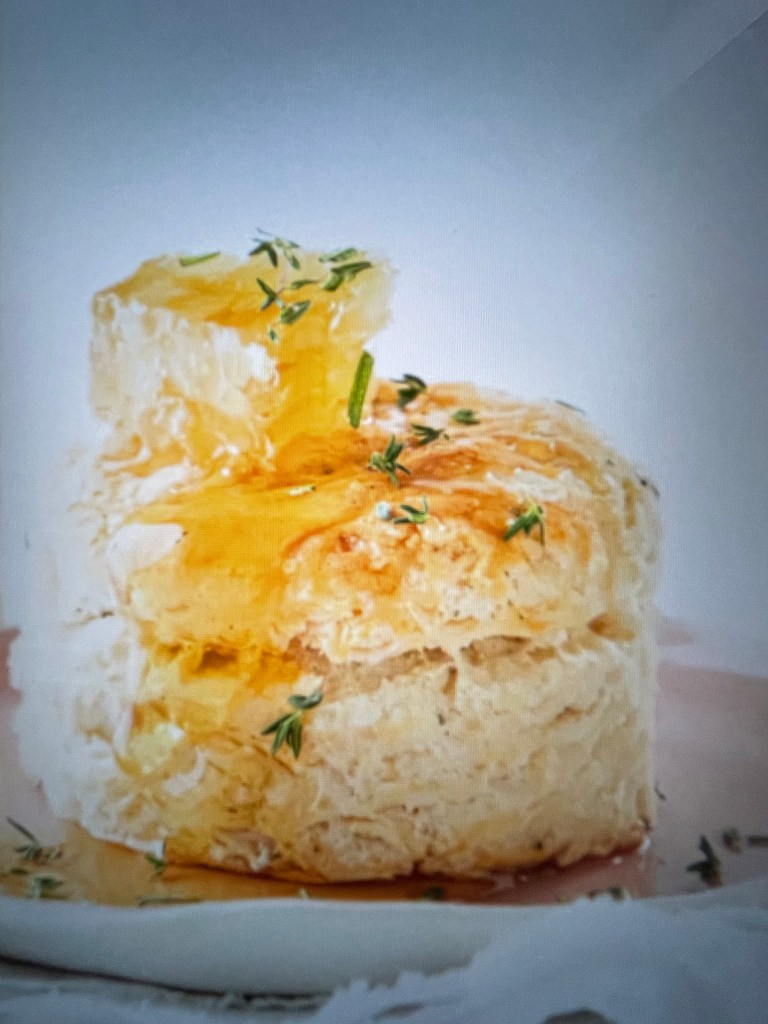
An adventure into the world of honey wouldn’t be complete without some favorite recipes using it as a key ingredient. Our first recipe featuring honey is a staple of Southern cruise: Honey and Herb Cathead Biscuits (many years ago in the Deep South, biscuits were so large they were described as being the size of a cat’s head). So, let’s jump right in and enjoy the taste of these flaky, tender and delicious gems drizzled with the superstar flavor of Sourwood honey. Top your biscuit with a small piece of honeycomb and freshly chopped thyme for a heavenly finish.

Linda Alexander, Dallas County Master Gardener Class of 2008

Seed Starting 2023 and Save the Date for our Plant Sale

February 1, 2023

Real gardeners are not letting grass grow under their feet; they are busy starting seeds. By starting seed indoors you can extend a plant’s growing season, scoop up new and varied varieties of seed rather than depending on garden center transplants, and maybe even save money. Packages of seeds are so much less expensive than transplants.

The Master Gardeners at Raincatchers Garden have seed starting operations in their homes.

This is Joe Armitage, Class of 2019, and his set up with LED lights. He started Tasmanian Chocolate and VR Moscow tomato seeds on 1/10/23.

Jackie James has a simple set up in her sunny window for seed starting and uses reading lamps to provide extra light.She enjoys up cycling take home containers. They work just as well as store bought trays with humidity domes for germination.Pimento peppers planted January 14th are already sprouting.

Peppers in production are:

Mad Hatter, Purple Jalapeno, Lemon Spice Jalapeno, Orange Spice Jalapeno, Aji Amarillo, Hot Hungarian Banana Pepper, Cherry Bomb, Pimento, Shishito, Fish Pepper, Hot Pops Purple Ornamental, Santos Orange Ornamental, Wicked Purple Ornamental. 

Sheila Kostleny has started pepper seeds for the North garden at Rainctcher’s and our plant sale. Sweet Jimmy Nardello, Northstar Hybrid, Gypsy Hybird, Habanada and Early Jalapeno are in production.  

As seen on the bottom rack, Sheila is trying paper towel germination for Marconi Sweet pepper, Tam Jalaepeno and Rainbow Blend Lunchbox Peppers.

Jim Dempsey uses a grow light with three trays and each tray holds two 72 count seed trays. He planted the peppers around January 18 and plans to start tomatoes in the next few days. Next he will plant flower seeds.

Jim has a total of 175 peppers in this tray.

These seedlings will be potted up and planted at The Raincatcher’s Garden in the spring. Many varieties will also be sold at our plant sale in May.

Ann Lamb, Dallas County Master Gardener Class of 2005, with input from Beverly Allen

NEWS-OUR PLANT SALE AT THE RAINCATCHER’S GARDEN IS SCHEDULED FOR MAY 4TH!

The Garden In January As We Wait for Spring

January 26, 2023

A quote from Southern Bulbs has captured my thoughts:

“Spring starts the day after Christmas.”

Working with our veggie team at Raincatcher’s last Monday, January 16th, spring was definitely in the air and now we have had over an inch of rain to further encourage our spring longings.

We sat at tables under our education pavilion planting tomato seeds with dreams of epic tomatoes. For a list of tomato varities we are seeding, see below.

Elephant garlic planted in November, to be harvested in June, was examined.

We considered the carrots that took a hit during the December low temperatures but have rebounded.

Last year the Raincatcher’s Garden delivered 700 pounds of fresh vegetables and fruit to North Dallas Shared Ministries Food Pantry. The goal for 2023 is 1,000 pounds of harvest. With the dedication of this band of Master Gardeners and expert leadership, I am sure they will succeed.

Ann Lamb, Dallas County Master Gardener Class of 2005


Tomato varieties and place purchased are as below. 

Johnny’s Selected Seeds – Hybrid Cherry BHN-968, Early Girl, Five Star Grape, Tasmanian Chocolate and Juliet.

John Scheepers Kitchen Garden Seeds – Cherry Falls.

Botanical Interests – Patio Choice Yellow. 

Tomato Growers Supply Company – Red Robin and Wild Cherry. 

Natural Inspiration

In the “paint” world, each new year begins with the big reveal. For 2023, Pantone has taken inspiration from the natural world with the announcement of Viva Magenta as their color of the year. Described by the company as a powerful and vibrant shade of red deeply rooted in nature, it promises to be “bold and fearless” while adding a joyful and optimistic tone to your interior.

Pantone’s glamorous appeal is convincing; “Viva Magenta descends from the red family and is inspired by the red of cochineal. The cochineal beetle is an insect that produces carmine dye, one of the most precious, strongest, and brightest natural dyes the world has known”.  They add, “it was chosen to reflect our pull toward natural colors.”

Seems the botanical industry has taken notice with promotional ads now featuring a stunning array of floral options for your landscape. Not surprisingly, it would be difficult to find a flower that more dramatically captures the true essence of “magenta” than the zinnia.

As you can see from this stunning photograph, I was, indeed, “drawn in” and quick to imagine the perfect sunny location for it in my summer garden. It’s from The Gardener’s Workshop in Newport News, Virginia.

The name and description they’ve given this zinnia is impressive; ‘Uproar Rose’. It is being held as the next knock-out zinnia by cut flower growers everywhere.

My seeds have been ordered and will be planted directly into the garden after our last danger of frost. I’ll follow their very professional harvesting tips:

*Harvest the blooms when fully mature.

*Make the first harvest cut above the bottom two side shoots as this establishes a branching habit for the season.

*Make future cuts at the base of the stem.

Linda Alexander, Dallas County Master Gardener class of 2008

Glorious Gardening in The North Field

December 2, 2022

Joy in the garden and what to expect in your fall and winter gardens:

Our gardeners who work in the gardens pictured are called the “vegetable team.” Beverly writes-I have been thinking about the gratitude the vegetable team has for the harvests we have donated. (over 675 pounds donated) When we are trying a variety that is new to us, we taste it-often as a part of lunch before we go home from our workday. I’m grateful for that fellowship.  I’m also grateful for the gardeners who start seeds for us at their homes. 

The loofah and Zucchino Rampicante (Baker Creek Heirloom Seeds) escaped the raised beds and trellises after the worst of the summer heat was over. The loofah seeds were saved from a prior year and direct sowed. 
Aji Dulce peppers are mild and productive. They become very sweet when allowed to turn red. Our seeds were a gift and we save them from year to year.  They are becoming easier to find at some of the specialty seed outlets.

We planted small varieties of carrots such as “Little Finger” from Botanical Interests and kept the soil consistently moist until they germinated.  

Even though garden centers have turned their inventory to Christmas trees, you can still find lettuce, Swiss chard, spinach, kale, and herb transplants. Also, keep direct sowing radishes.  You may get a wonderful winter crop of vitamin packed vegetables. 

Ann Lamb and Beverly Allen, 2 Dallas County Master Gardeners

Pictures by Starla Willis, Dallas County Master Gardener-2008

Broccoli Romanesco

November 21, 2022

Grow your own garden art! Romanesco is a cole crop with characteristics of broccoli and cauliflower. It is widely grown in Italy and gaining popularity in Texas. Thanks to Romanesco, vegetable gardening is not just rewarding and nutritious it is also beautiful.

Romanesco produces thick stalks and wide, rough leaves. Leave a large space to grow this vegetable. The central head grows very large and eventually the plant can span 2 feet in diameter.

Me-Ann Lamb holding a Brocolli Romanesco from my garden in 2016

Sow seeds in a fertile location from February 1 to March 5 for a spring crop or August 20 to September 20 for a fall crop. Fall crops are ofter more sucessful as this plant thrives in cool weather. Sow seeds tinly and cover with 1/2 inch of fine soil. Keep evenly moist. Seedlings will emerge in 10-21 days. Thin to about 16 inches apart when seedlings are 1-2 inches high. Transplants are also available and much easier to grow. These plants will reach maturity in 75-100 days. To harvest, pick the enitre head before it begins to seperate.

Romanesco is a true photo opportunity. Take a close-up shot and it looks like and apple-green mountain range. The scientific name for this unusual ordering of rows is a “fractal.” Fractals can be thought of as never-ending patterns-nothing wrong with bringing math into the kitchen.

Susan Thornbury, Dallas County Master Gardener Class of 2008

Photo by Starla Willis, Dallas County Master Gardener Class of 2008

The Raincatcher’s Garden Fall 2022

November 18, 2022

A note from Jackie:

I thought I would follow up the beautiful fall photos Starla submitted to the blog with these photos of our garden that I recently received from our friend, Diane Washam.

Check out this bee visiting our Mexican Honeysuckle Plant. This plant blooms from late spring to fall.
I have never seen garlic chive seeds look so beautiful!
This lizard looks quite comfortable on the spotted manfreda plant.
Mexican Mint Marigold looking pretty after the rain.
Lambs Quarter is in the same plant family as spinach, chard and beets.
This is the Fidalgo Roxa pepper. We planted it on the courtyard as an ornamental plant. The beautiful, colorful peppers look like candy! However, don’t let the candy like appearance fool you as this pepper is extremely hot.
It was a good year for peppers! This is one of the many pepper plants that we planted in the edible garden, the donation garden and the courtyard garden. Many of these wonderful peppers were donated to the food bank, many of them were used to make our jalapeno jellies and a few were just there as ornamental plants to add interest to our gardens.

Jackie James, Dallas County Master Gardener Class of 1993

Photos by Diane Washam