Category Archives: Uncategorized

The Three Different Types of Honeybees in a Hive

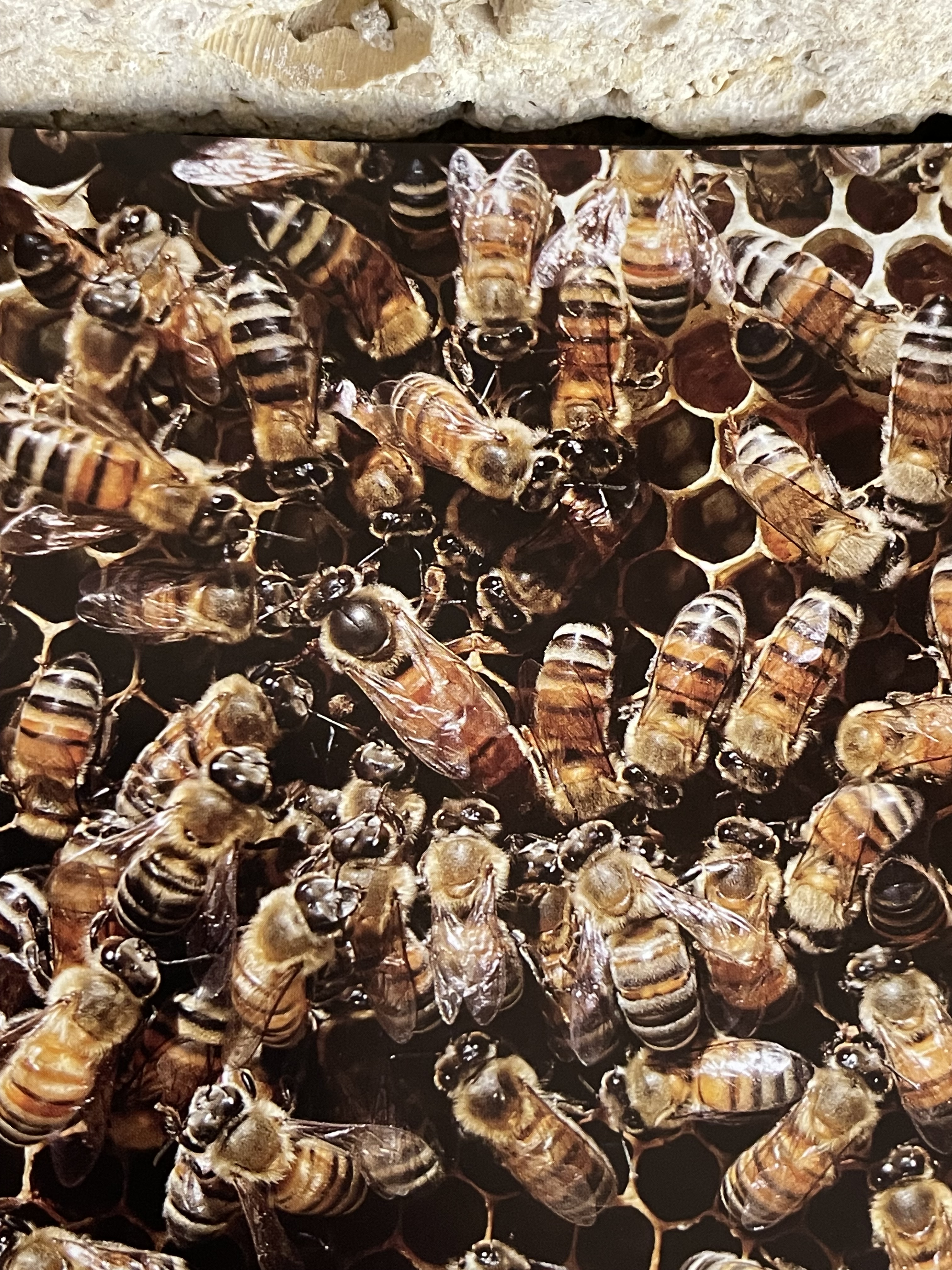
*Queen Bee – A hive contains just one queen bee who lives on average three or four years.  Her role is very specific and unwavering which is to mate and lay eggs. She is somewhat larger than the other bees and has a longer abdomen. She also has shorter wings than the others which cover about two-thirds of the length of her abdomen when folded. She has a long stinger but with fewer barbs than those of the worker bees. 

The queen only makes one flight when she leaves the hive as a virgin queen. In this time drone bees are attracted to her and mate with her during the flight, depositing several million sperm cells. That’s enough to last her lifetime. The rest of her life is spent inside the hive (unless conditions become overcrowded because of a growing population, in which case she will swarm, taking part of the colony with her). It’s just too risky outside the hive and she’s too important to the well-being of the colony. Her genetics, along with those of the drones she mated with, determine the quality and temperament of the colony as a whole.

A fertile queen bee can lay more than her own weight in eggs each day (up to 2,000 or one every 20 seconds). You might say that she is an egg laying machine. This role is vital to the continued existence of all the bees. 

Because the presence of a healthy laying queen is so essential to a colony, it’s very important for beekeepers to be able to find and recognize the queen. Often the queen is marked to make her easier to spot.
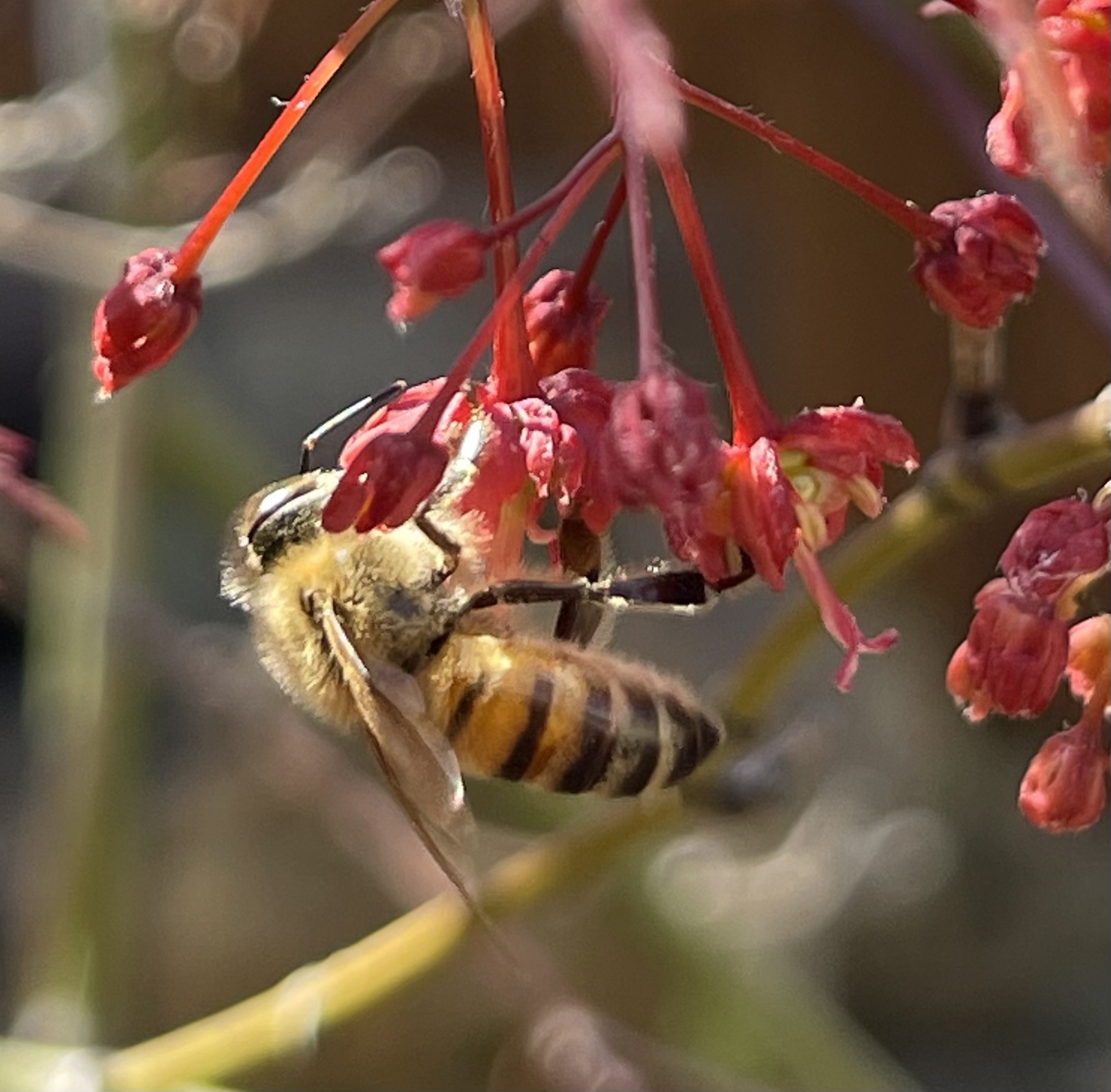
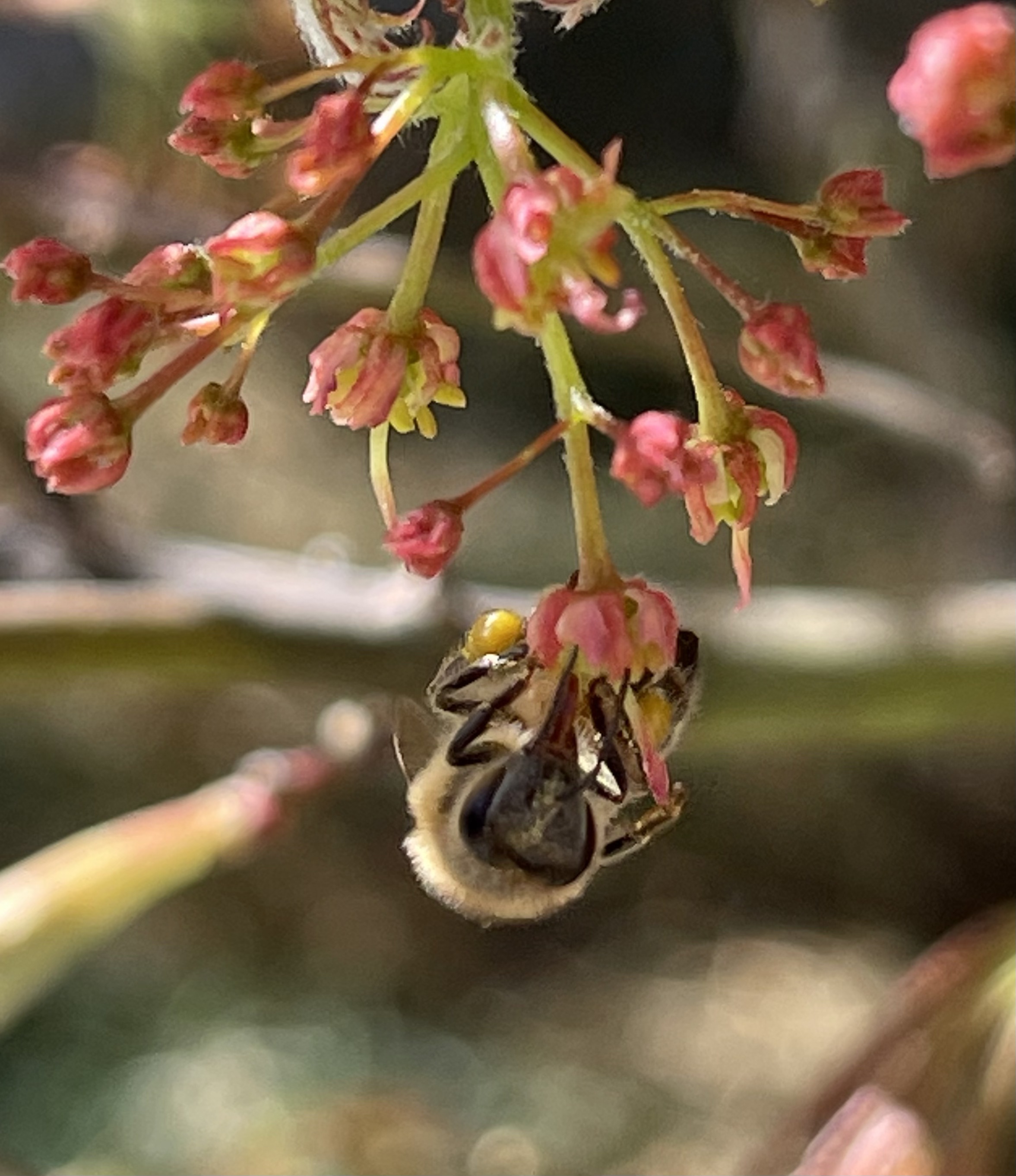
*Worker Bees – The worker bee is a non-fertile female. She cannot produce like the queen bee. She’s also the busiest bee in the hive. The worker bee takes on many different roles throughout her life. Most colonies have 30,000 to 80,000 female worker bees.

Their first role in life is as nurse bees. The first few days of a young adult worker bee is devoted to looking after the brood. Tasks include preparing brood cells and feeding larvae with a mixture of honey and pollen. After about three days

special glands on the head of the worker become active and secrete a milky substance known as royal jelly. This is a very nourishing liquid fed mostly to the larva of future queen bees and to adult queens. Other bees are only fed small amounts of royal jelly. The nurse bees are also responsible for maintaining the temperature of the brood at a steady 95°F. If the temperature drops, the bees huddle together to generate body heat, and if it gets too hot, they deposit water drops around the hive, then fan the air with their wings to cool the hive by evaporation.

Next comes the care taking role of the worker bee. This involves cleaning debris from the interior of the hive and building and repairing wax comb. This role usually lasts about one week. During this time, they may also take on guard duties at the entrance to the hive.

The final role of the worker bee is foraging. Worker bees forage for nectar, pollen, water and plant resins which bees use to make propolis (also known as bee glue, this is used to seal up gaps in the hive). Foragers make ten or more round trips each day from hive to blossoms; some are dedicated pollen foragers and others are nectar foragers.  A foraging bee visits fifty to one hundred flowers on every collection trip it makes from hive to blossoms. 

Foraging is the final phase of a worker bees’ life. Bees usually die in the field during foraging duties. The length of time they spend foraging will depend on the amount of energy they spend. If foraging sources are close to the hive, then a worker bee can go on foraging for anything between 15 and 38 days. In the winter, when activity slows down completely the worker bee can live as long as 140 days! A typical life span is about 4 to 6 months.

*Drones – Drones are the laziest bees in the colony. The only thing they have on their minds is finding a virgin queen to mate with! Their only role is to produce

These male bees are bigger in size than worker bees and have bigger compound eyes and large muscular wings. They also have no stinger. 

Males are created when the queen comes across a larger drone cell, and when laying the egg, she doesn’t fertilize it. This results in the drone. At first, drone bees are fed by the nurse bees, but as they grow older, they help themselves to honey directly from the hive.

It is believed that the presence of drones in the hive is reassuring to the rest of the colony. If the queen needs replacing, the drones are ready and eager to perform the task. A bee colony consists of several hundred male drones.

The life of a drone bee is short, but sweet, lasting only about 3 months. Because drones don’t know how to forage, they sometimes die of starvation. 

Drones also make good decoys to protect the queen bee during mating flights. With only one queen, a few drones eaten by predators isn’t important. Drones are expendable. 

And, sadly, for the drones who succeed in mating with the queen the end is near. During the process of mating with the queen, the drone’s abdomen is ripped off and the bee dies. How honorable that a life is given for the good of the colony!


Types of Honey
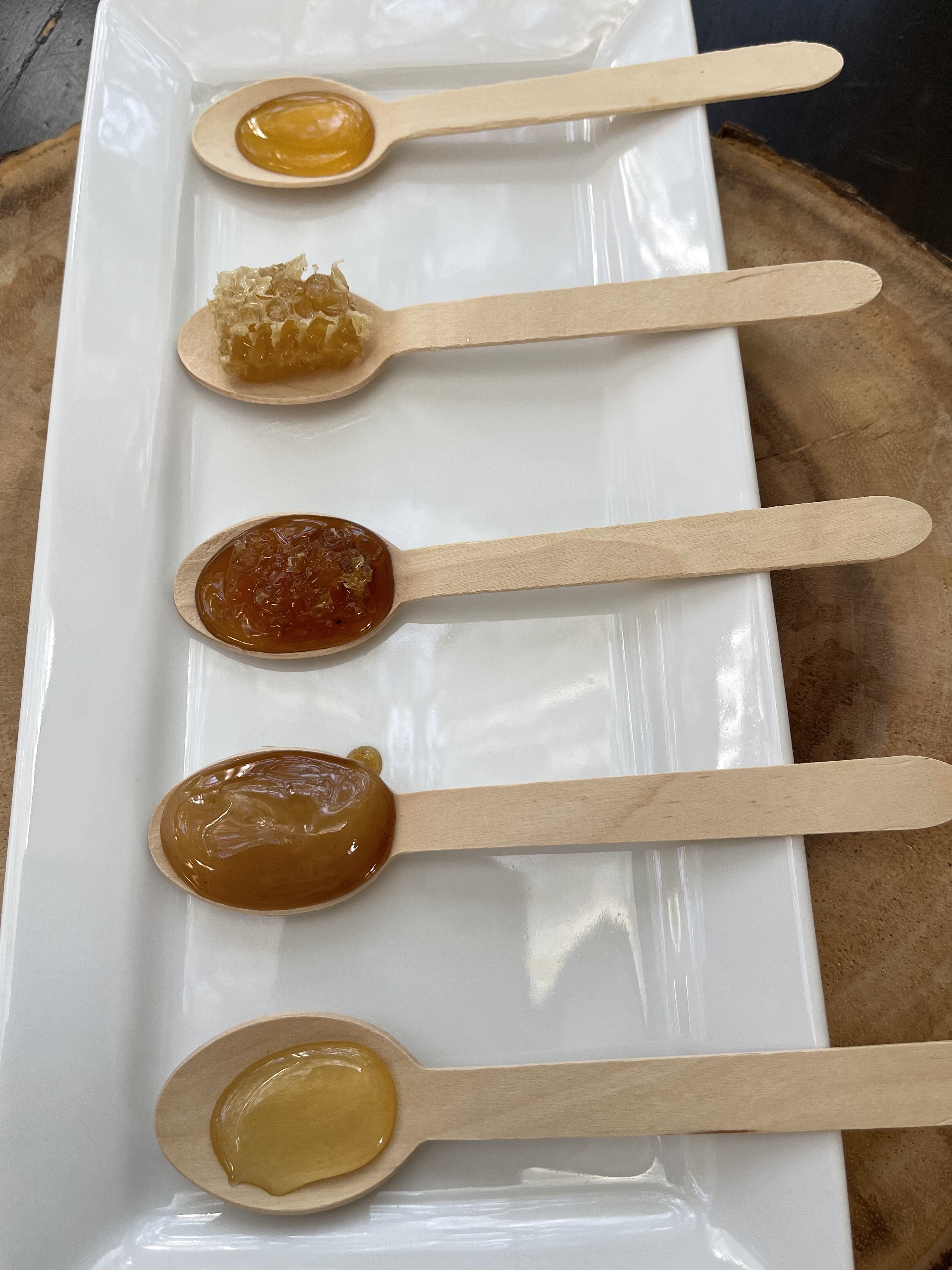
Top to bottom: Liquid Honey, Comb Honey or Honeycomb, Chunk Honey, Crystallized or Creamed Honey and Flavored or Infused Honey

Liquid Honey is the most popular. This is the honey that is extracted from the honeycomb by spinning in a centrifuge or by relying on gravity to drain it from a honey-comb filled frame in a box-style bee house. Many beekeepers or honey connoisseurs believe this is the freshest honey as it still in it’s original state, exactly as the honeybees made it. Raw honey contains natural pollen form the blossoms and some trace minerals.


Comb Honey, Honeycomb or Section Honey is till in its original hexagonally shaped was containers produced with wax that has been excreted by bees. Some consider this to be the jewel of the the beehive. Honey in the comp is uniquely delicate and light because it still inside the was where the bees stored it. A perfect honeycomb specimen has no uncapped cell, dry holes, drips (called weepings) or damage from bruising. It should appear smooth and consistent in color. Honeycomb can be round or square.


Chunk Honey is a chunk or piece of honeycomb floating in a jar of liquid honey. In a typical honey shallow, you’ll see it is possible to cut out three pieces of honeycomb that are four inches by four inches, leaving a narrow piece left over. This “extra” piece is what is reserved for chunk honey, leaving no part of the honey frame wasted. That piece should be placed inside the jar perfectly vertical with the beeswax cells pointing up from the center foundation piece. For consuming, you can choose to either pour the liquid honey out from around the comb or scoops out a chunk of the comb itself. Preferences aside, chunk honey is like the having the best of both worlds..


Crystallized or Creamed Honey is spreadable honey with a lovely granular texture that dissolves on the tongue. It is high in glucose which causes the honey to crystallize quickly. Most honey will crystallize over time. It is still perfectly good. With a unique quality of being both smooth and rough at the same time, many prefer it in this form. Crystallized honey appears creamy and almost opaque in color.


Flavored or Infused Honey is a mild-tasting honey that has flavors steeped or infused into it to enhance its natural flavor. Some interesting added flavorings are fruit flavors, herbs, spices or essential oils. Always check to see if the honey you are purchasing is the authentic varietal or an enhanced product with additives.

Linda Alexander, Dallas County Master Gardener Class of 2008
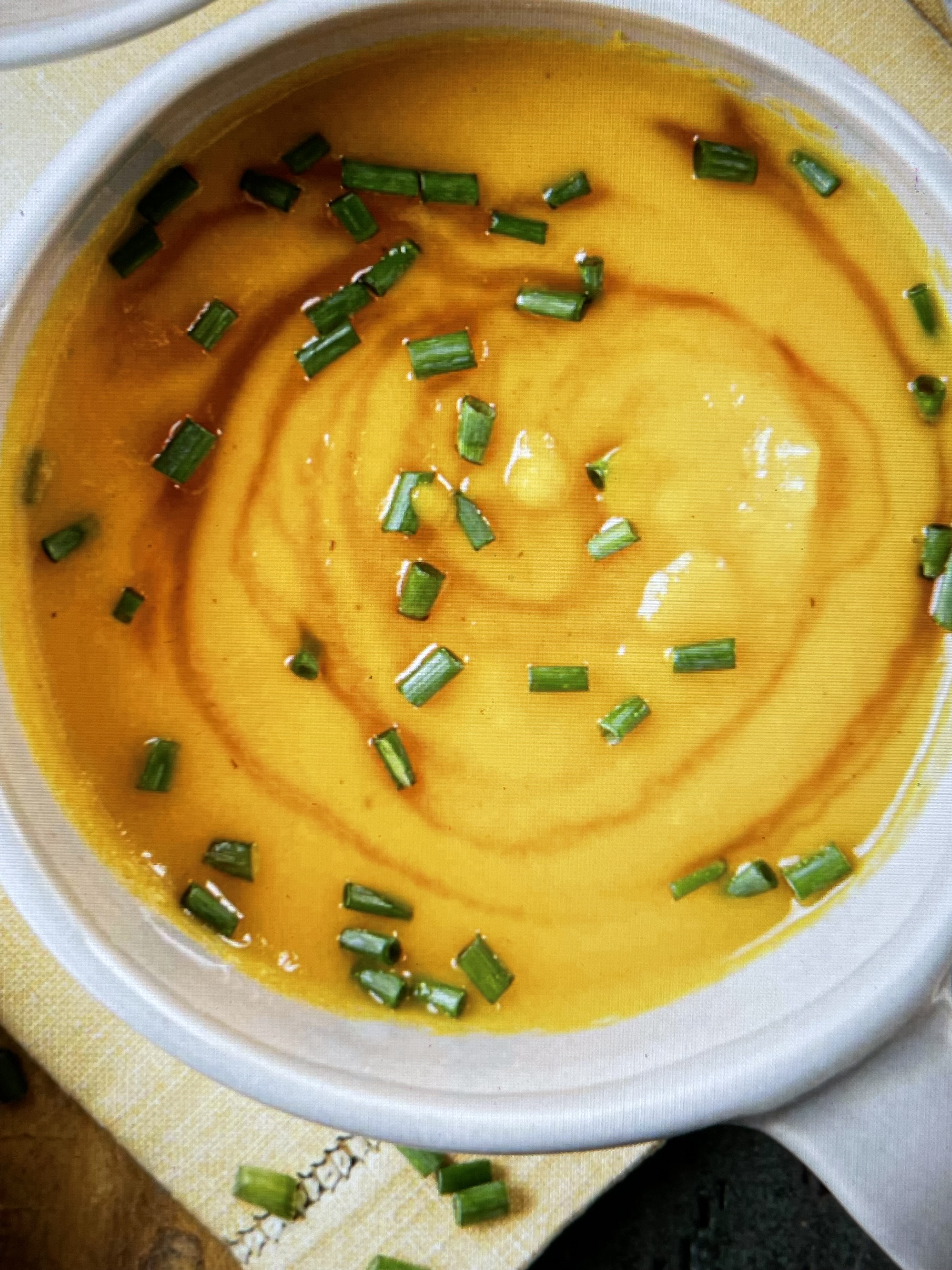
Honey Carrot Soup on the left.

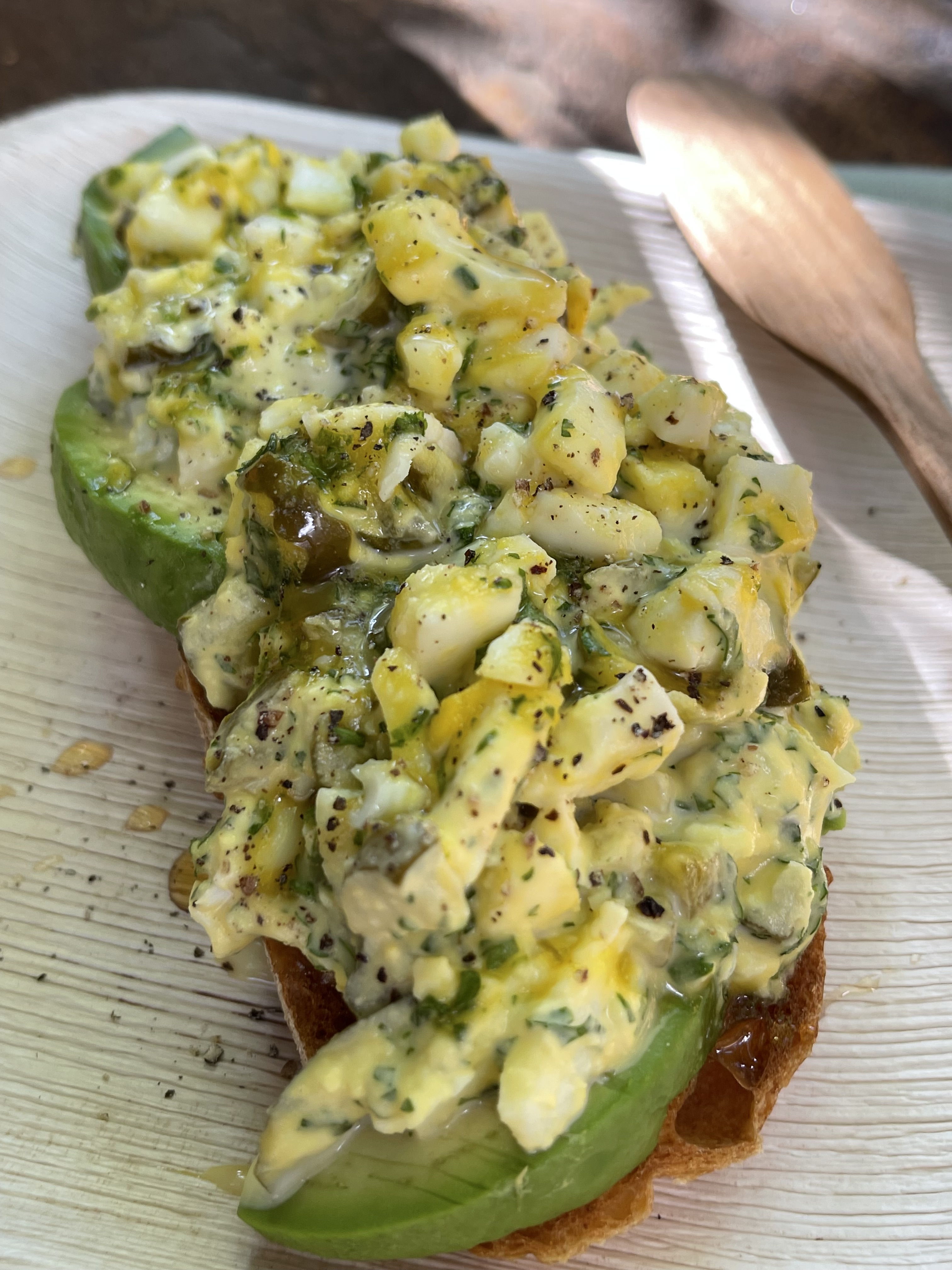
Egg Salad Toast with Hot Honey Drizzle on the right.

Raincatcher’s Memories

When I go to the Raincatcher’s garden (est.2005), I am like a Grandmother visiting her grandchildren. The garden has been a blessing to me for many years.

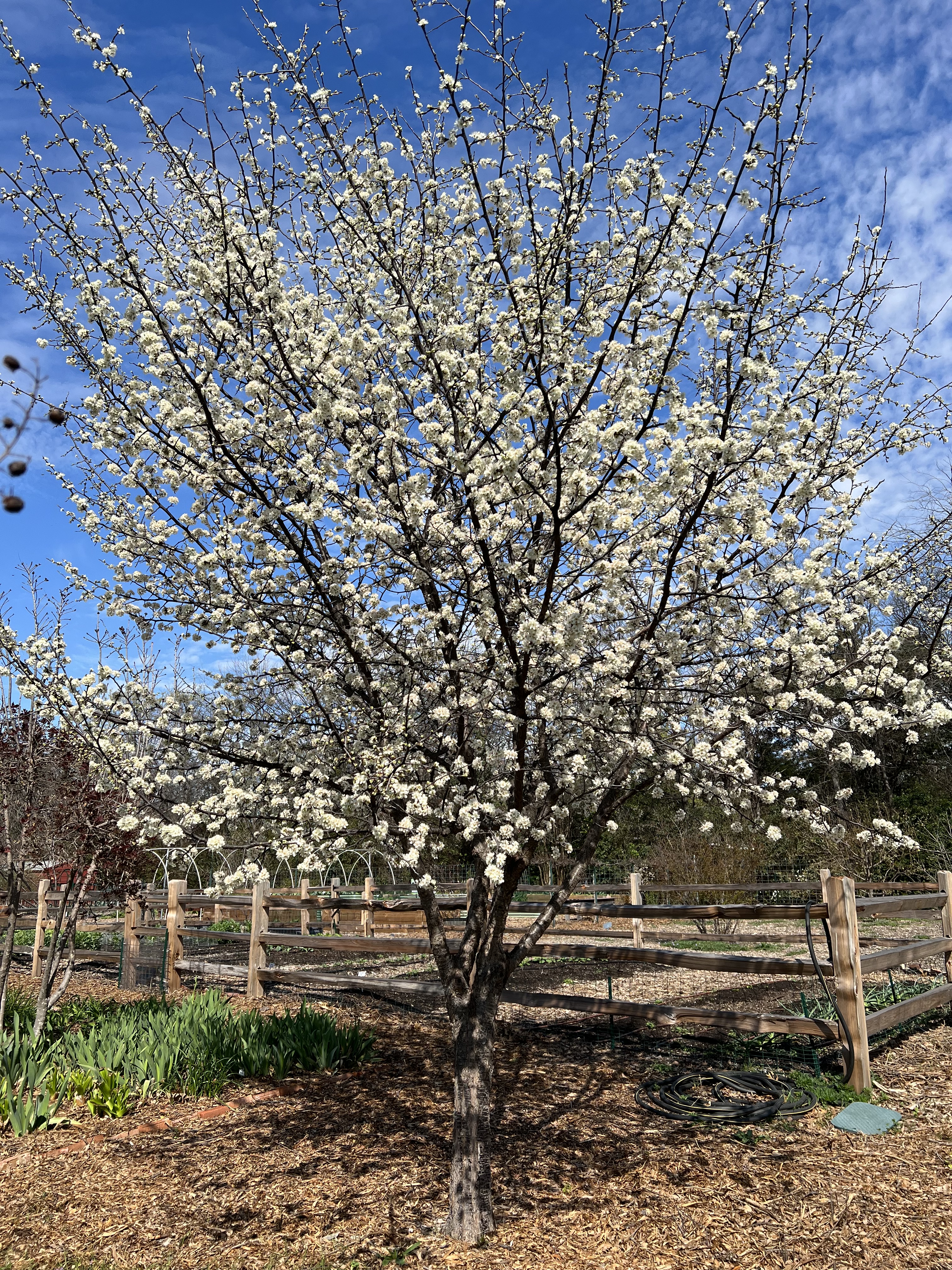
First, I see and smell a Mexican Plum tree and remember Elizabeth Wilkinson’s plan for our garden. The plum is planted in our “under the power lines” garden where you can find trees that will not grow into power lines. In other words, they are just the right height. I give this tree a pat on the head and move on. Grandmothers like to see growth.

Mexican Plum Tree

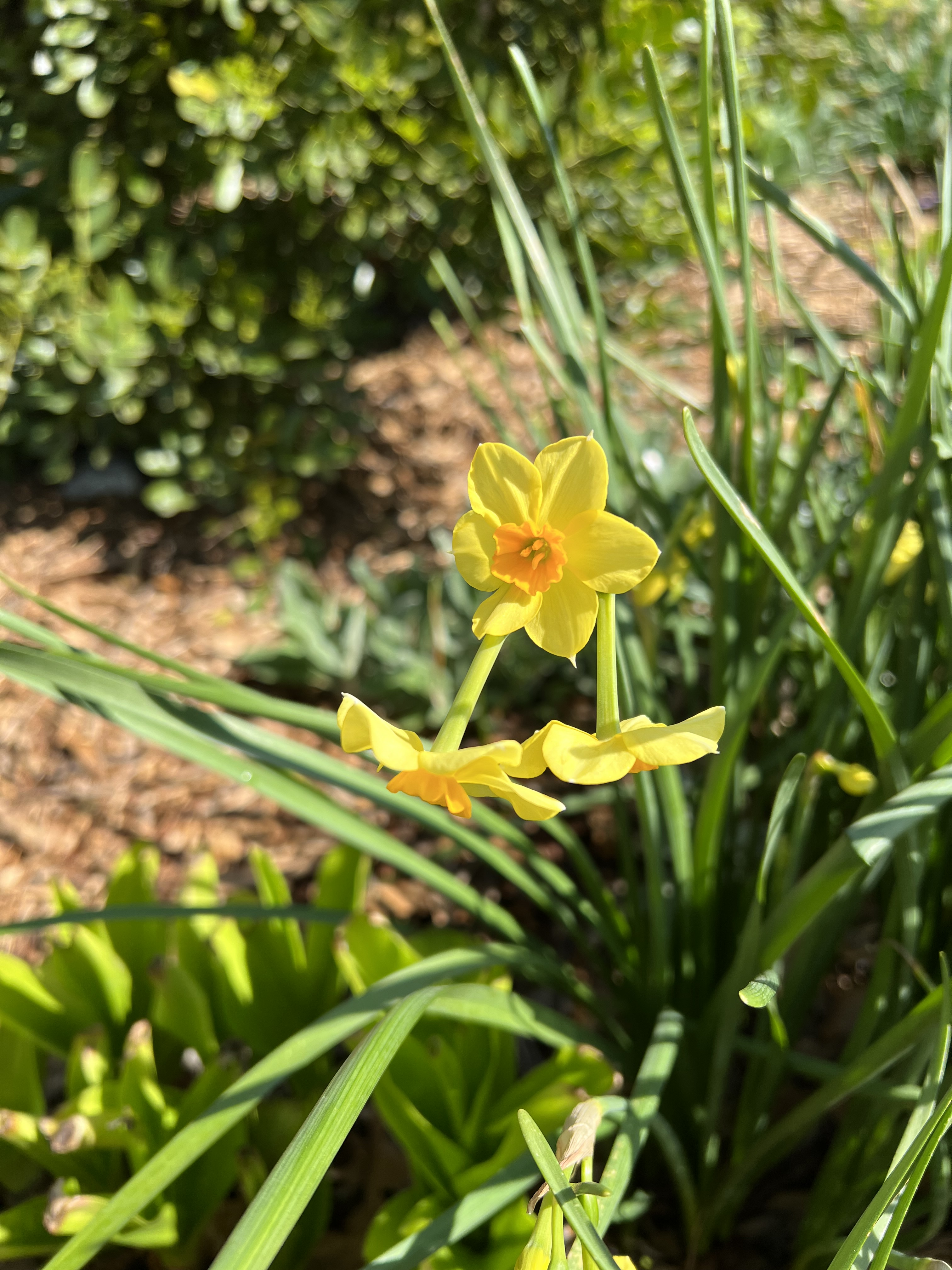
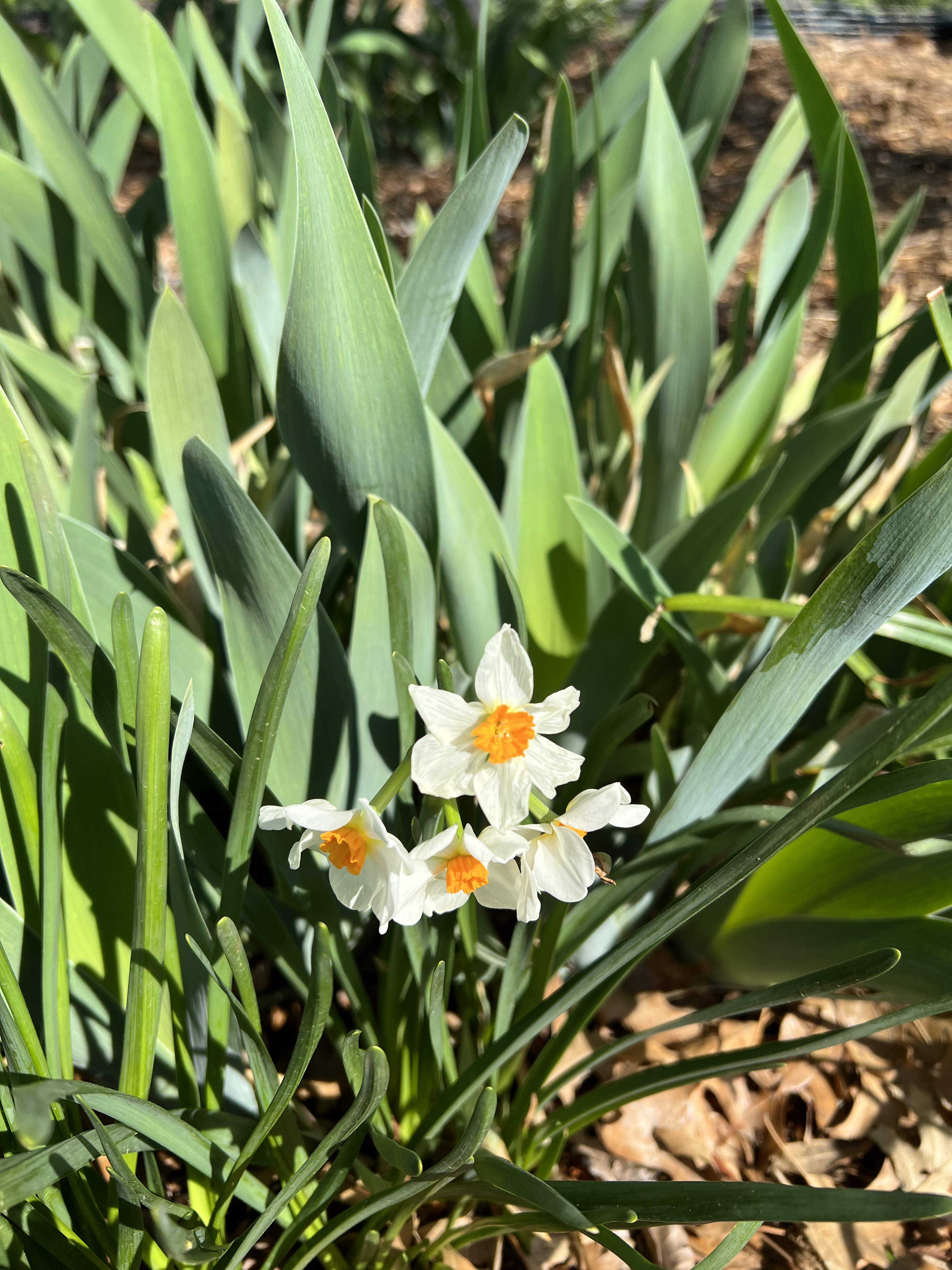
Next I see daffodils blooming and remember this purchase from Southern Bulbs. Oh gosh Daffy Dil, I remember when you were just a baby.

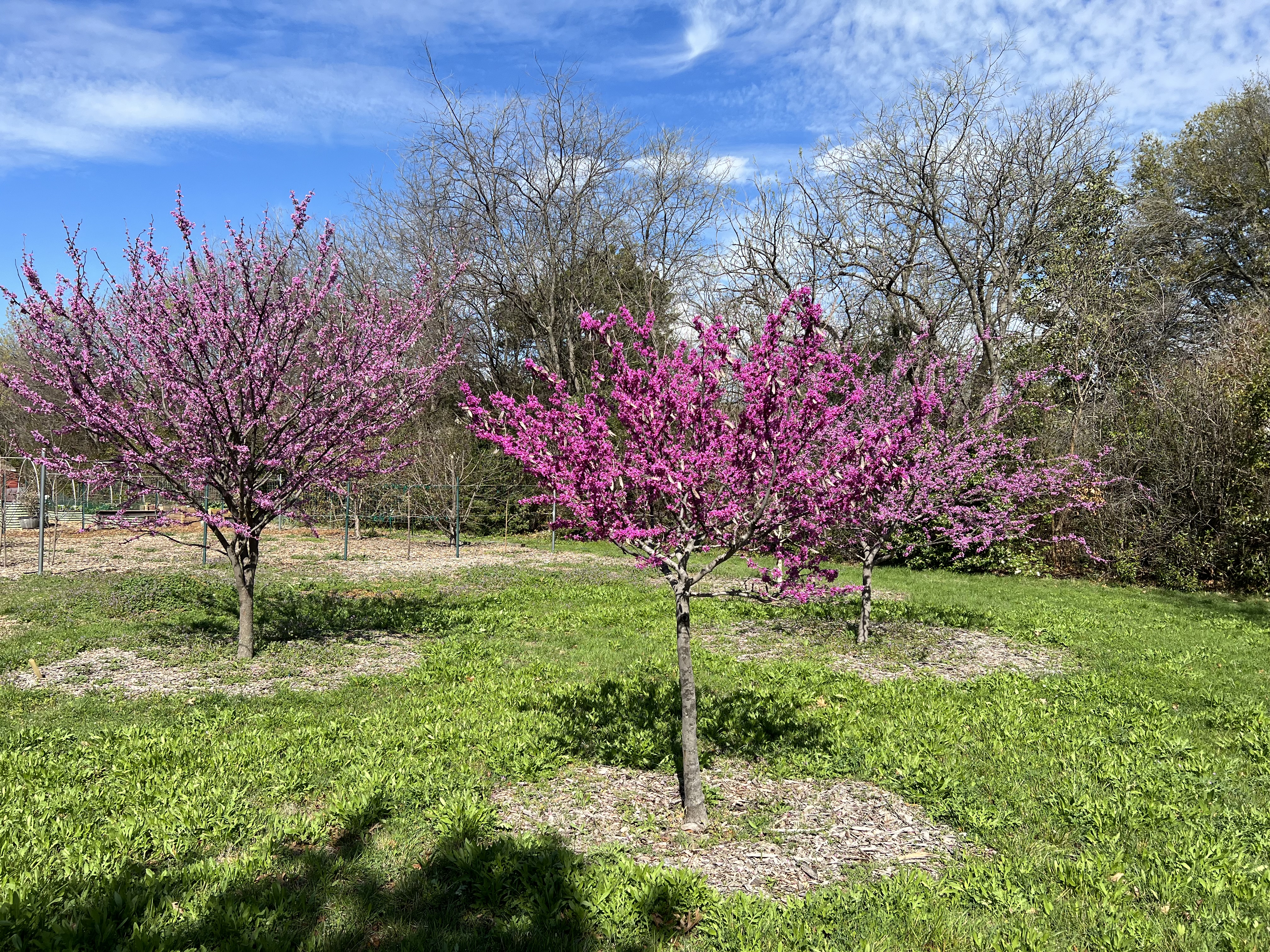
I spy beautiful Redbuds and think of Eric Larner, our tree expert, and the team leader of the Citizen Foresters of Dallas. He planted these 3 Redbud trees.

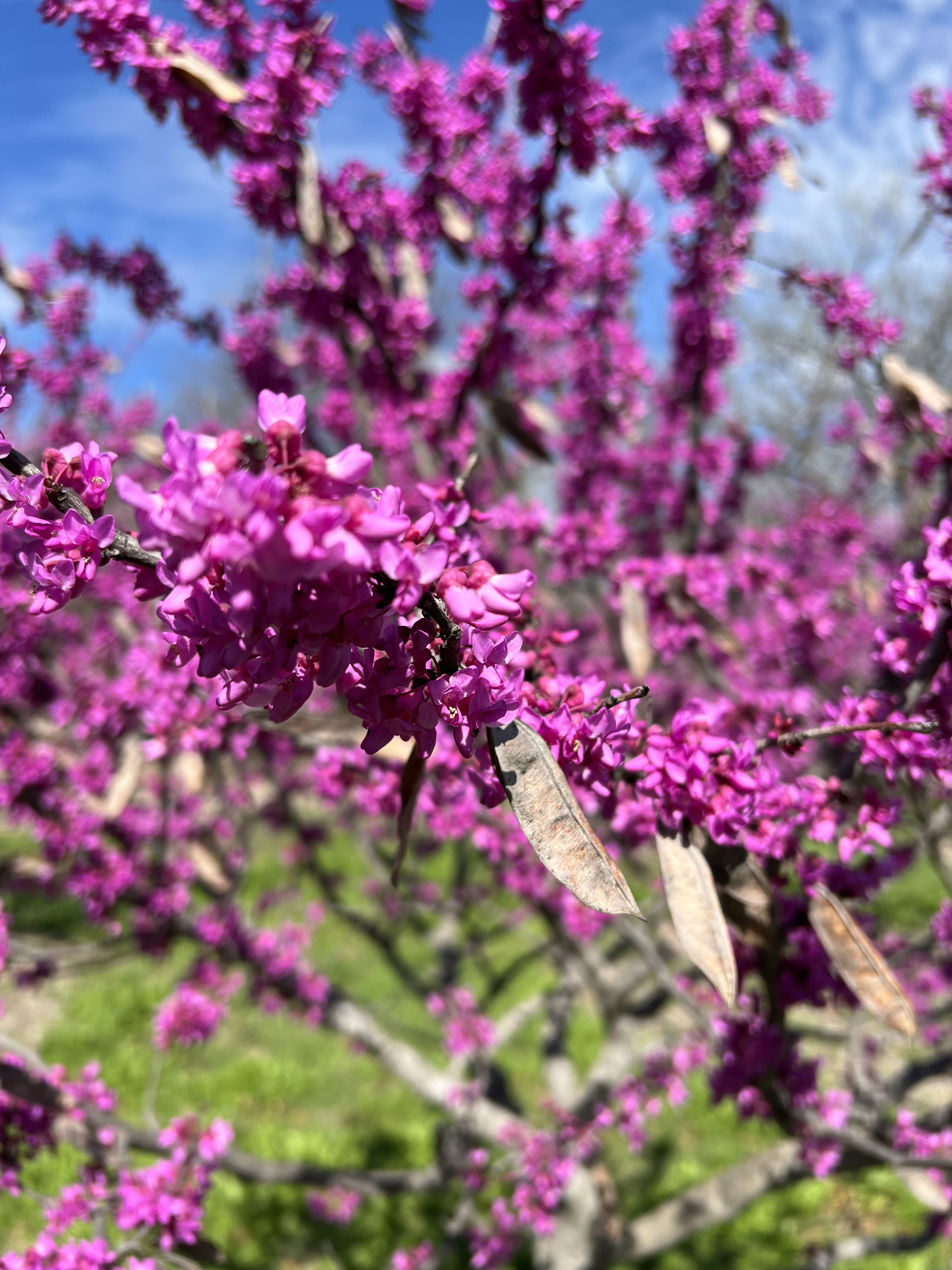
And here is a close up of the Redbud. You know how Grandmothers like to get up close.

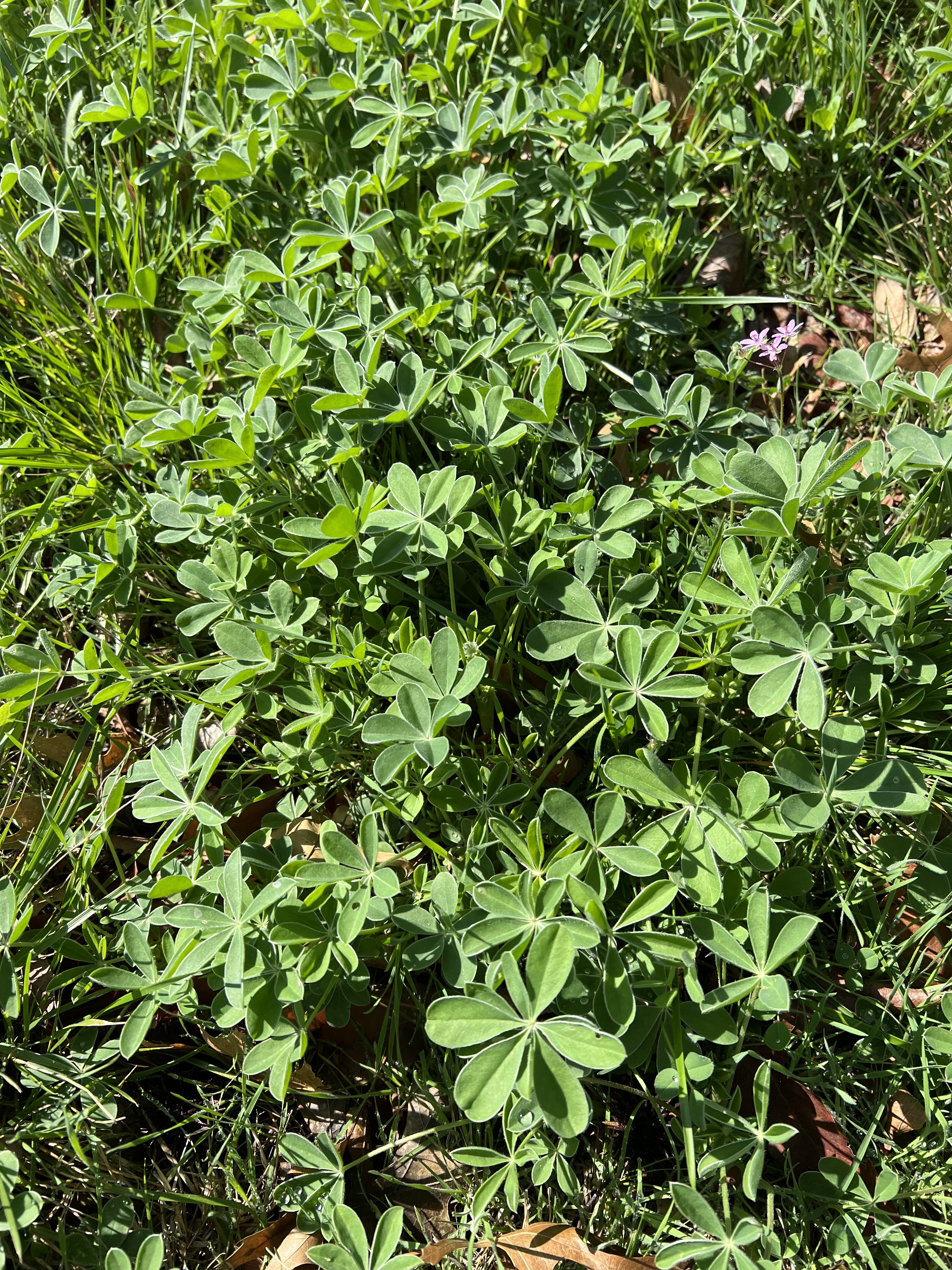
Under my feet I see bluebonnets. I have to laugh because Lisa Centala put me in charge of the wildflower meadow, but of course we know who really takes care of the flowers of the field.

Bluebonnets ready to pop!

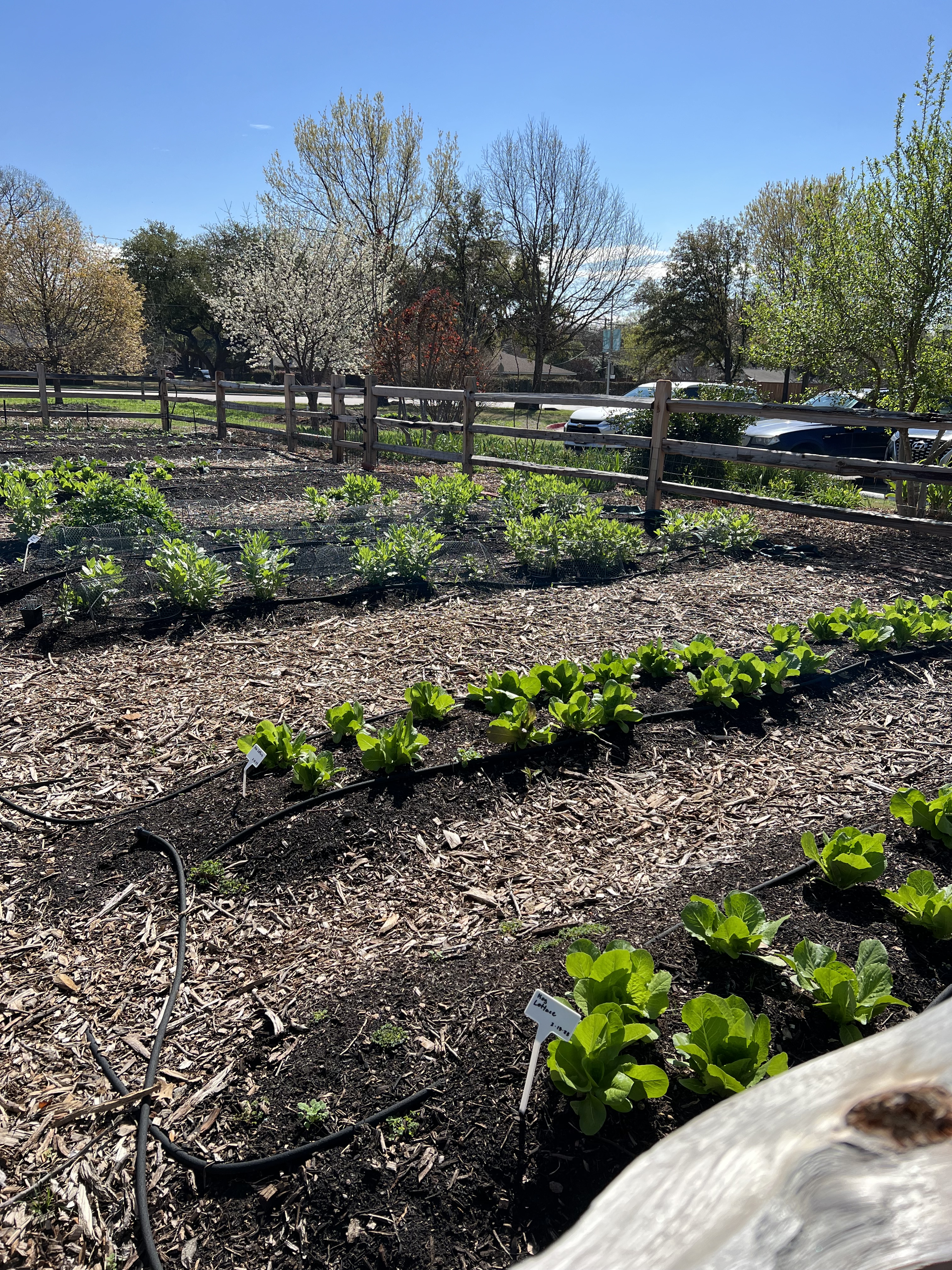
And then there are all the newborns at the garden!

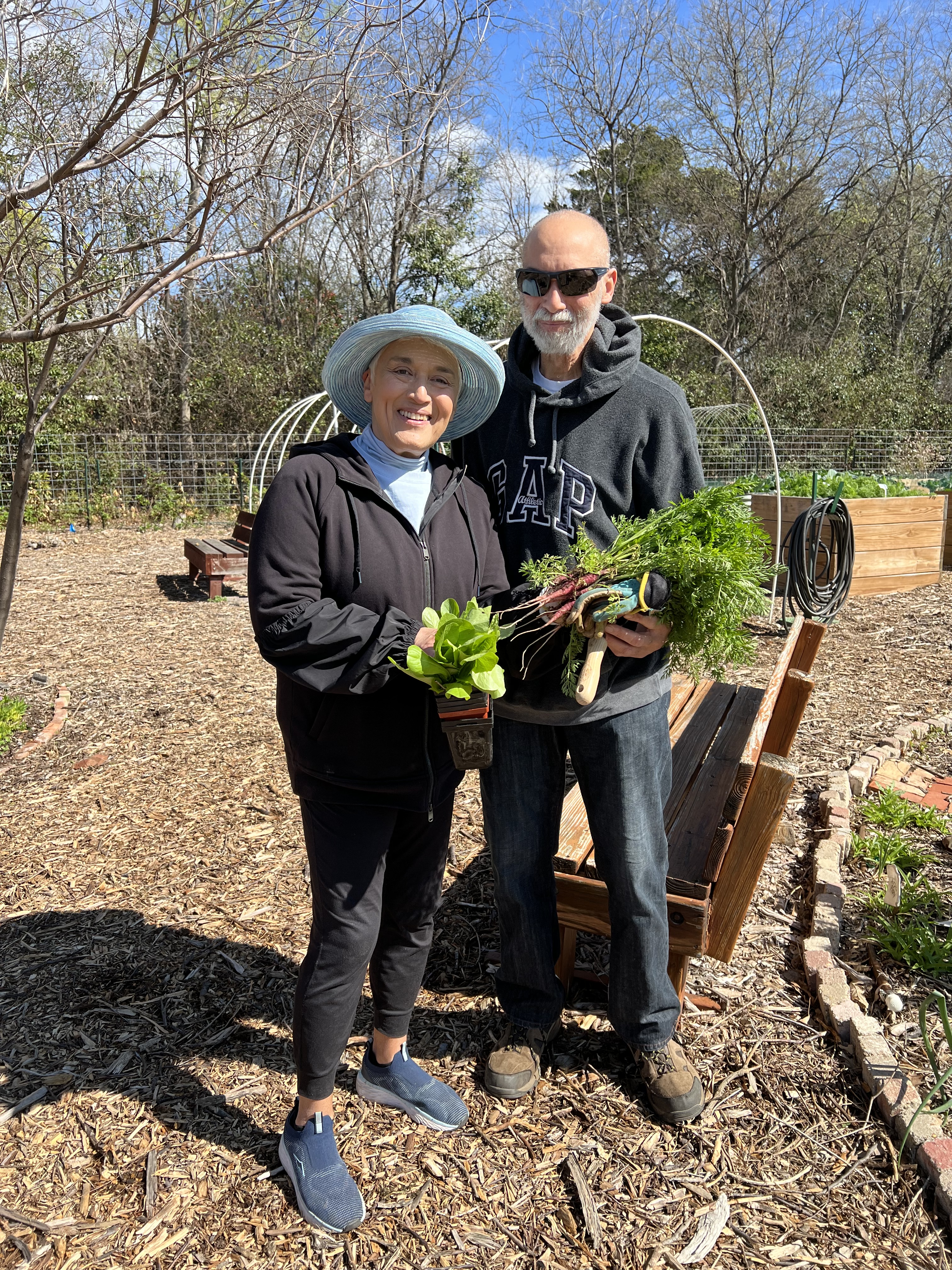
Finally, I want to tell you about two of our gardeners. I am the grandmother so I will call them my greats.

Cynthia and Mark Jones are beaming because for the first time in three years they were able to teach a class to Lakewood Elementary children called Tops & Bottoms. The class is based on the Caldecott Honor book of the same name by Janet Stevens. Lettuce and carrots were harvested from our garden for the children. The students loved tasting the vegetables and reading the book.

So hats off to my greats!

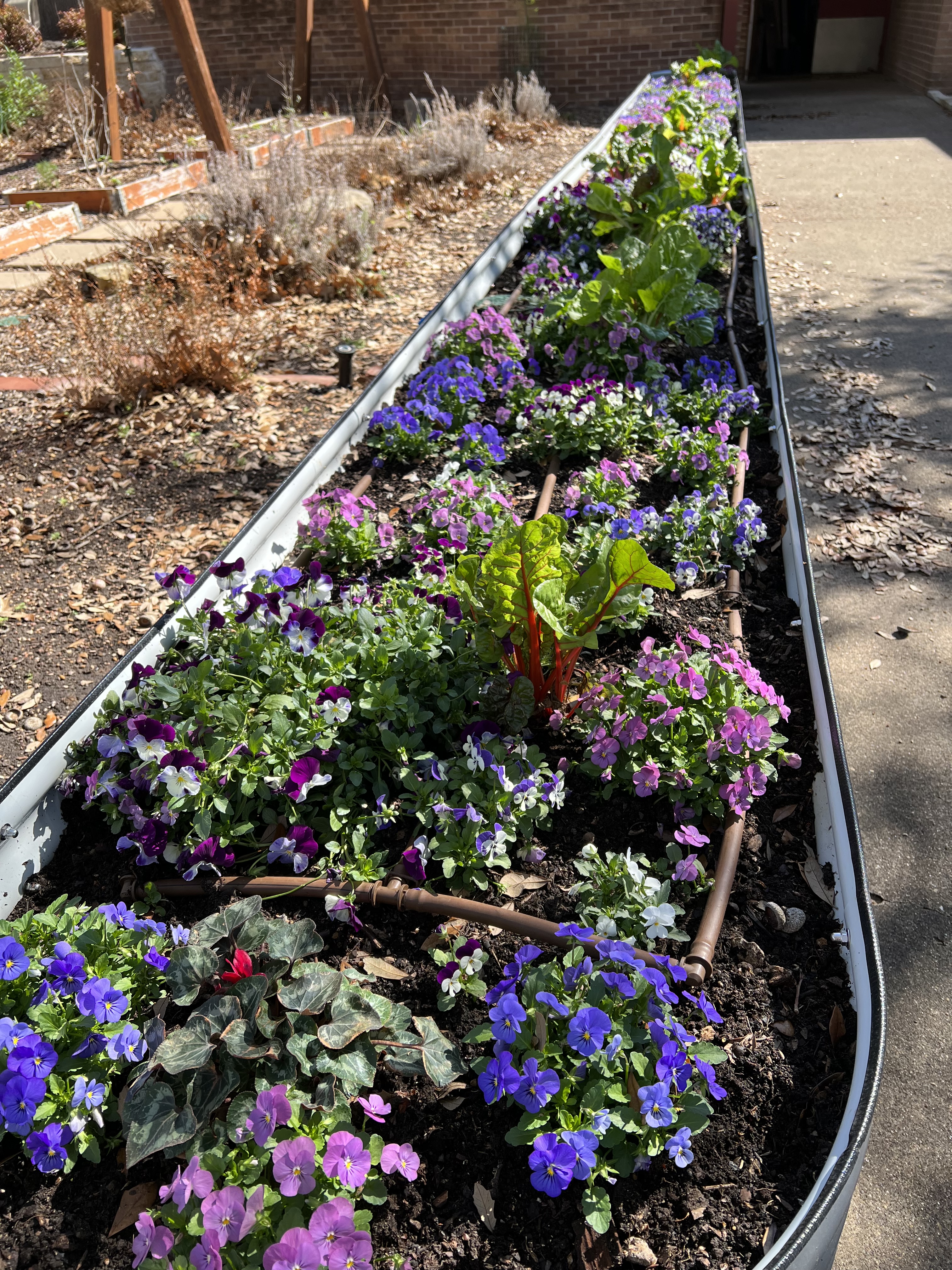
One more beauty-

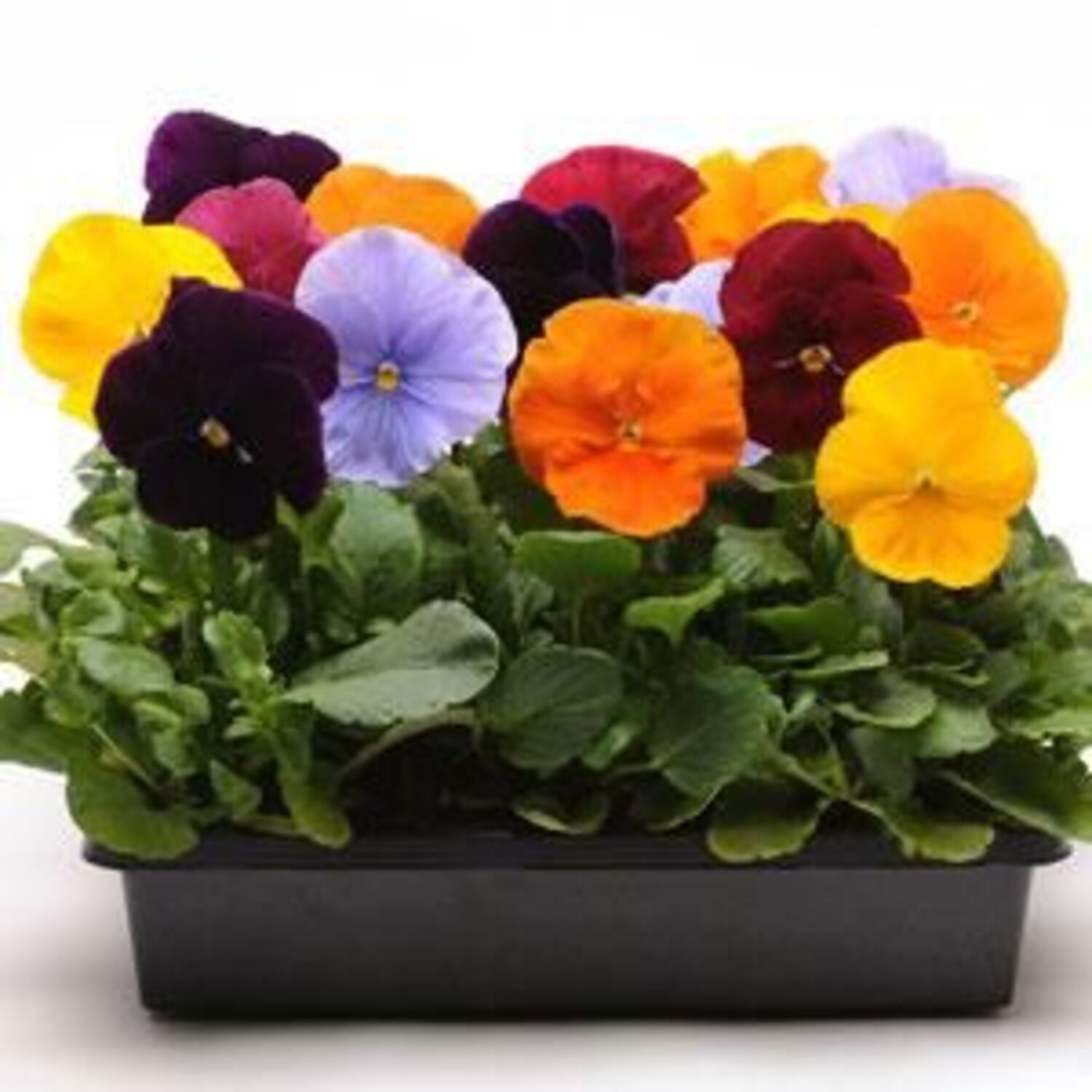
A trough full of edibles, pansies and swiss chard.

The garden is in good hands. I am a mighty proud grandmother.

Ann Lamb, Dallas County Master Gardner Class of 2005

Don’t forget our tomato and pepper plant sale on Tuesday at Raincatcher’s.

Tomato and Pepper Transplants for Sale at Raincatcher’s Garden

March 11, 2023

You may not be thinking about tomatoes tonight but I am. March 15th is the frost free date for the Dallas area which means it is not likely we will have a frost after that date. However, next week we may have a few low temperature nights so you may want to wait to plant. Regardless of the date you choose to plant, you are going to want to come to our garden on Tuesday to purchase tomato and pepper plants; lovingly started and tended by Raincatcher’s volunteers. See details below. Ann

It’s time to plant!!!

TOMATOES and PEPPERS, TOMATOES and PEPPERS, TOMATOES and PEPPERS

The MG volunteers of Raincatchers at Midway Hills have grown several varieties of tomatoes and peppers from seed and will have them for sale.

Tuesday, March 14th, 10:00 am – 12:00 noon

Courtyard Garden

Midway Hills Christian Church

11001 Midway Rd. Dallas 75229

$2.00 per 4” pot

Cash or Check only, please

Sarah Sanders, Dallas County Master Gardener Class of 2006

Jackie James, Dallas County Master Gardener Class of 1998

Don’t be confused-we have our big plant sale coming up May 4th and will talk it up over the next few weeks.

Let the Buzzing Begin!

January 31, 2023

Honey dripping from spatula with honeybees around

Happy 2023 and welcome to the beginning of a 12-month adventure
featuring honey and honeybees.

Along the way, we’re going to learn
some very beneficial facts about bees, honey and honey production.
Join the “buzz” each month for a closer look into the fascinating world
of honeybees. Discover secrets of the colony that will leave you amazed
at how efficiently these tiny insects perform their specific duties within a brief, but highly productive, lifespan.

Follow the wisdom from our monthly “Drops of Honey” for incredibly
interesting information. Learn the story of honey and how it is made.
You will quickly discover that the honeybee is truly a brilliant creature.

The Appeal of Honey

Throughout the history of mankind, honey has been celebrated by every generation, tribe and culture. Dating back to 2100 B.C. where it was mentioned in Sumerian and Babylonian cuneiform writings, the Hittite codes and the sacred writing of India and Egypt, honey is a subject with universal appeal. Its magical properties and versatility are treasured by people groups across the globe.

Over the next twelve months, our journey into the world of “honey”
promises to give us a growing admiration for the source of this golden gift
from nature: the honeybee. Hopefully, our understanding of the role each
tiny bee plays in the process of honey production will inspire us to be more
appreciative, and protective, of these fascinating creatures.
So, let’s get busy learning what all the “buzz” is about!

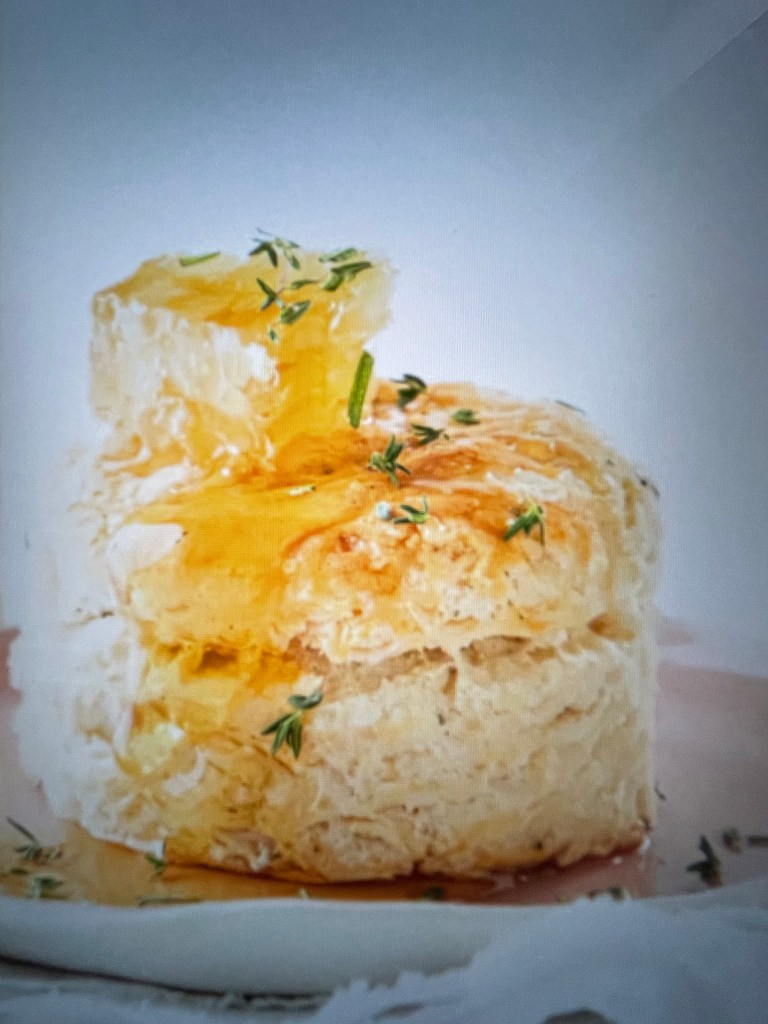
An adventure into the world of honey wouldn’t be complete without some favorite recipes using it as a key ingredient. Our first recipe featuring honey is a staple of Southern cruise: Honey and Herb Cathead Biscuits (many years ago in the Deep South, biscuits were so large they were described as being the size of a cat’s head). So, let’s jump right in and enjoy the taste of these flaky, tender and delicious gems drizzled with the superstar flavor of Sourwood honey. Top your biscuit with a small piece of honeycomb and freshly chopped thyme for a heavenly finish.

Linda Alexander, Dallas County Master Gardener Class of 2008
Raincatcher’s Pansy and Plant Sale

Raincatcher’s Garden of Midway Hills is offering fall annuals at a fantastic price for your fall and winter landscape color. Pansies, violas, and alyssum are $20/flat of 18 4″ pots, which includes tax. The online sale begins at 7am on Saturday, 10/15, and ends on Thursday, 10/20, at midnight. Flats will be delivered to the garden on Wednesday, 11/9, the peak time for fall planting, and are available to be picked up from 1pm until 4pm.

All orders must be prepaid, either through Signup Genius using your credit or debit card (fast and easy) or by check. Orders will be placed with the nursery after payment is received.

Order your fall annuals through our convenient Signup Genius account and find out more information about the sale by clicking on the following link:

https://www.signupgenius.com/go/805084EAFAD22A4FC1-raincatchers11

Thank you for your support! Funds raised support Raincatcher’s Garden of Midway Hills, a Research, Education and Demonstration project of Dallas County Master Gardeners, a program run by Texas A&M AgriLife Extension Service and supported by the Dallas County Master Gardener Association. Follow us to learn about gardening in our North Texas climate and soil conditions and to find plant recommendations, recipes and stories from the garden. You can find our garden on the campus of Midway Hills Christian Church at 11001 Midway Rd, Dallas, TX.

Swiss Chard Perpetual Spinach

August 11, 2022

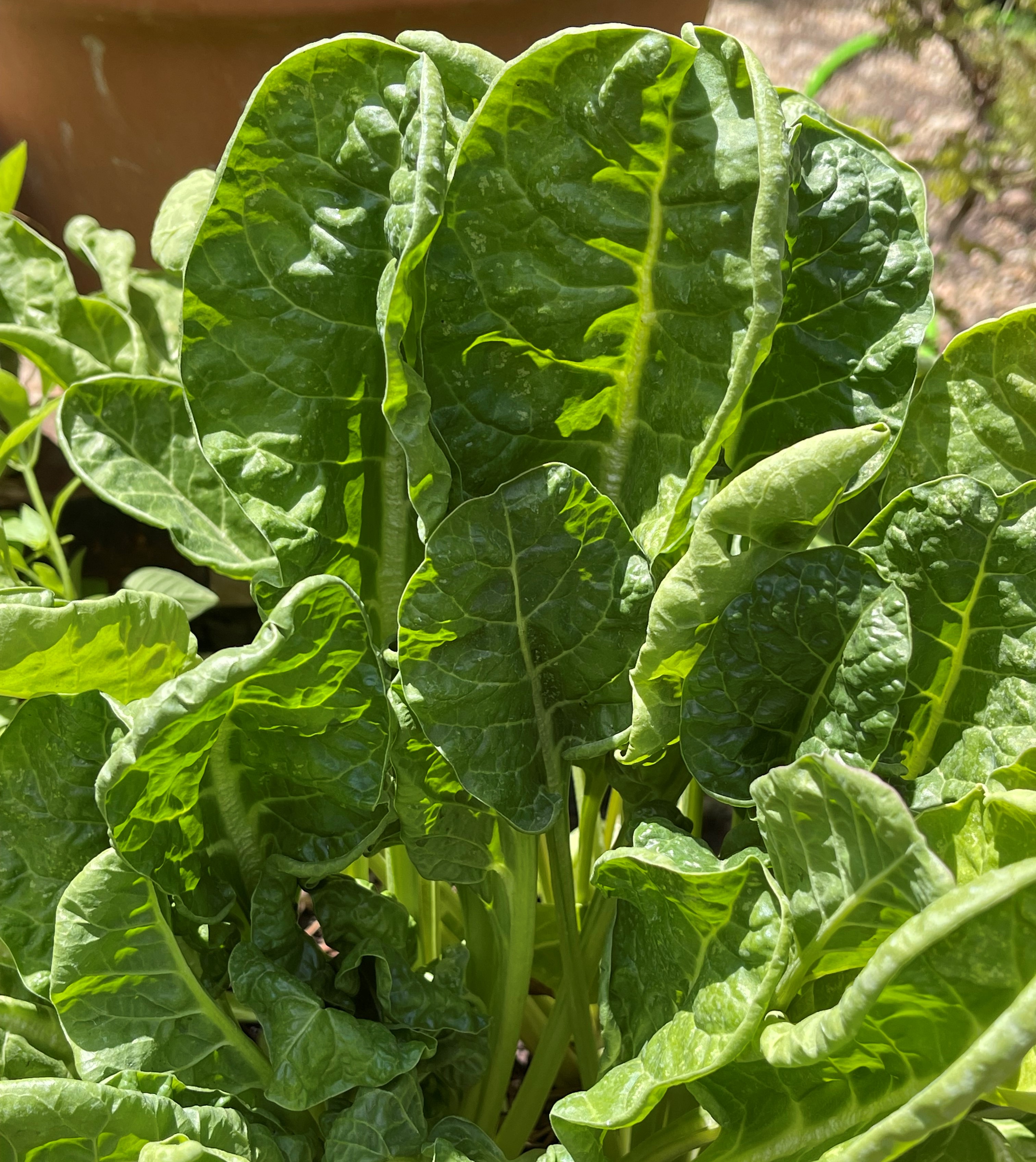
Swiss Chard Perpetual Spinach, (Beta vulgaris var. cicla)

It’s the chard that keeps on giving! Last spring, while visiting a local garden center, the white “tag” caught my eye. Already a fan of Swiss chard, especially the peppermint stick variety, I was easily persuaded to try something new. After purchasing a 4” pot of Swiss Chard Perpetual Spinach, the only task left was getting it into my spring garden. Two seasons and five months later my little plant has not disappointed. 

Springtime growth was vigorous yielding smooth, dark-green leaves resembling spinach with fine midribs. Tasting more like a true spinach than chard, the flat, pointed leaves are flavorful and rich in antioxidants. Throughout the summer, at times it looked a little ragged but with a gentle trimming, new growth quickly appeared. Even during the 100 degree plus temperatures, Perpetual has maintained its vigor. Harvesting is best done when the leaves are still small and tender. 

Longstanding in the garden, the potential for an abundant fall crop is promising. Perpetual is slow to bolt, so it’s a great choice for the Southern garden. Use leaves fresh in salads, sautéed or cooked and added to your favorite recipes.

Features

Fruit Size: 8 to 10 inches

Growth Habit: Clumping, Erect, Sprouts in 14-21 Days

Days to Maturity: About 40 days

Growing Conditions: Sun (4-8 hours) to part shade 

Growing Tips

Sow seeds in place, ½” deep, after the frost-free date. Spacing should be 8 to 10” apart. Keep well-watered and side dress with compost for best leaf production.

FYI…

One cup of chopped chard contains only 35 calories. It also supplies more than 700 percent of your daily requirement for vitamin K. It is a good source of calcium, magnesium and vitamin A.

Linda Alexander, Dallas County Master Gardener Class of 2008

The Old Red Shed is Gone

After many years of service as a storage facility for both the church and garden, the old red shed was in a state of disrepair. Rotted floors, bulging sides, leaking roof and collapsing doors made it unsafe for volunteers to use. Watching as it was torn down gave us a sigh of relief. 

What happened next, with nothing left but an empty space, allowed for a time of reflection. The area bordering the north side of the shed had been transformed into a lovely sensory garden, one of our newest additions to the edible landscape. Expansion to the now vacant area would require the installation of an irrigation system but the church had suggested that they might need the space for future use. The other option was to relocate the sensory garden. Our decision was something unexpected which, ultimately, proved to be a magical solution. 

Just a few yards away and bordering the stone pathway was a garden area we had previously christened as “The Kaleidoscope Bed”. With an eclectic mix of evergreen and perennial flowers and herbs as well as colorful annuals, it seemed as if we were being invited to consider yet another transformational opportunity. In the blink of an eye followed a sweet smile of happiness, the blending of gardens began. The Kaleidoscope Bed would graciously surrender its name while allowing existing plants and ornamental features to remain in place. 

Our plan going forward is to maximize the sensory impact that the garden has on its visitors. Adhering to the 70/30 rule, our primary focus will be the addition of more edibles supported by a small percentage of non-edibles. We’ll be including textural plants such as lamb’s ear for it’s soft, fuzzy feel and an upright, aromatic rosemary for both smell and touch. 

For real summertime garden beauty, we’re going to feature Balsamic Blooms Basil once again. It’s the basil that received a Texas Superstar designation in 2017. We first fell in love with its deep purple blooms and the sweet flavor of its gorgeous foliage in the spring of 2018. When we learned that this was the first basil to have flowers and leaves growing at the same time, our vote was unanimous to move it to the top of our seasonal list. Balsamic Blooms will always have a place of honor in the edible landscape. 

Balsamic Blooms Basil and Begonias

Our newly relocated and appropriately named Sensory Garden offers triple the amount of space than before to feature a wide variety of plants that stimulate the senses. Come by for an inspirational visit and let your soul be nourished by the wonderful world of nature.

Linda Alexander, Dallas County Master Gardener Class of 2008

Avocado Toast…Dressed Up in Seasonal Colors

It was only a few years ago when just an ordinary piece of toast topped with gently smashed avocado became the rage. You’ll find it now on menus across the country from small cafes to upscale restaurants. Everyone seems to have created their own version by using an alphabetical listing of edibles including everything from artichokes and micro greens to tomatoes and tarragon for appeal. My approach tends to be more simplistic in style. 

An early morning harvest from my edible garden provides a seasonally fresh selection of blossoms, greens, herbs and vegetables. On Saturday mornings from April until November a visit to our local farmer’s market gives me additional options. Here are a few delicious suggestions that my husband and I have recently enjoyed but be creative with your choices because any combination that pleases your palate is a winner. 

Springtime

*Thinly Sliced French Breakfast Radishes, Onion Chives and Nasturtium Blossoms

*Broccoli Florets, Arugula and Mrs. Taylor’s Scented Pelargonium Blossoms

*Thinly Sliced Carrots Topped with Caraway Sprigs

*Swiss Chard Perpetual Spinach and Nepitella Blossoms

Summertime

*Sliced East Texas Peaches and French Tarragon

*Campari Tomatoes Sprinkled with Chopped Balsamic Blooms Basil Leaves

*Sliced East Texas Peaches, Sweet Banana Peppers and Purple Basil

*Armenian Cucumbers with Salad Burnet and Watercress

Avocado toast is something we enjoy for breakfast, brunch, lunch and as a delightful appetizer. For a light summer dinner we often serve it alongside homemade gazpacho or chilled cucumber soup. Our goal is simply to use garden fresh ingredients! The only exception is when I’ve made a visit to purchase fresh eggs from my master gardener friend who raises chickens at her ranch. A delicately fried egg sitting on top makes for a very scrumptious breakfast experience.

**Additional edibles from summer’s bounty will include anise hyssop blossoms, blueberries, shaved yellow crooked neck and zucchini squash, onions, jalapeno and shishito peppers. To complete the flavor kick be sure to consider a sprinkling of these herbs; anise, dill, fennel, lovage, mint, papalo, pipicha, lemon thyme and rosemary or any of your personal favorites. 

Linda Alexander, Dallas County Master Gardener Class of 2008

Fiddlehead Fern Fronds in Dallas

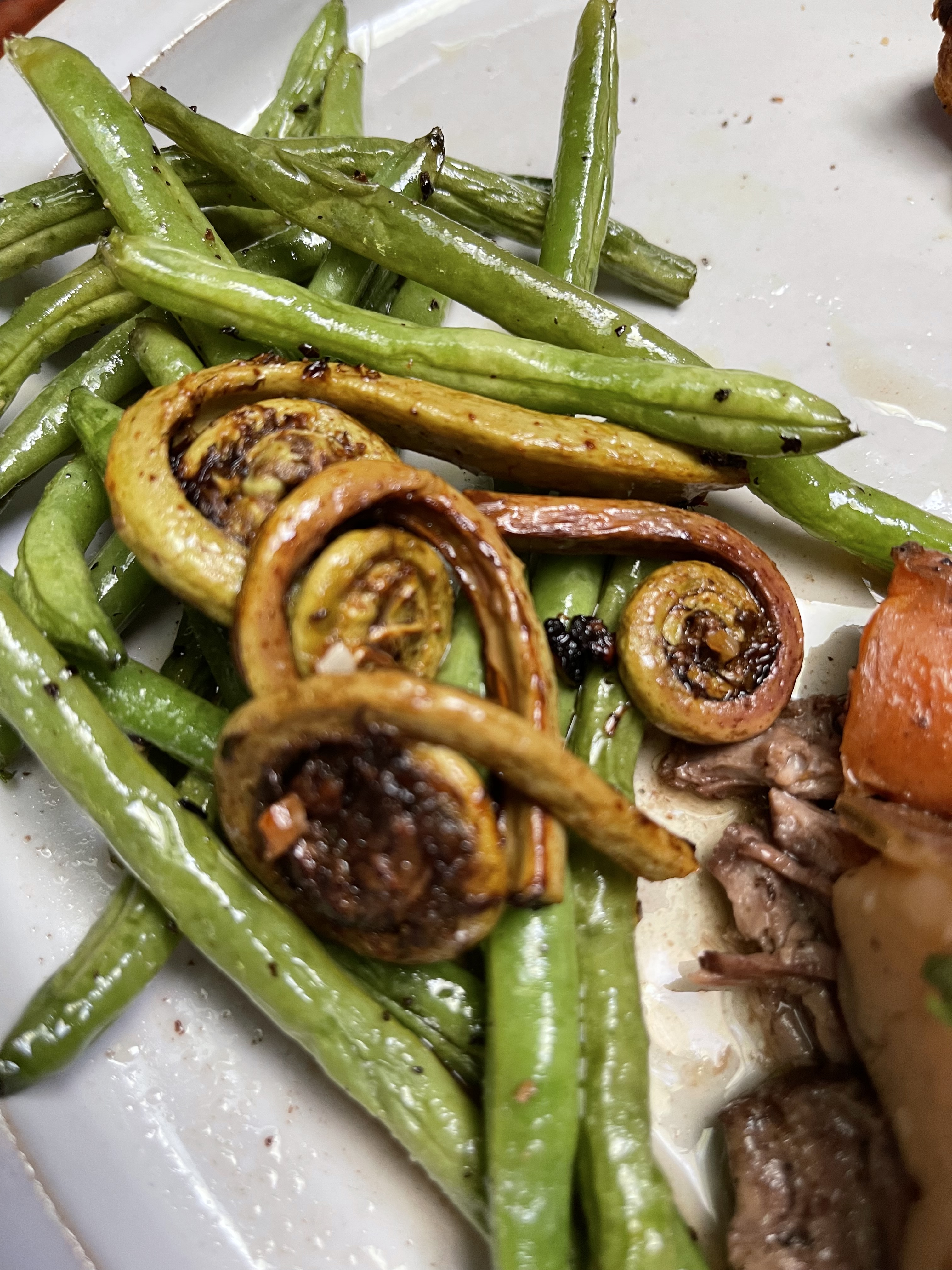
Don’t be misled by the title. You won’t find them in our Zone 8 climate as the predominant species for fiddlehead fronds is the Ostrich fern (Matteuccia struthiopteris) which is found growing primarily in the Northeastern United States and Canada. Fiddleheads are the tightly coiled tips of early spring ferns. Their unique structure is like the ornamental scroll at the end of a violin’s neck.

Surprisingly, just a few days ago, Central Market was featuring a freshly delivered batch of the fronds for $24.99 per pound. Only vaguely familiar with the Ostrich fern, but being an inquisitive gardener, I couldn’t resist the temptation to gather up a small bundle ($7.98) of the fronds to serve with our dinner that night. A careful online search gave me some very helpful tips and useful information for preparing them. Since this was my first experience cooking fern fronds, I chose to go with a simple recipe.  Just a few basic instructions are needed to enjoy this fresh and tender taste of nature. 

1. Select fronds with a rich, green color. They should be wound nice and tight. (I made the mistake of just snatching up a handful which included some that should have been discarded. Note: Take time to be selective.)

2. Once purchased, refrigerate and use within one or two days. 

3. When ready to cook, trim about ¼” off the stems then place fronds in the sink and wash thoroughly. Lift them up into your hands and rinse well. This helps to remove the papery brown covering. 

To prepare; boil the fronds gently for only a few minutes in enough water to cover them. Next, sauté the fronds in about a tablespoon of butter and a teaspoon of minced garlic until al dente (firm to the bite). Salt and pepper to taste and finish with a light squeeze of fresh lemon.

Our lightly sauteed fronds made a nice topping for some freshly roasted green beans. The taste profile, according to online sources, is best described as mildly nutty with flavor notes of asparagus, spinach and/or green beans. My husband and I agreed that ours were more closely aligned with a hint of asparagus. It was a delightful taste experience that we may enjoy again. 

The seasonal window for fiddlehead fern fronds is extremely short and will soon be closing. Should you desire a new taste adventure give them a try. Also, read the article about Fiddleheads from Mother Earth Gardener and The Spruce Eats for more information about this springtime treasure.

A word of caution: Fiddlehead fronds must be cooked before consuming.

Linda Alexander, Dallas County Master Gardener Class of 2008

Dates to Remember:

Dallas County Master Gardener Spring Tour-April 30 and May 1st

Raincatcher’s Plant Sale-May 19th, 10am-3pm

Beverly’s Seed Starting Saga

April 5, 2022

It is Spring. I will have my breakdown now.  

Things were going great in my expanded seed starting operation at home. The goal was to start every plant for the north vegetable garden from seed indoors. I admired the strength of teeny seedlings as they pushed through the potting soil. I delighted as true leaves formed. I carefully reapplied vermiculite to the trays to control algae at the first tinge of green.  I loved the camaraderie at our newly donated potting tables as fellow gardeners moved the seedlings from their trays to four inch pots. 

Then…screech….mornings and afternoons became a tiresome slog as I carried each tray of seedlings outdoors to harden off – first in the filtered light of the patio then in the harsh western sun of the backyard.  I increased their sunlight exposure at the agonizingly slow rate of one hour per day.  My family helped.  It was still a daily trial. 

The last week of March my slightly sunburned seedlings and I headed back to the north garden. The volunteer gardeners there placed them into the raised beds with loving care. 


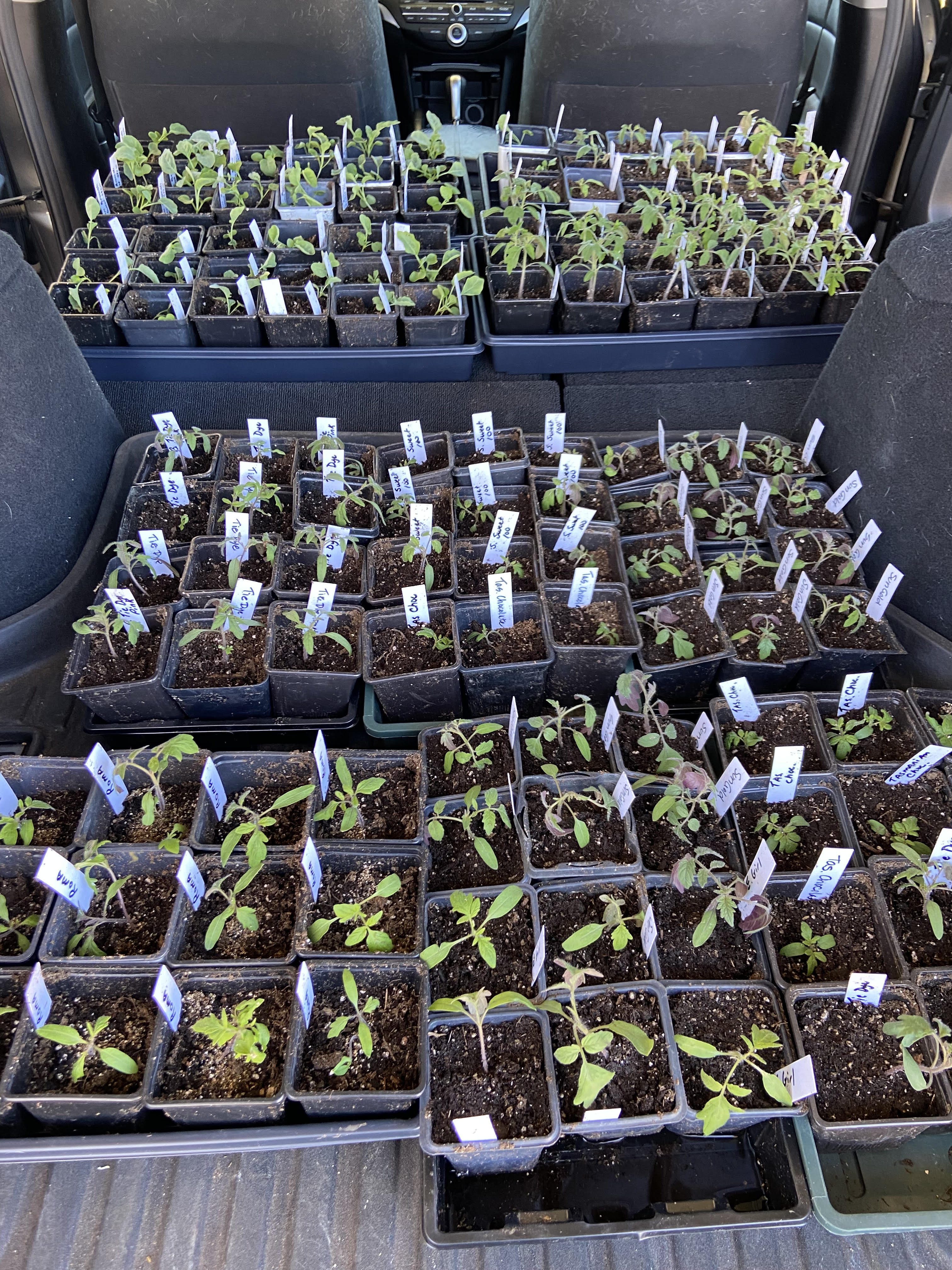
I feel like Jeff Foxworthy might have something to say about a person driving around with 12 dozen tomato seedlings in their car. 

Now I miss them. 

The fellowship of the potting table – Gerry Infantino, George Coelen, Beverly Allen, and Colleen Murray. 

Beverly Allen, Dallas County Master Gardener Class of 2018

Dates to Remember:

Dallas County Master Gardener Spring Tour-April 30 and May 1st

Raincatcher’s Plant Sale-May 19th