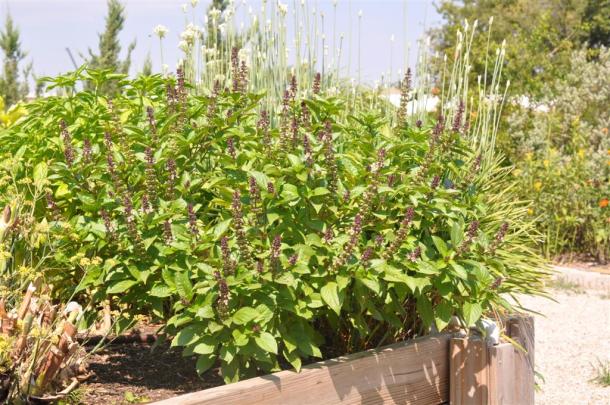
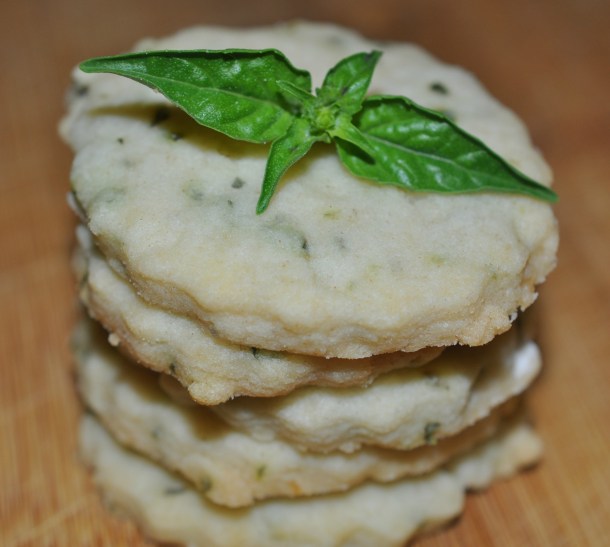
Paula taught a class at our garden last week about fall herbs. She gave us the name of a new sage: New’re Year’re Sage and gave it the thumbs up for taste. We will all have to look at Dallas garden centers to try to find it.
She reminded us to plant Cutting Celery, which smells and tastes like celery. Chop up the slender stalks and leaves of Cutting Celery for tuna and in any dish that call for celery. I’ll bet she uses it in Bloody Mary’s too!

We talked about Bay which Paula uses fresh in her recipes and doubles the amount of leaves. For instance using 4 when her soup recipe says 2. When purchasing Bay, you want to make sure you are buying the culinary version.
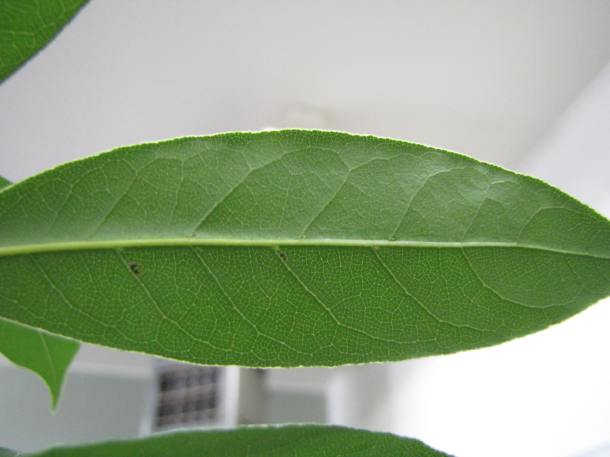
Paula says hold a leaf up to the light; if you can see the veins of the leaf, you have the correct Bay.
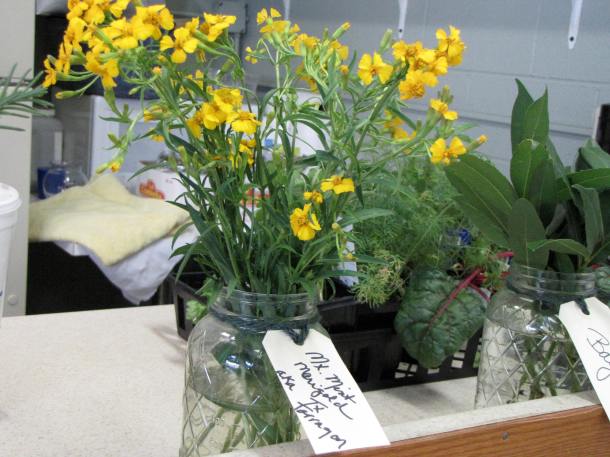
Texans use the licorice flavored leaves of Mexican Mint Marigold as a Tarragon substitute and the flowers as an edible garnish. It is blooming now in our Demonstration Garden.
Ann

 The ‘Berggarten’ sage leaves are quite a bit larger and more rounded than oval-leafed garden sage. If dried, this sage can lose its flavor and taste more medicinal after awhile. Try freezing the fresh leaves for better flavor. ‘Berggarten’ translates to ‘mountain garden’ in German. The name comes from the gardening plots of the Herrenhausen Gardens in Hanover, Germany, built in 1666 to supply produce for the Herrenhauser Castle in Lower Saxony.
 a garnish for roasted turkeys. Crushed or chopped leaves add a wonderful flavor to soups, teas, vegetables, salmon or tilapia fillets. If you want to keep the lovely pink edge on this sage, be sure to plant it in sufficient sunlight. Otherwise, the leaves will fade to just green and white.