Have you ever thought of putting a bit of sage in your spaghetti sauce? Hmmm. I’ll pass on that one. The beloved herb Salvia officinalis actually is a Mediterranean native that has migrated around the world and now lends its woodsy flavoring to our Thanksgiving table.

If you want to have a patch of sage ready for holiday picking, now is a great time to tuck it in the herb garden. Marian Buchanan, the Dallas herb expert, suggests planting herbs in a generous half day of sunlight, preferably morning light with some afternoon protection. Good drainage is critical with herbs; Marian says to add at least 2-3 inches of organic compost and expanded shale before planting. Like rosemary, thyme, oregano, marjoram, and fennel, sage is sensitive to overwatering. Marian suggests watering thoroughly, then let the soil dry a bit.
I visited the herb section of our local nursery last week and like jelly beans at the mall candy store, I wanted a variety of each color. The classic green garden sage is perfect for turkey stuffing and flavoring stock. Try this sage blended into mild cheese or minced with other herbs in a delectable melted butter.
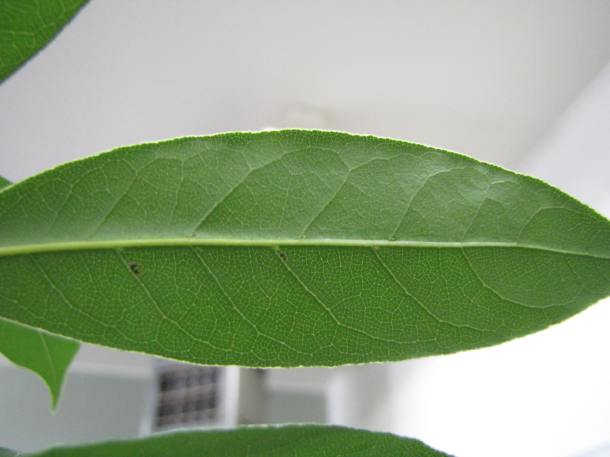
 The ‘Berggarten’ sage leaves are quite a bit larger and more rounded than oval-leafed garden sage. If dried, this sage can lose its flavor and taste more medicinal after awhile. Try freezing the fresh leaves for better flavor. ‘Berggarten’ translates to ‘mountain garden’ in German. The name comes from the gardening plots of the Herrenhausen Gardens in Hanover, Germany, built in 1666 to supply produce for the Herrenhauser Castle in Lower Saxony.
On your herb buying trip, you also might see the adorable ‘Tricolor’ sage. The pink, white and green leaves have the classic sage taste and are popular as a garnish for roasted turkeys. Crushed or chopped leaves add a wonderful flavor to soups, teas, vegetables, salmon or tilapia fillets. If you want to keep the lovely pink edge on this sage, be sure to plant it in sufficient sunlight. Otherwise, the leaves will fade to just green and white.
Linda has tempted our blog readers with so many of her recipes. She’s culling her holiday files now for Thanksgiving classics, many featuring sage.
In my kitchen, I’m like the Chinese in the 17th century who so admired sage from the Dutch merchants that they would trade three chests of Chinese tea for one chest of sage.
Elizabeth



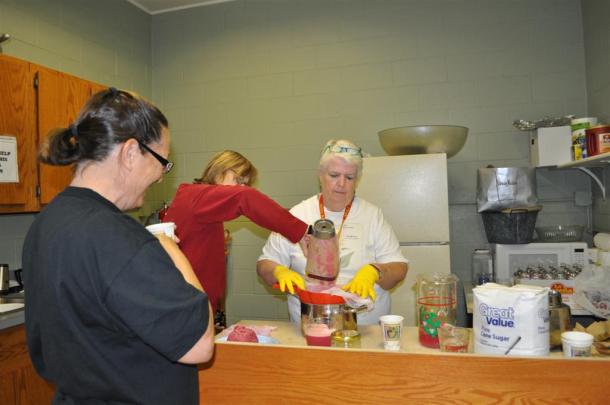
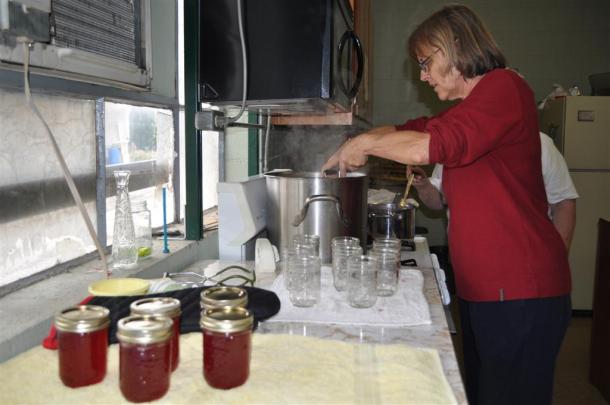
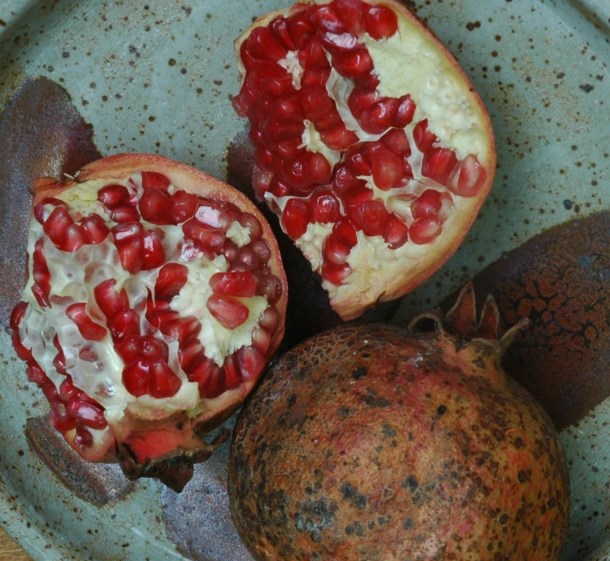 We are wild about pomegranates at the Demonstration Garden. Our three year old tree produced enough pomegranates to fill 12 quart bags of pomegranate seeds and make two dozen jars of jelly.

 Meet Opal, named for Judy’s Aunt Opal.






 DALLAS GARDEN BUZZ