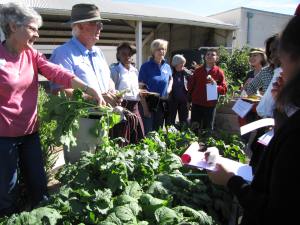
West Dallas Community School Visits Our Garden

School Gardening With Jim, Abbe, Jan, LindaFifth grade students from  West Dallas learn about root crops from Jim and Abbe.  Did you know that the turnip or white turnip is a member of the parsley family, Brassica rapa var. rapa?  It is a root vegetable known for its bulbous tap root which is high in vitamin C and grown as a food crop for both humans and livestock.  Turnips are easy and quick to grow (35-70 days) and can be eaten raw (roots) or cooked (roots and leaves).  Turnips like well-tilled soil and constant water.  Both of these conditions are provided in our raised organic beds via our home-made compost and drip irrigation system.

The Interesting Story Of Cotton As Told By Dallas County Master Gardener, CarolynCarolyn demonstrates the technique of hand-spinning cotton thread to the fifth grade students .  Did you know that cotton is the most important non-food crop in the world?  Cotton has been spun, woven & dyed since prehistoric times.  Today, industrial uses for cotton are just as important as the cloth that originally was woven.  These products vary widely from cloth-based such as diapers, bandages, and paper to cosmetics, soap and oils; dynamite and plastics; and that sidewalk scourge, chewing gum (cellulose).  There are 39 different species of the genus Gossypium, 4 of which were commercially grown since all cotton was domesticated in antiquity.  The variety G. hirsutum became known as “upland cotton” and comprises 90% of the world’s cotton crop.

A Student's Introduction To VermicultureA 5th grade student  from West Dallas Community School gets up close & personal with a “red wiggler” worm.  During our Vermi-composting lesson, he & his classmates learned that this little ‘Eisenia fetida’ is one of approximately 2700 different kinds of worms of a large variety of species.  Did you know that “red wigglers” (aka brown-nose or red worms) work best in container/bin composting.  That’s because they are non-burrowing and move horizontally through the soil.

Annette, pictures by Starla

“Nature Is My Life”

Journaling is an integral component of the educational program offered by the Demonstration Garden.  Our Nature Journals, made from recycled materials are constructed by our student visitors and  personalized to reflect their connections with the garden.   A 5th grader from West Dallas Community School proudly proclaims, “Nature is My Life.”  Her journal became her memory book of observations, descriptions, illustrationsand  connections; a special way of carrying a piece of the garden home with her.
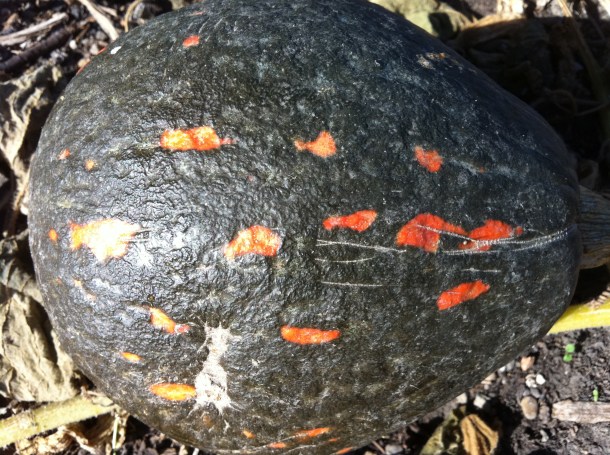
Annette and picture by Starla

Why Keep A Nature Journal?

   West Dallas Community School Student Journaling During A Recent Field Trip

  Marcel Proust once wrote, “The real voyage of discovery consists not in seeking new lands but in seeing with new eyes.”  A garden journal can be the “new eyes” for the novice as well as the seasoned gardener. 

     Formal or casual, a journal is a reference tool.  It can be used in myriad ways and function as: a means for planning and reflecting, as a memory book, showcase or diary, an informational text, or even created as a web blog.  In My Texas Garden, a Gardener’s Journal, Dale Groom writes that you can use a journal to track the evolution of the garden as well as the gardener.  Through diligent record-keeping, you can track your garden’s growth and your personal growth as a gardener:  successes and failures, preferences in plants and seasons, the impact of the weather, environmental conditions in your garden.

     In its most basic form, a garden journal tracks daily or weekly observations, the weather that day, what’s been planted and/or transplanted, any other garden notes.  Make notes for planting dates for seeds and plants, planting information (spacing, germination, thinning, blooming and harvest dates), suppliers and sources, and cost information for seeds and plants, fertilizing dates and types, soil conditions and types, light and exposure, pests and diseases/problems and solutions, weather information (rainfall, temperatures, frost dates), wildlife observations. 

     A garden plan drawn on graph paper with ¼ inch grids uses a 1inch=4 feet proportion.  Include photos from different times of day and seasons, sketches and diagrams.  All of these are important for the garden in its present state as well as for future plans.  

Annette

Lakota Squash, An Heirloom Vegetable For Fall Gardens

Lakota Squash Planted In  Early August

Lakota squash is one of the winter storage types of squash. It’s a medium sized,  pear-shaped squash, weighing an average of about seven pounds. The outer shell is hard with interior flesh a golden yellow. The flavor is nutty and sweet. The Lakota squash derives its name from the Lakota Tribe of the Sioux Indians who prized this hardy winter squash for cooking and baking.   We like to think we are continuing their history by growing it at The Demonstration Garden. 

Store Lakota squash in a cool, dry place for up to three months or more after picking them. Since this is our first time to grow this heirloom vegetable, we may try one of these cooking ideas from Chef Kyle Shadix :

• Purée in food processor with light coconut milk, curry, and freshly minced and sautéed ginger and garlic.
• Add brown sugar, vanilla extract, and toasted walnuts.
• Add maple syrup and toasted almonds.
• Serve mashed with salt and pepper and a touch of real butter.
• Mix with prepared pesto and sprinkle with Parmesan or Pecorino Romano cheese.

Because Lakota Squash is an heirloom variety not a hybrid, the seeds will produce offspring like the parent. Next year we can share the seed and all get a little taste of Sioux history!

Ann

Apple-Sage Tarte Tatin

A rustic and comforting dessert.

6 Granny Smith’s apples, peeled, cored, sliced into 8 wedges

1 Tablespoon fresh lemon juice

3/4 cup firmly packed light brown sugar

6 tablespoons unsalted butter

3/4 cup granulated sugar

3 tablespoons minced sage leaves

 Pillsbury Refrigerated Pie Dough

Garnish:  fresh sage leaves; lightly sweetened whipped cream optional

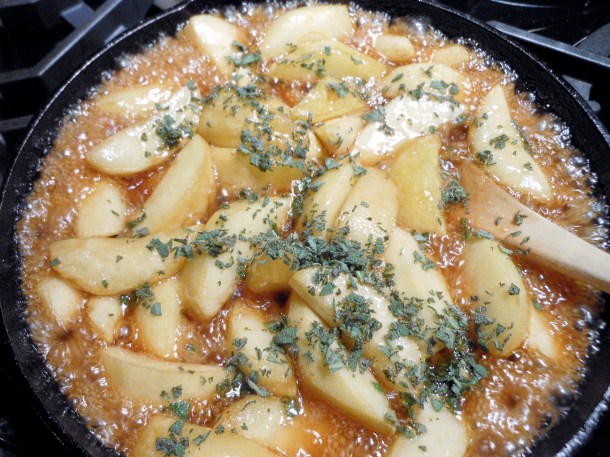
Apple-Sage Tart Cooking In Iron Skillet

Preheat oven to 425°.

Put apples, lemon juice, and brown sugar in a large bowl and toss to mix; set aside.  Melt butter in a 9-10 inch cast iron skillet or other heavy, oven-safe skillet and stir in granulated sugar.  Cook over medium high heat, stirring, until mixture turns * pale golden.  Add apple mixture and cook, tossing occasionally to coat apples, for 5 minutes.  Add sage leaves and cook 5 minutes more, stirring occasionally.  Set aside while you roll out the dough.

On a lightly floured surface, roll out the dough to about 10 inch circle for a 9 inch skillet or an 11 inch circle for a 10 inch skillet, lifting dough and turning to prevent sticking to the surface.  Fold the dough in half or quarters and place it over the apples in the skillet.  Unfold the dough, tuck the overhang under the edge of the dough into the skillet and cut 4 slits in a circle at the center of the dough.  Bake 20 minutes until the crust is deep golden.

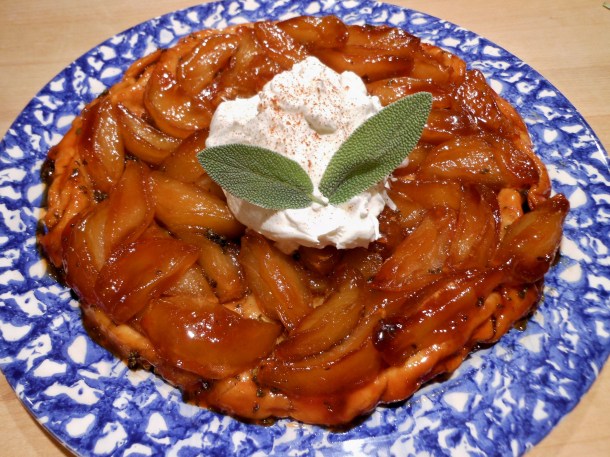
Using heavy oven mitts, remove skillet from oven and shake lightly to dislodge any stuck apples.  Place a a serving platter over the pan and, gripping the pan and plate lightly together, flip the tart over onto the platter.  Let stand a few minutes before serving or serve at room temperature.  do not refrigerate.  Garnish with a few fresh sage leaves, and serve plain or with whipped cream.

Apple-Sage Tarte Tatin With Sweeetened Whip Cream and Sage Garnish

8 servings.

 *Be sure to only let the mixture get a “pale golden color”.  You really have to watch closely to keep it from getting too brown.

Recipe and Pictures from Linda, adapted from DESSERTS FROM AN HERB GARDEN

Poached Pears With Sage-Honey Glaze

Finish a heavy meal with a lighter touch.

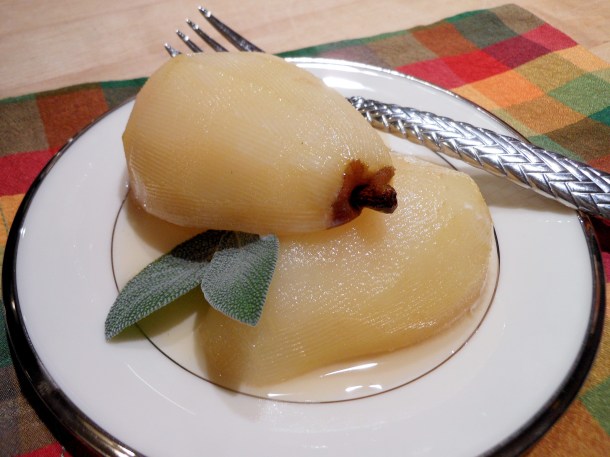
Poached Pear Dessert With Sage-Honey Glaze

6 cups water

3/4 cup granulated sugar

1 tablespoon fresh lemon juice

4 pears, preferably bosc or d’Anjou

1/3 cup honey

2 tablespoons chopped sage leaves

Garnish: sage leaves, heavy cream optional

In a dutch oven or large saucepan, stir together water, sugar, and lemon juice. Bring to a a simmer.

Meanwhile, peel pears and halve them, leaving the stem intact on one half. Working from the bottom, insert an apple corer or melon baller to remove cores.

Gently place pears in sugar syrup and cook, uncovered, at a steady simmer.  Cooking time may be anywhere from 8 minutes to 30 minutes, depending on the pears’ ripeness; pears are done when they are tender and a paring knife can be inserted easily.

Meanwhile combine honey and sage leaves in a small saucepan an bring them just to a simmer over medium-low heat.  Remove from heat and let stand until pears are done.

When pears are done, remove them with a slotted spoon, draining them well, to a large plate, flat sides down.  Reheat sage honey if needed to make it liquid enough to brush onto pears;strain out sage leaves.  Brush honey over each pear (don’t brush the flat sides).  Arrange on serving plates with the stem half of each pear propped on the other half.

Serve pears garnished with sage leaves; drizzle with a little cream if desired.

Recipe and photo by Linda, adapted from DESSERTS FROM AN HERB GARDEN

Cheddar Cheese and Sage Biscuits

Throw a log on the fire and enjoy these “cheesy” biscuits with your favorite bowl of soup.  Makes about 16.

Sage From Linda's Garden

4 cups all-purpose flour, plus more for work surface

4 teaspoons baking powder

1 teaspoon baking soda

1 teaspoon salt

1 teaspoon sugar

1/2 teaspoon paprika

1 cup (2 sticks) chilled unsalted butter, cut into small pieces

3 cups grated cheddar cheese (9 ounces)

2/3 cup finely sliced fresh sage leaves

2 cups buttermilk

1 large egg, lightly beaten

1 tablespoon heavy cream

Preheat oven to 375° F. In a medium bowl whisk together flour, baking powder, baking soda, salt, sugar, and paprika.  Using a pastry blender or two knives, cut in butter until mixture resembles coarse crumbs.  Stir in cheese and sage. Add buttermilk, stir with a fork until mixture just comes together to form a sticky dough. On a lightly floured work surface, with floured hands, pat dough into a 1-inch thick round.

Using a 2 1/2 inch biscuit or cookie cutter, cut out biscuits as close together as possible, dipping cutter into flour each time to prevent sticking. transfer biscuits to a baking sheet.

In a small bowl, stir together egg and cream.  Lightly brush the top of each biscuit with egg wash. Bake until golden brown rotating baking sheet halfway through, 20 to 30 minutes. Transfer to a wire rack. Serve warm or at room temperature.

Recipe and photo by Linda, adapted from  NEW ENGLAND OPEN HOUSE.

Sage-Feta Cornbread

 Remember a few weeks ago we promised sage recipes for your Thanksgiving menus.  Over the next few days we will be giving dessert, bread, and vegetable recipes using sage.

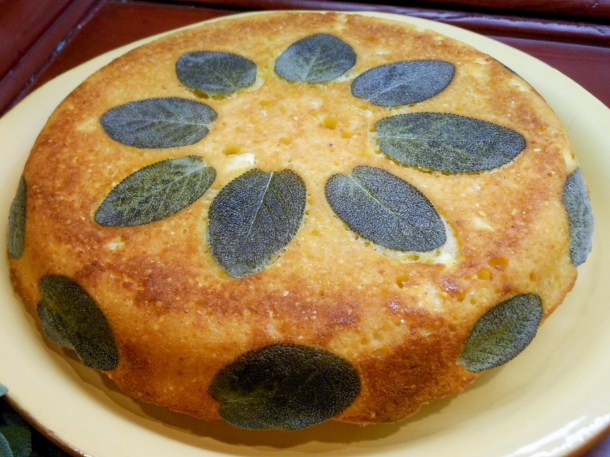
Dazzle your guests with this artistic display of garden sage. 

Sage-Feta Cornbread

Sage leaves, arranged in the buttered pan before the batter is poured in, form a beautiful pattern on the crust of this bread and distinctly flavor it throughout.  Crumbled feta contributes moistness and a salty bite.

1 tablespoon unsalted butter, softened for the pan

18-24 large sage leaves

3/4 cup stone ground cornmeal

1 cup all-purpose flour

2 teaspoons baking powder

2 teaspoons sugar

1/2 teaspoon fine salt

2 large eggs

1 cup buttermilk

1/4 cup olive oil

4 ounces (1 cup) crumbled Greek feta

Preheat the oven to 400°F. Smear the butter on the inside of a 9 inch glass pie plate.  Press the sage leaves into the butter in a circular daisy pattern, saving about 6 to press into the side of the pie plate horizontally.

Stir the cornmeal, flour, baking powder, sugar, and salt together with a wire whisk in a medium mixing bowl.  Whisk together the eggs, buttermilk, and olive oil in a second bowl.  Stir the liquid into the dry ingredients until the lumps smooth out.  Stir in the cheese.

Pour the batter into the pie plate over the sage leaves. Bake for about 25 minutes, or until the crust is browned and the bread springs back in the middle when you press on it.  Let cool for about 10 minutes in the pan.  Loosen the sides with a paring knife, then flip the cornbread out onto a plate or board with the sage leaves on top, and serve while still warm.

Recipe and Photo by Linda adapted from HERB GARDEN

Beets And Turnips From A Dallas Garden

When my husband called tonight and asked “what’s for dinner”, I said “beets”. Silence ensued. What he didn’t know was that a stampede almost took place in the garden today when we were harvesting our turnips and beets.  Our Dallas County Master Gardeners know eating your vegetables is not only good for you, it is downright tasty. 

Beets And Turnips Harvested At The Demonstration Garden

Turnips can be mashed like potatoes or used in gratins, couscous, or  frittatas.

Tokyo Cross Hybrid Turnips Grown At The Demonstration Garden

Tired of pickled beets?  Try a beet cocktail for something different.  Eat the tops of both of these vegetables for an extra nutrition boost.

Burpee Golden Beets

 Aside from the enthusiasm over our harvest, the most astonishing thing was that just six weeks ago we were planting these crops by seed.  We planted Purple Topped and White Tokyo HyBrid Turnips, Detroit Dark Red Beets and Burpee’s Golden.  We are hoping for a repeat performance when it is time to plant beets and turnips again February 1.

All the talk was of dinner when we left the garden today and I knew each pot would hold some of our harvest.  We had Beets and Beet Greens with Maple Walnuts. Now he’s talking!

Ann

Poppy And Larkspur Seed Planting For Dallas Gardens

Before the seed there comes the thought of bloom. –E. B. White

 Poppy Blooming In Front Of Climbing Pinkie Rose In Our Rose Trellis Garden

Plant Poppies and larkspur seed now for early spring blooms!

They require cool weather to germinate.  If you want gorgeous color for a low price, take this simple step and throw down these seeds in your garden right away.

Sow poppy and larkspur seeds on top of a well-prepared bed but do not cover with dirt. Tamp down the soil with the back of a hoe or pat down with your hands. Do not mulch.  

With a little rain, they will begin to germinate and next spring you will be well on your way to an heirloom, cottage garden look. Time is of the essence.  Do it now, you will be thanking us next spring! 

Ann