Harvest Lunch and Mother’s Meat Loaf

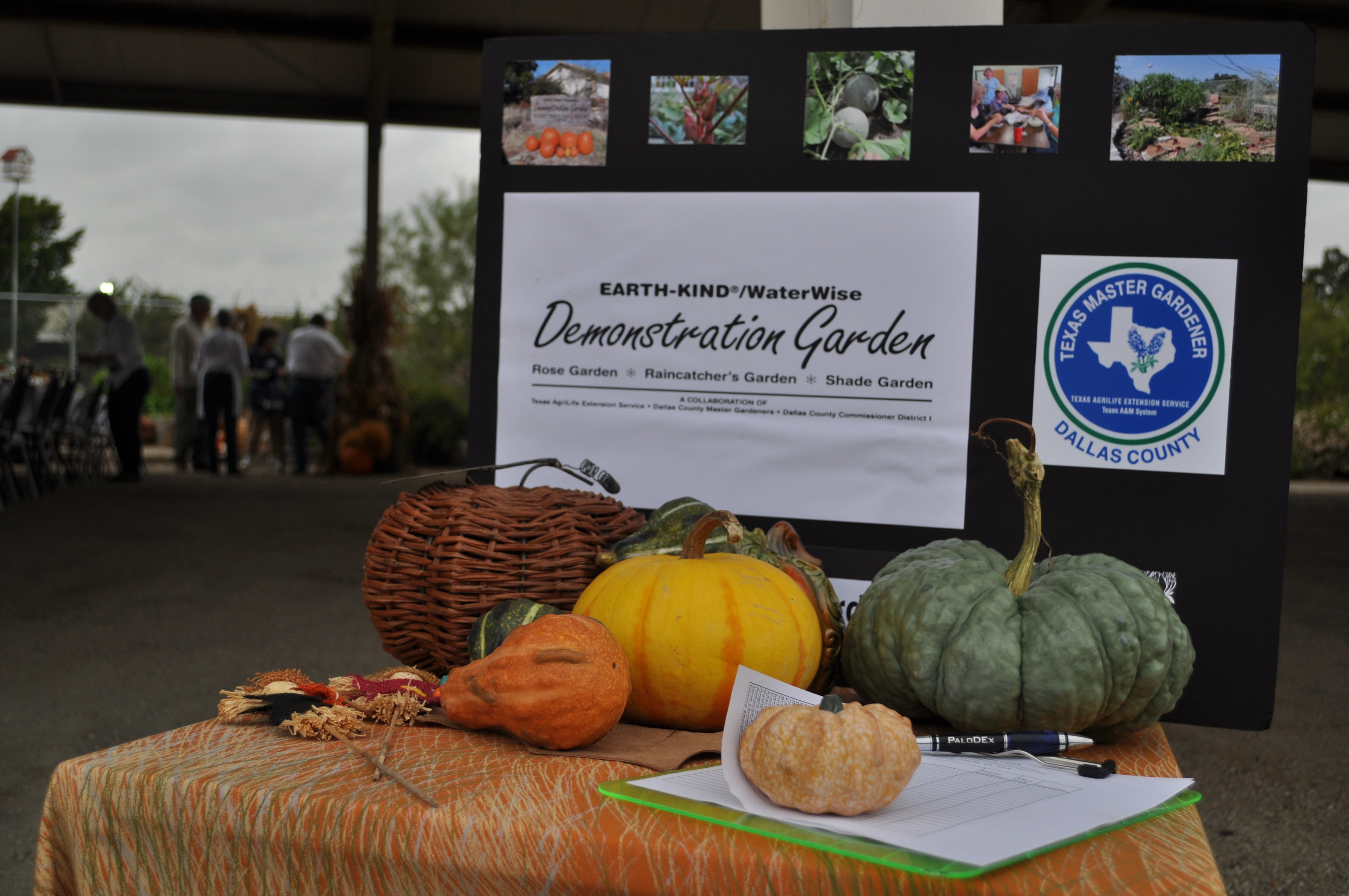
 Yesterday was a day to savor: Our Harvest Lunch and “Farm to Table” talk by Tim on how we grow our veggies. The Harvest Lunch was all about how to enjoy them!
image

We had 46 guests and 20 Dallas County Master Gardener as cooks and servers.

If you weren’t able to come, please look through our pictures and recipes over the next few days and imagine you were there!
image

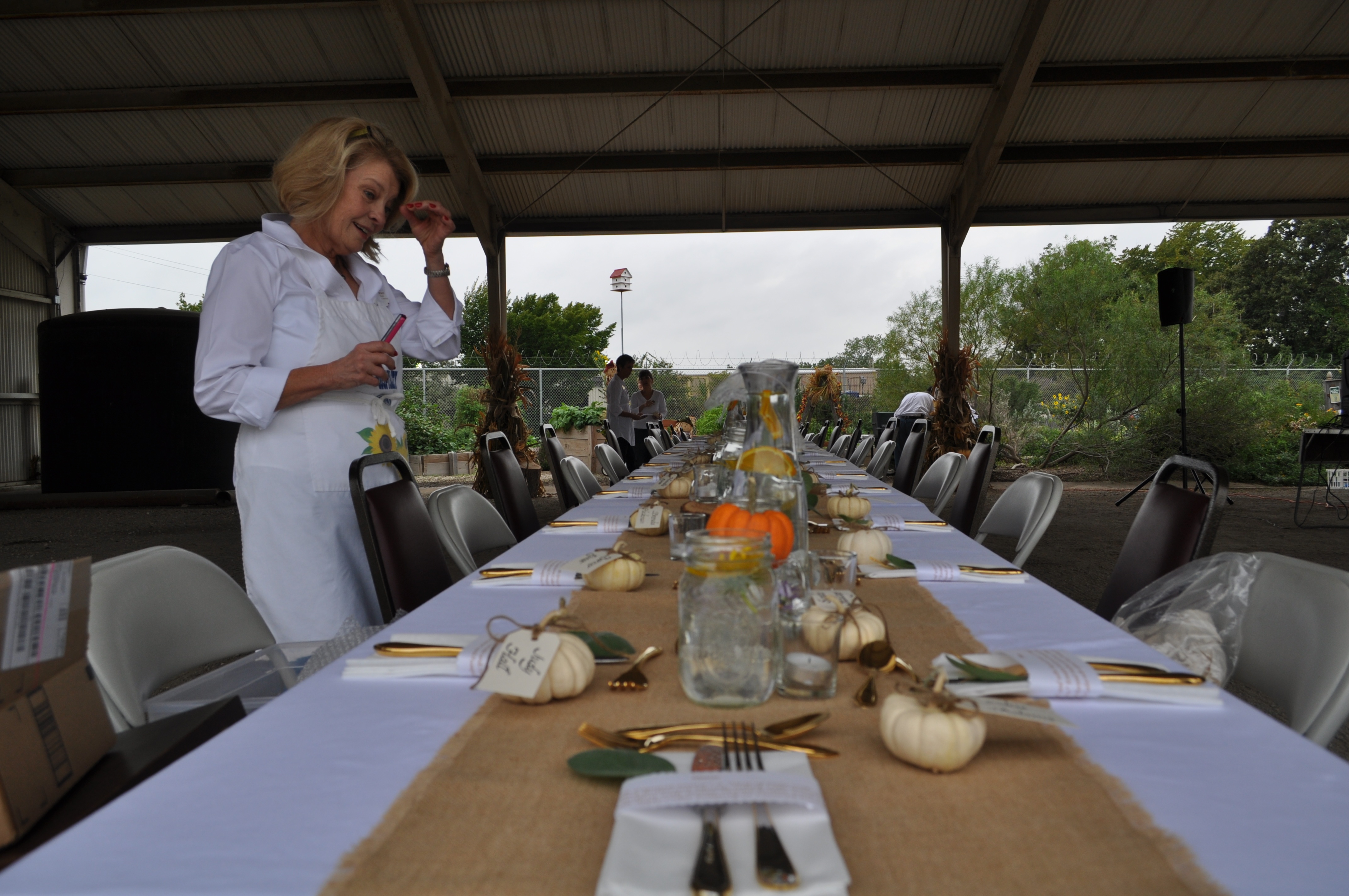
Linda shared her family recipe for meat loaf.  The servers ate beforehand to make sure everything was perfect and yes, it was.

image

One day Linda Alexander and Karan Edgemon were having a quick lunch together.  Each looked at the other and said, “well, what are you fixing for dinner tonight?” Surprisingly, they both replied with “Mother’s Meat Loaf”.  In talking further they realized that the recipes were very similar, only a few small differences.  So, this recipe is a combination of those two recipes:

Karan’s Meat Loaf and Linda’s Piquant Sauce for the top.  Like good friends, they compliment each other!

Mother’s Meat Loaf

Ingredients:

1½ pounds lean ground beef

1 cup soft bread crumbs

1 medium onion, chopped

1 ½ teaspoons salt

¼ teaspoon pepper

1 egg, lightly beaten

½ cup tomato sauce

Piquant Sauce

1. Combine ground beef, breadcrumbs, chopped onion, salt, pepper, beaten egg, and tomato sauce in a large bowl; stir well.  Shape meat mixture into a 12- x 7-inch loaf; place in a 13- x 9- x 2-inch baking pan. Pour Piquant Sauce over top of loaf.

2. Bake at 350 degrees for 1 hour and 15 minutes. Baste with sauce while baking.

3. Transfer meat loaf to a serving platter.  Garnish with sauce from pan, sliced green onions, and grated cheddar cheese.

Yield: 6 to 8 servings

Piquant Sauce

Ingredients:

¾ cup firmly packed brown sugar

¾ cup catsup

1½ teaspoons dry mustard

¾ teaspoon Worcestershire sauce

Directions:

Combine all ingredients in a small bowl, stirring well.

Yield: About 1 ¼ cups

Linda
Fall Seed Sowing For Spring Flowering

There is so much possibility in a seed, except if you leave your seeds sitting on a counter, or in the garage, or in your imagination.

Poppy seeds should be planted now. At the Demonstration Garden ours flourished  in the less tended, driest soil. Poppy advice from the Dallas Morning News here.

may 7 2013 068 (Large)

And don’t forget to sow Bluebonnet seeds.   You may recall  we promised to prompt you to plant  Bluebonnets.

Bluebonnets April  2013 013 (Large)

larkspur-Aggie HortLikewise Larkspur seed should be planted now.

Oh dear, some of my dried Larkspur stalks from last spring are still sitting in my garage with viable seed.  This is a reminder to me as well!

Time is of the essence.

Ann

Pumpkin Cheese Ball

A “sure to delight” treat for festive gatherings.

Pumpkin Cheese Ball

 Ingredients:

2 (8-ounce) blocks extra-sharp Cheddar cheese, shredded

1 (8-ounce) package cream cheese, softened

1 (8-ounce) container chive-and-onion cream cheese, softened

2 teaspoons paprika

½ teaspoon ground red pepper

1 broccoli stalk

Red and green apple wedges

Directions:

1. Combine first 5 ingredients in a medium bowl until blended.  Cover and chill 4 hours or until mixture is firm enough to be shaped.

2.  Shape mixture into a ball to resemble a pumpkin.  Smooth entire outer surface with a frosting spatula or table knife.  Make vertical grooves in ball, if desired, using fingertips.

3. Cut florets from broccoli stalk, and reserve for another use.  Cut stalk to resemble a pumpkin stem, and press into top of cheese ball.  Serve cheese ball with apple wedges.

Yield:  Makes 16 Appetizer Servings

*Note: To make ahead, wrap cheese ball in plastic wrap without stalk, and store in refrigerator up to 2 days.  Attach stalk before serving.

Linda

Adapted from Southern Living Annual Recipes

October Master Gardener Meeting

The best Dallas County Master Gardener Meeting of the year takes places tomorrow, October 24,  at 11:30am at the Farmer’s Branch Recreation Center.  Potluck, Craft Fair, and Seed Exchange all rolled into one fantastic meeting.

Master Gardeners will be selling everything from plants to pastries.

We have been making  pomegranate jelly for two weeks. Remember?

  Pureeing pomegranate seeds-thank you Kim!

Pureeing pomegranate seeds-thank you Kim!

Buy a jar and help us educate Dallas County citizens  become super savvy  gardeners.

Sarah,Lynn, Sheila, Sue-Jammin!

Sarah,Lynn, Sheila, Sue-Jammin!

We will also be selling Lemon Verbena Tea Bread, Pumpkin Bread, Fall themed Sugar Cookies, Banana Apricot Bread, and Feta Sage Cornbread.

Just a thought but wouldn’t the pomegranate jelly be good on sage cornbread!

We expect to sell out of our vintage silver plate spoons stamped to use as garden markers.  You might want to stop by our table early to shop for these and our butterfly/ rose stamp necklaces.

Ann

Adam’s Autumn Biscuits

In a 1994 River Road Cookbook these biscuits are described as golden towers of light flaky pastries that belie their humble beginnings.  Louisiana “alchemists” can indeed turn lead into gold. 

Pumkin Biscuits

Ingredients:

2 ½ cups all-purpose flour

1 tablespoon baking powder

½ teaspoon salt

3 tablespoons brown sugar

1 teaspoon orange zest

1 teaspoon cinnamon

¼ teaspoon nutmeg

½ cup butter, chilled and cut into small bits

One 16-ounce can unsweetened pumpkin puree

½ cup golden raisins

2 tablespoons 1%, or less, buttermilk

½ cup brown sugar

Directions:

1. Preheat oven to 400 degrees.

2. Sift the flour, baking powder, salt, brown sugar, orange zest, cinnamon and nutmeg into a mixing bowl.  Using a pastry blender or food processor, cut the butter into the flour mixture until it resembles very coarse meal.  Add pumpkin and raisins.  

3. Pat the dough into ½ inch thickness on a well-floured surface.  Cut out using a floured 1-inch cutter.

4.  Place biscuits on baking sheet sprayed with vegetable oil cooking spray. Brush biscuits with milk and top with ½ teaspoon brown sugar per biscuit.

5.  Bake 10 – 15 minutes or until done.

Yield: 24 biscuits

Linda

(EVERGREEN) WISTERIA—Except it’s not.

It’s Ann’s fault.

“Please, please, please write a blog on Evergreen Wisteria???” I’m not a fan of wisteria.  My father (tried) to train it to cover a patio in San Antonio.  You’ve never seen a more God forsaken vine in your life.  The yellow chlorotic leaves limply hung on sad little vines struggling in the limestone caliche.  I was told that it had exquisite purple blooms in the spring.  Never saw one.  My father heard that if you shock wisteria, that it would burst into bloom. Even being sharply rammed with a lawnmower failed to persuade the thing to flower.  But I digress.

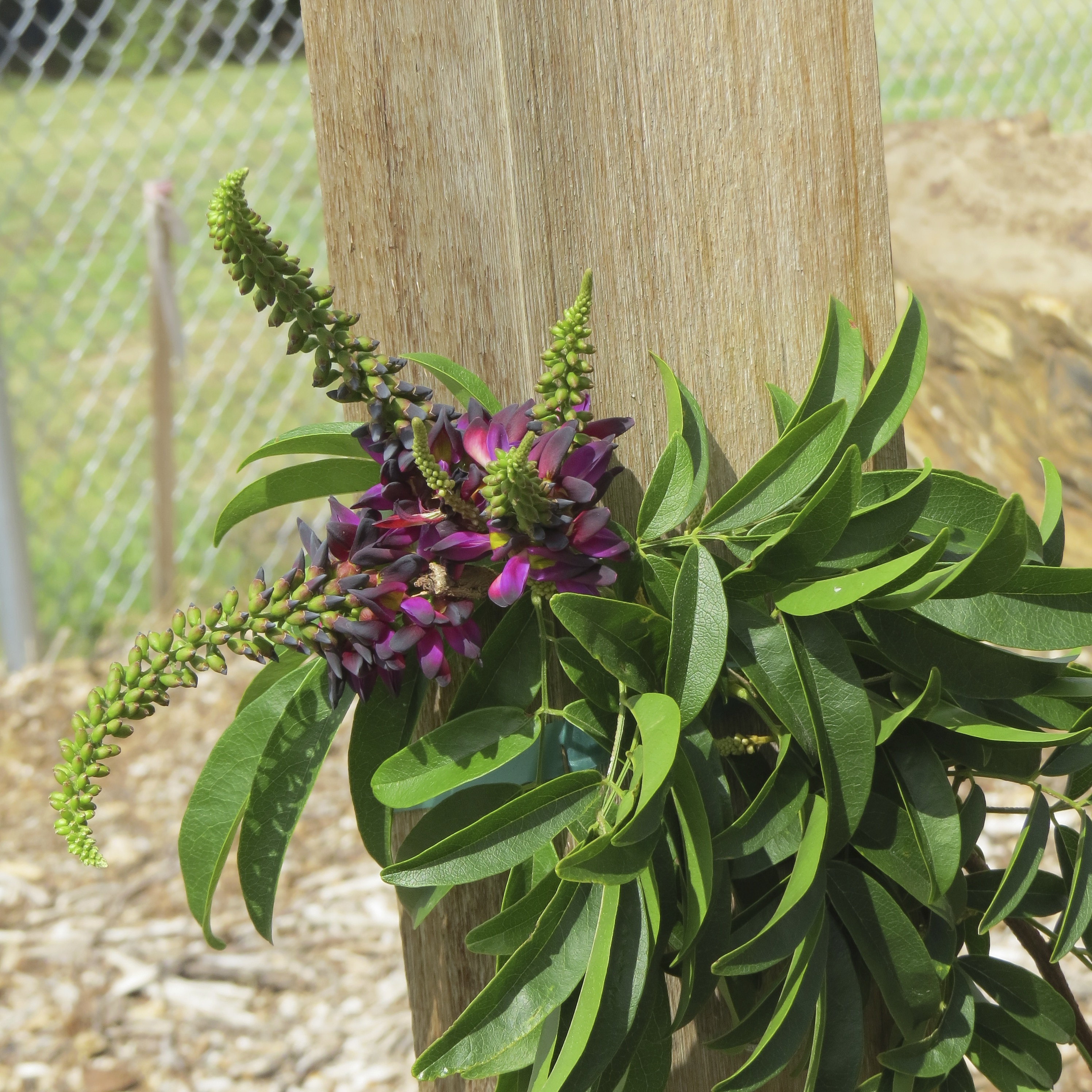
Susan has planted the most breath taking vine at the garden called—evergreen wisteria.  It has grown from a little start planted this spring into a stunner filled with purple blooms—and get this—it flowers mid-summer to fall when other more sane plants have thrown in the towel.

Millettia reticulata, Evergreen Wisteria in our Garden

Millettia reticulata, Evergreen Wisteria in our Garden

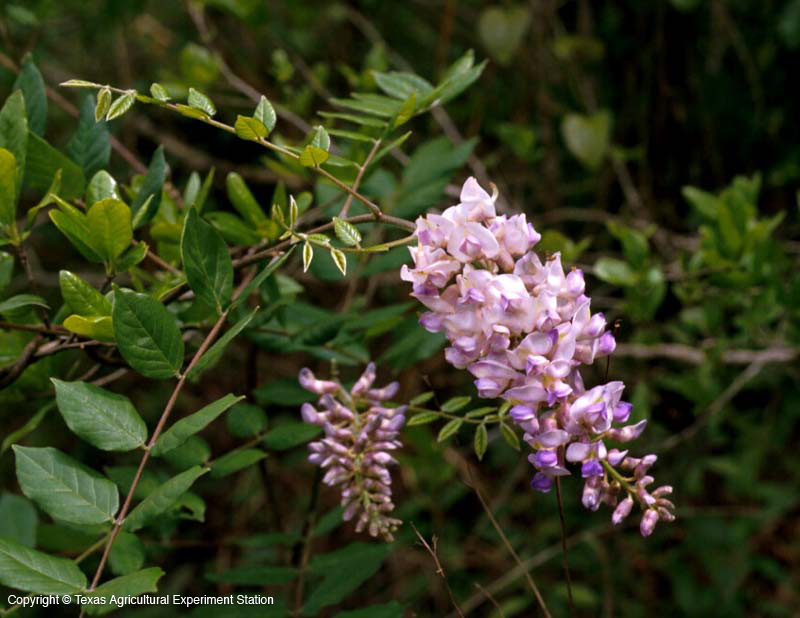
Usually when we think of wisteria, we dream of southern arbors covered with long purple blooms for two to three weeks in the spring.  The often-used Chinese wisteria Wisteria sinensis has a dark side. (Does that infamous southern vine, kudzu, come to mind?)

Wisteria gallops over companion plants, prompting Texas AgriLife Extension Agent Dale Groom to write, “Because wisteria has been known to literally take over other plantings, plant it on structures that are separate from other landscape locations.”  In other words, if you can’t play nicely, you have to play alone.  All 35 mature vining feet of you.

Wisteria sinensis

Wisteria sinensis

Ah, but if you want the Southern Landscape Look, without the hassle, consider American wisteria Wisteria frutescens. It blooms in the spring, but is better behaved than its Japanese or Chinese relations. Evergreen WisteriaI’ll put my money on evergreen wisteria Millettia reticulata, which isn’t a wisteria at all.  (Refer to my opinion of wisteria in paragraph two.)  Its oval leaves are evergreen, and it blooms when everything else in the garden is gasping in the heat.  At 15 feet tall by 10 feet wide, evergreen wisteria grows less than half the reach of Chinese wisteria.  And the purple/magenta bloom is lovely. The vine is suggested for zones 8 to 10, so gardeners in colder climates would need to bring it into the greenhouse in the winter.

Elizabeth

Evergreen pictures by Starla.

You can observe  Evergreen Wisteria growing at the garden and have a Harvest Lunch with us on October 29th. Details here.

Creamy Southwestern Pumpkin Soup

Creamy Southwestern Pumpkin Soup

Soul-satisfying contentment with a little “kick”! Pumkin Soup, Dallas Garden Buzz   Ingredients:

2 tablespoon butter

1 large onion, chopped (about 2 cups)

1 jalapeno pepper, seeded and chopped

2 garlic cloves, minced

5 cups chicken broth

1 large baking potato, peeled and chopped (about 2 cups)

1 ¼ teaspoons salt

½ teaspoon chili powder

½ teaspoon ground cumin

1 (15-ounce) can pumpkin

¼ cup chopped fresh cilantro

2 cups milk

3 tablespoons fresh lime juice

Garnishes: sour cream, fresh cilantro sprig, toasted pumpkin seeds

Directions: 1. Melt butter in a Dutch oven over medium heat.  Add onion, jalapeno pepper, and garlic; sauté 15 minutes.  Add chicken broth and next 4 ingredients; cook, stirring often, 30 minutes or until potato is tender.  Remove from heat, and let cool slightly (about 5 to 10 minutes).

2. Process potato mixture, pumpkin, and cilantro, in batches, in a food processor or blender until smooth, stopping to scrape down sides.

3. Return to Dutch oven; stir in milk, and simmer 10 minutes or until thoroughly heated.  Stir in lime juice; garnish, if desired.

Yield: 10 cups

Review your pumpkin facts here.

Linda

October In Our Garden!

Our garden at 2311 Joe Field Road in Dallas, Texas has turned delicious!

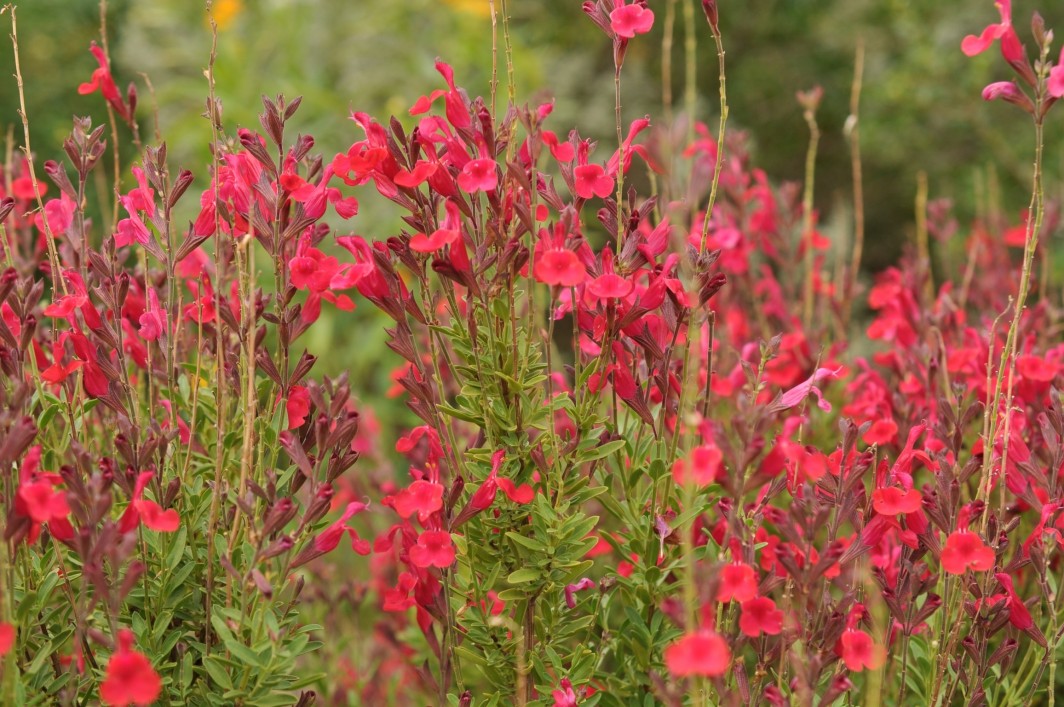
This is Salvia greggi ‘Raspberry’, a perennial you will want in your water wise garden! Hmmm…looks good enough to eat, but please don’t.  Plenty of edibles  from our garden are coming.

Blooming Salvia Greggi, raspberry color

Jim made pumpkin pie for us after cooking up these pumpkins we grew!

pumkins and squash on countertop

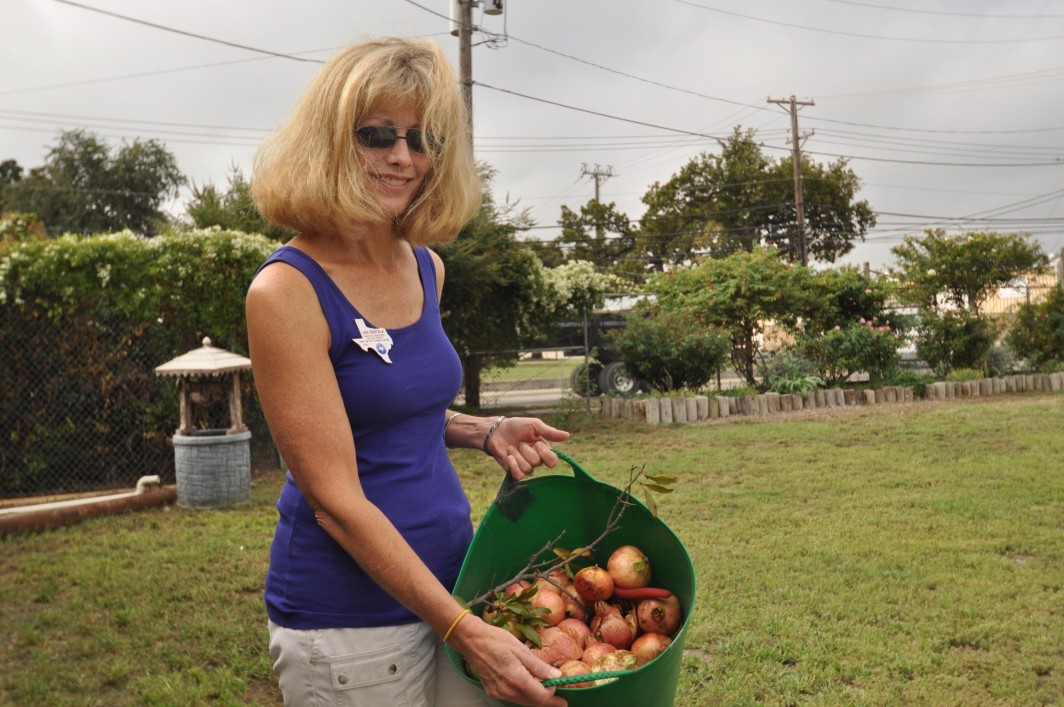
We have been picking pomegranates in our garden and are ready to make our famous pomegranate jelly again.

Two Master Gardeners holding a bucket of pomegranatesLisa picked pomegranates from a neighbor’s tree; after asking permission. Imagine they didn’t want the fruit!  Should we share a jar of our pomegranate jelly with them?

Master Gardener holding a bucket of pomegranatesIf you would like to buy a jar of pomegranate jelly made from Sarah’s recipe and these pomegranates, come to our Dallas County Master Gardener meeting on Thursday, October 24th at 11:30 am at the Farmer’s Branch Rec Center.  All welcome!

Ann

The Power of Pumpkin

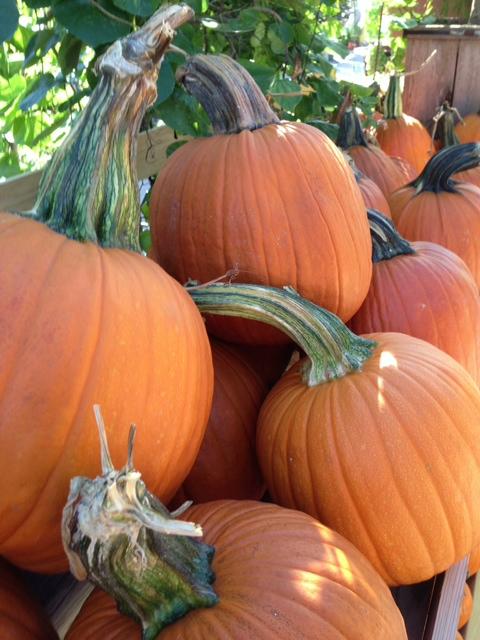
Pumkins at an Outdoor Market

“I would rather sit on a pumpkin, and have it all to myself, than be crowded on a velvet cushion.”–Henry David Thoreau

To some they are the “orbs” of autumn, the quintessential symbol of fall, making their graceful entry into hearts and homes.  The names, alone, captivate childlike feelings of giddiness; Aladdin, Baby Boo, Cinderella, Cotton Candy, Jack-Be-Little, Jack-Be-Quick, Full Moon and Wee-Be-Little.

Why, then, are we so fascinated with pumpkins?  Consider these facts: * The word pumpkin originated from the Greek word Pepon which means large melon.  The word gradually morphed by the French, English and then Americans into the word “pumpkin”.

Pumpkins and squash are believed to have originated in the ancient Americas. * Early Native Americans roasted pumpkins strips over campfires and used them as a food source, long before the arrival of European explorers.  Pumpkins helped The Native Americans make it through long cold winters.  They used the sweet flesh in numerous ways; roasted, baked parched, boiled and dried.  They ate pumpkin seed and also used them as a medicine.  The blossoms were added to stews.  Dried pumpkin could be stored and ground into flour * Columbus carried pumpkin seeds back with him to Europe. * Indians introduced pumpkins and squashes to the Pilgrims.

Pumpkins were an important food source for the pilgrims, as they stored well, which meant that they would have a nutritious food source during the winter months. *The Pilgrims were also known to make pumpkin beer.  They fermented a combination of persimmons, hops, maple sugar and pumpkin to make this early colonial brew. *In early colonies, pumpkin shells were used as a template for haircuts to ensure a round and uniform finished cut.  As a result of this practice, New Englanders were sometimes nicknamed “pumpkinheads”. An old Pilgrim poem gives testament to the Pilgrims dependence upon pumpkins for food:

“For pottage and puddings and custard and pies

Our pumpkins and parsnips are common supplies,

We have pumpkins at morning and pumpkins at noon,

If it were not for pumpkins we should be undoon”.

Pilgrim verse, circa 1633

During the month of October we will explore some fun and flavorful ways to use pumpkins.  To begin, here’s what Dr. Mercola, a leading health advocate, has to say about pumpkin seeds: 10 Health Benefits of Pumpkin Seeds “With a wide variety of nutrients ranging from magnesium and manganese to copper, protein and zinc, pumpkin seeds are nutritional powerhouses wrapped up in a very small package”. Pumpkins provide:

  •  Heart Healthy Magnesium
  •  Zinc for Immune Support
  •  Plant-Based Omega Fats
  • Prostate Health Cancer-Protective Properties
  •  Anti-Diabetic Effects
  •  Benefits for Postmenopausal Women
  •  Heart and Liver Health  Tryptophan for Restful Sleep
  •  Anti-Inflammatory Benefits

The best way to eat pumpkin seeds is raw – this preserves the healthy fats in the seeds.

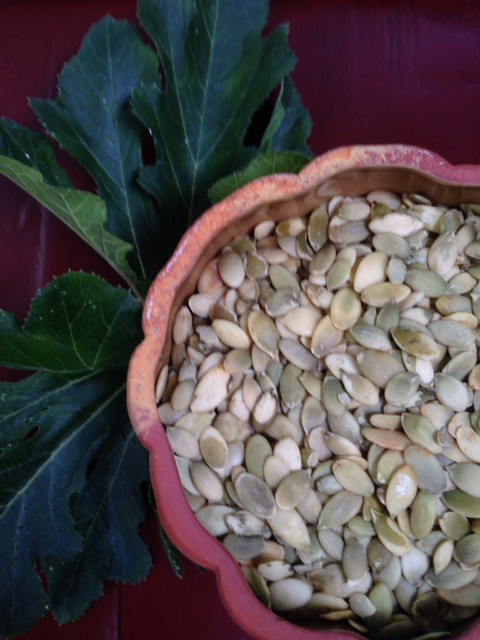
Roasted Pumkin Seeds in a Red Bowl If you prefer to eat the seeds roasted use this simple recipe: Roast raw pumpkin seeds on a low heat setting in your oven (no more than 175 degrees F), sprinkled with Himalayan or other natural salt, for about 15-20 minutes.

Sign up for our Harvest Lunch, Outstanding at the Field on October 29th. Instructions Here.

Next week:  Creamy Southwestern Pumpkin Soup

Linda

It’s Fall, Plant Lettuce Now

Big Tex

When you are “fixing” to go to the Texas State Fair and see Big Tex, you know it’s fall in Texas and time to be planting cole crops and cool season greens.

My lettuce and spinach seeds are in the ground and I am waiting, waiting, waiting for them to germinate. Last year  Oak Leaf Lettuce and Red Sails provided a border for my perennial beds and salad for our meals; the perfect ornamental edible!

All winter long and up until June, we could pick  salads from the backyard. Lettuce being cold hardy  can withstand a light frost and  even lower temperatures without cover. (If temperatures, fall down into the 20’s, cover your lettuce.)

Salad Greens as a Border, Ornamental Edibles!

At the Demonstration Garden, we have enjoyed lettuce grown in our raised  beds.

Spring Lettuce in a Raised Bed

Lettuce does not need full sun and is best started in the fall in Dallas.  You can also buy transplants now at your favorite garden center.

“Leaf lettuce (often called loose-leaf lettuce) is perhaps the best adapted choice for our Texas climate. It forms loose rosettes of leaves that come in a range of colors from various shades of green to burgundy including speckled types. Leaves may be harvested individually or as with other lettuce types you can harvest entire plants at one time. Another option is to “mow” the plants back part way with scissors and then allow them to regrow for a later harvest.” (Quote from Texas Gardener)

Search for loose leaf varieties like Black Seeded Simpson, Red Sails, Oak Leaf, Green Ice, and Prize Leaf.  Try  Little Caesar for a Romaine type of lettuce and Buttercrunch for a sweet butter head type lettuce.

To read more about growing lettuce read: Lettuce From Seed To Harvest in Texas Gardener.

Before you go to the Texas State Fair, get out in your garden and plant to enjoy a long season of homegrown lettuce!

Ann