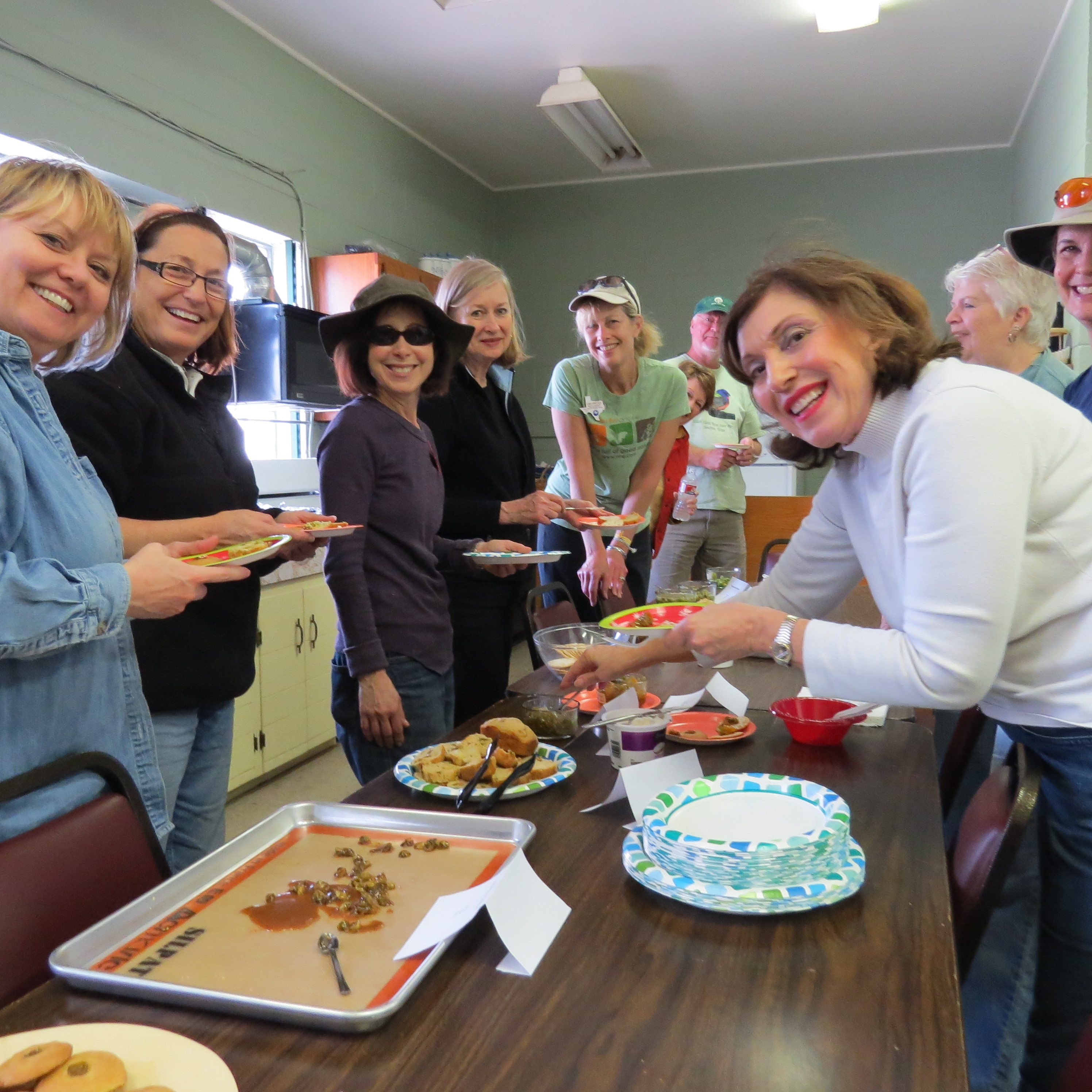
Hearts and Roses Luncheon

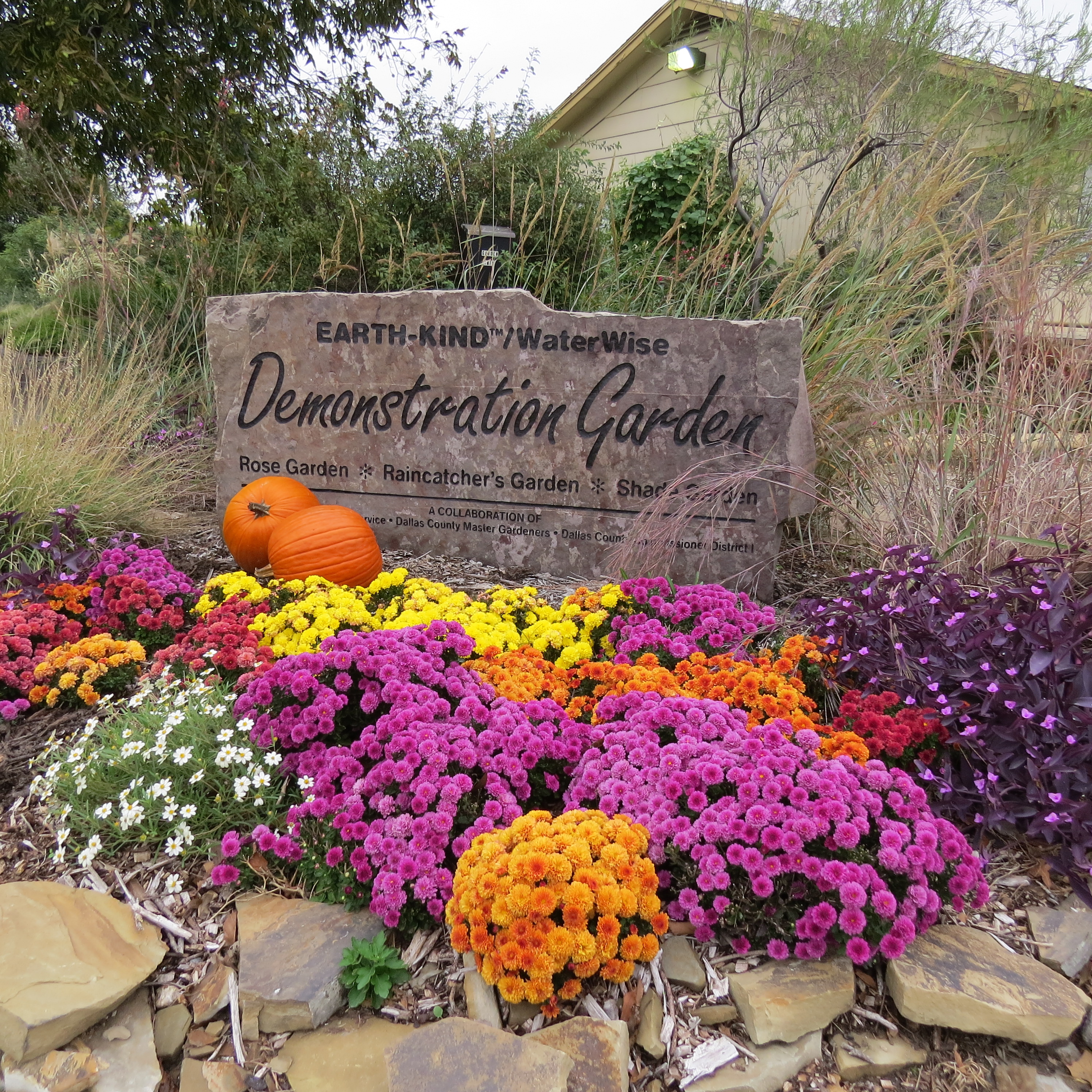
rose-demo garden“Hearts and Roses”

An Enchanting Valentine’s Lunch and Lecture

At the Joe Field Earth-Kind/®WaterWise Demonstration Garden

Tuesday*February 11, 2014*11:00am

$14.00 per person*Limited to 25 Guests

Menu 

Apricot-Cheese Truffles

Strawberry Spinach Salad with Poppy Seed Dressing

Old-Fashioned Chicken and Dumplings

Chocolate Boxes filled with Sugared Raspberries or Red Velvet Cake

Vanilla Cinnamon Pecan Coffee*Herbal Iced Tea

***

Special Presentation by Vicki Agee, Dallas County Master Gardener and Rosarian

“Landscaping with Roses” (Earn One Hour Education Credit)

  Your check is your reservation.

 Make checks payable to: DCMG.

 Email dallasgardenbuzz@gmail.com for info about mailing your check.

Payment must be received by February 1st


Starting Seeds Indoors-A Contest!

Mnemonics and memory prompters are a good way for gardeners to remember important facts and dates. 

Around Valentine’s Day, February 14?  Time to prune your roses.

Do you have a better way of saying, other than “Treat Seeds With Loving Hands,” the five critical elements for growing successful transplants discussed in yesterday’s post?  If so, please let us know.

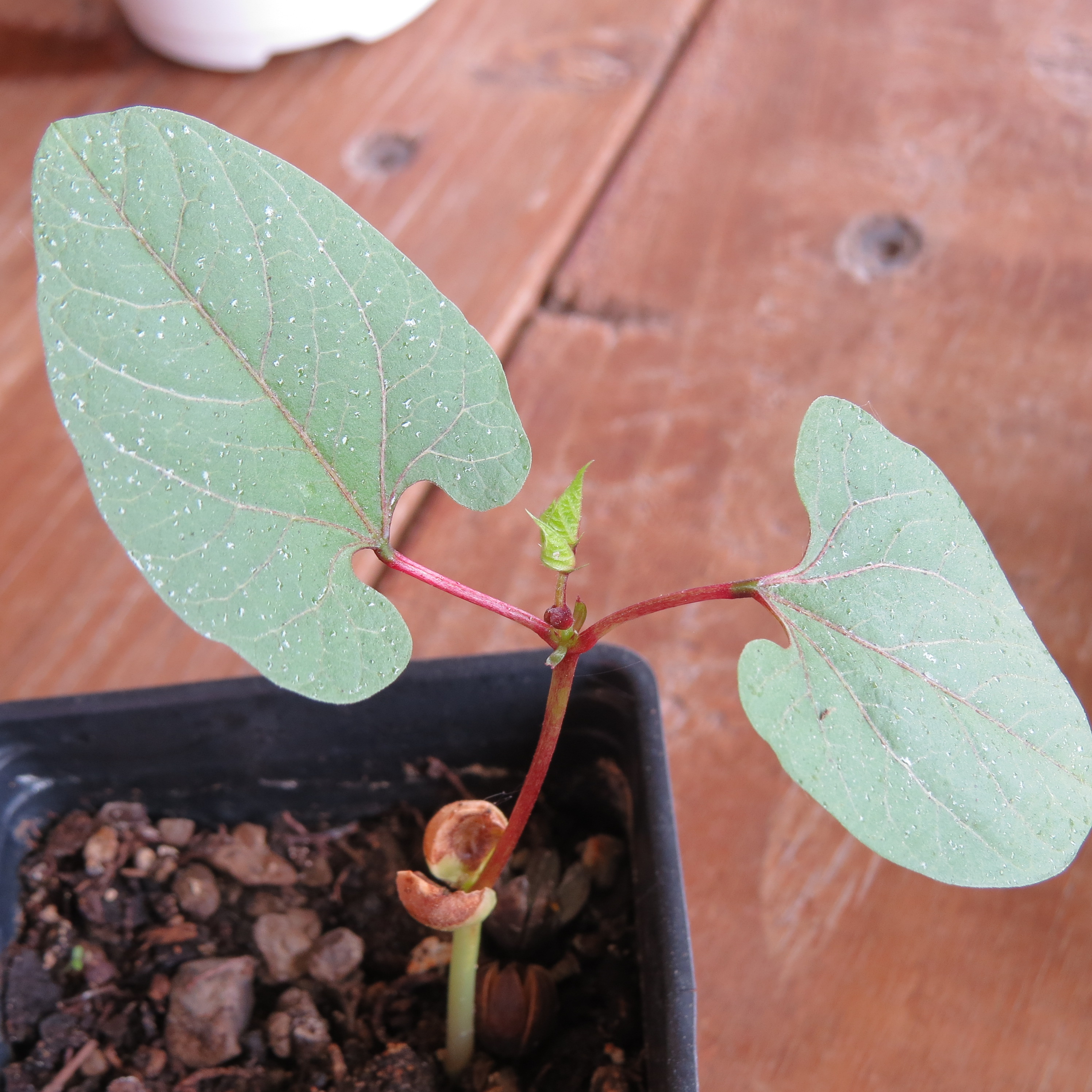
Above:Hyacinth Bean Vine Seedling Ready to be Transplanted

Above:Hyacinth Bean Vine Seedling Ready to be Transplanted

As Ann , the Demonstration Garden’s coordinator, said “There is a lot of interest in gardening but so little real depth of knowledge.  I think of some of the things I hear at the garden centers when I am shopping and feel so bad that plants and seeds are going home with very little chance of survival.  Young gardeners are so handy on the computer but not always in the dirt.  Maybe we can help with that.”

So, put on your creative gardening hat and let us know your suggestion for a way to easily remember the five  elements for successfully starting transplants from seed. The best suggestion, as judged by several of the Joe Field  gardeners, will receive  5  packets of seeds collected from our Demonstration Garden.

Help us teach the general public how to easily remember how to germinate seeds.

Carolyn

Picture by Starla

Seed Starting Indoors

Treat Seeds With Loving Hands

     It’s that time again when a gardener’s mailbox is filled with tempting seed catalogues; and the dreary winter days of January and February give rise to dreams of spring’s colorful flowers and bountiful vegetable gardens.  For those gardeners who want to save money, or may be interested in trying a new variety of plant not found in local nurseries, or who enjoy the educational challenge of growing plants from seed, January and February are the times to start sowing your seeds indoors.

So what are some critical pointers to follow when starting plants from seeds?  Perhaps a mnemonic phrase will help.  As any botany student recalls, two ways to remember the classification of plants from Kingdom to Species are:  “King Phillip Came Over For Good Spaghetti” or “King Phillip Came Over From Gloria Spain.”

To remember the important considerations when germinating seeds, perhaps the mnemonic, Treat Seeds With Loving Hands will help.

Treat Seeds With Loving Hands

Treat Seeds With Loving Hands

     T  =  Timing :  The back of all seed packets contains a lot of information about the plant:  how deep to plant it, days to harvest, etc.  It also usually gives a general recommendation on when it is safe to plant the seeds outside (after the last frost, for example).  Therefore, if you desire to get a head start on growing plants from seeds, most flower and vegetable plants require about four to eight weeks of growing time before transplanting successfully into the garden.  Counting back from when the seeds are recommended to be planted outside will give one the approximate time to start seedlings indoors.

S  =  Soil  :   A soilless medium in which to start seeds is a must.  Garden centers sell seed starting mixtures that are sterile, light, and drain well.  You can also find recipes on the internet to make your own mixture.  However, the important thing to remember is to not use ordinary garden soil to start your seedlings.  Not only does it often not drain well, but it harbors pathogens that can infect the seedlings.  “Damping Off,” a common fungal disease, is bane of any gardener germinating seedlings indoors.  The use of a soilless, sterile growing medium may help prevent this.

Above: Michele using soil mix for seed starting

Above: Michele using soil mix for seed starting

W  =  Water  :  Just a realtors talk about the importance of “location, location, location,” “drainage, drainage, drainage” should be the motto of gardeners.  Seeds may be started in any type of containers, from commercially available seed starting kits to recycled plastic containers.  Just remember, if you are recycling old pots or plastic containers, that they must have adequate drainage holes and they should be sterilized in a dilute mixture of water and bleach.  After the seeds are planting to the correct depth in the soilless medium, very gently water them to thoroughly wet the soil (a spray bottle works well for this), cover with plastic, then place the containers in a warm place (some people put them on top of the refrigerator).  As soon as the seeds germinate, remove the plastic cover and move to a light source.  Keep the soil damp, but do not over water as this may encourage diseases.

L  =  Light  :  Along with drainage, light is the most critical part of growing successful, bushy transplants.  Growing plants on a window sill that gets only a few hours of direct sunlight will often result in failure or, at best, spindly plants.  In general, seedlings need 16-18 hours of light a day to grow into lush, healthy transplants.  Greenhouses with supplemental lighting and heat can be used, or you can purchase commercially made light stands.  There are also many instructions on the internet and magazines on how to make do-it-yourself light stands.

H  =  Hardening Off  :  As the little seedlings outgrow their pots, keep moving them into gradually larger pots using potting soil as the mixture.  If the potting soil does not contain fertilizer, a little slow release fertilizer, either synthetic or organic, can be added to the soil.  Since the plants have been “babied” indoors, gradually start introducing them to the outside temperatures and conditions about one to two weeks before transplanting them to the garden.  Start hardening them off in a protected, shaded area and gradually leave them outside for longer times.   Depending on the weather, they may need to be moved in and out of the house until the correct time to plant them in the garden.   If you remember to Treat Seeds With Loving Hands, your transplants should be off to a successful start.  Happy Seeding !!

Carolyn

Pictures by Starla

More Seed Saving Information Here:

Separating the Seeds From the Chaff

Seed Saving: It’s a Good Thing

Ladybug, Ladybug

Seed catalogs are filling our mailboxes and  thoughts begin to yearn for spring.   A little information about ladybugs may help you  forget these cold, gloomy winter days:

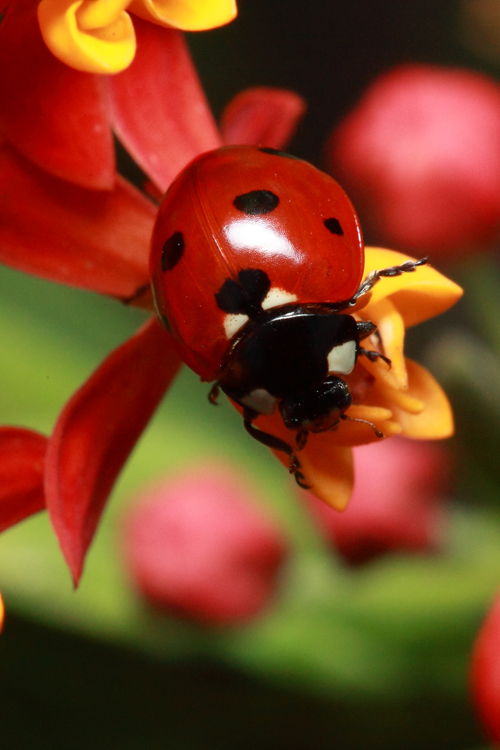
Certainly one of the most beloved of all insects is the ladybug, or more correctly, lady beetle.  And a new citizen science web project may be just the thing for adults and kids with an interest in lady beetles or cameras or both. The Lost Ladybug project started because of concerns about dwindling Ladybug _smnumbers of one kind of lady beetle, the nine-spotted lady beetle, in New York state.  It appears to have evolved into a bigger project where people from any part of the country can participate.  Find a lady beetle?

Photograph it and document the site, time and date of picture.  Then upload the information and contribute to science! What a great way to have fun and do something worthwhile.  In addition to recording your observation, visitors can view and print posters of different kinds of lady beetles, read interesting lady beetle facts and (teachers) can download lady beetle lesson plans.  Scientists will benefit from the photographic record, which should allow more up-to-date range records for common and rare species.

Perhaps most important, over time the project may allow scientists to document changes in range or distribution or abundance of different species.  The scientists are especially interested in rare lady beetles in out of the way locations, like state parks or little trodden trails.  But any site will do.  The thing is, you never know what’s going to happen when thousands of people are looking and clicking.

For anyone who thought a lady beetle is just a lady beetle, think again.  There are over 450 different species of lady beetles in North America, over 5,000 worldwide.  They come in all sizes and color patterns, feeding mostly on aphids and scale insects–two important pests for farmers and gardeners. Lady beetles are true beetles in the Order Coleoptera, not “bugs” in the Order Hemiptera.  Beetles have chewing mouth parts, go through a complete metamorphosis, and have the first pair of wings hardened to protect the body and the hind wings.  Bugs have sucking mouth parts, go through gradual metamorphosis, and have the first pair of wing partly hard and part transparent.

Nevertheless, despite the science, the name ladybug is likely to persist.  After all, Lady beetle, Lady beetle… Fly away home! …it just doesn’t have the same ring.

Photo and Writing by Mike Merchant, first printed on the blog Insects in the City.

If you are interested in learning more about insects and receiving occasional articles from Dr. Merchant on the latest insect pest or interesting insect facts  sign up for his blog, Insects in the City.  He is as good a writer as he is an entomology teacher.

Carolyn

Merry Christmas To You!

Christmas 2013 Garden

MERRY CHRISTMAS FROM OUR GARDEN TO YOURS!

Picture by Starla

Icemeggdon

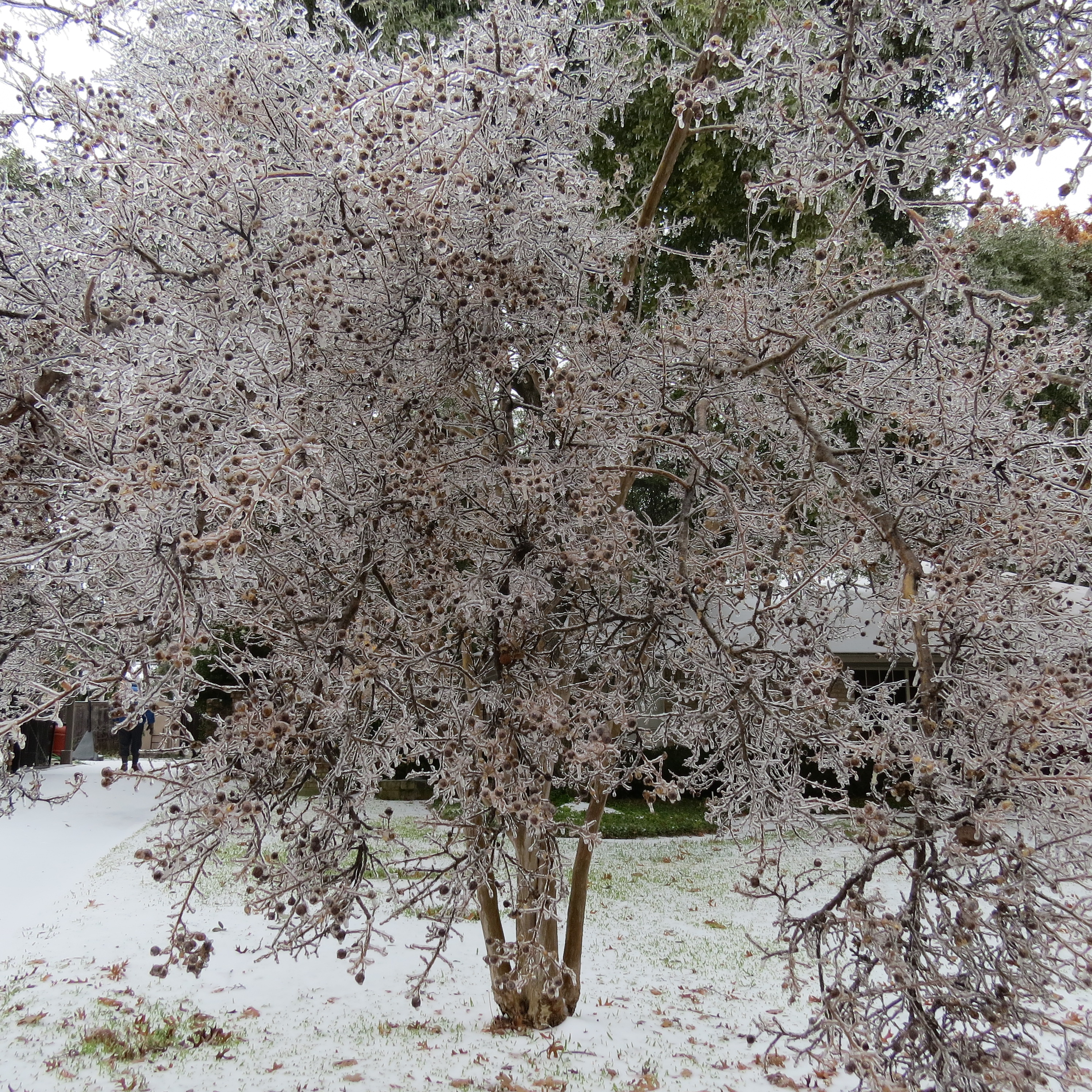
Above:Crepe Myrtle Tree Ensconced in Ice

Above:Crepe Myrtle Tree Ensconced in Ice

Ice hit  North Texas hard this weekend.  Some of the effects were pretty, some were not.

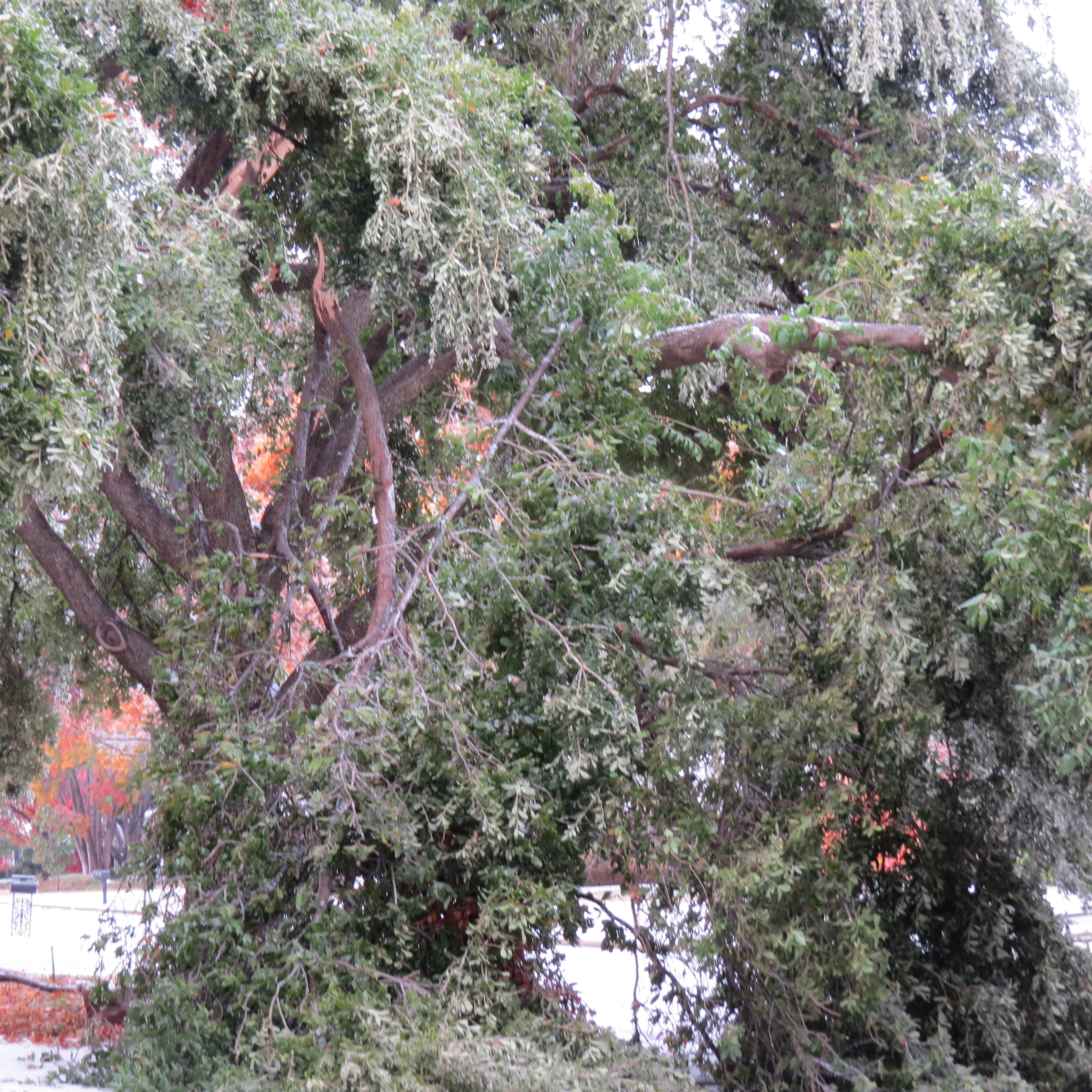
Above: Broken Tree Limbs, Ice Storm Damage

Above: Broken Tree Limbs, Ice Storm Damage

We asked our fellow Master Gardener, Eric,  for advice. Driving around seeing tree limbs down all over the city is distressing. Although we can’t save every tree from ice damage, we can head off some of the damage by heeding Eric’s words:

The main damage trees sustain during ice storms are limbs that break due to the excess weight from the ice that collects on the end of the tree limbs. This is usually due to improper pruning techniques that strip all the foliage away from the limbs except for a “Lions Tail” on the very end of the limb. The ice collects on the end of the branch thus creating a very strong downward vertical cantilever force. The longer the limb, the greater chance for failure.

Having a certified Arborist prune your trees will not guarantee your trees will never suffer broken limbs during an ice storm but you will suffer far fewer broken limbs than your neighbors who hire the drive by “tree toppers”. Proper “pre-storm” tree maintenance is the key to less damage for your trees.

If your trees do suffer ice damage, be sure to contact a professional tree care company to properly access the damage and suggest the best method of treatment.

Eric

Pictures by Starla

Fall Clean Up in Your Wildlife Garden-Don’t!

There’s a discussion going on in our garden.  How tidy do we want to be?Should we dead head and prune all our perennials and rake our leaves ? Maybe not, our fine feathered friends are looking for food all winter.

“If you’re not careful, you can yank the welcome mat right outfrom under all the birds, insects and small mammals your garden has been home to throughout the rest of the year.”

Debbie Roberts, Fall Clean Up in the Wildlife Garden.

Above: A view into our Wildlife Garden looking through PInk Muhly Grass. Grasses provide cover for wildlife and their seed heads provide food.

Above: A view into our Wildlife Garden looking through Pink Muhly Grass.
Grasses provide cover for wildlife and their seed heads provide food.

Less work? I am all for it. Look at some of the blog titles written on this subject:  Drop Your Rake and Look to the Skies and Fall Wildlife Garden Chores.

Above: Seedheads will be left unpruned to provide  winter food in our garden for wildlife.

Above:  Rudbeckia Seedheads

Looking for other ways to accomodate wildlife in your garden? Birds feast on Berries like Beauty Berry and Yaupon Holly in winter months.

A View of our Wildlife Habitat at The Demonstration Garden, looking North.

Yaupon Holly berries on the right, maize on the left under a bird feeder

So less work equals a more friendly wildlife garden; we can handle that!

Ann

Pictures by Starla and Ann

Volunteering at The Demonstration Garden on Joe Field Rd.

The Class of 2013, as preceding classes have, was offered the opportunity to taste volunteering at a variety of sites during the Jump Start portion of our training.  With great trepidation and much innocence, I purchase some pruning tools to begin my adventure in publicly putting class learning into action.

So, one morning as scheduled, I got into my car and drove to the Joe Field Demonstration Garden.

Demo Garden Fall 2013

It was not difficult to locate the gardens on a map or to navigate the streets.  When I got out of the car, I was greeted and welcomed by several experienced Master Gardeners who were very attached to the site and glad to see me.  Is attached the correct word?  Devoted to?  Enamored by?  In love with?  I have discovered that the passion exhibited by those involved with the various sites is communicated with relish and joy.  This was easily seen and felt as the Joe Field ladies divided me and my classmates into groups and took us on a tour of the variety of areas before assigning us tasks to perform.

Was I interested in composting?  Did I want to learn about drip irrigation?  How about pruning?  (Anyone know the difference between pruning and shearing?  I can now tell you what the difference is.)  Mulching?  Transplanting?  Sun plants?  Shade plants?  Vegetables?  Raised beds?  The color wheel was amazing as were the roses.  Truthfully, roses usually don’t do anything for me but even I was impressed with the variety, vibrancy, and size of the rose bushes.  (Many of the bushes were the size of some trees I’ve seen.  I’ve got two scrawny rose bushes in my front yard that haven’t grown much in three years so how did Joe Field do this magic with theirs?)

I recognized plants that live in my own garden but darned if I could name them.  Voila!  The Master Gardener leading my small group easily gave me the name of those plants and told me about their needs.  I kept asking, “How’d she know that?  How can she keep all this knowledge in her head and come up with it on a moment’s notice?” I wonder if I will ever be that familiar with plants.

I was very aware of the phenomenal use of space.  The areas were not particularly overplanted but were, nevertheless, packed with plants and more plants and provided inspiration and ideas to take home to my own garden and beds.

There is so much going on in terms of what is growing that it is impossible to take it in with just one visit.  Maybe that is a lure—come back and learn some more.  Not a bad idea.  Between that chance to learn (and to serve) and the camaraderie of the seasoned volunteers, Joe Field Demonstration Gardens is a smart and happy choice for Master Gardeners.  I’m glad I can visit and revisit this rich site.  Tuesdays are the targeted day of the week for volunteering just in case you want to try it out.  Maybe we will see each other and learn together.

Zelene

Picture by Starla

Map to our gardens here.

Green Tomato Primer

Green tomatoes are usually seen at the beginning and the end of tomato season.  Sometimes they get harvested at the beginning when you just can’t wait another minute to have a tomato, and when the weatherman announces the first frost of the year, the rest of the harvest comes inside in a hurry.

If it’s been a good year, that leaves you with lots of tart green balls; some may continue to ripen, but they usually don’t have the depth of flavor and sweetness of those that finish on the vine.  But it’s a pity to compost all that hard work and potential goodness.  So what do you do?

Above: 13 cups of green tomatoes were harvested  for Green Tomato Recipes. The ripe tomatoes were eaten.

Above: 13 cups of green tomatoes were harvested for Green Tomato Recipes. The ripe tomatoes were eaten.

This primer will hopefully help you better understand your green harvest and give you some ideas – along with some recipes – to help you use it all up deliciously! Green tomatoes are tart and hard.  If you have green cherry tomatoes, you may even find them a little bitter (I think that’s from the greater amount of skin to pulp than you have on a larger tomato.)  To mellow the flavor of the tomato, you could cut, dice or slice it (you want to expose the interior), salt it, cover it and let it sit overnight in the refrigerator.  The next day (or the day after that) when you go to use it, drain and rinse it, and it will still be tart, but it won’t turn your face inside out. Green tomatoes can be substituted reasonably easily in recipes that call for:

  • tart apple
  • lemon
  • kumquat
  • tamarind
  • fresh cranberries

Cherry green tomatoes would work especially well as substitutes for kumquats and cranberries if the shape is important.  So if you already have a recipe you enjoy that uses one of these ingredients, go ahead and substitute green tomatoes for it! Below is a list of flavors that would complement green tomatoes, if you enjoy improvising:

  • almonds
  • walnuts
  • hazelnut
  • coconut
  • coconut cream
  • sesame oil
  • balsamic vinegar
  • tea
  • vanilla
  • rose water
  • ginger
  • sugar (brown, white)
  • thyme
  • rosemary
  • coriander
  • allspice
  • cardamom
  • cloves
  • cinnamon
  • nutmeg
  • mustard
  • caraway
  • bay leaf
  • chile pepper
  • garlic
  • onion
  • bitter greens
  • corn
  • butter
  • cheese (ricotta, parmesean, cream)
  • chicken
  • turkey
  • duck
  • beef
  • game (venison)

A flavor combination:

  • beef + coconut milk + green tomato 

Other recipe ideas:

  • cornbread with green tomatoes and jalapenos
  • almond thumbprint cookies with candied green tomatoes (or green tomato jam)
  • coconut pie/tart crust with a green tomato filling
  • green tomato jam and coconut milk in your favorite vanilla ice cream recipe (substitute the coconut milk for some or all of the milk and cream)
  • dehydrate and powder the tomatoes to add to any recipe for a little extra tartness
  • added to soups or stews
  • the classic: fried green tomatoes! 

The following recipes were designed for a small batch of green cherry tomatoes, where 1 cup weighed approximately 5 ounces.

Above: Green Tomato Recipe Sampling at The Demonstration Garden

Above: Green Tomato Recipe Sampling at The Demonstration Garden

If your tomatoes are full-sized, you may choose to dice or slice them, and in addition, you have the option of peeling the skins to reduce the acidity, and some of the bitterness.

Hungry for Lila  Rose’s Green Tomato Recipes? Click Here.

Lila Rose

Pictures by Starla

Basil Harvest

Today at the garden we harvested buckets full of sweet basil.  With winter’s chill at our doorstep it’s the perfect time to fill our freezers with basil pesto. Basil Harvest

 Here is  Classic Pesto hidden in our Tomato Tart Recipe!

Basil ready for the freezer

Before bedtime and  the freeze tomorrow, review

 Basic Facts About Basil Here!

Sweet Dreams, I will be dreaming about basil and hope you will, too!

Linda