Category Archives: Spring

DCMGA Garden Tour Preview: The Garden of Janet D. Smith

 By Alan Rister

This is the unlikely story of a woman whose garden was created unintentionally and who, in the process, became a gardener accidentally.

Prior to entering the Dallas County Master Gardener program in 2005 following her retirement, Janet D. Smith confesses that she was completely ignorant of any and all knowledge concerning gardening.  Her attempts at home horticulture had consisted of purchasing hanging baskets of seasonal color annuals at big-box stores and “inundating them with Miracle Grow.”

Janet’s back yard had long suffered from a lack of adequately engineered drainage, which caused flooding of her garage every time there was a big rain.  She therefore sought out professional help to remediate the situation, and landscape architect Carol Feldman undertook the project, which involved the removal of a large amount of soil from the yard.  The drainage problem was solved, but now there was the question of what to do with the excavated soil, for which Janet did not want to incur costs for removal from her property.  The solution was to use the soil for the formation of a berm in her front yard.

The unexpectedly large volume of the new berm presented an opportunity for the creation of a garden, and thus, with a planting plan prepared by the landscape architect, Janet began a life-changing voyage of discovery through everything she could learn about gardens and the pollinator insects and birds that play such important roles in sustaining them.

Previously unaware that there exist many plants that come back from their roots every year to flourish and flower (perennials), Janet was delighted to discover that she could be freed from having to replant her new garden from scratch (with annuals) year after year.  And the planting plan that had been provided to her did indeed feature mostly perennials, among them many species of plants that are native to our region.  From that point, it is fair to say that this neophyte gardener dived zealously into the enterprise of gardening and has never looked back.

It has been a long and great transformation from Janet’s complete lack of gardening knowledge to becoming one of the Master Gardeners’ most respected authorities on best gardening practices and one of our most in-demand public speakers.  As she became more experienced as a gardener, she has pursued further education.  She completed both the Master Naturalist and Native Plant Society of Texas (NPSOT) programs, and over the years she has become as active in those organizations as she has remained in the Master Gardeners.  She has also continued to educate herself by studying topics that interested her most, especially all about pollinators, including local butterflies, bees, and hummingbirds.

Janet has been profoundly influenced by the principles of Douglas Tallamy, especially as elucidated in his seminal work Bringing Nature Home:  How You Can Sustain Wildlife with Native Plants (2009).  This work is a holistic treatment of the interplay of all members of the earth’s biome and how they create its ecology.  For Janet, this speaks precisely to the fascinating role of pollinators in the environment, which draws her continuously to study and teach about them through her speaking and writing.

Her evident passion about good horticulture and her enthusiasm for sharing her knowledge with the public has led her to becoming a well-known speaker in the Master Gardeners Speakers Bureau.  Since she began her public speaking in 2006, she has given hundreds and hundreds of presentations to garden clubs, community organizations, school groups, and others, not to mention her continual involvement with Dallas County Master Gardeners, North Texas Master Naturalists, and NPSOT programs and projects.  She has become so renowned for her particular love and knowledge of butterflies that all she now lacks is a coronation to be known as the “Queen of Butterflies” in Dallas County.

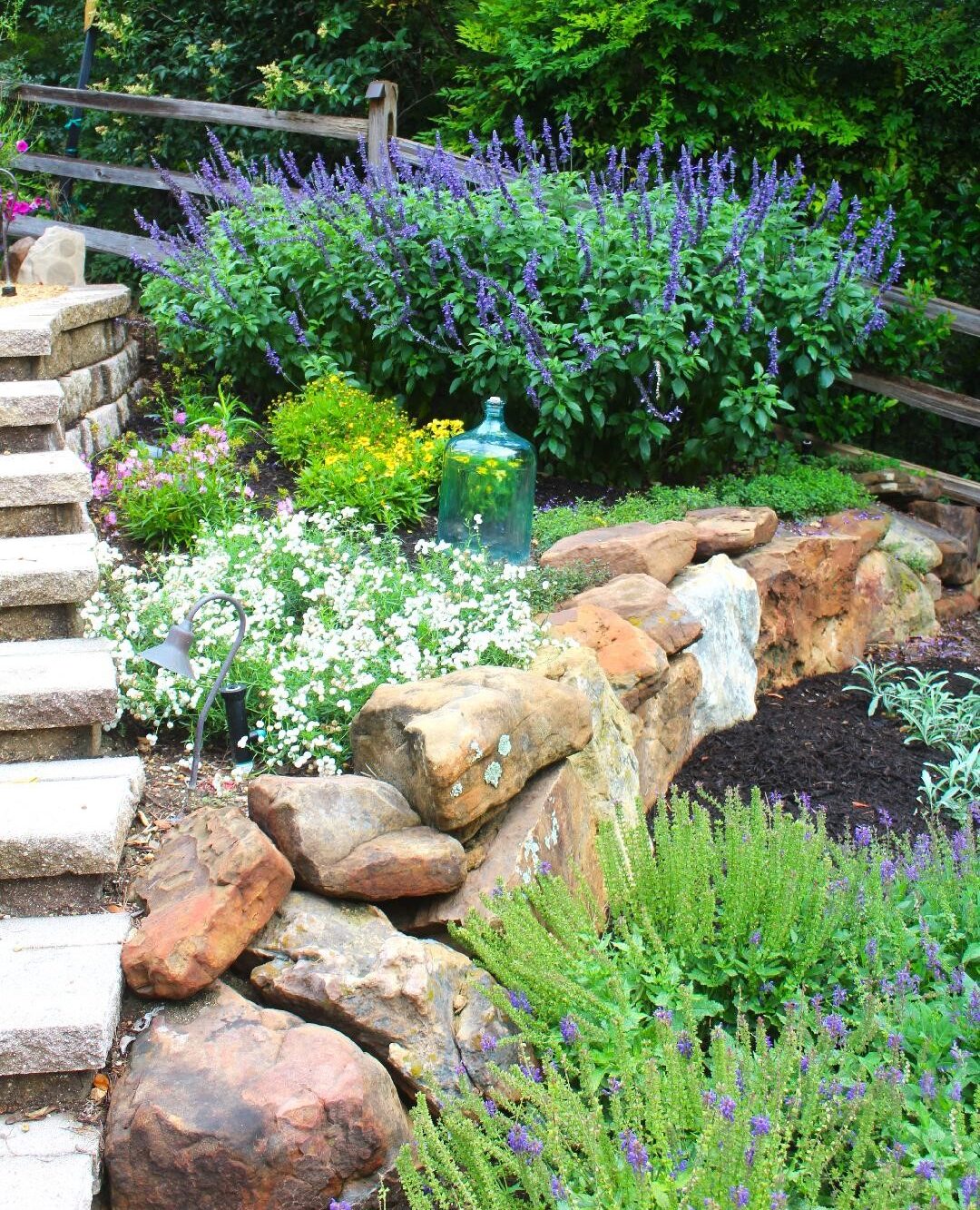
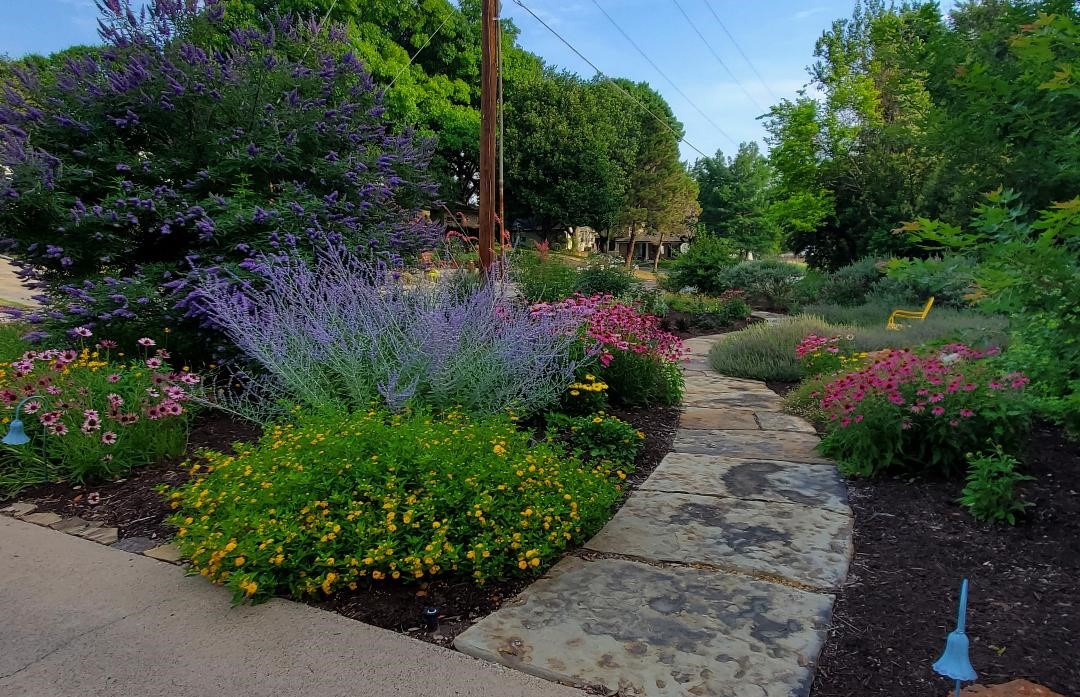
Today, Janet’s beautiful berm garden stands out as an exemplary showcase of smart gardening:  the “right plants” (varieties chosen for their optimal adaptation to local climate and soil types) in the “right places” (growing environments best suited for plants’ needs for sun exposure, moisture, drainage, and soil fertility).  The notably modest size of the garden and its conversion to an all-perennial palette of plants (with the exception of larkspurs, which self seed) make it inherently easier and more realistic to maintain.

Standing in her colorful garden, Janet says that what she most enjoys about it is observing “the complexity of nature and how it provides us the life we have.”  She muses that “this berm changed the direction of my life.”  Thus, this pile of dirt has provided Janet with inspiration and purpose.  Come to Peavy Road to see where it all began under the hand of a true Master gardener.

Alan Rister, Dallas County Master Gardener Class of 2005

Click here for ticket information about the garden tour taking place on Saturday, May 18th rain or shine.

A Late Spring Update

According to the calendar, the first day of spring was Friday, March 20, 2024. Dallas natives know that early signs of spring started appearing in late February. One of the happiest moments for me was when two new additions to my garden in 2023 announced their comeback from winter’s cold. They are now showing signs of an exciting springtime welcome.

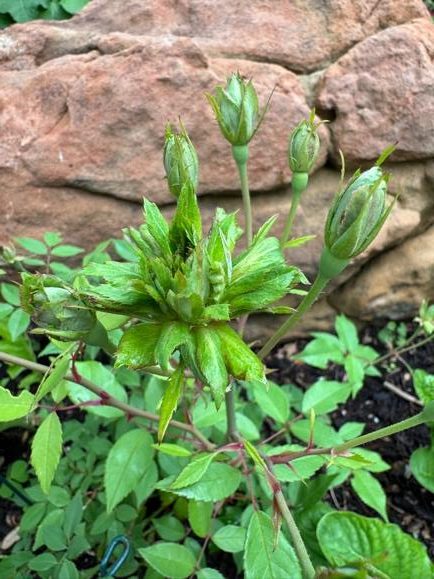
*Veggie Green Rose (Planted April 2023) – It has easily doubled in size, producing new buds over the past two months.

*Green Gage Plum (Planted September 2023) – It was thrilling to see both trees filled with delicate white blossoms during the last few days of February, continuing into March. Fresh, new green leaves started appearing in late March and early April. It’s now May and all is well.

*Black Sage (Planted September 2023) Sadly, this one did not survive those few days/nights of below freezing temperatures. But I’m not giving up on growing black sage in my garden. This time I’m trying a different strategy. Last month I ordered four new 4” plants from the same grower in California. Each one was planted in a different location of the garden with varying degrees of sun to shade. I’m encouraged today that all four plants have almost doubled in size. Hopefully, by this coming fall they will all be well established and ready for our unpredictable winter weather.

(Black Sage planted in early April 2024 is thriving)

A recent Savannah Bee email featured their Black Sage Honey and the amazing story of how it thrives in the lower mountain slopes and upper desert regions of the Sierra Nevada mountains. It is a fascinating look at what it takes to produce this uniquely flavored honey. Thankfully, I still have a few jars left from my last order!

Linda Alexander, Dallas County Master Gardener Class of 2008


Raincatcher’s Garden Annual Plant Sale

 Tuesday, May 7th 2024

10 AM – 3 PM

Midway Hills Christian Church 

11001 Midway Road 

Dallas, Texas 75229

Ornamental Peppers at Raincatcher’s Garden Plant Sale

April 30, 2024 

I am determined to convince people to consider planting ornamental peppers mixed in with other plants in their garden beds and in containers in the spring and summer.  Most people only consider ornamental peppers as a fall plant and, in fact, this is when the ornamental pepper pots show up in the plant nurseries and at grocery stores right along side the pumpkin patches.  

At Raincatcher’s Garden, we have been planting peppers in our courtyard garden for the past two years.  They add a lot of interest and color mixed in with perennial and annual plants.   What we have found is that the peppers start looking good as soon as they produce their small white or sometime purple flowers.  Then, the peppers show up usually starting out green but eventually turning orange, red, purple, yellow, etc.  The plants put on a good show all summer but when the cooler nights of fall start, these pepper plants will knock your socks off!!! 

We have grown several nice ornamental pepper plants for our plant sale on May 7th.  Below, I have copied plant information sheets that we will post at the plant sale.  Please check out these delightful plants and think about trying ornamental peppers in your garden this summer.  I feel confident that you will be happy with the results.  

Black Pearl Pepper

Black Pearl Pepper is an extremely heat and drought tolerant plant. It is so beautiful that All America Selections (AAS) awarded it for its beauty in 2006.  It is an effective background plant particularly with silver, white or pastel flowering annuals in the foreground.  It also pairs well with light green plants because of its deep glossy black leaves.  As the plant matures, the black peppers turn red.  The peppers are edible but are extremely hot.  The plant is 18 inches tall to 12 inches wide.  

Ornamental Pepper Pot

These three ornamental pepper plants look great together.  The top pepper plant is Wicked Ornamental.  It starts out purple and turns a beautiful color of red as it ripens.  This would be the “thriller” plant in the pot.  The pepper on the left is Santos Orange.  This pepper starts out green and turns bright orange.  It would be the “filler” plant of the trio.  The bottom plant is Hot Pops Purple.  It starts out purple and fades to orange and is the “spiller” plant in the container.  Or you can create your own ornamental pepper pot by combining any of the peppers above with the Black Pearl or the Orange and Red Ornamental Pepper which will have an abundance of upright peppers.  

Jackie James – Master Gardener Class of 1993

Raincatcher’s Garden Annual Plant Sale

 Tuesday, May 7th 2024

10 AM – 3 PM

Midway Hills Christian Church 

11001 Midway Road 

Dallas, Texas 75229

Honeybees, Pollen and Pink Poppies 

April 15, 2024

A red flower with bees on it

Description automatically generated

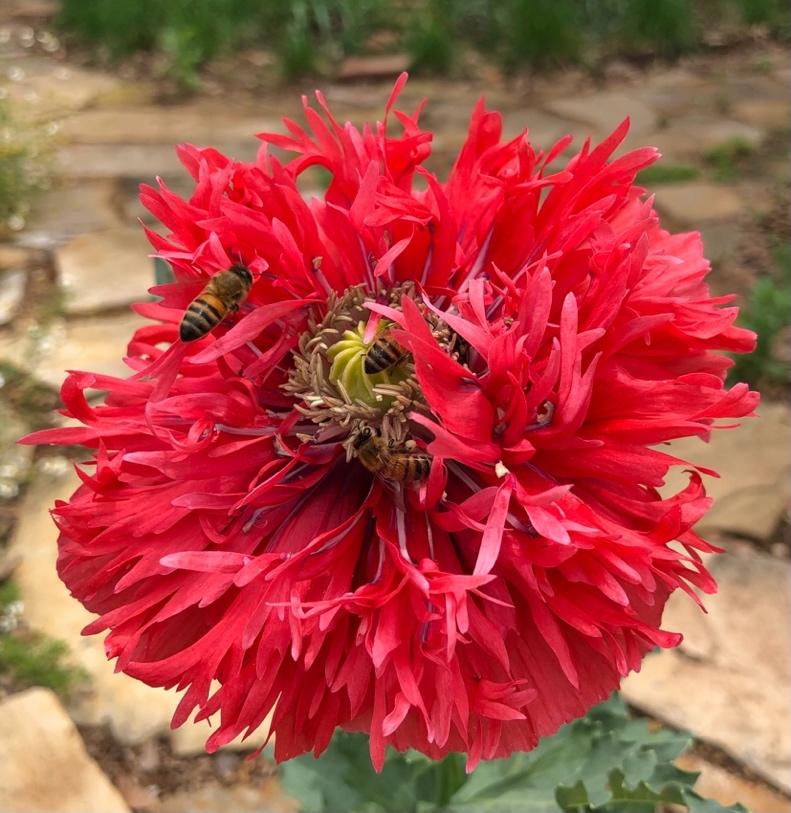
(Honeybees gathering pollen from our poppies)

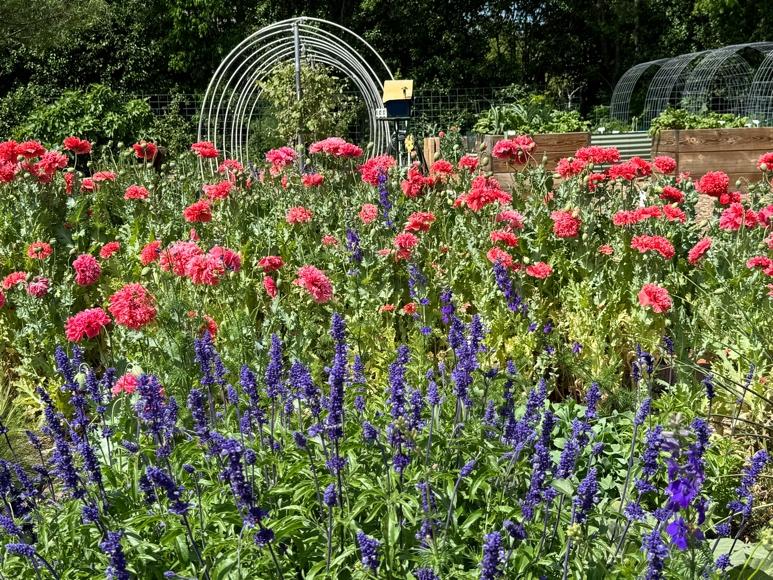
If you’ve been to Raincatcher’s Garden of Midway Hills anytime during the past two weeks, a seasonal spectacle may have caught your eye. Everywhere you look, from the Edible Landscape/Courtyard area extending out to the north garden, pathways are filled with the sight of spring blooming pink poppies. 

Move in a little closer and listen carefully for a soft humming sound. As you might have guessed, honeybees are busy at work foraging for pollen from the abundance of poppies that share these garden spaces with our herbs, vegetables and wildflowers. 

Are you wondering…why are honeybees so attracted to poppies? As the late Robbin Thorp, native pollinator specialist for UC Davis in California so succinctly stated…” they’re not there for the nectar – they’re there for the pollen”. 

Poppies should be considered as a quintessential plant for pollen production. And honeybees are one of the chief pollinating agents. A deeper dive into the world of poppies gives us some interesting information regarding pollen. 

It is true that honeybees are attracted to poppies for pollen only. The reason why is that the inflorescences of all poppy species lack nectaries, thus no sugary nectar available to pollinators. Flowers, however, are packed with pollen-bearing anthers. Because pollen is the honeybee’s main source of protein, collecting it is a necessary task. Once collected, it is used for brood development and to feed the young larvae. And, fortunately for the bees, scientists have found that poppy pollen is remarkable clean, containing few fungi or mycotoxins.

Come visit our garden and take time to stroll the garden paths filled with poppies. Expect to be mesmerized by an eye-catching explosion of frills. Early morning and late afternoon seem to be the optimum time to experience the honeybees in action. Don’t be surprised to see as many as four or five honeybees foraging frenetically within a single flower.

A garden with flowers and plants

Description automatically generated

(Raincatcher’s Garden of Midway Hills…Our “field of poppies!)

Linda Alexander, Dallas County Master Gardener Class of 2008

Easy Access to Great Plant Information

April 8, 2024

The kiosk in the north garden at Raincatcher’s Garden has been somewhat ignored over the years.  We felt it would be a good opportunity to give people visiting the garden some useful information about events happening at the garden, as well as plant details.  It was time that the kiosk served some purpose!!!  The first poster that was added to the kiosk was information about our blog, Dallas Garden Buzz.  Hopefully, visitors to the garden will use the QR code and find a wealth of plant information, beautiful garden photos and great recipes.  Another flyer was added to announce our annual plant sale coming up on Tuesday, May 7, 2024

One of our main missions as Master Gardeners is to be a resource for gardening knowledge to the community.  We will be using the kiosk to do this by posting a monthly plant information sheet featuring one of the plants in the garden.  Not only will visitors be able to read the plant information but they will also be able to stroll through the garden trying to locate the plant on the flyer. 

Below is the first “Plant of the Month” information sheet that is currently posted in the kiosk.  Hopefully, this will be the first of many!!!  

Chinese Ground Orchard

The Chinese Ground Orchid is a perennial bulb in the orchid family that grows to a height of 1 – 1½ foot with a 1 foot spread.  It is a shade plant that does well in morning sun and afternoon shade but it will also grow in full shade.  The blooms last for about 6 weeks and the foliage looks like a palm tree seedling when not in bloom. This tropical plant does well as a ground cover or growing under a tree and is a good choice for a container in colder climates.  The Chinese Ground Orchid spreads by rhizomes and is easily propagated by divisions.  This beautiful plant is blooming in the courtyard now.  

Jackie James, Dallas County Master Gardener Class of 1993

Learn to Grow Horticultural Presentations at the Arboretum

February 29, 2024

An update from the Dallas Arboretum:

Master Gardeners get into the Arboretum free on Fri before the Learn to Grow Classes.  Just wear your DCMG badge and advise the ticket agent that you are a Master Gardener coming for a Class.  Attend the class and visit the gardens for the rest of the day. This is a reminder the class is at 11am, Friday, March 1st in the Tasteful Place at the Arboretum. All members of the public are welcome to the class.

Starla and I will be showing pictures from our tour of America’s Garden Capitol and discussing photo tips.

Here is a preview of one the beautiful gardens, Wyn Eden.

Ann Lamb, Dallas County Master Gardener Class of 2005

Learn to Grow Horticultural Presentations at the Dallas Arboretum

Important Events Coming!

February 28,2024

Starla and I will be speaking at the Dallas Arboretum during Dallas Blooms at 11am on Friday, March 1st. We will be coordinating with the Dallas Blooms theme-A picture’s worth a thousand words, showing pictures of our recent trip to America’s Garden Capitol and giving photography tips.

Click here for information about our talk as part of the series: Learn to Grow Horticultural Presentations. Many other classes will be available by other Dallas County Master Gardeners. Check the calendar!

No charge except your admission to the Arboretum.


The DCMGA Japanese Maple Sale Begins March 6

Once again, we are offering a large selection of Japanese Maples from Metro Maples for purchase with all proceeds going to DCMGA. If you were disappointed because you missed out buying one of these lovely trees in the October sale, be sure to get online early to make your selections. The SignUpGenius for ordering and purchasing maples will go live March 6 at 8 AM. At that time, you can order and pay for your selection(s).
 One-gallon trees are $35.00 (including tax)
Two-gallon trees are $46.00 (including tax)
The SignUpGenius will close at 5 PM on March 13, or earlier if all trees are sold. Our inventory of trees sold out within hours last October. Please bring your confirmation to the pickup on Saturday, March 23 between 10 AM and 1 PM at Raincatcher’s Garden.
 

SAVE THE DATE: Raincatcher’s Garden Annual Plant Sale

Midway Hills Christian Church 

11001 Midway Road 

Dallas, Texas 75229

Tuesday, May 7th 2024

10 AM – 3 PM

We will have annuals, perennials, herbs, peppers, succulents, shrubs, trees, groundcover, bulbs, houseplants, decorative pots, yard art, etc. 

All proceeds from this sale go to Dallas County Master Gardener Projects.

Ann Lamb, Dallas County Master Gardener Class of 2005

Lenten Rose 

May 2, 2023

Lenten Rose in bloom

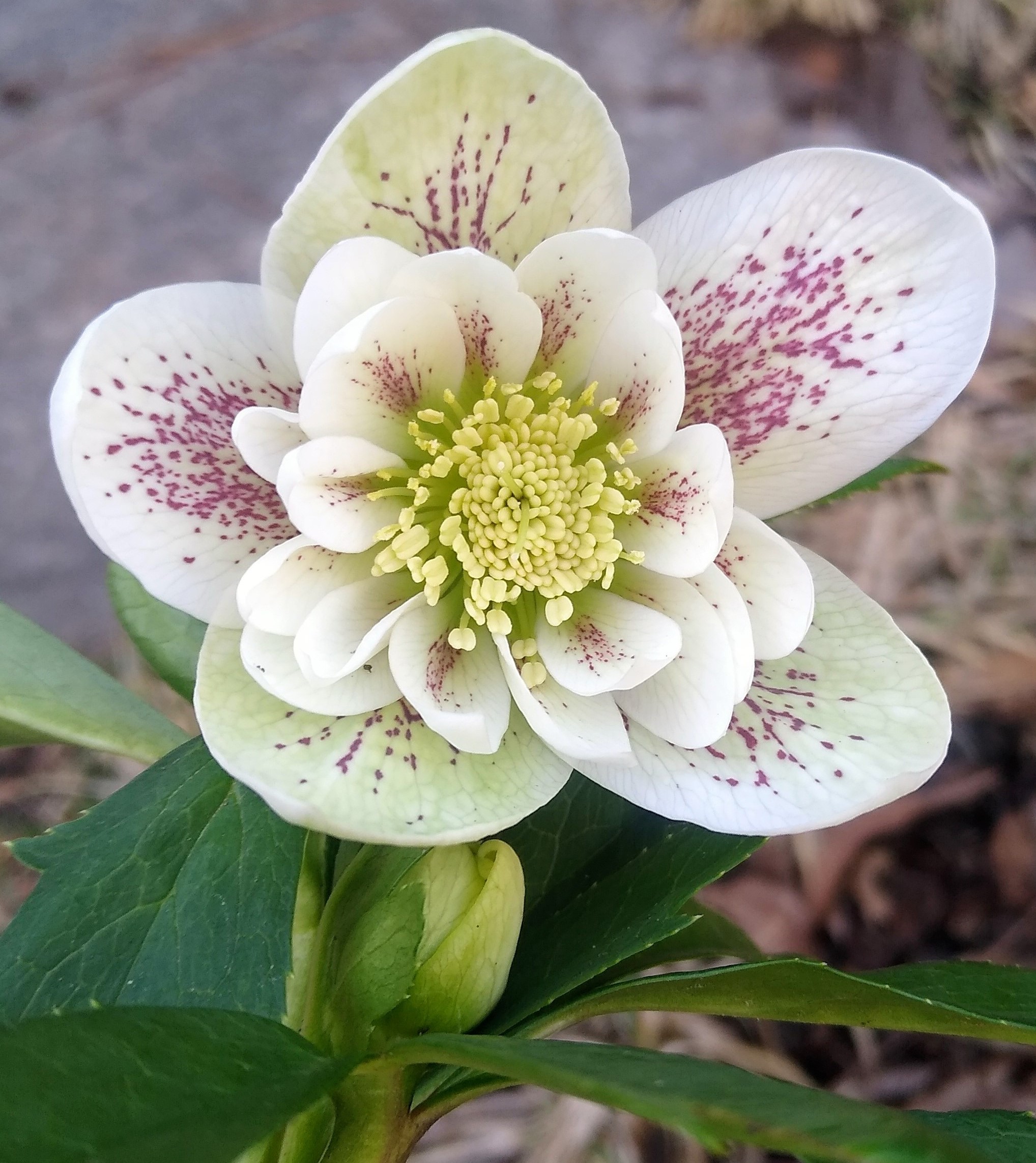
Lenten rose plants (Helleborus x hybridus) are not roses at all but a hellebore hybrid. It was given its name because the flower looks similar to a rose and it blooms in early spring often during Lent.  This is another plant that we will have at our annual Raincatcher’s Plant sale on Thursday, May 4th.  

It is an evergreen, slow growing perennial and the blooms on the heirloom varieties are downward facing.  The flowers are very long lived, sometimes remaining for eight to ten weeks.  

Lenten rose thrives in partial to full shade which makes it a good plant for adding color and texture to dark areas of the garden.  Try planting it in small groups of 3 to 5 plants (18 to 24 inches apart) or plant along walkways and edging.   As you can see from the photo, it looks great planted alongside purple oxalis and holly fern.  It is best to keep the soil moist but it can tolerate drier conditions once established.


Lenten Rose foliage with Holly Fern and Purple Oxalis

We hope to see you at our plant sale on Thursday, May 4 from 10 AM to 3 PM.  Raincatcher’s Garden is located at 11001 Midway Road, Dallas, Texas on the campus of Midway Hills Christian Church.  Raincatcher’s is a Dallas County Master Gardener program and all proceeds from this sale benefit master gardener programs.   

Jackie James Dallas County Master Gardener 1993 

Come shop the sale on Thursday, May 4th, 10am until 3pm.

Midway Hills Christian Church 11001 Midway Road Dallas, Texas 75229

Another Reason to Visit the Raincatcher’s Garden at Midway Hills Christian Church!

As if it isn’t enough to make a trip to the Raincatcher’s garden to enjoy the beauty of the garden, make friends, work with other volunteers, get certification hours, shop at a great plant sale (May 19th from 10 am – 3 pm!!!), learn about plants and good gardening practices, etc., now there is one more reason to make the trip to the garden. 

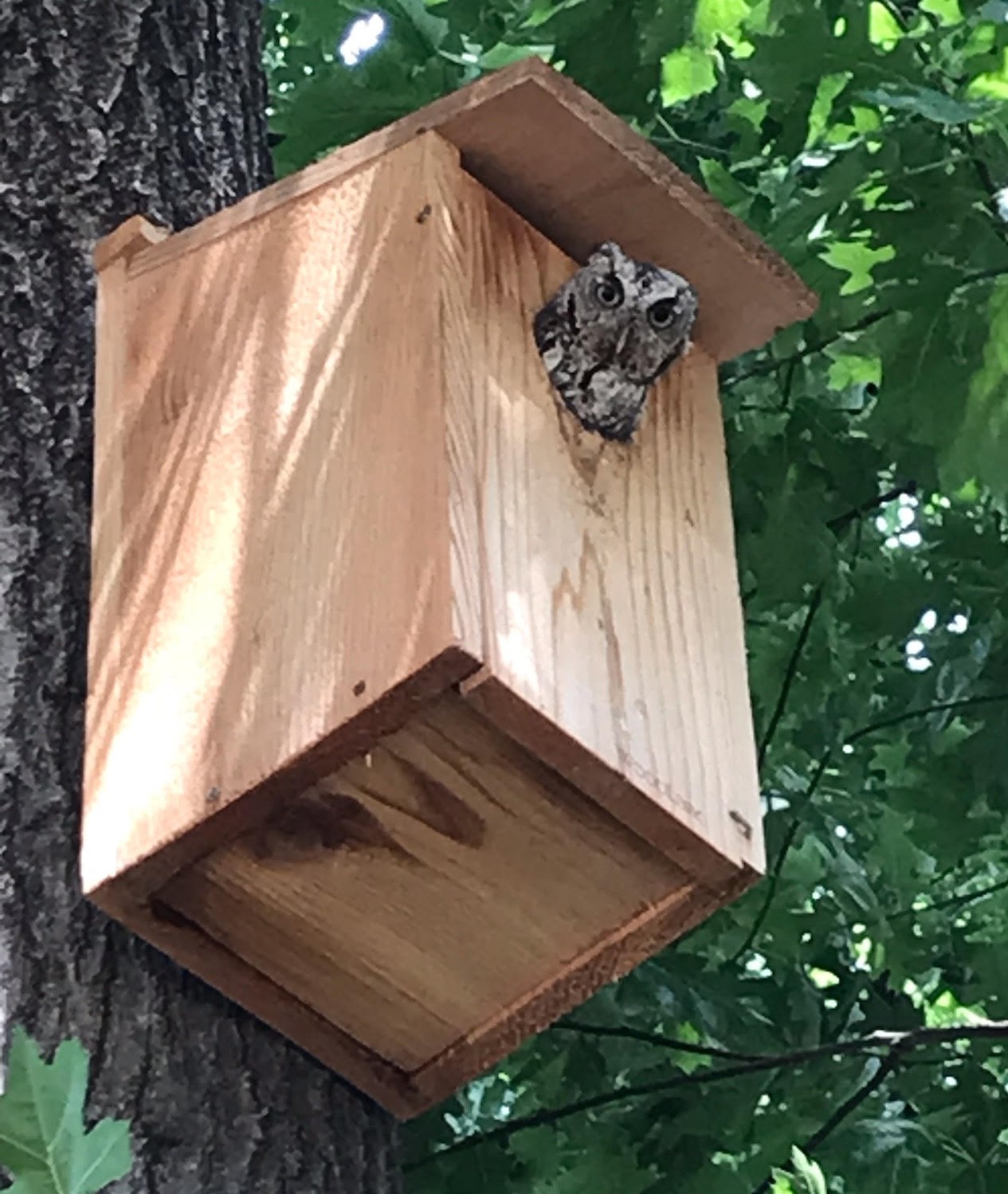
We have a new feathered friend who has taken up residence in an owl box built just for him or her. The owl box is high up in a tree in the courtyard facing the parking lot and the view that this lucky owl gets to see is the beautiful edible garden.  The best part is, when the owl hears voices, he/she tends to stick its head out and seems interested in the conversation! 

Thanks to Colleen Murray(Dallas County Master Gardener) for organizing the owl box at the garden and to Stan Herndon(Community Volunteer) for the photo. 

Jackie James, Dallas County Master Gardener Class of 1993

A Christmas Story with a Springtime Surprise

Each year in mid-November I make a trip to our local garden center in search of red lion amaryllis bulbs. Hoping for those showy red blooms to burst open before Christmas, the bulbs are placed in one of my favorite holiday containers. If the timing is favorable, we get to enjoy a profusion of large, velvety flowers for a few weeks, or longer. Christmas somehow seems more colorful and festive with a touch of nature decorating our home.

Over time, I began to wonder what to do with those lovely plants once the blooming ceased. Shamefully, many times, bulbs and all went straight to the trash. Thankfully, I remembered having seen a friend’s amaryllis in a garden bed nestled up against her house. It was mid to late April of 2012 and the amaryllis was filled with beautiful red blooms. That sweet memory changed my attitude about amaryllis. Going forward, I would be a bulb keeper.

Now, ten years later, there is a special place in our garden where those leftover Christmas amaryllis bulbs are placed in their new outdoor home. We chose to locate them in an area that receives morning to early afternoon sun. For the remainder of the day, it is partial shade. As you can see from the photos, they are thriving and gracing our garden with their spectacular springtime surprise. One Christmas, we received a white amaryllis as a gift. It’s now part of the red brigade and looks very stately among the “reds”.

If you would like to enjoy amaryllis year after year, be kind to your bulbs by planting them in the garden. Here are a few simple considerations:

*Amaryllis are easy to grow outdoors in our Zone 8 climate. They can tolerate both sun and shade but, typically, do best with morning to midday sun and bright shade throughout the afternoon.

*Bulbs prefer well-draining fertile soil. Improve drainage by creating a slightly raised bed or mix in some organic matter.

*Sets the bulbs with 5 to 6 inches of soil above them, followed by 5 to 6 inches of mulch.

* When the flowers fade, cut the flower stalk back to just above the bulb. Leave the foliage throughout the summer until it succumbs to the first fall frost. 

*If the plants become overcrowded, divide the clumps and separate as needed. 

FYI…Once planted outside, forced amaryllis bulbs will eventually revert back to their natural spring blooming cycle. Our 15+ amaryllis plants generally start blooming in mid to late April, continuing for a few weeks. 

Linda Alexander, Dallas County Master Gardener Class of 2008