Tag Archives: garden

Winter Garden

January 1, 2026

 Winter is officially here! The winter solstice has come, leaves have finally turned and fallen, and the Frost Weed has frosted. Never mind that we are alternating between sweaters and shorts. It is winter in the garden. Many older gardening books speak of closing down or putting a garden to bed for this season, but like children waiting to see the New Year arrive at midnight, our landscapes are not truly snoozing. 

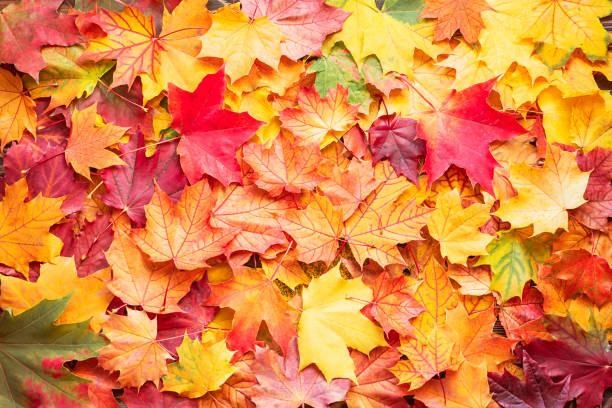
Our deciduous trees stopped producing chlorophyll. This let us see and enjoy their yellow carotene colors that were previously hidden, instead of just greens. The gorgeous reds and pinks seen across Dallas this year remind us that our autumn was dry, sunny, and certainly stayed above freezing, the conditions needed for the productions of anthocyanins. The mix of colors this year was constantly changing and quite stunning. 

But now these trees are bare (my sister refers to them as stick trees) and this slimmed down profile helps to protect them and their branches from wind, snow, and ice.  But those lovely leaves still have so much to offer, in one form or another across just about every landscape.

One use involves shredding leaves. This allows us to add that temperature modulating 3–6-inch layer of mulch around our trees and shrubs, or 2-3 for our flowers. That blanket is really appreciated by any newly planted perennials as they settle into their new homes. Extra shreds are perfect for composting. Whole leaves between rows in the vegetable garden keep our feet dry and relatively mud free, while they discourage pesky weeds.

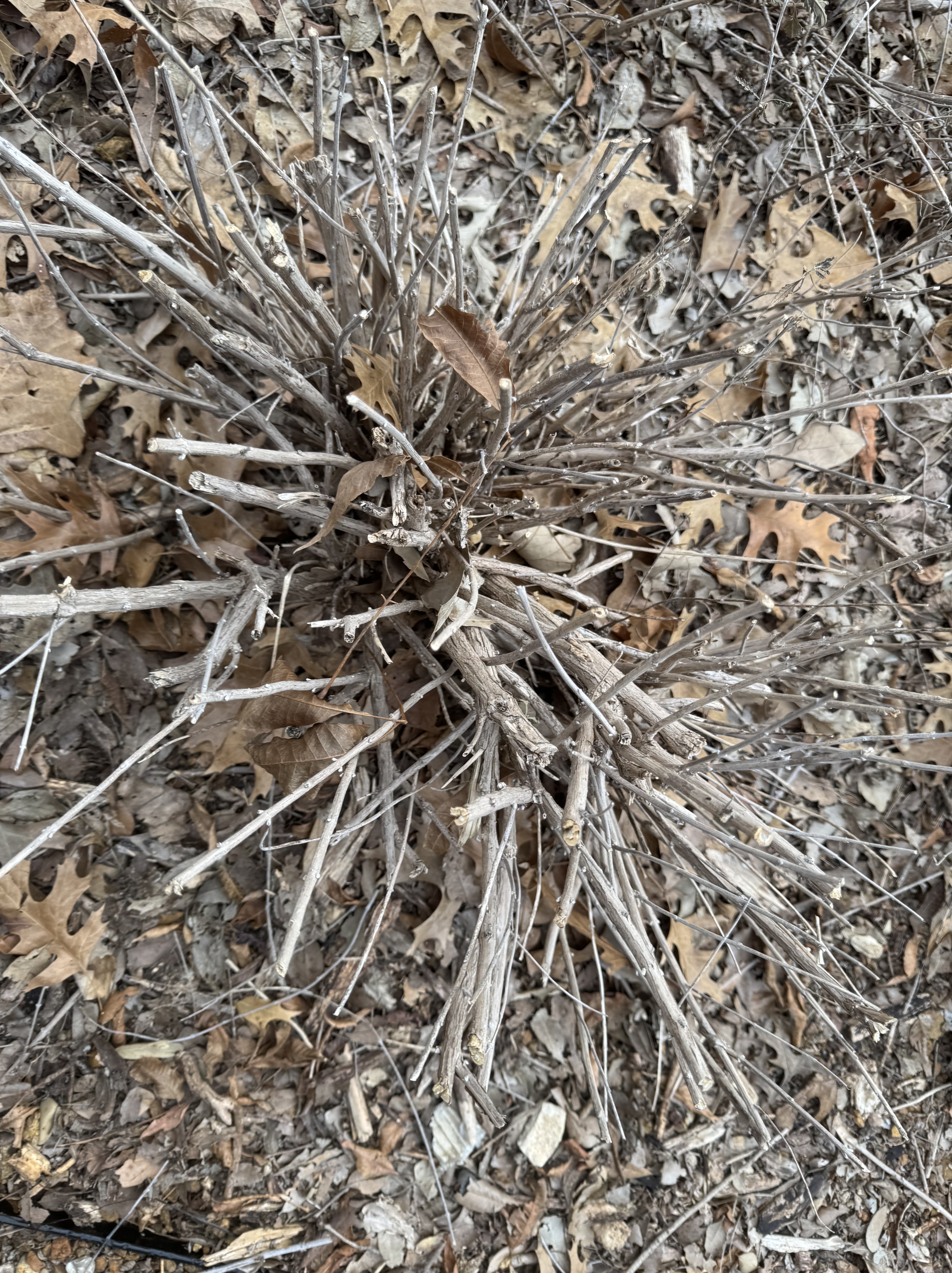
But consider the advantages of doing nothing at all in much of your flower beds and lawns, leaving even a small section of your landscape undisturbed, with plant stems untrimmed and fallen leaves where they fall this winter. Those stems and leaf litter house the insects that will populate, pollinate, and protect our plants next spring. Leaf blowers, rakes, snippers, shredders, and compost heat destroy the habitat our beneficials need this season.

Not all our garden friends headed further south with the monarchs and hummingbirds. They have deployed many clever techniques to survive until spring and summer. Some insects are sheltering in stems, others have headed underground, and some have taken the ‘get small’ approach by wintering as eggs.   Cleaver swallowtail butterflies produced their own antifreeze, turning sugars to glycol as an added layer of protection for chrysalis wintering in their cocoons. Despite appearances, life has not deserted our landscapes.

And in our pollinator gardens most especially, we want those insects to survive, to continue to play their garden roles.  A fascinating study of the effects of removing autumn leaves can be found here: https://www.sciencedirect.com/science/article/pii/S0048969725004565. To support our diminishing populations of butterflies, bees, beneficial of all kinds, please consider how you can support them as they winter in our yards and gardens. While I don’t want to offer my house as a winter vacation getaway for arthropods and arachnids, I do want them year-round in my landscape outside.  

Mary Freede, Dallas County Master Gardener Class of 2005

Jewels of Opar

November 3, 2025

My Jewels of Opar is in a mostly shady area. Next spring, as new plants emerge, they will be relocated to a place in my garden that receives full sun until late afternoon.

In May of 2021, we shared an article with our readers about Jewels of Opar, a lovely plant that is both edible and ornamental. Click here for the original article which includes helpful growing information.

This time, we’ve chosen to “drop in” for a quick autumn visit showcasing this adorable little beaded wonder in full bloom. You may remember that Jewels of Opar, sometimes referred to as Pink Baby-Breath, produces wands of tiny, pink star-shaped flowers followed by jewel-like fruits in shades of pink and orangish red.

Enjoy this photo of a simple arrangement filled with Roselle Hibiscus leaves gracefully surrounding Jewels of Opar in its colorful autumn wardrobe!


Linda Alexander, Dallas County Master Gardener Class of 2008
A Wave of Purple Haze

October 16, 2025

If you’re like me, a baby boomer who graduated from high school in 1967, the title above might suggest something other than what I’m going to write about. Yes, the song “Purple Haze” written by Jimi Hendrix came to mind one hazy, overcast afternoon as I was taking photos and working in my garden. I don’t remember the words and really never fully understood the reason for the title but it wasn’t difficult to find the answer. 

Jimi Hendrix, a brilliant guitarist, wrote the song on December 26, 1966, while backstage at a club in London. The inspiration came from a vivid dream he had after reading a science fiction novel. In the dream, Hendrix finds himself walking under the sea when a purple haze surrounded and engulfed him. And from that experience his iconic song “Purple Haze” (later discovered to be to be about a woman he loved) changed rock music forever.

Putting this into perspective as it relates to that quite afternoon in the garden, my own sensory moment of feeling “engulfed” by the color purple had nothing to do with walking underwater. It was the sheer beauty of being surrounded by a sea of purple flowers in full bloom. Honeybees, by the hundreds, were so busy visiting the blossoms that I quietly paused just to listen to the familiar buzzing sound bees make when foraging for nectar and pollen. I was reminded, once again, how time spent in the garden brings unexpected joys.

Hopefully, you will appreciate my “Purple Haze” experience and the lovely flowers in varying shades of purple and blue that gave me the opportunity to share it with you!

Here are some of the flowers and plants featured in the video. You’ll see a selection of many within the purple/blue range that have been growing in my garden over the past five to six months:

Ageratum 

American Beauty Berry

Angelonia

Anise Hyssop

Aster

Basil (African Blue, Balsamic Blooms, Cardinal, Red Rubin)

Blue Borage (a favorite of honeybees)

Butterfly Bush

Celosia

Clary Sage

Eggplant Blossoms

Foxglove

Impatience

Lavender

Pentas

Perilla

Petunias

Periwinkles

Phlox

Rose of Sharon (Blue Satin)

Sage (in bloom)

Veronica

Wisteria

Zinnias

Why, you might ask, designate so much garden space for flowers in the blue/purple spectrum?

*I’ll offer a few answers, but, most importantly, is that honeybees are highly attracted to these colors and see them more clearly than other hues. Flowers in this range signal to the honeybees higher nectar production. For this reason alone, gardeners focused on pollinator-friendly flowers should try to include blue and purple flowers in the landscape whenever possible.

*Looking a little deeper into the psychology of color, studies have shown that blue lowers cortisol while purple stimulates creativity and inner calm. In our gardens, these colors not only provide beauty but help to nurture our mental well-being.

*And finally, from a landscaping perspective, click on the link to Longfield Gardens for an in-depth guide on using purple in your flower garden. You will be inspired to get started!

DALLAS WATER UTILITIES 31st WATER WISE GARDEN TOUR OCTOBER 18, 2025 

October 14, 2025

Every fall, I look forward to one of my favorite  garden tours—The Water-wise Garden Tour hosted by Dallas Water Utilities and the city of Dallas.  There are several smaller organizations that participate, some giving lectures at the White Rock Pump Station (the traditional starting point of the tour). That’s where one picks up the map showing the location of the participating “winners” of this year’s tour.  I know in years past Dallas County Master Gardener’s Association has been both entrants and support staff. I’ve lost track of how many years Roger and I have wandered through Dallas, looking at peoples’ interpretation of what water-wise gardening entails.

Years ago, A&M Research Center on Coit Road had a program called Water University.  They had examples of homes with all sorts of saving water inside and outside the home.  We learned about Rainwater harvesting: how to build rain barrels for the home, rain gardens, etc.  All of which we demonstrated at our Joe Field location (thanks to County Commissioner M. Dickey).

When the county closed that location in 2014, we found a new home at Midway Hills Christian Church, located at 11101 Midway Road—thus our name “The Raincatcher’s Garden of Midway Hills.” This rain garden is located near the street on Midway Hills, next to the two cisterns that were put in place shortly after we started gardening there. This noncommercial rain garden would work in most home landscapes. It captures water from heavy rains and is also used to catch overflow from the cisterns.

2-2500 gallon water cisterns at The Raincatcher’s Garden

Although our garden is not on tour this year, feel free to visit us at 11101 Midway Road in Dallas, especially on Tuesday mornings when we are working in the garden. We love to share water saving tips.

Water Wise Garden Tour maps of the participating homes will be available at the White Rock Pump Station on Saturday and the information link can be found below.


Some yards or gardens use xeriscaping, while others have lush  lawns and gardens.  There are innovative uses of hardscaping. 

On the 18th, I am playing tourist to get more ideas about saving water and creating a beautiful yard at home.  I always find some new idea  to take home to try out.

Hope to see you on the tour.  Be sure to take notes or, better yet—pictures!

Cindy Bicking, Dallas County Master Gardener Class of 2006

Pictures by Starla Willis, Dallas County Master Gardener Class of 2011

Water Wise Tour Information

“How lovely yellow is! It stands for the sun.”-Vincent Van Gogh

September 29, 2025

Along with Van Gogh, who described yellow as “wonderful”, many people associate yellow with feelings of warmth, happiness and positivity. And still others say that yellow’s vibrant, cheerful color evokes feelings of joy, optimism and enthusiasm. 

Yellow is one of the oldest colors in history. Cave paintings over 17,000 years old reveal that the yellow pigment from ochre was readily available in prehistoric times. In ancient religions, yellow was considered a sacred color. Like gold, yellow was seen as eternal, imperishable and indestructible. Today, yellow flowers are used in gardens across the globe adding vibrancy and beauty to landscapes in a multitude of imaginative ways. 

 From the dainty blossoms of French marigolds to the dramatic trumpet-shaped beauty of squash blossoms, yellow flowers add brightness to the garden. And don’t overlook the decorative nature of edibles such as yellow pear tomatoes dangling in clusters like drops of sunshine clinging to the vine. 

Whether edible or just enjoyable, bright yellow flowers, fruits and vegetables have a magical way of lighting up our landscapes. Additionally, those radiant blooms attract a host of beneficial pollinators to the garden including bees, butterflies and hummingbirds. So, why not add some late September sunshine to your garden? Let the video photos inspire you to create a natural environment filled with yellow for all to enjoy!

Top Ten Yellow Flowers and Vegetables (Observed/Photographed) in the Metroplex:

  1. Echinacea and Rudbeckia/Black Eyed Susan (Both plants are sometime referred to as “coneflowers” but Rudbeckia is widely known as a “Black-Eyed Susan”)

Main Differences:

*Echinacea flower petals tend to droop and curve downwards. Echinacea features a spiky, prominent central cone that may be green, brown or orange. Leaves are typically smooth. 

*Rudbeckia petals usually extend straight out from a flattened or slightly raised central cone. Leaves are described as hairy or fuzzy.

(Rudbeckia ‘Sunbeckia’ Juliana)

  1. Zinnias
  2. Sunflowers
  3. Daylily
  4. Hibiscus
  5. Cannas
  6. Lantana
  7. Yellow Pear Tomatoes
  8. Cucumber and Yellow Squash Blossoms
  9. Marigolds and More (Day Lilies, Calendula, Canna, Dill, Fennel, Gerbera Daisy, Nasturtium, Yarrow)

*Overall, it seems there is an absence of marigolds and a profusion of coneflowers; flower beds once brimming with marigolds have transitioned to the daisy-like look of coneflowers.

*Coneflowers have become soldiers of the landscape. They have an authoritative presence with their strong, upright stems and dramatic, bold color.

*Generally, coneflowers are used as “pocket” flowers. Nestled against large boulders or in “waves” of color in a natural setting, they offer countless possibilities. 

*Yellow is an underused color in gardens throughout the metroplex.

*Purple is the most complimentary color to use with yellow flowers.

*The majority of yellow flowers need a minimum 6 to 8 hours of direct sun daily.

From the professionals, some tips for using yellow flowers in the garden:

Fine Gardening-Yellow blossoms carry farther, shine brighter, and remain visible longer in the evening than flowers of any other color except white.

Proven Winners-Yellow is an attention-grabbing color that makes a cheerful statement in the landscape.

Gardening Know How-Yellow flowers/plants as a single color scheme greatly enliven the garden, especially when the area is small or shaded, brightening and enlarging the garden space.

Linda Alexander, Dallas County Master Gardener Class of 2008
Remember fall is a good time to plant!

Growing Figs in Texas

September 6, 2025

Dig a hole through time and you will hit a fig tree’s roots. Figs are one of the oldest cultivated plants.

Figs are interesting little fruits but not in the traditional sense. The structure of the fig is a called a syconium, a fleshy sac lined with tiny flowers inside. When you eat a fig, you’re technically eating hundreds of tiny inverted flowers that bloomed inside the syconium.

  • The word “fig” comes from the Latin ficus
  • There are over 700 species of fig trees worldwide
  • Figs grown in the USA are self pollinating but in other countries pollination is provided by fig wasps which crawl into the fig, complete their mission and then die inside the fruit.
  • Figs conatin fiber, copper, potassium, maganese, vitamin K and other nutrients
  • Plant your fig tree in full sun in soil with good drainage, mulch regularly and monitor moisture needs

My experience with growing figs started with a fig tree propagated by Master Gardener, Jim Dempsey. It was planted in my backyard about 10 years ago. Every year I have looked up into my trees large, deeply lobed leaves longing for figs. The winter storm of 2021 nicknamed “Snowmagdeddon” caused the tree to die back and it would be several more years of waiting and hoping as it recuperated.

Finally this year my family tasted the fruit! About 12 pounds of figs were harvested from our Celeste fig tree. We let it grow to a height of over 20 feet. Rather than try to protect the tree from birds with a net or other artificial means, we let the birds eat the fruit in the branches way up high leaving the rest for us. There’s nothing like the taste of a fig eaten at peak ripeness from your own backyard tree.

Our Celeste Fig Tree, note the neighbor’s two story chimney for height comparison.

Another personal story: My son and wife and three little children moved to a new house last year. They have a “Texas Everbearing” fig tree. To my great delight, my grandchildren are eating figs from thier own tree. Imagine me walking into their kitchen and seeing figs on their high chair plates. Surely this is tender hearted beauty!

Ann Lamb, Dallas County Master Gardener Class of 2005


Extra figs were made into Fig Jam!

More Fig Facts here

Fig Fest

There is always something there to remind me.

August 28, 2025

Why do gardeners keep going?  Its hot—get up really early start to work to beat the heat—and find the mosquitos got up earlier.

Work hard on weeding feel successful–turn around–and find more weeds.

Wonderful to have so many flowers–until its obvious many flowers mean alot of deadheading.

Sometimes the problems pile up.  It can be easy to forget the blessings gardening brings.  Of course there is the functional fitness aspect–digging those weeds is actually a good thing.  Fresh air and sunshine help the body and the mind..  Just being needed by the garden can be seen as a burden–but really its a blessing to be needed.

But remember another aspect of gardening that brings lasting joy.  That is the way our plants and gardens connect us to others.

Some of our connections are to friends and family that we see regularly.  Those who share successes –and some failures—and sometimes plants.  Others are gone now but the plants they shared long ago ensure that they are not forgotten.  Somehow they are not gone at all but with us still as we garden. 

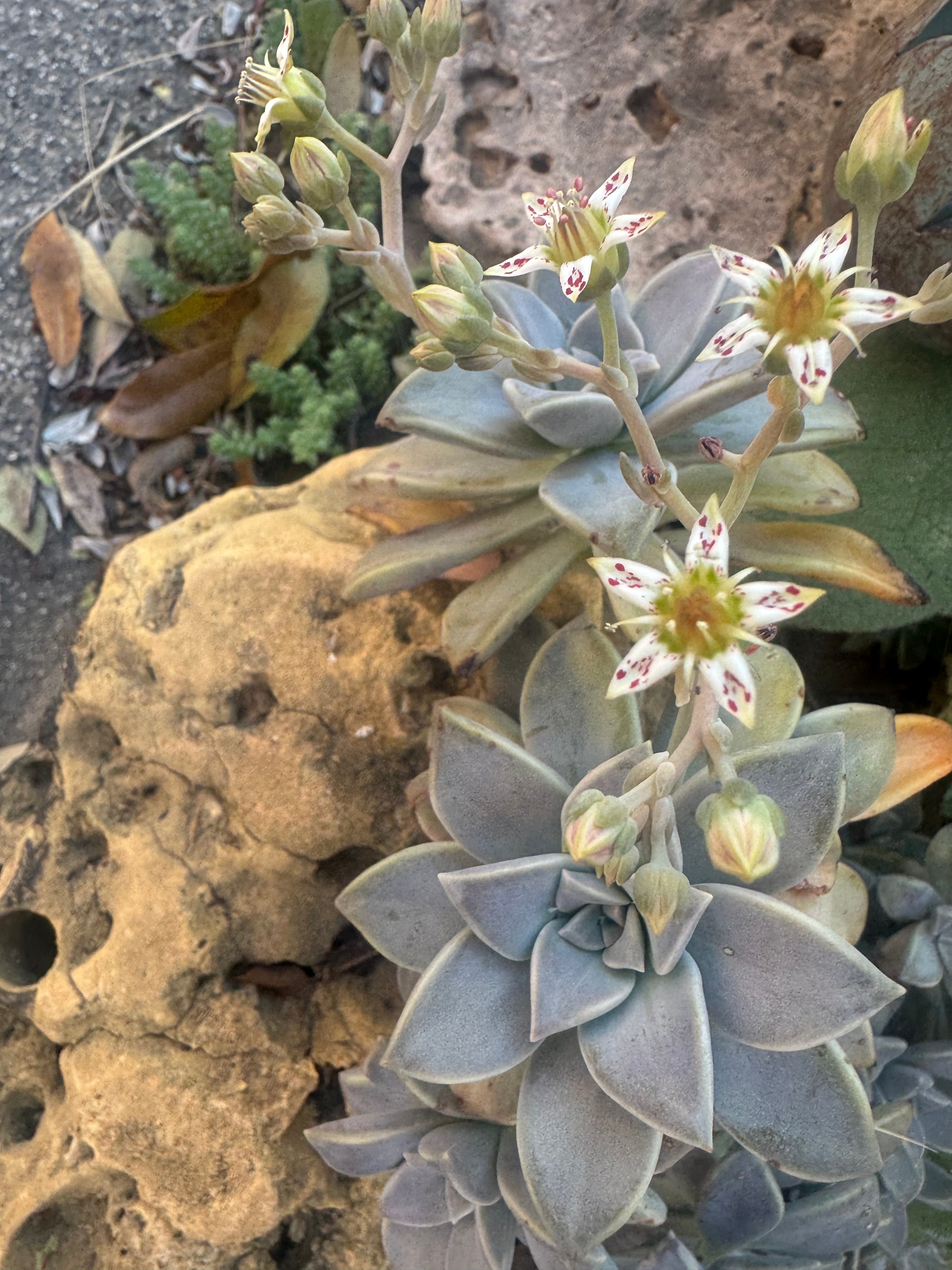
This was the first plant I ever had, well, a descendant, of course. I was about 6 years old. My mother and I were visiting one of her friends. She had Ghost plants in a huge iron kettle used by generations before to heat water over a fire and wash clothes. The plants spilling out of the kettle, now used as a flower pot, enchanted me.

So for sure–gardening is hard work somehow conditions never seem “just right”  too hot too cold too dry  too wet–it all happens.  And we have to get out there anyway.

But don’t just work.  Pause and take a step back every so often.  Think about all the people and all the stories that surround your plants.

Then you will remember why you keep gardening.  Remembering will lift you and bring joy to you even in difficult times.

Thank you plant sharing friends:

Jim has grown so many seeds for the plant sale. This is Pride of Barbados, one of his specialty plants. Hope it blooms soon but even if it doesn’t, I am reminded of Jim and all his work for the garden.
Mark started these cuttings and generously shared. Be sure to notice Althea when you visit The Raincatcher’s Garden. It has been blooming all summer and thank Mark.

Susan Thornbury, Dallas County Master Gardener Class of 2008
Surprise Lily

July 22, 2025

Surprise Lily-The interesting thing about the name of this lily is that I was the one met with a surprise – in my own back yard!

Just a few days ago, with the temperature hovering around 93 degrees, I decided to run the sprinkler system in my raised edible bed. It was a hot afternoon and overspray from the system felt good hitting me in the face, so I sat down on a bench and waited for it to complete the cycle. Interestingly, something in the blue blooming salvia bed just to my right side kept catching my eye. Curious to figure out “why” a single, and very lovely, pale pink flower was peeking out at me, I got up, walked a few steps and stared in amazement.

Gently pushing back some of the ‘black and blue’ salvias that had been growing in that spot for over 5 years, was the most unexpected sight. Droplets from the sprinkler that had just watered that area were gracefully clinging to the petals and seemed to be inviting me to come closer and take a look. What was this mysterious plant that I had never even noticed in the 19 years we’ve lived here?

After taking a few photos with my iPhone and then doing a quick plant search, the answer was revealed to me. I was pleased to learn that the botanical name Lycoris, is from plants in the Amaryllis family. Some of their common names, however (resurrection flower, surprise lily and magic lily) refer to the trumpet-shaped blooms that resemble lilies. Also known as ‘naked ladies’ for the absence of leaves, these striking lilies start blooming around the end of July. She almost looked like a flamingo standing stiff-legged in my garden bed. I wanted to learn more about her!

Lycoris includes around 20 different species found in China, Japan and a few other Asian countries. However, the tall, pink flowered Lycoris x squamigera is the most common in American gardens. If you are interested in growing this lovely, delicate pink lady, here are a few tips to get started:

*The surprise lily is a perennial bulb in the Amaryllis family and is the hardiest of all the plants in the Lycoris species.

*Bulbs are about 3 inches in diameter with long necks that can persist for many years once established.

*Lycoris prefer full sun to partial shade.

*When planting, bury bulbs to a depth of 8 to 12 inches, spacing them 6 inches apart.

*They grow best in well-drained, fertile soils.

*Foliage emerges in late winter to early spring. Silvery gray greenish strap-like leaves measure 12 inches long and 1 inch wide. They grow in clumps.

*Foliage dies away in late spring followed by the late summer “surprise” lily that emerges like magic and produces 5-7 four-inch pale pink trumpet-like blooms atop the 2-foot tall stalks. 

*Butterflies and hummingbirds are attracted to the fragrant flowers.

Now that I’ve had the pleasure of meeting this remarkable lady, I’ll be especially watchful next spring while awaiting her return!

Linda Alexander, Dallas County Master Gardener Class of 2008
A Necessary Distraction

July 12, 2025

Travel with me for a few minutes and you’ll understand why!

A long, long time ago (over 1,000 years or more) in a far away land (China) a lovely little ornamental tree was discovered. It was given the name “Pai Jih Hung” meaning hundred days red for its beautiful color and long bloom season. While another name sometimes used is “monkey tree”, monkeys could not climb the smooth, slippery trunks but, perhaps, they never stopped trying. Today we know it as the very familiar “Crape Myrtle”! (Lagerstroemia indica)

A lovely white crape myrtle at Raincatcher’s Garden is allowed to grow naturally

Over time, Crape Myrtles made their way to England and then around 1790 they were introduced to the United States. Cultivation has continued for over two centuries. The oldest known crape myrtle was planted in 1790 and is still blooming in Charleston, South Carolina.

And what about the spelling? Is it crepe or crape? Depending on the source, you’ll find it spelled either way. So, let’s move forward with “crape”. And the next question to answer is in regard to the meaning behind the name. There are more explanations than you can imagine but here is one that seems to offer a nice horticultural fit:  the shedding bark is as thin as crepe paper and as crispy and curled as French crepes. Beyond that, the internet offers a lengthy list of botanical research that you might want to explore. For now, let’s just enjoy the beauty of these colorful trees that can be found blooming in the metroplex and throughout the southern United States.

From vibrant, fiery reds to a wide spectrum of pinks and luscious lavenders, crape myrtle flowers add a stunning splash of color to landscapes during the summer months. (All photos were taken within the metroplex over the previous two-week period.) Numerous stops along the way included everything from residential yards to churches, schools, and commercial sites. 

Driving along the North Dallas Tollway, colorful blooms draping over unattractive concrete walls transformed the otherwise dull and drab roadway into something spectacular. (FYI…my husband was driving while I quickly snapped as many pictures as possible!) Crowded parking lots at grocery stores, restaurants, banks and drive-throughs seemed to share in the showy parade of magnificent color! 

So, please enjoy my ‘necessary distraction’ of photos featuring a vast and diverse display of crape myrtles dotting the metroplex. These lovely trees provide interest and appeal whether used as a single specimen, in groupings of three, defining driveways or providing a privacy screen outside fences.  They are especially striking when featured flanking stone walkways and steps in expansive landscapes.

From tiny bungalows to homes with rambling landscapes covering several acres, crape myrtles are ready to grace the south with their glory. Let’s celebrate this beautiful explosion of color gifted to us seasonally by the elegance of crape myrtle trees! 

A few observations to share:

*Symbolism – While their crinkled flowers have a rich history, they are typically associated with marriage, chastity, good luck and prosperity.

*Placement – Crape myrtles thrive when planted in full sun and with ample space to grow and develop a large canopy. (However, as you can see from several photos, it is very common to see them planted in groupings of “three” which eventually become one giant canopy).

*Most used color – White, then pink, followed by lavender and finally that vibrant watermelon red. (My personal favorite, for now, is lavender)

*Most creative display – Crapes and Cactus! Not something that I would think to use together but in this setting it created an intriguing touch of drama. Very effective!

WHITE

PINK

LAVENDER

RED

Linda Alexander, Dallas County Master Gardener Class of 2008
More about Crape Myrtles coming!

Best Crape Myrtles for Texas

Crape Myrtles for Texas

LARKSPUR A BEAUTIFUL LIVING LINK TO THE PAST——AND TO THE FUTURE

May 3, 2025

What a great plant larkspur is.  Coming up from the seeds of last springs plants–living all winter as little fluffy greenery  and suddenly growing tall and blooming before most other flowers.

Winter can be a challenge  but finding the tiny larkspur seedlings and thinking of whats to come lifts the spirits.  What a bonus that they honestly do not need a great deal of help from the gardener to grow and thrive.

As with most self seeding plants they come up where they wish to and may require some editing.  If they are too crowded they won’t be their best so don’t hesitate to thin out the smaller ones.  This will allow the remaining plants to grow tall. This adds structure to the spring garden.  The color honestly goes with everything.  Pink poppies–nigella–combined with the blues and purples of the larkspur–its a picture waiting to be painted–at least admired by you and anyone lucky enough  to pass by.

Watch carefully larkspur is a magnet for native bumblebees.  As we know bumblebees have been struggling.  Seeing so many enjoying the larkspur makes growing them worthwhile in itself. 

But wait–there is more!!  When you grow larkspur you are growing a plant that has been grown by gardeners for hundreds of years.   The Victorians  were very fond of them–they were popular gift flowers.  

In medieval times they were grown in monastery gardens.  These gardens had to be useful not just beautiful. 

Now–lets pause–important information will follow:  all parts of larkspur are toxic.  Do not consider internal use.  But its great to know that people tried their best to help and use what they saw around them.  Potions were made to treat a variety of problems including depression and anxiety.  The seeds were used to make a solution to kill lice.  That had to be a welcome relief as lice were a horribly common problem.  In fact this use continued for a long time –soldiers used it during the revolutionary war.. 

The flowers can be used to make a dye and were used by the monks to make a blue ink.

So think of all those before you as you work in your garden–and remember you are a link in this long chain. Remember yes–but as always–there is more.You obviously must let the plants finish their blooming and go to seed–yes this can be a bit untidy but its essential.  Lots of seeds will fall and they will lie in wait until next winter when the cycle starts again.  But don’t let them all fall–gather some seeds.  

Share some seeds with friends and neighbors–answer their questions about how to grow larkspur.

So the chain that links the plant and the gardener to the distant past will extend into the future–and you are and will be a link in that chain.

Susan Thornbury, Dallas County Master Gardener Class of 2008