Tag Archives: Dallas County Master Gardener Association

Recipes from the Apples, Pears, Persimmons, Pomegranate Lunch

Nature’s grand finale plated!

Bake Brie with Roasted Persimmons

Ingredients

2 (8-ounce) wheels of Brie, rinds intact

Roasted Persimmons, chopped (recipe follows)

1 large egg

2 tablespoons water

1 (17.3-ounce) package frozen puff pastry, thawed

Seasonal fruit

Crackers

Directions

Preheat oven to 350˚F. Line a baking sheet with parchment paper.

Cut 1 wheel of Brie in half horizontally. Place half of Roasted Persimmons on one half of Brie, and top with remaining half. Repeat with remaining wheel of Brie and remaining Roasted Persimmons.

In a small bowl, whisk together egg and 2 tablespoons water.

On a lightly floured surface, roll puff-pastry sheet to ⅛-inch thickness. Place 1 Brie round on puff pastry; fold pastry over Brie, cut away excess dough, and invert Brie onto prepared baking sheet. Repeat with remaining Brie and puff pastry. Using an acorn-shaped cutter, cut 2 acorns from remaining dough. Using a pastry brush, brush dough with egg wash. Place 1 acorn on each Brie round, pressing gently to adhere; brush with egg wash.

Bake until pastry is golden brown, 25 to 30 minutes. Remove from oven, and let cool for 10 minutes. Serve with seasonal fruit and cracker.

Yield: Makes 10 to 12 servings

Roasted Persimmons

Ingredients

¼ cup maple syrup

¼ cup granulated sugar

¼ cup brandy

¼ teaspoon salt

1 vanilla bean, halved lengthwise

4 cardamom pods

4 whole cloves

2 star anise

2 cinnamon sticks

4 persimmons, blanched, peeled, and quartered

Directions

Preheat oven to 450˚F.

In a cast-iron or ovenproof skillet, combine syrup, sugar, brandy, salt, vanilla bean, cardamom, cloves, star anise and cinnamon sticks. Add persimmons.

Roast until fruit is tender, about 20 minutes. Remove from oven and let cool completely.

Remove persimmons, discarding spices and vanilla bean. Chop persimmons. Cover and refrigerate for up to 5 days.

Yield: Makes 2 cups


Butternut Squash-Pear Soup garnished with Parmesan and Chopped Rosemary

Butternut Squash-Pear Soup

Ingredients

1 (2.5-pound) butternut squash, peeled, seeded, and chopped into 2-inch pieces

2 cloves garlic

¼ cup vegetable oil, divided

1 tablespoon kosher salt

1 teaspoon ground black pepper, divided

1 ½ cups chopped onion

1 shallot, minced

1 quart chicken broth

2 cups half-and-half

1 tablespoon fresh chopped rosemary

2 teaspoons fresh minced ginger

6 ripe Bartlett pears, peeled, cored, and chopped

Garnish: shaved Parmesan cheese, fresh rosemary

Directions

Preheat oven to 450˚F. Line a rimmed baking sheet with foil, and coat foil with cooking spray.

In a large bowl, combine squash and garlic. Toss with 2 tablespoons oil. Season with salt and ½ teaspoon pepper.

Transfer squash mixture to prepared pan. Bake until tender, 25 to 30 minutes. Remove from oven, and let cool.

In a Dutch oven, heat remaining 2 tablespoons oil over medium-high heat. Add onion and shallot, and cook, stirring often, until tender, about 8 minutes. Add squash mixture, chicken broth, and remaining ½ teaspoon pepper Bring mixture to a boil; reduce heat to medium and simmer for 20 minutes.

Add half-and-half, rosemary, and ginger, stirring to combine. Continue to simmer for 10 minutes. Remove from heat, and let cool slightly. Add pears to mixture.

In the container of a blender, puree mixture, working in batches, until smooth. Return mixture to pan, and simmer over medium heat for 10 minutes. Garnish with Parmesan and rosemary, if desired.

Yield: Makes 8 servings

Figs, Pomegranates, Persimmons and Pear Salad

Salad of Figs, Pomegranates, Persimmons and Pears

Ingredients

½ cup walnut halves

2 large heads frisee, carefully rinsed and stems trimmed

1 Fuyu persimmon, cut into thin slices

1 Red Bartlett pear, halved, cored and cut into thin slices

6 fresh figs, halved through the stem end

Directions

Preheat oven to 350˚F. Spread the walnuts on a baking sheet and toast until lightly browned and fragrant, 5-7 minutes. Remove from the oven and let cool.

Arrange the frisee, sliced persimmon and pear, and fig halves on individual plates, dividing them equally. Sprinkle with toasted walnuts. Alternately, arrange salad on a large platter.  Drizzle with the Pomegranate Salad Dressing.

Yield: Serves 4

Pomegranate Salad Dressing

Ingredients

½ cup Pomegranate Syrup (see recipe)

¼ cup olive oil

2 tablespoons red wine vinegar

1 tablespoon lemon juice

⅛ teaspoon salt

Directions

Combine all ingredients in a jar; cover tightly and shake vigorously. Chill.

Yield: ⅔ cup

Pomegranate Syrup

Ingredients

4 cups pomegranate seeds (4 large pomegranates)

3 ½ cups sugar

Directions

Combine seeds and sugar in a large glass bowl; cover and chill at least 8 hours.

Transfer mixture to a heavy non-aluminum saucepan; bring to a boil over medium heat. Reduce heat, and simmer 3 minutes.

Pour mixture through a cheesecloth-lined colander; press against sides of colander with back of a spoon to squeeze out juice. Discard pulp.

Pour juice into a 1-quart sterilized jar; cover with lid, and screw on band. Cool; store in refrigerator up to 2 weeks.

Yield: 3 cups

Persimmon Cookies

Persimmon Cookies

Ingredients

2 large ripe persimmons, peeled and coarsely chopped

1 cup sugar

⅔ cup vegetable oil

1 large egg

2 cups all-purpose flour

1 teaspoon baking soda

1 teaspoon ground cinnamon

1 cup raisins

1 cup chopped walnuts

1 cup sifted powdered sugar

3 tablespoons lemon juice

Directions

Position knife blade in food processor bowl; add persimmon, and process until smooth, stopping once to scrape down sides. Measure 1 cup pulp.

Combine pulp, sugar, oil, and egg, stirring until smooth.

Combine flour, soda, and cinnamon in a large bowl; add persimmon mixture, stirring until blended. Stir in raisins and walnuts.

Drop dough by rounded teaspoonfuls onto lightly greased cookie sheets.

Bake at 375˚F for 9 minutes. Transfer to wire racks placed on wax paper. Combine powdered sugar and lemon juice, stirring until smooth; drizzle over warm cookies. Cool.

Yield: 5 dozen

Autumn Orchard Crisp

Ingredients

3 pounds firm, flavorful apples

1 pound pears

Juice of ½ lemon

3 tablespoons granulated sugar

1 cup light brown sugar

1 cup all-purpose flour

2 tablespoons ground cinnamon

½ cup (1 stick) unsalted butter, at room temperature, cut up

1 ½ cups chopped walnuts

½ cup coarsely chopped cranberries

Whipped cream or vanilla ice cream

Directions

Preheat the oven to 350˚F. Butter a 13 x 9-inch baking pan.

Peel, core and slice the apples and pears. Toss them in a bowl with the lemon juice and granulated sugar.

Place the brown sugar, flour, cinnamon, butter, and half the nuts in the bowl of a food processor. Process until blended and crumbly.

Spread one-third of the crumb mixture on the bottom of the prepared pan, top with half of the sliced fruit and scatter over half of the cranberries. Top with the second third of the crumb mixture.

Layer on the remaining sliced fruit and sprinkle over the remaining cranberries. Mix the remaining nuts with the remaining crumb mixture and spread over the top.

Bake until well browned and slightly bubbly, about 1 hour. Cool to warm and top with whipped cream or ice cream.

Yield: Serves 8

Review our horticultural lesson on

apples, pears, poms and persimmons here.

Linda Alexander

Pictures by Starla Willis and Linda Alexander


Brussel Sprouts

As master gardeners, we really dig a good reason to gather around the table. When delicious, garden-fresh food is involved we’re “all in”. That’s what happened a few weeks ago when we surprised our Raincatcher’s team leader, Lisa Centala, with a ‘bring your favorite dish’ salad buffet for her special birthday.

A tantalizing line up of salad bowls and platters was spread out the length of two 8-foot tables. We didn’t hesitate to fill our plates with the most amazing variety of green salads, vegetable salads, chicken salads and more. Approaching the end of the line were Artichoke Bites, Baguette slices spread with basil cream cheese and Hatch chili biscuits. No restraint was shown as evidenced by plates full of our garden-inspired selections.

One particular dish new to many of us and requested by all was the Zesty Brussels Sprouts. True to its name, the apple cider vinegar combined with sugar and horseradish was soaked up by each little sprout. They had just the right amount of zip to satisfy the palate. Kathey Roberts graciously shared the recipe for everyone to enjoy.

Raincatcher’s Iconic Picture of Brussel Sprouts! Agree?

Now is the time to plant Brussels sprouts. With their long maturity date, transplants should be in your garden by October 15th. 

Zesty Brussels Sprouts

Ingredients

2 (10-ounce) bags frozen Brussels sprouts or use fresh from your garden or produce isle

1 ½ cups sugar

1 cup apple cider vinegar

5 Tablespoons prepared horseradish (not cream of horseradish)

Salt to taste

2 teaspoons dry mustard

Directions

Cook the sprouts according to package directions; drain. In a large bowl, mix the sugar, vinegar, horseradish, salt and mustard. Add the sprouts and toss lightly. Refrigerate at least 6 hours or overnight.

For more information about Brussel sprouts and a video about their care read here.

Linda Alexander

By the way, only 6 tickets left for the Apples, Pears, Persimmons and Pomegranates lunch on October 16th.  Lecture is free.


Fig Fest Recipes 2018

Figgy Focaccia

Ingredients

1 medium-size red onion

3 tablespoons olive oil, divided

Coarse sea or kosher salt and freshly ground pepper to taste

Plain cornmeal

1 pound bakery pizza dough

8 fresh figs, halved

1 tablespoon fresh rosemary leaves

Directions

Preheat grill to 350˚F to 400˚F (medium-high) heat. Cut onion into ¾ to 1-inch slices. Brush onion slices with 1 tablespoon olive oil, and season with sea salt and freshly ground pepper to taste. Grill onion slices, without grill lid, 3 to 4 minutes on each side or until tender and lightly charred.

Preheat oven to 425˚F. Lightly dust work surface with cornmeal. Stretch dough into a 10- to 12-inch oval on work surface. Place dough, cornmeal side down, on a greased baking sheet; drizzle with remaining 2 tablespoons olive oil. Rub oil into dough. Arrange fig halves and grilled onion over dough, pressing lightly. Sprinkle with rosemary and salt and pepper to taste.

Bake at 425˚F on lowest oven rack 15 to 20 minutes or until golden.

Spiced Fig Preserves

Spiced Fig Preserves

Ingredients

½ lemon (unpeeled), thickly sliced, seeded

1 ½ pounds fresh ripe figs, halved (about 4 cups)

2 ¼ cups sugar

1 3-inch cinnamon stick

2 ¼ teaspoons mined peeled fresh ginger

⅛ teaspoon ground cloves

Directions

Finely chop lemon in processor. Add figs. Using on/off turns, process until figs are coarsely pureed. Transfer mixture to heavy large saucepan. Add sugar, cinnamon stick, minced ginger and cloves. Simmer until mixture thickens to jam consistency and candy thermometer registers 200˚F, stirring often, about 20 minutes. Discard cinnamon stick.

Divide hot preserves among hot clean jars. Cover tightly and refrigerate up to 2 months.

Yield: Makes about 3 ⅓ cups

Orange, Walnut, Gorgonzola and Mixed Greens Salad with Fresh Citrus Vinaigrette

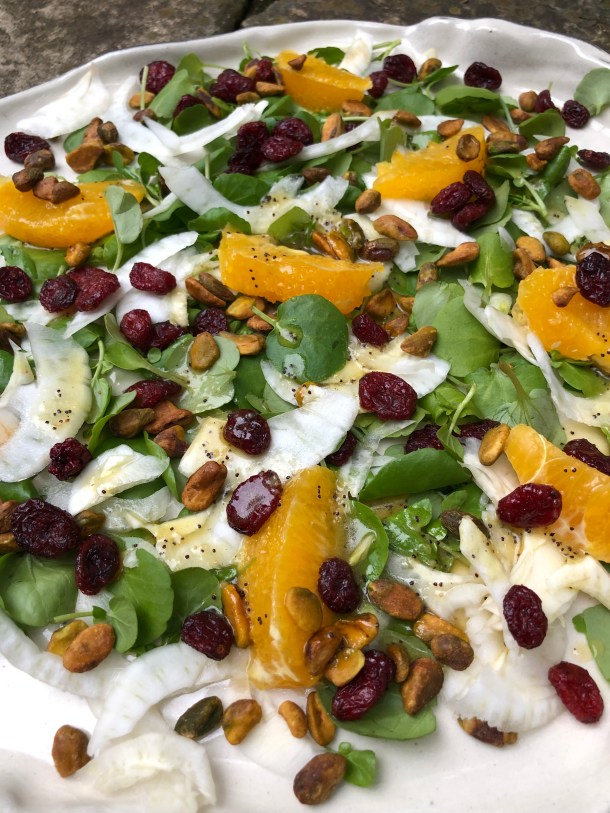
Orange, Walnut, Gorgonzola and Mixed Greens Salad with Fresh Citrus Vinaigrette

Ingredients

¾ cup walnut halves

10 ounces mixed salad greens with arugula

2 large navel oranges, peeled and sectioned

4-5 fresh figs, quartered

½ cup sliced red onion

¼ cup olive oil

¼ cup vegetable oil

⅔ cup orange juice

¼ cup white sugar

2 tablespoons balsamic vinegar

2 teaspoons Dijon mustard

¼ teaspoon dried oregano

¼ teaspoon ground black pepper

¼ cup crumbled Gorgonzola cheese

Directions

Place the walnuts in a skillet over medium heat. Cook 5 minutes, stirring constantly, until lightly browned.

In a large bowl, toss the toasted walnuts, salad greens, oranges, and red onion.

In a large jar with a lid, mix the olive oil, vegetable oil, orange juice, sugar, vinegar, mustard, oregano, and pepper. Seal jar, and shake to mix.

Divide the salad greens mixture into individual servings. To serve, sprinkle with Gorgonzola cheese, and drizzle with the dressing mixture.

Fig Fest note: We omitted the gorgonzola when serving the salad at Fig Fest since it was already a topping for the flank steak. Otherwise, it is nice to include in the salad.

Abbe Bolich’s husband, Neil, and grandson grilling flank steak.

Rosemary Flank Steak with Fig Salsa

Ingredients

1 tablespoon chopped fresh rosemary

2 garlic cloves, minced

¾ teaspoon kosher salt

½ teaspoon freshly ground pepper

3 tablespoons olive oil, divided

1 (1 ¼ pound) flank steak

3 cups chopped fresh figs

1 green onion, minced

2 tablespoons chopped fresh parsley

2 tablespoons seasoned rice wine vinegar

3 ounces Gorgonzola cheese, crumbled

Directions

Stir together first 4 ingredients and 1 tablespoon olive oil. Rub into steak; cover and chill 30 minutes to 4 hours.

Preheat grill to 400˚F to 450˚F (high) heat. Toss together figs, next 3 ingredients, and remaining 2 tablespoons oil. Add salt and pepper to taste.

Grill steak, covered with grill lid, 5 minutes on each side or to desired degree of doneness. Let stand 5 minutes.

Cut steak diagonally across the grain into thin strips and arrange on a serving platter. Spoon fig salsa over steak and sprinkle with Gorgonzola.

Yield: Makes 6 servings

Linda Alexander

Fig Fest Class and Luncheon

Celeste Fig Tree at Raincathcer’s

Fig Fest, Celebrating a Seasonal Delicacy

With their sweet taste and luscious texture, figs can be used in a variety of culinary dishes. From growing to harvest, we’ll give you the information needed to become a fig expert. Join us; class will be indoors and luncheon reservations are still being taken.

Instructor: Jeff Raska, Dallas County Horticulture Program Assistant, Texas A&M AgriLife Extension Service

Tuesday, August 7th – 10:00am*

Hosted by Raincatcher’s Garden of Midway Hills located at 11001 Midway Road

Master Gardeners earn one-hour education credit; class is free.

Immediately following Jeff’s presentation, you are invited to join us for lunch. Lunch is by reservation only.

$15 per person

Seating is limited to 48 guests and is by paid reservation only: http://www.eventbrite.com/e/fig-fest-tickets-48093118813

Menu

Figgy Focaccia and Grilled Figs with Thyme Honey

Fig, Arugula and Walnut Salad with Fresh Citrus Vinaigrette

Rosemary Flank Steak with Fig Salsa

Lemony Rice Pudding with Figs and Saba

Fig and Strawberry Tart topped with Fresh Fig Ice Cream

Fig Flavored Tea and Water


*All Members of the Public Invited

Class and Lunch are indoors at Midway Hills Christian Church and lunch reservation deadline has been extended to Friday, August 3rd.

We ‘Heard it Through the Grapevine’

Champanel grapes growing at The Raincatcher’s Garden

He may not have been Marvin Gaye, but our own Jeff Raska, Dallas County Horticulture Program Assistant, Texas A&M AgriLife Extension Service, had us humming along during his presentation on growing grapes.  A bit of Texas history got us started.

Grape cuttings were first brought to Texas by Franciscan Monks to establish a vineyard in the 1660’s, predating California by almost a century.  The first vineyard in Texas was established near present day El Paso and stayed a viable producer until the early 20th century.

And it was a Texan, viticulturist Thomas Volney Munson, who literally saved the European wine industry when he grafted native American grape rootstocks (resistant to the phylloxera-aphid) to standard European grape scions that brought the industry back from the brink of collapse.

Grapes fall into two categories:

Citis vinifera – a European type grape typically used for wine, table and jams that has a high Brix unit ratio and a thin skin.  Recommended varieties for Texas include Champanel, Lomanto, Herbemont and Lake Emerald.

Muscadinia (Vitis) rotundifolia – a grape that is native to the Americas and thrives in more acidic soils. They are naturally resistant to many diseases and their genetic material saved the vinifera species. Recommended varieties include Carlos, Nesbitt, Tara and Triumph.

To grow grapes, take note:

  • Grape vines need well drained soil and a full day of sun.
  • Vineyards should be planted on high ground to help survive late spring frosts.
  • Good fruit production requires consistent pruning.

For more information Jeff recommends, “Growing Grapes in Texas” by Jim Kamas.

We also learned that grape leaves are rich in vitamins and minerals and low in calories. The U.S. Dept. of Health and Human Services lists grape leaves as a healthy choice for your shopping list. https://health.gov/dietaryguidelines/dga2005/healthieryou/html/shopping_list.html

Immediately following Jeff’s talk we had the privilege of hearing another special presenter; Toney Davrados. With her rich Greek heritage, culinary skills as a trained chef, and love of gardening and growing her own ingredients, we were mesmerized by her demonstration the art of making dolmas.

Toney’s dolma demonstration

Some helpful tips shared by Toney;

Good dolmas need good leaves. Here’s what to look for; leaves with a smooth underside (hairy or fuzzy leaves are tough and not well-suited for dolmas). You can also purchase grape leaves bottled in brine at a gourmet or international grocery store.

Larger leaves are better – about 4 to 5 inches across. This size makes for easier folding.

Toney folding grapes leaves for dolmas.

Prepare leaves one of two ways:

Immediate use; boil 2 cups water with a heaping tablespoon salt. Toss in leaves for about 2 minutes. (Do no more than 3 or 4 at a time). Leaves are ready as soon as the color changes from bright green to olive green. Remove promptly. Leaves are now ready to use.

Future use: wash leaves, dry thoroughly, cut stems off and stack. Put stacks in zip-lock baggies, press out air and freeze. Wait one month for leaves to ‘cure’ before using.

Hope you enjoy the recipes as much as we enjoyed a delightful lunch experience. A heartfelt thanks to our presenters for sharing your wisdom and expertise. Recipes below.

The grand finale:
Frosted Grapes,
Toney’s Dolmas
(filled with ground sirloin, rice, parsley and special seasonings),
Watermelon and Radish Salad
Yogurt and Berries Dessert Parfait

Click here for Toney’s Dolmas Recipe

Watermelon Radish Salad

Ingredients

6 cups watermelon, cut into bite-sized chunks

2 cups thinly sliced and halved radishes

2 tablespoons finely chopped ginger

¼ cup chopped basil

¼ cup chopped mint

¼ teaspoon salt

4 tablespoons fresh lime juice (approximately 2 limes)

Directions

Combine ingredients in a large bowl. Mix well, serve chilled.

Yield: Makes 6 servings

Frosted Grapes

If you’re a grape grower, try this quick and easy summertime refresher as an appetizer or as a light finish to the evening meal.

Ingredients

4 ounces cream cheese, softened

½ cup sugar

4 ounces sour cream

2 pounds seedless grapes, red, green or a mixture

Brown sugar (start with about 2 heaping tablespoons)

Chopped nuts (start with about 1 ½ cups)

Directions

Mix cream cheese, sugar and sour cream together until smooth. Toss grapes in mixture until “frosted”. Combine brown sugar and nuts. Roll grapes in mixture until coated. Chill until ready to serve.

Yield: Serves 6 to 8

Peach and Berry Parfaits

For breakfast or dessert.

Ingredients

12 ounces Greek yogurt

2 cups granola*

1 pint fresh blueberries

4 peaches, peeled and chopped into small pieces

Texas Clover Honey, to taste

Directions

Layer in parfait cups in the following order;

Yogurt, drizzle of honey, granola, peaches, berries. Repeat, as desired.

*For a dessert option, use Fresh Peach Pound Cake (crumbled).

Toney Davrados sells her products:  dolmas, Greek yogurt, spanakopitas and more on Saturday mornings, April through October at the St. Michael’s Farmers Market, 8100 Douglas Avenue. Arrive early as the products sell out quickly.
Lisa Centala and Linda Alexander
Pictures by Starla Willis


Recipes From The Glorious Greens Lecture and Lunch

Our new edible garden, where it all began. More classes to be coming from this garden to you. Subscribe to Dallas Garden Buzz for more info.

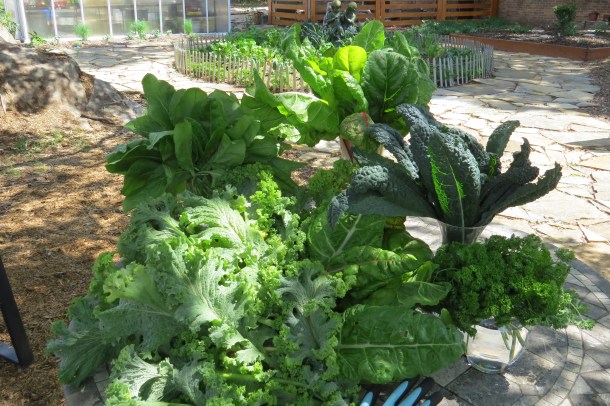
Creamy Cauliflower Soup with Greens

Ingredients

1 tablespoon extra-virgin oil, plus more for drizzling

1 medium onion, chopped (about 1 cup)

4 cloves garlic, chopped

Sea salt

1 medium head cauliflower (about 3 pounds), florets and stems cut into 1-inch pieces (8 to 9 cups)

4 ½ cups filtered water

¼ cup chopped fresh dill, plus more for garnish

5 large kale or collard leaves, or a combination, tough ends removed and leaves roughly chopped

Freshly ground black pepper

Directions

Heat oil in a large pot over medium heat; cook onion, covered, until soft, 4 to 5 minutes. Add garlic and a pinch of salt, and cook for 3 minutes more.  Add cauliflower, and pour in filtered water until it reaches just below the top of the cauliflower

Bring to a boil over high heat. Add 2 tablespoons dill. Reduce heat to low, and simmer until cauliflower is just tender, about 10 minutes. Stir in greens, and simmer for 3 minutes.

Let sit for 5 minutes to cool slightly. Stir in remaining 2 tablespoons dill.  Puree soup in batches in a blender until very smooth, adding more water (about ½ cup) if it’s too thick. Return to pot and reheat. Season with salt and pepper. Garnish with dill, black pepper, a drizzle of oil, and pinch of sea salt.

Yield: Makes 8 cups

Evelyn and Susan, pesto making!

Spicy Mustard Green Pesto

Ingredients

3 cups fresh mustard greens, stem removed, washed and rough chopped

2 teaspoons fresh chopped garlic

1 teaspoon fresh lemon juice

3 tablespoons pine nuts, toasted 7-8 minutes at 350˚F

⅛ cup shredded Parmesan cheese

3 tablespoons olive oil

2 teaspoons Kosher salt

1 teaspoon ground pepper (white or black)

Directions

Blanch greens in lightly salted boiling hot water for 15 seconds. Drain thoroughly.

Place all ingredients in a food processor and blend thoroughly to combine. Adjust seasoning as necessary. Refrigerate at 40˚F if not used immediately.

Yield: Makes 2 cups

Dedicated to our greens, note the green nail polish!

The Ultimate Classic Collards

3 (1-lb.) packages fresh collard greens or use fresh from your garden

12 smoked bacon slices, chopped

2 medium-size yellow onions, chopped

3 garlic cloves, minced

3 cups reduced-sodium chicken broth

¼ cup apple cider vinegar

2 Tablespoons honey

1 (12- to 16-ounce) smoked ham hock

Kosher salt

Freshly ground black pepper

Remove and chop collard stems. Chop collard leaves. Cook bacon in a large Dutch oven over medium heat, stirring occasionally, 12 to 15 minutes or until almost crisp.  Add onion, and sauté 8 minutes or until onion is tender. Add garlic, and sauté 1 minute.

Stir in chick broth and next 2 ingredients; add ham hock. Increase heat to high and bring to a boil. Add collards in batches. Reduce heat to medium-low; cover and cook 2 hours or until desired tenderness.

Remove meat from ham hock; chop meat, and discard bone. Stir chopped meat into collards. Season with salt and freshly ground pepper.

Yield: Makes 6 to 8 servings

Ready to plate! Thanks Evelyn, Patty, Abbe, Sarah, Ann, Linda, and other Master Gardeners!

Spring Quiche with Leeks and French Sorrel

For the Crust:

1 ¼ cups all-purpose flour

¼ teaspoon salt

8 tablespoons (1 stick) unsalted butter, chilled and cut into cubes

3-5 tablespoons ice water

1 tablespoon apple cider vinegar

For the Filling:

1 large egg white

2 tablespoons extra virgin olive oil

1 large leek (white and light green parts only), cleaned and sliced into ½-inch pieces (should yield about ½ cup)

3 large eggs

¼ cup grated Parmesan cheese

½ cup 2% milk

½ cup half and half

¼ cup part-skim ricotta

1 teaspoon Kosher salt

½ teaspoon freshly ground black pepper

2 tablespoons chopped dill (fresh or dried)

1 tablespoon chopped rosemary (fresh or dried)

2 cups fresh French sorrel, washed and dried well

Make the Dough:

In a food processor, pulse together the flour and salt a few times to combine. Add the cubes of butter and pulse continuously until the mixtures starts to look like tiny pebbles. With the food processor running, drizzle in the apple cider vinegar, followed by the ice water, stopping when the mixture just begins to come together. Working quickly, form the dough into a flat disk, wrap it in plastic and refrigerate for 1 hour or up to 2 days.

Prepare the Crust:

Preheat the oven to 375˚F. On a large floured surface, roll the dough into an approximately 12-inch circle. Gently press into a 9-inch tart or pie pan, trimming any overhang. Line the dough with aluminum foil and dried beans (or pie weights) and bake for 20 minutes.

Remove the pan from the oven and take out the foil and beans. Brush the crust with the egg white and prick the bottom with a knife or a fork to allow air to release and prevent bubbling. Place back in oven and bake for an additional 5 minutes

Make the Filling:

In a medium-sized pan over medium heat, heat the olive oil and add the leeks. Stir until they are coated in oil, then turn down the heat to medium-low and cover the pan. Cook the leeks until golden brown and caramelized, about 20-25 minutes. Check their progress after 15 minutes to ensure you don’t burn them (depending on what kind of pan you’re using; the cook time can vary slightly).

Meanwhile, whisk together the eggs, Parmesan cheese, milk, half and half, ricotta, salt pepper, dill and rosemary.

When the leeks are done cooling, lay them out on top of the pre-baked crust. Place the pan on top of a cookie sheet for easy transport. Pour the filling on top of the leeks and place the quiche in the oven. Bake for 30 minutes, or until the top of the quiche has puffed and is set in the middle and just slightly golden.

Allow the quiche to cool slightly, about 12 minutes. If you put the sorrel on while the quiche is piping hot, the delicate greens will brown. Sprinkle the sorrel on top, slice and serve. Quiche is best served room temperature the day it is made although it will keep just fine covered in the refrigerator for up to 2 days (the sorrel is just going to get a bit wilty).

Yield: One 9-inch Quiche (Serves 6 as an entrée or 8 smaller slices)

Glorious greens ready to eat. Plates garnished with mustard greens, of course! Both soups delish!

Minestrone Soup

Ingredients:

⅔ cup small pasta, cooked according to package directions, drained and set aside

3 tablespoons olive oil, divided

1 ½ pounds ground beef

1 large onion, chopped

3 large carrots, peeled and cut into ¼ inch rounds

3 large celery stalks, cut into ¼ inch slices

2 garlic cloves, pressed

1 pound fresh Swiss chard, center vein removed, chopped

1 large turnip, peeled and cut into small cubes

1 large baking potato, peeled and cut into small cubes

1 (28-ounce) can crushed tomatoes

2 (16-ounce) cans beef broth

2 (15-ounce) cans cannellini beans

1 (32-ounce) box good beef stock

1-inch piece of Parmesan cheese

½ cup grated Parmesan cheese

3 tablespoons fresh parsley, chopped

Salt and pepper

Directions:

Preheat 1 tablespoon oil in a large pan over medium heat.  Add ground beef and cook, breaking it up, until it is no longer pink.  Season with salt and pepper.  Set aside.

In a large stock pot, add 2 tablespoons olive oil. Add onions, salt and pepper to taste and cook over medium heat until translucent, about 4 minutes.

Add carrots and celery to the pot.  Cook for 10 minutes.  Add garlic and cook for 1 minute more.

Add Swiss chard, turnip and potato to the pan.  Cook for 4 minutes or until the chard begins to wilt.

Add the crushed tomatoes and the 2 cans of beef broth to the pot and simmer for 15 minutes or until the chard breaks down.

Meanwhile, combine half of the drained cannellini beans with ½ cup of beef stock in a blender.  Blend until smooth.

Add the blended cannellini beans, remaining drained beans, remaining beef stock, the 1-inch piece of Parmesan, reserved ground beef, cooked pasta and the handful of Parmesan cheese to the pot.  Stir to mix and simmer for 25 minutes.  Stir occasionally.  Vegetables should be fork tender.

Season with salt and pepper, to taste.  Add fresh parsley and serve.

Yield: 8-10 servings

Linda Alexander

Our thanks to Jeff Raska for the garden education.

Save the date for our next education/lunch event-Peach Fever.

Date: Tuesday, June 26th, reservation information to follow

Rose Rosette Instructions

Thank you, Maddie Shires!

Video by Starla Willis

A Gardener’s Fright

Rose Rosette, Now What


Fall is here, 2015!

October is here and we’ve been fortunate to have  some sunny days, cooler weather, and an opportunity to garden at Raincatcher’s.  It’s hard to believe it’s been a year since we moved from our Joe Field location.

We are blessed to be able to partner with Midway Hills Christian Church. The winter was filled with planning, building, composting and planting trees.

Spring brought much-needed and bountiful rain and the beginnings of our gardens, the transition of the courtyard,  as well as some opportunities to cook for others and share our new location.  

Summer came and the rain slowed, but our plantings were starting to take root and we have had our first harvests. So now it’s Fall, and it feels like Fall  with the buzzing of bees, the flutter of butterflies, the chatter of students on field trips,  and vegetable crops transitioning from summer to winter.

Episcopal School of Dallas field trip studying pumpkins

Episcopal School of Dallas field trip studying pumpkins

The demonstration grasses are coming through, the wildflowers have been prepared and planted and we are setting up the color wheel and planning for the “Under the Powerline” possibilities.  

The Color Wheel is Beginning to Take Shape

The Color Wheel is Beginning to Take Shape

The monumental task of the irrigation is almost complete and the water tanks have arrived and will be installed next week.  Oh what a busy year it has been; many hours have been logged by the Master Gardeners who call Raincatcher’s home.

 I wanted to take time to thank the amazing leadership team who has made this happen in one short year, (or at times very long). Your leadership has inspired us to dream big and then plan to make it a reality, to not be afraid to ask, to join with others in the community, and to share our gifts.  

The teamwork of all who work at this garden has been phenomenal.  We all have had opportunities to be challenged to make this the best demonstration garden that we can offer to the residents of Dallas County.

Starla's Serendipitous Ladybug Picture

Starla’s Serendipitous Ladybug Picture

 The ladybug nailed it!  We love Raincatcher’s Garden of Midway Hills.  Come and see what’s going on for yourself.

Starla 

Details about our Rainwater Harvesting Class on Thursday morning, October 15th will be on the blog tomorrow.


2014 in Review

Elizabeth wrote this as a Farewell to the Field or How to Move an 8,000-square foot Garden, but it also recaps nicely most of 2014 and what it was like to be a part of our garden last year.  Ann

garden panoramoic -front garden

Most (sane) people cringe at moving a rose bush.  The Dallas County Master Gardeners who regularly volunteer at the Demonstration Garden on Joe Field Road took a collective deep breath this summer.  Then they rolled up their sleeves and got to work moving the 8,000-plus square foot garden.

The 80- x 100-foot primary garden included the color wheel, raised vegetable beds (six 3- x 20-foot beds plus two smaller beds), the wildlife habitat, and an arbor.  Cindy and Roger managed about eight rounds of compost measuring 5 feet across.  A packed— and very dirty—garage of tools and assorted gardening gear, a kitchen, bins and a file cabinet of educational materials, tables and chairs, and a refrigerator rounded out the list.  And one punch bowl!

The Demonstration Garden on Joe Field Road had been in the same spot for nine years.  Dallas County put the site on the market in June and within days had several contracts.   Texas A&M AgriLife Extension told the master gardeners to circle December 31 on their calendar as the final exit date.  (This date was later moved up six weeks to November 10.)  Controlled panic ensued.

Ten brave souls volunteered to serve on the Relocation Committee.  Of course, it’s a bit more difficult to relocate if you don’t know where you’re going, and you don’t know what to look for at proposed sites.    Oh, and what’s yours at the old site to take with you?

The relocation committee had to keep up an off kilter tap dance; when the right foot was off tapping to one beat, the left foot had to be working just as hard—at something else entirely.

JULY

We brainstormed about possible locations in North Dallas, Carrollton or Farmer’s Branch to be close to our long-time volunteers.  Churches, established master gardener projects, parks, and rec centers came to mind.

Lynn pulled together a site evaluation document that helped us compare, for example, parking capacity and availability of electricity at different site visits.  A new handout explained the garden’s history and goals during site visits.  A survey polled participants in the garden.

We knew we had a lot of “stuff” at the Joe Field site, but what—legally—belonged to us, to Dallas County, or to the new owners?  First you have to know what you have.  Volunteers went cabinet by shelf by garden path and listed everything in the garden.  Sarah, who compiled five pages of inventory, became known as the “Queen of Stuff.”

Annette and our Garage of Stuff

Annette and our Garage of Stuff

AUGUST

The heat hovered in the high 90s with crushing humidity.  What “better” time to drive all over North Dallas and look at possible sites for an 8,000-foot garden?

Some visits were rather formal: call, set up an appointment, meet with representatives, and walk all over the site.  Others were a little more casual: drop in on a promising rec center and chat up the director. Jackie made phone call after phone call to the City of Dallas Parks Department. Some were mired in paperwork; others didn’t have meeting rooms or storage. Some were too far.  Most didn’t have kitchens.  Timelines weren’t in sync with some sites. In all, we looked at a community college, churches, an established master gardener project, a future master gardener project, and a rec center in August and September.

The tap dance speeded up.  What about the plants at the Joe Field site? What could be safely moved? What stays? Do we have a spot for huge climbing roses? (Wait—we don’t know where we’re going.) When is it safe to move ——?  How? Can you propagate the plant if it’s too large/established to move?

Plant Prop Guru-Roseann

Plant Prop Guru-Roseann

For answers, we turned to propagation guru Roseanne Ferguson, who graciously agreed to give a workshop in September. Jim and the potters started on iris in mid-August, which is the best time to divide corms. Daylilies and bulbs were next on the list.   Volunteers walked through the garden trying to decide which plants could be relocated and which could more easily be bought as new plants for the new site.

Plant Propagation Class Participants

Plant Propagation Class Participants

SEPTEMBER

The summer heat was like a blast furnace; record high ragweed added to the misery. The month passed without rain.

Jams and Jellies For Sale

Jams and Jellies For Sale

The tap dance picked up a different beat: money.  Ann had always been careful with expenditures.  Educational luncheons and plant sales added to the coffers this year.  Still our savings were not even close to the large sums it takes to put in a new large garden.  Elizabeth and Linda met for hours to plan Farewell to the Field, a goodbye fundraiser on November 4th.   Plans were made to sell favorites from the Joe Field garden at the October 23rd Master Gardener meeting, including Basil Pesto, Lemon Verbena Jelly, and Pomegranate Jelly.  Canning and baking started full tilt in the tiny Joe Field kitchen when it was too hot to work in the field. Gardeners turned on the heat in their own kitchens, and jar after jar of yummies were made for the craft sale. Volunteers offered to start looking into grants and foundations.


Site visits continued in the heat.  It was very reassuring to the Joe Field volunteers that —like Sally Field at the Oscars—they like us.  They really like us!  Every visited location said they would welcome a garden like Joe Field.

Midway Hills Christian Church (MHCC) at Royal and Midway Roads kept coming to the top of the list of site candidates.  The church, brought to our attention by Susan, a member and Joe Field gardener, had recently adopted a Green Chalice initiative. This goal, part of the national church, directed the small, but growing, congregation on a path to show stewardship of the environment.  Its buildings, dating to the 1960s, had vacant space for Joe Field garden educational materials.  The Dallas Cooperative Preschool had recently moved to an education wing of the church.  The Da Vinci School buzzed next door; indeed, many private and public schools ringed the campus.  A recent re-roofing was designed with gutter accommodations for rain barrels.  A fellowship hall looked out onto a courtyard.  A commercial kitchen could be reserved for luncheons.  And best of all, there was land, almost a football field of land, waiting for a WaterWise garden.

Our New WaterWise Garden Site at Midway Hills

Our New WaterWise Garden Site at Midway Hills

Talks continued with representatives of the Joe Field site’s new owner, the Dallas County Commissioner, and Texas A&M AgriLife Extension to nail down what belonged to whom and where it was finally going.

Our exit date moved up six weeks: November 10.  Work on propagating, potting, labeling and charting exiting plants went into high gear.  Hundreds of plants went to gardeners’ backyards to await their new home.

Plants Being Taken Home-Susan

Plants Being Taken Home-Susan

Annette and volunteers welcomed elementary students from Grace Academy to their fifth year of visiting Joe Field.

OCTOBER

Clear, hot, dry.  The first half of the month was fall only on the calendar.

Representatives of Texas A&M AgriLife Extension walked the proposed site at Midway Christian.  Representatives of MHCC walked the garden at Joe Field.

Conversations continued with MHCC on what their plans were for different areas of the property.  Volunteers brainstormed on future possibilities for the garden.  Elizabeth and husband Mike measured and re-measured the MHCC property, the first stage of drawing up a garden conceptual plan.

The diggers and potters worked at a feverish pace. Susan directed Michele and Sue at the potting table under the shed.  An unbelievable 300 cuttings and 678 plants were put in pots, registered, and sent to foster homes. Susan started babysitting plants at the TDG greenhouses for the new garden. Lisa’s color garden was almost empty, its plants dug and relocated.

Diggers and Potters at Work

Diggers and Potters at Work


Hans and Arbor Removal

Hans and Arbor Removal

Judy, Hans, and Jim took apart the arbor, its supports buried 4 feet deep by overeager Eagle Boy Scouts.

Annette, Judy, Sarah, Evelyn, Linda S., Kim, and Michele sorted, cleaned and boxed up the kitchen and dirty garage.  What can be boxed up now? What do we need for upcoming events?  Susan, Diana, Jean and Patty packed. Hans kept digging and digging.

Volunteers signed up to cook for the Farewell to the Field luncheon and the October bake and craft sale.  Ceciliee and Cynthia whipped up some killer salsa for the sale. Jim and Tim said goodbye to our large water cisterns.  Volunteers submitted names for the new garden. One proposed name was a riff on our blog, Dallas Garden Buzz.  Sanity prevailed, and we did not adopt the Buzz-ards, as our nickname. We were now officially the Raincatcher’s Garden of Midway Hills, an Earth-Kind®  WaterWise Demonstration Garden, a collaboration of Texas A&M AgriLife Extension, the Dallas County Master Gardener Association and Midway Hills Christian Church.

Ann and Lisa negotiated with Texas A&M AgriLife Extension and MHCC on the project approval document.  Elizabeth designed a conceptual plan showing how the color wheel, wildlife habitat and other parts of the Joe Field garden could be shaped into a new garden space at MHCC.  Texas A&M AgriLife Extension approved the project at MHCC.   Paul and Stephen, our MHCC contacts, presented the project and drawing to the church board meeting.  Gary smiled and encouraged and helped.

Sue and Kim-It's Time to Move!

Sue and Kim-It’s Time to Move!

It was time for the final move.  Suburbans filled the parking lot.  Exhausted volunteers rolled log seats onto Lisa’s trailer. Glenda was the ultimate trouper, showing up to help with a broken foot. Tomato supports, bamboo poles, worm boxes, and box after box of materials went into waiting vehicles.  When items like the refrigerator and loaf cistern were too large to move, Abbe and Neil came to the rescue with large trailers.  Cindy and Roger moved all the compost.  As our Joe Field garden emptied, the storage sheds and unused playground at MHCC filled.  Dallas County came to claim their part of the garden.

Move Day!

Move Day!

NOVEMBER

Farewell to the Field Tablescape

Farewell to the Field Tablescape

Linda spent Halloween Friday afternoon setting up for the Farewell to the Field fundraiser—at Joe Field.  But the weather report kept getting worse, and by Monday the outdoor luncheon had to be moved five miles at the last minute to the MHCC fellowship hall to escape a driving rain. Patty borrowed chairs.  The church had lots of tables, but few tablecloths that matched.  Almost 50 guests for the feast had a golf umbrella escort through the pouring rain, with more than 20 volunteers cooking, serving, and setting up.  The MHCC pastor bought a pumpkin cheesecake at the bake sale and added a nice contribution to our new garden.

Carolyn, Gail, Elizabeth, and Dorothy worked frantically to pull together a budget request for the November 11 board meeting, two weeks after the Farewell luncheon.  Emails flew as they pinned down costs for items like crushed concrete, drip tubing, and boards for the new raised beds.  Carolyn consolidated the project’s goals and accomplishments with a power point presentation using Starla’s pictures.  Gail worked and reworked the presentation.  Elizabeth crunched numbers.  Dorothy gave great ideas. Ana researched the number of master gardeners and schools near MHCC. Members of the DCMG board were invited to MHCC to see the site of the new garden.  About 25 garden volunteers waited through a long morning of presentations at the board meeting. To the relief of the volunteers, the board approved enough money to put in phase one of the long awaited garden.

As with any large project, it takes the talent and hard work of many people.  The gardeners at the new Raincatcher’s Garden of Midway Hills are ready to begin the new year!

Elizabeth

Pictures by Starla


DALLAS BUTTERFLIES

Move over husband Mike.  I’m in love, but I can’t spell—or pronounce–his name.

To bring you up to date, the old 8,000 square foot garden on Joe Field Road is now moved lock, stock, compost pile, tomato support, and rototiller to a fabulous new location at Midway Hills Christian Church, Royal Lane and Midway Road.  We also have a new name, Raincatcher’s Garden of Midway Hills, an Earth-Kind ® Water/Wise Demonstration Garden, a collaboration of the Dallas County Master Gardener Association, Texas A&M AgriLife Extension, and Midway Hills Christian Church.

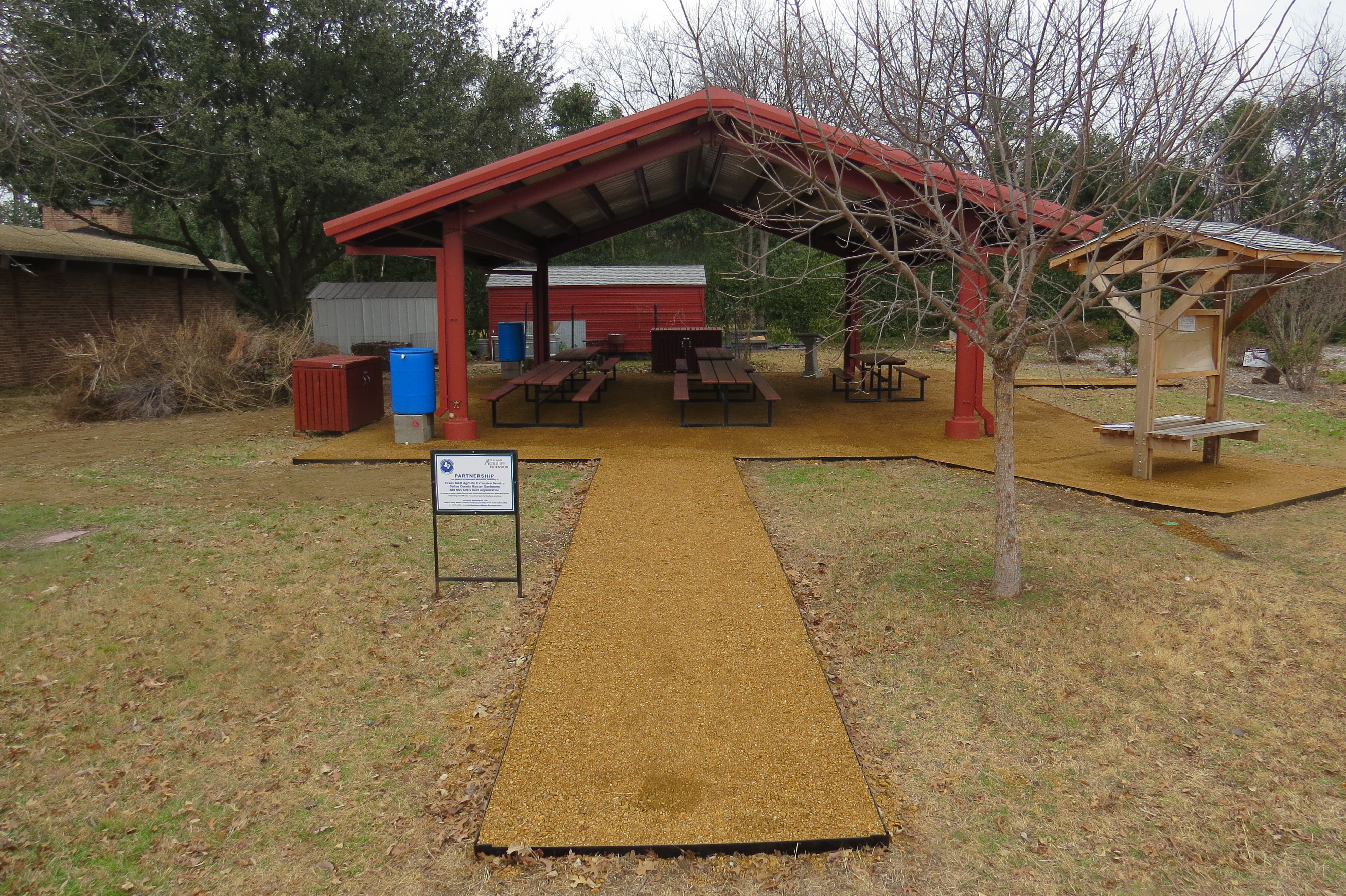
Midway Hills Christian Church, Site of our New Garden

Midway Hills Christian Church, Site of our New Garden

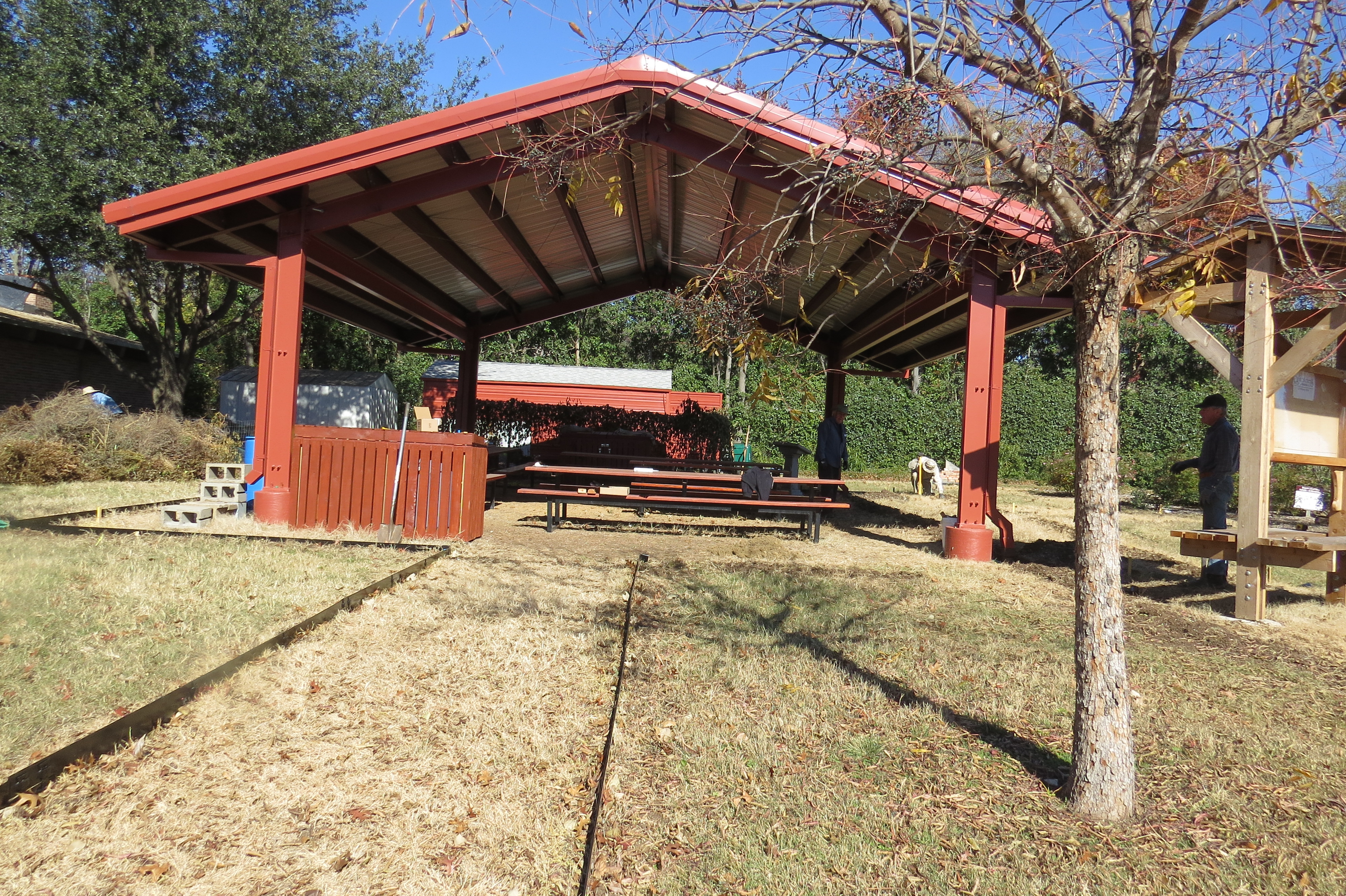
MHCC has generously offered us a 100’x300’ field for a new garden and plans are hatching.  Just like butterflies will—we hope—this spring.

We brainstormed the components that we wanted to bring (or not) to the new garden: vegetables, an education garden, and a wildlife habitat. And some new things we wanted to feature, like urban trees and turf.  But probably tops on people’s list was a butterfly garden.

Which brings me to my new love: skippers, brushfoots (not “feet), whites, sulphurs, blues, hairstreaks, and swallowtails.  I’d like to learn to be a lepidopterist, but I’ve got to set some time aside to learn to roll out that moniker.

Diving into Butterflies of Texas by Geyata Ajilvsgi and the Dallas County Lepidopterist’s Society website maintained by Dallas butterfly expert Dale Clark was absolutely fascinating.

Variegated Fritillary (Euptoieta claudia)

Variegated Fritillary (Euptoieta claudia)

I learned if you want to attract grass skippers, you need an abundance of host grasses like bluestem and side-oats gramma in your garden.

Most gardeners know to plant dill, fennel, parsley, and rue for swallowtail caterpillars, but they also have a hankering for citrus, celery and Queen Anne’s Lace.

We’re familiar with the Pirinae family of sulphur’s and white’s passion for broccoli and cabbage. But the Coliadinae family of whites and sulphurs pine more for senna, marigolds, clover, and false indigo for host plants.

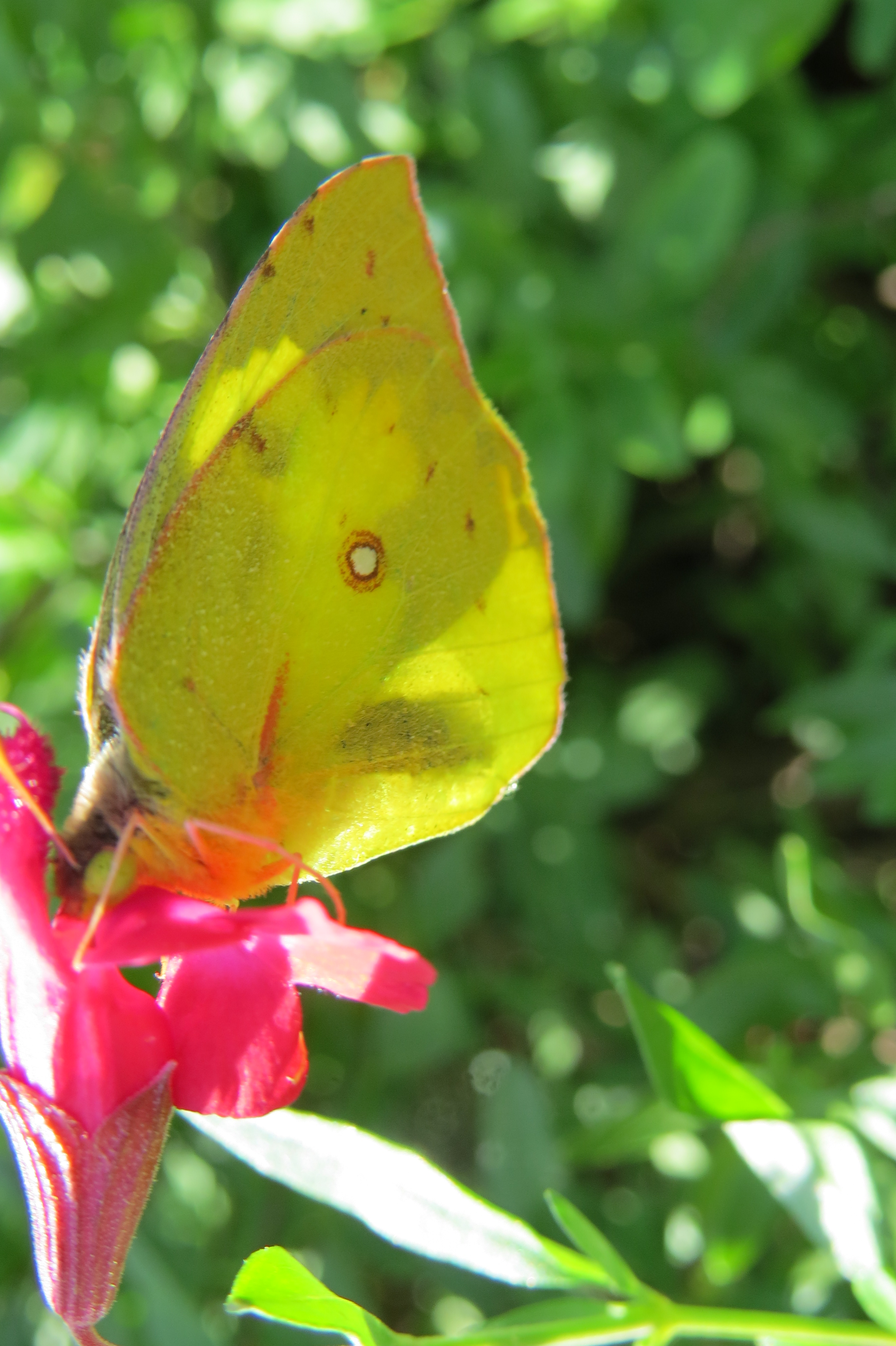
Cloudless Sulphur Butterflies on Turk's Cap, Photo by Janet D. Smith

Cloudless Sulphur Butterflies on Turk’s Cap, Photo by Janet D. Smith

Hairstreaks look for oaks, mistletoe, Texas bluebonnets and okra. Blues are thrilled with frostweed, lima and garden beans, and snouts want sugarberry and net-leaf hackberry. Fritillaries swoon for maypop and passionvines, monarchs for milkweed.

Brushfoots remind me of a 17-year-old football player.  They’ll clean out your garden “refrigerator” of almost everything.  Wildflowers to thistles to American elm, to frogfruit are on the host plant menu.

As we’re planning the garden, there’s more to think about than host and nectar plants.  You want your plants in full sun (more nectar), have enough water to prevent wilting (nectar stops with inadequate moisture), use favorite colors of purple, pink, yellow and white, and include a variety of bloom shapes.  Some little guys forego the nectar plants and pull over for old fruit, a fermented sugar mixture, or a damp salt and sand mixture for amino acids.  Rocks and logs in the sun give a spot for basking.  Old logs and brush provide Red Admirals and Mourning Cloaks a spot for hibernating.

The monarch has gotten a lot of press lately concerning the declining amount of milkweed necessary for its caterpillars.  We plan on having a Monarch Waystation, based on recommendations from Monarch Watch, filled with native and tropical milkweed for the trip north and favorite nectar plants for the fall migration to Mexico.

Monarch Butterflies Nectaring on Blue Salvia at our Old Location

Monarch Butterflies Nectaring on Blue Salvia at our Old Location


As our plans take place, we are looking forward to late spring and summer, and we hope, a large garden full of fluttering beauties.

Elizabeth

Pictures by Starla and Ann and Janet

More about Monarchs!