Let’s Picnic!

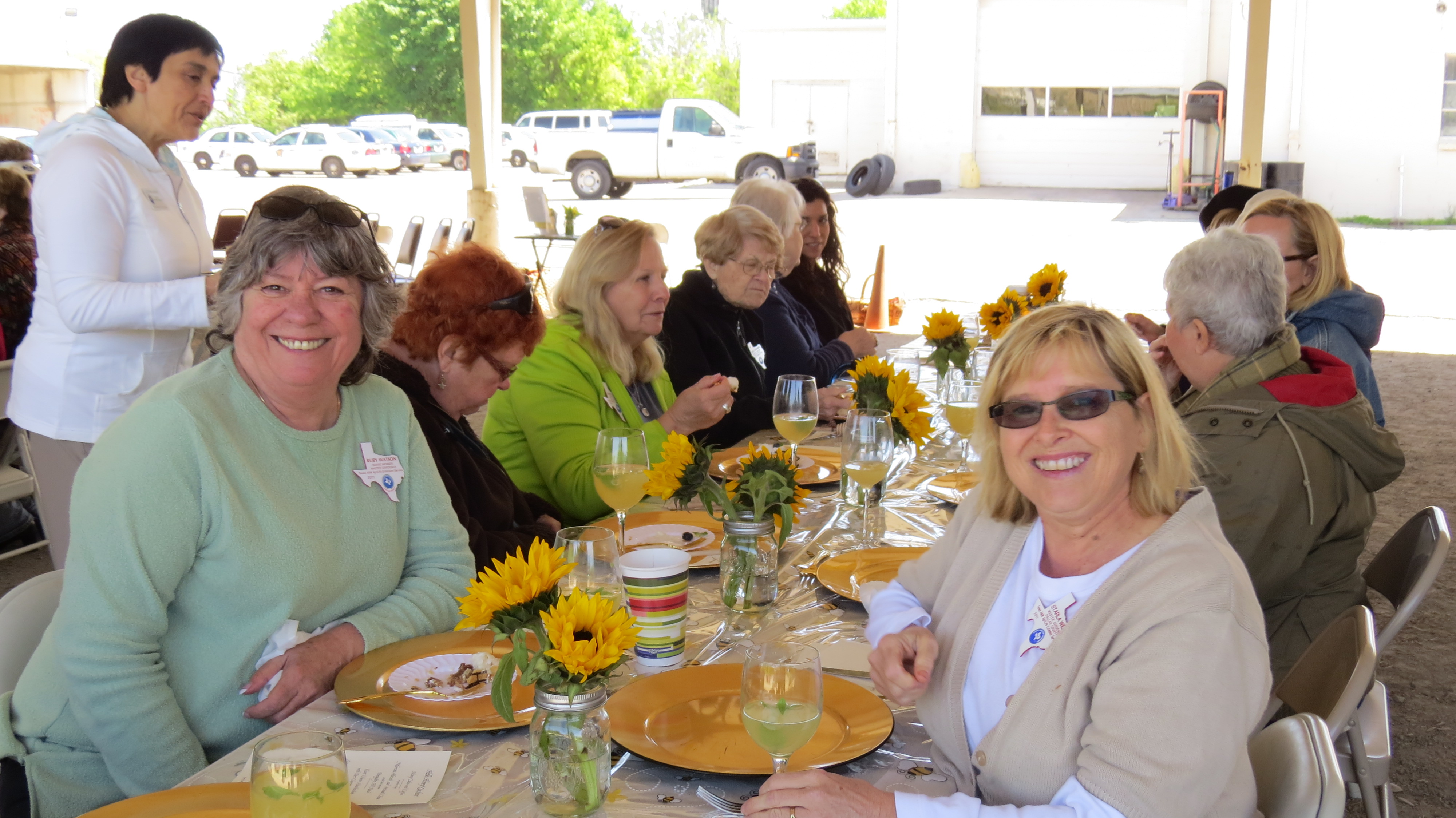
Before Christmas, the poem says, young children dream of sugarplums. Our Linda must have visions of gingham checks.  At the May 22 Master Gardener meeting, red gingham ribbon tied white picnic lunch boxes topped with blue gingham bordered menus, nestled by larger red gingham napkins.  Picnic tables were piled high with gingham quilts and vintage picnic baskets. An open picnic basket crowned the decorations, all ready for a party and filled—you guessed it—with red gingham napkins and red and white plates.
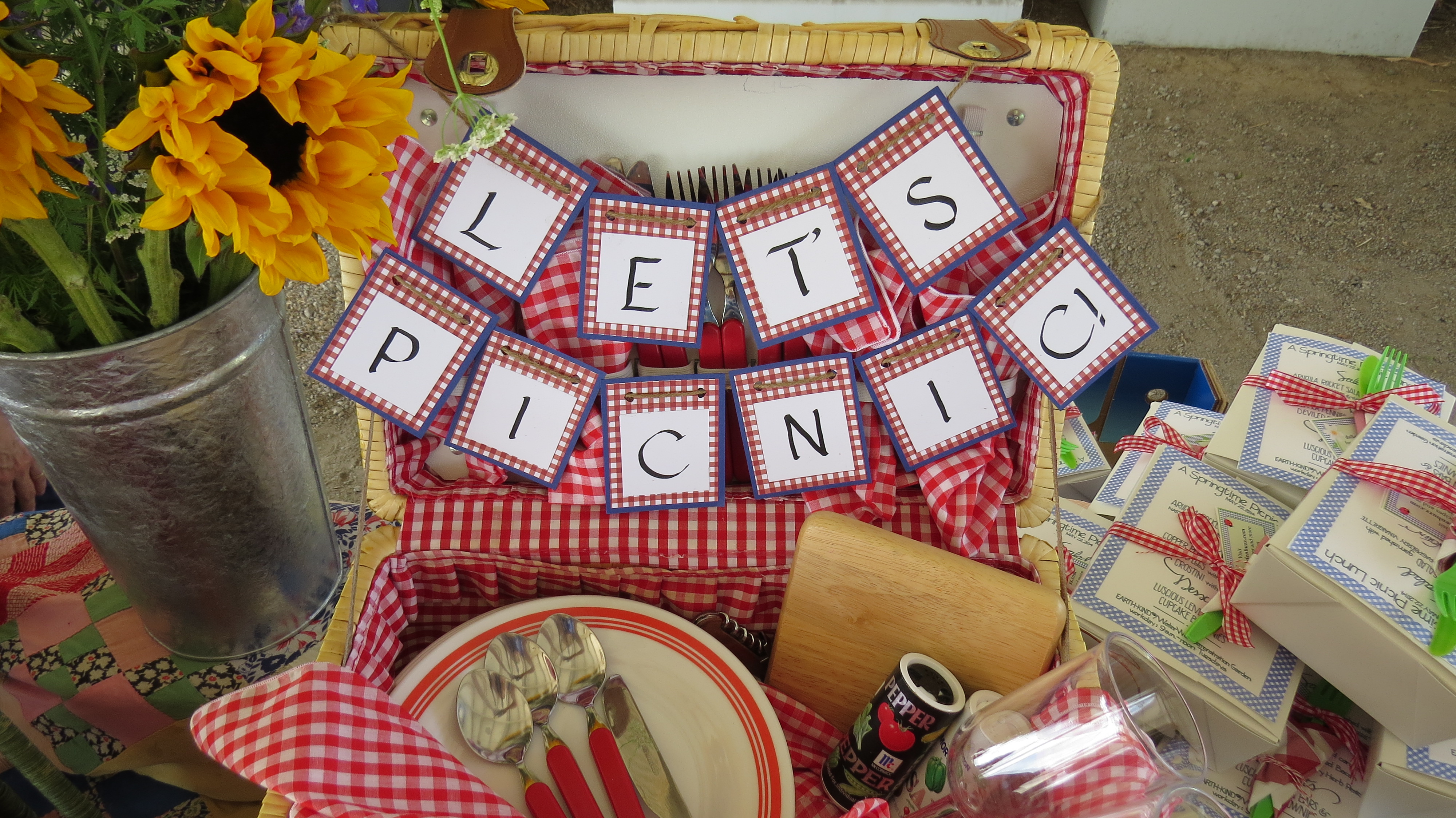
picnic basket close up


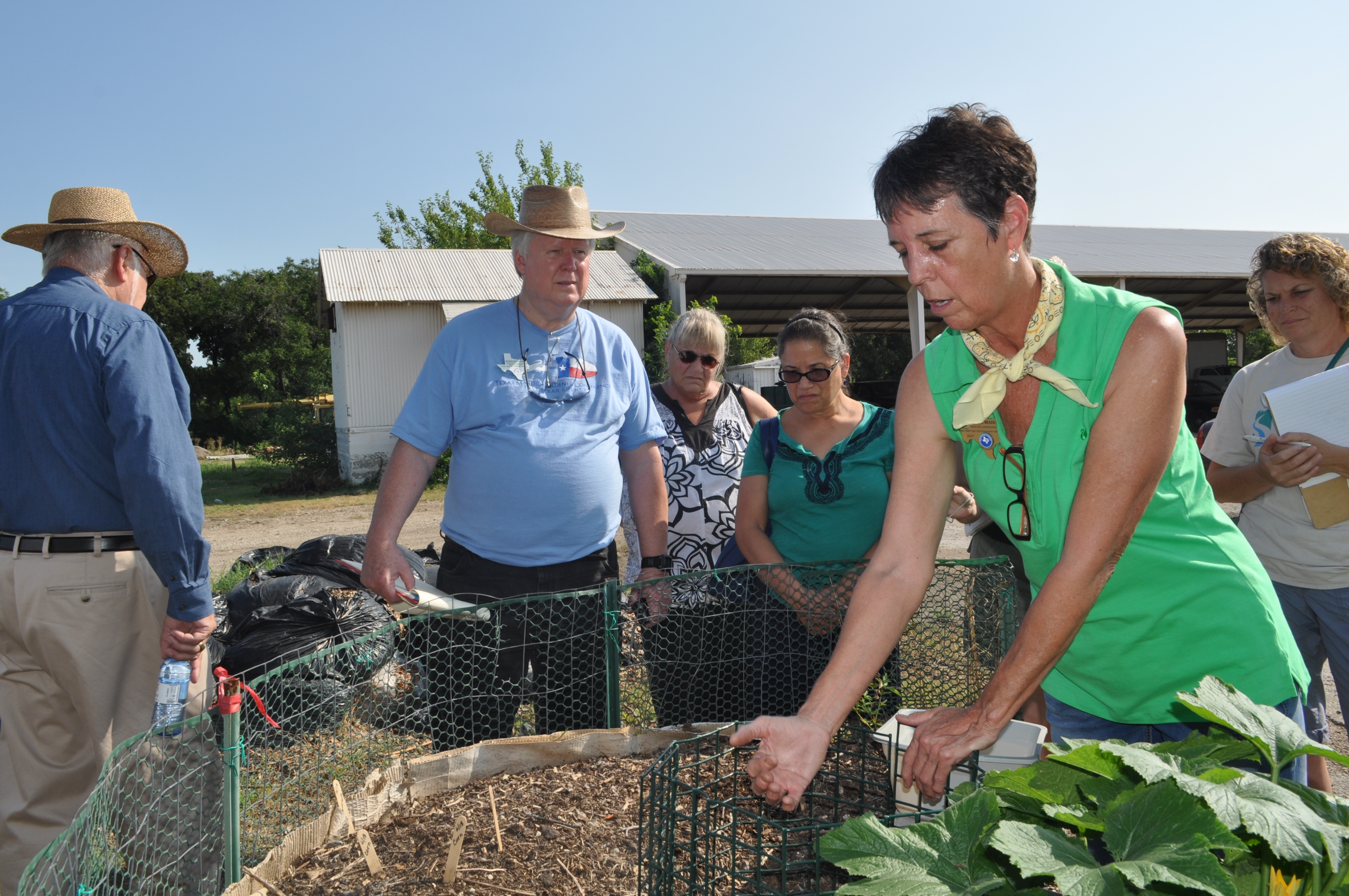
Master Gardeners visiting the Demonstration Garden were in for a treat.  Our Annette pulled out all her teacher skills and fascinated us with the world of earthworms.  How-to’s were flying right and left: we learned how to raise little wigglies in the laundry room, what to feed them, and how to sift out worm castings.

Sue and Michelle signed autographs after their unforgettable demonstration of how worms get close and friendly.

picnic-Michele and Sue cropped


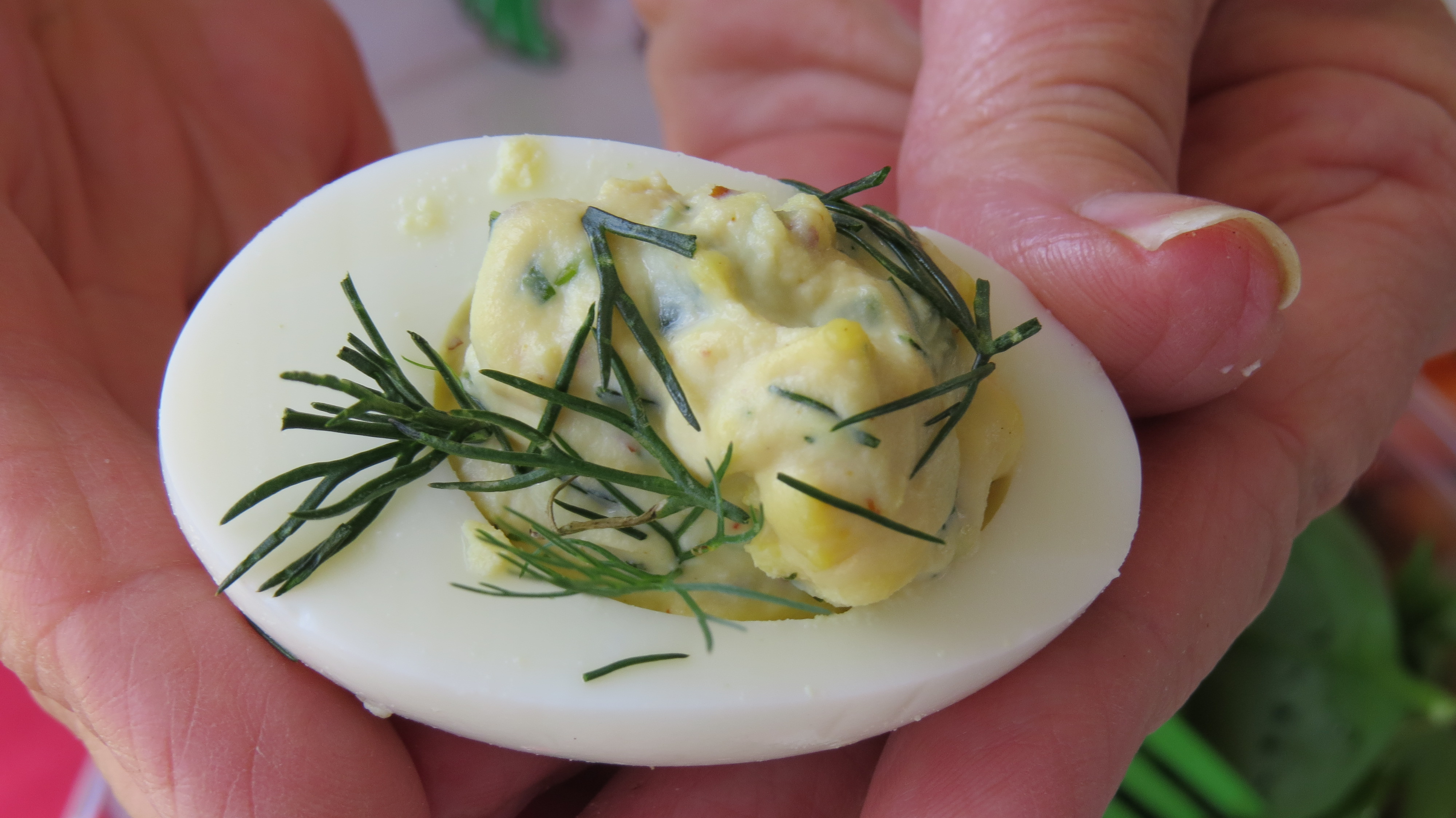
Guests opened their picnic lunches to find a carefully packed feast wrapped in ladybug cellophane.  They enjoyed Arugula Rocket Salad with Nasturtium blossoms and Raspberry Vinaigrette, Copper Pennies, deviled eggs with candied bacon, crostini with Every Herb Pesto, Lemon Bars and Cupcake Brownies.   What a picture perfect day for a picnic.  Come back soon, fellow Master Gardeners!

Elizabeth

picnic-boxed lunch

Recipes

Salad with Nasturtiums and Raspberry Vinaigrette

Raspberry Vinaigrette


Ingredients:

¼ cup raspberries

2 tablespoons freshly squeezed lemon juice

2 tablespoons raspberry or red-wine vinegar

½ teaspoon sugar

6 tablespoons olive oil

Salt and freshly ground black pepper


Directions:

1.  Using a wooden spoon, push raspberries through a handheld wire strainer to puree.

2.  In a medium bowl, whisk together 2 tablespoons raspberry puree, lemon juice, vinegar, and sugar.

3.  In a slow but steady stream, whisk in olive oil until emulsified.  Season with salt and pepper.


Vinaigrette can be made 1 day in advance and stored in an airtight container in the refrigerator.

Yield:  Makes about ¾ cup

Adapted from Martha Stewart


Salad

6 large handfuls of mixed greens, including wild rocket arugula, herb salad mix, etc.

6 nasturtium blossoms


Toss mixed greens with the vinaigrette.  Strew the blossoms over and serve immediately.  (Options:  may also toss with fresh blueberries and/or raspberries)
Picnic-deviled eggs


Deviled Eggs with Candied Bacon


Ingredients: 

1 ½ tablespoons light brown sugar

Cayenne pepper

Pinch ground cinnamon

1/8 pound thick-cut bacon (about 3 strips)

8 large eggs, straight from the refrigerator

¼ to ½ cup mayonnaise, or as much as desired

2 teaspoons whole grain mustard

1 tablespoon finely chopped fresh dill, plus more for garnish

1 tablespoon cider vinegar

1 teaspoon Worcestershire sauce

2 scallions, minced

½ teaspoon kosher salt

Paprika, for garnish


Directions:

1.  Preheat the oven to 350 degrees F.

2.  In a small bowl, mix together the brown sugar, a pinch of cayenne and the cinnamon.  Place the bacon on a wire rack set over a rimmed baking sheet.  Sprinkle each slice of bacon with some of the spiced sugar and bake, about 10 minutes.  Flip the bacon, sprinkle with the remaining spiced sugar and continue to cook until crispy, about 20 more minutes.  Remove the bacon from the oven and allow to cool.  When the bacon is cool, mince it and set aside, reserving a quarter of it for garnishing the eggs.

2.  Put the cold eggs in the bottom of a medium sauce pan and cover with cold water.  Bring water to a boil and remove the pan from the heat.  Cover the pan with a lid and let stand for 12 minutes.  Drain the eggs and rinse with cold water.  Let the eggs cool a bit and then peel when they are still warm (eggs are much easier to peel when they are warm).  After they are peeled, you can then store them covered, in the fridge.

3.  Mix together the mayonnaise, mustard, dill, cider vinegar, Worcestershire sauce, ¼ teaspoon cayenne, the scallions and the minced bacon in a medium mixing bowl.  Season with the salt.

4.  Slice the eggs in half lengthwise.  Gently remove the yolks by pressing your thumb against the back of the yolk to pop it out of the white.  Add the yolk to the bowl with the mayonnaise mixture.  Mash together, using a fork, until smooth.

5.  Put the filling in a re-sealable bag.  Cut one end off and pipe the filling into the egg whites.  Sprinkle with the paprika, extra bacon bits and dill before serving.


Yield:  6 to 8 servings.

picnic-marinated carrots


Marinated Carrots


For any kind of summer backyard gathering, Grandmother always served these.


Ingredients: 

¾ cup sugar

½ cup vegetable oil

½ cup vinegar

1 Tablespoon Worcestershire sauce

1 Tablespoon prepared mustard

Salt and pepper, to taste

2 lb. bag precut and peeled baby carrots

1 small red onion, sliced into rings

1 green bell pepper, chopped

1 (15 ounce) can tomato soup

Directions:

1. Simmer carrots in water to cover for 5 to 7 minutes or until crisp tender.

2. Drain into a large strainer.  Immerse strainer in ice water to cover carrots.

3. Drain briefly then remove to a large bowl.

4.  Combine first seven ingredients and pour over carrots.

5.  Add sliced onion rings, green pepper and tomato soup.

6.  Refrigerate overnight.

Yield:  8 to 10 servings


Every Herb Pesto


Ingredients:

½ cup Marcona almonds, toasted

2 cloves garlic, peeled

1 cup fresh spinach leaves

½ cup grated Parmesan

½ cup fresh cilantro leaves

½ cup fresh parsley leaves

¼ cup basil leaves

¼ cup fresh tarragon leaves

1/8 cup fresh mint leaves

1/16 cup fresh chervil leaves

2 tablespoons chopped fresh chives

Zest of lemon

Juice of 1 lemon

¾ cup canola oil

¼ cup extra-virgin olive oil

Kosher salt and freshly cracked black pepper

Garlic-rubbed crostini, optional

Heirloom tomatoes, chopped, optional


Directions:

1.  Blend the almonds and garlic in a food processor until fine.  Add the spinach, cheese, herbs, lemon zest and lemon juice to the food processor.  Blend the herbs just enough so they are mixed, about 3 seconds.  Add the canola oil and olive oil while the food processor is on a low setting. Season with salt and pepper.  Blend to desired consistency.

2.  Transfer the pesto to a serving bowl.  Place the chopped tomatoes on top of the crostini if using and top with pesto.  Any leftover pesto should be placed in a bowl and covered with plastic wrap.  Press the plastic wrap right on top of the pesto and refrigerate.


Yield:  About 2 cups.


Luscious Lemon Bars


Position a rack in the center of the oven.  Preheat the oven to 325°.  Line a 13 x 9-inch baking pan with a sling made of parchment paper or foil.

Sift into the bowl of a food processor fitted with a metal blade:

1 ½ cups all-purpose flour

¼ cup powdered sugar


Sprinkle over the top:

12 Tbl. (1 ½ sticks) cold unsalted butter, cut into 12 pieces

Pulse until the mixture resembles coarse sand.


Pour the crust mixture into the pan and press to an even thickness with the bottom of a measuring cup.  Bake until golden brown, 20 to 30 minutes.  Set aside to cool slightly.  Reduce the oven temperature to 300° F.


Whisk together until well combined:

6 large eggs

3 cups sugar


Stir in:

Grated zest of 1 lemon

1 cup plus 2 tablespoons fresh lemon juice (about 5 lemons)


Sift over the top and stir in until well blended and smooth:

½ cup all-purpose flour


Pour the batter over the baked crust.  Bake until set, about 35 minutes.  Remove the pan to a rack to cool completely before cutting into bars.


Just before serving sift with:

Powdered sugar


The Joy of Cooking (1997 edition)


Cupcake Brownies


A “go to” recipe for chocolate lovers!


Ingredients: 

2 sticks butter

4 ounces semisweet chocolate

4 eggs

1 ¾ cups sugar

1 teaspoon vanilla

1 cup flour

1 cup chopped walnuts or pecans


Directions:

1.  Melt butter and chocolate together in a fairly large pan.  Remove pan from stove and let mixture cool a few minutes.  Add remainder of ingredients and mix together by hand.

2.  Spoon batter into foil-lined cupcake pans (use either regular-sized pans or the mini cupcake pans – just be sure to use the foil cupcake pan liners).  Fill cups ½ full.

3.  Bake at 325 degrees F for about 20 to 30 minutes (adjusting time if using mini pans).  Let cool.

4.  If desired, spread a little of your favorite chocolate confectioners’ sugar frosting on each cupcake.

5.  May be wrapped well and frozen.


Yield:  About 2 dozen regular size brownies, or 3 ½ to 4 dozen mini brownies.

picnic lunch balckberry tea

Blackberry Iced Tea


Ingredients:

3 cups fresh or frozen blackberries, thawed

1 cup sugar

1 tablespoon chopped fresh mint

Pinch of baking soda

4 cups boiling water

3 family-size tea bags

2 ½ cups cold water or sparkling water

Garnishes: fresh blackberries, fresh mint sprigs


Directions: 

1.  Combine 3 cups blackberries and sugar in large container.  Crush blackberries with wooden spoon.  Add chopped mint and baking soda.  Set aside.

2.  Pour 4 cups boiling water over tea bags; cover and let stand 3 minutes.  Discard tea bags.

3.  Pour tea over blackberry mixture; let stand at room temperature 1 hour.  Pour tea through a wire-mesh strainer into a large pitcher, discarding solids.  Add 2 ½ cups cold water, stirring until sugar dissolves.  Cover and chill until ready to serve.  Garnish, if desired.

Yield:  about 7 cups

Recipes by Linda

Pictures by Starla
Keyhole Gardening Review

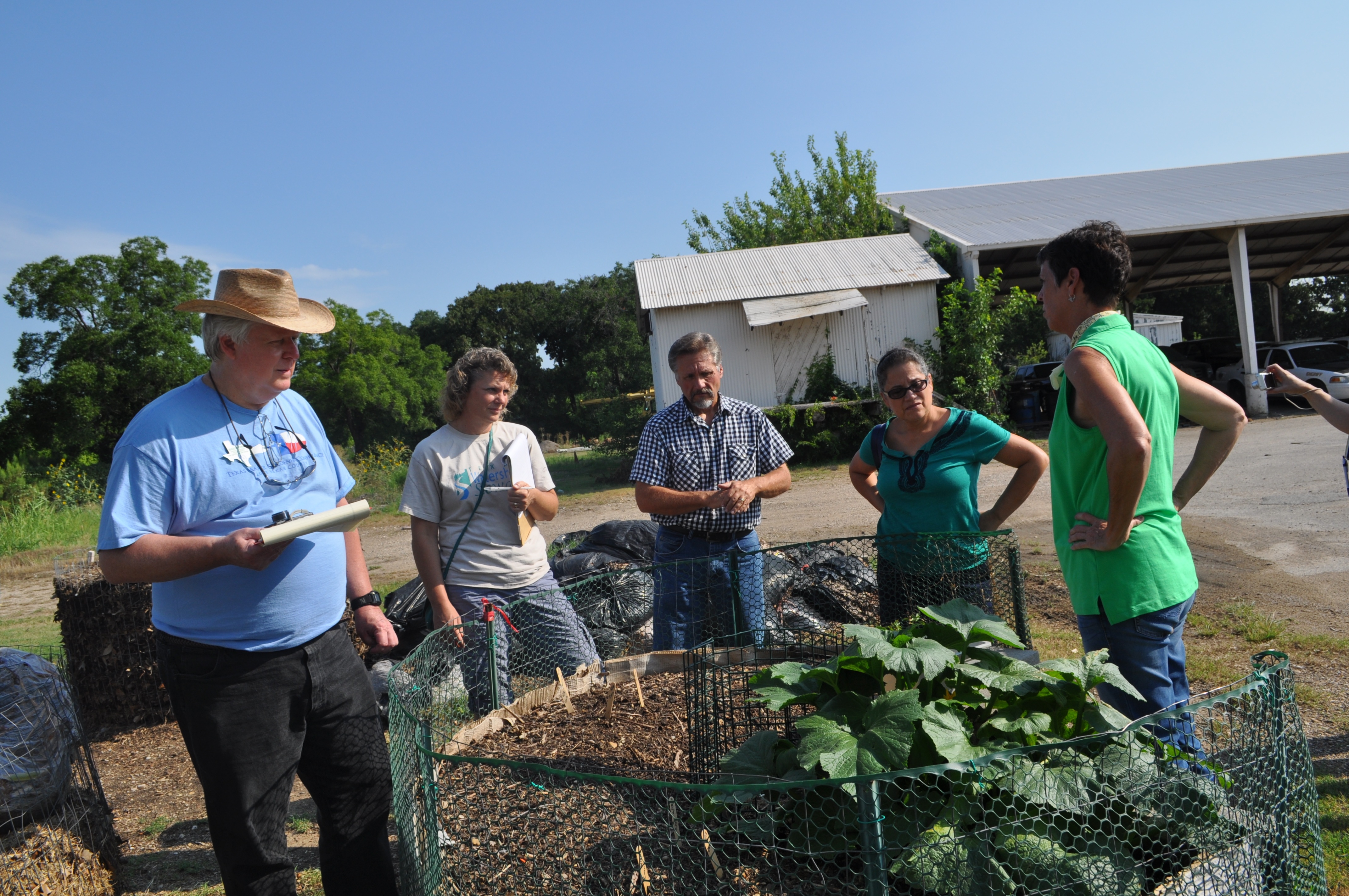
Last week there was an article about Key Hole Gardening in the Dallas Morning News.  Read it  here.  In my opinion it did not elaborate enough on our beautiful efforts to teach Dallas County citizens about this garden survival method.

Annette teaching Keyhole Garden concepts.

Annette teaching Keyhole Garden concepts.

Our garden is located at 2311 Joe Field Road in Dallas, 75229. We share Dallas County property with the county’s Automovie Service Center and have been making gardens and teaching opportunities at this location since 2005.

Our aim is  to teach Dallas County residents sound horticultural practices combined with a heart for our natural resources.

We harvest rainwater to water our gardens and use drip irrigation.  Keyhole gardening uses less water and has naturally become a component of our education.

Another view of our Keyhole Garden

Another view of our Keyhole Garden

For an extensive education about Keyhole gardening, please review Annette’s writing on the subject.

As gardeners and stewards of our patch of dirt at 2311 Joe Field Road, we will always strive to present the less intrusive ways of gardening using the least amount of water and no pesticides.  Our gardens and our hearts thrive with this approach and through this blog and our classes, field trips and harvest to table presentations, we want to share what we have learned with you.

Thank goodness for the rain last week which filled out 2-2500 gallon rainwater harvesting tanks with water for our gardens!

Ann

Confused ?


Confused by the weather this year?  One minute you are wearing your winter clothes and the next day it’s almost 90 degrees, with it feels like the same amount of humidity.  Then Dallas suffered through a severe drought, only to be drowned by flash floods.  Even the dogs and cats can’t decide whether to shed their winter coats or curl up into a warm ball in their beds. — And just think about the plants.  If we are having difficulty adjusting, what must they “feel.”

Many of our native plants have evolved to handle Texas’ “if-you-don’t-like-the-weather, just-wait-a-minute” fluctuations.  However this year’s drastic changes in temperature and moisture have been particularly hard on onions.  Jim Dempsey reported that after the last hard freeze, at least one fourth of the Demonstration Garden’s onions were lost.  Now many onions are beginning to bolt (i.e. go to seed).  Other vegetable gardeners throughout Dallas are reporting that more than the usual numbers of their onions are bolting.  Why is this happening?


An Onion in Full Bolt!

An Onion in Full Bolt!

According to Dixondale Onion Farm (www.dixondalefarm.com) in Carrizo Springs, Texas, there are several causes for onions bolting.  Bolting in onions is a survival mechanism in response to stress.  The onion “thinks” it is dying and sends up a flower stalk in order to reproduce to insure its survival into the next generation.  Temperature fluctuations and cold weather stress are the most common cause of this.  Dixondale’s website says that “when the temperature is below 45 degrees Fahrenheit for a prolonged period, the plant becomes dormant. When the temperature rises, the plant grows. If cold weather returns, the plant goes dormant again, and with returning warmth, it will grow again. Two or more dormant/growth cycles will likely result in bolting.”  This certainly sounds like our winter/spring!!

Other factors that contribute to bolting in onions are: (1) Too loose a soil:  if onion roots are too disturbed, the onion may react by thinking that it is starving and begin to prematurely go to seed; and (2) Over-fertilization which results in the onion’s growing too quickly.  Though both of these causes may be prevented by correct onion planting practices, there isn’t much that can be done about the weather.

If your onions are bolting however, don’t despair.  Though bolted onions have stopped growing and cannot be stored for a long period of time, they are perfectly edible.  So go ahead, pick them, and enjoy them in your salads, soups and casseroles.  Yum,,,,,,,,,,

Carolyn

Onions, onions, onions here.

Picture by Starla

Honey Selections for Tasting and Cooking

Hello Honey! Like a fine wine…..

the color and flavor of every nectar reflects

a particular time and place

 IMG_9854


Tupelo The Gold Standard of Honey

Tupelo, the Gold Standard of Honey

Tupelo Honey:

Bright citrus and summer berries, buttery undertones

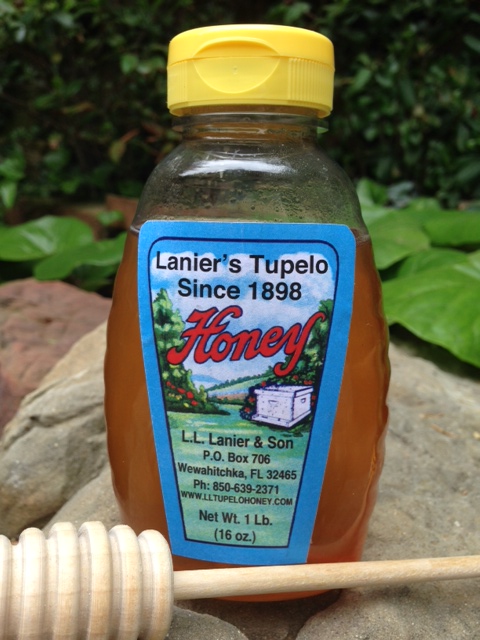
Savannah Bee Company describes Tupelo as the “gold standard” of honeys, like a “slow moving river of sunshine.” L.L. Lanier and Son’s Tupelo Honey Co. has harvested honey from the tupelo-gum tree since 1898 in swamps along the Chipola and Apalachicola rivers of northwest Florida. Bees are placed on elevated platforms along the river’s edge, free to search out the fragrant nectar in April and May. As the white Tupelo bloom begins, beekeepers clean the combs of other honey to be sure to collect the just new crop. Then the new crop of honey is removed after bloom, to keep the honey pure. Tupelo honey is a light golden amber color with a slight greenish cast. Because of its unusually high fructose content, tupelo honey will not granulate. (A granulated honey indicates an impure Tupelo honey.) Be careful when purchasing Tupelo honey, as it can be mixed with Gall berry, which blooms right after the Tupelo tree, or cut with wildflower honey. Fun fact: Tupelo Honey by the band Van Morrison was a song and album released in 1971.

 L.L. Lanier & Son’s, Wewahitchka, Florida  www.lltupelohoney.com

???????????????????????????????

Sourwood, Angelic!

Sourwood honey:

Most honey is made by bees. But sourwood is made by bees and angels.”

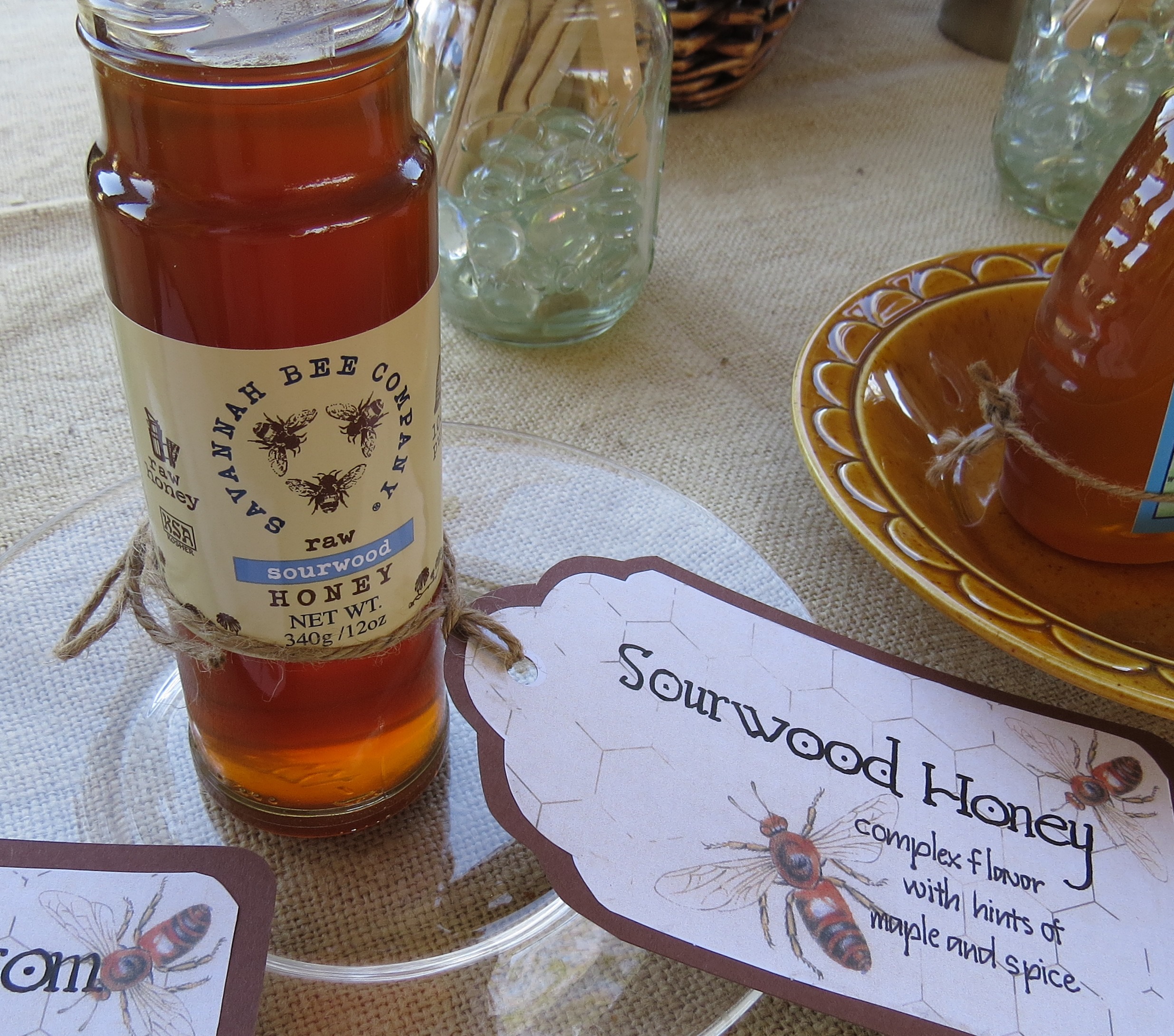
Sourwood honey requires just the right timing: the sourwood trees bloom late in June through August and must have enough sunshine and rain to produce enough flowers to yield a honey crop. If the understory trees don’t receive enough rain, the producer cannot make honey that year. Like fine wines, this honey from southern Appalachia is only available during those perfect “vintage” years. Sourwood honey is so rare that a good crop sometimes only surfaces once every decade. Like Tupelo honey, the beekeepers are careful to restrict the bees’ nectar gathering to the sourwood blossoms. If the honey has even a small percentage of other varietals, it cannot be sold as sourwood. Sourwood honey won the 2005 World Honey Tasting Competition for its flavors of molasses, maple, and mocha. The color ranges from pure white to light amber with a slightly grey or purple tint. Sourwood trees are also called “Lilly of the Valley Trees” because of the similar look of the blossoms.

Savannah Bee Co. Savannah, Georgia savannahbee.com


???????????????????????????????

Orange Blossom, Sweet Citrus

Orange blossom honey:

Candy-sweet explosion of citrus flavor

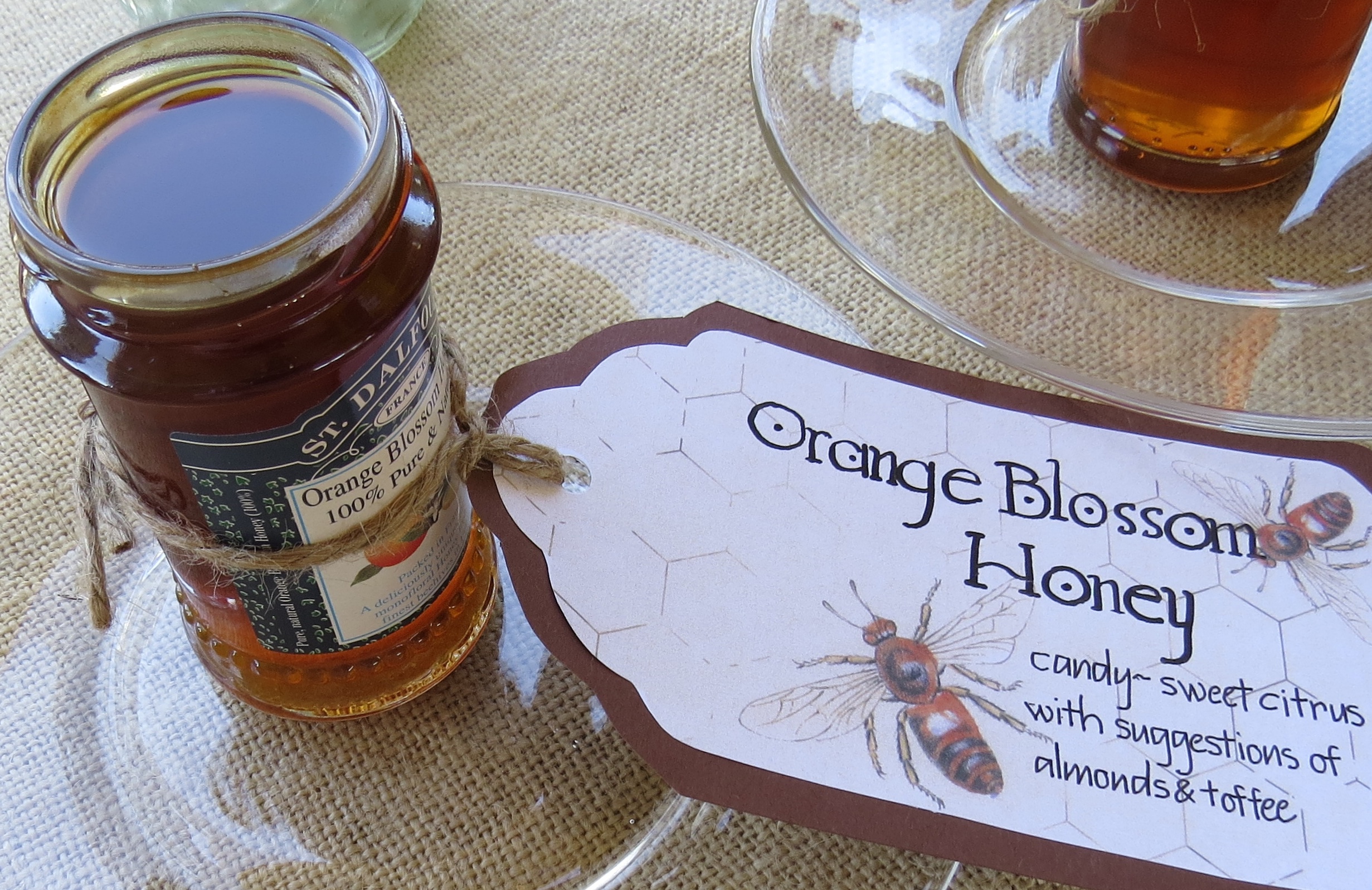
Orange Blossom honey comes from sunny southern Florida and is one of the earliest honeys harvested in the year. The orange blossoms are a classic flower for bridal bouquets because they symbolize purity and have a lovely fragrance. Use this floral and fruity honey for Baklava or to drizzle over French toast. Orange Blossom is also perfect as a dip for figs, strawberries, and melon.

www.savannahbee.com

Wildflower honey:

Inspired by a field of Texas wildflowers

Unlike a varietal honey drawn from a specific nectar plant, Wildflower honey depends on the whimsy of bees let loose in fields of flowers. The bright golden honey is rich and luscious: a taste of Texas in a jar. Enjoy Wildflower honey on a classic peanut butter and honey sandwich or twirled on a steamy latte.

Warne Bee Farm, Anna TX 972-924-3928 www.warneshoneybees.com


???????????????????????????????

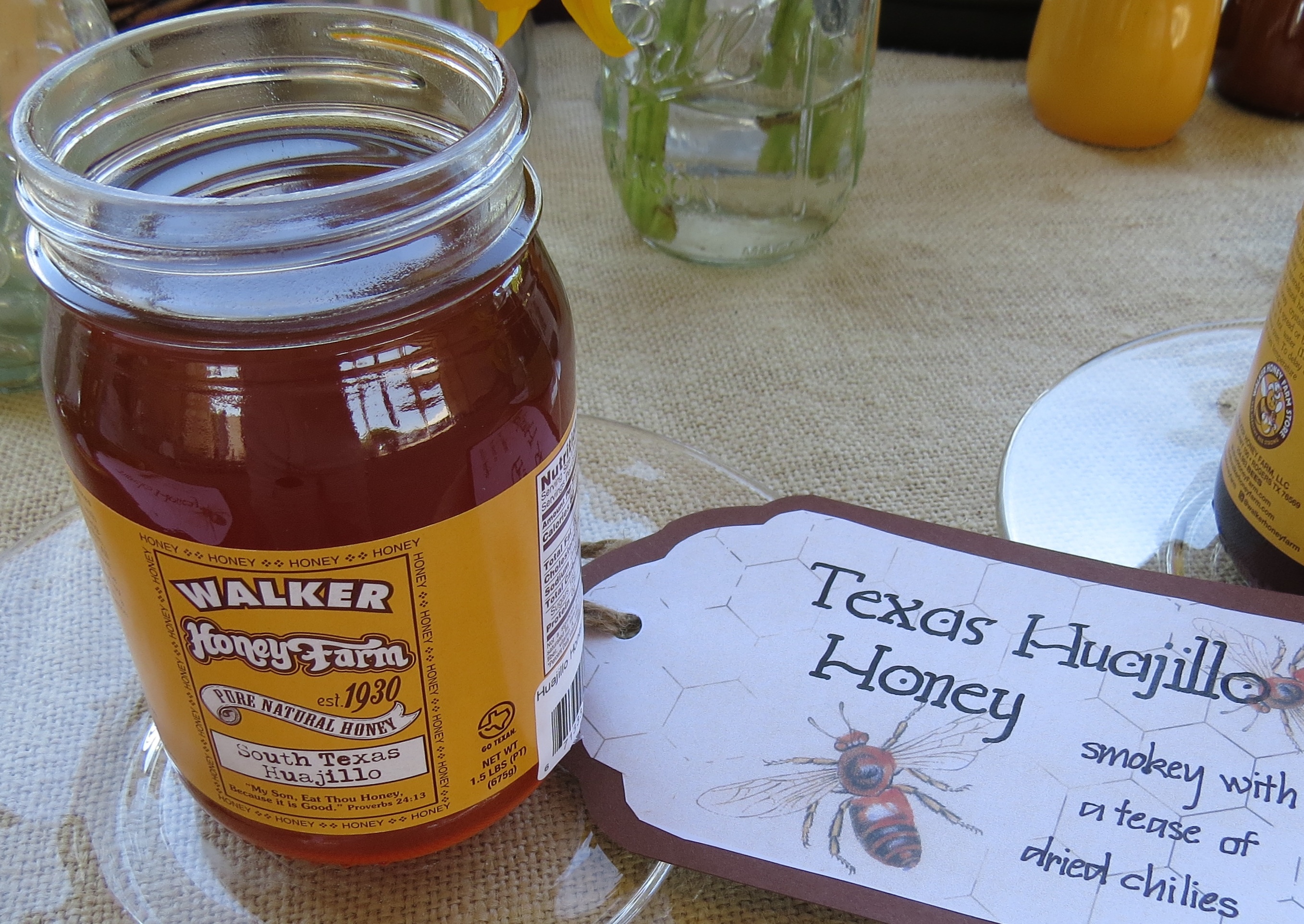
Huajillo, Smoky and Spicy

Texas Huajillo Honey:

Smoky with a tease of dried chilies

Texas Huajillo honey springs from the brush country of Southwestern Texas and Northern Mexico along the Rio Grande River. Bees feast on the fragrant white blooms of native Guajillo Acacia berlandieri in March and early April. (Guajillo is also known as Huajillo, Berlandier Acadia, and various Catclaws.) The large, multi-trunked shrub can be pruned to a small specimen tree for use on patios or around pools. Guajillo has an open airy form, fern-like lacy foliage, and prefers full sun. Walker Honey Farms Huajillo honey is harvested in Frio County, Texas, southwest of San Antonio.

Walker Honey Farm, Rogers, TX http://www.walkerhoneyfarm.com


???????????????????????????????

Buckwheat, Malty and Earthy

Buckwheat honey:

Malty and earthy

Buckwheat honey is unusual for its deep brown color, thick rich texture, and a taste that reminds one of mild molasses. Honeybees are drawn to the irresistible fragrance of the profuse white buckwheat flowers, a plant related to rhubarb and sorrel. Buckwheat honey is the perfect sweetener for Jewish Honey Cake or gingerbread, delicious on sweet potatoes and a distinctive topping for pancakes. Local honey producers rely on beekeeper friends in states like North Dakota and New York to provide honey from this northern crop.

http://www.warneshoneybees.com or Weeks Honey Farm http://www.weekshoneyfarm.com

More reading: National Honey Board http://www.honey.com

Elizabeth

Pictures by Starla and Linda

Bluebonnets in Texas, 2014

Bluebonnet White Starla

Leave it to Starla, to find a white bluebonnet and capture it so eloquently for us digitally.  Hopefully, all of us have gotten out of Dallas and on Texas Highways for viewings of our Texas State Flower. Starla was in Ennis, Texas last weekend.

Bluebonnet in foreground Starla

Some of you may have been tempted to lay down in the grass to get a close up view of the Bluebonnet like she did.

Bluebonnet mirage-Starla

 Starla explained that this picture was a result of mistake, a camera setting Starla accidentally landed on.  I don’t think Starla can take a bad picture.  I love this Bluebonnet mirage.

For more lore about Texas Bluebonnets click here.

More Pictures and information from Dallas Garden Buzz about Bluebonnets here.

Ann

Pictures by Starla


Recipes Using Honey

IMG_9763

HONEY CAKE

The Gourmet Cookbook edited by Ruth Reichel


Honey cake is traditionally served during Rosh Hashanah, the Jewish New Year celebration, when honey symbolizes the sweetness of the year to come.

1 ¾ cups all-purpose flour

¾ tsp baking soda

½ tsp baking powder

¾ tsp salt

1 tsp ground cinnamon

½ tsp ground ginger

1 cup honey, preferably buckwheat

2/3 cup vegetable oil

½ cup strong brewed coffee, at room temperature

2 large eggs

¼ cup packed brown sugar

2 Tbl apple juice or cider

Put a rack in the middle of oven and preheat oven to 350 degrees F. Oil a 9×5-inch loaf pan well and dust with flour, knocking out excess.

Whisk together flour, baking soda, baking powder, salt, cinnamon, and ginger in a medium bowl.  Whisk together honey, oil, and coffee in another bowl until well combined.

Beat together eggs and brown sugar in a large bowl with an electric mixer at high speed for 3 minutes.  Reduce speed to low, add honey mixture and apple juice, and mix until blended, about 1 minute.  Add flour mixture and mix until just combined.  Finish mixing batter with a rubber spatula, scraping bottom of bowl (batter will be thin).

Pour batter into loaf pan and bake for 30 minutes.  Cover loosely with foil and continue to bake until cake begins to pull away from sides of pan and a wooden pick or skewer inserted in center comes out clean, about 30 minutes more.  Cool on a rack for 1 hour.


IMG_9843

Iced Honey Lemon Tea

 Ingredients:

1 quart cold water

¾ cup fresh lemon juice

4 to 6 tablespoons honey

2 cups ice cubes

1 lemon, seeded and sliced thinly (optional)

Fresh sprigs lavender or a handful of lemon verbena or mint leaves, torn into pieces

Directions:

1.  Combine the water, lemon juice, and honey in a large pitcher and stir to dissolve the honey.

2.  Add the ice cubes and stir to combine.  Taste and add more lemon or honey, if needed.

3.  Add the lemon slices and lavender, lemon verbena, or mint.

Yield:  Makes 4 servings.


Honey Beer Bread

Honey Beer Bread


Ingredients:

3 cups all-purpose flour

1 tablespoon baking powder

2 tablespoons sugar

1 teaspoon salt

2 tablespoons honey

1 can beer

¼ cup unsalted butter, melted

Directions:

1.  Preheat oven to 350 degrees F.  Grease a 9” x 5” x 3” loaf pan.  Line the bottom of the pan with parchment paper.  Set aside.

2.  In a medium bowl, whisk together the flour, sugar, baking powder and salt.

3.  Using a wooden spoon, stir the beer and honey into the dry ingredients until just mixed.

4.  Pour half the melted butter into the loaf pan.  Spoon the batter into the pan then pour the remainder of the butter of top.  Use a pastry brush to spread it around.

5.  Bake for 50 to 60 minutes or until top is golden brown and a toothpick/knife inserted in the middle comes out clean.

Yield:  One loaf.


Goat Cheese Hk cropped

Goat Cheese Handkerchiefs with Tart Cherries and Sage

Chef Jerry Traunfeld, author of The Herbal Kitchen, says that each year he counts the days to cherry season, because he can’t wait to put this dish on the menu at The Herbfarm Restaurant in Washington. Tart cherries, also called sour or pie cherries, are a very different fruit from sweet cherries, such as Bings. Raw, they have a pucker-your-mouth sour flavor, but when cooked and sweetened they have the bright intense cherry pie flavor that sweet cherries can never express. You can make this dish with sweet cherries, but the taste will be quite different. You might have to search a little for fresh tart cherries and fresh pasta sheets. We finally found tart cherries in the frozen food section at Central Market after several repeat trips. As for the fresh pasta sheets, they can be found in most groceries in the refrigerated section with other fresh pastas and labeled lasagna sheets. Be encouraged, your searching will reward you. This is a lovely dish that can be offered as the beginning of a multicourse dinner or romantic supper or the main dish for a special luncheon or brunch.


Ingredients:

2 ounces soft mild goat cheese (1/2 cup)

½ cup whole milk ricotta

½ cup hot water

3 ½ tablespoons unsalted butter, softened

¼ cup very small sage leaves, or larger sage leaves cut into ¼-inch strips

12 ounces tart (sour or pie) cherries, pitted

1 ½ tablespoons mild honey

¼ teaspoon kosher salt

Eight 4-inch squares of fresh pasta

Directions:

1. Heat oven to 150 degrees F or its lowest temperature, then turn it off.  Crumble the goat cheese into a small bowl, stir in the ricotta, and put it in the oven to warm.

2.  Put the hot water and ½ tablespoon of the butter in a glass pie plate or shallow baking dish and place it in the oven also (this is for holding the pasta once it’s cooked).  Bring a large pot of salted water to a boil.

3.  Melt 1 tablespoon of the butter with the sage leaves in a medium skillet over medium heat and stir until the sage leaves wilt, then turn a darker green color, about 2 minutes.  Add the cherries, honey and salt, and toss them over the heat until the cherry skins pop and they release a small amount of juice, about 3 minutes.  Add the remaining 2 tablespoon butter to the pan and stir, still over the heat, until it melts and incorporates into the sauce.  Remove the pan from the heat.

4.  Boil the pasta squares until they are tender but firm, usually 2 to 3 minutes.  Lift them out of the water with a skimmer and slip them into the warm water and butter in the pie plate.

5. For assembly:  Lift 4 of the pasta squares from the dish and lay them out on a piece of parchment paper or on a baking sheet (this is easy to do with your hands if you wear disposable latex gloves).  Spread a tablespoon of the warm goat cheese in the center of each square and fold them in half on the diagonal.  Transfer the triangles in pairs to warm dinner plates.  Fill the second batch of pasta squares the same way.  Spoon the cherries and sauce over the handkerchiefs and serve right away.


Yield: 4 servings.

Linda

Smoked Turkey Salad

HSG Honey Mustard Dressing

 For the Hello! Honey luncheon, this dressing was served with a salad of organic mixed field greens, Jennie-O Sun-Dried Tomato Smoked Turkey Breast cubed, Grape halves and Pistachios.

Ingredients:


1 quart Kraft Mayonnaise

½ cup plus 2 tablespoons vegetable oil

½ cup plus 2 tablespoons honey

½ cup plus 2 tablespoons French’s Mustard

3 tablespoons plus 1 teaspoon apple cider vinegar

1 ½ teaspoons onion salt or ¾ teaspoon onion powder

¾ teaspoon cayenne pepper

Directions:

1. In a large bowl mix all ingredients together until smooth and creamy.  Refrigerate for a few hours before serving.


Honey Roasted Carrots


Honey-Roasted Carrots

 Ingredients:

2 lb. baby carrots with tops

2 teaspoons olive oil

3 Tablespoons butter, divided

½ teaspoon kosher salt

¼ teaspoon freshly ground black pepper

1 shallot, finely chopped

2 Tablespoons bourbon

2 Tablespoons honey

1 Tablespoon chicken broth or water

½ teaspoon chopped fresh thyme

Directions:

1.  Place a small roasting pan in oven.  Preheat oven and pan to 500 degrees.

2.  Cut tops from carrots, leaving 1 inch of greenery on each carrot.

3.  Stir together olive oil and 1 tablespoon butter in preheated pan.  Add carrots, salt, and pepper; toss to coat.  Bake 10 minutes.

4.  Meanwhile, melt remaining 2 tablespoons butter in a small saucepan over medium-high heat.  Add shallot; sauté 1 minute.  Remove from heat, and stir in bourbon and next 2 ingredients.  Return to heat, and bring to a boil, stirring occasionally.  Reduce heat to medium, and cook 5 minutes or until mixture is syrupy.

5.  Drizzle syrup over carrots; toss to coat.  Bake 5 to 7 more minutes or until carrots are crisp-tender.  Transfer to a serving dish, and sprinkle with thyme.


Yield:  4 to 6 servings.


Note:  Substitute apple juice for bourbon, if you prefer.  Look for bunches of carrots that are all about the same size so they’ll cook evenly.  If some are too big-or if you can’t find real (sometimes labeled French) baby carrots-just peel the bigger ones and halve them lengthwise before roasting.


???????????????????????????????


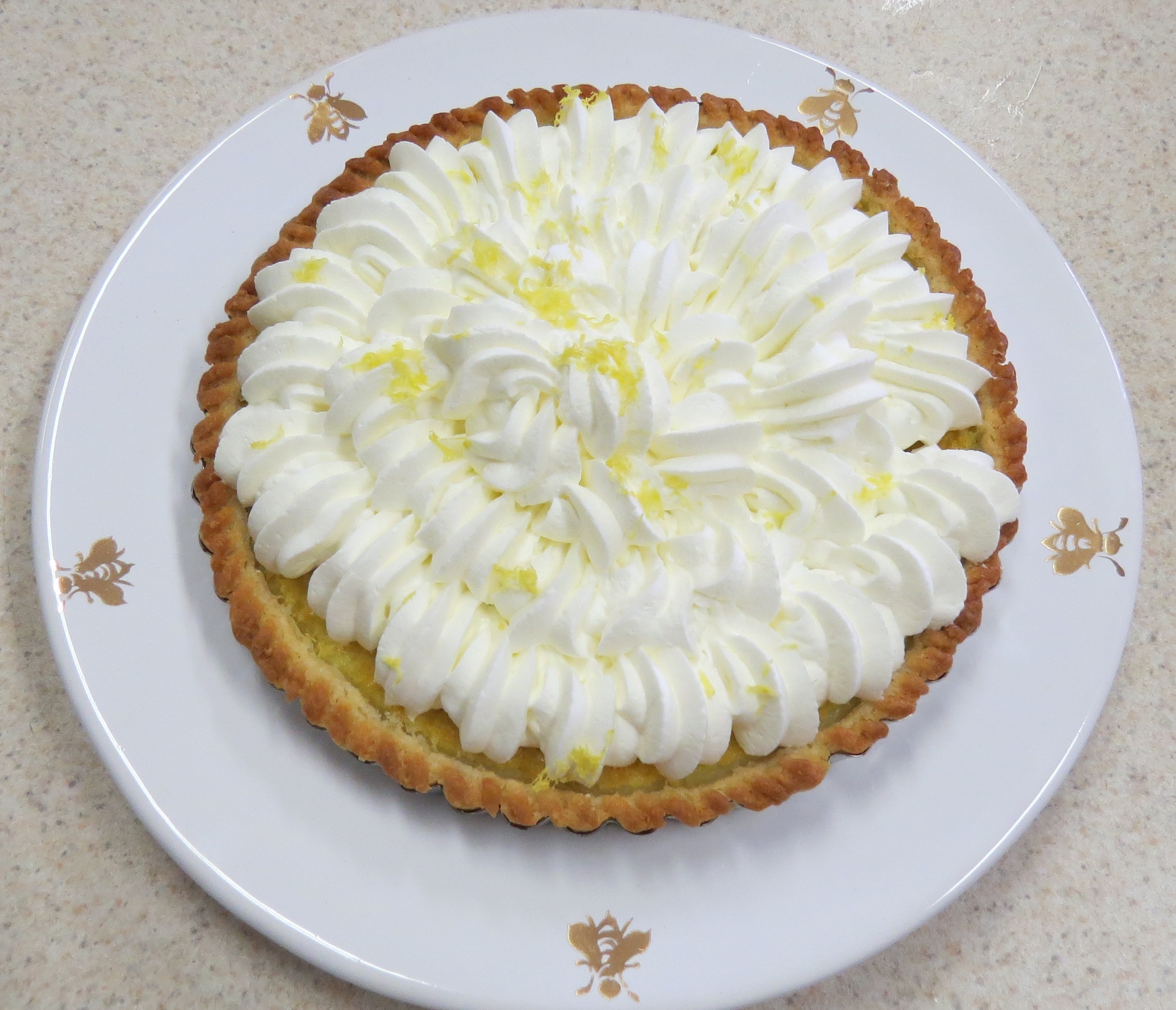
TART CITRON RECETTE

LEMON TART RECIPE


Pâte Sucrée

Tart Pastry


150 g butter

300 g flour

150 g powdered sugar

60 g eggs (one egg)

60 g ground almonds


In a bowl, combine butter, flour, powdered sugar and almonds.  Sablage the mixture, cutting the butter into the flour using your fingers until it is a sandy consistency.  Add the egg and stir with one finger.  Turn out on the counter.  Fraisage two to three times, until dough just comes together by using the palm of your hand to smear the dough across the counter.  Flatten it out on a parchment-lined sheet. Chill.  Form the dough into the tart shell.


Appareil au citron (cru)

Lemon Filling (uncooked)

Juice from 2 lemons

Zest of 1 lemon

135 g granulated sugar

35 g butter

3 eggs


In a saucepan, melt pieces of butter.  In a bowl, whisk the remaining ingredients.  Pour the egg mixture through a fine sieve to remove chalise.  Add the butter and whisk rapidly.  Fill the tart shells to about ¾ full.  Bake at 180°C(360-365°F) for about 30 minutes, or until the top looks like a Crème Brûlée after it’s been torched.

Decorate cooled tart with an abundance of whipped cream in a decorative pattern, sprinkle with lemon zest.  Chill several hours or overnight before serving.


Recipe courtesy of Molly Wilkinson, Certified Pastry Chef, Le Cordon Bleu, Paris

214 808-9231 or mollyjane123@gmail.com

Custom treats from Cupcakes to Tart Citron!


IMG_9924


Honey-Pecan Tart


Ingredients:


1 cup sugar

¼ cup water

1 cup whipping cream

¼ cup unsalted butter, cut into small pieces

¼ cup honey

½ teaspoon salt

2 ½ cups pecan halves, coarsely chopped

1 (15-ounce) package refrigerated piecrusts

2 teaspoons sugar, divided

½ (4-ounce) package bittersweet chocolate, chopped


Directions:


1.  Bring 1 cup sugar and ¼ cup water to a boil in a medium-size heavy saucepan, stirring until sugar dissolves.  Cover and boil over medium-high heat, without stirring, 8 minutes or until golden, swirling pan occasionally.

2.  Remove from heat, and gradually stir in whipping cream (mixture will bubble with addition of cream).

3.  Add butter, honey, and salt, stirring until smooth.  Stir in pecans; simmer over medium heat, stirring occasionally, 5 minutes.  Remove from heat; cool completely.

4.  Unfold 1 piecrust on a lightly floured surface; roll into an 11-inch circle.  Fit into a

9-inch removable bottom tart pan.  Trim edges.  Freeze crust 30 minutes.

5.  Spread pecan mixture into crust.  Unfold remaining piecrust, and roll into a 10-inch circle.  Place crust over mixture, pressing into bottom crust to seal; trim edges.  Sprinkle with 1 teaspoon sugar.  Freeze 30 minutes.

6.  Bake at 400 degrees F for 30 minutes.  Cool on a wire rack.

7.  Place chocolate in a small heavy-duty zip-top plastic bag; seal.  Submerge in hot water until chocolate melts.  Snip a tiny hole in 1 corner of bag; drizzle chocolate over tart.  Sprinkle with remaining 1 teaspoon sugar.


Yield:  1 (9-inch) tart.


???????????????????????????????

Honey Ice Cream


Ingredients:

2 quarts half-and-half

1 ½ cups honey

2 tablespoons vanilla extract

Directions:

1.  Stir together all ingredients, and pour into freezer container of a 1-gallon electric freezer.

2.  Freeze according to manufacturer’s instructions.  Pack with additional ice and rock salt, and let stand 1 hour before serving.

Yield:  3 quarts.

Linda

Pictures by Starla

HELLO, HONEY! LUNCHEON AND LECTURE

Why spend April 15 with a calculator, a pile of receipts, and a deadline? The Demonstration Garden was buzzing on tax day with more than 30 guests enjoying a packed morning learning all about bees and honey.

IMG_9962


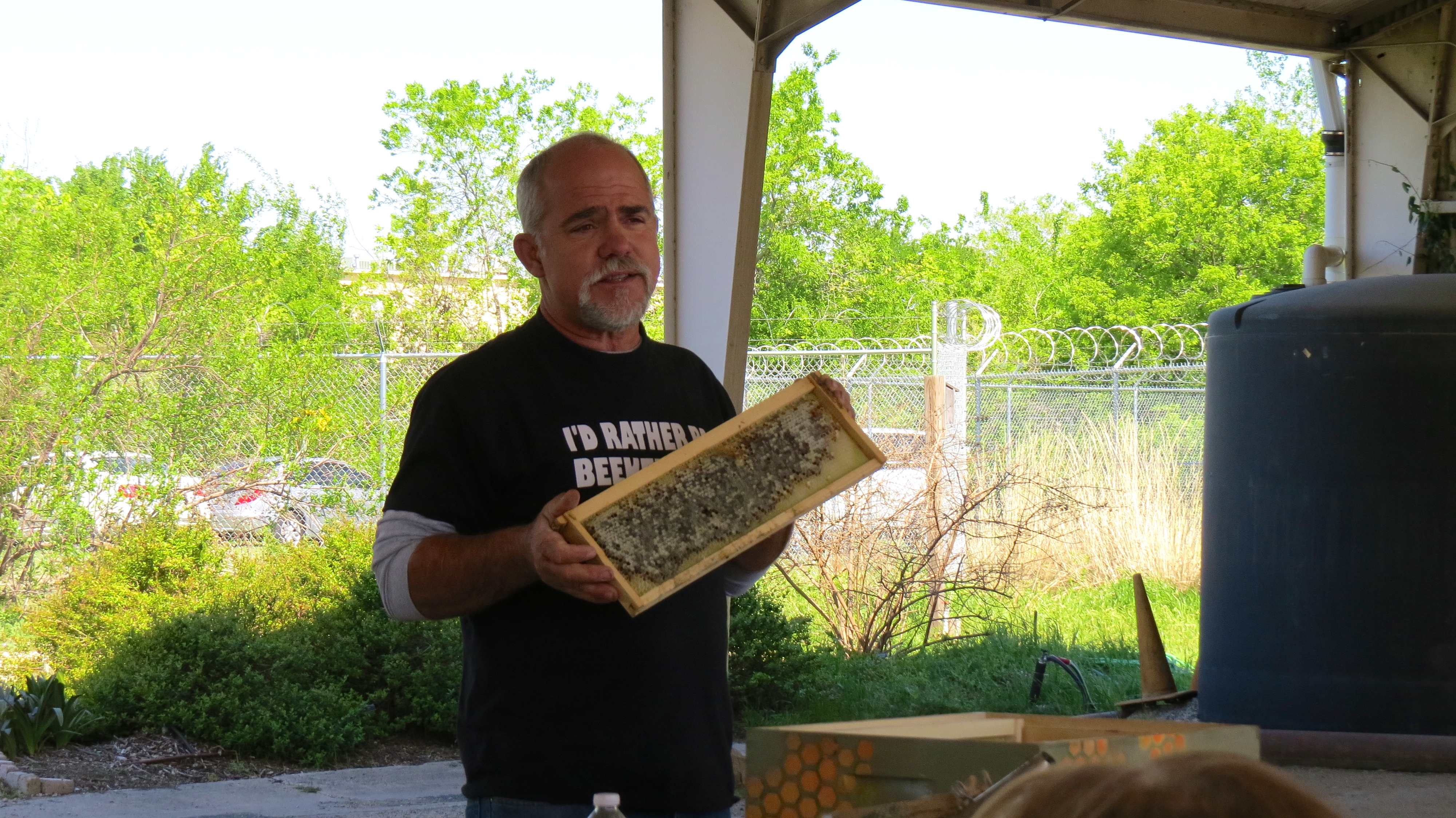
Jewish Honey Cake, a traditional favorite for the Jewish New Year, and coffee helped take the chill off the brisk morning. In his talk, beekeeper David McCarty encouraged guests to purchase local honey. David noted that honey tastes of the nectar from particular flowers visited by bees, and honey from the same hive can have dramatically different flavors. Commercially produced grocery store honey is often so processed that all pollen is destroyed, he said, and may even contain fillers like corn syrup and fructose. (In the worst cases, generic honey may be little more than corn syrup.)

Honey cake was delicious with hot coffee.

David harvests honey, of course, but his passion is the small insects that make it. He works to rescue bees from exterminators and to keep hives healthy. David shares information with other North Texan bee enthusiasts on the Facebook open group, CrossTimbers Beekeepers. (https://www.facebook.com/groups/CTBees/).

Honey Lunch Lecture with bee frame

Joe Field gardener (and beekeeper) Tim helped guests try different honeys with popsicle sticks. It’s hard to pick a favorite when testing Tupelo honey from Florida swamps, Sourwood from southern Appalachia, Orange Blossom from southern Florida, Wildflower from Texas fields, Huajillo from the brush country in Southwestern Texas, and Buckwheat from New York and North Dakota.

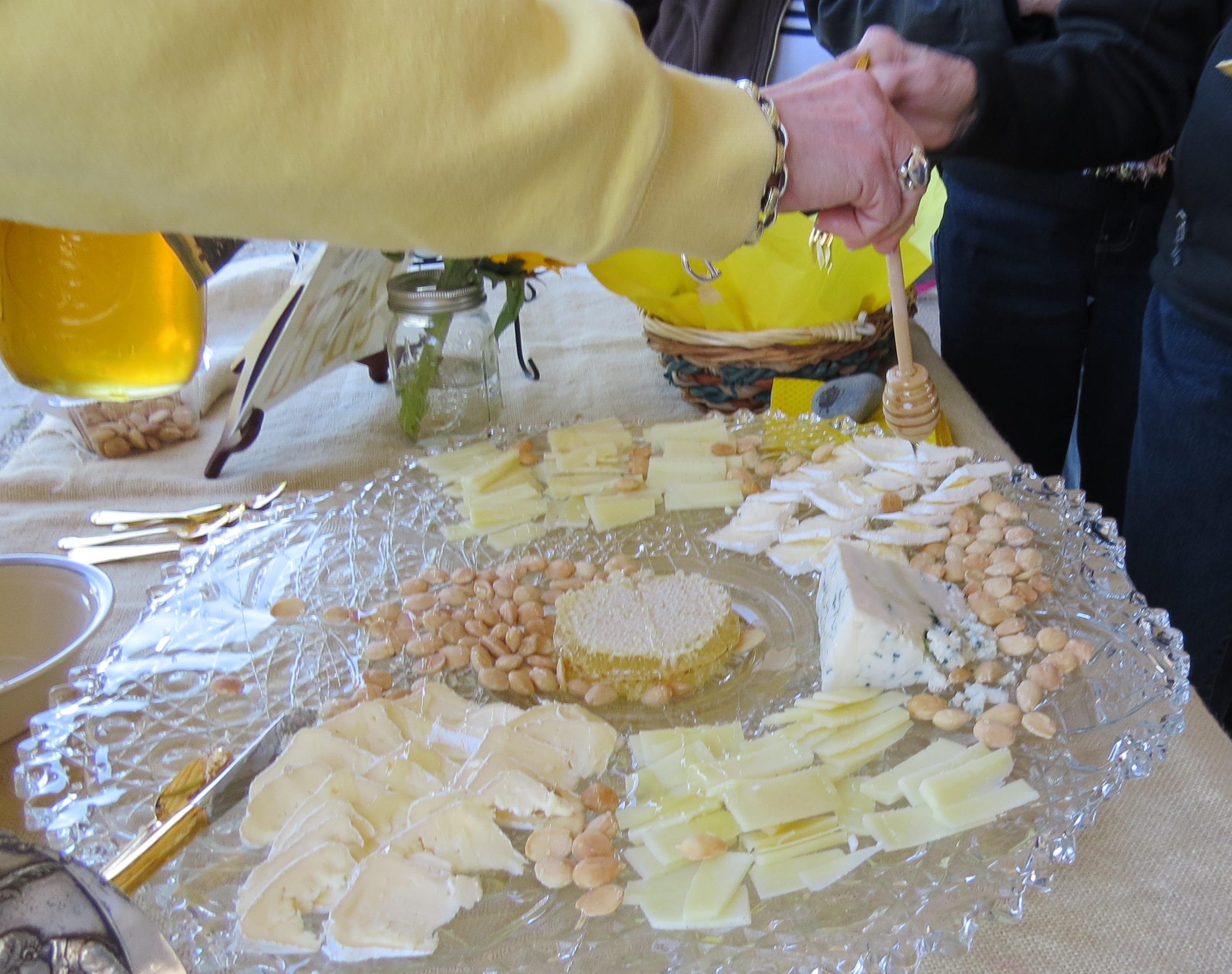
Linda dazzled guests with an appetizer tray of Brie, Manchego, and Point Reyes Blue Cheese from Scardello, an artisan cheese store at 3511 Oak Lawn, scardellocheese.com. She sprinkled the cheese slices and honeycomb with Spanish Marcona Almonds, then drizzled the tray with honey from Master Gardener Jan Ramsey’s Tranquility Hill Ranch.

Cheese Tray Drizzled With Honey

Cheese Tray Drizzled With Honey


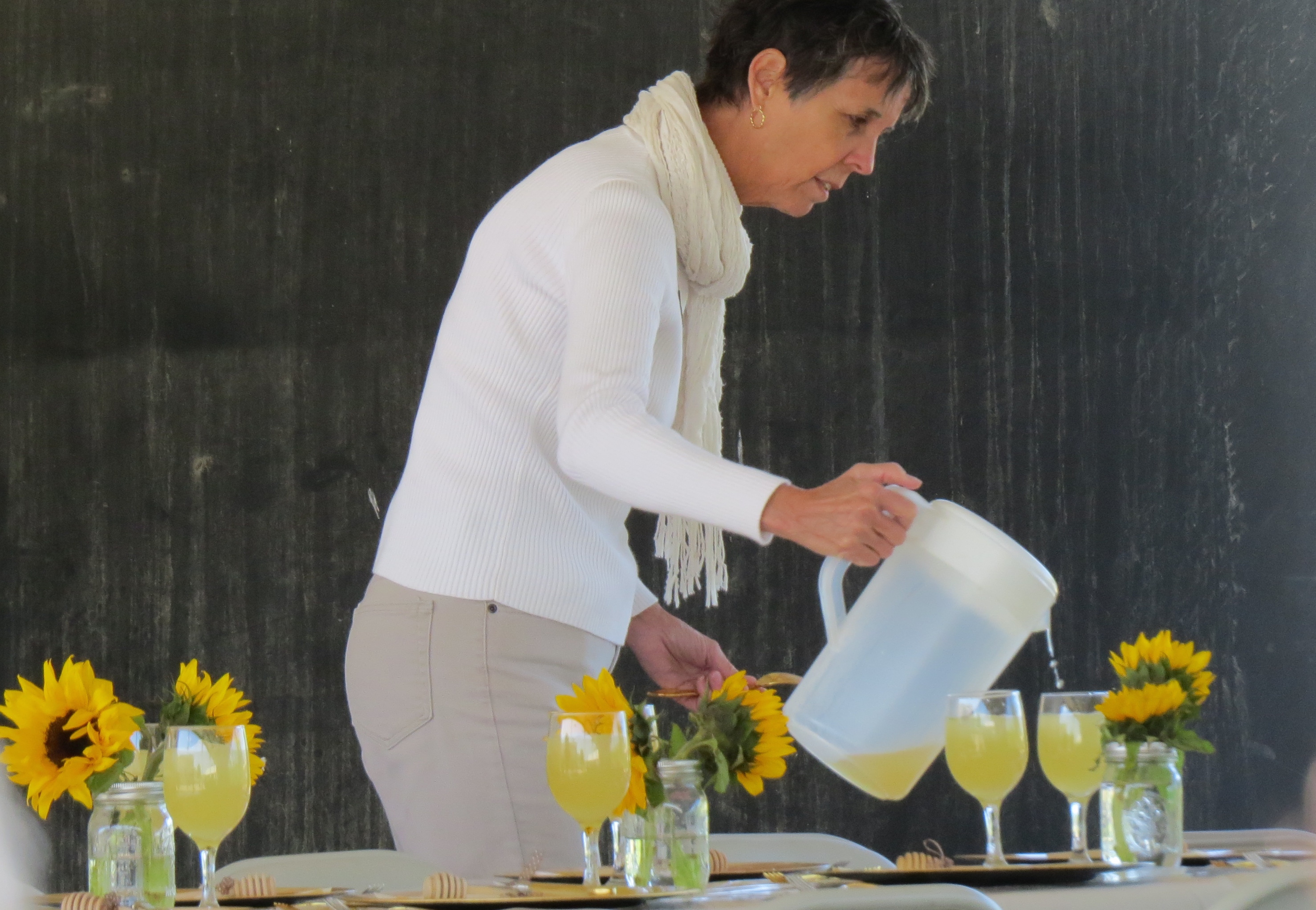
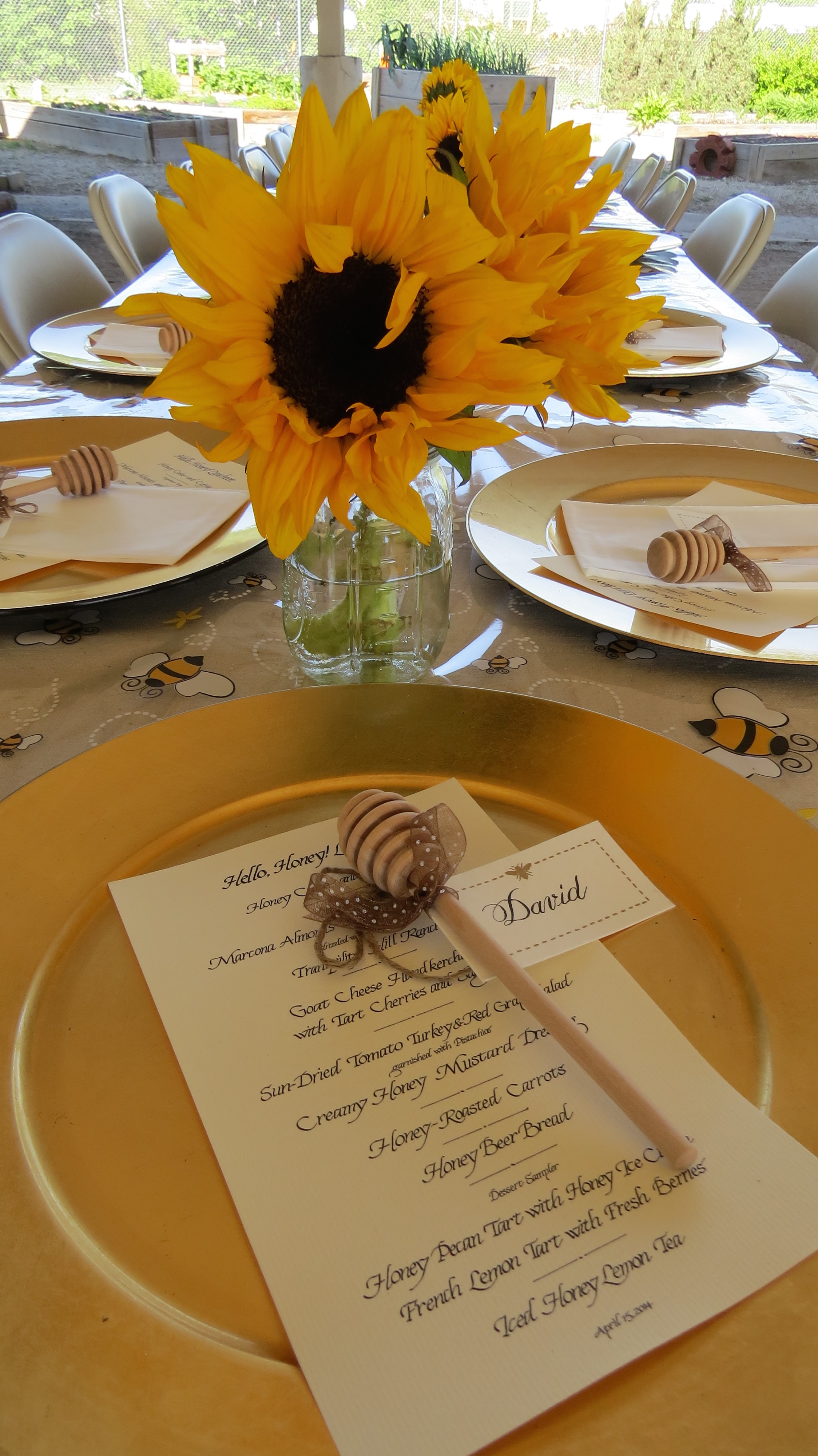
The table featured plates with tiny bees around the rim, bee-friendly bouquets of sunflowers, gold chargers, hand-lettered menus, and neutral tablecloths with a bee-themed runner. A place card with Elizabeth’s calligraphy tied to a honey dipper marked each guest’s place.

IMG_9739

Oh, did we mention lunch?

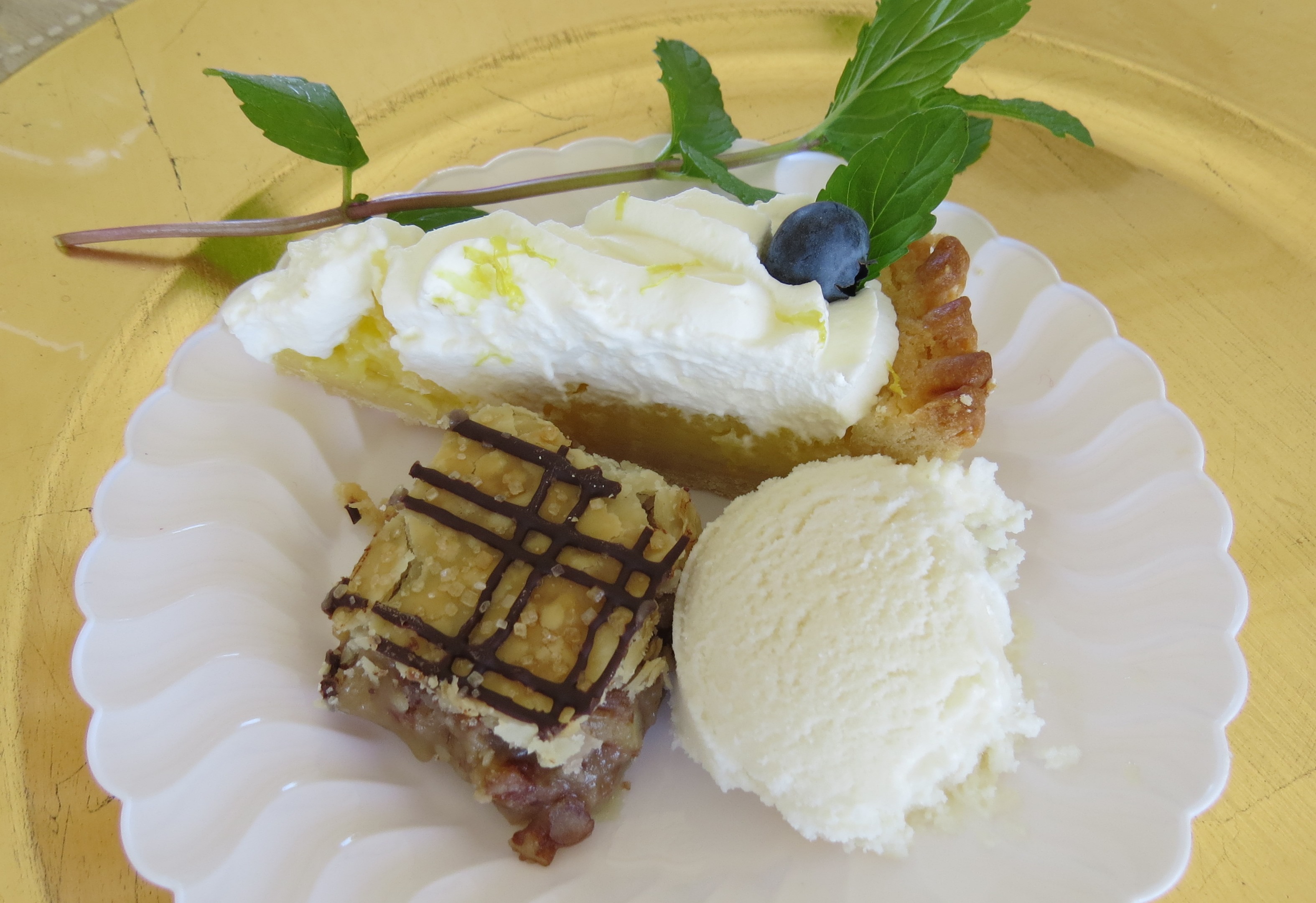
The menu, of course, featured items with a honey twist: turkey and grape salad with honey-Dijon dressing, pasta handkerchiefs with tart cherry, sage (and honey) sauce, honey beer bread, honey-roasted carrots, and honey lemon tea. A dessert sampler tempted guests with a square of honey pecan tart, honey vanilla ice cream, and a French lemon tart topped with an abundance of whipped cream, a mint leaf, and fresh blueberry.

Information from the national Honey Board, a list of bee-friendly flowers, and in-depth information and sources for each honey were given to each guest.

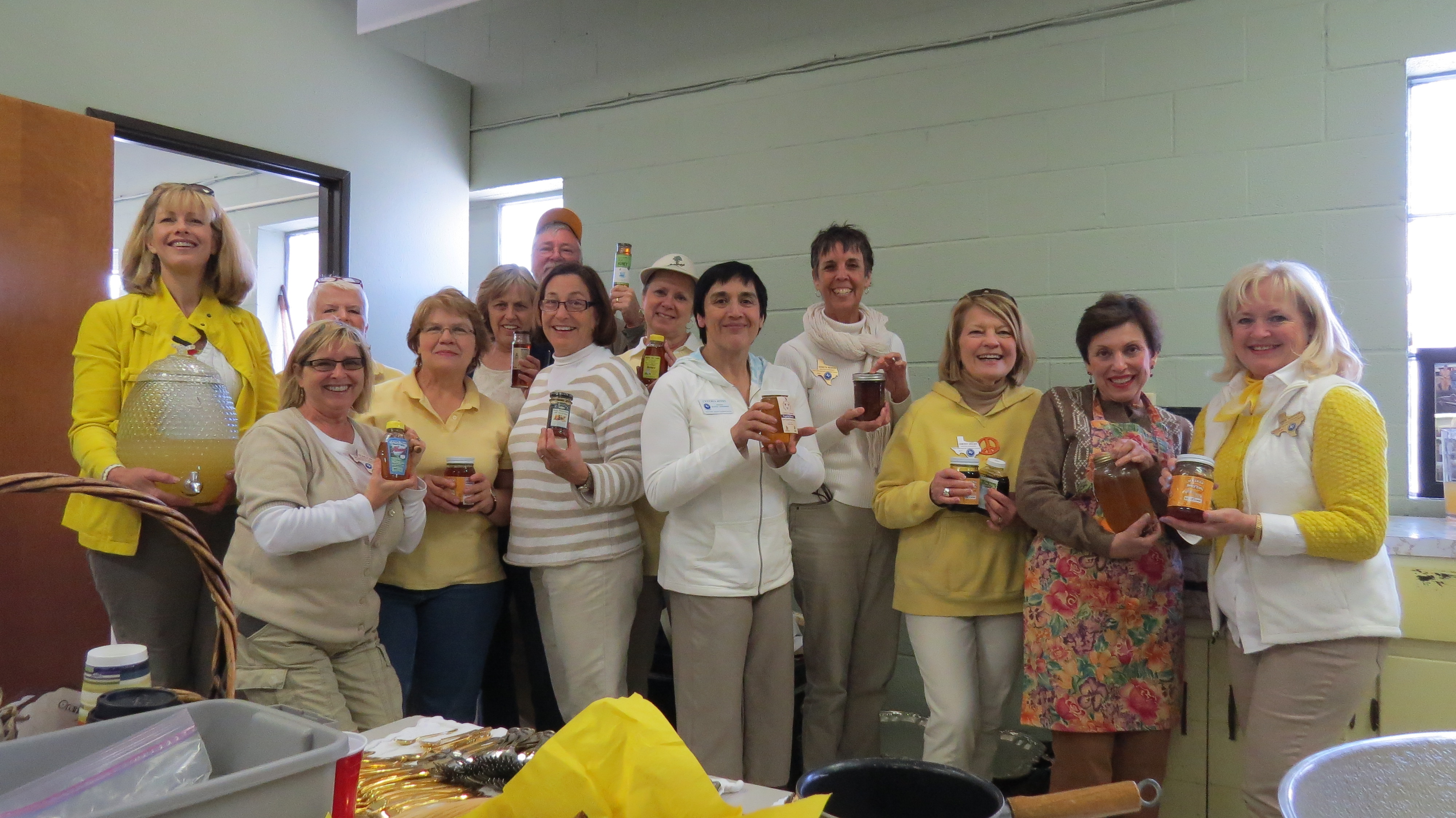
As we planned the event, we were amazed at the intricate and amazing world of bees and honey. We learned the difference between varietal (one source of nectar) and local honey (Texas Wildflower). One thing led to another, and soon we were ordering honey from across the South, visiting our local beekeeper at the farmers market, and purchasing honey on college visitation trips.

Lisa purchased the Huajillo and Buckwheat honey from Walker Honey Farm, which has a retail store about 10 miles from I-35 in Rogers, Texas, near Belton and Temple. She also found a good selection of local honey at Ruibal’s Rosemeade Market in Carrollton, the HEB grocery stores in Georgetown and Temple, and the farmers market behind the famous Monument Cafe in Georgetown (a must stop if only for the homemade lemonade). Elizabeth made multiple trips to the farmers market on Campbell Road (near UTD) to purchase local honey and dippers from Warne Bee Farm in Anna, Texas.

Linda explored cookbooks, magazines, and internet sources including L.L. Lanier, lltupelohoney.com, which has harvested Tupelo honey since 1898 in swamps along the Chipola and Apalachicola Rivers in Florida. She also found the Savannah Bee Co. of Savannah, Georgia, which sells the rare and wonderful Sourwood honey.

Next time you’re at Bruce Miller Nursery on Belt Line Road in Richardson, check out Fain’s Honey from Llano, Texas. Lisa says Fain’s is a family favorite and something she and her family always pick up at Cooper’s Bar-B-Que in Llano after a big platter of brisket and ribs. Turns out there’s a honey of a family connection: Lisa’s dad, after all, was Fain Gibbons.

Elizabeth

Pictures by Starla
Recipes and more buzz about honey coming up in the next few days! Keep posted!


In Loving Memory of Betty Haughton, June 20, 1930 – April 12, 2014

Betty with daughters Elizabeth Peck and Ann Lamb

Betty with daughters Elizabeth Peck and Ann Lamb

Our own dear Ann Lamb’s mother, Betty, was a beloved Master Gardener and friend to many of our volunteers. She was a frequent visitor to the Demonstration Garden on Joe Field Road and would light up the garden with her smile, her laugh, and the twinkle that only Betty had in such abundance. Such an irreplaceable, gracious, loving woman; we will miss her dearly.

Betty’s family and friends will celebrate her life at a memorial service at Grace Bible Church on Tuesday, April 15, at 10 am with graveside services at 2 pm at Sparkman/Hillcrest.

“Betty’s loving smile radiated the love of Christ Jesus as she was a blessing to all. She sewed seeds in hearts and also in her garden. Flowers and vegetables flourished wherever she lived, and she became a Dallas County Master Gardener at 78 in the class of 2008. Those who knew and loved Betty were familiar with her heartwarming ways, her love for her family, Sunday lunches, Haughton tea, Fourth of July floats and picnics, knitted baby hats and blankets, our country, and our military. Her quiet strength, humble spirit, and daily walk with her Savior are the legacies she leaves with all of us.”

Our thoughts and prayers are with Ann, her three sisters and their families.

Bee Expert, Local Honey Tastings & Lunch

Bee on Blanket Flower

 TAKE THE “STING” OUT OF TAXES

Bee Expert, Local Honey Tastings & Lunch

It’s a Honey of a Deal!

Tuesday April 15 Ÿ10:30 a.m.-12:00 noon

$20 per person Ÿ Limited Reservations

EARTH-KIND®/WaterWise Demonstration Garden Ÿ 2311 Joe Field Rd.

Bee Expert David McCarty will tell you:

Ÿ Why are honeybees brilliant?

Ÿ Which bees produce the most honey?

Ÿ Why is the honeybee referred to as a well-designed engine?

Ÿ Why is the “waggle” dance a kind of honeybee GPS?

 Hello, Honey! Menu 

Appetizer Tray featuring Marcona Almonds & Artisanal Cheeses

Drizzled with Tranquility Hill Honey RanchŸ

Goat Cheese Handkerchiefs with Tart Cherries & SageŸ

Smoked Turkey, Red Grape & Pistachio Salad

With Creamy Honey-Dijon DressingŸ

Honey-Pecan Tart with Honey Ice CreamŸ

Iced Honey Lemon Tea

Your check is your reservation and must be received by April 5th.  No refunds.

Make checks payable to: DCMGA.

Email: dallasgardenbuzz@gmail for the address of where to send your checks.

Harbinger of Spring


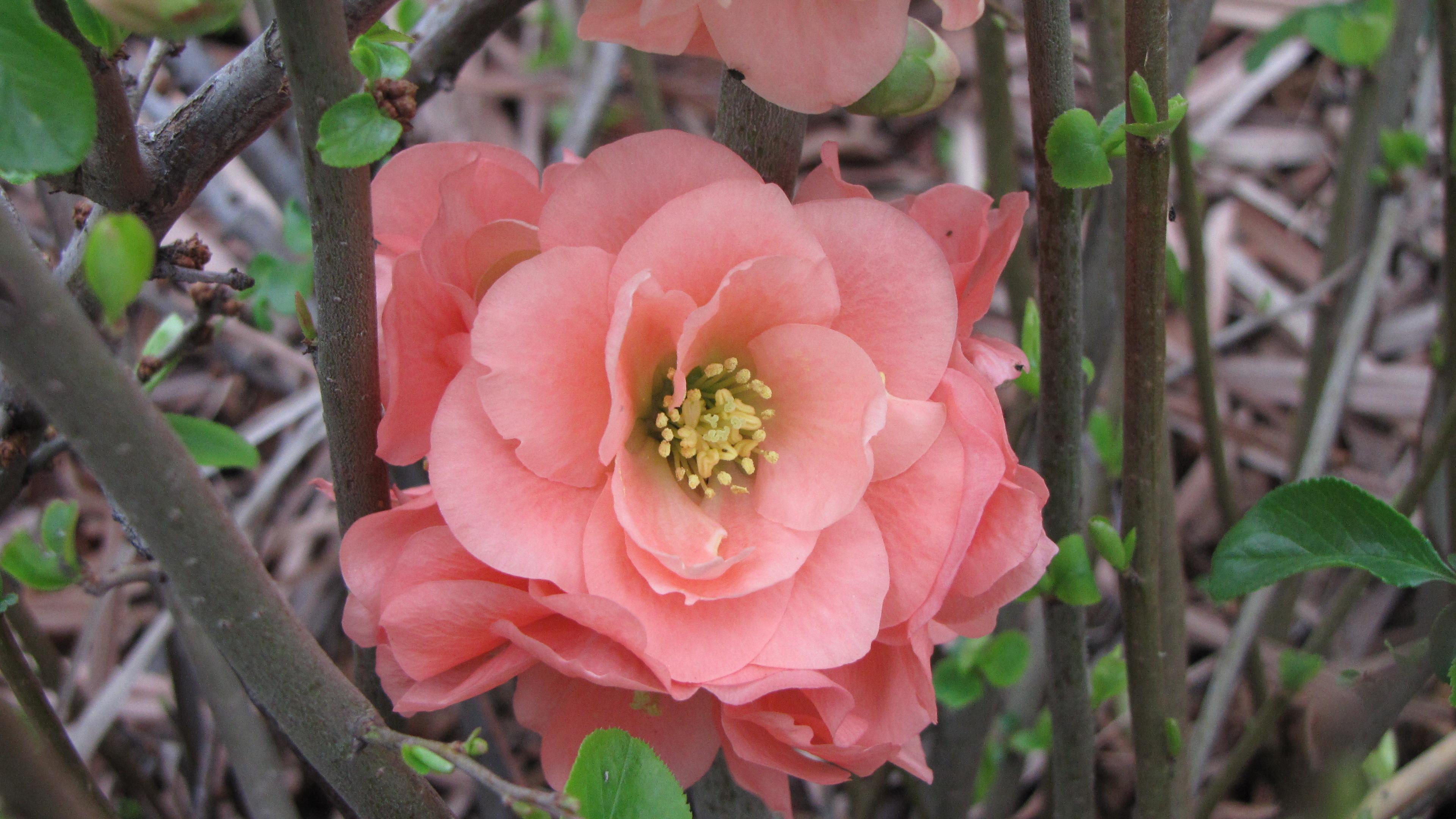
Quince BranchAlmost no other plant screams as loudly “Spring is just around the corner!! “ as the cheerful sight of a Flowering Quince in full bloom in the dreary winter landscape.

Native to eastern Asia, Japan and China, Flowering Quince is highly adaptable to growing well the United States, including Texas.  Because of its Asian origins, an old-time name for the plant was Japonica and the pink and white blossoms of Flowering Quince and its fruit are often depicted in Japanese paintings.

quince

Flowering Quince, genus Chaenomeles, can range in size from 2-10 feet tall and wide depending on the variety.  They tend to be a rounded shrub and nearly all have thorns, though some of the newest varieties are thornless.  Except for their brief moment of glory when they bloom in shades of red, white, pink or salmon in late winter, they are a nondescript, glossy green shrub which some consider too ungainly and rambling to be given a prominent place in the landscape.  They are very hardy, will live for years, and require only moderate maintenance.  In highly alkaline soils they may become chlorotic but even in Dallas County this does not present much of a problem.  Though some of the newer varieties are said to grow in partial shade, the more sun they are given, the more flowers they will produce. 

     Here at the Demonstration Garden we grow a variety called Texas Scarlet Flowering Quince, Chaenomeles japonica ‘Texas Scarlet.’  It grows from 3-6 feet tall and wide and has very fiery tomato-red, apple-blossom-like flowers that precede the deciduous leaves.  After blooming it produces a greenish-yellow fruit which can be harvested in the fall.  It is considered best when used in a shrub border or as a background plant.

    The fruit of Flowering Quince, including Texas Scarlet, can be used to make jellies and jams.  The fruit is very hard and must be cooked before eating; and the seeds, which contain amygdalin, must be removed before cooking.  Because the fruit contains more Vitamin C than lemons, in Estonia, it is called a Nordic Lemons.  There are several recipes for Flowering Quince jelly on the internet.  However, because of the small size of most of the fruit from ornamental varieties, most cooks consider it too labor intensive to make jelly from varieties such as Texas Scarlet.

   quince-flowering  Though nurseries are carrying Flowering Quince now that are in full bloom, just remember that glory of these shrubs may only last for ten days to two weeks.  However, if you plant and establish Flowering Quince now, just wait until next year.   You will be greeted with a flamboyant harbinger of spring. 

Carolyn