Category Archives: Herbs To Grow In Dallas

My Favorite Herb…And a Good Companion

September 18, 2025

Here’s a hint – with its strong lemony scent and flavor, you’ll find many uses for it in the kitchen. You may have already guessed just by looking at the photo but, yes, the answer is Lemon Verbena (Aloysia triphylla). For over 30 years it has been my very favorite herb. I’ve used it countless times for breads, cakes, cookies, puddings, in savory dishes and beverages. From early spring when it emerges from the ground and sends up those first “shoots”, a fresh sprig goes into my daily glass of green tea. The ritual continues until at least November or whenever our first freeze of the season arrives.

Lemon Verbena Tea Garnished With Freshly Cut Lemon Verbena

Why should lemon verbena be growing in your garden? To start, lemon verbena is considered by some to be the queen of aromatic herbs, myself included. One whiff of its sweet lemony aroma explains why Southern ladies suffering from the “vapors” mopped their brows with a decoction made from its leaves. For this reason, it is sometimes called the Scarlett O’Hara herbs. Growing in our Zone 8 climate, you can expect lemon verbena to easily reach 4 to 5 feet in height when planted in full sun and in good garden soil. Consider placing it toward the back of your garden bed where it will become a nice informal shrub. Also, keep in mind that it tends to ramble off in different directions but can easily be trimmed to the shape you desire. Lemon verbena is a woody perennial that will start losing its slender, elongated leaves in late fall. If heavily mulched, it will survive a moderate winter. However, in the northern part of Texas, it may succumb to temperatures lower than 25° F. Over the years, I’ve lost at least five or more lemon verbena plants during a hard freeze. But once spring arrives, most local garden centers have it in stock. And, thankfully, it is a relatively quick growing plant.

Lemon Verbena Growing Gracefully in My Garden

Recently, I discovered a recipe in one of my 1995 herbal cookbooks that gave me a new appreciation for using lemon verbena with another well-loved herb, Anise Hyssop (Agastache foeniculum). In the summer section of ‘Today’s Herbal Kitchen’ published by the Memphis, Tennessee Herb Society, the recipe that caught my eye was Anise Hyssop Lemon Cake with Lemon Sauce.

Anise Hyssop is a pollinator-friendly plant whose blossoms are filled with honeybees

Reading through the short list of ingredients, I learned that anise hyssop was called for in the cake along with lemon verbena leaves in the sauce. Hooray! With both herbs growing in my summer garden, it was time to start baking.

Freshly snipped anise hyssop flowers ready to be chopped and mixed into the cake batter

Once out of the oven, and allowed to cool, it was time to slowly pour the luscious, warm lemon sauce over the top. I tried to imagine how the minty, licorice flavors of the cake would blend with the citrusy, floral taste of the sauce. Should I wait for my husband to come home from work before tasting? After carefully slicing the cake for the “photo shoot”, I yielded to temptation and willfully gave in to that first bite. It was a divine experience. My taste buds were rejoicing at the thought of this wonderfully harmonious combination. A new discovery is usually very satisfying and, in the case of anise hyssop and lemon verbena, I’ve determined that for as long as herbs are growing in my garden, these two “companions” will be there.

Anise Hyssop Lemon Cake with Lemon Verbena Sauce

Linda Alexander, Dallas County Master Gardener Class of 2008
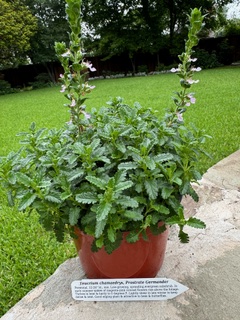
Germander, Teucrium chamaedrys

August 1, 2024

Germander Upright

If you’re contemplating a substitute for boxwood, consider these words from Cyrus Hyde, the late garden herb folklorist and founder of Well-Sweep Herb Farm in New Jersey. He referred to germander as “poor man’s box”. Why then, has it not received more recognition in the world of herbs? 

Even our first president, George Washington was such an admirer of germander that it was planted at his Mount Vernon, Virginia estate. But sadly, it seems to have faded from view until recently when garden centers began featuring lesser known herbs alongside the more desirable customer favorites. Thankfully, it was a wise decision with germander finding its place as a decorative evergreen border plant and as a substitute for boxwood in the beloved knot-garden design.

Germander is a Mediterranean native in the mint family (Lamiaceae) with small, dark green scalloped leaves and a mild garlic-spice aroma. It is a hardy perennial and evergreen, keeping its tidy appearance throughout the year. In early summer whorls of purple-pink flowers appear. Bees are attracted to the tiny flowers. 

Grow it: 

  • *Space plants 2 feet apart and at least 3 feet away from companion plants. 
  • *Germander prefers full to partial sun and well-drained soils. 
  • *Follow a regular watering schedule to establish, then cut back to maintain health.
  • *Fertilize lightly with an all-purpose organic fertilizer once or twice a year. 
  • *Pruning right after bloom will help to renew the plants faster. 

Germander with single stem gerbera daisies gently nestled in the glossy green foliage

Linda Alexander, Dallas County Master Gardener Class of 2008
Cilantro/Coriander

May 30, 2024

Coriandrum sativum

It’s as common in the garden and grocery isles as parsley but there seems to be a level of misunderstanding that needs addressing. First Coriander and Cilantro are the same plant. The confusion is found in the seeds.  It is also sometimes referred to as Chinese parsley because of its long history of use in that cookery.  To clarify, the name “coriander” comes from the Greek koris, meaning bug, in reference to the odor of the leaves. And who hasn’t heard the taste of cilantro described as having a “soapy” character? 

Historically, coriander has been used for culinary and medicinal purposes for over 3,000 years. It is mentioned in Sanskrit texts, on Egyptian papyri and in Tales of the Arabian Nights.

In the Bible it is compared with manna. (Exodus 16:31 – “And the people of Israel called the bread manna. It was white like coriander seed and tasted like wafers made with honey.” NASB)

Coriander was brought by the Romans to Europe, where it now grows wild. In Mexico and throughout the Southwest you’ll find cilantro leaves used as a necessary flavoring ingredient in salsas, salads, soups, chicken and meat dishes.

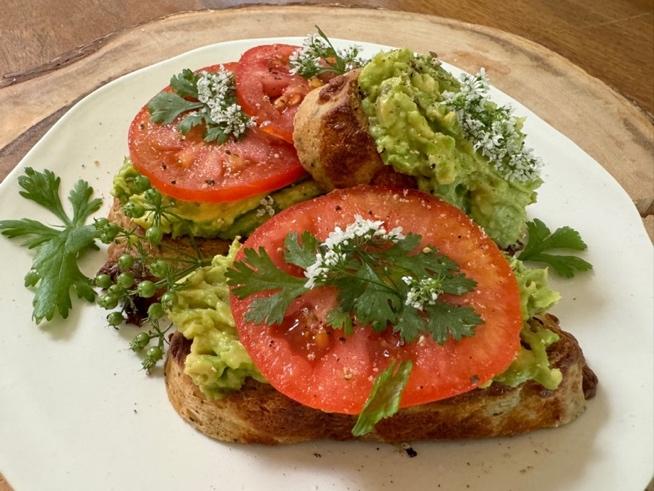
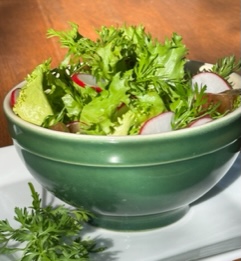
Today, coriander is grown primarily for the leaves, but chefs are discovering new ways of using the entire plant. Interestingly, for me, while working in the garden last week, a cilantro plant filled with lacey, petite white flowers caught my eye.  After taking a few colorful photos, I couldn’t resist snipping a delicate umbel and popping it into my mouth. While the leaves of coriander/cilantro have a much more assertive personality, the flowers offered a milder, citrus-like taste that was cool and refreshing. It was an “ah-ha” moment for me. Never before had I considered using the delicate flowers in my cooking. I’m now convinced that a creative approach to using them will be enjoyed and appreciated. It is recommended cilantro flowers always be used fresh, never dried.

A plate of food on a wood surface

Description automatically generated

(Avocado Toast with Tomato Slices, Freshly Snipped Cilantro Flowers and a Splash of Apple Balsamic Vinegar)

A plate of food on a wood table

Description automatically generated

(Asian Noodle Salad with Fresh Cilantro Flowers)

*Finally, here’s an easy way to simplify the confusion. When people speak of cilantro, they are referring to the stems, leaves and flowers of the plant. Coriander usually refers to dried seeds. All are edible so, please, enjoy using the entire the plant in your future cooking adventures. 

Linda Alexander, Dallas County Master Gardener Class of 2008
Captivated by Caraway…Flavorful Leaves, Spicy Seeds and Tasty Roots

March 23, 2024

Carum carvi

Early last fall I planted a 4” pot of caraway in my raised garden bed. That little plant has now more than tripled in size. 

Just a few days ago tiny white flowers appeared atop the feathery foliage. Blooming should continue until sometime during late spring or early summer when spent flowers yield those small, but wonderfully aromatic, hard brown seeds used in cuisines throughout the world.

If you’ve never grown caraway in your garden, follow along as we learn more about this carrot-like plant which is edible from root to shoot! 

Caraway is a hardy herbaceous biennial requiring two seasons to complete its life cycle. The first year, bright green threadlike foliage resembling that of a carrot form a mound 1 to 3 feet high. Next comes the umbels of creamy white, delicate flowers that resemble Queen Anne’s Lace.

Once the flowers are spent, brown ribbed seeds appear. The familiar caraway seed is actually the fruit of the plant. It is recommended that seeds should be harvested about a month after they have blossomed. To accomplish this, clip off the seed heads and place in a paper bag to finish ripening.

 While caraway seeds are most often associated with rye (or dark rye) breads there are a many other applications for using it. Some include: desserts and baked goods, liquors, stews, casseroles and as a flavoring for beef and pork dishes. 

When the plant has produced seed, dig up the taproot and use as you would any other root vegetable.

Caraway is a pleasing plant to grow in your herb garden. The lovely little flowers attract beneficial insects, including honeybees. 

For two different dinner options recently, we enjoyed caraway leaves straight from the garden in the following ways:

Linda Alexander, Dallas County Master Gardner Class of 2008

Winter Savory Is Welcome In This Flavorful Wintertime Dish

January 20, 2024

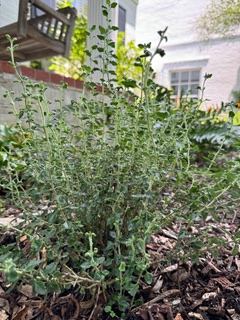
A plant growing on a stone wall

Description automatically generated
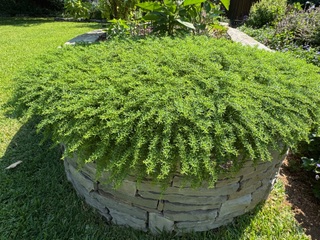
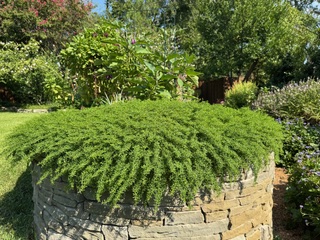
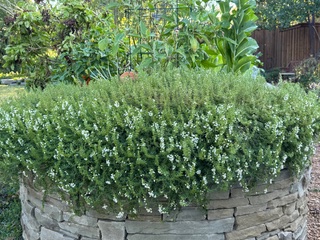
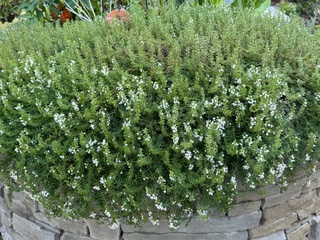
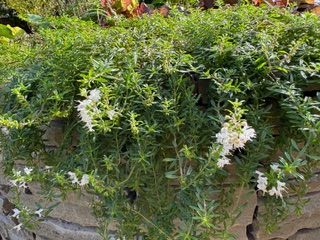
Winter Savory growing in the garden

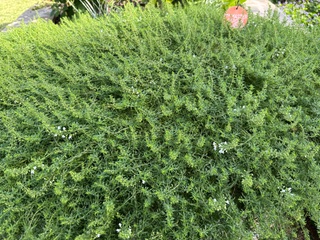
Walking in the garden early this morning just as sunlight was spreading its glowing rays, I stopped for a moment to gently caress the winter savory. Dew had fallen softly upon it, leaving the cascading branches with a shimmery presence. It seemed to be saying…” use me please”. And that is exactly what happened!

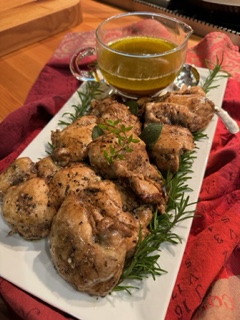
My husband and I love a cozy wintertime dinner by the fire. Thankfully, my winter herb garden had supplied me with the three ingredients needed to infuse the marinade for Balsamic Herb Baked Chicken Thighs: fresh rosemary sprigs, sage leaves and winter savory. This herb-garden inspired recipe delivered a pleasing amount of comfort and flavor for the perfect fireside meal.

Hopefully, you are growing a nice selection of herbs in your winter garden. If so, remember that they liked to be snipped, trimmed and used for culinary and decorative purposes in your home.

*For information about growing winter savory, click here. 

*All herbs were harvested just before the cold front and freezing temperatures arrived. They were kept in a damp paper towel lined plastic baggie for two days.

Linda Alexander, Dallas County Master Gardener Class of 2008
My Affection for ‘Kent Beauty’ is Growing

August 2, 2022

One of the showiest ornamental oreganos, Kent Beauty, a hybrid between Origanum rotundifolium and Origanum scabra, has charmed me with its attractive foliage and flowers. Mine was planted in a 12” terra cotta pot over two years ago but, come fall, I’m transplanting it to a new sunny location in my raised bed. Its intriguing beauty during the heat of summer and into fall will be refreshing.

Gathered from the garden; purple pentas, cinnamon basil, society garlic and Kent Beauty oregano.

Kent Beauty is an impressive oregano, having received the prestigious Award of Garden Merit of the Royal Horticultural Society. (The AGM is a mark of quality awarded, since 1922, to garden plants by the United Kingdom, Royal Horticultural Society.) A cup symbol on a plant’s label shows it has earned the AGM – the UK’s seal of approval that the plant performs reliably in the garden. It is only awarded to plants that are:

  1. Excellent for use in appropriate conditions
  2. Available
  3.  Of good constitution
  4. Essentially stable in form and color

Optimum growing conditions include full sun, dry to medium soil with excellent drainage. It performs well during extreme heat and drought but is intolerant of high humidity. Allow room for it to grow approximately 6 to 9 inches tall and 12 to 18 inches wide. Bees are attracted to the tiny purple, tubular blooms. An easy-to-care for plant that is disease free and has few pests.

Kent Oregano growing in a pot

Kent Beauty is an herbaceous perennial that forms a low trailing mound of silver-veined blue-green aromatic leaves. In early summer it starts producing whorls of pendulous, drooping heads of hop-like flowers in dreamy shades of shrimp pink, cream and pale green. This visual feast for the eyes continues into the cooler autumn months.

Take advantage of its versatility and use in alpine and rock formations, as a border plant, in containers, hanging baskets and for cascading over walls. Snip stems of the draping flowers for a dramatic addition to fresh floral arrangements.

Linda Alexander, Dallas County Master Gardener Class of 2008
A Nod to Nepitella

July 19, 2022

Our adventure in growing nepitella was challenging. Seeds were difficult to locate and few in number. Spring of 2021, the first flat of twelve seeds was started. Instructions were followed carefully but the seeds just seemed to slumber through the next three weeks. Finally, the tiny seedlings started popping up through the seed starting mix and we were hopeful our efforts would be rewarded.

And then they just stopped growing, bent those little heads over to the side and gave it up. We couldn’t have been more disappointed that they didn’t survive because our motivation for growing nepitella, a somewhat unfamiliar herb, was all about a recipe. Fortunately, we are close friends with a master gardener who happens to be a seed starting guru. His name is Jim and he agreed to take on the task of getting us to the finish line. 

Weeks passed with no news of germination. Sadly, we were losing hope of ever getting to try that special dish featuring nepitella. And then one day, Jim surprised us with a visit to the garden. He shared the good news that ten seeds had germinated but he wanted to keep them under his watchful eye for a few more weeks. We happily agreed and, once again, held on to hope that he would be successful. As you might have guessed, about a month later Jim arrived at the garden with a flat of strong, upright nepitella seedlings that were finally large enough for their new home in the edible landscape. Cheers of joy were heard throughout the garden. 

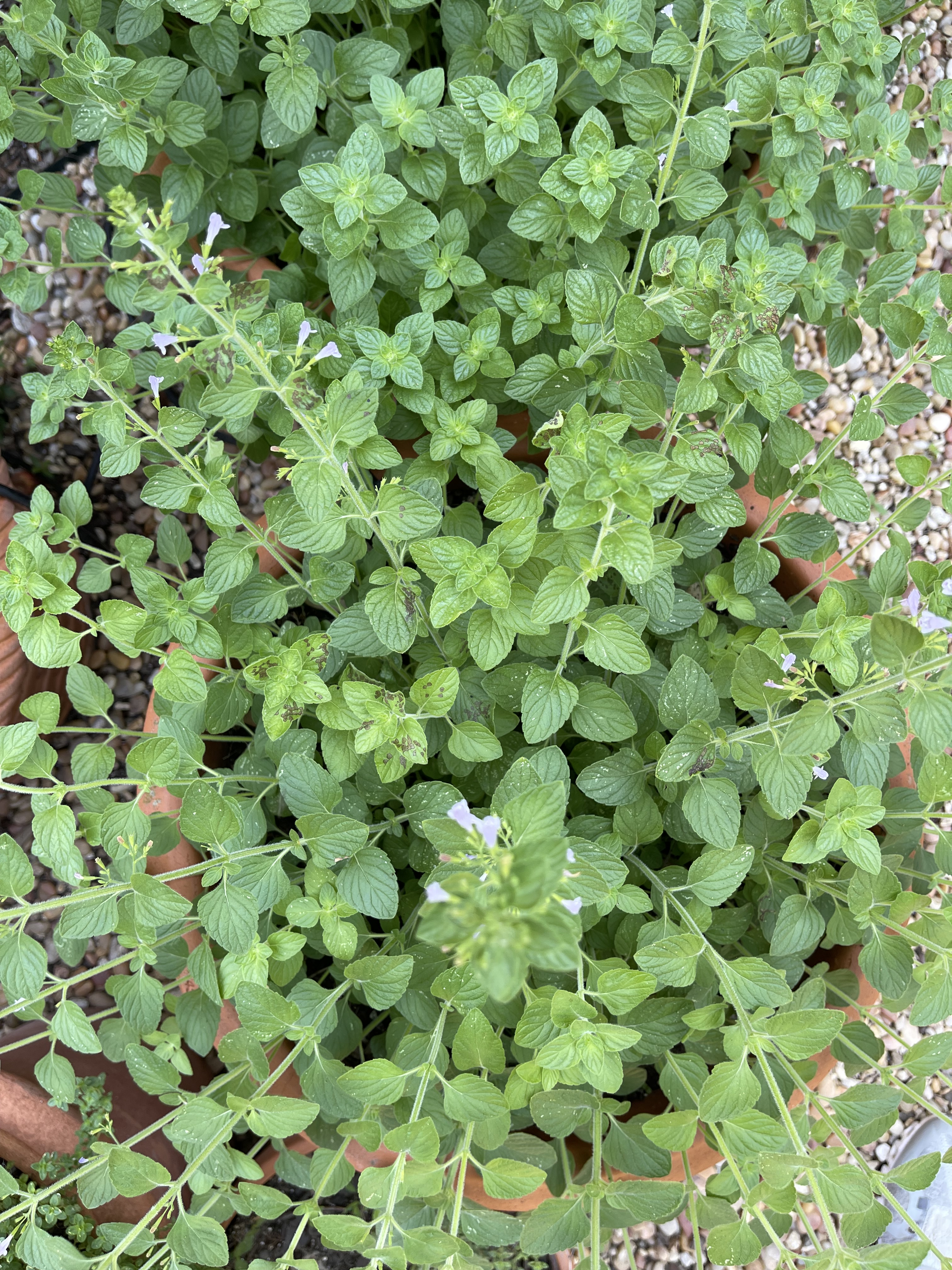
Nepitella (Calamintha nepeta) grows wild in the hills around Nepi, an old Etruscan town in the province of Viterbo, Italy, about an hour north of Rome. It is an aromatic herbaceous perennial that spreads horizontally by means of underground rhizomes. The small, fuzzy leaves look like marjoram and taste like lemony mint with notes of basil and oregano. Nepitella blooms in late spring producing tiny pale purple flowers which are edible and attractive to bees.  (FYI…As of this writing, July 14th, my three pots of nepitella are still blooming. Those delicate little flowers have been tossed into salads, vegetables, desserts and more!)

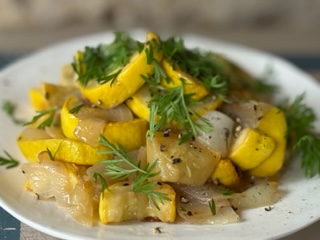
If a trip to Italy isn’t on your summer agenda, where old Tuscan towns filled with picturesque scenes leave you dreaming of a stroll up crumbling stone steps to the piazza, then let the heavenly scent of nepitella take you there. You’ll find it used in Italian cookery as an aromatic to flavor all sorts of dishes from beef and lamb through tomatoes and summer squash. 

Braised Artichokes with Nepitella

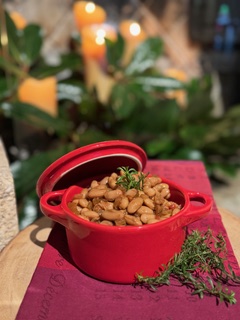
And finally, the recipe that inspired us to start growing nepitella was created by a well-known Italian chef and food writer, Pellegrino Artusi. His 1891 recipe for carciofi in umido con al nepitella (Braised Artichokes with Calamint) is the one that teased our taste buds. It consists quite simply of braising carefully cleaned and quartered artichokes with a bit of tomato paste, fresh garlic and a fistful of nepitella. The happy conclusion to this story is that the flavors of Italy have arrived in our garden and we are thrilled to share them with you. 

Linda Alexander, Dallas County Master Gardener Class of 2008


We have eight 4″ pots of nepitella seedlings to give away next Tuesday, July 26th. Look for them on the round table in the Edible Landscape Garden. One per person, please.

Getting Your Dollars’ Worth With Pennyroyal!

Pennyroyal

July 6, 2022

Pennyroyal (Mentha pulegium) is a perennial in the mint family of herbs (Lamiaceae). But don’t let its small size mislead you. As it creeps along the ground, usually only a few inches high, lax prostrate stems root wherever they touch the earth. If you’re searching for something fragrant to fill a semi shaded area of the garden, pennyroyal’s spreading habit will work hard for you. 

The name pennyroyal comes from its 1-inch roundish leaves which carry a strong mint flavor. During the summer months, small lavender flowers in tight whorls rise about 4 to 6 inches above the leaves. As with other “mints” pennyroyal prefers cool, moist soil and moderate fertilization.

Although no longer recommended for consumption by humans or animals, pennyroyal has other beneficial properties. Hanging baskets of pennyroyal on the porch will help keep insects away. Fresh leaves rubbed on arms and legs ward off mosquitoes, bees, flies, wasps and even chiggers. Pennyroyal can be used as an aromatic groundcover between stepping stones and in other small spaces.

Choose your location carefully, and allow pennyroyal plenty of room to grow. (Note: My biggest mistake was planting a 4” container of pennyroyal in a 4’ x 8’ x 32” high raised bed. Within months it was creeping along nicely into the bed, putting down roots and taking up my prime herb/vegetable garden space. The only solution was to dig up the entire plant and relocate it to a more confined shady spot with stone borders. It was the right decision.)

Caution: Avoid all contact with pennyroyal if you are pregnant.

Linda Alexander, Dallas County Master Gardener Class of 2008
The Fragrance of Fall

Just a few steps into the garden and the air is suddenly filled with a soothing fragrance that leaves you mystified and, yet, curious to find its aromatic source. Moving closer in, hints of heady anise softened with a gentle touch of sweetness begins to calm your spirits. It only takes a moment to realize that you’ve been drawn into an intriguing area of the garden overflowing with the intoxicating fragrance of Mexican Mint Marigold (Tagetes lucida).

Also known by its other names, Winter Tarragon, Texas Tarragon and yerba anise, this semi hardy perennial makes a spectacular showing in the fall garden. Slender stems rising unbranched from the base comprise the upright clumping shape of each plant. Tiny buds that started forming in late summer find their glory in the sunny days of autumn. Golden yellow clusters of marigold-like flowers dance gently across 3 feet tall stems in a show-stopping performance.


Mexican Mint Marigold in the Edible Landscape at Raincatcher’s Garden

Mexican Mint Marigold originated in the cool mountains of Mexico but has become a superstar addition to many Texas gardens. Grow it from seed sown after danger of frost has passed or divide plants in spring or fall. One simple suggestion is to arch a stem to the ground, cover the center with soil, and the stem will often root at the nodes. For optimum flower production plants should be located in an area that receives full sun to moderate afternoon shade. 

You’ll find Mexican Mint Marigold used as a substitute for the more temperamental herb, French Tarragon. Both the flowers and leaves are edible and used often in teas, salads, poultry and fish dishes. For a heavenly taste explosion use the leaves in an irresistible dessert we discovered a few years ago, Strawberry Sorbet with Texas Tarragon. 

Strawberry Sorbet with Texas Tarragon

Don’t be disappointed when your Mexican Mint Marigold plants take their winter nap. After dying down to the ground for a few months, they will reappear again in Spring just in time to start rehearsing for their next performance.

Linda Alexander, Dallas County Master Gardener Class of 2008
The Love Language of Herbs

In our search to connect with others and the natural world around us, the joy of using herbs is a delightful way to embrace nature’s love language. Learning the meaning of herbs and including them in our daily lives provides us with beautiful ways of expressing feelings of gratitude, kindness, love and affection for others. Open your heart to the love language of herbs. Let them speak their special language for all to enjoy.

Anise, Anise Hyssop (Cleanliness)  

Basil (Love) Bay Laurel (Success) Borage (Courage)

Calendula (Health) Chamomile (Comfort)

Dill (Passion) Fennel (Worthy of Praise)

Lavender (Devotion) Lemon Balm (Sympathy) Lovage (Strength)

Mint (Virtue) Oregano (Joy) Nasturtium (Patriotism)

Parsley (Gratitude) Rose (Love, Desire) Rosemary (Remembrance)

Sage (Wisdom) French Tarragon (Permanence) Thyme (Courage)

Violet (Loyalty) Yarrow (Healing)

A few simple ideas for creating a personalized gift that expresses your sentiments for someone you care about:

*Fill a small vase with borage blossoms, sage and thyme twigs.  Include a personal note wishing wisdom to a family member facing a difficult decision and courage to take the next step.

*Show your gratitude for a friend’s kindness by baking him a ‘fresh from the garden’ rosemary (for remembrance) spice cake.

*Your daughter just landed her dream job. Send a sweet note accompanied by a beautiful arrangement of fennel (worthy of praise) bay laurel (success) and roses (love).

Linda Alexander, Dallas County Master Gardener Class of 2008

Rosemary Spice Cake Recipe