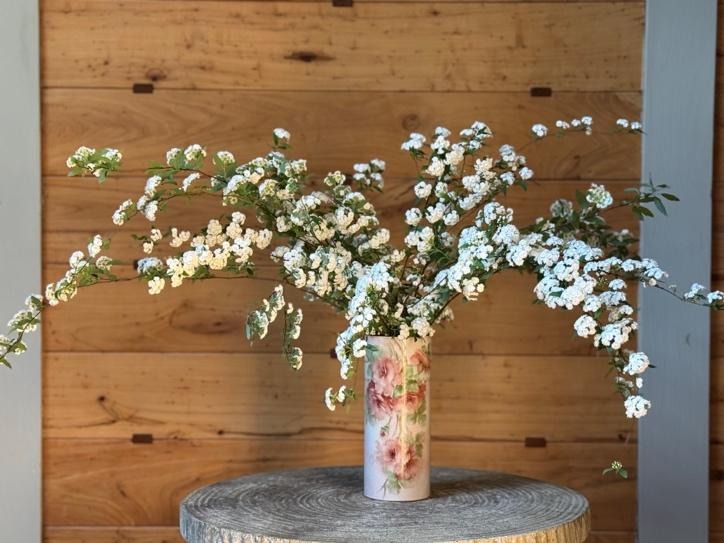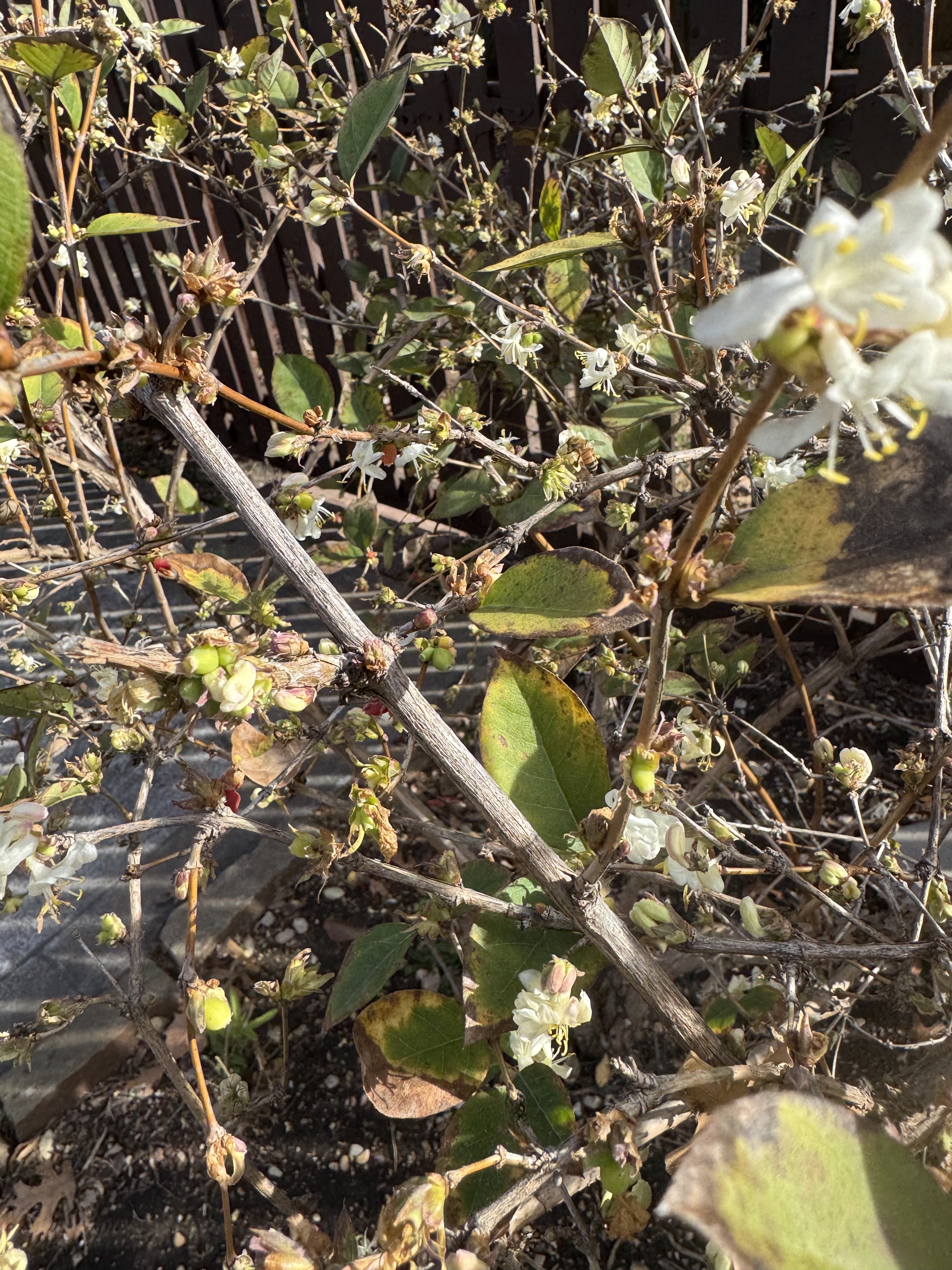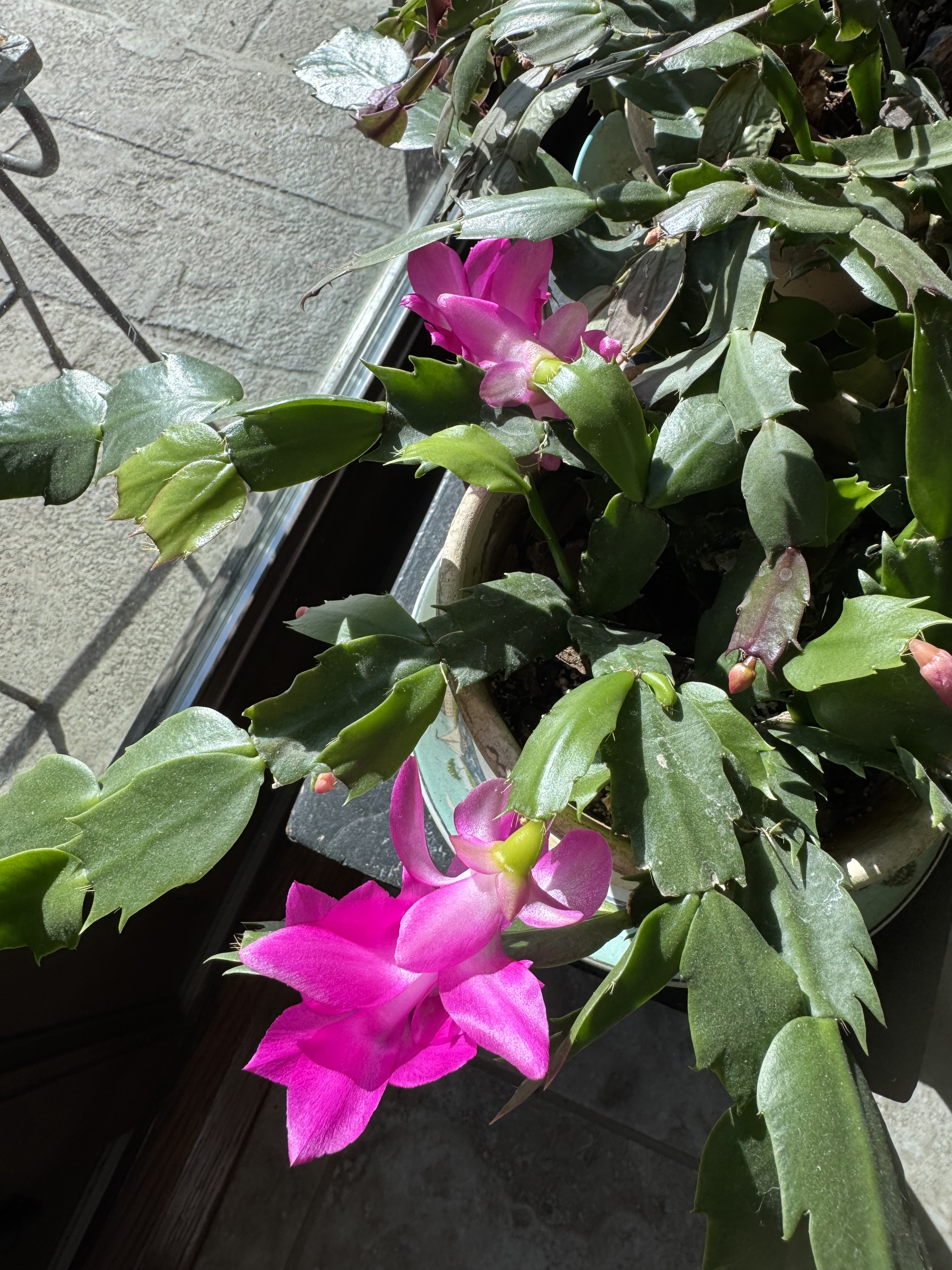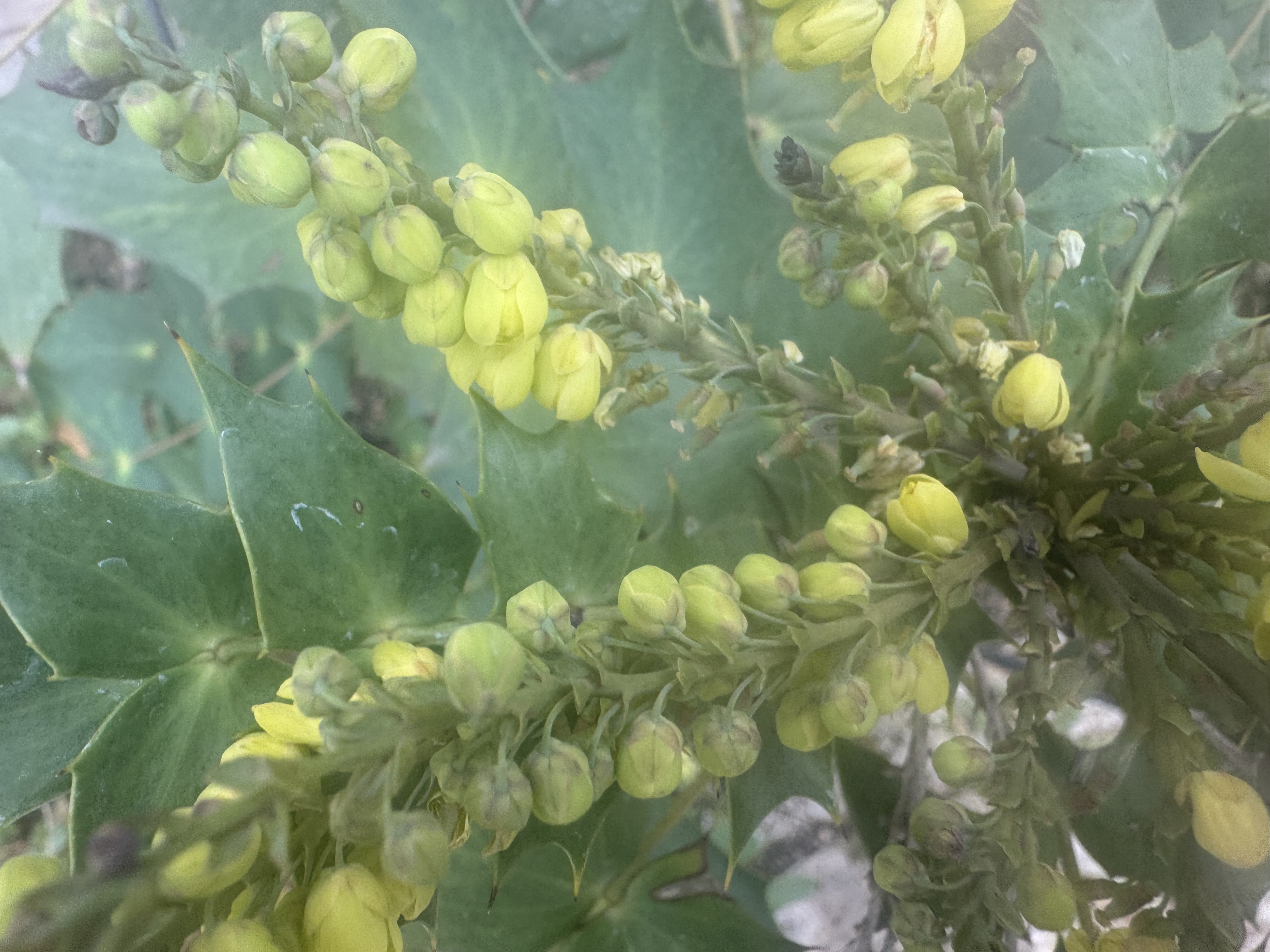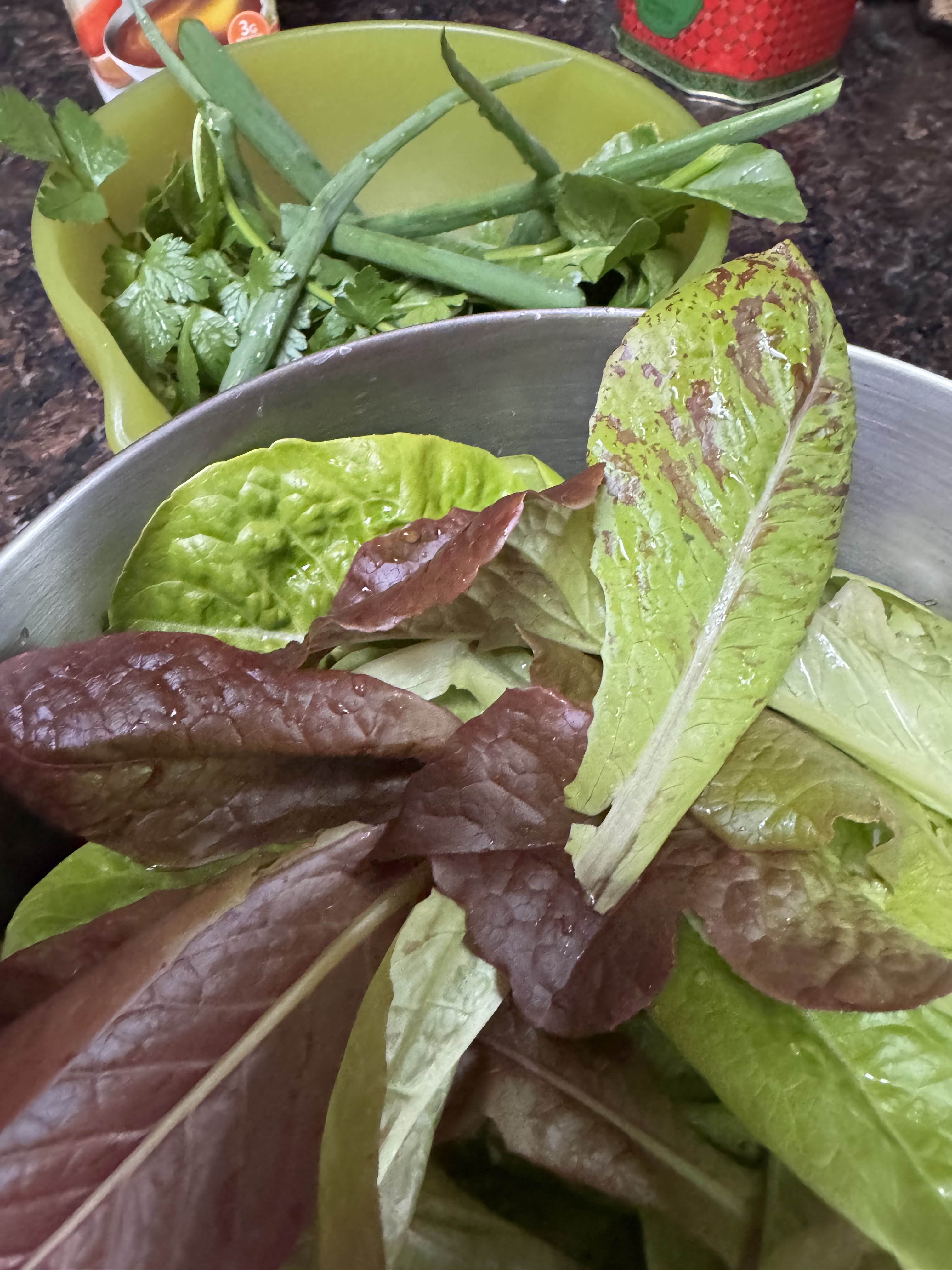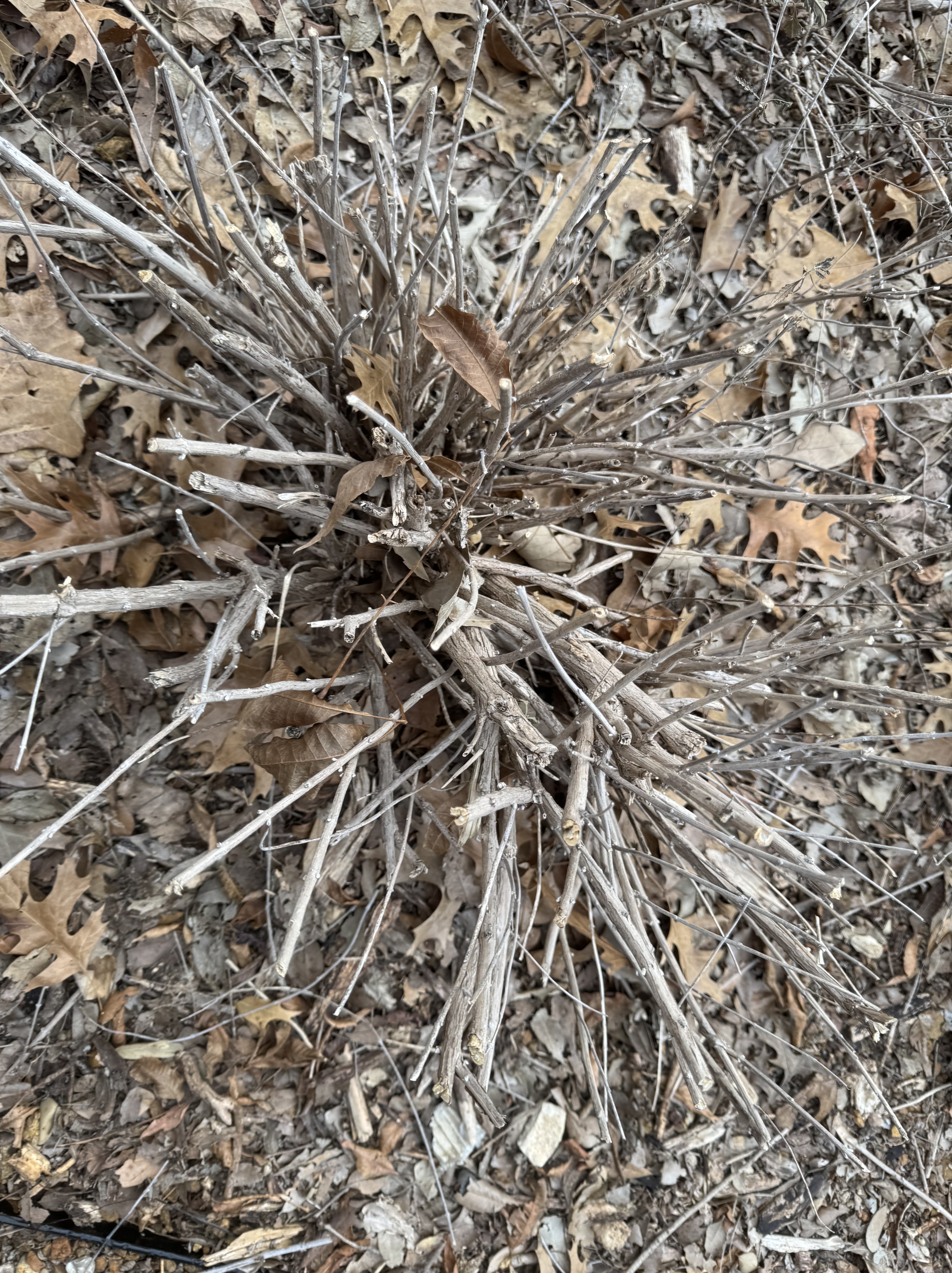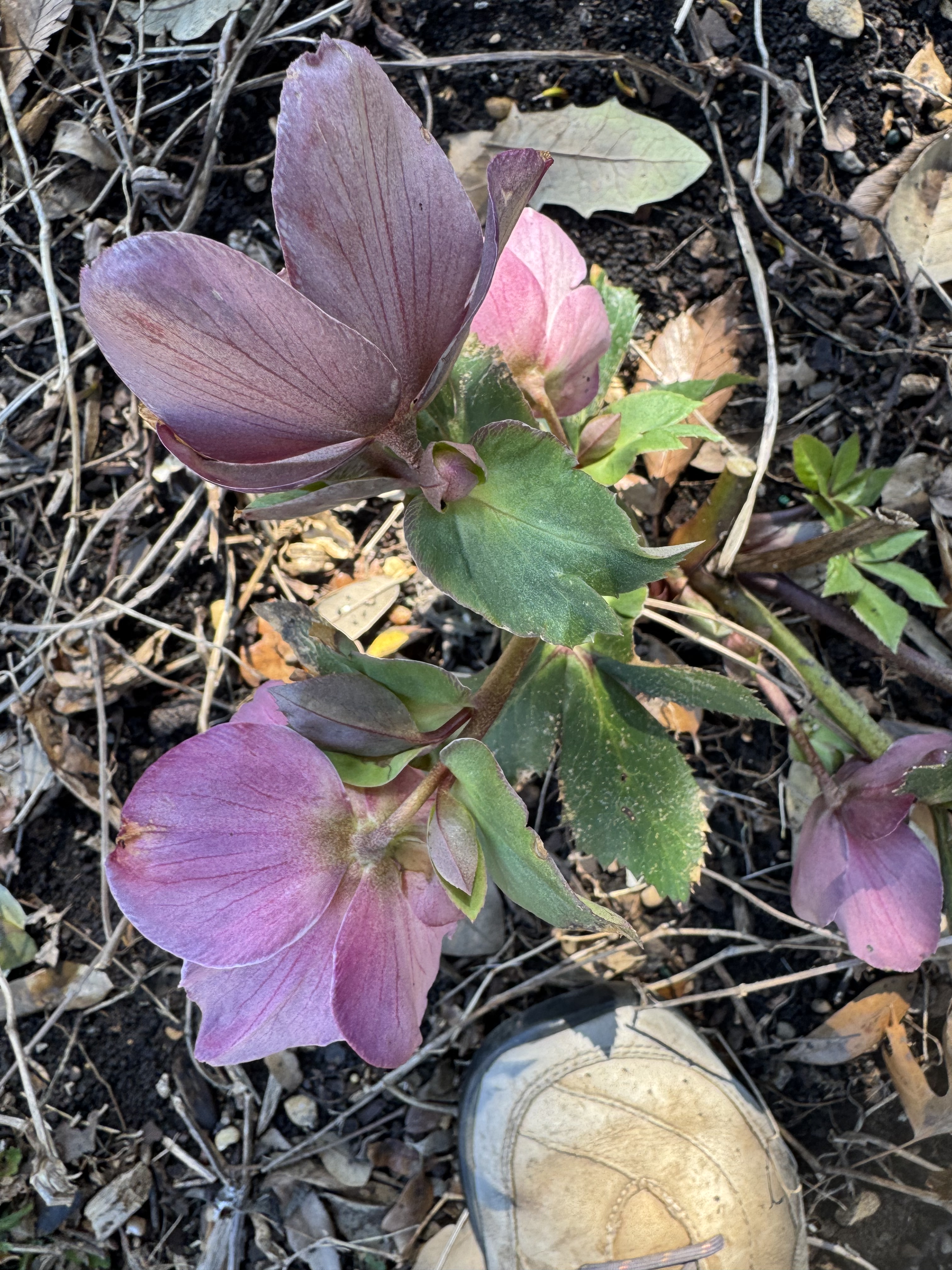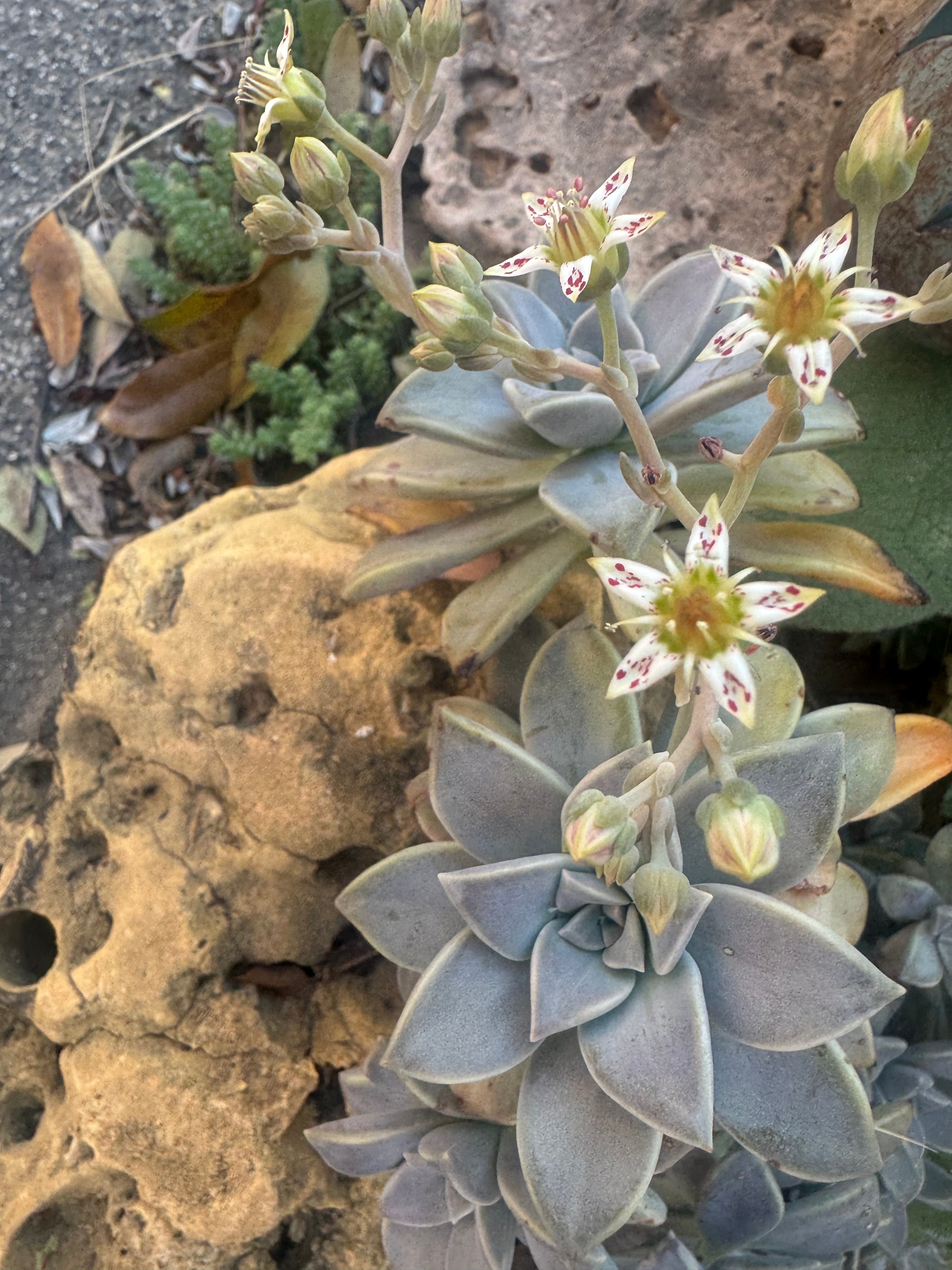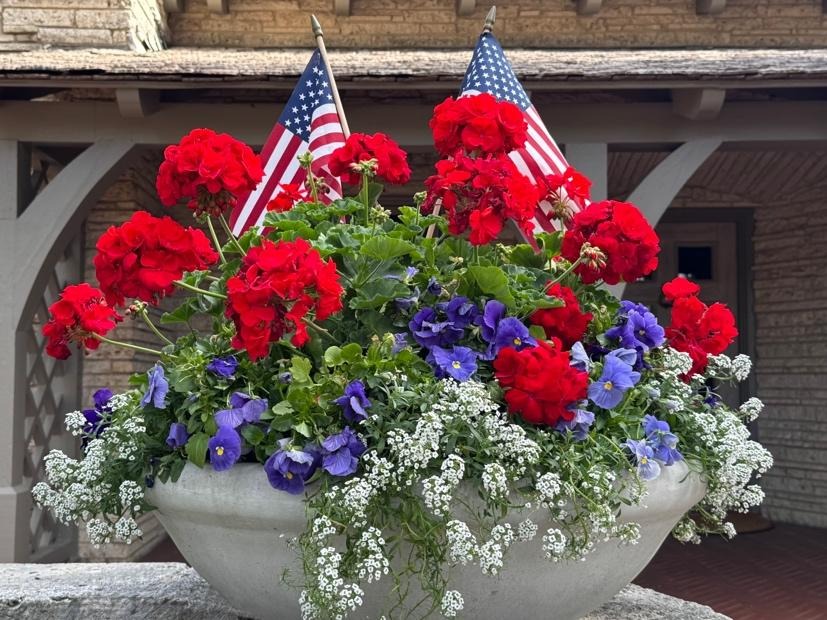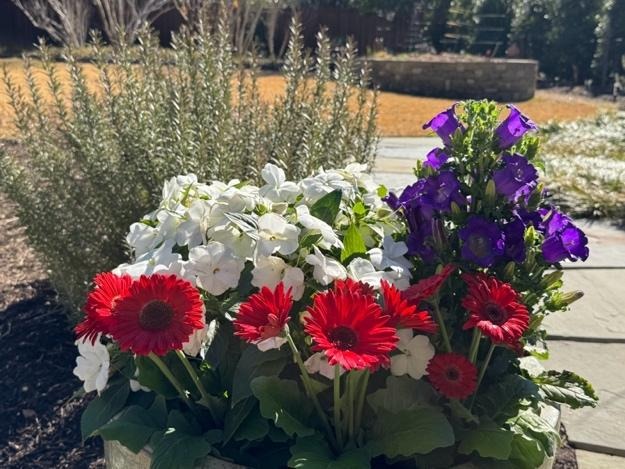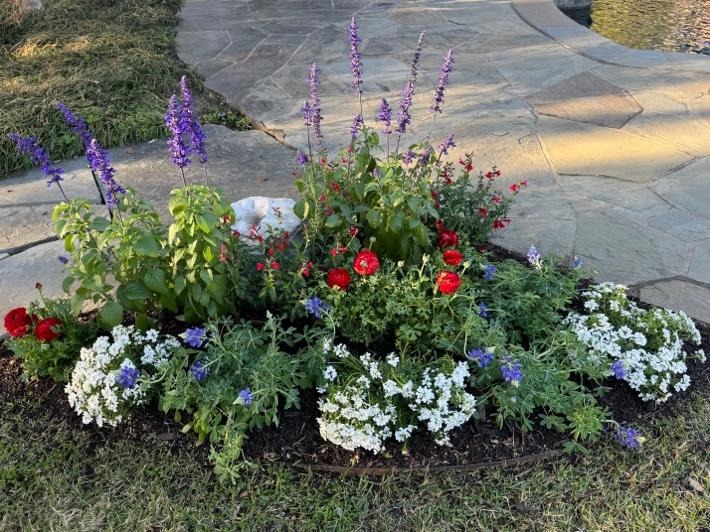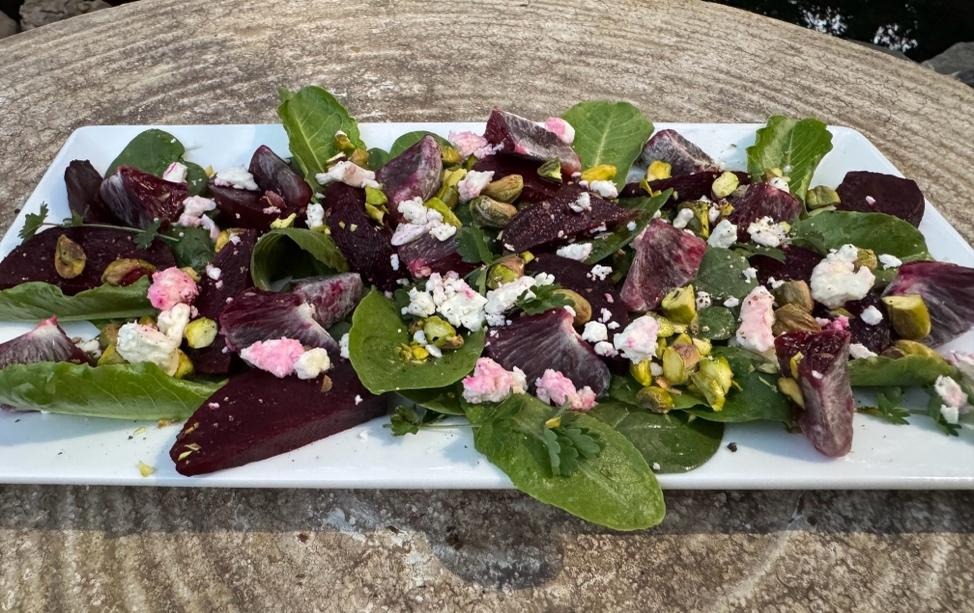
“Autumn is a second spring when every leaf is a flower” -Albert Camus
November 25, 2025
This very descriptive, seasonal quote comes from the French novelist, essayist, and playwright who in 1957 received the Nobel Prize for Literature
In just a few days, it will be time to gather around the table with family and friends to celebrate the harvest. Thanksgiving is truly a time-honored gift from the brave and courageous Pilgrims. Their profound joy, amidst countless struggles throughout the journey, led them to pause and give thanks for this bountiful new land that had become their new home. As we join them in reflecting back over 400 years ago, may your hearts be filled with gratitude for our homes and those who grace it with their special place in our lives. Starting with a brisk and refreshing walk through the garden, let’s take time to soak in the brilliant display of foliage along the way. Open your eyes to Autumn’s glow radiating throughout the landscape. Take in the mesmerizing display of stunning fall colors. Listen closely as the natural world speaks a magical language of joyful change. And finally, as you “gather together” for this special occasion, may your harvest tables be filled with wonderful memories and cherished traditions for all to embrace. Happy Thanksgiving to our readers and garden friends! We are grateful for your encouraging words and ongoing support!
Linda Alexander, Dallas County Master Gardener Class of 2025
On Tuesday, November 18, The Jammin’ Crew at Raincatchers will be selling a limited selection of jams and jellies at Raincatchers Garden at Midway Hills, 11001 Midway Rd., Dallas, 75229.
You will find us at the entrance to the Fellowship Hall on the back side of the church.
These delicious treats are $7.00 for an 8oz jar. CASH or CHECK ONLY.
Raincatcher’s Jams and Jelliesfor sale:
CARROT CAKE JAM -a new flavor -Pineapple, fresh pears & carrots-tastes like fall
Earlier this week, we heard the news that the possibility of our first “freeze or frost” was in the forecast. For gardeners, that sends a signal to start preparing for the big event. Fortunately, my master gardener friend, Ann, sent a text on Friday morning asking if I had any extra basil to spare. My answer was a resounding, “YES”, and I was ready to share as much as she needed.
This year I was growing some of my favorite varieties; Balsamic Blooms, Cardinal, Cinnamon and Red Rubin. There was a plentiful amount of most, but especially the Cardinal. And so, the clipping began. As a bonus, Ann had offered to share a new recipe with me in exchange for the basil. We would both being making basil pesto, as requested in the recipe.
One of my favorite basil recipes is in the 2016 master gardener cookbook, “A Year on the Plate”. I decided to make 4 recipes of spinach basil to use when preparing Ann’s recipe and then freezing the remaining jars.
Basil Pesto: Two Back Jars, ‘Cardinal’, Front Jar ‘Red Rubin’
From Ann…
Chicken Pesto Meatballs
My good friend, Nancy, who survived junior high and high school with me gave me a recipe which allowed me to use up end of season basil. Chicken Pesto Meatballs uses ground chicken infused with 3/4 cup pesto. The flavor is complex and in a short time you have a beautiful dinner with it’s major ingredient coming from your very own garden or your friend’s garden!
Linda Alexander and Ann Lamb, Dallas County Master Gardeners
My Jewels of Opar is in a mostly shady area. Next spring, as new plants emerge, they will be relocated to a place in my garden that receives full sun until late afternoon.
In May of 2021, we shared an article with our readers about Jewels of Opar, a lovely plant that is both edible and ornamental. Click here for the original article which includes helpful growing information.
This time, we’ve chosen to “drop in” for a quick autumn visit showcasing this adorable little beaded wonder in full bloom. You may remember that Jewels of Opar, sometimes referred to as Pink Baby-Breath, produces wands of tiny, pink star-shaped flowers followed by jewel-like fruits in shades of pink and orangish red.
Enjoy this photo of a simple arrangement filled with Roselle Hibiscus leaves gracefully surrounding Jewels of Opar in its colorful autumn wardrobe!
Linda Alexander, Dallas County Master Gardener Class of 2008
If you’re like me, a baby boomer who graduated from high school in 1967, the title above might suggest something other than what I’m going to write about. Yes, the song “Purple Haze” written by Jimi Hendrix came to mind one hazy, overcast afternoon as I was taking photos and working in my garden. I don’t remember the words and really never fully understood the reason for the title but it wasn’t difficult to find the answer.
Jimi Hendrix, a brilliant guitarist, wrote the song on December 26, 1966, while backstage at a club in London. The inspiration came from a vivid dream he had after reading a science fiction novel. In the dream, Hendrix finds himself walking under the sea when a purple haze surrounded and engulfed him. And from that experience his iconic song “Purple Haze” (later discovered to be to be about a woman he loved) changed rock music forever.
Putting this into perspective as it relates to that quite afternoon in the garden, my own sensory moment of feeling “engulfed” by the color purple had nothing to do with walking underwater. It was the sheer beauty of being surrounded by a sea of purple flowers in full bloom. Honeybees, by the hundreds, were so busy visiting the blossoms that I quietly paused just to listen to the familiar buzzing sound bees make when foraging for nectar and pollen. I was reminded, once again, how time spent in the garden brings unexpected joys.
Hopefully, you will appreciate my “Purple Haze” experience and the lovely flowers in varying shades of purple and blue that gave me the opportunity to share it with you!
Here are some of the flowers and plants featured in the video. You’ll see a selection of many within the purple/blue range that have been growing in my garden over the past five to six months:
Ageratum
American Beauty Berry
Angelonia
Anise Hyssop
Aster
Basil (African Blue, Balsamic Blooms, Cardinal, Red Rubin)
Blue Borage (a favorite of honeybees)
Butterfly Bush
Celosia
Clary Sage
Eggplant Blossoms
Foxglove
Impatience
Lavender
Pentas
Perilla
Petunias
Periwinkles
Phlox
Rose of Sharon (Blue Satin)
Sage (in bloom)
Veronica
Wisteria
Zinnias
Why, you might ask, designate so much garden space for flowers in the blue/purple spectrum?
*I’ll offer a few answers, but, most importantly, is that honeybees are highly attracted to these colors and see them more clearly than other hues. Flowers in this range signal to the honeybees higher nectar production. For this reason alone, gardeners focused on pollinator-friendly flowers should try to include blue and purple flowers in the landscape whenever possible.
*Looking a little deeper into the psychology of color, studies have shown that blue lowers cortisol while purple stimulates creativity and inner calm. In our gardens, these colors not only provide beauty but help to nurture our mental well-being.
*And finally, from a landscaping perspective, click on the link to Longfield Gardens for an in-depth guide on using purple in your flower garden. You will be inspired to get started!
Every fall, I look forward to one of my favorite garden tours—The Water-wise Garden Tour hosted by Dallas Water Utilities and the city of Dallas. There are several smaller organizations that participate, some giving lectures at the White Rock Pump Station (the traditional starting point of the tour). That’s where one picks up the map showing the location of the participating “winners” of this year’s tour. I know in years past Dallas County Master Gardener’s Association has been both entrants and support staff. I’ve lost track of how many years Roger and I have wandered through Dallas, looking at peoples’ interpretation of what water-wise gardening entails.
Years ago, A&M Research Center on Coit Road had a program called Water University. They had examples of homes with all sorts of saving water inside and outside the home. We learned about Rainwater harvesting: how to build rain barrels for the home, rain gardens, etc. All of which we demonstrated at our Joe Field location (thanks to County Commissioner M. Dickey).
Rain barrel courtesy of Water UniversityDIY-Buy pre-fab rain barrels and link them togetherRain Collection at homeRain chain water collectionThese barrels should be raised for more efficient use.Painted rain barrels at Anne Frank Elementary School
When the county closed that location in 2014, we found a new home at Midway Hills Christian Church, located at 11101 Midway Road—thus our name “The Raincatcher’s Garden of Midway Hills.” This rain garden is located near the street on Midway Hills, next to the two cisterns that were put in place shortly after we started gardening there. This noncommercial rain garden would work in most home landscapes. It captures water from heavy rains and is also used to catch overflow from the cisterns.
2-2500 gallon water cisterns at The Raincatcher’s Garden
Although our garden is not on tour this year, feel free to visit us at 11101 Midway Road in Dallas, especially on Tuesday mornings when we are working in the garden. We love to share water saving tips.
Water Wise Garden Tour maps of the participating homes will be available at the White Rock Pump Station on Saturday and the information link can be found below.
Some yards or gardens use xeriscaping, while others have lush lawns and gardens. There are innovative uses of hardscaping.
On the 18th, I am playing tourist to get more ideas about saving water and creating a beautiful yard at home. I always find some new idea to take home to try out.
Hope to see you on the tour. Be sure to take notes or, better yet—pictures!
Cindy Bicking, Dallas County Master Gardener Class of 2006
Pictures by Starla Willis, Dallas County Master Gardener Class of 2011
The Raincatcher’s Garden vegetable gardening team has enjoyed growing several varieties of eggplant.
They have found them to be easy to grow as long as they remain vigilant about controlling the flea beetles with diatomaceous earth.
These long purple eggplants are called amazingly enough long purple eggplant.
Aswad eggplant pictured above is an Iraqi heirloom variety known for its mild sweet flavor.
Mark your 2026 calendar to start eggplant by seed February – mid-March. Transplants should be set out in mid-May through June.
While eggplant may not be your favorite vegetable, it’s nice to harvest something new after summer crops have withered in the heat. There are many varieties and ways to cook eggplant. Tonight, at our house we’ll have eggplant apple quesadillas; find the recipe here.
Last summer, 2024, I grew Fairytale Eggplant for the first time. It produced adorable little tear-drop shaped eggplants for over three months. During that time, most of the harvest was used for Apple and Eggplant Quesadillas, a simply delicious treat.
For 2025, a new recipe that we’ve enjoyed over the past few months is “Roasted Fairytale Eggplant Salad with Fresh Tomato”. Inchelium Red organic garlic had cured from my late spring/early summer crop, while fairytale eggplants, English cucumber and mint were growing in my garden and ready to use.
It’s now early October and my two Fairytale Eggplants are producing almost double the amount as last year. Here’s an example of what gets harvested every day.
Fairy Tale EggplantEnglish Cucumber Spearmint
Linda Alexander, Dallas County Master Gardener Class of 2008
Along with Van Gogh, who described yellow as “wonderful”, many people associate yellow with feelings of warmth, happiness and positivity. And still others say that yellow’s vibrant, cheerful color evokes feelings of joy, optimism and enthusiasm.
Yellow is one of the oldest colors in history. Cave paintings over 17,000 years old reveal that the yellow pigment from ochre was readily available in prehistoric times. In ancient religions, yellow was considered a sacred color. Like gold, yellow was seen as eternal, imperishable and indestructible. Today, yellow flowers are used in gardens across the globe adding vibrancy and beauty to landscapes in a multitude of imaginative ways.
From the dainty blossoms of French marigolds to the dramatic trumpet-shaped beauty of squash blossoms, yellow flowers add brightness to the garden. And don’t overlook the decorative nature of edibles such as yellow pear tomatoes dangling in clusters like drops of sunshine clinging to the vine.
Whether edible or just enjoyable, bright yellow flowers, fruits and vegetables have a magical way of lighting up our landscapes. Additionally, those radiant blooms attract a host of beneficial pollinators to the garden including bees, butterflies and hummingbirds. So, why not add some late September sunshine to your garden? Let the video photos inspire you to create a natural environment filled with yellow for all to enjoy!
Top Ten Yellow Flowers and Vegetables (Observed/Photographed) in the Metroplex:
Echinacea and Rudbeckia/Black Eyed Susan (Both plants are sometime referred to as “coneflowers” but Rudbeckia is widely known as a “Black-Eyed Susan”)
Main Differences:
*Echinacea flower petals tend to droop and curve downwards. Echinacea features a spiky, prominent central cone that may be green, brown or orange. Leaves are typically smooth.
*Rudbeckia petals usually extend straight out from a flattened or slightly raised central cone. Leaves are described as hairy or fuzzy.
(Rudbeckia ‘Sunbeckia’ Juliana)
Zinnias
Sunflowers
Daylily
Hibiscus
Cannas
Lantana
Yellow Pear Tomatoes
Cucumber and Yellow Squash Blossoms
Marigolds and More (Day Lilies, Calendula, Canna, Dill, Fennel, Gerbera Daisy, Nasturtium, Yarrow)
*Overall, it seems there is an absence of marigolds and a profusion of coneflowers; flower beds once brimming with marigolds have transitioned to the daisy-like look of coneflowers.
*Coneflowers have become soldiers of the landscape. They have an authoritative presence with their strong, upright stems and dramatic, bold color.
*Generally, coneflowers are used as “pocket” flowers. Nestled against large boulders or in “waves” of color in a natural setting, they offer countless possibilities.
*Yellow is an underused color in gardens throughout the metroplex.
*Purple is the most complimentary color to use with yellow flowers.
*The majority of yellow flowers need a minimum 6 to 8 hours of direct sun daily.
From the professionals, some tips for using yellow flowers in the garden:
Fine Gardening-Yellow blossoms carry farther, shine brighter, and remain visible longer in the evening than flowers of any other color except white.
Proven Winners-Yellow is an attention-grabbing color that makes a cheerful statement in the landscape.
Gardening Know How-Yellow flowers/plants as a single color scheme greatly enliven the garden, especially when the area is small or shaded, brightening and enlarging the garden space.
Linda Alexander, Dallas County Master Gardener Class of 2008
Here’s a hint – with its strong lemony scent and flavor, you’ll find many uses for it in the kitchen. You may have already guessed just by looking at the photo but, yes, the answer is Lemon Verbena (Aloysia triphylla). For over 30 years it has been my very favorite herb. I’ve used it countless times for breads, cakes, cookies, puddings, in savory dishes and beverages. From early spring when it emerges from the ground and sends up those first “shoots”, a fresh sprig goes into my daily glass of green tea. The ritual continues until at least November or whenever our first freeze of the season arrives.
Lemon Verbena Tea Garnished With Freshly Cut Lemon Verbena
Why should lemon verbena be growing in your garden? To start, lemon verbena is considered by some to be the queen of aromatic herbs, myself included. One whiff of its sweet lemony aroma explains why Southern ladies suffering from the “vapors” mopped their brows with a decoction made from its leaves. For this reason, it is sometimes called the Scarlett O’Hara herbs. Growing in our Zone 8 climate, you can expect lemon verbena to easily reach 4 to 5 feet in height when planted in full sun and in good garden soil. Consider placing it toward the back of your garden bed where it will become a nice informal shrub. Also, keep in mind that it tends to ramble off in different directions but can easily be trimmed to the shape you desire. Lemon verbena is a woody perennial that will start losing its slender, elongated leaves in late fall. If heavily mulched, it will survive a moderate winter. However, in the northern part of Texas, it may succumb to temperatures lower than 25° F. Over the years, I’ve lost at least five or more lemon verbena plants during a hard freeze. But once spring arrives, most local garden centers have it in stock. And, thankfully, it is a relatively quick growing plant.
Lemon Verbena Growing Gracefully in My Garden
Recently, I discovered a recipe in one of my 1995 herbal cookbooks that gave me a new appreciation for using lemon verbena with another well-loved herb, Anise Hyssop (Agastache foeniculum). In the summer section of ‘Today’s Herbal Kitchen’ published by the Memphis, Tennessee Herb Society, the recipe that caught my eye was Anise Hyssop Lemon Cake with Lemon Sauce.
Anise Hyssop is a pollinator-friendly plant whose blossoms are filled with honeybees
Reading through the short list of ingredients, I learned that anise hyssop was called for in the cake along with lemon verbena leaves in the sauce. Hooray! With both herbs growing in my summer garden, it was time to start baking.
Freshly snipped anise hyssop flowers ready to be chopped and mixed into the cake batter
Once out of the oven, and allowed to cool, it was time to slowly pour the luscious, warm lemon sauce over the top. I tried to imagine how the minty, licorice flavors of the cake would blend with the citrusy, floral taste of the sauce. Should I wait for my husband to come home from work before tasting? After carefully slicing the cake for the “photo shoot”, I yielded to temptation and willfully gave in to that first bite. It was a divine experience. My taste buds were rejoicing at the thought of this wonderfully harmonious combination. A new discovery is usually very satisfying and, in the case of anise hyssop and lemon verbena, I’ve determined that for as long as herbs are growing in my garden, these two “companions” will be there.