Tag Archives: Raincatcher’s Garden

Honeybee Activity and Black Sage Honey

October 31, 2023

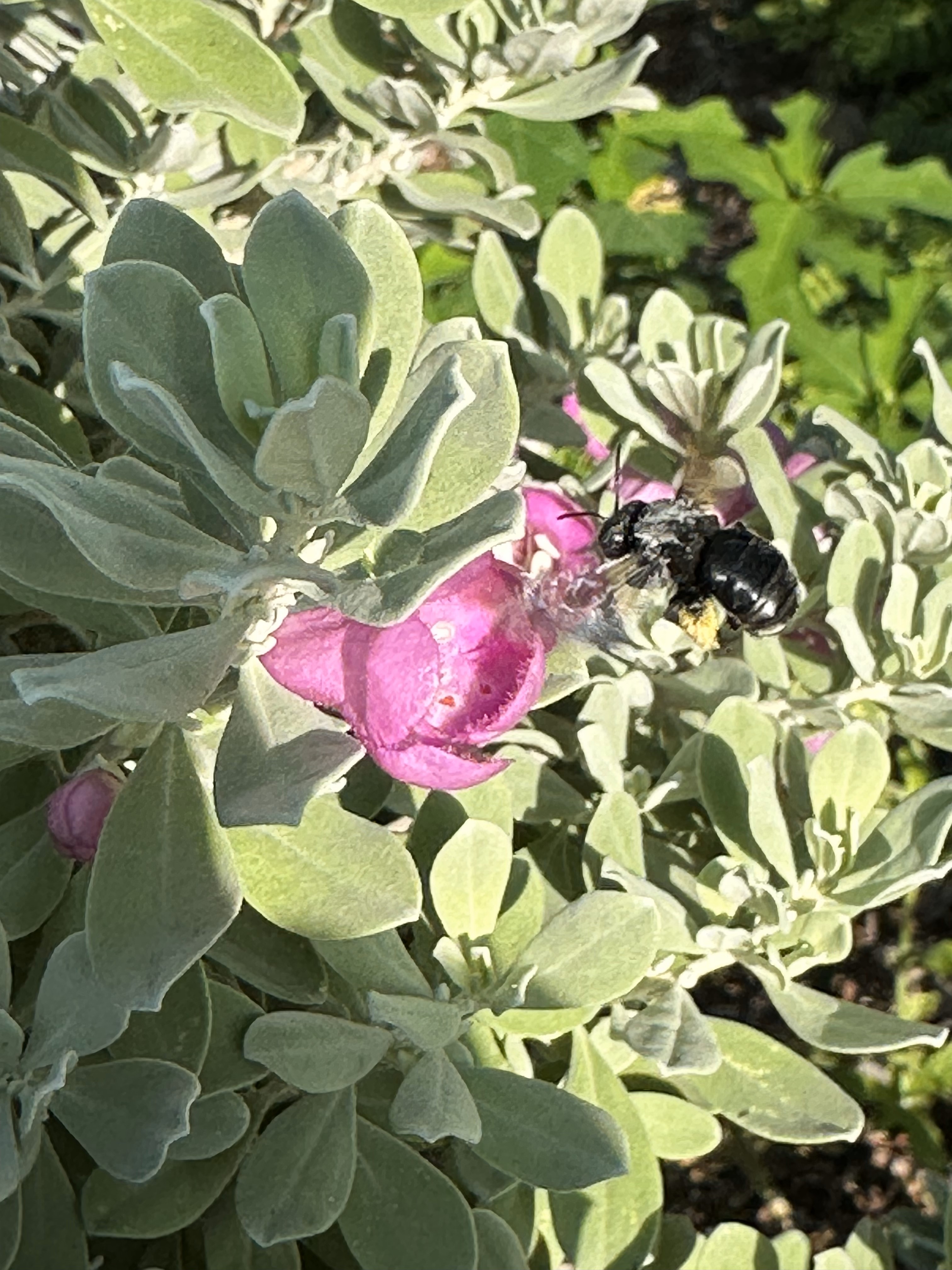
For the past few weeks, I’ve been spending countless hours in the garden. It didn’t take long to notice the increased level of honeybee activity occurring from early morning until evening. The bees are everywhere during daylight hours and seem to be buzzing around the flowers with a frenzy in their movements. It is truly fascinating to watch.

Why, I wondered, is fall such a busy time for the bees? One interesting explanation that I stumbled across was that honeybees have switched from needing protein to feed their young to craving carbohydrates before they die later in the season. Seems rather sad but, as we know, the lifespan of a honeybee is relatively short – a few weeks to maybe six months, at the most.

I also discovered that as long as the weather is mild, honeybees will continue to forage throughout the autumn months. During this time, worker bees spend many hours collecting enough nectar (carbohydrates) and pollen (protein) to feed and maintain the colony throughout the winter. Keeping the hive alive during the winter months is a priority. In order for this to happen, worker bees will need to be especially vigorous and healthy.  

(NOTE: In the summer months a hive can have about 60,000 bees, but only about 10,000 bees are needed to ensure a colony survives the cold winter weather. As honeybees start preparing for winter, most drones (male honeybees) are evicted from the hive. Since drones have one purpose only – to mate with a queen – when their work is over, out they go.)  

As the days grow shorter and colder, the remaining honeybees will form what is referred to as a “winter cluster”.  The queen and her brood are kept at the center of this globe-like cluster while worker bees shiver or vibrate their wing muscles, generating enough heat to keep the hive warm in even very cold temperatures. On mild winter days, as we often experience in Zone 8, bees will come out of the hive to dispose of waste products, clean the hive and forage. 

However, since there aren’t many options for foraging in the middle of winter, fall nectar and pollen gathering is critical to the hive’s continued survival. We can play an important role in supporting the honeybees during this time by taking a few steps to help them in their work. 

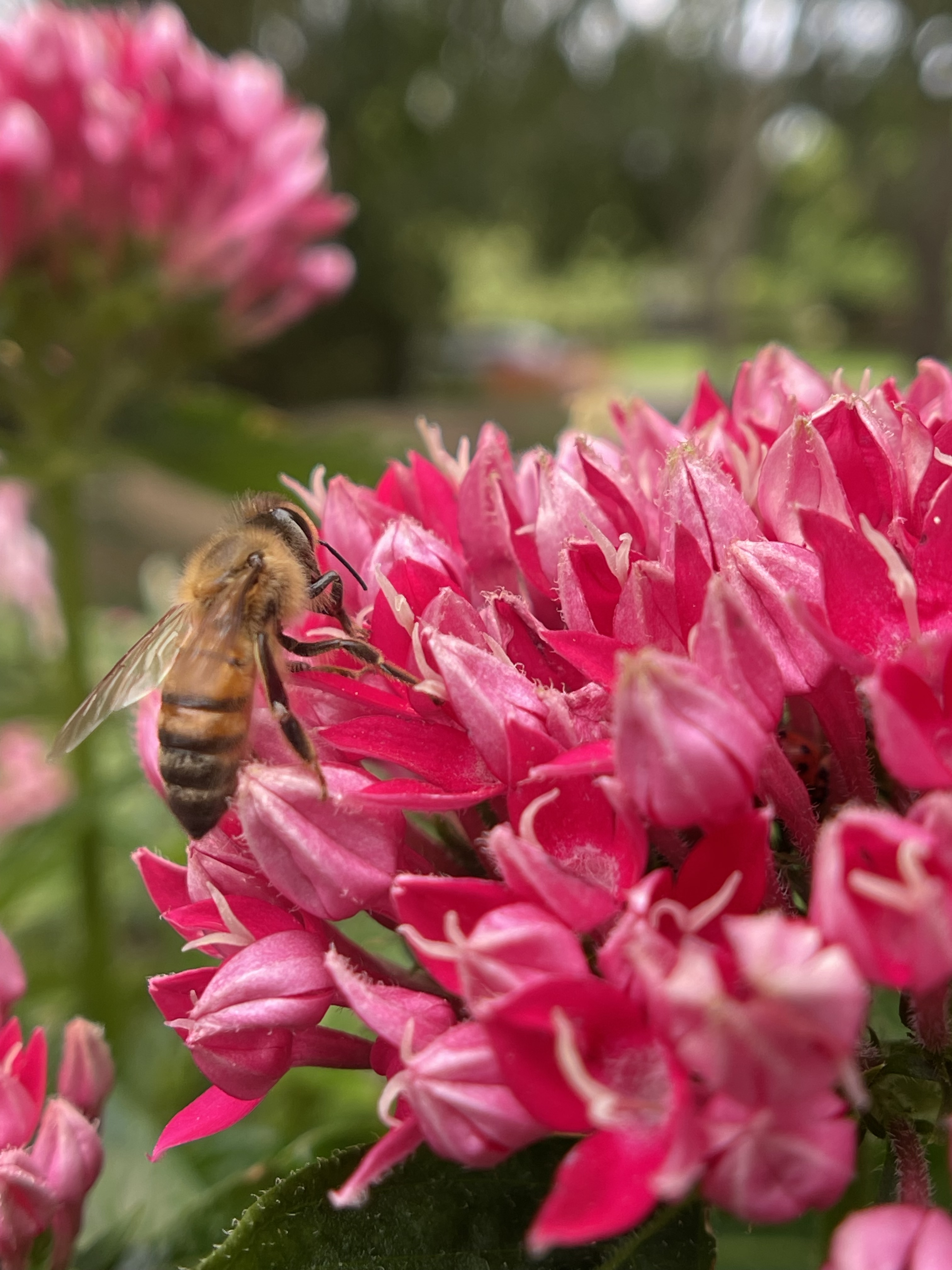
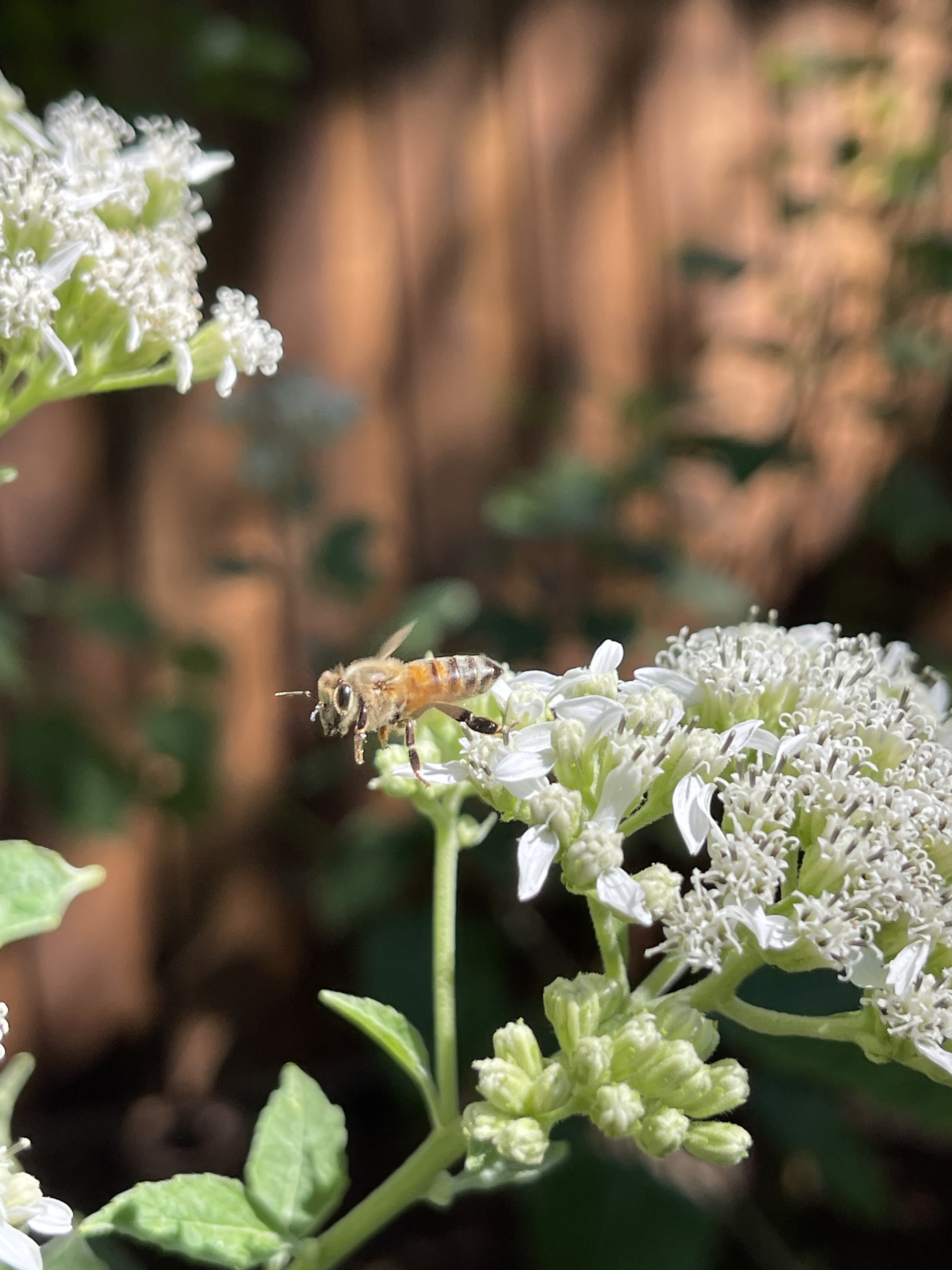
*Plant late blooming plants that provide the nectar and pollen bees need. Some examples include fall asters, borage, calendula, frostweed, goldenrod, hibiscus, pentas, salvia and zinnias. We have pictures of most of these pollinator plants above.

*Plan to leave your basil plants in the ground until the first “cold snap” or freeze. I’ve noticed more honeybees on my fall basil plants than anything else in the garden. 

*Provide a fresh water source (shallow container) and add some pebbles or twigs for the bees to land on while drinking.

Black Sage Honey, (Salvia mellifera)

Sometime around the middle of September, while visiting our youngest son and his family, we started a conversation about the different flavors of honey. He wanted to know if I had ever heard of Black Sage Honey. My answer was “yes”, but I had never tasted it. Immediately, he brought out a jar, opened it and, together, we all sampled a delicious, peppery honey that was truly unique. 

Later that evening, I did an online search to learn more about “black sage”. Here is a brief summary of what I learned about this amazing plant from Specialty Produce.

“Black Sage is a powerfully fragrant, woody shrub that quickly grows to an average of one meter in height and width. More mature plants can reach up to 1.8 meters. The plant has tiny hairs coating the stems and leaves in a sliver-green fuzz, and flowers that range from white to pale blue or lavender grow in spherical clusters known as whorls, along the square stems. The small, oval, dark-green pebbled leaves can look almost black from a distance, especially during dry conditions, and the stem and whorls harden and turn black at the end of the season – all characteristics believed to have influenced the plant’s name. Black Sage leaves produce a strong, herbal, sometimes minty scent and offer a mildly astringent, herbaceous flavor.”

After learning that black sage is recommended for USDA Zones 8-10, I began searching for a grower. Mountain Valley Growers in Squaw Valley, California had the plants in stock, so my order was quickly placed. I purchased a total of three plants. They arrived on October 20th and, after acclimating for a few days, were put into the ground this week.

New planting of Black Sage. It will receive about six hours of sun followed by dappled shade in the late afternoon.

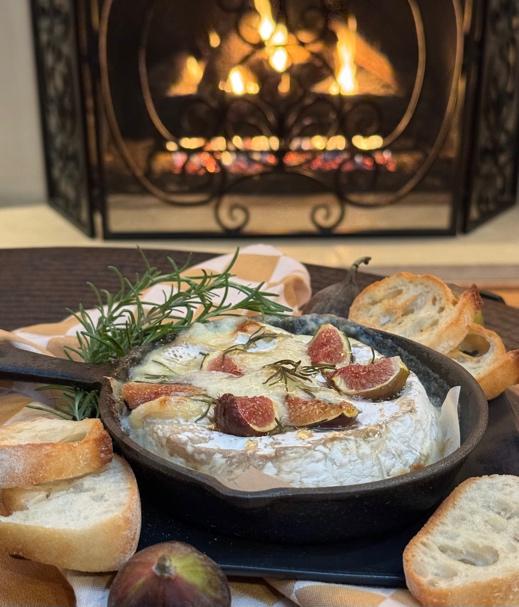
And finally, what’s all the “buzz” about Black Sage Honey? Black sage is native to Southern California and Northern Mexico. It flowers only about every three years. That translates to a very rare honey that is made only about four seasons per decade! Thankfully, I was able to find a jar from Savannah Bee Company and am happy to share this simple recipe with everyone. My recommendation is to experience the wild and earthy taste on its own then decide how you would best enjoy using it. Drizzled over brie cheese and fresh fall figs is my first choice! 
A pan of food next to a fire

Description automatically generated

Honey Baked Brie with Figs and Rosemary

Linda Alexander, Dallas County Master Gardener Class of 2008

Autumn’s Abundance, Featured Flora From The October Garden

October 28, 2023

From Mexican Mint Marigold and Pineapple Sage to the tall and stately Frostweed
filled with clusters of white blossoms, stunning displays of seasonal color fill our
gardens with enchanting beauty. Come along, as we find inspiration in the
richness of autumn-hued leaves, pumpkins and an array of natural elements.


Mexican Mint Marigold (Tagetes lucida) seems to stay under the radar for most
of the April to September growing season. And then, something magical happens
in October. Clusters of golden-yellow half-inch flowers begin to appear in early fall
attracting migrating butterflies and other pollinators. Considered by many as the
Texas substitute for French tarragon, it tolerates the hot, humid climate we
experience most summers.


Pineapple Sage (Salvia elegans) is an herbaceous herb used for both culinary and
ornamental purposes. The yellow-green, fuzzy leaves have a tropical, pineapple-
like aroma, especially when crushed. Late in the season, the plant will sprout long
clustered spikes of tubular scarlet-red flowers about an inch long.
While the vibrant red flowers are popular in flower arrangements, they also
attract butterflies and hummingbirds to the garden just in time for their fall
migration. Both the leaves and flowers offer a slightly bitter-sweet citrus and mint
flavor that is delightful to experience.


Frostweed (Verbesina virginica) In the fall of 2008, I was completing the three-
month program to become a Dallas County Master Gardener. During one of the
last few weeks, we were told about a special treat. As tradition would have it,
master gardeners from previous classes would be hosting a “plant give-away” to
offer their congratulations to us for completing the program. We could choose
three or four plants to take home following class that day.


For some peculiar reason, I chose a plant unknown to me but with an interesting
name. Another master gardener casually mentioned that it needed plenty of
room to grow in my garden. That strange plant with a funny name was
Frostweed! The next day it was planted in an uncrowded back area of my garden.

Fast forward to this week, and you can see that my tiny 4” pot from 2008 has
continued to grow prolifically and now covers an area over five feet in diameter.
I didn’t know it at the time but have since learned that Frostweed is a critical
nectar source for monarchs. Clusters of white flowers that appear starting in late
August and lasting until November are a welcome sight for Monarch butterflies
during their fall migration. It is one of the few plants with autumn flowers
consistently in bloom during that time. In addition to monarchs and other
pollinators, our Frostweed is visited daily by hundreds of honeybees.
In winter, prepare to be stunned by Frostweed’s unusual behavior. When a freeze
occurs, the stems will burst and make beautiful ice formations at the base of the
plants. Generically referred to as “frost flowers, it is truly a winter garden
phenomenon. My granddaughter got to experience the thin and delicate icy
ribbons a few years ago and was so mesmerized that her sweet little hands could
not stop touching them as she giggled with delight. Give this unique and
impressive Texas native a try.
In closing, please enjoy a brief video showcasing the magical gifts of autumn as
we celebrate this wondrous time of year!

Linda Alexander, Dallas County Master Gardener Class of 2008

In case you missed September’s flora feature and movie, click here.

Raincatcher’s Online Pansy and Plant Sale is LIVE


Raincatcher’s Garden of Midway Hills is pleased to offer pansies and violas at a fantastic price for your fall and winter landscape color. “What’s the difference?,” you might ask. Pansy blooms are larger than viola blooms, but violas are reported to have more blooms per plant and be somewhat more cold-tolerant. We also have alyssum this year – so pretty in container plantings – as well as ornamental kales, Swiss chard and mustard.

Please be aware that all orders are subject to availability at the nursery.

Pansies and violas are sold by the flat of 18 4″ pots. Each flat is $20 inclusive of tax. Alyssum is $22/flat. Please order with care – chard, kale and mustard plants are priced according to the quantity and size of the pot. Sale ends Sunday, 11/5, at 6pm.

All orders must be prepaid, either through Signup Genius using your credit or debit card (fast and easy), or through Zelle to DCMGA at treasurer@dallasmga.com. Zelle payments should be made no later than 11/5 please.

All pansies and plants will be staged at Raincatcher’s for you to pick up from the west parking lot on the campus of Midway Hills Christian Church, 11001 Midway Road, Dallas, TX. We will offer delivery in the Dallas area within about 5 miles of the garden for large orders of 12 flats or more. If you live farther away and would like a delivery, we’ll work with you to charge a fair price in the neighborhood of $10 or so. You may pick up your order on Wednesday, 11/8, from 10am until 2pm. Volunteers will be available to help pull and load your order.

This sale is open to the public, so please tell your friends, family, social media and Nextdoor.com contacts!

To review the options and place your order, please click here:
https://www.signupgenius.com/go/805084EAFAD22A4FC1-44514196-raincatchers#/

Thank you for your support! Funds raised support Raincatcher’s Garden of Midway Hills, a Dallas County Master Gardener Research, Education and Demonstration project.

YET ANOTHER—INCONVENIENT—GARDEN TRUTH

August 16, 2023

How many of these “truths’ ‘ are there??  Sadly quite a lot but let’s not get discouraged and think about one at present.

That “one” is DEADHEADING  and it will give us plenty to think about.

First, what is deadheading?  Maybe it would sound more acceptable to just call it removal of spent flowers.  Flowers that are obviously going over or past their prime.

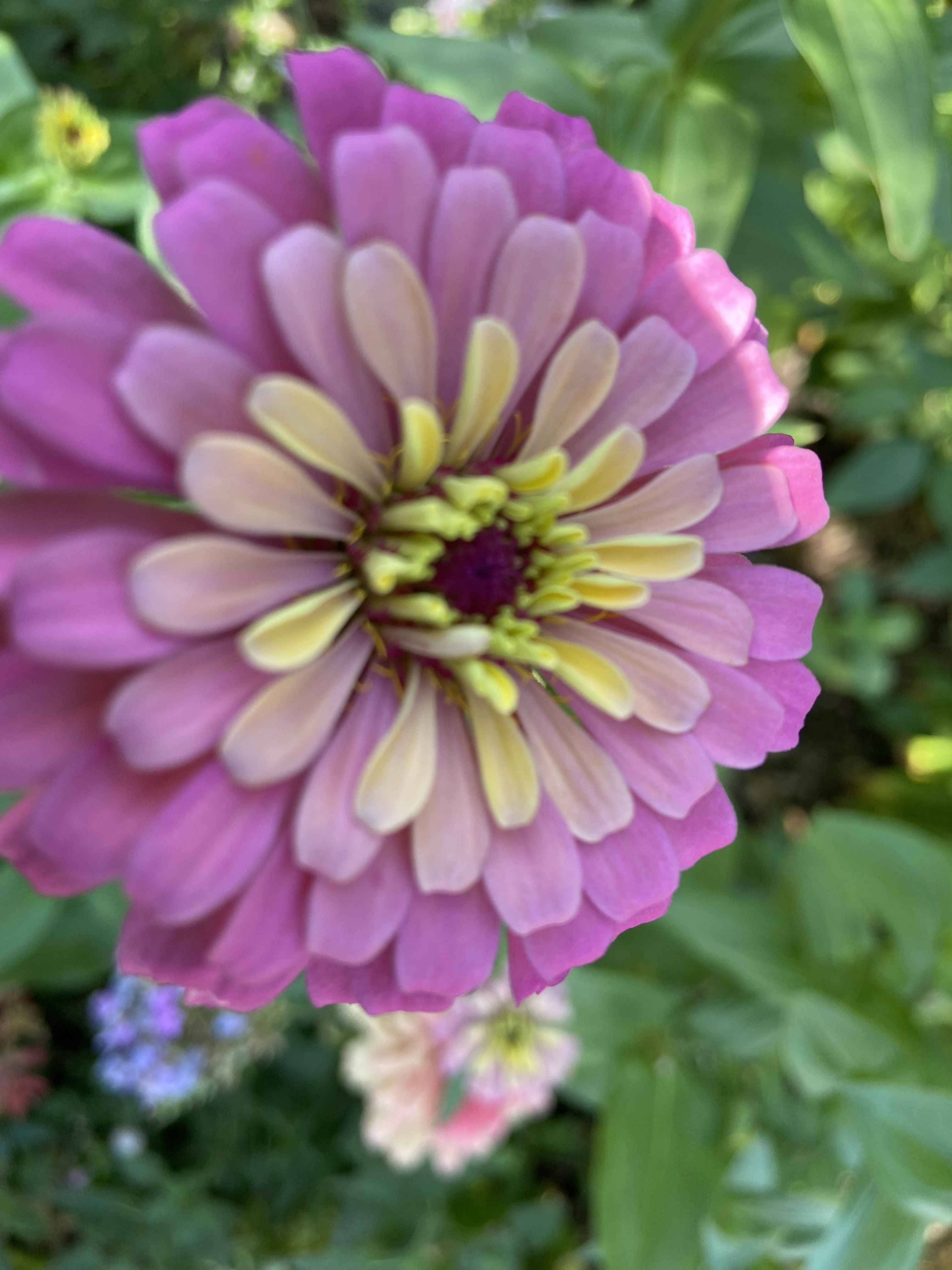
Zinnias must be deadheaded to prolong bloom, bu take time to enjoy the beauty of this common but special flower.

Why do that?  It is essential to think like a plant here.  For annual flowers there is one goal in life.  Literally one and that is to ensure that next year there will be plenty of plants/flowers just like them.  They do not care about anything else so setting seeds is their one and only goal.  Even perennials want to set seed to ensure more plants for the future.

When the plant succeeds in its goal –well job over—go knowing success was achieved.

The plant may stop or slow down blooming or even die altogether after all it succeeded in what it set out to do.

For the gardener this is not ok.  The whole point of the plant from the gardeners point of view is to keep flowers for as long as possible.  

For pollinators its also not ok.  Sure they assured that the flowers were pollinated but they need to eat they need nectar  and pollen for as long as possible.

So how to reconcile these goals?  Obviously the answer is deadheading.  When the flowers that have already been pollinated they are ready to move on to the seed setting phase.  Here is where the gardener must step in and interrupt the process by removing those spent flowers.

Sometimes the plant tags and seed packets ignore this when they promise “season long blooms”  and “easy care”.

But it can’t be ignored.  So as soon as blooming starts the gardener must be observant and as soon as faded flowers are seen they must be removed.

This isn’t hard but it does need to be done with care.  Use sharp clippers and cut the stem back to the next bud or set of leaves.  Do not ever just cut the flower and leave its stem this stem will brown and die and  make a mess. Ideally the deadheading should be not at all obvious—just takes care and observation—IT IS NOT HARD OR COMPLICATED.

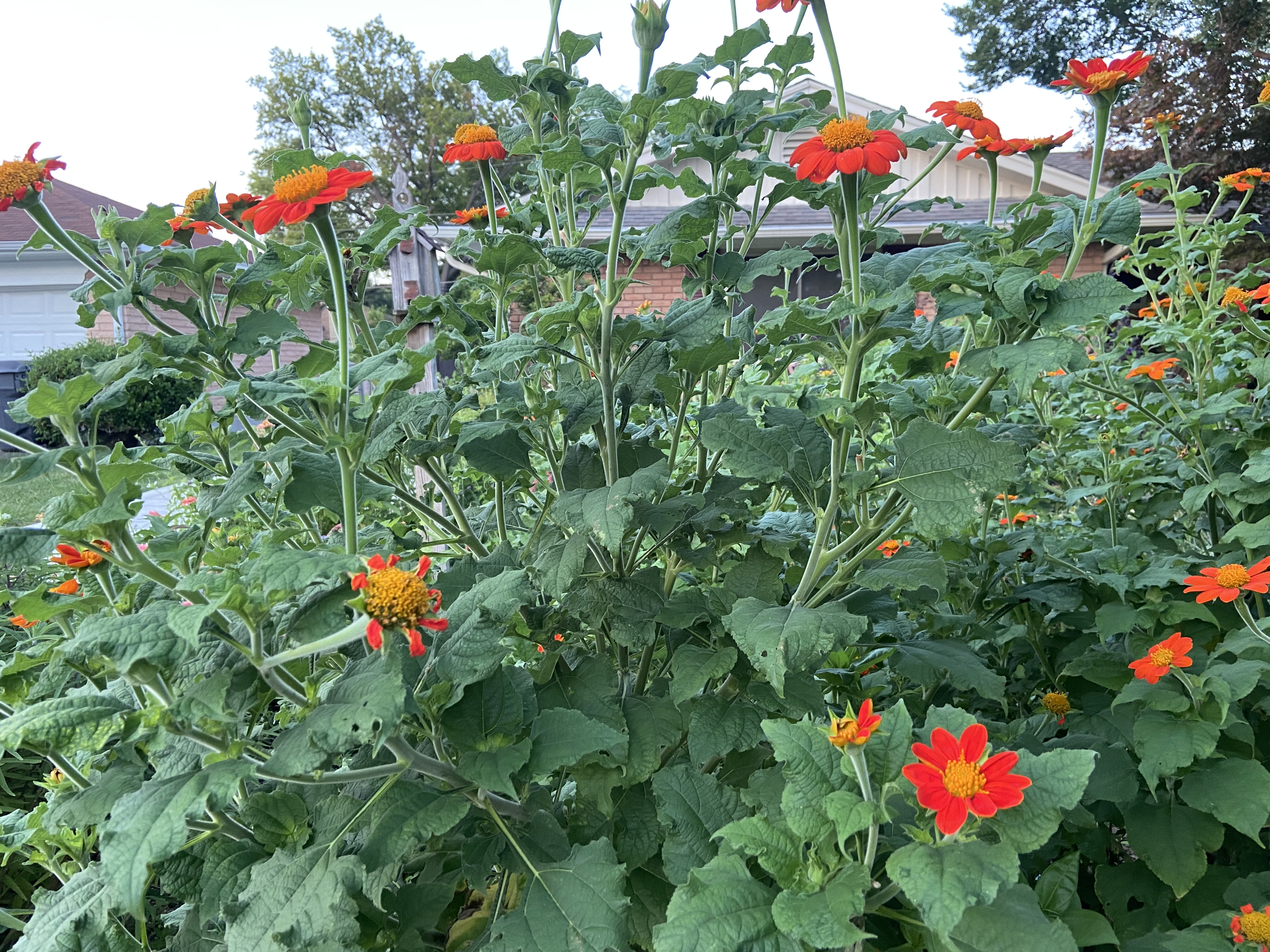
This is Tithonia, butterflies love them but they absolutely must be deadheaded to keep them blooming and in fact, keep them from dying before their time.

What it is-is constant and it happens in the summer.  No one likes that.  But  think of the reward.  Flowers will bloom far longer.  Your garden will look so much better.  A huge consideration is the absolute need for bees and butterflies and hummingbirds to eat.  Without flowers, they cannot live their lives and are dependent on gardeners.  This is serious and as gardeners we must accept our role in their very lives.

But it’s hot and some of those pollinators bite—what to do??

Getting out to the garden as early as possible first light is ideal but as soon as possible will do. Be careful  bees are rarely an issue even wasps are more intent on their work than they are on you but look before you grab a branch or cut a flower.  Remember they might not realize how beneficial your actions are!!

Think of the things you will see when you are right in the garden.  Tiny creatures can easily be overlooked but not by you—not now.  The beauty of individual flowers can be missed just walking by but again when you are close –you see it.

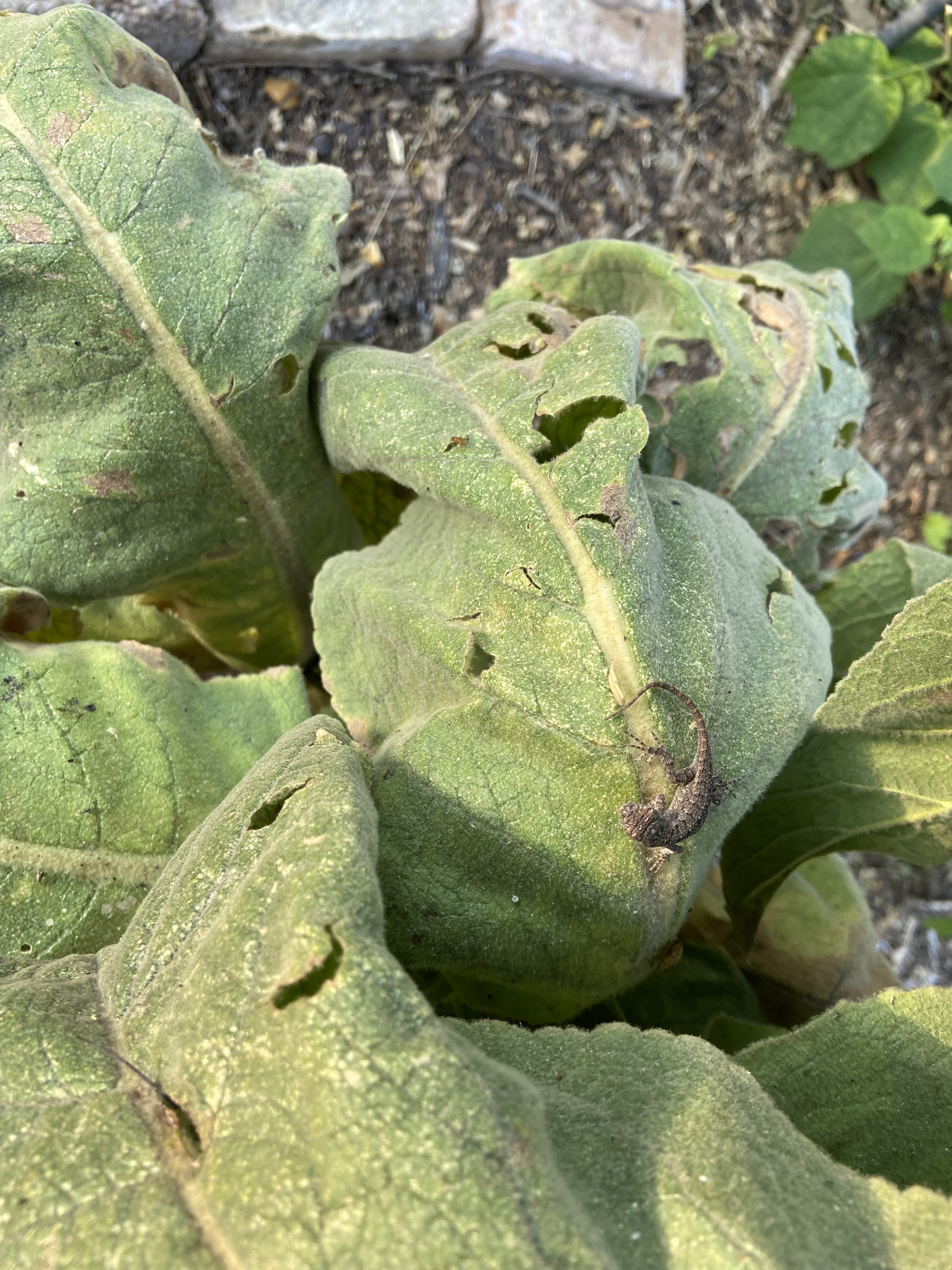
Deadheading is work but it’s a opportunity to look closer. Do you see the tiny lizard?

What about saving seeds?  Yes  you can still save seeds just wait until the end of the season to do it.  

Since you have been so observant and careful, you will know which plants are the healthiest and most beautiful. So you can gather seeds from them and have a much better chance of great plants next year.

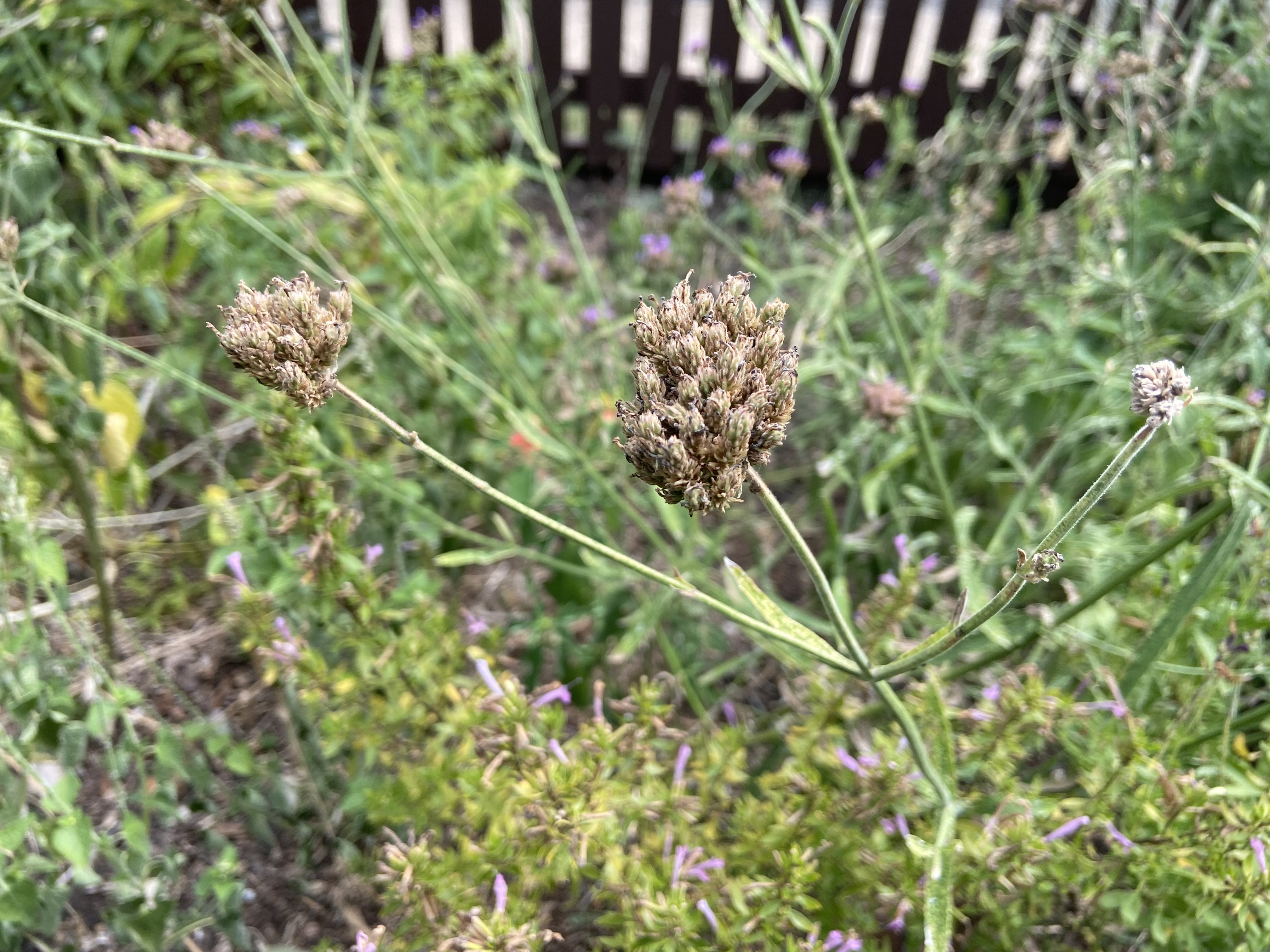
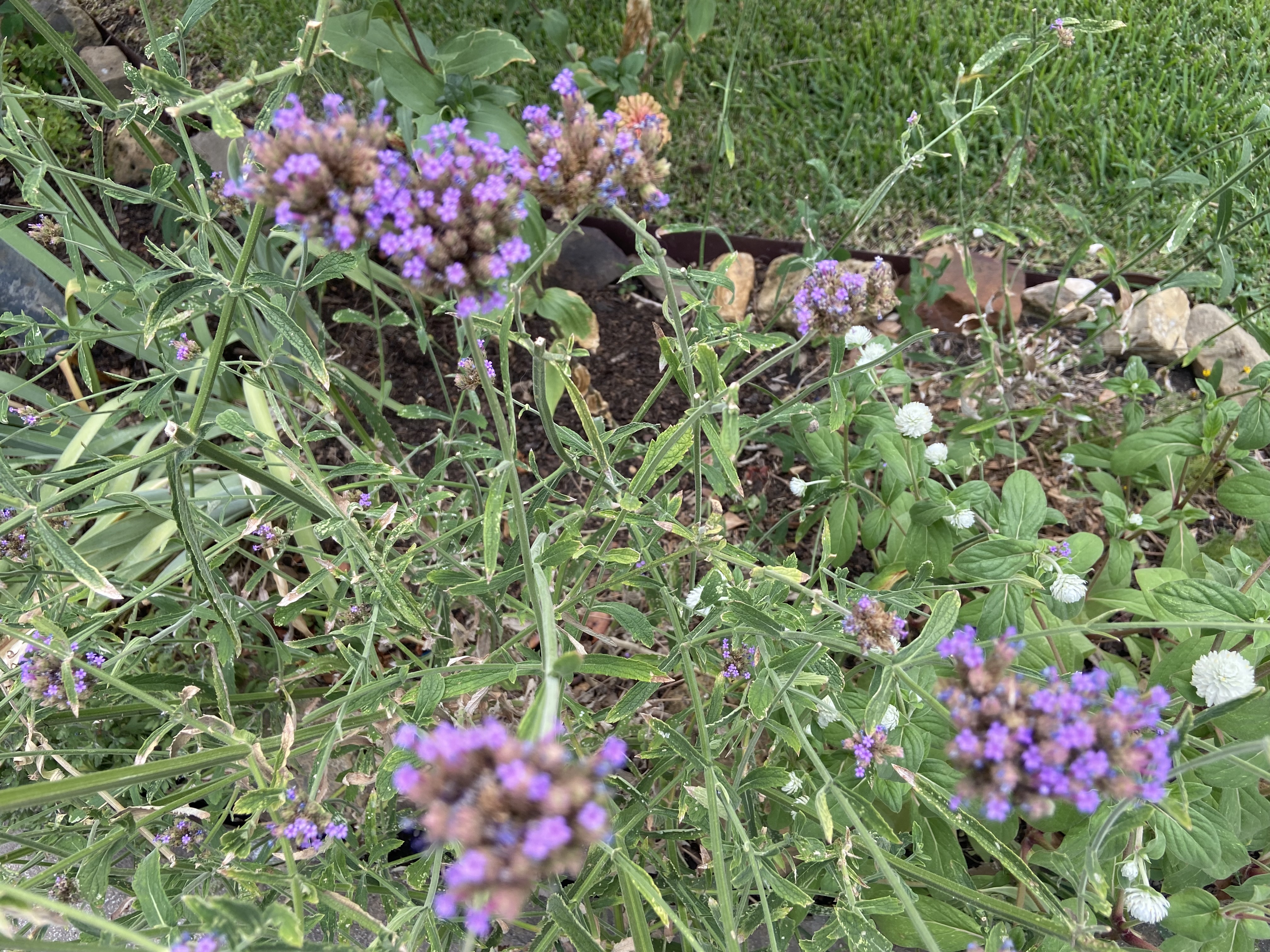
Verbenas on the left in a sad state of neglect. Verbenas on the right after deadheading. Not perfect but still blooming.

Deadheading yes its inconvenient without a doubt—But it’s essential—you will be so glad you did!

Susan Thornbury, Dallas County Master Gardener Class of 2008
A little more information:

Should all flowers be deadheaded?

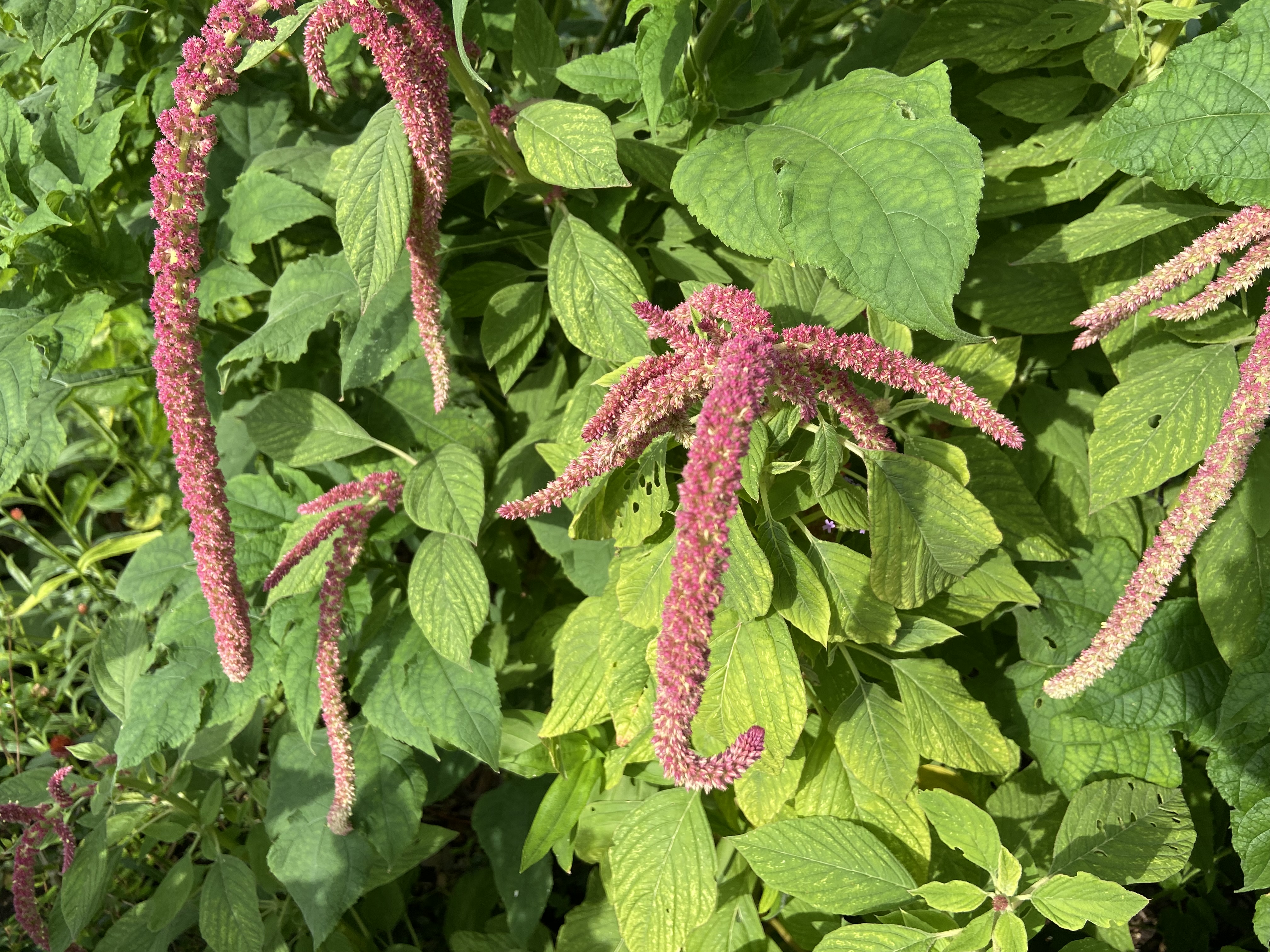
No, Amaranth is an an example. These seed heads are the whole point of growing this plant.
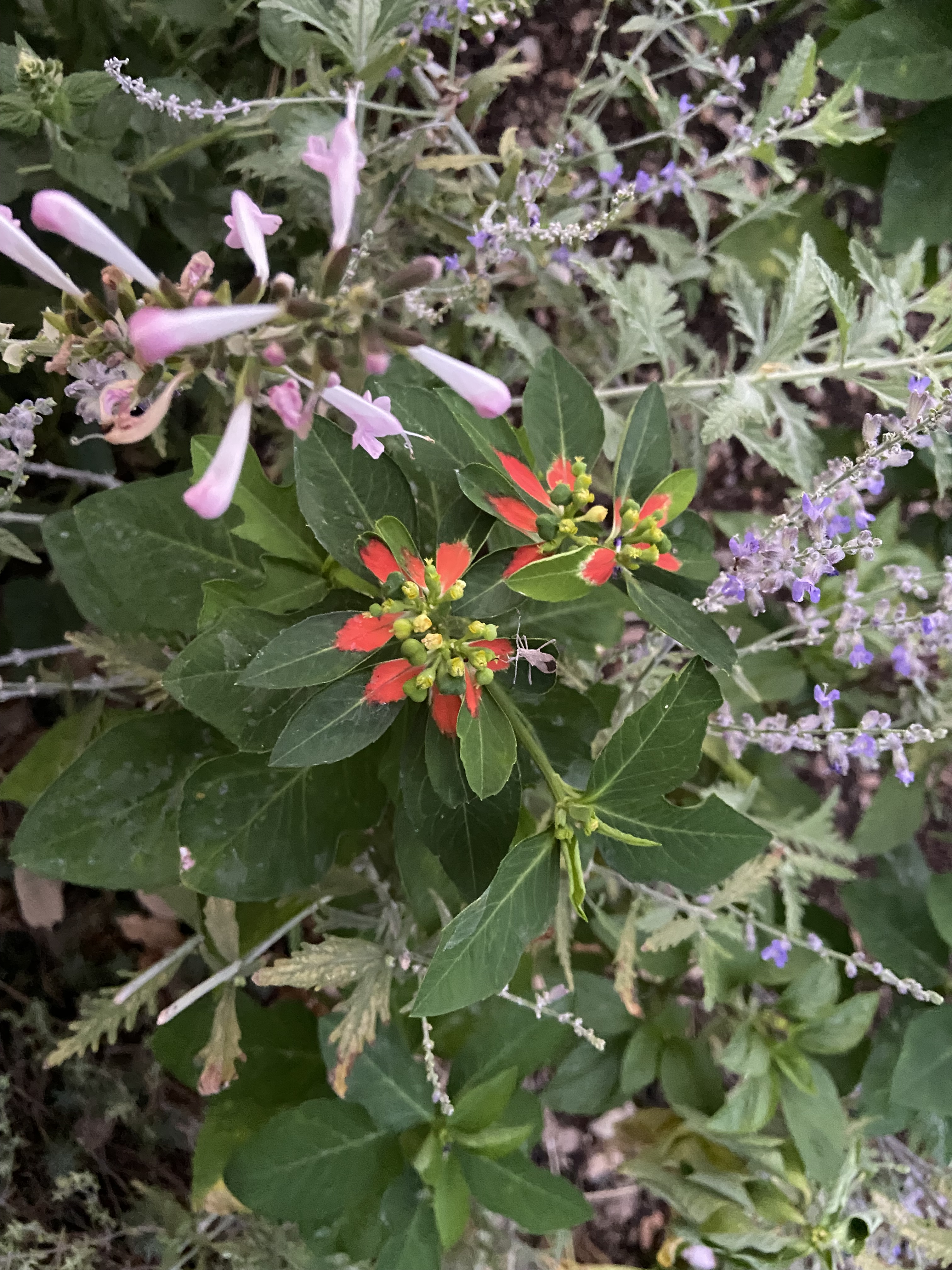
The colorful bracts of yard poinsetta do not need to be removed. Bees love the tiny flowers in the center.

The Incredibly Edible Honeycomb

August 12 , 2023

Perhaps the first question that comes to mind is if honeycomb is truly edible.
The answer is yes but the reason why is worth exploring. Honeycomb is made from beeswax but it’s important to know how it comes into the hive. As we’ve already learned, bees forage for nectar, which is necessary for the development of honey and, therefore, the development of honeycomb.

So, let’s start at the beginning. Bees collect nectar by sucking it up their tongues and storing it in their honey stomach. Once bees have collected a honey stomach full of nectar, they return to the hive. At this point, honeybees begin turning the nectar into honey by passing it through their mouths to the mouths of other worker bees. Each bee chews on it for half an hour before passing it on to the next. Eventually, this process evaporates the nectar and then turns it into honey. Bees consume honey and as they digest it, the honey is converted into wax through a series of glands on the bee’s abdomen. A honeybee has 8 wax-producing glands.

FYI…Bees must consume around 6-8 pounds of honey to produce 1 pound of wax!

The wax enters into the bees’ abdomens as small flakes. But to turn the flakes into beeswax, bees must move the flakes up to their mandibles, or moveable jaws, so they can chew and soften the substance. Bees use one of two methods for transferring the flakes from one place to the next:

1. Another bee removes the scales for them and does the chewing themselves.
2. Using one hind leg, they move the wax scale to the first pair of legs known as forelegs. From the forelegs, bees transfer the scales to the mandibles.

Through the process of chewing and chewing, bees mix enzymes from their salivary secretions which softens the wax flakes until it becomes formable like clay. Once the wax becomes a clay-like material, bees will combine large groupings of the wax together to create the hexagon-shaped honeycomb. Interestingly, this crowding concept also creates the necessary conditions to keep the hive at the right temperature for honeycomb’s survival.

FYI…By crowding together, bees know how to maintain the hive temperature at 95 degrees F – the perfect temperature for manipulating beeswax. Because bees are expert temperature regulators, they will use a fanning motion with their wings to cool the hive on hot days. Maintaining this temperature is also essential for keeping their Queen warm on cold days.

In summary, bees work tirelessly to produce their honeycombs. Fortunately for us, we get to enjoy the fruits of their labor. Honeycomb is an excellent source of antioxidants and carbohydrates. It also has trace amounts of nutrients. Enjoy eating it raw in the form of delicious honeycomb honey as well as a sweetener in homemade desserts. Sprinkle small pieces across a favorite salad or alongside fruit, cheese or as a centerpiece for your next charcuterie board.

Linda Alexander, Dallas County Master Gardener Class of 2008
Strawberry, Peaches and Honeycomb Salad and the recipe right here.

Celebrating National Ice Cream Day and Blueberry Honeycomb No-churn Ice cream

July 16, 2023

July is National Ice Cream Month and July 16th is National Ice Cream Day. Thomas Jefferson is credited with the first ice cream recipe, read the cold, hard facts here.

If you love homemade ice cream on a sizzling hot summer day, Blueberry Honeycomb No-Churn Ice Cream is a super easy treat that will take you into dreamland!

Blueberry Honeycomb No-Churn Ice Cream Recipe

Linda Alexander, Dallas County Master Gardener Class of 2008
More on the buzz coming soon: Our next honey blog will the about the construction of honeycomb.

HONESTY—IN THE GARDEN

Every so often one reads something that Is just so honest and truthful that its almost a shock.  That recently happened.

For some reason an interview with a tourist information official from Nebraska seemed to jump off the page.  He said—“To be honest it’s not for everyone”.  Oh my thatis a wonderful thing.  One expects technicolor sunsets—incredibly happy couples eating amazing food laughing children at the theme park—but not this time—“To be honest its not for everyone”

That should make anyone want to head for Nebraska—now.  Because you would know what to expect—a perfectly nice place where you might  have to make an effort to have a great time.

And then it seemed the absolutely perfect motto for the Pollinator garden at Raincatchers.

It’s a wonderful area but people who work there—well they have to work at it.  The butterflies and bees and birds—obviously appreciate it but they keep quiet—no rounds of applause or words of thanks.

Often it is said that native and adapted plants are “low maintenance –but work is required and it is repetitive –deadheading trimming weeding—necessary but it can be hard too and somehow—never quite “finished” And without a doubt not at all glamorous.

So—it’s clear now right??  Come and work in the pollinator area you get to see insects and  birds and lovely plants—yes it is work and it might not be spectacular—but isn’t that the whole point of a garden.

It’s a wonderful experience but you have to work at it.  It may not be for everyone —-but—maybe its for you!!  You will always be welcome!  And just like Nebraska—the rewards are there with just a little effort!

Susan Thornbury, Dallas County Master Gardener Class of 2008
During the hot summer days, we work early at Raincatcher’s. Monday morning and Tuesdays you will find Master Gardeners in the garden early-even before 8am.

NATURE WITH NO OR VERY FEW—RESERVATIONS

June 15, 2023

Everyone loves nature right—but then not squirrels or rabbits.  Not the plants you were told were lovely natives but turn out to be so very successful that you have to carefully and quickly remove them from the neighbor’s yards.  And then we can’t even think about nature films—way too often seem to feature chasing and catching and biting—oh no—a bridge too far.

Well,there is an answer its totally natural contains almost no violence and stars—BUTTERFLIES.  What is best is they are pipevine swallowtails—beautiful large and showy—and actually are here.

Pipevine Swallowtail Butterfly laying eggs on pipevine

The whole amazing life cycle can happen in your yard right before your eyes amazing really doesn’t quite cover it—and its not hard and doesn’t involve massive expense. 

What to get started?  Of course.  Here’s how plant white veined pipe vine.  It’s a ground cover type plant that loves shade or semi shade—but seems very adaptable seeding itself into sunnier areas too—but plant your starter plants in a shady place—think about this—put them where you will see them often—and put them in front of any shrubs or tall plants.  Ask around—your friends may be willing to share.  Its best to transplant small plants.  Now natural processes take time be patient and let your plants grow and thrive. 

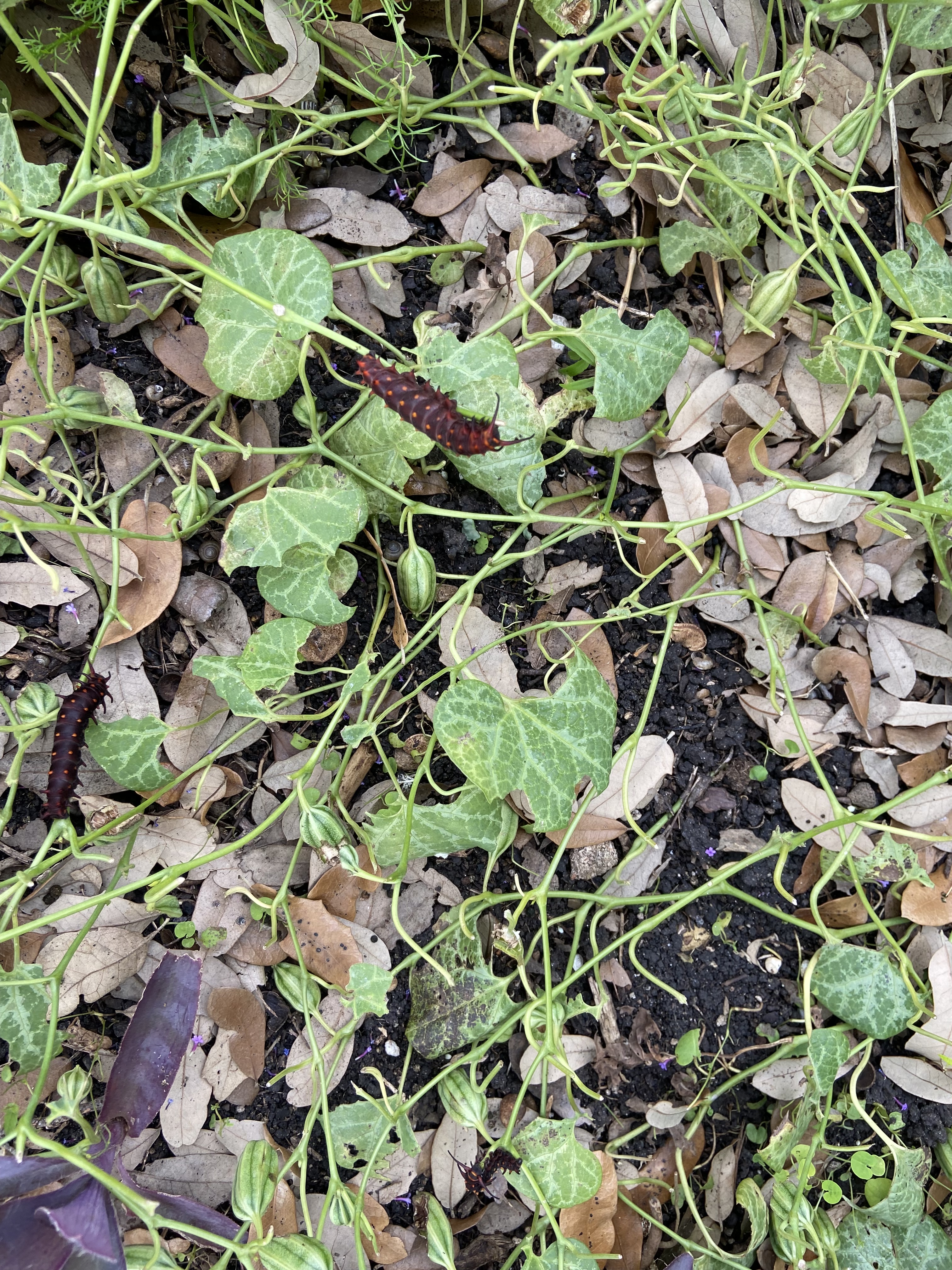
Larvae eating White-Veined Pipevine

Now exactly how the lovely black butterfly with blue markings finds your plants—they smell them I believe but they also seem to be looking for them.  Eggs are laid in clusters starting in late spring and early summer.  Actually we live in an area that can have two full generations—more about that in a minute.

So the butterfly lays eggs and they hatch into tiny larvae—but they don’t stay tiny long the eating of the pipevine is—well I know the word amazing is being used a lot—but sometimes—you will see its totally indicated.

When the larvae have reached there final size—which is big they leave and seem to head for a high place to form a chrysalis—first they find the place—try to leave them alone they know what they want—you don’t!.  They then become completely still and form a J this also lasts awhile.  However when the time is right the larvae turns into a chrysalis so fast that its hard to believe—honestly about 5 minutes.  The chrysalis has to harden but the change is incredibly fast. Now one thing about pipevine—it is toxic—now not to you planting or tending but when the larvae eat it they become very toxic to birds reptiles—things that might ordinarily eat it—you get the idea of this if you pick a leaf—it smells really nasty.  I mention this because you actually get to see way more of these larvae actually form their chrysalis instead of being carried away by wasps or birds—just the way nature should be right?

Now the only part that may be unpleasant it the fact that the larvae eat masses of pipevine—your beautiful patch can look truly ratty when they finish—But wait there’s more!  The pipevine knows very well that it will be eaten and is prepared.  Underground the vine has a storage unit—very like a small sweet potato that helps the vine survive very well when all the leaves have been eaten—very very soon—it has grown back as strong as before and is ready for the next wave of larvae.  That is nature at its best.

In picture above, the creatures were relocated to a better patch of pipevine. The larvae are totally harmless just be careful not to hurt them; they will not hurt you.

If you are very fortunate you will see the butterfly come out of the chrysalis dry its wings and fly away.

It just doesn’t make any sense not to plant pipe vine.   

Susan Thornbury, Dallas County Master Gardener Class of 2008
Emerald Fire Jalapeno 

June 12, 2023

I’m kind of obsessed with pepper plants lately.  This is the second year in a row we have loaded Raincatcher’s courtyard beds with pepper plants and I have 27 pepper plants growing in containers at my house.  

I think my obsession started when Jim Dempsey grew the Emerald Fire Jalapeno for our plant sale several years ago.  The award winning Emerald Fire Jalapeno has become my absolute favorite pepper plant.  It produces an abundance of jumbo sized, glossy green jalapenos that are longer, wider and thicker than standard jalapenos.  It turns a beautiful red color if left on the plant.  Because of the large size of the fruit, it is great for stuffing and grilling as well as pickling and salsa making.

Comparison of standard jalapeño at bottom with Emerald Fire jalapeño on top

Pepper plants need full sun and plenty of water during the hottest part of the summer.  They do well with a well balanced fertilizer (5-10-10) every few weeks for the best production.  So if you have space in your vegetable garden or a have a large container, you might want to consider growing this jalapeno.  

Jackie James, Dallas County Master Gardener Class of 1993

Note: Start jalapeños as seeds in January or as transplants after that threat of frost has passed.   

What’s happening this week in the food gardens?

June 7, 2023

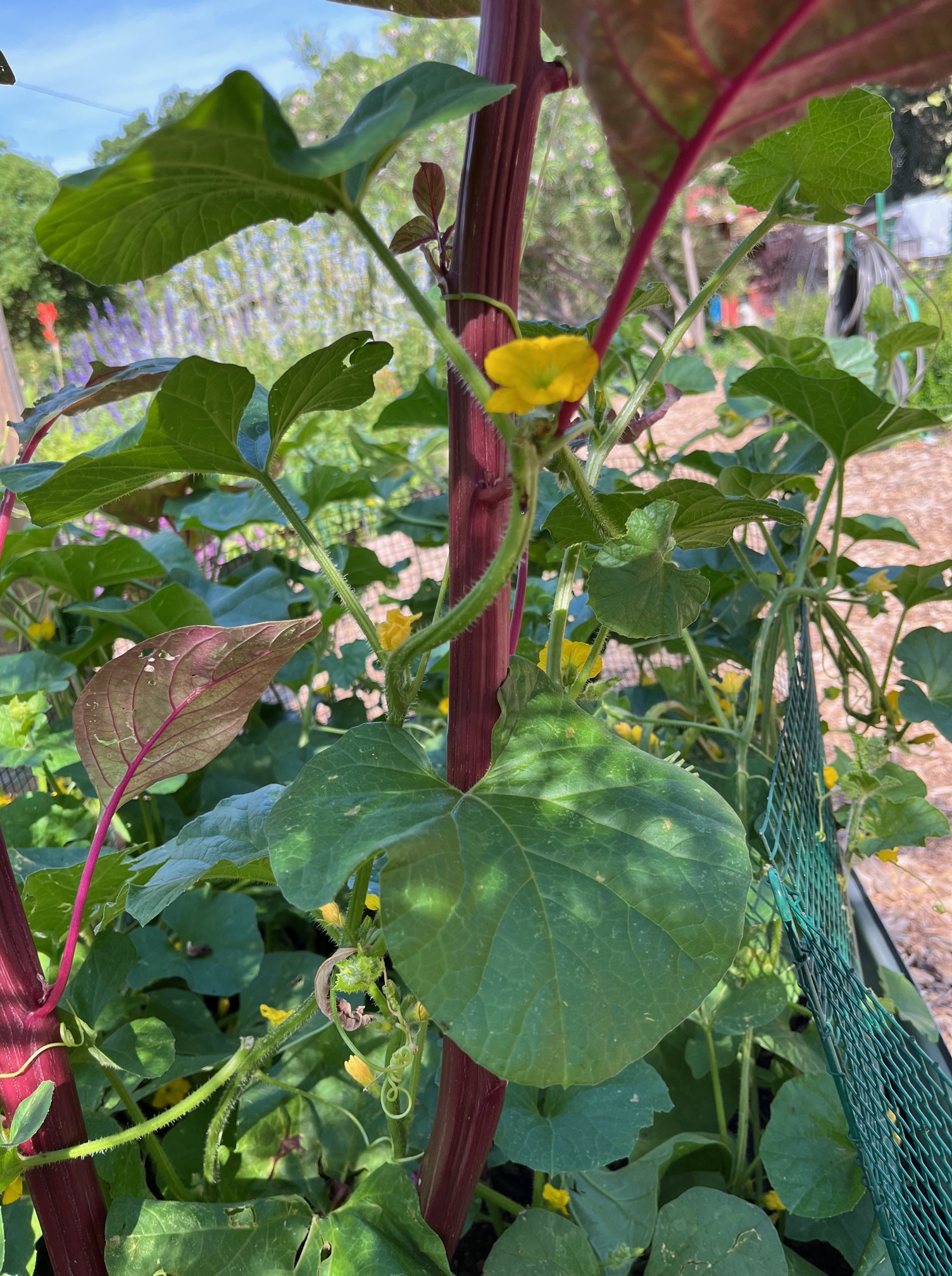
An amaranth volunteer provides climbing support for a Minnesota Midget cantaloupe vine.  Since 1948 this plant has been known for producing sweet 4 inch cantaloupes on 3 foot vines. 

Blackberry season is at its peak.  Volunteers harvest and freeze them every day so that the jam and jelly team can work their magic. 

Patio Choice Yellow and Cherokee Carbon tomatoes have been especially productive.  All of the tomato varieties have to be picked at the first sign of color change and ripened indoors to protect them from squirrels. 

The season is off to a great start. We donated 142 pounds of potatoes to the North Dallas Shared Ministries food pantry in May. The peppers, cucumbers, long beans, and eggplant are coming along nicely. The squash vine borers have been distracted long enough to allow us to harvest some lovely round zucchinis. 

We welcome Master Gardener volunteers and community support. Drop us a line in the comment section if you are new to our garden and would like to know more. 

Beverly Allen, Dallas County Master Gardener class of 2018