Starla and Ann at Carol Verhake’s garden,Boulderhaven, in Berwyn, Pennsylvania
September 29, 2023
Dear Texans, we are sorry to inform you Texas is not the center of the garden world. Philadelphia is America’s Garden Capital. With over 30 public gardens, arboreta and historic landscapes within 3o miles of Philadelphia and the roots of horticultural history firmly planted in this area, we surrender the title to them.
Starla and I toured 15 private and public gardens in 4 days with The Garden Fling, a group of 100 garden variety bloggers, instagrammers, and podcasters. When walking through Charles Cresson’s gardens of Hedgleigh Spring, Margo, a young author remarked to me “surely there is a better word for what I am experiencing than garden envy.” As I recalled our conversation, it seemed to me she was expressing the yearning we feel when we experience beautiful gardens . They take us to a place of appreciation in our souls. Gardens inspire and turn us from the mundane affairs of the world to something bigger. And so, as we share these photos from The Garden Fling in Philadelphia over the next few weeks, allow yourself to be transported as we were.
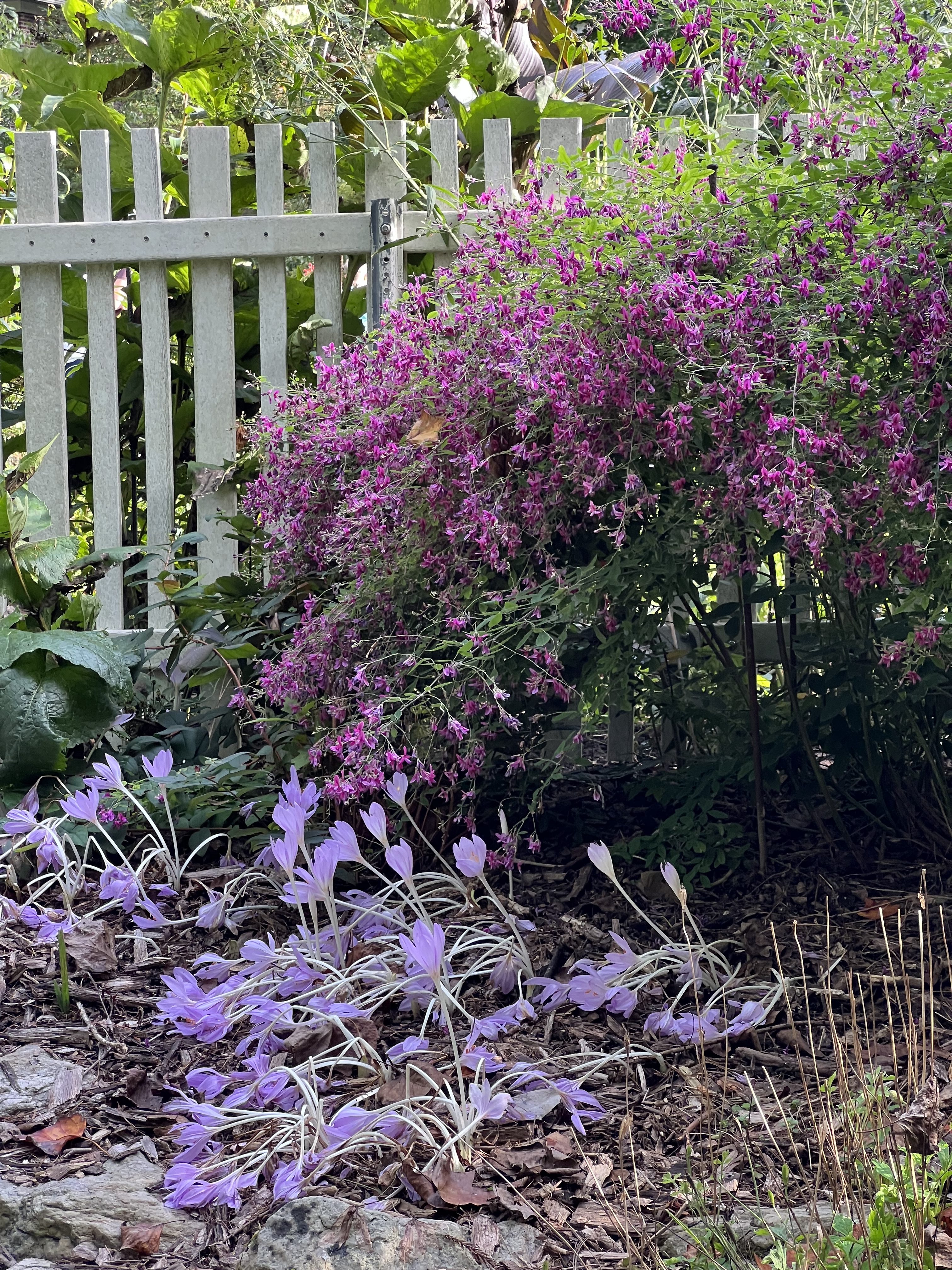
Mature trees and sabal minor palm Lilac Colchicum under LespedezaPeach Salvia Fellow gardener admiring the climbing roses and honeysuckle.Hedgleigh Spring circa 1883, tended by 3 generations
Dining locally at Suze restaurant for dinner is something my husband and I enjoy doing a few times a month. So, for my birthday just a few weeks ago, it was my first choice. As always, the appetizers and entrées were superb, but it was the dessert that left us swooning.
Gilbert Garza, our dear friend and chef-owner, said he would be bringing out an “off the menu” dessert for us. He mentioned that one of the ingredients was only seasonally available and in his words, “difficult to get my hands on”. But, as luck would have it, that special ingredient had been delivered to the restaurant earlier in the day.
As we leisurely finished the main course, Gilbert appeared with a bowl of something so intriguing it required an explanation. As told to us by Gilbert, once a year he puts in a request for a very hard to obtain plum from California known as Green Gage Plum. His dessert presentation was an artfully designed bowl of caramelized Green Gage plums warmed and served with house made vanilla gelato, crushed almond tuille and crème anglaise. Freshly harvested spearmint with a splash of balsamic was the final touch. It was a perfectly delicious, light and refreshing birthday treat!
Curious as to the unusually sweet taste of the rather small green plums, we did an internet search later that evening to learn more. The story behind Green Gage plums was fascinating.
‘Green Gage’ Plum (Prunus domestica) produces fruit that is sublimely sweet. They are a naturally occurring hybrid of the European plum, Prunus domestica and P. insititia, a species that includes Damsons and Mirabelles. Possibly, first grown in Iran in ancient times, the plums were spread to early civilizations along the Silk Road. In the 16th century they were planted in the royal gardens of Francis I in France.
Green Gage plums were brought to England by Sir William Gage in the 18th century. The story is told that Gage purchased a tree from Paris and planted it in his home garden. Having lost the label that identified the tree, Gage eventually renamed the tree after himself. Green Gage plums then spread throughout Europe, Asia, New Zealand and Australia.
On March 31, 1773, Thomas Jefferson recorded sending slips of the tree to Monticello. In 1783, he planted twenty-one of these trees in the South Orchard. Records from Monticello show that Green Gage Plum was the most intensively documented variety of fruit that Jefferson grew at Monticello.
In describing the look, texture and taste of Green Gage plums, we found the following information helpful. Green Gage plums are small, averaging 2 to 4 centimeters in diameter with a round, ovate to oval shape, curved shoulders and a slightly flattened base. The plum’s skin is smooth, taut, and thin, ranging in color with variegated hues of green and yellow to gold. Beneath the surface, the flesh is dense, finely textured and succulent, displaying yellow-green hues with a translucent quality.
After finishing every tiny morsel of our dessert, Gilbert brought out a few Green Gage plums for us to sample. We agreed with the vivid description from Specialty Produce…” Greengage plums have a sweet, honeyed and syrup-like flesh with a balanced and ambrosial flavor composed of dried apricot, ripe mango and citrus marmalade nuances.”
Don’t be misled by their green-colored appearance, which is often associated with unripe, sour flavors. What we experienced was an exceptionally sweet tasting plums, both enjoyable and suitable for eating fresh!
An update on our plum journey: The next morning, we ordered two Green Gage plum trees from plantmegreen.com. They arrived last week and are now at home in our Texas garden.
Growing Information
Green Gage Plums can be grown in USDA zones 5 through 9. They thrive in regions with sunny, hot summers combined with cool nights. We followed the planting instructions and placed them in a sheltered, sunny area of our garden with well-draining, fertile soil. We are hoping that the trees will be ready for a bountiful plum harvest by summer to late fall of 2024.
Linda Alexander, Dallas County Master Gardener Class of 2008
What’s happening at Raincatcher’s Garden: We are harvesting okra, peppers, eggplant, black-eyed peas, and long beans. Radish seeds are being planted anywhere there is unused growing space.
Something in the air feels refreshing and hopeful. Summer heat is beginning to drift away as cooler nights carry us into autumn’s blissful welcome. Have you felt the delicate whisper of magic moving through the trees as leaves are beginning to reveal their fall color palette?
Our landscapes seem grateful for the transition to rainy days filled with a nourishing gift from the heavens. Plants that were scorched and spent from the blistering heat of summer have lifted their heads in gratitude for the cool breezes of our beloved fall weather. Spending time outdoors is, once again, a delightful and long-awaited experience. Autumn is the season to embrace soothing moments of tranquility in the garden!
Plentiful is one of many ways to describe the variety of botanical options available to us over the next few months. For September, our featured plants are the following: Basil is brimming with a colorful, rich display of foliage that will be used in various ways; some for filling in open spaces of fragrant arrangements, others for making tasty pesto for the freezer. Turk’s Cap survived the summer and is now ending its seasonal performance while the strong stems and slightly rough leaves of Lemon Verbena plodded through the heat of summer with steadfast determination.
In April, my raised stone garden bed was planted with a half dozen, or more, different types of basil. They continued to grow lush and beautiful with blossoms appearing as summer progressed. It was a happy place for bees and butterflies to visit daily. Several varieties I especially enjoyed were:
Balsamic Blooms: Vigorous grower with bright green leaves and deep, purple blooms appearing simultaneously. Both leaves and flowers are edible. Wonderful for pesto, garnishes and more.
Cinnamon Basil: Once again, volunteer plants from last year’s seeds filled one side of our gravel driveway with their showy presence. Their aromatic cinnamon fragrance is a treat for the senses when used for indoor arrangements. But I couldn’t resist making several Cinnamon Basil Cakes to share with friends!
Basil, ‘Magic Mountain’: A strong contender for its ornamental value, this plant displays large, deeply colored flowers all summer long. The purple-hued dark green leaves are showy in floral arrangements as well as adding flavor to pesto, sauces, salads and meat dishes.
A few additional observations from my garden:
*Favorite basil for the honeybees: ‘Magic Mountain’ was like a bee magnet throughout the entire summer, especially during the early morning and late afternoon hours. Hundreds of foraging bees buzzed around the blossoms drinking in the nectar. They weren’t even bothered by my camera lens just inches away from the activity.
*Best basil for using in an arrangement: ‘Red Rubin’ proved to be a prolific grower with its coppery, purple leaves and small pink flowers. It offers an interesting branching structure that serves any arrangement well. Next spring, I’ll be using it throughoutmy garden.
*Basil with the most dramatic appearance: ‘Balsamic Blooms’ There’s a good reason why this variety received the Texas Superstar rating. Brilliant, green leaves embracing tightly formed purple blossoms make a striking appearance in the garden.
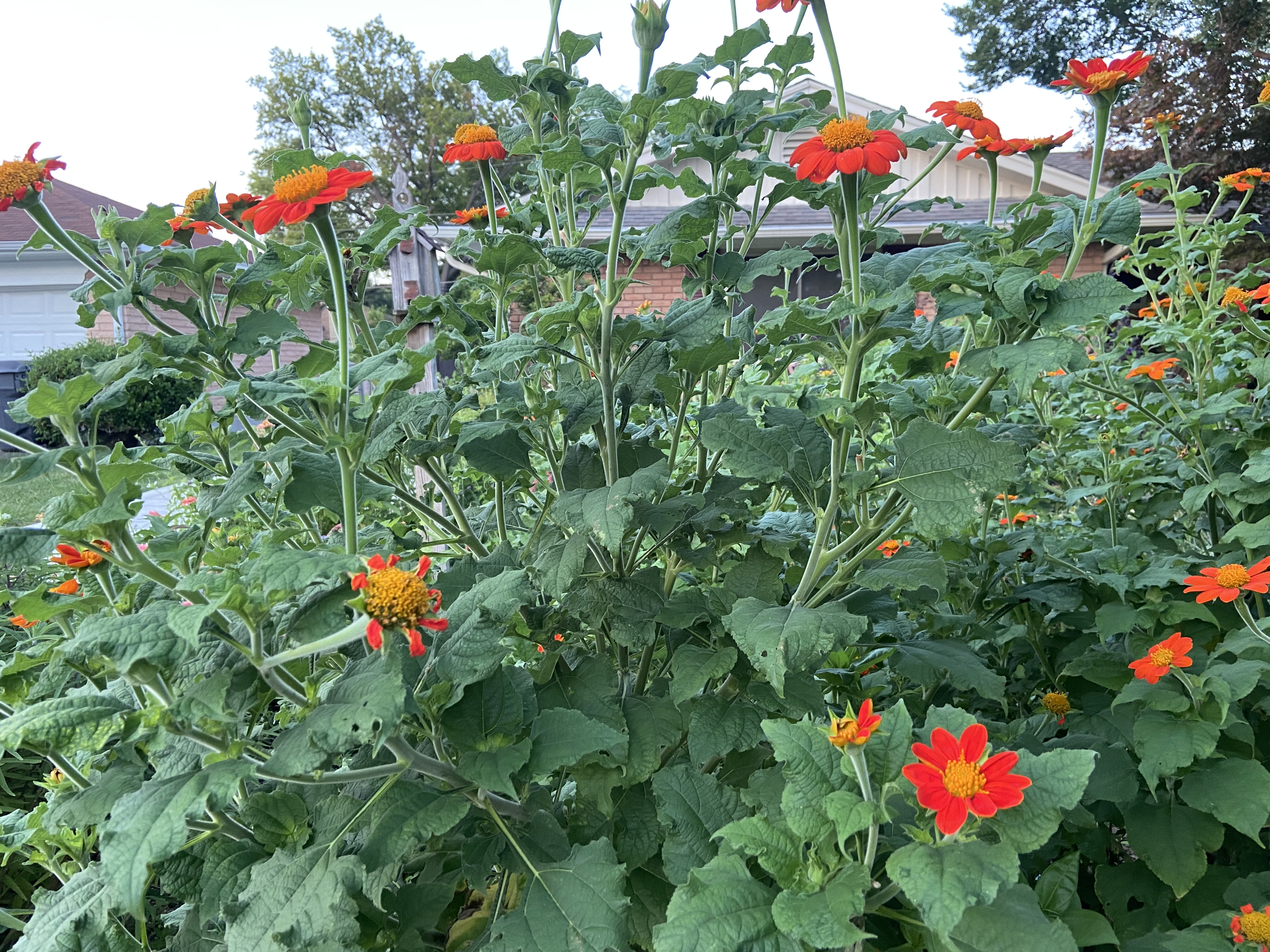
Turk’s Cap survived the summer heat and is now giving us a final showing. This perennial dies to the ground in winter but emerges in early spring. It’s another great native plant for Texas landscapes attracting bees, butterflies and hummingbirds. Growing up to six feet tall, use it as a background plant alongside other natives suited for a natural growth environment.
Lemon Verbena is my perennial herb of choice and one that I feel saddened to bid farewell to when our first freeze arrives. It was over thirty years ago that lemon verbena captured my attention. During that time, I’ve made countless loaves of lemon verbena bread to share with family and friends who gratefully extend their appreciation. And, of course, every morning from April until November a fresh sprig of lemon verbena garnishes my oversized glass of green tea.
September gently sweeps us out of summer and into the refreshing music of Autumn. Let’s embrace the melody!
Linda Alexander, Dallas County Master Gardener Class of 2008
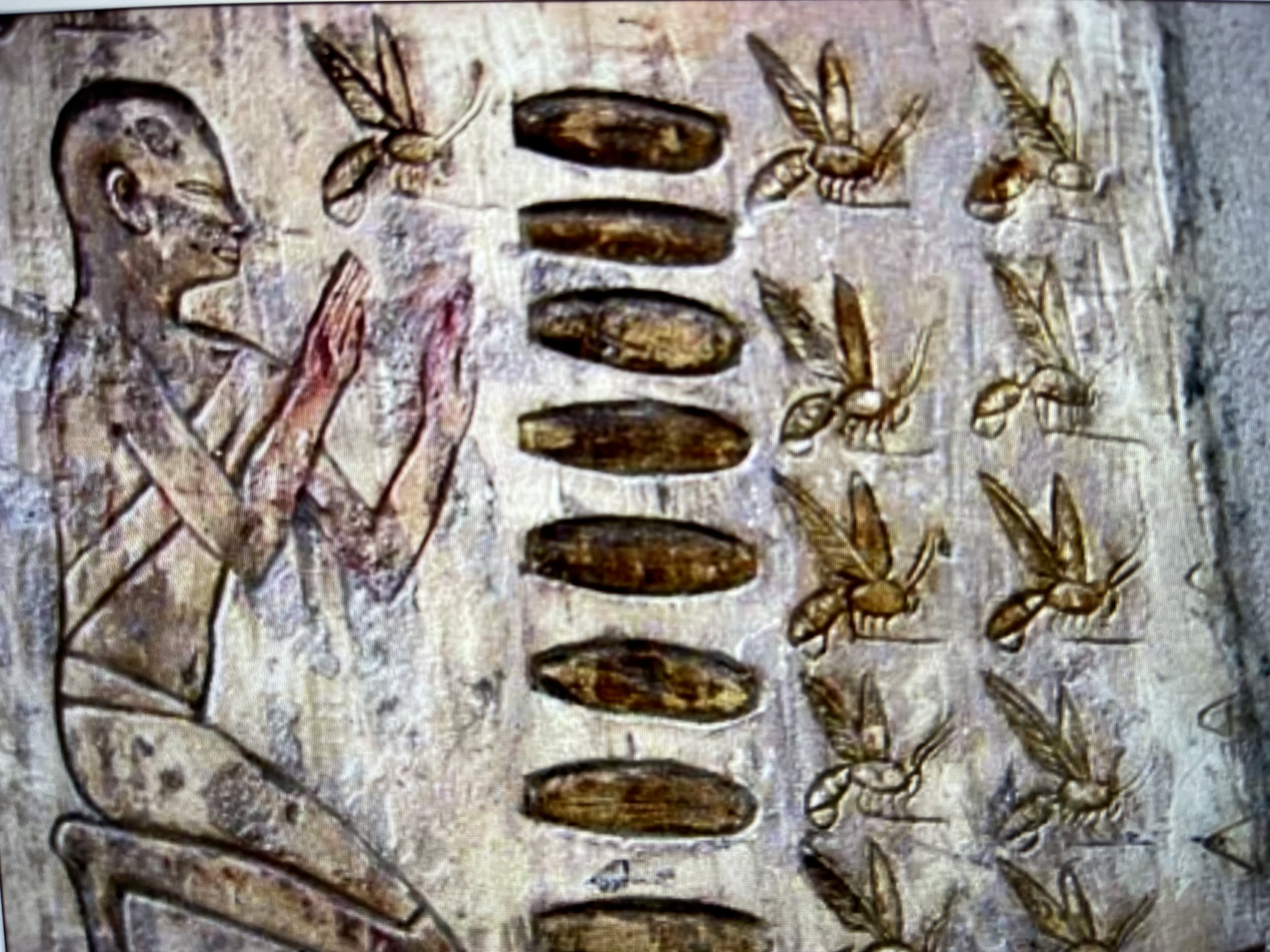
Almost every country on the planet has a story about the relationship between humans and their bees. Let’s cruise through some of the more entertaining facts pertaining to one of the most fascinating insects in the world. Consider how the flowing sweetness of honey has, since ancient times, given us eloquent phrases associated with “honeyed words”. Even bee behavior has been identified with our own in phrases such as a dominate female being referred to as a “queen bee”, or when hard at work it might imply that we are “as busy as a bee”. Such symbolism has its roots in ancient cultures of the world.
Bees in Mythology *San (Bushman) of southern Africa left prehistoric spiritual rock drawings of bees and their nests suggesting that bees had a special importance in the Stone Age. *Prehistoric cave drawings in La Cueva de la Arana in eastern Spain show images of how early humans plundered wild bees’ nests for honey.
*The Myceneans, an indigenous Greek civilization dating back to the 16 th century BC, used images of bees on their beehive shaped tombs. *Ancient Mayas of Mesoamerica kept native stingless bees and celebrated the bee god, Ah Mucan Cab, by downing honey and balche, an alcoholic honey drink. *In 1653, construction workers near the church of Saint-Brice in Tournai discovered over 300 beautiful gold and garnet cloisonne bees in the tomb of Childeric (440-482), king of the Franks. Sadly, in 1831, thieves broke into the library of the Bibliotheque nationale de France, where they were stored, stealing hundreds of pounds of gold artifacts, including Childeric’s treasure. A significant portion was melted down, leaving only two little bees in existence today.
The story of Childeric’s bees made such a strong impression on Napoleon Bonaparte that, ultimately, the bee became the new emblem of the French Empire. Even more specifically, the bee came to represent Napoleon intimately, serving as his personal emblem. He was given the nickname, the Bee. Shortly afterwards, Napoleon’s friend and miniature portraitist, Jean-Baptiste Isabey, took to the task of redesigning Childeric’s bees. His resulting design was immensely handsome. Soon enough it became suitable for fashionable wear, and would come to dominate the interiors, decorative art, fashion and material culture of the Napoleonic court. Even today, the bee emblem is used on French glassware, cutlery, linens, upholstery fabric and cosmetics.
Globally, we continue to celebrate the influence of the honeybee found in themed fabrics, jewelry, paper goods, decorative items and so much more. Looking back across time, it is an enduring reminder of the indelible mark bees have left on mankind. Enjoy these timeless images of the impact honeybees and their beloved honey have in our world today!
September’s featured honey recipe transitions us from a cherished summer fruit…peaches…to some time-honored autumn favorites…pecans and sweet potatoes. Feast on a stack of these warm and lightly spiced pancakes and you’ll be swooning with joy. Just don’t forget the maple syrup!
Sweet Potato Pancakes with Spiced Pecans and Fresh Peach Butter, recipe below
Linda Alexander, Dallas County Master Gardener Class of 2008
Make plans to join us on Saturday, October 14, for a unique day-long educational event sponsored by the Dallas County Master Gardener Association and Dallas College featuring well-known horticulturalists Felder Rushing and Callie Works-Leary. The $20 cost of registration includes lunch. To review the schedule of presentations, to read more about our speakers, and to register, visit dallascountymastergardeners.com. All who love gardening are welcome to attend!
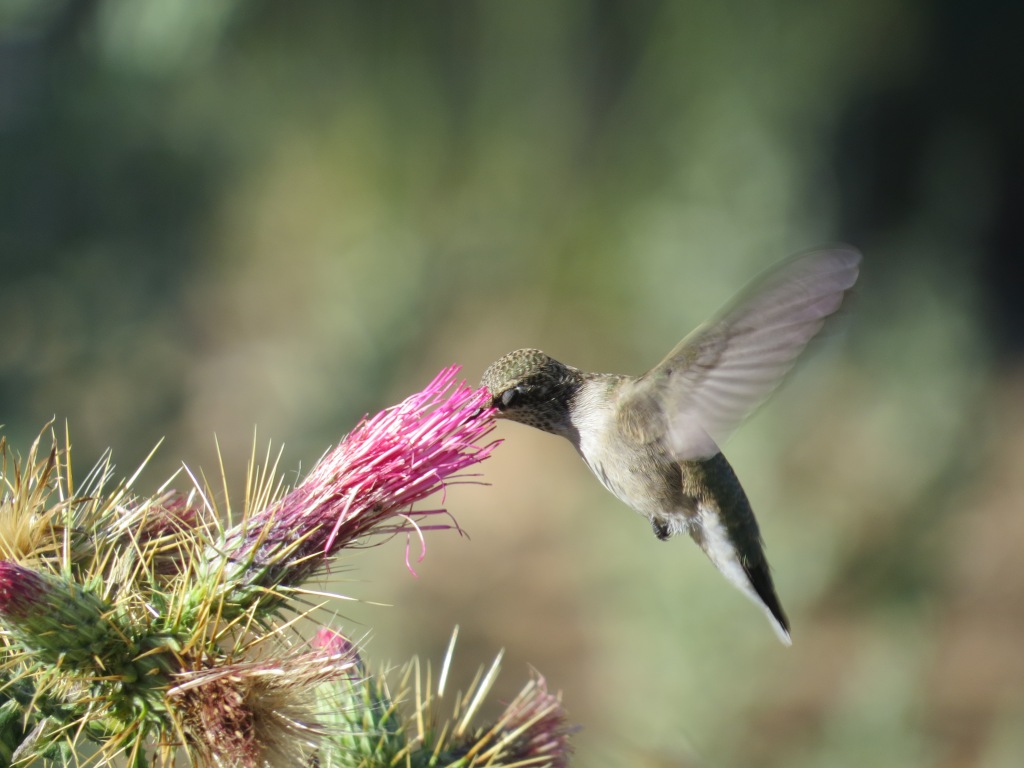
Did you know that the first Saturday in September is National Hummingbird Day? These small hovering winged creatures are from 3 -5 inches long (smallest mature birds) and are known for their long beaks and very fast beating wings.
These two pictures of male hummingbirds were taken by Starla in the Grand Canyon.
A group of hummingbirds is called a charm and charmed you will be if you have them in your yard.
Hummers are only found in the Americas today; however, they once inhabited Europe. Fossils were unearthed in Germany according to Science Magazine-May 7, 2004, but none are found today in Europe. The range is from Alaska to Tierra del Fuego in South America. The Rufous species migrates from Alaska to Mexico. The ruby throated migration is in early spring and their range is from the East coast to a line from West Texas to North Dakota . Not all migrate, and the most common in the DFW area are the black chinned and ruby throated hummingbirds.
The male birds are more colorful, but both are equally fascinating.
The Packery Channel Nature Park on Padre Island, Texas, shared these interesting facts: Wings flap up to 200 times per second and oscillate in a figure 8 pattern. Heart beats about 1,200 times a minute Lungs breathe 250 times a minute Tongue is forked and brushy and can lick nectar 10-15 times a second (and can consume small insects).
Are you interested in having these amazing creatures in your habitat? Here are some tips to attract them.
First, think RED – Hummers see in the ultraviolet range and RED is their favorite.
Place feeders in your yard where they are easy to observe. The food is a sweet solution that can be purchased or made. One recipe is 1 cup water, ¼ cup sugar (nectar is preferable). Change out every other day to keep it clean and ready for winged guests.
Did I mention that there should be some RED on the feeder? – that’s a must.
Note: Starla took this picture from her family’s kitchen table in Fresno, California.
Plant flowers that attract hummers – They prefer tubular flowers so their long beak can get to the nectar that other pollinators might not be able to reach. They like bright colors and of course, red is a favorite, but not exclusive.
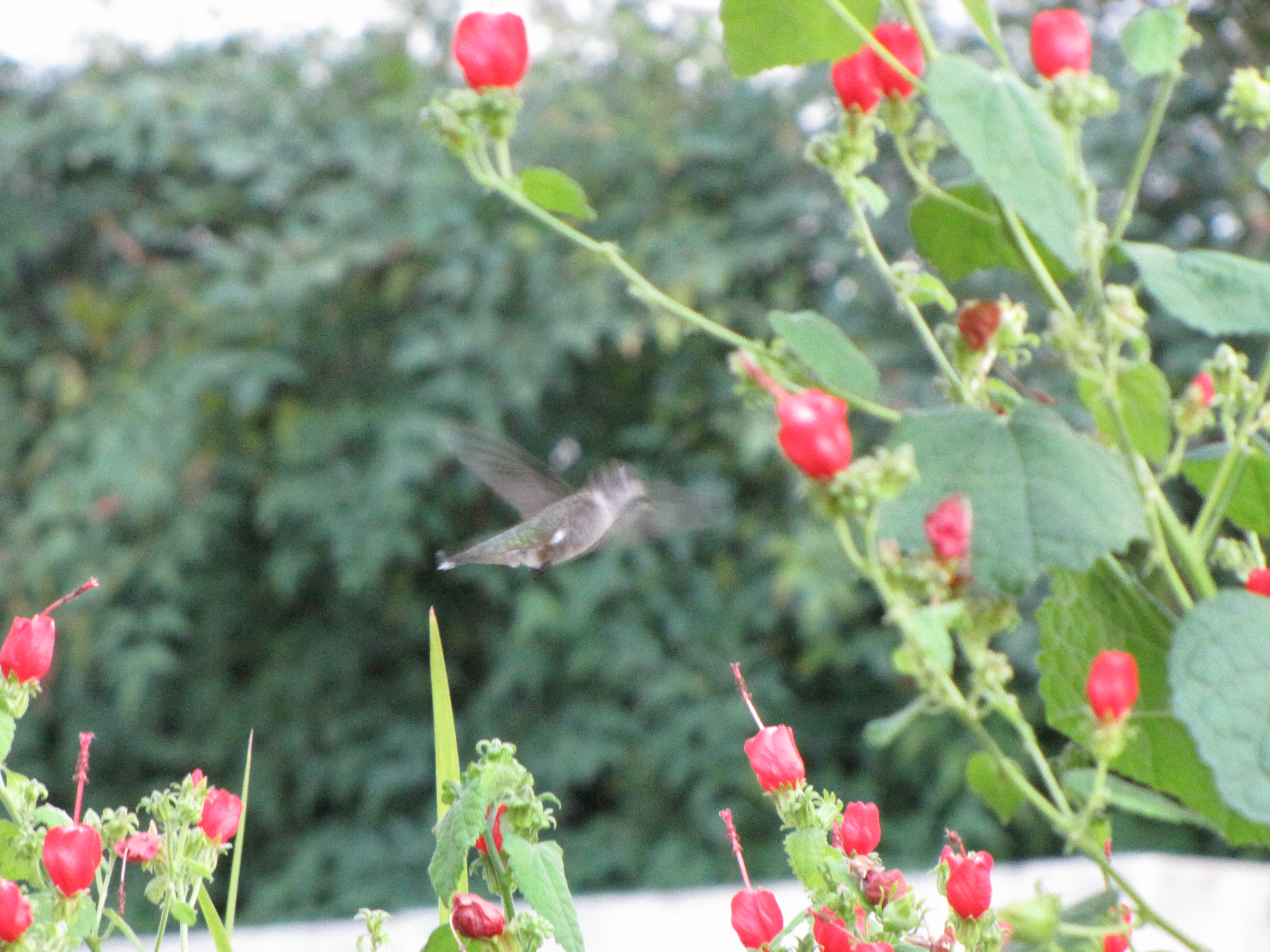
Note: Hummingbirds enjoying red Turk’s Cap and Blue Salvia Guaranitica.
In our area of Texas, zone 8a here are some options: Perennials – turks cap (red), coral honeysuckle, Texas star hibiscus(red), salvia greggi (red), columbines, standing cypress(red), day lilies, lupines.
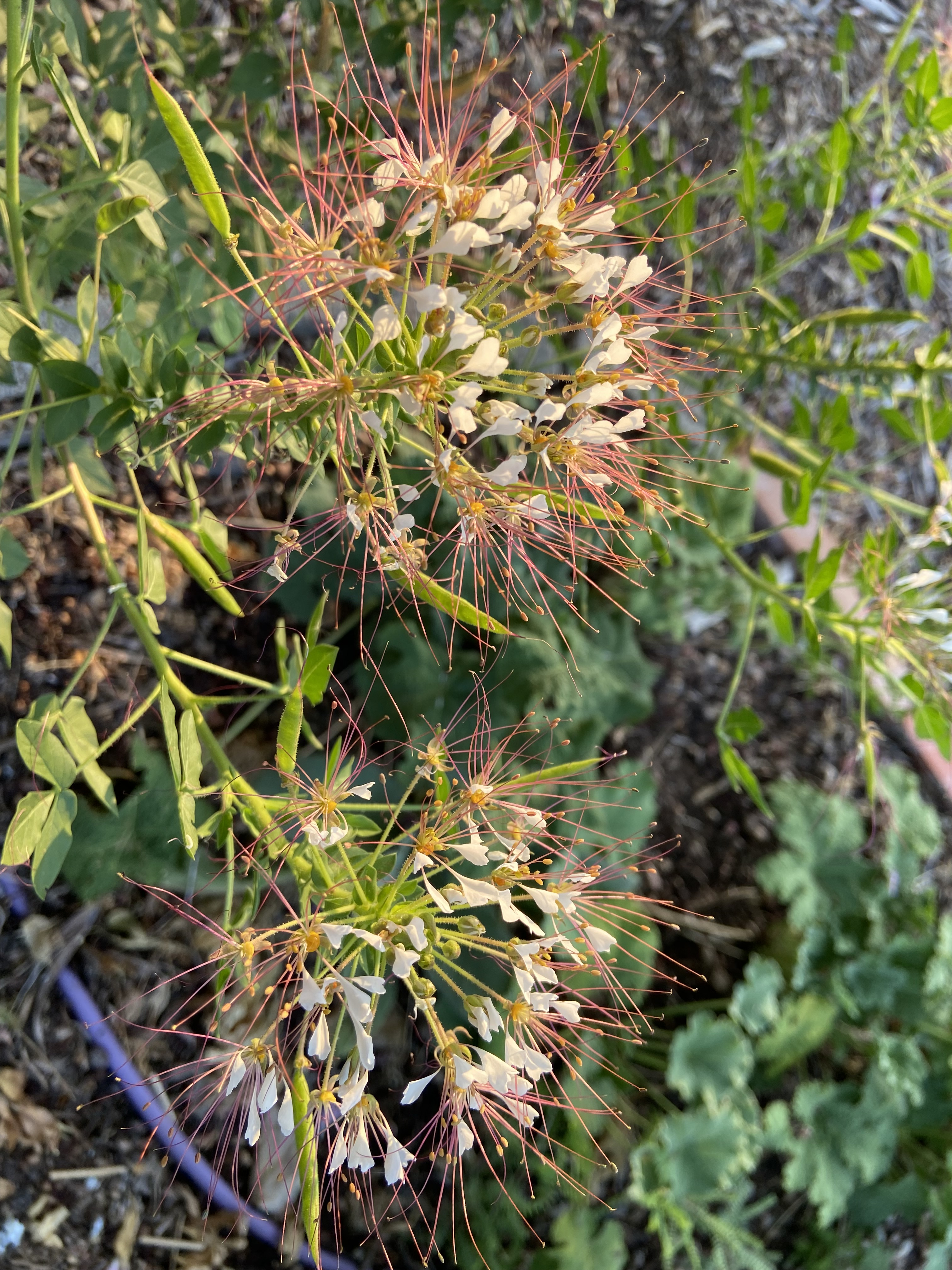
Biennials –foxgloves and hollyhocks; Annuals – cleome, impatients, and petunias are a few to consider.
Hummingbirds are fascinating creatures that captivate and enhance our habitats and can remember where they have been and where feeders are located. These hovering winged creatures are an asset to any yard.
Starla Willis, Dallas County Master Gardener Class of 2008
Old sayings are so often true and in the garden this summer, there is no doubt at all.
No way, is this post full of cheer, the summer is miserable for gardeners and plants alike. But as always we can learn a lot and really we have to. Like it or not gardens are just essential for birds and lizards and insects of all sorts. They count on plants for their very life—and what would a gardener be—without a garden —so what to do?
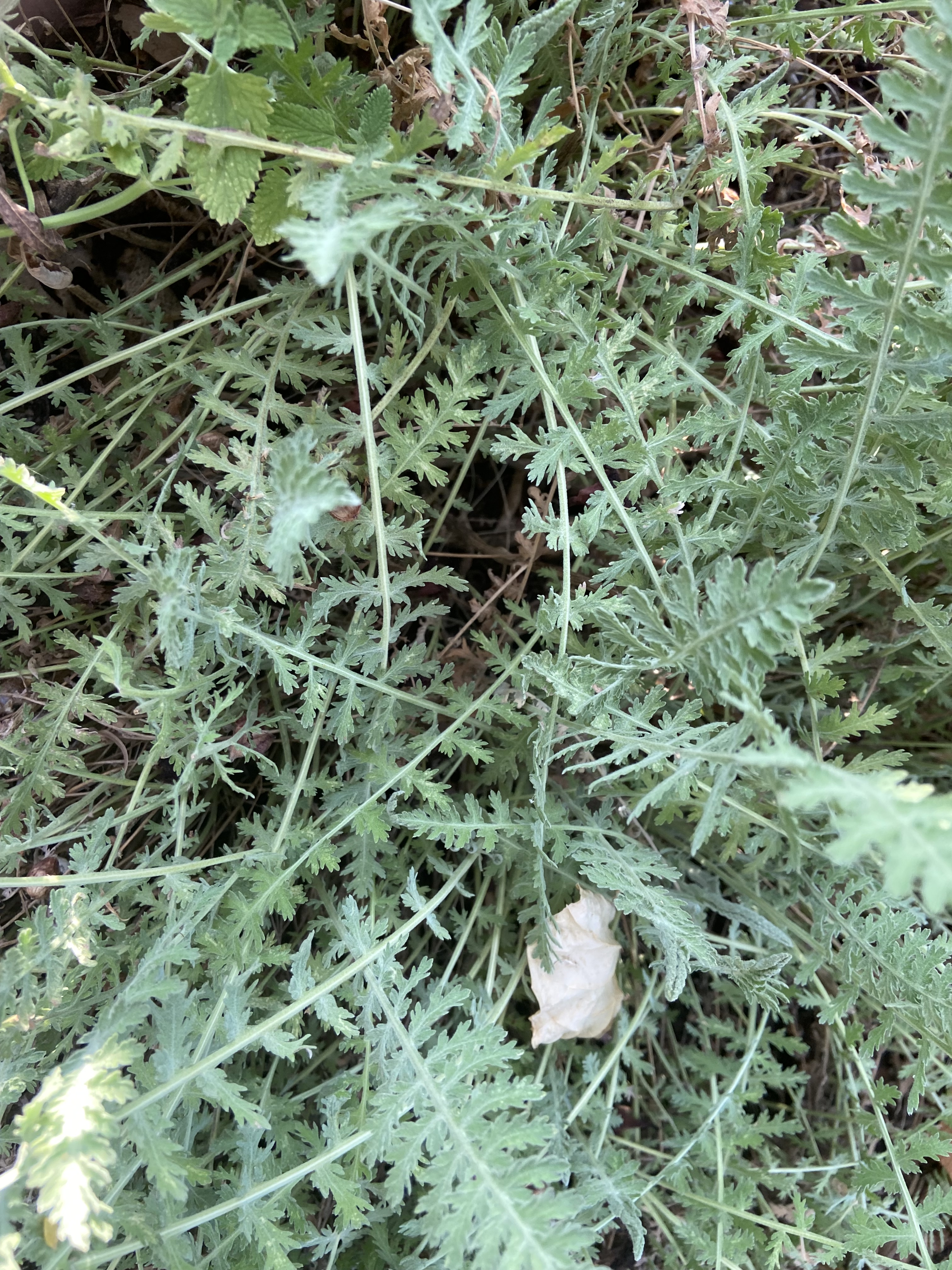
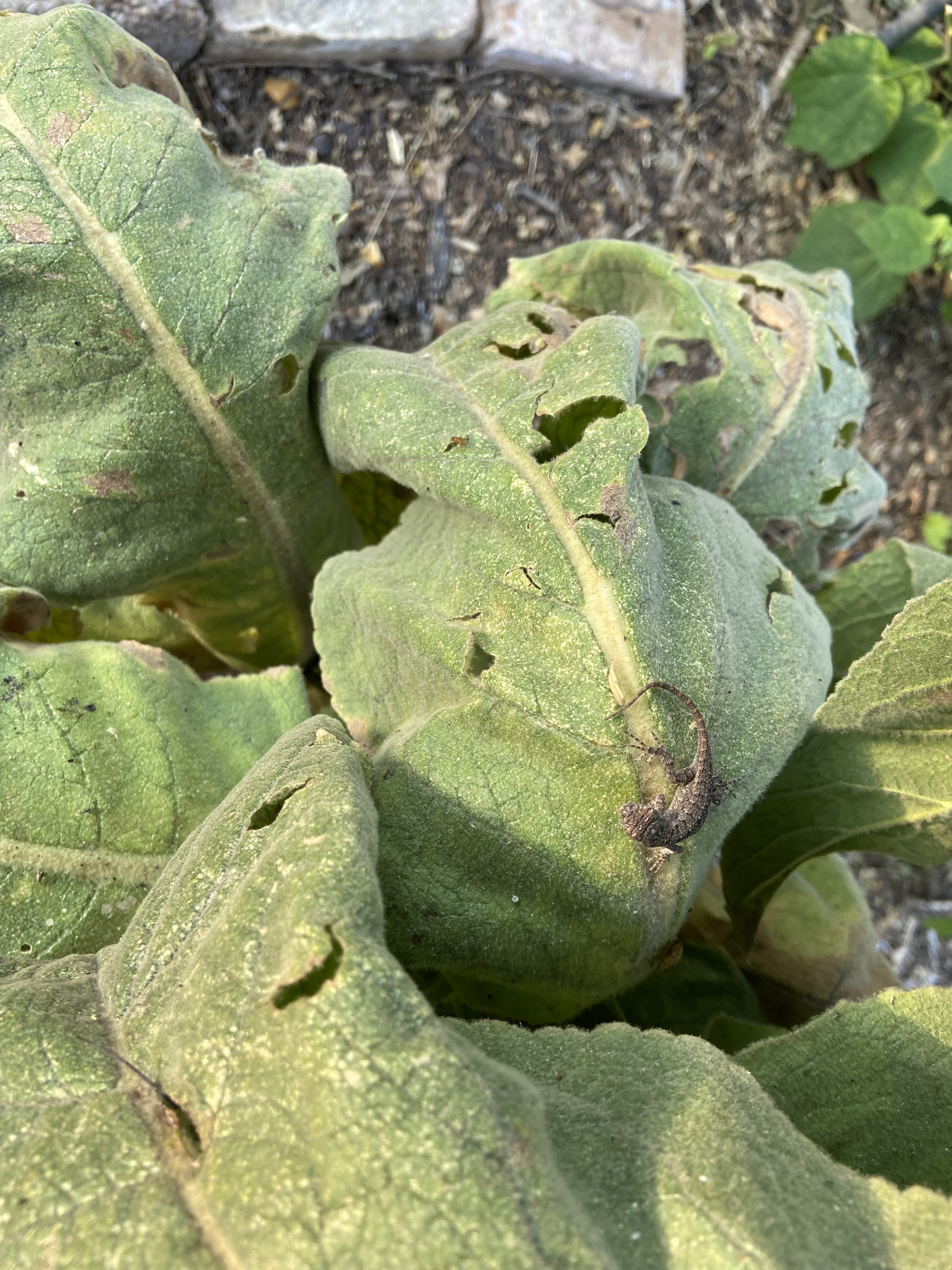
Don’t forget about grasses. This is seep muley, not dramatic but looks good in a quiet way.Common Mullein has lots of bad habits but don’t overlook all the good ones.
Observation comes to the rescue and brings a bit of joy and hope. Some plants are holding on—and even blooming—if not right this minute they are planning to—soon. These are the plants we must remember, be sure to plant again for the next summer—which we sincerely hope will be more pleasant but –we can’t count on it.
Mealey blue sage is a self seeder, sometimes too much, but tries hard and what lovely color in hard times.When plants self seed, they find what works for them and are often far healthier than the ones planted by us.
Some of these plants are not the most spectacular but they are lovely in their own right and most important provide essential nutrition for the little lives counting on the garden. Fennel is a host plant for black swallowtails, plus we can enjoy using fennel and it is still alive.
Carry on watering mulching deadheading and trimming—it honestly isn’t so bad early in the morning. But don’t stop there. Take pictures make notes do what it takes to keep the plants that are surviving and even succeeding in your garden in your mind. That way there will be less wasted work and money next year. Sadly of course remember also what failed miserably. When the going gets tough—some plants just give up. More than likely not their fault at all they just were never intended for this weather. Best to face it and remember it clearly.
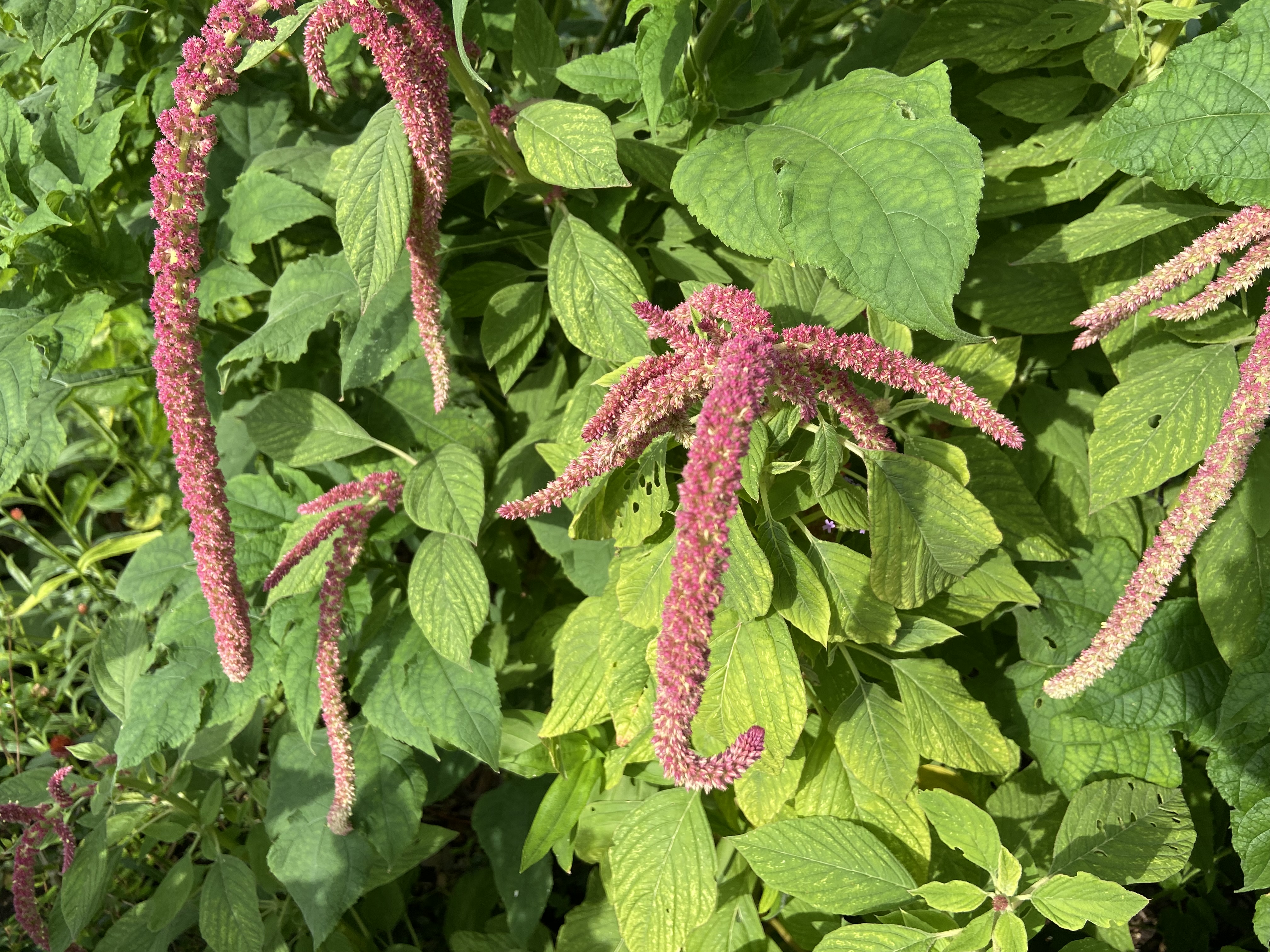
Yarrow, not blooming, but healthy and will bloom again when the time is right.Candelstick trees seend themselves then send down roots before they grow tall. This is a great plant for dealing with adverse conditions.Amaranth has a long history of living in hot places.Clammy weed doesn’t give up. This plant is in a little shade which helps.Tithonia requires upkeep but it’s worth it for flowers in serious heat.
Hope isn’t the best strategy for the summer garden –at least around here. Look at what works in your garden and in gardens you visit, Raincatcher’s welcomes visitors any time. Tuesday mornings there will be gardeners available to answer questions. You might even enjoy summer gardening!
Make experience; even of this dreadful summer—count for knowledge of what works—and what doesn’t. That will make us all better gardeners!
Susan Thornbury, Dallas County Master Gardener Class of 2008
You’ve probably noticed them in numerous landscapes across the metroplex. Their bold, bodacious, fluffy flowers create an eye-catching spectacle in the garden. They grow tall and strong in almost any type of environment from morning sun to full sun, dappled shade to mostly shade. How can you not love those dramatic blooms that hang around from late June until mid-October with colors ranging from lime green to creamy white to dusty rose and sometimes burgundy?
Of course, this proven winner beauty is the plant known as ‘Limelight’, Hydrangea paniculata. It’s a unique hydrangea that has literally revolutionized landscaping across North America. Mine were planted in a backyard bed flanking our fire pit area about a year ago and I am still captivated by their huge, football-shaped irresistible flowers. During periods of extreme heat (100 – 110+) as we’ve experienced most of August, blossoms will go through a time of weeping and loosing their vibrancy. Just hold on until September when a refreshing rain will perk them up!
Driving around neighborhoods in our area and beyond, I’ve seen them used in some pretty imaginative ways: as a showy flowering hedge to screen off those unsightly air conditioning units, in circular beds surrounding old, stately live oaks, and in large entry way stone containers welcoming guests to a front door.
For me, the real bonus is found in the drama they bring to floral displays in my home. When height is needed, Limelight stems are snipped close to the ground and used in long, slender vases. Shorter stems can be carefully arranged in floral foam for a low-profile option. Placed in the center of a dining room table set for dinner with guests or gracing a cherished antique entry chest they never fail to lend an air of elegance to any room.
Another summer flower that goes into my garden around mid-April and stays until late October is the showy, colorful little darling known as Pentas (Pentas lanceolata). Did you know that they are also known as Egyptian stars for the bloom’s five-pointed petals?
Pentas color palate offers gardeners a profusion of jewel tones that range from white to pink, red, lavender and purple. Across Dallas you’ll find everything from single tone beds to the most stunning mixed combinations of two, three or four colors. The possibilities are endless with pentas filling both in ground beds and gorgeous containers. Each year I like to experiment with a different color combination. So far, my favorite is pink, purple and red!
Some of the perks for growing pentas include:
*Pentas are low maintenance plants. Give them plenty of water, sunshine and heat and they will perform beautifully and reward you with an abundance of flowers.
*They are not prone to many diseases.
*Once in the ground, their blooms continue until a cold snap or light freeze. In Zone 8 we get to enjoy them for around six to seven months.
*Pentas can be enjoyed as cut flowers for your indoor arrangements.
*Bees love pentas!
FYI…After taking so many photos of limelight’s, I’ve observed that when the temperature soars to 100+ degrees they tend to do best with some afternoon to evening shade. The limelight’s flanking our firepit are covered with shade starting at 3:00pm and continuing for the remainder of the day.
Limelights in the Spotlight and Pentas on Parade
Linda Alexander, Dallas County Master Gardener Class of 2008
How many of these “truths’ ‘ are there?? Sadly quite a lot but let’s not get discouraged and think about one at present.
That “one” is DEADHEADING and it will give us plenty to think about.
First, what is deadheading? Maybe it would sound more acceptable to just call it removal of spent flowers. Flowers that are obviously going over or past their prime.
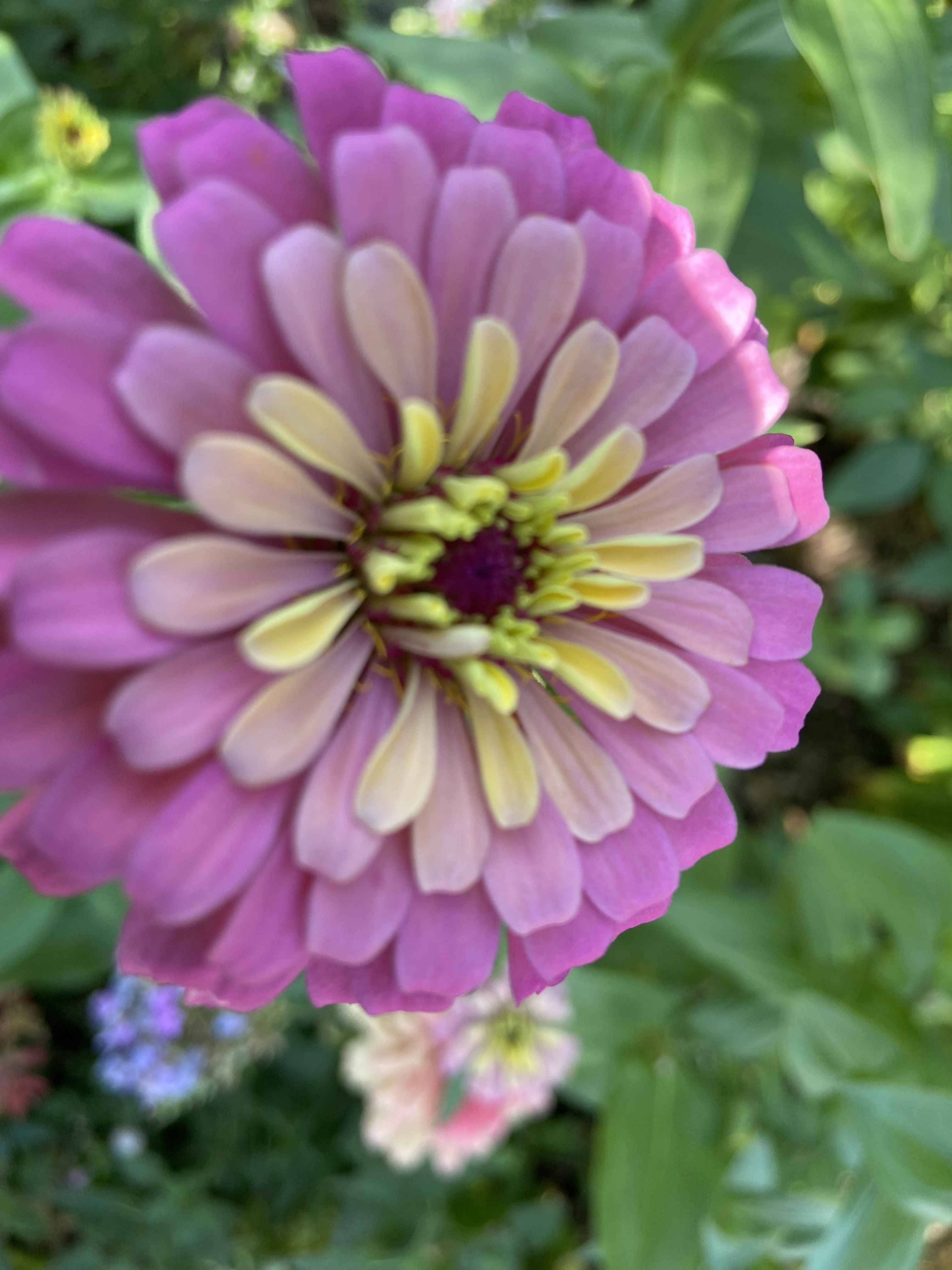
Zinnias must be deadheaded to prolong bloom, bu take time to enjoy the beauty of this common but special flower.
Why do that? It is essential to think like a plant here. For annual flowers there is one goal in life. Literally one and that is to ensure that next year there will be plenty of plants/flowers just like them. They do not care about anything else so setting seeds is their one and only goal. Even perennials want to set seed to ensure more plants for the future.
When the plant succeeds in its goal –well job over—go knowing success was achieved.
The plant may stop or slow down blooming or even die altogether after all it succeeded in what it set out to do.
For the gardener this is not ok. The whole point of the plant from the gardeners point of view is to keep flowers for as long as possible.
For pollinators its also not ok. Sure they assured that the flowers were pollinated but they need to eat they need nectar and pollen for as long as possible.
So how to reconcile these goals? Obviously the answer is deadheading. When the flowers that have already been pollinated they are ready to move on to the seed setting phase. Here is where the gardener must step in and interrupt the process by removing those spent flowers.
Sometimes the plant tags and seed packets ignore this when they promise “season long blooms” and “easy care”.
But it can’t be ignored. So as soon as blooming starts the gardener must be observant and as soon as faded flowers are seen they must be removed.
This isn’t hard but it does need to be done with care. Use sharp clippers and cut the stem back to the next bud or set of leaves. Do not ever just cut the flower and leave its stem this stem will brown and die and make a mess. Ideally the deadheading should be not at all obvious—just takes care and observation—IT IS NOT HARD OR COMPLICATED.
This is Tithonia, butterflies love them but they absolutely must be deadheaded to keep them blooming and in fact, keep them from dying before their time.
What it is-is constant and it happens in the summer. No one likes that. But think of the reward. Flowers will bloom far longer. Your garden will look so much better. A huge consideration is the absolute need for bees and butterflies and hummingbirds to eat. Without flowers, they cannot live their lives and are dependent on gardeners. This is serious and as gardeners we must accept our role in their very lives.
But it’s hot and some of those pollinators bite—what to do??
Getting out to the garden as early as possible first light is ideal but as soon as possible will do. Be careful bees are rarely an issue even wasps are more intent on their work than they are on you but look before you grab a branch or cut a flower. Remember they might not realize how beneficial your actions are!!
Think of the things you will see when you are right in the garden. Tiny creatures can easily be overlooked but not by you—not now. The beauty of individual flowers can be missed just walking by but again when you are close –you see it.
Deadheading is work but it’s a opportunity to look closer. Do you see the tiny lizard?
What about saving seeds? Yes you can still save seeds just wait until the end of the season to do it.
Since you have been so observant and careful, you will know which plants are the healthiest and most beautiful. So you can gather seeds from them and have a much better chance of great plants next year.
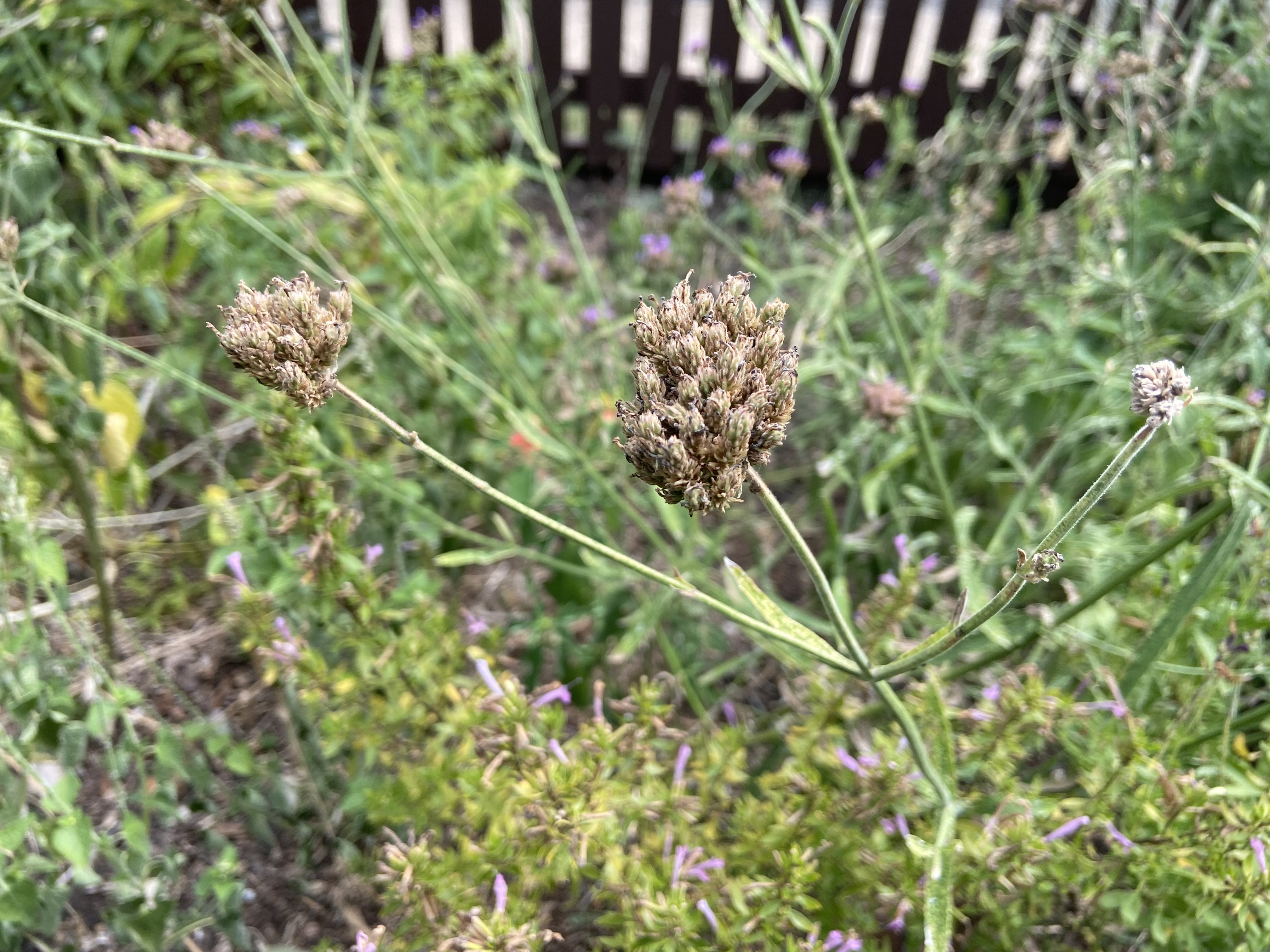
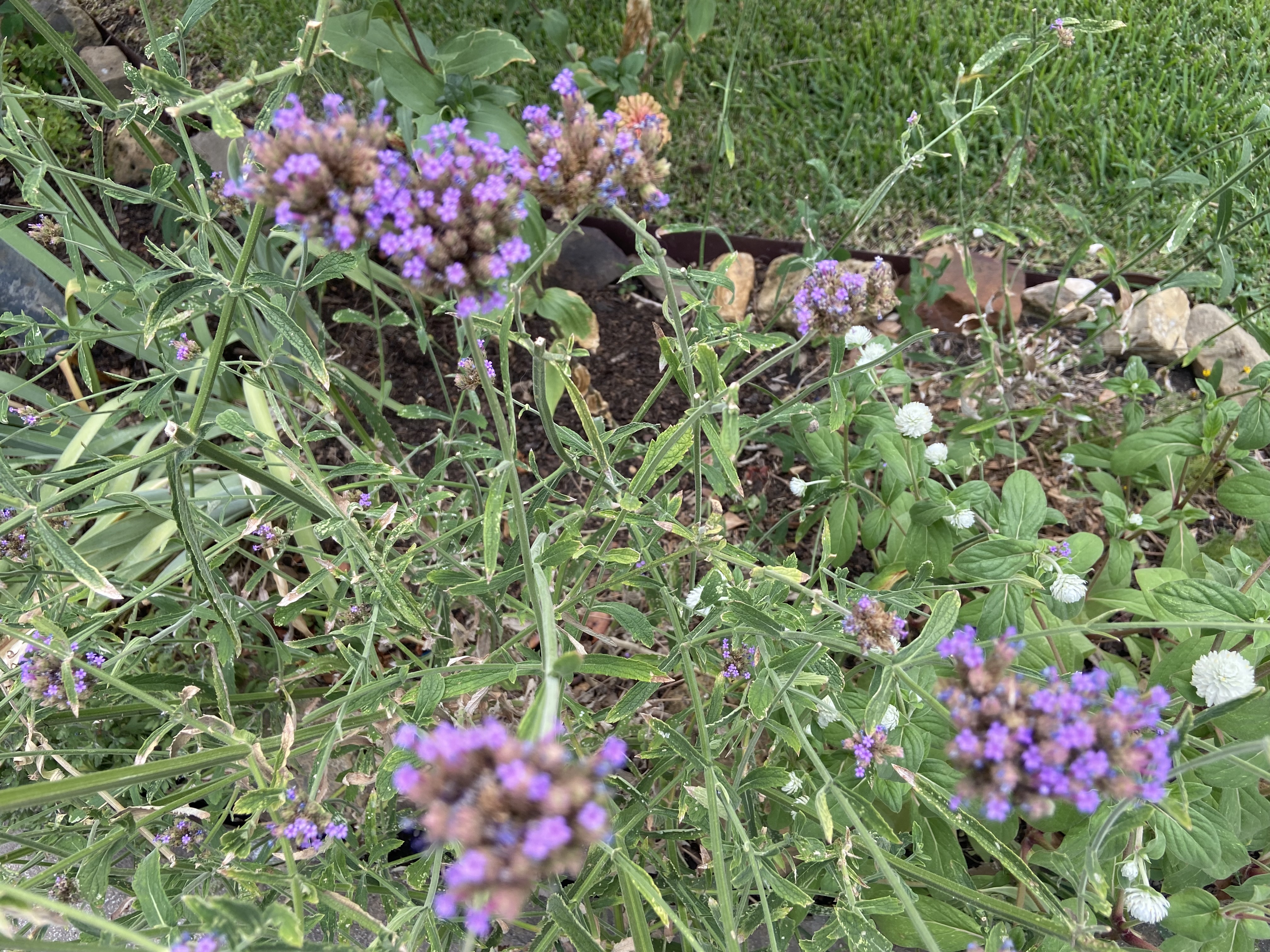
Verbenas on the left in a sad state of neglect. Verbenas on the right after deadheading. Not perfect but still blooming.
Deadheading yes its inconvenient without a doubt—But it’s essential—you will be so glad you did!
Susan Thornbury, Dallas County Master Gardener Class of 2008
A little more information:
Should all flowers be deadheaded?
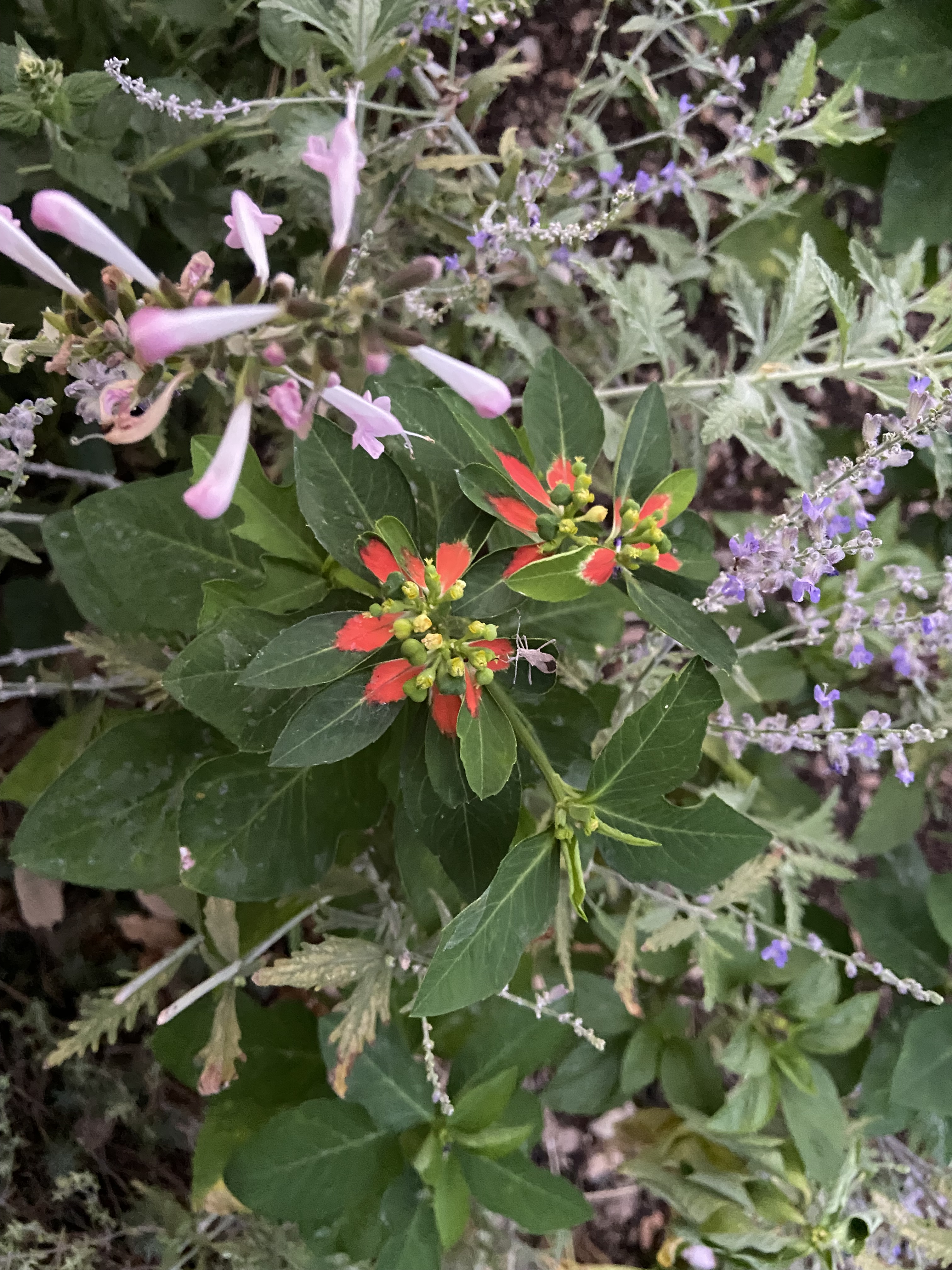
No, Amaranth is an an example. These seed heads are the whole point of growing this plant.The colorful bracts of yard poinsetta do not need to be removed. Bees love the tiny flowers in the center.
Perhaps the first question that comes to mind is if honeycomb is truly edible. The answer is yes but the reason why is worth exploring. Honeycomb is made from beeswax but it’s important to know how it comes into the hive. As we’ve already learned, bees forage for nectar, which is necessary for the development of honey and, therefore, the development of honeycomb.
So, let’s start at the beginning. Bees collect nectar by sucking it up their tongues and storing it in their honey stomach. Once bees have collected a honey stomach full of nectar, they return to the hive. At this point, honeybees begin turning the nectar into honey by passing it through their mouths to the mouths of other worker bees. Each bee chews on it for half an hour before passing it on to the next. Eventually, this process evaporates the nectar and then turns it into honey. Bees consume honey and as they digest it, the honey is converted into wax through a series of glands on the bee’s abdomen. A honeybee has 8 wax-producing glands.
FYI…Bees must consume around 6-8 pounds of honey to produce 1 pound of wax!
The wax enters into the bees’ abdomens as small flakes. But to turn the flakes into beeswax, bees must move the flakes up to their mandibles, or moveable jaws, so they can chew and soften the substance. Bees use one of two methods for transferring the flakes from one place to the next:
1. Another bee removes the scales for them and does the chewing themselves. 2. Using one hind leg, they move the wax scale to the first pair of legs known as forelegs. From the forelegs, bees transfer the scales to the mandibles.
Through the process of chewing and chewing, bees mix enzymes from their salivary secretions which softens the wax flakes until it becomes formable like clay. Once the wax becomes a clay-like material, bees will combine large groupings of the wax together to create the hexagon-shaped honeycomb. Interestingly, this crowding concept also creates the necessary conditions to keep the hive at the right temperature for honeycomb’s survival.
FYI…By crowding together, bees know how to maintain the hive temperature at 95 degrees F – the perfect temperature for manipulating beeswax. Because bees are expert temperature regulators, they will use a fanning motion with their wings to cool the hive on hot days. Maintaining this temperature is also essential for keeping their Queen warm on cold days.
In summary, bees work tirelessly to produce their honeycombs. Fortunately for us, we get to enjoy the fruits of their labor. Honeycomb is an excellent source of antioxidants and carbohydrates. It also has trace amounts of nutrients. Enjoy eating it raw in the form of delicious honeycomb honey as well as a sweetener in homemade desserts. Sprinkle small pieces across a favorite salad or alongside fruit, cheese or as a centerpiece for your next charcuterie board.
Linda Alexander, Dallas County Master Gardener Class of 2008
Strawberry, Peaches and Honeycomb Salad and the recipe right here.


















 DALLAS GARDEN BUZZ