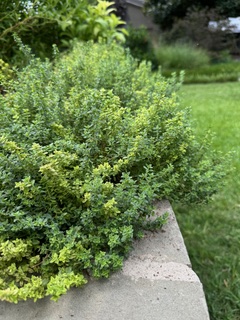
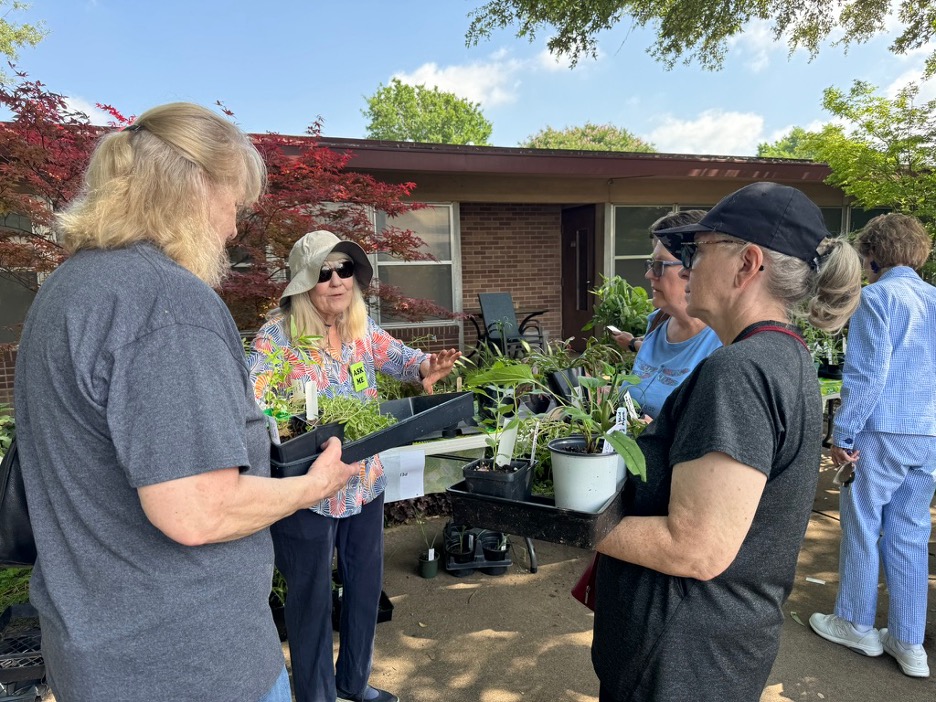
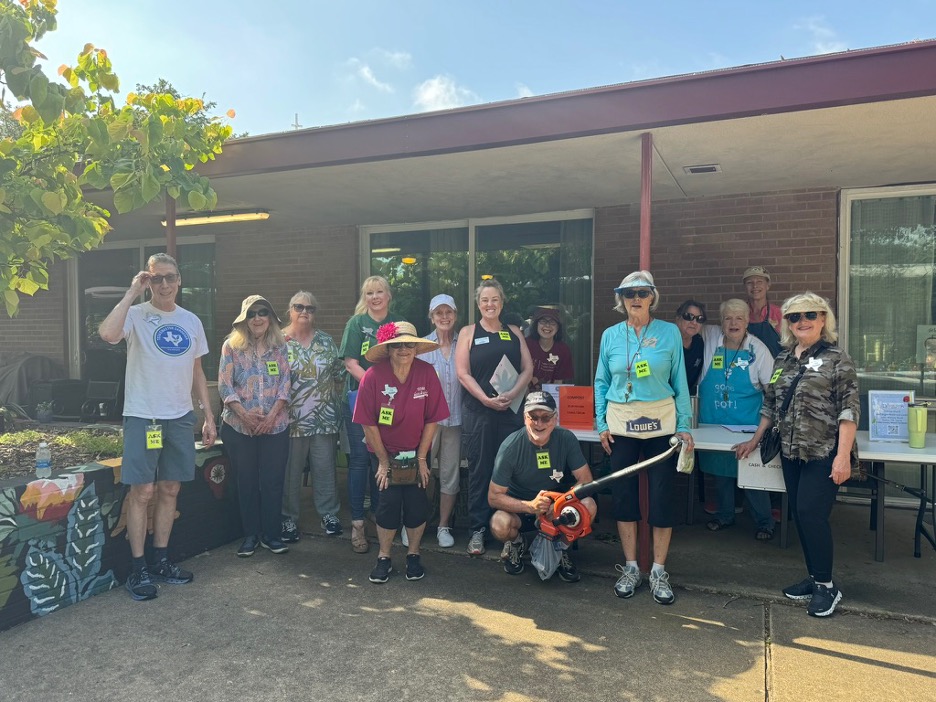
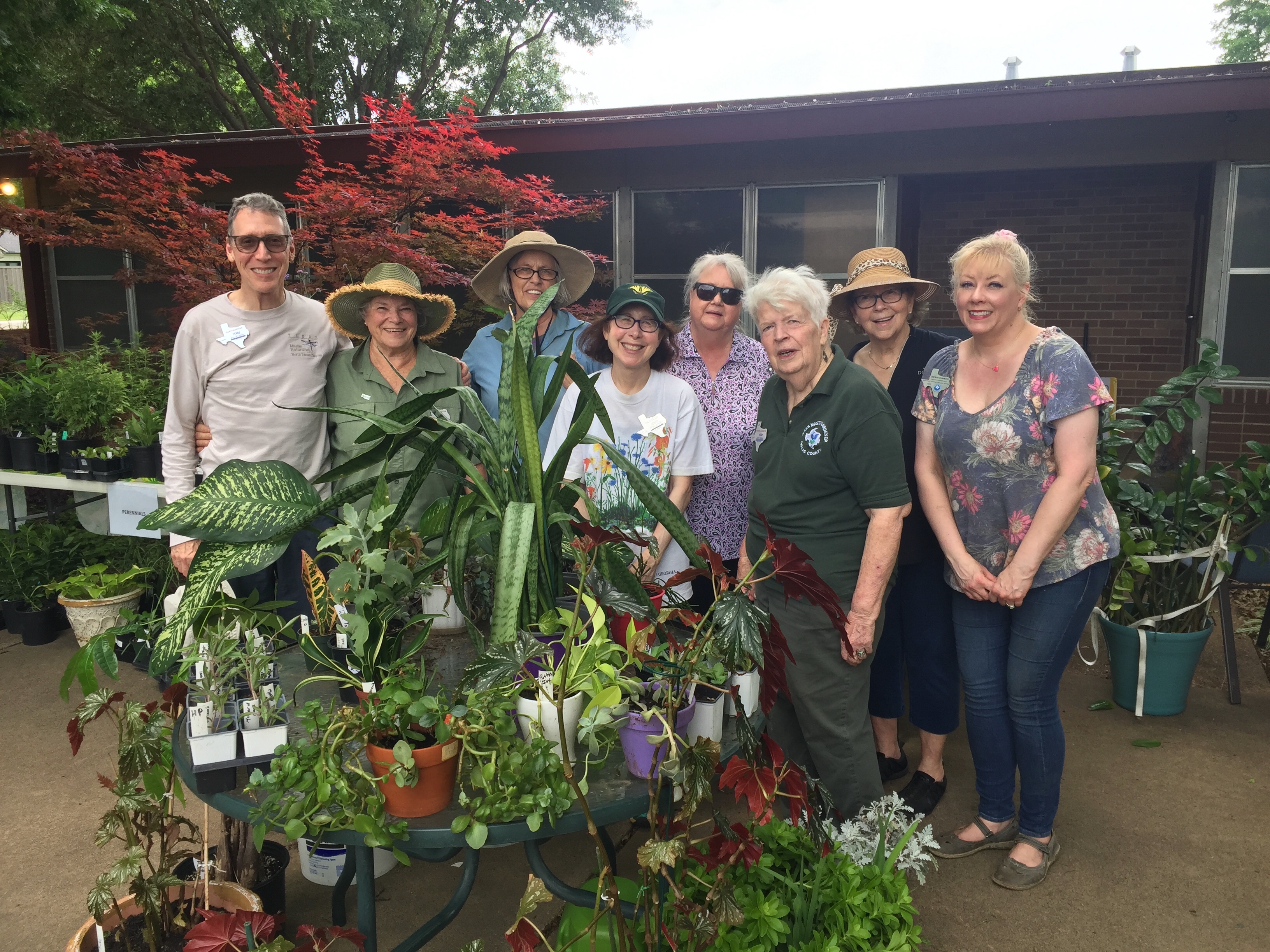
Raincatcher’s volunteers are waiting for you! Plant Sale today from 10-3.
Annuals, perennials, herbs, peppers, succulents, shrubs, trees, groundcovers, bulbs, houseplants, decorative pots, yard art and so much more available today!
All proceeds go to Dallas County Master Gardener projects. Thank you for your support.
Credit card, check or cash accepted.
Address: Midway Hills Christian Church 11001 Midway Road Dallas, Texas 75229
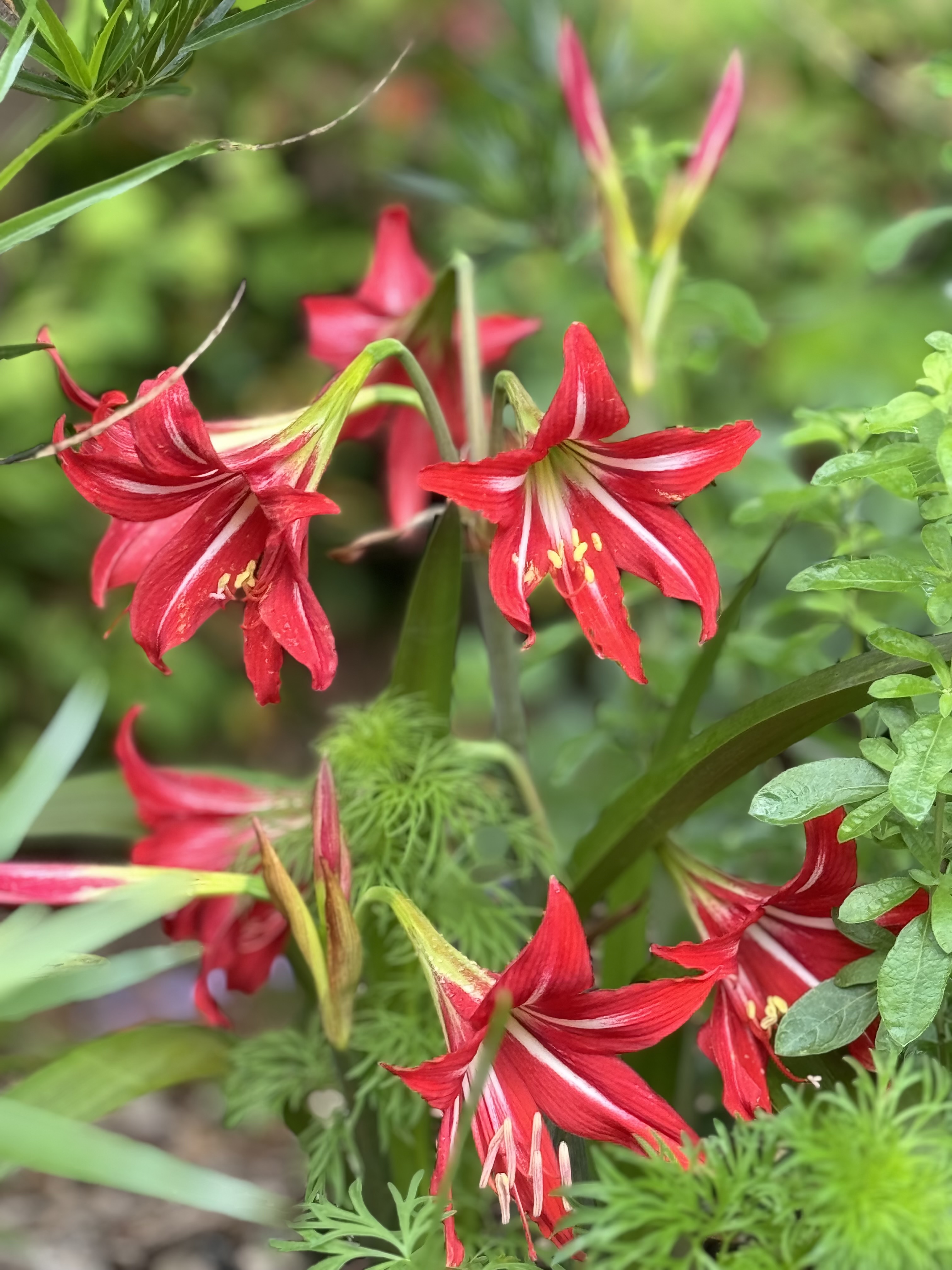
Ann Lamb, Dallas County Master Gardener, Class of 2005 and picture by Starla Willis, class of 2011
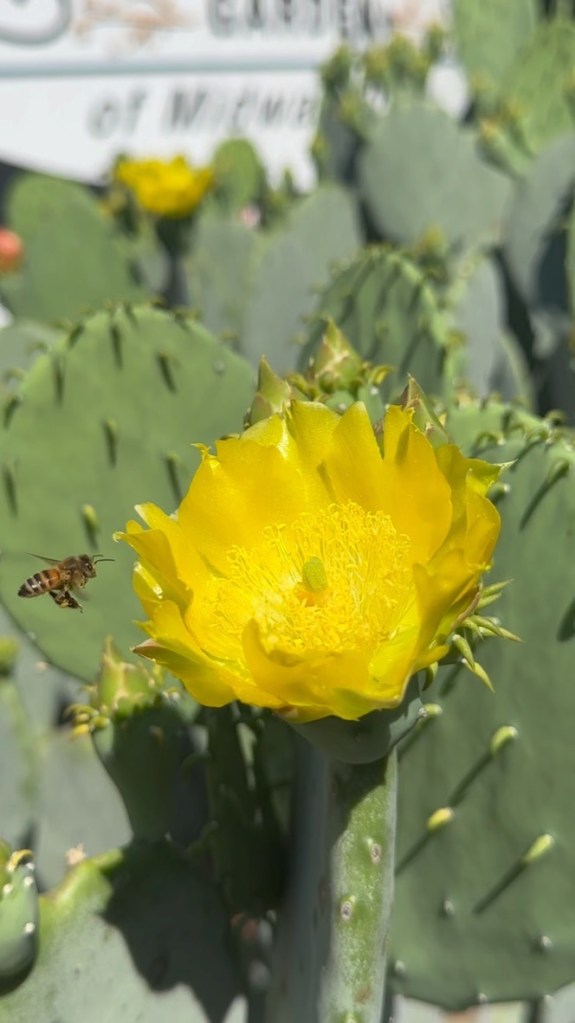
If these are the kind of plants and garden pictures you like to see, you will want to save May 7th for our plant sale and May 18th for the Dallas County Master Gardener Garden Tour. All these pictures were taken at The Raincatcher’s Garden last week.
True gardners can’t pass up two things-plant sales and garden tours. As you will see in the information below these pictures, you have the opportunity to make plans for both!
Iris borderDill blooming in front of our grapesBlue Salvia in the Color WheelA big dill!Hardy Amaryllis
The Raincatacher’s Plant sale is May 7th. Information is right here.
What does it take to keep a garden like The Raincatcher’s Garden producing? Dedicated leadership, hearty volunteers and planning are essential componets. This week Beverly sent out this list from the vegetable patch. It’s inspiring and reminds us of what we can do in our own gardens as spring comes towards us.
Harvest lettuce, spinach, and broccoli;
Hand water the raised beds, corral, and greenhouse (but not the donation garden);
Start sunflower and marigold seeds in trays;
Direct sow climbing nasturtiums near the raised bed trellises;
Start lettuce, spinach, collard greens, and chard seeds outside in the corral after amending with Espoma fertilizer;
Transplant lettuce from greenhouse if ready;
Make melon cages, bring heavy gloves and wire cutters if you have them;
Keep working on the Morgan building and greenhouse.
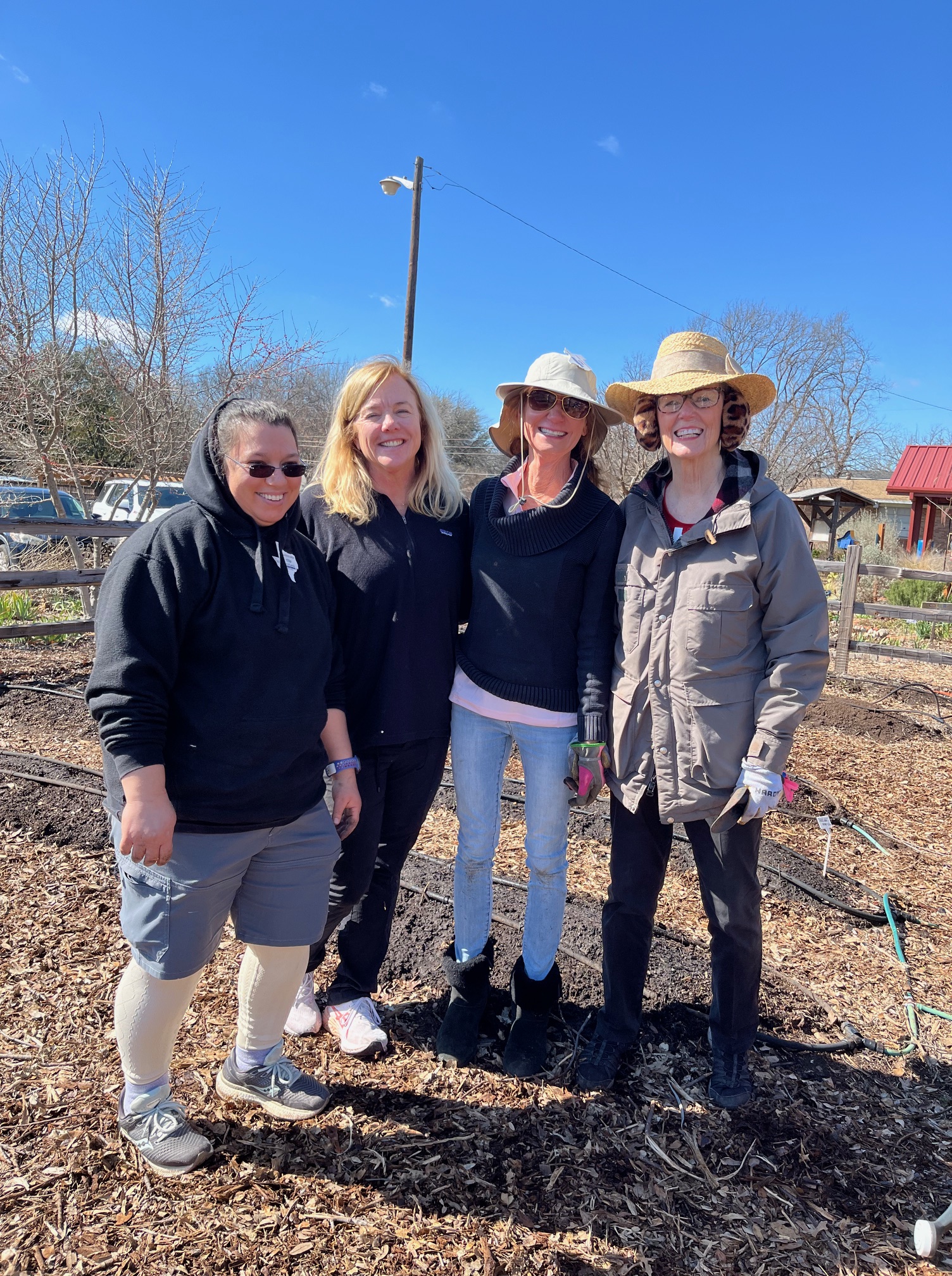
Cabbage in the greenhouseSpinach enjoys the cooler temperatures while the tomato seedlings are protected by coziesYuliana, Darla, Trish, and Kay planting lettuce and radishes in the corralRadish seedlings on Valentine’s Day (picture by Darla Reimer)
Ann Lamb, Dallas County Master Gardener Class of 2005 with Beverly Allen, Dallas County Master Gardener Class of 2018
A Chritmas gift from a dear friend tied up with a fuzzy peach ornament
How could we enter into the new year without knowing the big announcement from Pantone? In 1999, the Pantone Color Institute created the color of the year educational program to engage the design community and color enthusiasts around the world in a conversation around color. Their hope is to inspire us to look at color in a different way. It is interesting to read about the process Pantone global color experts follow to arrive at the selection each year. You can do that by going directly to their website at pantone.com.
For 2024 we are encouraged to “Embrace the Warmth”. They suggest that we look for ways to nurture ourselves and others. To help guide us along in our yearning for closeness and connection, the Executive Director of the Pantone Color Institute, Leatrice Eiseman, made the following announcement on December 11, 2023.
Pantone’s Color of the Year for 2024 is Peach Fuzz, a velvety gentle peach tone whose all-embracing spirit enriches mind, body and soul. Officially, the number you need to know is PANTONE 13-1023. For like-minded gardeners, it is gratifying to learn that they selected a perfectly peachy nature-inspired fruit.
As a Texas girl, my mind went quickly to a lifetime of memories revolving around fresh peaches. If you are like me, the thought of ripe summer peaches makes this color choice especially meaningful. Going forward you can expect to find Peach Fuzz making an appearance in the design industry, fashion industry and in home décor. Also, it appears that Peach Fuzz will open the door to a wide assortment of lipstick, blush and contouring options. Nail color options will be available, as well.
Just last week I embraced that fuzzy feeling by ordering a pair of Peach Fuzz tennis shoes from Cariuma. If all goes well, I’ll be wearing them on one of our summer trips to the Texas Hill Country where we hope to visit a ‘pick your own peaches’ roadside orchard.
If you feel inspired to start growing your own peach trees this year, go to aggie-horticulture.tamu.edu for a full list of varieties recommended for our area. Wishing you all the joys of a heartfelt peach hue that enriches mind, body and soul.
Here are a few of our favorite peach recipes from ‘A Year On The Plate’ 2016 Master Gardener Cookbook.
As composters for the Raincatcher’s Garden of Midway Hills, we are continuously looking for ingredients to make compost.
During the spring through fall, we find green grass, leaves, coffee grounds, kitchen scraps, etc. to add to our compost piles.
In November we are blessed with the remains of Halloween and Thanksgiving decorations—PUMPKINS! During bulk pick-up weeks we scrounge the neighborhoods looking for the elusive pumpkins and gourds. Rather than allowing them to rot in the dump, we chop them up and add them as the GREEN (nitrogen source)ingredient of compost. The BROWN (carbon source)ingredient of the recipe is, of course, are the dried leaves that are falling everywhere. The BLUE ingredient is water. The CLEAR ingredient is air. The last is TIME.
Result—BLACK GOLD—also known as compost.
This year we “harvested by the side of the road” six pickup loads of pumpkins, gourds, bags & bags of leaves, some grass, and even a bale of hay.
And, at our last stop—THE GREAT PUMPKIN!
Cindy and the great pumpkin!
As winter progresses, we will chop, grind with the mower, mix in water, turn piles as they heat up and cool down (temperatures up as high as 160°). As we turn the piles, the chunks begin to change shape and color. The unseen microbes and fungi consume and break down everything making pieces smaller and smaller, and of course,darker—hence , BLACK GOLD. This process takes time—sometimes as long as 2-4 months, depending on how energetic the humans are in turning the piles.
When we add compost to our heavy clay soil, we lighten it, allowing the plants to absorb the nutrients in the compost, allowing better drainage, thus producing more healthy plants and feeding everything.
Cindy Bicking, Dallas County Master Gardener Class of 2006
Jon and Joe meticoulsly laying the floor for the greenhouse.We’re excited to be getting the space to start seeds for the north garden. The other greenhouse gets extremely crowded in spring with the combination of north garden and plant sale seedlings. Tig said the brick floor is too nice to cover up with a greenhouse!
Here are a few pictures by Starla from our recent Christmas lunch.
This season of the year we are often asked to express what we are thankful for, of which there are many things; however, recently I have been reminded of how thankful I am to have a garden to tend, a group to garden with and organizations and friends who support these garden endeavors.
Several weeks ago when there was an impending freeze, I made my way to capture what I expected to be a transition in the looks of our colorful and vibrant landscape to a somewhat muted look. Upon arrival, the brisk fall air welcomed , the pink shades of the muhly grass glistened in the bright morning sunlight – flowers were continuing to burst forth with blooms, and vegetables continued to produce fruit.
As I wandered through the pathways, soaking up the beauty, my memories were not just of the plant material, but the people who have made this garden special to me. Raincatcher’s garden of Midway Hills was begun in November, of 2014. We moved locations that Fall –and began anew. The courtyard plantings have been transformed, a rain garden was added, and the old playground has become home to our Edible Landscape and greenhouse. The most dramatic change has been in the North Field. It went from an acre of land, to a vibrant workspace with vegetable beds, trees, orchards, color wheel, compost area, wildlife habitat and a covered meeting area.
We are truly thankful for the opportunity to garden on the grounds of Midway Hills Christian Church, and for the many hands that make this Dallas County Master Garden project one that educates the residents of this area, but also gives back to the community.
We are grateful; We are thankful. And we are blessed. Thanks for following us on our journey!
OH yes, BTW, we are still awaiting our first significant freeze, so come by the garden and enjoy the beauty of whatever season you find yourself when you are here.
Starla Willis, Dallas County Master Gardener Class of 2011
If you visit the courtyard at Raincatcher’s Garden, you will most likely notice a huge plant with heart shaped, velvety leaves in the northwest corner of our herb garden. The plant is Hoja Santa (pronounced O-hah SAN-tah) and it is native to Mexico and South America. The name Hoja Santa means sacred leaf in Spanish.
Hoja Santa in The Raincatcher’s Courtyard
I have also heard this plant referred to as Root Beer Plant. The unusual flavor of this herbaceous perennial has been compared to licorice, mint, tarragon and eucalyptus. It has a strong aroma and flavor of sassafras (hence the name Root Beer Plant). It is often used in Mexican cuisine like tamales, soups, stews and sauces.
Hoja Santa does best in morning sun and afternoon shade. It grows 8-10 feet tall and 6-8 feet wide. It flowers white, cylindrical spikes all summer. Hoja Santa makes a nice addition to an herb garden or as an ornamental plant in the back of a perennial garden but be aware that it spreads quickly by sending out many runners. Growing it in a very large container or galvanized tub would solve this problem!
Jackie James Dallas County Master Gardener Class of 1993
Starla and Ann at Carol Verhake’s garden,Boulderhaven, in Berwyn, Pennsylvania
September 29, 2023
Dear Texans, we are sorry to inform you Texas is not the center of the garden world. Philadelphia is America’s Garden Capital. With over 30 public gardens, arboreta and historic landscapes within 3o miles of Philadelphia and the roots of horticultural history firmly planted in this area, we surrender the title to them.
Starla and I toured 15 private and public gardens in 4 days with The Garden Fling, a group of 100 garden variety bloggers, instagrammers, and podcasters. When walking through Charles Cresson’s gardens of Hedgleigh Spring, Margo, a young author remarked to me “surely there is a better word for what I am experiencing than garden envy.” As I recalled our conversation, it seemed to me she was expressing the yearning we feel when we experience beautiful gardens . They take us to a place of appreciation in our souls. Gardens inspire and turn us from the mundane affairs of the world to something bigger. And so, as we share these photos from The Garden Fling in Philadelphia over the next few weeks, allow yourself to be transported as we were.
Mature trees and sabal minor palm Lilac Colchicum under LespedezaPeach Salvia Fellow gardener admiring the climbing roses and honeysuckle.Hedgleigh Spring circa 1883, tended by 3 generations
Old sayings are so often true and in the garden this summer, there is no doubt at all.
No way, is this post full of cheer, the summer is miserable for gardeners and plants alike. But as always we can learn a lot and really we have to. Like it or not gardens are just essential for birds and lizards and insects of all sorts. They count on plants for their very life—and what would a gardener be—without a garden —so what to do?
Don’t forget about grasses. This is seep muley, not dramatic but looks good in a quiet way.Common Mullein has lots of bad habits but don’t overlook all the good ones.
Observation comes to the rescue and brings a bit of joy and hope. Some plants are holding on—and even blooming—if not right this minute they are planning to—soon. These are the plants we must remember, be sure to plant again for the next summer—which we sincerely hope will be more pleasant but –we can’t count on it.
Mealey blue sage is a self seeder, sometimes too much, but tries hard and what lovely color in hard times.When plants self seed, they find what works for them and are often far healthier than the ones planted by us.
Some of these plants are not the most spectacular but they are lovely in their own right and most important provide essential nutrition for the little lives counting on the garden. Fennel is a host plant for black swallowtails, plus we can enjoy using fennel and it is still alive.
Carry on watering mulching deadheading and trimming—it honestly isn’t so bad early in the morning. But don’t stop there. Take pictures make notes do what it takes to keep the plants that are surviving and even succeeding in your garden in your mind. That way there will be less wasted work and money next year. Sadly of course remember also what failed miserably. When the going gets tough—some plants just give up. More than likely not their fault at all they just were never intended for this weather. Best to face it and remember it clearly.
Yarrow, not blooming, but healthy and will bloom again when the time is right.Candelstick trees seend themselves then send down roots before they grow tall. This is a great plant for dealing with adverse conditions.Amaranth has a long history of living in hot places.Clammy weed doesn’t give up. This plant is in a little shade which helps.Tithonia requires upkeep but it’s worth it for flowers in serious heat.
Hope isn’t the best strategy for the summer garden –at least around here. Look at what works in your garden and in gardens you visit, Raincatcher’s welcomes visitors any time. Tuesday mornings there will be gardeners available to answer questions. You might even enjoy summer gardening!
Make experience; even of this dreadful summer—count for knowledge of what works—and what doesn’t. That will make us all better gardeners!
Susan Thornbury, Dallas County Master Gardener Class of 2008