Tag Archives: Dallas County Master Gardeners

Butterflies at The Raincatcher’s Garden

After many months of planning and work, our hopes are being fulfilled.  Butterflies are visiting The Raincatcher’s Garden and more are sure to come!

Pipevine Swallowtail on Lantana 'Miss Huff'

Pipevine Swallowtail on Lantana ‘Miss Huff’

The Pipevine Swallowtail is identifiable by the iridescent blue color on its upper side and the band of bright orange spots on its underside. Like the Monarch, this swallowtail is poisonous to predators, since its  caterpillars feed on native species of pipevine.

Gulf Fritillary on Mexican Sunflower 'Torch'

Gulf Fritillary on Mexican Sunflower ‘Torch’

The Gulf Fritillary is easily recognized by its bright orange upper side and flashy silver markings on the underside. The caterpillars that become Gulf Fritillary butterflies feed on the Passion Vine which we have growing over our Arbor.

Purple Coneflower 'Bravado'

Purple Coneflower ‘Bravado’

This variety of coneflower has large and profuse blooms. It is a host plant for several butterflies and a nectar source.

Black Eyed Susan 'Goldstrum' with Little Bluestem in the Background

Black Eyed Susan ‘Goldstrum’ with Little Bluestem in the Background

Little Bluestem grass is a host for a good number of skippers.  Black eyed Susans are also nectar and host plants.


To learn more about the planning and planting of our butterfly garden, read:

Butterfly Plants: I Love You But It’s Time to Leave

Dallas Butterflies

Browse the Butterfly/Hummingbird Plant List in our sidebar for excellent reference material.

Ann

Pictures by Starla


Linda’s Pond

I found a little oasis last week even though the temperature was 97 degrees.  My friend and Master Gardener, Linda, has a beautiful little pond outside her kitchen doors.

Linda's Pond

Linda’s Pond

Funny thing, this is a garden of greens relying on shape and texture rather than the usual riotous August blooming flowers. Note: no periwinkles!

Linda's Japenese Maple at the Pone

The garden is built of Holly Fern, Japanese Maple, Liriope,  Crinum, small fig ivy and the rounded leaves of Leopard Plant. Linda’s Leopard Plant, Farfugium japonicum ‘Giganteum’, thrives next to the water.

Cookbook August 1 2015 077

Koi darted about. What originally drew me outside was seeing one of the Koi leap into the air.

Koi at Linda's

Linda told me a story of a Koi who jumped out of the pond and landed at the foot of a snail.

Linda's pond snail

Luckily she was there and scooped him up and back into the pond. My only question was why would anyone leave this little oasis?

Ann

Pictures by Ann

Other plants along Linda’s pond: Yaupon Holly and Little Gem Magnolia for background color, Star Jasmine on the fence, Hostas, and ‘White by the Gate’ Camellia in the beds and of course a few herbs: pineapple sage, lemon verbena and basil.

Pick a New Landscape Tree

When August does its best to scald North Texas, one is always amazed at the cooling effect of shade. Full sun can be tolerated only to quickly check the mail or move the hose, but one can actually enjoy a shady backyard with temperatures in the nineties.

Gardeners have long done the Tree Shade Two-Step, a dance performed in early morning hours. The only rule is to follow the welcome shade for work in the garden as the sun climbs higher in the sky.

In planning the Raincatcher’s Garden of Midway Hills, we were blessed with the space to plant five demonstration trees. Trees can provide shade, of course, but when correctly chosen can enhance the aesthetics of your house and increase the value your home as well. We also wanted to pick trees that showed alternatives to the monoculture of red oaks and live oaks planted in Dallas.

Dallas County Master Gardener Eric Larner and I worked in January to pick a Chinquapin Oak, Mexican or Monterrey Oak, Lacey Oak, Cedar Elm, and an ‘Autumn Gold’ Ginkgo.

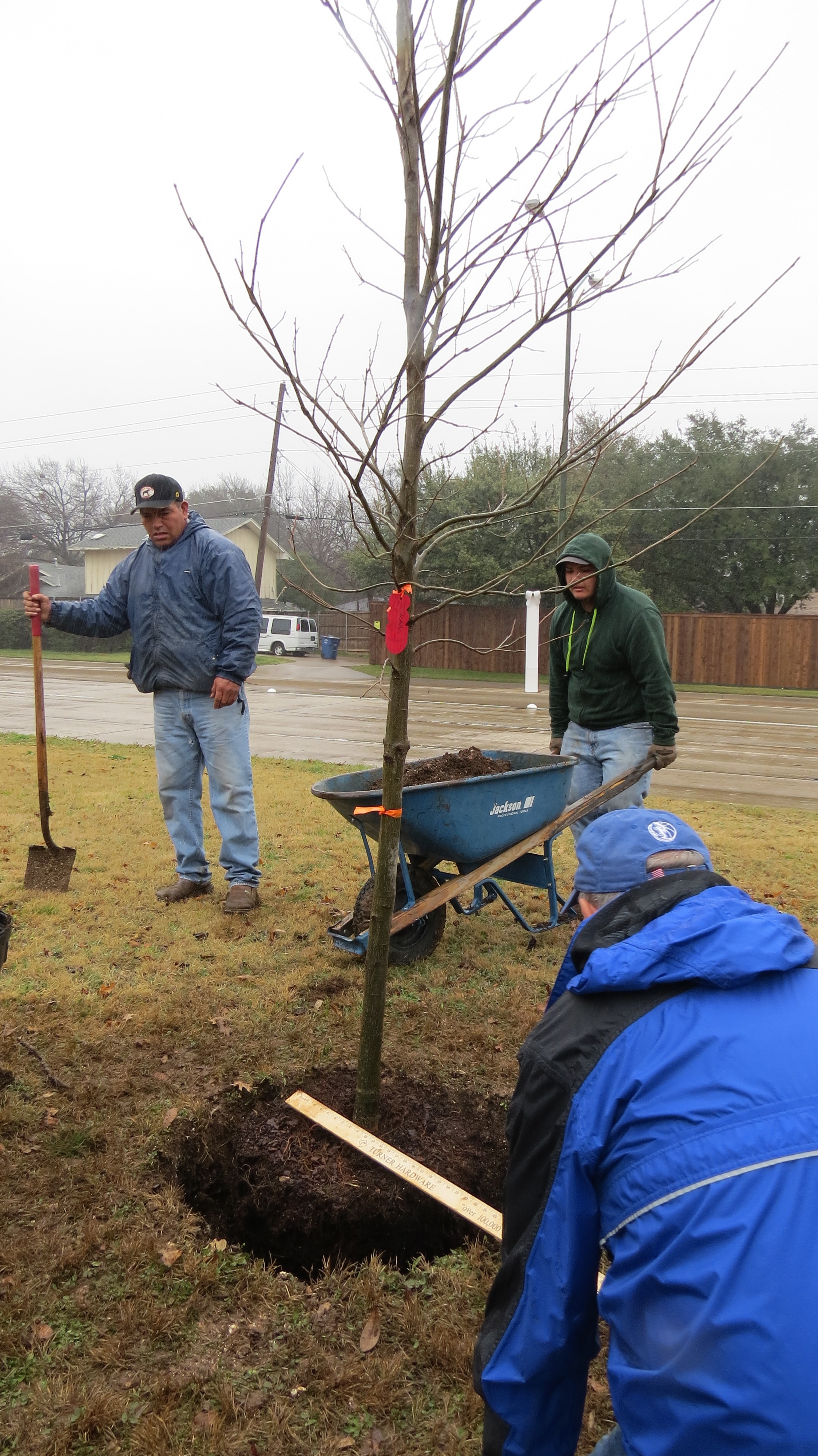
January Tree Planting

January Tree Planting

Oak wilt is a lethal fungal disease that has killed hundreds of thousands of live oaks and Texas red oaks in Texas. Red oaks and live oaks, probably the most planted trees in Dallas, are highly susceptible to oak wilt. White oaks, however are more resistant to the fungus.

Three of the new trees planted this spring fall in the white oak family: the Chinquapin, Mexican or Monterrey, and Lacey oaks.

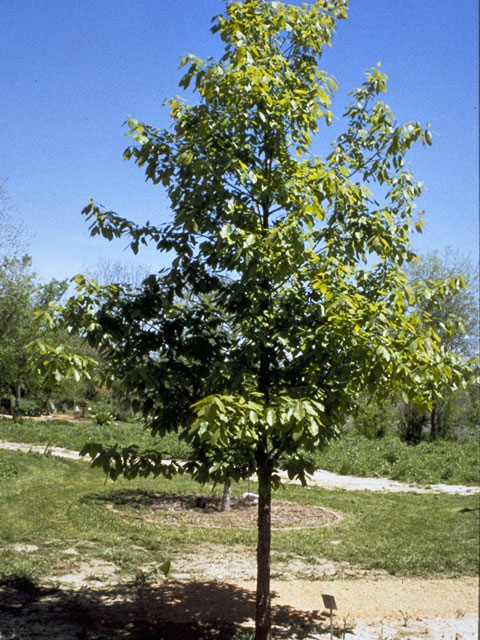
The Chinquapin oak, sometimes spelled Chinkapin, Quercus muehlenbergii is tough enough to thrive in the neglect of a nearby post office parking lot. The Chinquapin has distinctive dark-green, saw-tooth leaves. Its narrow, rounded shape and resistance to diseases and pests endears the tree to homeowners. The Chinquapin is a Texas native and designated as a Texas Superstar by Texas A&M AgriLife Extension. The tree should be planted in full sun and will grow to 50-60 feet tall and 30-50 feet wide.

Chinquapin Oak Tree

Chinquapin Oak Tree

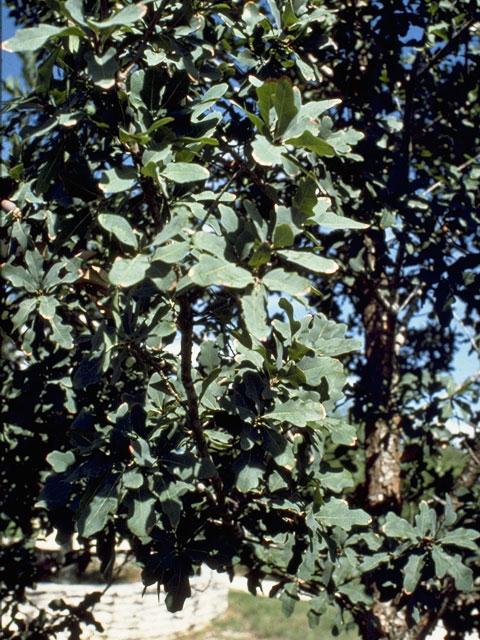
The Mexican white oak or Monterrey oak Q. polymorpha is another tough, drought resistant tree.   The new growth is pinky-peach color, darkening to thick, leathery blue-green leaves. If cold enough, the leaves turn bronze in the fall. (In mild winters, the tree could retain some leaves.) The Texas native grows into an open spreading shape 35-45 feet tall and 25-40 feet wide in full sun.

Mexican White Oak or Monterrey Oak

Mexican White Oak or Monterrey Oak

The Lacey oak Q. laceyi is a gem in the oak family. The tree matures into a small, rounded shape 20-30 feet tall and 20 feet wide. The leaves are peach-colored when young, maturing into a dusky bluish-gray (smoky) color above and a lighter color on the underside. Another Texas native, the tree is extremely drought resistant when established and gives yellow fall color.

Lacey Oak

Lacey Oak

With the cedar elm Ulmus crassifolia, we wanted to include a tree outside of the oak family that is a reliable beauty in the landscape. Instead of a ruler straight leader, cedar elms are known to adopt a wonderful irregular shape. The Texas native is deciduous, its small leaves showing yellow fall color. It flowers in late summer to fall, unlike most spring blooming trees. Cedar elms tolerate our heavy clay soil and grow to be 40-70 feet tall and 30-50 feet wide in full sun.

Cedar Elm Planted at The Raincatcher's Garden

Cedar Elm Planted at The Raincatcher’s Garden

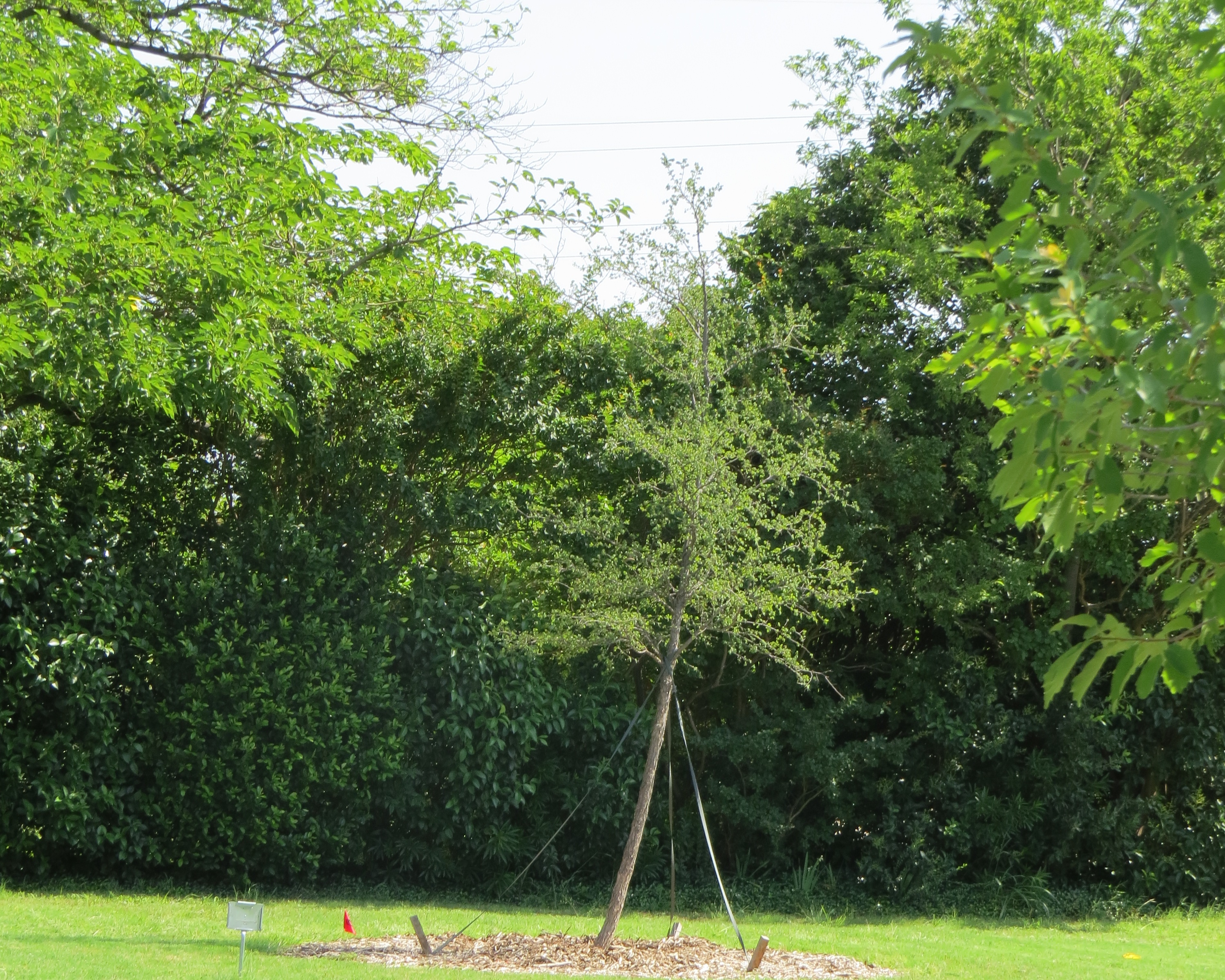
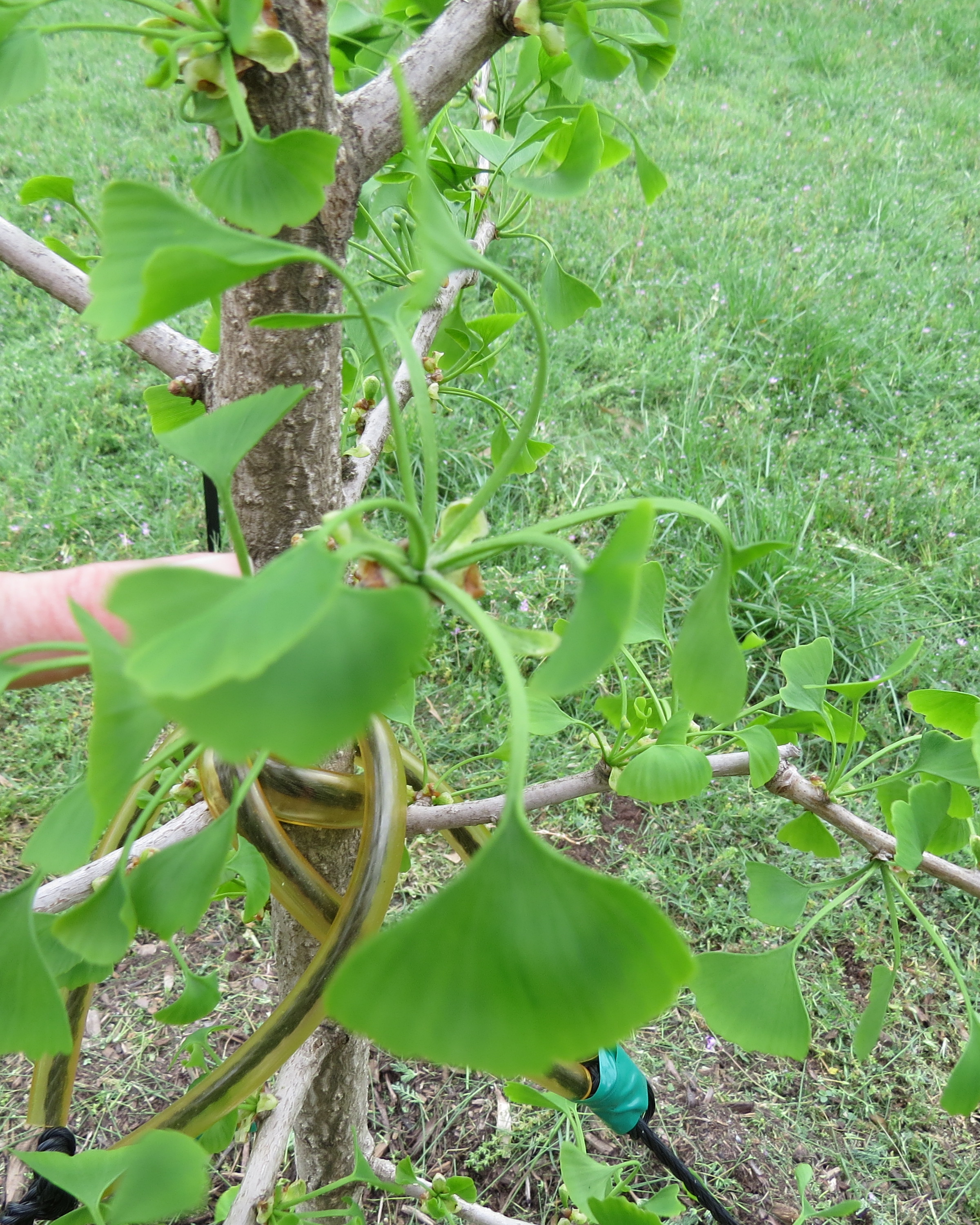
Few trees are as stunning as a ginkgo Ginkgo biloba in the fall. It shimmers with brilliant yellow leaves, then drops them all at once. We planted the aptly named ‘Autumn Gold.’ The gingko is by far the most unusual of our tree quintuplet. Its fan- shaped leaves were part of the prehistoric landscape 200 million years ago, and the tree is often referred to as a living fossil. The gingko is found only in two small areas of China, and seeds are considered a delicacy in Japan and China. Plant only male trees grown from cuttings or grafted; female trees have an offensive smell! (Named varieties are male trees.) A gingko will slowly grow into an oval shape 50 feet tall and 30 feet wide. The trees have no pest problems.

Ginkgo Tree 'Autumn Gold'

Ginkgo Tree ‘Autumn Gold’

 Come see our new trees at the Raincatcher’s Garden and pick a new favorite for your yard.

Elizabeth

Pictures by Starla

Monterrey Oak and Lacey Oak pictures by http://www.wildflower.org

The Color Purple

One of the main tasks at The Raincatcher’s Garden right now is installing drip irrigation.  Our liscensed irrigator, Doug Andrews of Double D Landscapes is at the helm.

Doug Andrews, Double D Landscapes

Doug Andrews, Double D Landscapes

The process of irrigating a large garden like The Raincatcher’s Garden is cumbersome.  Purple has become our new favorite color and the reason is that our future plans include harvesting water collected from the roof of  nearby buildings. The color purple is used to identify pumps, tanks and pipes carrying reclaimed water for reuse. Purple or what looks like a pretty shade of lavender  means non potable or non drinkable water.  At our garden on Joe Field Road we had two large 2500 gallon cisterns collecting rainwater off our large shed. We don’t have them yet for our new garden and will judiciously use city water in the meantime. Anyone want to donate rainwater cisterns?

Purple Tubing  for Drip Irrigation Installed at The Raincatcher's Garden

Purple Tubing for Drip Irrigation Installed at The Raincatcher’s Garden

In the meantime, our plant success  depends on our amended soil, heavy mulch application, and hand watering.  More rain is welcome!

Find out more about Drip Irrigation as taught by Dr. Dotty Woodson, here.

Ann


Orchid Heaven

Friday, June 5th, More than a dozen Master Gardeners from The Raincatcher’s Garden visited the Tarrant County Demonstration Garden for helpful ideas and then traveled to D&B Orchids, the Orchid Greenhouse run by Dr. Dotty Woodson and her husband, Berry Woodson.

We were overcome by the sight of approximately 8,000 orchids and the botany lessons taught by Dotty that day.

Meet some of the stars of our visit to D&B Orchids.

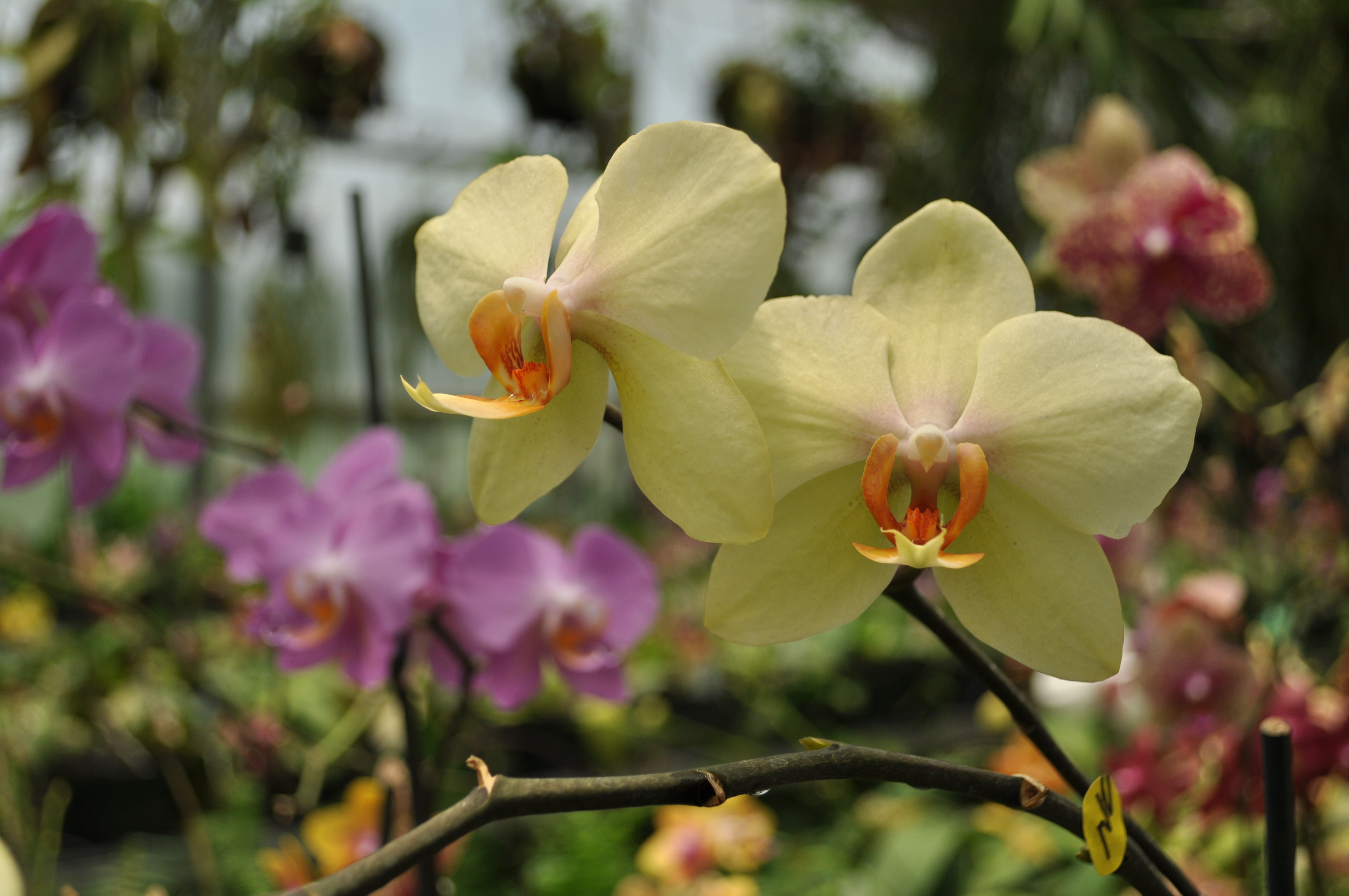
 Phalaenopsis

Phalaenopsis

It was intoxicating. Orchids everywhere!  This purple orchid was growing out of a pot, one of many, hanging from the rafters of the greenhouse.

Vanda

Vanda

And just when you thought you had found your favorite, another would steal the show.

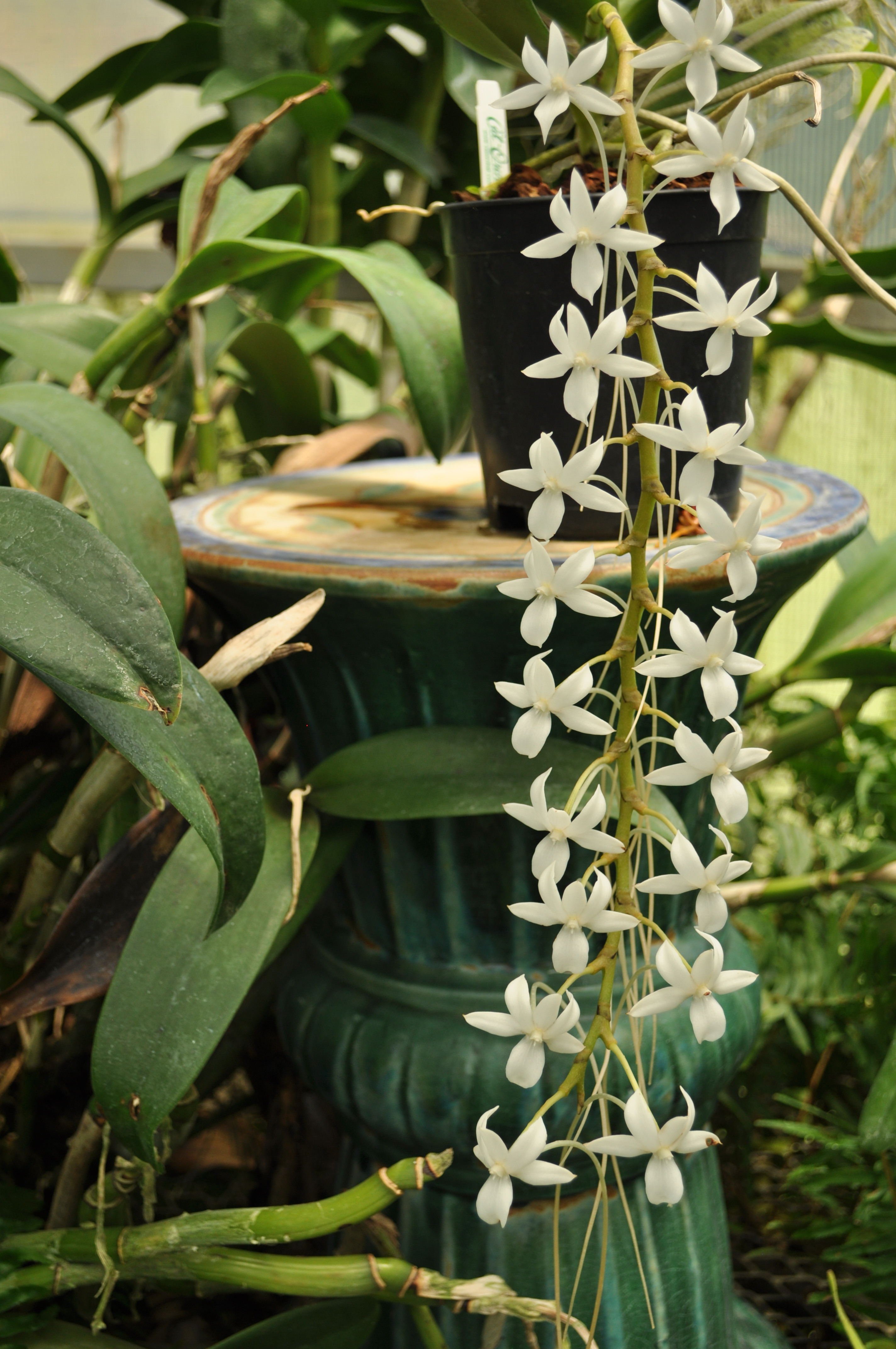
 Angracum from Madagascar

Angracum from Madagascar

Dotty’s husband was the recipient of the  Herb Hager Award for Hybridizer of the Year from the American Orchid Society for his hybrid, Phalaenopsis Jose Carreres. Hopefully, Starla snapped a picture of it that we can share.

If not, looks like we will have to make another trip to D&B Orchids.

Ann

Video by Starla

Pictures by Ann

Thank you Ana and Michele for arranging the trip!


May Recipes from the Master Gardener Meeting

Linda, Evelyn, and Judy and Tarts

Linda, Evelyn, and Judy and Tarts

Heirloom-Tomato-And Goat-Cheese Tartlets

Ingredients:

Black-Pepper Crusts (see below)

Pesto (see below)

3 cups heirloom tomatoes, cut in half

1 teaspoon sea salt

½ teaspoon ground black pepper

1 (4-ounce) package goat-cheese crumbles

Garnish: fresh oregano and microbasil

Directions:

  1. Preheat oven to 400°.
  2. Line a baking sheet with parchment paper, and place prepared Black-Pepper Tartlet Crusts on baking sheet. Spoon about 3 tablespoons Pesto into bottom of each crust. Fill each tartlet with tomatoes, and season evenly with salt and pepper.  Sprinkle cheese over tomatoes, and bake for 15 minutes, or until cheese is slightly browned.
  3. Garnish with oregano and microbasil, if desired. Serve immediately.

Black- Pepper Tartlet Crusts

Ingredients:

2 ¼ cups all-purpose flour

½ teaspoon salt

½ teaspoon ground black pepper

1 cup unsalted butter

¾ cup sour cream

Directions:

In the work bowl of a food processor, combine flour, salt, and pepper; pulse to combine. Add butter, and pulse until crumbled.  Add sour cream, and pulse until mixture comes together.  Remove mixture and form into a disk; wrap with plastic wrap, and refrigerate until firm, at least 2 hours.

  1. Preheat oven to 350°.
  2. On a lightly floured surface, roll dough to 1/8-inch thickness. Cut 6 (5-inch) rounds from dough.  Place a round in bottom and up sides of each of 6 (4-inch) tartlet pans.  Line tartlet crusts with parchment paper to cover bottoms and sides, and top with pie weights.  Bake for 15 minutes. Remove from oven; cool slightly.  Remove pie weights and parchment paper.  Return to oven, and bake for an additional 10 minutes, or until lightly browned.  Remove from oven, and cool.

Pesto

Ingredients:

3 cups fresh basil leaves

3 tablespoons fresh oregano leaves

3 tablespoons fresh lemon juice

3 garlic cloves, peeled

¼ cup grated fresh Asiago cheese

¼ cup toasted pine nuts

½ teaspoon coarse salt

½ teaspoon ground black pepper

⅓ cup olive oil

Directions:

  1. In the work bowl of a food processor, combine basil, oregano, lemon juice, garlic, cheese, and pine nuts; pulse until smooth, scraping down sides of bowl as necessary. Add salt, pepper, and olive oil; pulse until smooth.  Prepared pesto can be stored, refrigerated in an airtight container, for up to 3 days
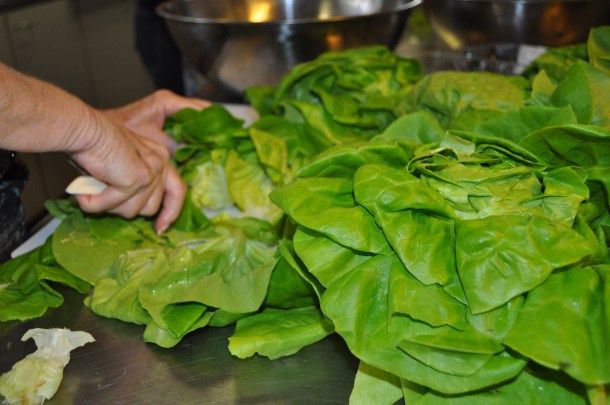
Lettuce Prep for Butterhead Lettuce Salad

Lettuce Prep for Butterhead Lettuce Salad

Butterhead Lettuce and Spring Vegetable Salad

Ingredients:

5 teaspoons white balsamic vinegar

3 tablespoons extra-virgin olive oil

Coarse salt and ground pepper

2 heads butterhead lettuce, washed and dried

6 radishes, trimmed and thinly sliced

1 large carrot, peeled and cut into thin strips

2 ounces alfalfa sprouts

Jane with Sprouts!

Jane with Sprouts!

Directions:

  1. In a large bowl, whisk together vinegar and oil; season with salt and pepper.
  2. Tear lettuce into bite-size pieces and add to bowl along with radishes and carrots. Toss; season with salt and pepper.
  3. Divide salad equally among four plates and top each with sprouts. Serve immediately.

Yield: 4 servings

Asparagus Ready to Eat

Asparagus Ready to Eat

Parmesan Asparagus Roll-Ups with Lemon Dipping Sauce

Ingredients:

1 package phyllo dough

½ – 1 cup Parmesan cheese

1 stick butter, melted

30 asparagus spears, washed, woody ends cut and dried

Lemon Dipping Sauce

Directions:

Take pastry out of box and unfold one package of sheets. Cover sheets with a just barely damp paper towel when not using.

  1. Remove one sheet of phyllo and put on a work surface. Brush the entire sheet with butter; put another sheet of phyllo on top, brush second sheet with butter.
  2. Cut pastry sheets into six even strips, cutting from one short end to another.
  3. Sprinkle each phyllo strip with Parmesan cheese.
  4. Wind one phyllo strip around each asparagus in a spiral manner starting at the base.
  5. Repeat with phyllo until all the asparagus is rolled up.
  6. Brush the tops of the phyllo dough with butter and sprinkle with Parmesan.
  7. Put the asparagus on 2 parchment lined baking sheets and bake at 350° for 15-20 minutes, until the phyllo is light golden brown.

Lemon Dipping Sauce

Ingredients:

½ cup sour cream

½ cup mayonnaise

3 tablespoons freshly squeezed lemon juice

1 tablespoon Dijon mustard

1 garlic clove, pressed

1 teaspoon lemon zest

Dash of hot sauce, salt and pepper to taste

Directions:

Put all ingredient s in a bowl and mix well. Serve with asparagus.  Chill if not using right away.

Linda

May 2015 Master Gardener Meeting 036

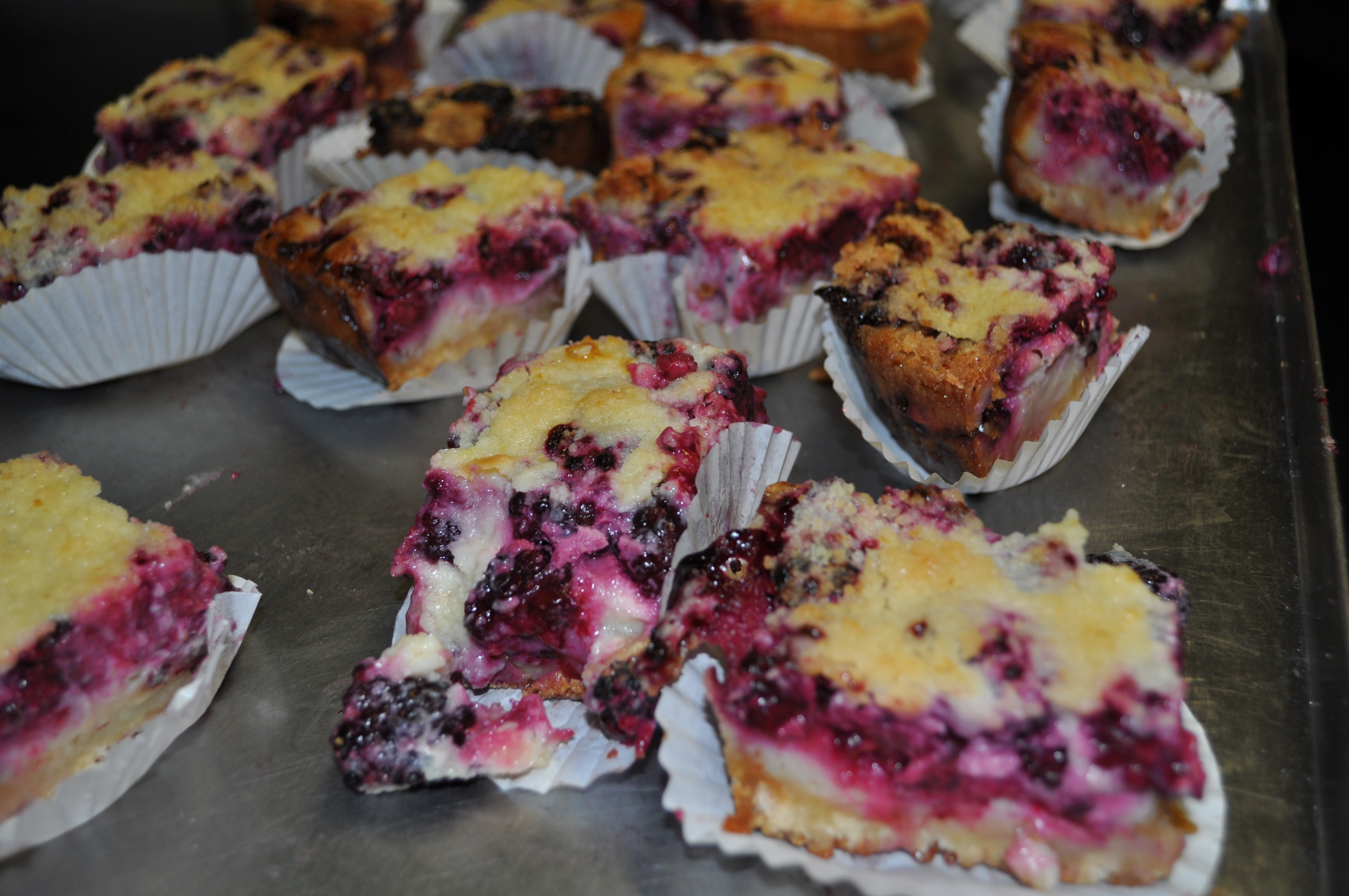
And what about those Blackberry Pie Bars? Click here!


Dallas County Gardener’s May Meeting

Did you know that anyone can attend a Dallas County Master Gardener meeting? Tomorrow we are hosting the May meeting at our new garden with the purpose of talking to our membership and friends about the progress of The Raincatcher’s Garden of Midway Hills.

Come so you can hear from our exciting array of speakers: Elizabeth, Eric, Lisa, and Susan. Learn from them, education is the purpose of our garden. We will be sharing detailed plant information tomorrow and on this blog through hand outs created by Elizabeth.   Take a look at our garden plans and tour The Raincatcher’s Garden to understand the height and depth of what we are trying to do on about an acre of land in North Dallas.

Dallas County Master Gardener May Meeting

11:30 a.m. Thursday, May 28

11001 Midway Rd., Dallas 75229

 Program

An Introduction to the New  Raincatcher’s Garden of Midway Hills

Tours will be offered before and after the general meeting.

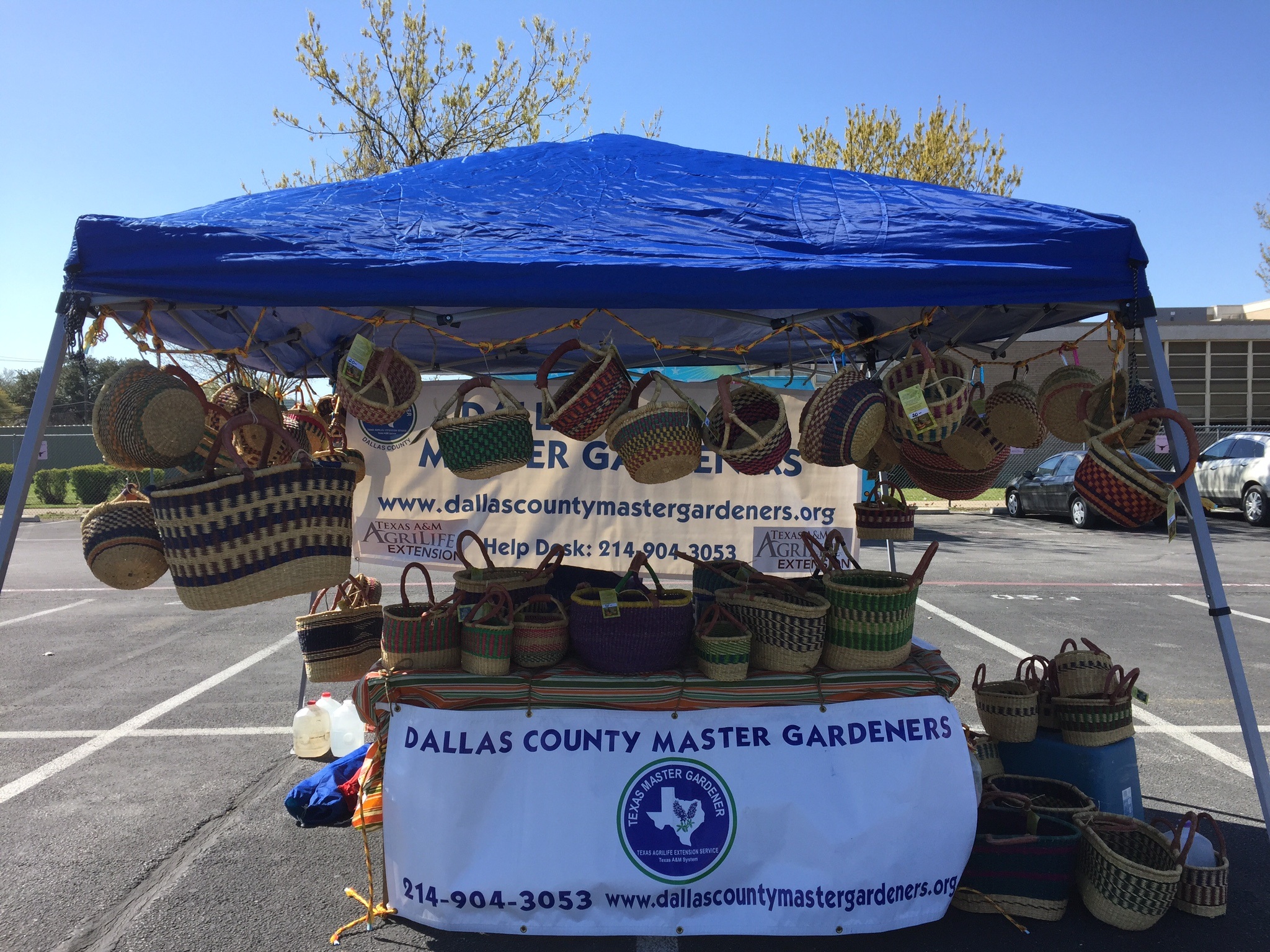
 Buds, Bricks & Baskets

African Free Trade Baskets, Leather Handles! Reasonable Prices! We have Fallen in Love with These!

African Free Trade Baskets, Leather Handles! Reasonable Prices! We have Fallen in Love with These!

The Baskets are ideal for gifts or gathering produce from your garden.

Oregano, Phlox, Tomato Starts, Fig Trees, Cast Iron, Coneflower, Great Prices!

Oregano, Phlox, Tomato Starts, Fig Trees, Cast Iron, Coneflower, Turk’s Cap- Great Prices!

Fill up your card with homegrown plants from our member’s own gardens. We have tables of little starts you’ve just got to take home at Sarah’s “cheap” prices.  Plants will be priced from $1 to $5, with a few special items priced a tiny bit more.  Plan on filling up your cart!  Yesterday it was hard for me to pass by the phlox I saw from Susan’s garden!

Bricks make the perfect contribution to the new garden.

Honor a loved one, recognize the special person that introduced them to gardening, or remember a friend or family member with a personalized brick.  The bricks will serve as part of the entry to the Raincatcher’s Garden under the newly reassembled arbor.  Bricks are priced at $50 for a 4”x 8” size or $125 for an 8” x 8” brick.  Orders will be taken at the May 28 meeting with installation later this year. If you would like to participate and can’t come to the meeting, leave a comment and we will contact you.

Cash, checks or credit cards accepted.

A note about our lunch sales: Thank you to the 98 who purchased box lunches to enjoy during the meeting.

To accommodate feeding almost 100 people we had to stay firm with our reservation deadline. Oh, the planning that goes into an assembly of cooks like we have had the last few days! Hope any who missed the deadline for lunches will understand. We will have more events this summer. Subscribe to Dallas Garden Buzz, to get the details first!

Confession: I didn’t sign up for lunch in time, but you can be sure I will be first in line for a fig tree!!

Ann


Cardboard for Weed Control

At our old garden, we faced the  problem of all other gardens: weed invasion. At our new garden, we are making a concentrated effort to try to reduce the problem of weeds. You may have seen some of our Master Gardeners carrying cardboard from trash picks ups, we even get calls from friends donating “nice cardboard.”

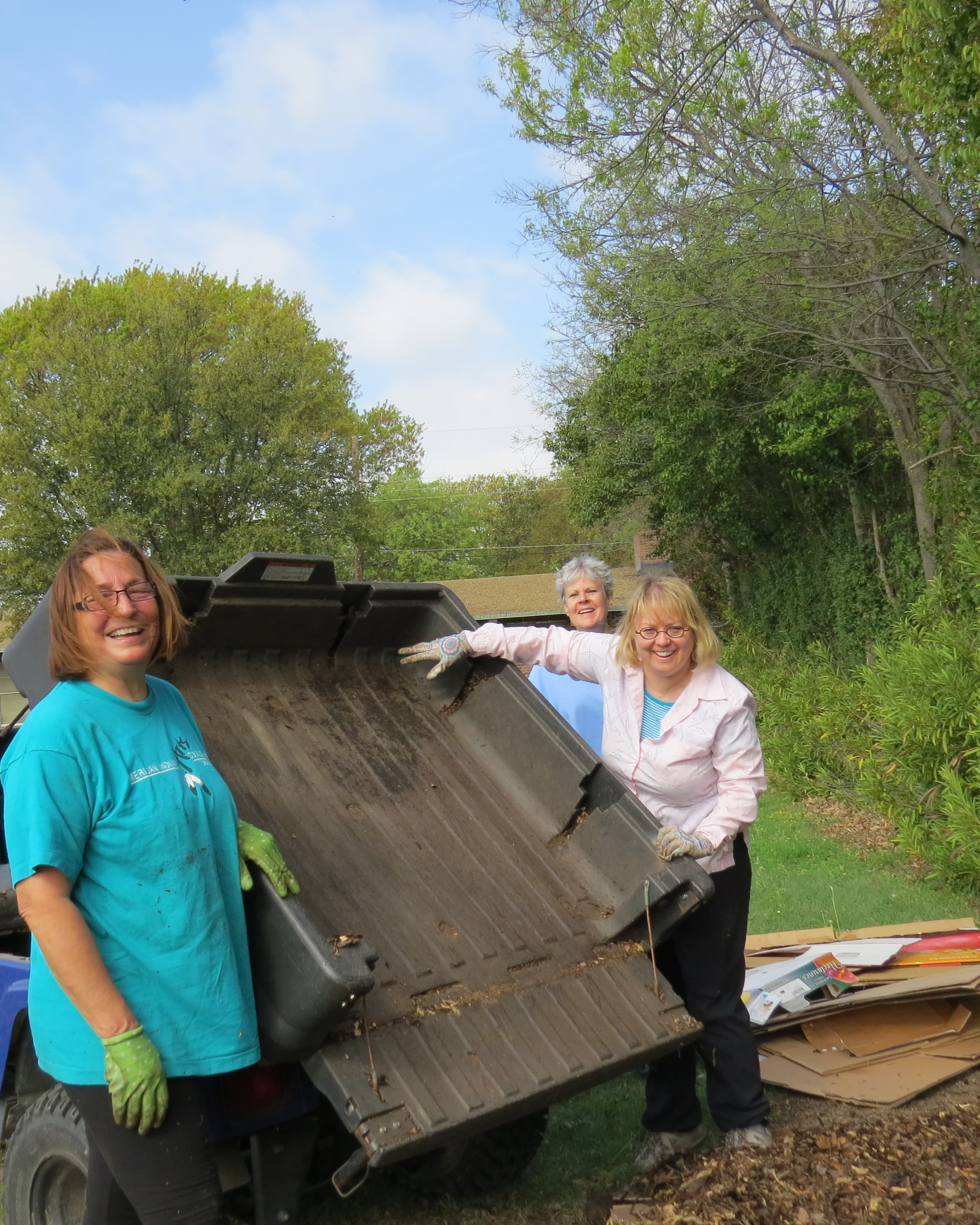
Lisa Hauling Cardboard to The Raincatcher's Garden

Lisa Hauling Cardboard to The Raincatcher’s Garden

We prefer the plain brown stuff, stripped of packing labels and any plastic and broken down please.

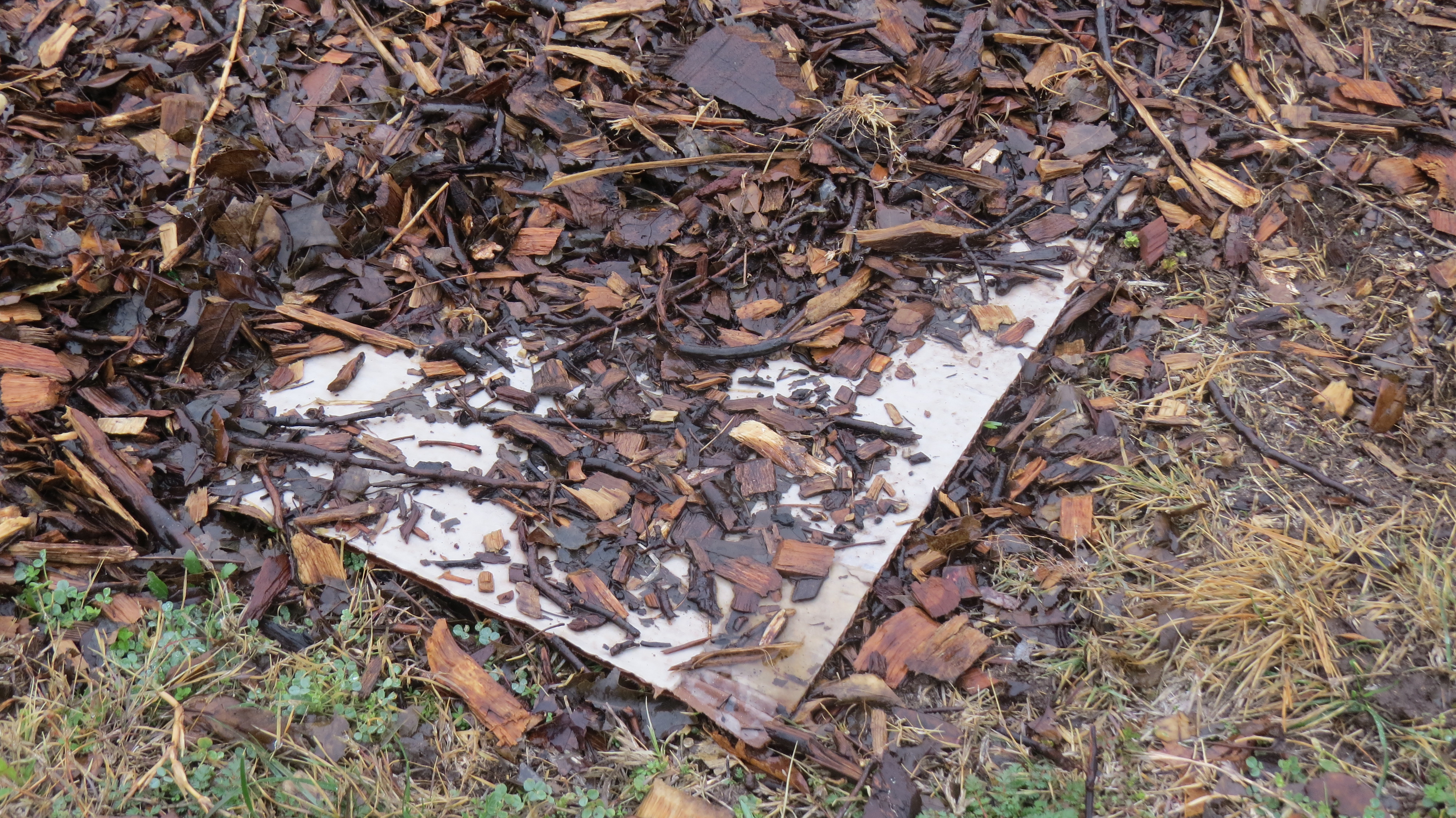
We lay it down, overlapping seams, with 3-6 inches of mulch on top. Several layers of cardboard is permissible and  more mulch equals less weeds.  Some say to water the cardboard to make it more pliable. Of course, during this rainy year we have not had to do that.

Cardboard Peeking Out From Under Mulch, More Mulch to be Added

Cardboard Peeking Out From Under Mulch, More Mulch to be Added

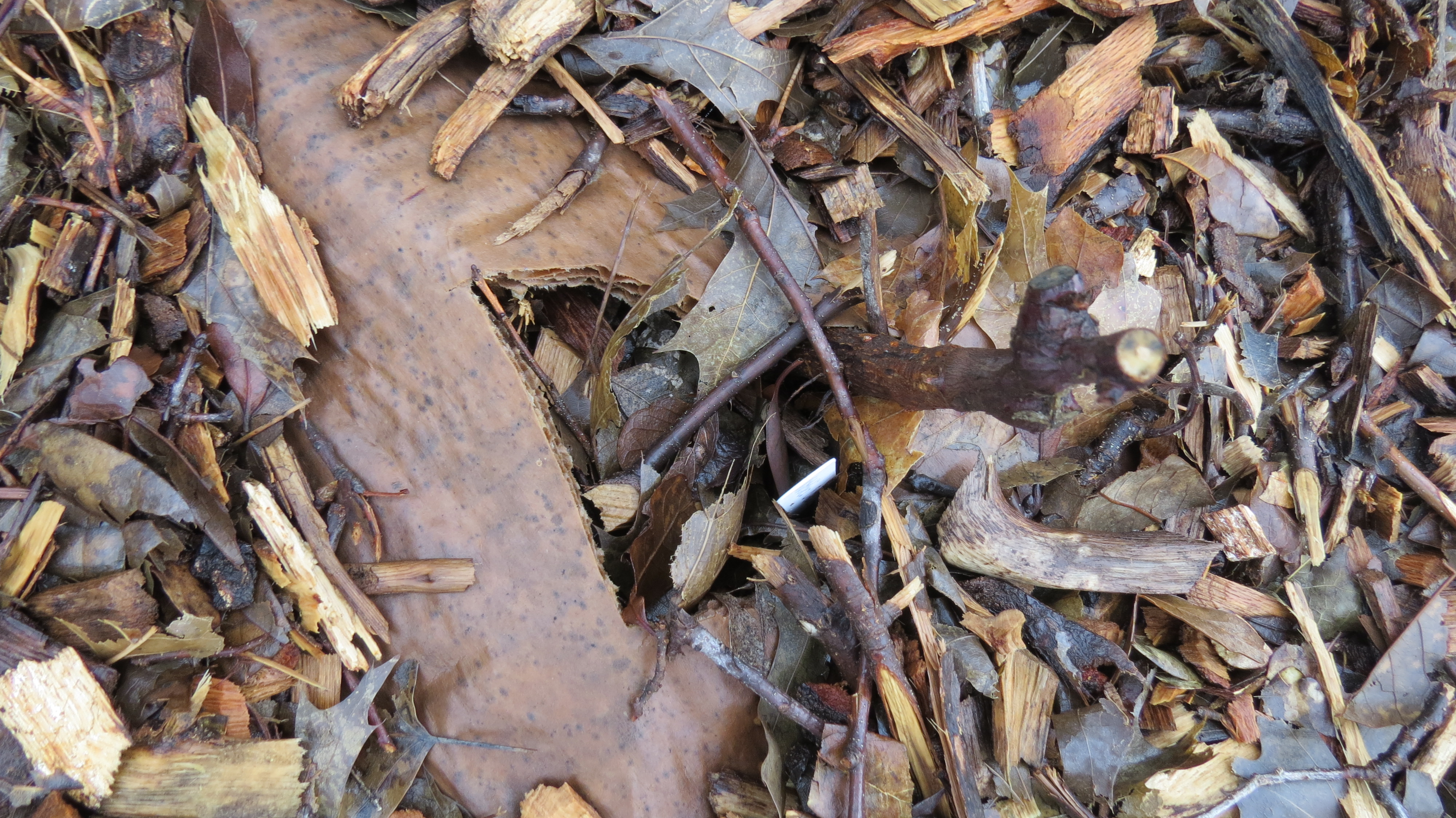
And here’s a word about our mulch selection: you can see our mulch looks organic.  We use chopped up tree trimmings, not purchased mulch.  If you are buying mulch (we prefer free), don’t buy the colored mulch that has dye added.

Mulch Close-Up

Mulch Close-Up

Besides cardboard and mulch, what do you need?  Willing labor!

Thank You Judy, Abbe, and Michele!

Thank You Judy, Abbe, and Michele!

Our most recent mulch drop off came from Dallas Arborilogical Services. More is needed to build our beautiful, weed free garden. For drop off information, call the Dallas County Master Gardener hotline, 214 904 3053 and say The Raincatcher’s Garden sent you.

Ann

Pictures by Starla

BUTTERFLY PLANTS: I LOVE YOU, BUT IT’S TIME TO LEAVE


Variegated Fritillary on Salvia

Variegated Fritillary on Salvia

My side yard has a new unwanted hedge of plants in pots.  These are plants that should be planted in the new butterfly plot at the Raincatcher’s Garden of Midway Hills.  They are not. They sit in pots.  At my house.

The plants have been living in my side yard for two weeks.  They remind me of adult children who move back in for “just a few months, Mom,” and a year later you’re still sharing the washer with their yoga pants.

Using the butterfly garden plan, I made a list of plants required for that garden.   We needed almost 200 plants.

Plant sales are a little cheaper, but you have to know what you’re doing:

Get there early.  I am convinced most shoppers get up at 4:30 a.m. to line up two hours before the doors open.  If you’re pulling in the parking lot with your coffee in a to-go cup about 10:30, it’s not worth the drive.  The shelves are bare at that point.

Plant sales are the closest thing Dallas has to a crowded New York subway.  You’ve got to elbow your way to native-this and hard-to-find that  (saying ‘excuse me’ after each grab—this is, after all, The South).  My genteel mother would have been appalled.

Don’t kid yourself. A tiny old Prius will not be big enough for the drive back with your new acquisitions. You’ll have to beg your patient friend Judy-with-a-truck to pick up all the leftover purchases the next day.

Which brings us to why I have about 200 Plants In A Pot in my side yard, and why I know each of them intimately.

North Texas has been in a severe drought for six years.

I purchased the plants two weeks ago.  Six hours after I unloaded them to my side yard, I hauled them back into the garage because of impending “damaging 60 mph winds, hail, and possible tornadoes.” Out into the sun. Thirty minutes later, back into the garage. This has gone on for days. The plants are confused.  I am exhausted.

Last week I emptied 5 inches of rain from the rain gauge. It is too muddy to till the site for the new butterfly garden.  It is too wet to even think of planting.

The forecast is for 85 degrees and sunny today.  Severe thunderstorms are predicted for tomorrow.

Elizabeth

To read more about our Butterfly Garden Plans click here.

Picture by Starla

Berms and Tree Planting at The Raincatcher’s Garden

We are excited about our new orchard.  Peaches, plums, pears, persimmons, pomegranates, and grapes, figs, and blackberries will be part of our future crops and future recipes.

Dig in to this video to learn the purpose of a berm. We built berms around our trees in the orchard. This is also useful information for other types of tree planting.


Next Tuesday, March 3rd 10-noon, we will be awaiting the arrival and planting of large container grown and balled and burlapped trees. Last week a Ginkgo tree was planted. Next week: Chinquapin oak ,Mexican Oak, Lacey Oak, and Cedar Elm. All tree huggers invited!

Best cinematographer: Starla

Our recipe list here.

Ann