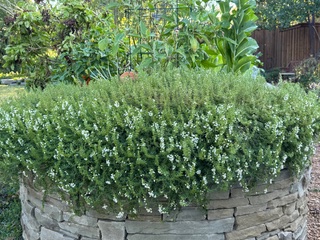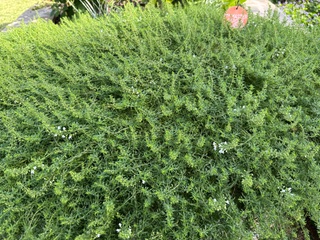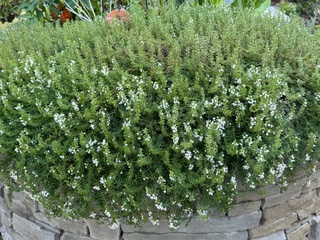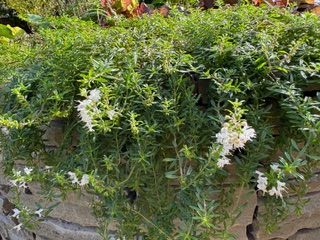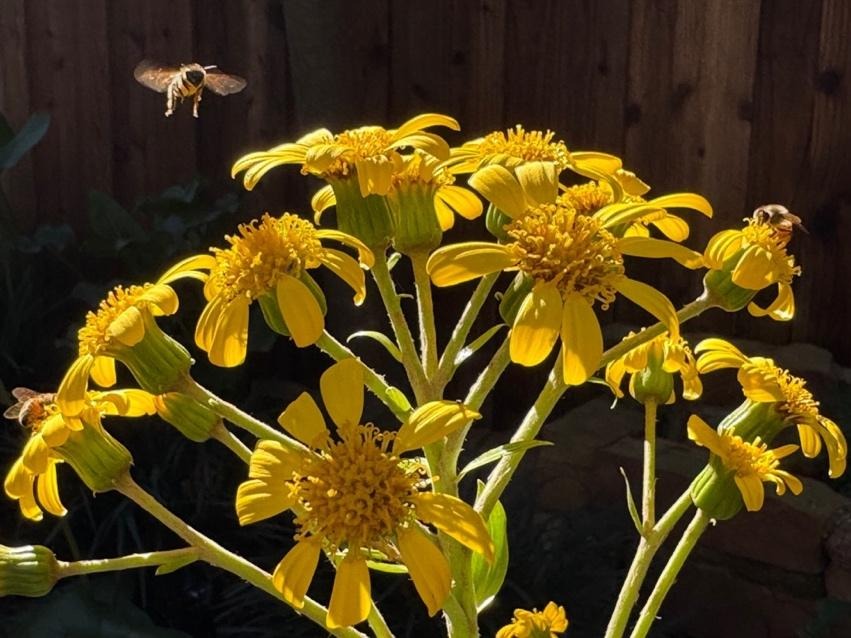
Moonflower in my garden. Smells delighful, blooms at night!
Do you remember the book, All I Ever Really Needed to Know I learned in Kindergarten?
That’s how I feel about the Master Gardener training I recieved in 2005. Although I was raised in a backyard full of horticulture and minored in horticulture at Texas Tech, the Dallas County Master Gardener School and my experiences working in gardens for 20 years with other Master Gardeners have been my grounding influence. Myabe you have been thinking about expanding your understanding of gardening in Texas, if so-see below.
Applications Available NOW for Dallas County Master Gardener School What: Dallas County Master Gardener School When: Every Thursday starting January 8, 2026 through April 23, 2026 8:30 AM- 3:30 PM Where: Dallas County Roads & Bridges Building / District 1 (aka “R&B1”), located at 715 Rowlett Road, Garland, TX 75043
This past Saturday, September 6th, marked the end of season schedule for St. Michael’s Farmer’s Market. Like many of our readers, I’ve been attending the Saturday market for years! Getting to meet so many of the vendors and following them each week has always been a delightful experience for me.
People like The Baugh Family (now with two young children) drive in early from Wylie to bring an amazing assortment of east Texas vegetables, blueberries, blackberries and more. But it’s always those juicy, ripe peaches that create the long lines of anxious customers with everyone hoping there will be enough once it’s their turn. Wayne and his wife get up around 2:30am to harvest their magnificent bouquets of freshly cut flowers. Driving in to Dallas from Henderson is about 2 hours but these long-time flower farmers have us drooling over the rainbow of colorful blossoms that are bundled up and ready for purchase.
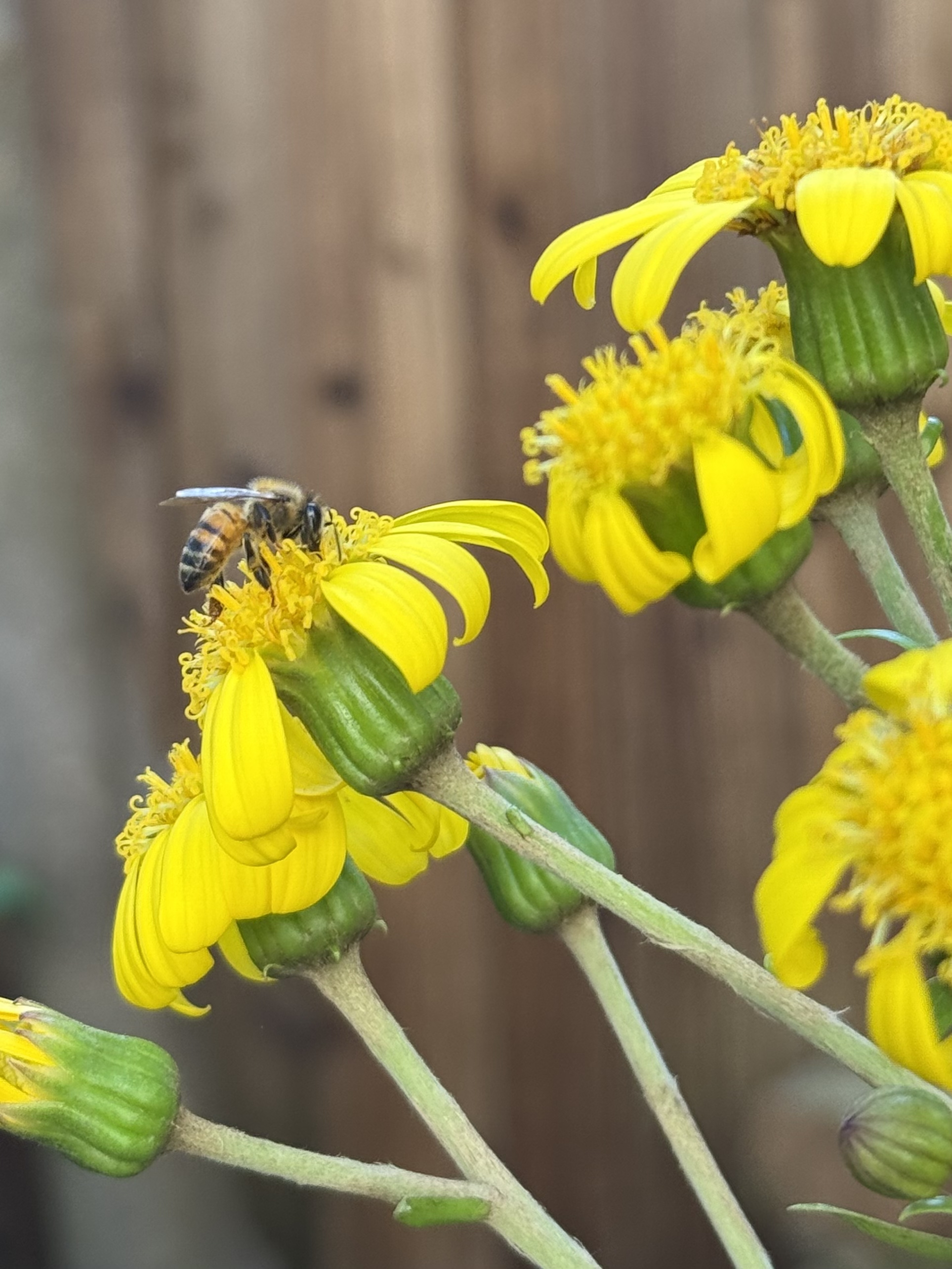
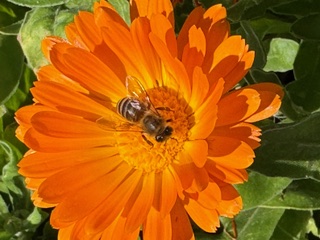
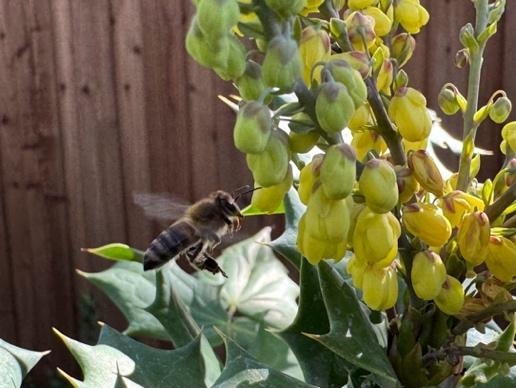
Master Gardener, Janet Smith class of 2008, became a regular this summer with her west Texas pecans. What a special treat! And new to the market was Honey Apple Farm in Canton, Texas. This small, family owned and operated farm produces a variety of artisan honeys. They are also passionate about strengthening the bee population by providing tips on planting a bee garden and going chemical free.
My end of season trip to the market on September 6th was bittersweet. While some of the vendors will return for a one-time only October appearance, we’ll have to wait until May 2026 for the weekly schedule to resume. Until then, I’m thankful for the bountiful blessings given to us by the farmers, flower growers, beekeepers and more whose hard work provided us with fresh, flavorful food this summer. I’ll be first in line to welcome them back next May.
Looking back through one of my herb cookbooks, I landed on a recipe that had been “tabbed” many years ago but never prepared. Things were about to change. Jerry Traunfeld wrote “The Herbal Kitchen” in 2005 as a handbook for incorporating fresh herbs, from his own herb garden, into everyday home meals. I would be using fresh tomatoes from the Saturday market to prepare his recipe for Tomato Bread. From my own garden, freshly picked basil and thyme along with cured garlic from late spring would supply most of the ingredients.
Let me go on record as declaring that this new recipe exceeded my expectations. And for those of you who already have your autumn tomato crop in the ground, please give this incredibly delicious dish a try. You might want to serve it as an accompaniment to salad, soup or with any grilled meats. I’ve made the recipe three times in the last month and shared it with family and friends. Everyone agreed that this is an exceptional way to enjoy fresh juicy tomatoes!
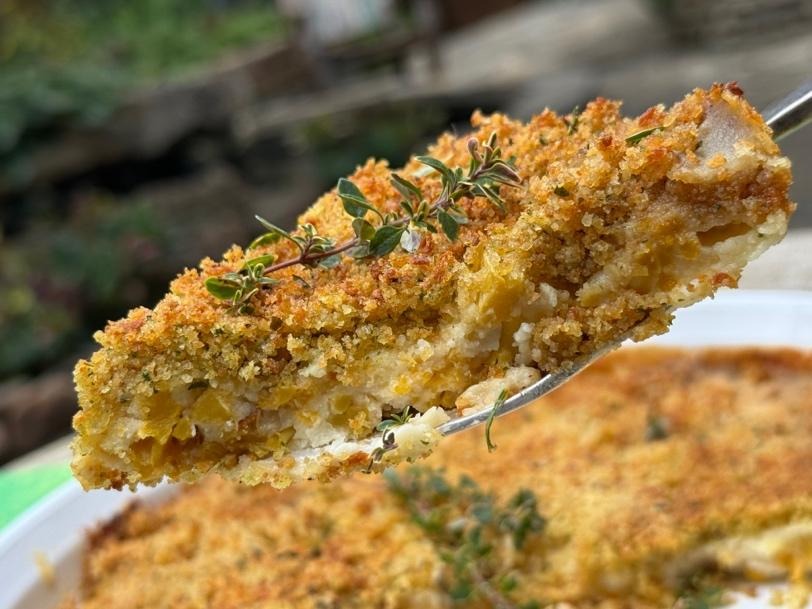
Start with chewy cubes of Italian-style bread drizzled with olive oil then topped with minced garlic and “torn” basil leaves. Finish with juicy, sliced tomatoes and a generous sprinkling of fresh thyme.
Dig a hole through time and you will hit a fig tree’s roots. Figs are one of the oldest cultivated plants.
Figs are interesting little fruits but not in the traditional sense. The structure of the fig is a called a syconium, a fleshy sac lined with tiny flowers inside. When you eat a fig, you’re technically eating hundreds of tiny inverted flowers that bloomed inside the syconium.
The word “fig” comes from the Latin ficus
There are over 700 species of fig trees worldwide
Figs grown in the USA are self pollinating but in other countries pollination is provided by fig wasps which crawl into the fig, complete their mission and then die inside the fruit.
Figs conatin fiber, copper, potassium, maganese, vitamin K and other nutrients
Plant your fig tree in full sun in soil with good drainage, mulch regularly and monitor moisture needs
My experience with growing figs started with a fig tree propagated by Master Gardener, Jim Dempsey. It was planted in my backyard about 10 years ago. Every year I have looked up into my trees large, deeply lobed leaves longing for figs. The winter storm of 2021 nicknamed “Snowmagdeddon” caused the tree to die back and it would be several more years of waiting and hoping as it recuperated.
Finally this year my family tasted the fruit! About 12 pounds of figs were harvested from our Celeste fig tree. We let it grow to a height of over 20 feet. Rather than try to protect the tree from birds with a net or other artificial means, we let the birds eat the fruit in the branches way up high leaving the rest for us. There’s nothing like the taste of a fig eaten at peak ripeness from your own backyard tree.
Our Celeste Fig Tree, note the neighbor’s two story chimney for height comparison.
Another personal story: My son and wife and three little children moved to a new house last year. They have a “Texas Everbearing” fig tree. To my great delight, my grandchildren are eating figs from thier own tree. Imagine me walking into their kitchen and seeing figs on their high chair plates. Surely this is tender hearted beauty!
Ann Lamb, Dallas County Master Gardener Class of 2005
Have you been feeling somewhat listless or despondent over the last few weeks? Are you experiencing a period of inactivity or lack of energy? If so, you are not alone. It may be that those summer doldrums have many of us in a wearisome summer slump!
We’ve all, no doubt, spoken those words many times over the years. However, for the first time, my curiosity motivated me to do a little investigating into the meaning of “doldrums”. Much to my surprise the doldrums are for real! In oceanographic terms, they are a part of the ocean near the equator abounding in calms and light shifting winds.
In the early 19th century, the word doldrums came to be applied to certain tropical regions of the ocean marked by the absence of strong winds. Sailing vessels, depending on wind propulsion, struggled to make headway in these regions, leading to long, challenging journeys.
While the exact etymology of doldrums is not certain, it is believed to be related to the Old English dol, meaning “foolish” – a history it shares with our adjective dull.
Click here for a much more scientific and very fascinating explanation from NOAA
If you are like other gardeners waiting for the winds to “pick up”, here are a few refreshing ideas to help you navigate through the summertime blues! One of the most delightful ways to celebrate the hot, sticky last few weeks of summer is found in the herb garden. When I’m in search of a culinary treat, summer herbs seem to have the answer. Let’s look at a few of the heat-tolerant, dependable standouts that satisfy the craving.
Whatever your preference, vibrant flavors ranging from sweet and floral to savory and pungent can be found in herbs that persevere through the high heat and icky humidity of summer.
Offering aromatic qualities from minty and citrusy to earthy and woodsy, consider these flavor profiles to suit your preference:
*Sweet and floral: basil, lavender and anise hyssop
*Citrusy: lemon verbena, lemon balm and French sorrel
*Minty: various mints (spearmint, ginger mint, peppermint, etc.), nepitella, oregano and thyme
*Earthy: sage, rosemary and thyme
*Pungent/Spicy: chives, papalo, French tarragon
Enjoy the simple pleasures of growing and harvesting summer herbs. Some of the most satisfying ways for using fresh herbs are found in sprinkling, scattering and tossing over fruits, salads, vegetables and desserts for a delectable finish. Other than a quick trip to the grill, bake free is the best way to savor the gifts of our summer gardens. Use freshly gathered herbs to elevate your food from tasty to irresistible!
Here are a few ideas for a cool ending to summer:
Grilled Peach and Blueberry Salad with Fresh Mint
Peaches grilling in a nonstick grill panHoney infused balsamico used as a dressing for the saladGrilled Peach and Blueberry Salad
Creamy Chilled Cantaloupe Soup Garnished with French Tarragon and Blue Borage Blossoms
Ground sumac spice for cantaloupe soupCantaloupe growing in my August garden.Creamy chilled cantaloupe soup
Yellow Pear Tomato Salad with Red Rubin Basil, Nasturtium Blossoms, Basil Pesto and Mozzarella Pearls
Yellow pear tomatoes growing in my August gardenYellow Pear Tomato Salad with nasturtium blossoms
Why do gardeners keep going? Its hot—get up really early start to work to beat the heat—and find the mosquitos got up earlier.
Work hard on weeding feel successful–turn around–and find more weeds.
Wonderful to have so many flowers–until its obvious many flowers mean alot of deadheading.
Sometimes the problems pile up. It can be easy to forget the blessings gardening brings. Of course there is the functional fitness aspect–digging those weeds is actually a good thing. Fresh air and sunshine help the body and the mind.. Just being needed by the garden can be seen as a burden–but really its a blessing to be needed.
But remember another aspect of gardening that brings lasting joy. That is the way our plants and gardens connect us to others.
Some of our connections are to friends and family that we see regularly. Those who share successes –and some failures—and sometimes plants. Others are gone now but the plants they shared long ago ensure that they are not forgotten. Somehow they are not gone at all but with us still as we garden.
This was the first plant I ever had, well, a descendant, of course. I was about 6 years old. My mother and I were visiting one of her friends. She had Ghost plants in a huge iron kettle used by generations before to heat water over a fire and wash clothes. The plants spilling out of the kettle, now used as a flower pot, enchanted me.
So for sure–gardening is hard work somehow conditions never seem “just right” too hot too cold too dry too wet–it all happens. And we have to get out there anyway.
But don’t just work. Pause and take a step back every so often. Think about all the people and all the stories that surround your plants.
Then you will remember why you keep gardening. Remembering will lift you and bring joy to you even in difficult times.
This is Red Dragon. I was given a few stems in a glass of water by a friend and now it’s being shared.This unknown grass is a descendant of a small plant gathered by my mother near Lake Proctor.Raincatcher’s Garden used to be at Joe Field. I took some cutting of this pink turk’s cap before we left. They continue on!I found this rosemary in a trash pile. It isn’at a particularly good plant but it made me happy to find it and see it growing now years later.A neighbor came by and told me she enjoyed the zinnias in my yard and how much they took her back to her Mother’s garden.Growing a tree from seed reminds us that we can do a lot if we try.
Thank you plant sharing friends:
Jim has grown so many seeds for the plant sale. This is Pride of Barbados, one of his specialty plants. Hope it blooms soon but even if it doesn’t, I am reminded of Jim and all his work for the garden.Mark started these cuttings and generously shared. Be sure to notice Althea when you visit The Raincatcher’s Garden. It has been blooming all summer and thank Mark.
Susan Thornbury, Dallas County Master Gardener Class of 2008
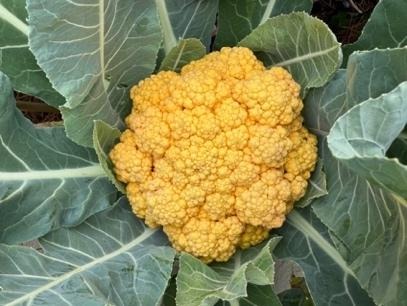
Passion vine has been tumbling over my mailbox for years. This summer I experienced the life cycle of the gulf fritillary from egg to caterpillar to chrysalis to butterfly.
This fascinating journey captivated me for weeks. On July 25th, caterpillars were covering the leaves and blooms of the passion vine. They looked menacing with their reddish-brown spiked bodies.
But there was one who was unlike the others – It had spikes, but had a white milky covering, and it was hanging in a definite “J” shape from my recently-bloomed color guard yucca stalk.
Excited, I ran to get my phone for a time lapse video, but the location and time that it would take to capture, encouraged a different approach. Pictures were snapped before running errands. Alas, upon returning the caterpillar had created the chrysalis and was unassumingly hanging on part of the stalk right at eye level. Had the caterpillar not been seen, it would have been difficult to recognize the chrysalis, as it looked like the material of the spent stalk. It was unnoticeable, unless it was seen in progress. Upon closer examination, the caterpillar shape was recognizable, and the lower portion was where wings formed.
Every morning began with observations – here are some of them:
1. Check on the chrysalis – no real change for about a week – information suggested that it would remain 5-8 days before emerging. Search for more.
2. Look for caterpillars– spiky, reddish brown color, they came in all sizes from very small to about 1 -2 inches long. They were in every part of the passion vine — plain sight, under the leaves, on the stems, and even in the flowers, but were voracious eaters.
3. Observe the native passion vine being ravaged by the very hungry caterpillars. -As a host plant, its lush vegetation, quicky changed to a sickly mass of stems, stripped leaves and decimated flowers. Nothing to do but watch, the plant would soon regrow.
4. Watch gulf fritillary butterflies deposit eggs on the leaves, quickly flitting away to find another spot to do it again.
5. Cringe as Wasps swoop in and sting vulnerable caterpillars. It was disheartening to view but realized that this is part of the natural process.
The observations of the chrysalis were routine until Saturday morning, August 2nd; – there was a gulf fritillary butterfly with his legs clinging to the chrysalis from which he had just emerged. Not moving much, just drying his wings and hanging out. After a few minutes it began to slowly fly to another stalk, then paused–It’s hard work coming out! After several minutes, there was more movement, brief flights, and then it disappeared into the flurry of other butterflies. The short-lived journey of this Gulf fritillary began (14-24 days).
During my daily walk around, it was noted that two eggs were deposited on the painted wood of my mailbox. The contrasting pale yellow color made it easy to observe. With a magnifying glass and ruler in hand., I peered closer at the eggs. For over a week the tiny egg remained unchanged, but then the color turned to a reddish-brown, becoming the smallest of caterpillars (3 mm) in search of passion vine to devour. They didn’t have far to travel as the native passion vine encircled the mailbox.
Eggs!Tiny caterpillar that emerged with Starla’s manicured nail for perspective.
Checking on the cats became a morning pattern, and I was not disappointed when stumbling on another gulf fritillary emerging. This one was located on a coneflower stem. The wings were still droopy indicating that it had very recently exited the chrysalis and needed to dry. As I watched, another gulf fritillary came, flitted his wings slowly and covered him as he hung to the chrysalis. This behavior mesmerized me. Was it protecting him while his wings were drying out? After a short while, maybe 10-15 minutes, they were in flight and yet another chrysalis was abandoned.
There’s so much I don’t know about this process but seeing it up close and personal reminded me that the wonder of God’s creation is incredibly complex and so beautiful. With our busy schedules this is a good reminder to take time to enjoy nature that is all around and let that inspire and encourage us.
Starla Willis, Dallas County Master Gardener Class of 2011
“Fresh peaches are nature’s candy”. From an unknown source, comes this quote that my husband embraces fully. It’s especially true at our house around late June to mid-July when those much-anticipated east Texas, Parker County and Hill Country peaches hit the local fruit stands and farmer’s markets. We’ve been known to buy several bushels during that time.
On a recent weekend trip to the deep piney woods of east Texas, we experienced an exceptionally flavorful peach event. Hosted by our dear friends, Sharon and Jason Romano, developers of a stunning place near Overton known as High Hill Resort Community, what could be more appropriate than to celebrate their annual peach-themed dinner extravaganza!
Bushels of peaches from local growers arrived at their doorstep a few days prior to the dinner. The restaurant’s chef had already created the menu so preparations for feeding 64 guests went immediately into action.
At 6:00pm diners were welcomed to their seats and the “peachy” feast began. Please enjoy reading through the menu and viewing photos of a masterfully curated “Philley Peach Dinner”. Congratulations to Executive Chef, Ryan Dove, and Sous Chef, Matt Frazier, for treating us to a truly memorable event!
And thanks to our friends for sending us back to Dallas with 2 bushels of those summer jewels from east Texas!
Here is a short list of several recipes we will be enjoying over the next few weeks:
Surprise Lily-The interesting thing about the name of this lily is that I was the one met with a surprise – in my own back yard!
Just a few days ago, with the temperature hovering around 93 degrees, I decided to run the sprinkler system in my raised edible bed. It was a hot afternoon and overspray from the system felt good hitting me in the face, so I sat down on a bench and waited for it to complete the cycle. Interestingly, something in the blue blooming salvia bed just to my right side kept catching my eye. Curious to figure out “why” a single, and very lovely, pale pink flower was peeking out at me, I got up, walked a few steps and stared in amazement.
Gently pushing back some of the ‘black and blue’ salvias that had been growing in that spot for over 5 years, was the most unexpected sight. Droplets from the sprinkler that had just watered that area were gracefully clinging to the petals and seemed to be inviting me to come closer and take a look. What was this mysterious plant that I had never even noticed in the 19 years we’ve lived here?
After taking a few photos with my iPhone and then doing a quick plant search, the answer was revealed to me. I was pleased to learn that the botanical name Lycoris, is from plants in the Amaryllis family. Some of their common names, however (resurrection flower, surprise lily and magic lily) refer to the trumpet-shaped blooms that resemble lilies. Also known as ‘naked ladies’ for the absence of leaves, these striking lilies start blooming around the end of July. She almost looked like a flamingo standing stiff-legged in my garden bed. I wanted to learn more about her!
Lycoris includes around 20 different species found in China, Japan and a few other Asian countries. However, the tall, pink flowered Lycoris x squamigera is the most common in American gardens. If you are interested in growing this lovely, delicate pink lady, here are a few tips to get started:
*The surprise lily is a perennial bulb in the Amaryllis family and is the hardiest of all the plants in the Lycoris species.
*Bulbs are about 3 inches in diameter with long necks that can persist for many years once established.
*Lycoris prefer full sun to partial shade.
*When planting, bury bulbs to a depth of 8 to 12 inches, spacing them 6 inches apart.
*They grow best in well-drained, fertile soils.
*Foliage emerges in late winter to early spring. Silvery gray greenish strap-like leaves measure 12 inches long and 1 inch wide. They grow in clumps.
*Foliage dies away in late spring followed by the late summer “surprise” lily that emerges like magic and produces 5-7 four-inch pale pink trumpet-like blooms atop the 2-foot tall stalks.
*Butterflies and hummingbirds are attracted to the fragrant flowers.
Now that I’ve had the pleasure of meeting this remarkable lady, I’ll be especially watchful next spring while awaiting her return!
Linda Alexander, Dallas County Master Gardener Class of 2008
My photographic adventure into the bloom-filled world of crape myrtle’s was joyful. They can be enjoyed, literally, everywhere you look. Hopefully, you will grow in your appreciation of these wonderful southern icons as much as I have over the past three weeks. Take time to admire their beauty while driving around the neighborhoods, parks, shopping centers and roadways of Dallas. May you be blessed with a moment of happiness while viewing my ‘Grand Finale’ of panoramic crape myrtle treasures!
Lush greenery and blooming white crape myrtle trees along turtle creekPretty In Pink Puts A Smile On Your Face A Border Of Fiery, Red Crape Myrtle’s – Van Alystene, TXMy Favorite ‘Canopy’ Photo Was Of This Big, Beautiful Lavender Crape Myrtle On The Children’s Playground At A Local Day SchoolAn intriguing combination – from two different environments
Linda Alexander, Dallas County Master Gardener Class of 2008
Crape Myrtles are not native plants, but we take our opinion from the bumper sticker, “Not a native Texan but got here as fast as I could.” Crape Myrtles fit in with Texas water wise goals and some say that crape myrtles are a beneficial nectar and pollen source for honeybees, especially the lavender flowered varieties. The flowers, the fall color, the beautiful bark enhance Texas landscapes and many Texas gardeners, like me, embrace them.
Ann Lamb, Dallas County Master Gardener Class of 2005
Travel with me for a few minutes and you’ll understand why!
A long, long time ago (over 1,000 years or more) in a far away land (China) a lovely little ornamental tree was discovered. It was given the name “Pai Jih Hung” meaning hundred days red for its beautiful color and long bloom season. While another name sometimes used is “monkey tree”, monkeys could not climb the smooth, slippery trunks but, perhaps, they never stopped trying. Today we know it as the very familiar “Crape Myrtle”! (Lagerstroemia indica)
A lovely white crape myrtle at Raincatcher’s Garden is allowed to grow naturally
Over time, Crape Myrtles made their way to England and then around 1790 they were introduced to the United States. Cultivation has continued for over two centuries. The oldest known crape myrtle was planted in 1790 and is still blooming in Charleston, South Carolina.
And what about the spelling? Is it crepe or crape? Depending on the source, you’ll find it spelled either way. So, let’s move forward with “crape”. And the next question to answer is in regard to the meaning behind the name. There are more explanations than you can imagine but here is one that seems to offer a nice horticultural fit: the shedding bark is as thin as crepe paper and as crispy and curled as French crepes. Beyond that, the internet offers a lengthy list of botanical research that you might want to explore. For now, let’s just enjoy the beauty of these colorful trees that can be found blooming in the metroplex and throughout the southern United States.
From vibrant, fiery reds to a wide spectrum of pinks and luscious lavenders, crape myrtle flowers add a stunning splash of color to landscapes during the summer months. (All photos were taken within the metroplex over the previous two-week period.) Numerous stops along the way included everything from residential yards to churches, schools, and commercial sites.
Driving along the North Dallas Tollway, colorful blooms draping over unattractive concrete walls transformed the otherwise dull and drab roadway into something spectacular. (FYI…my husband was driving while I quickly snapped as many pictures as possible!) Crowded parking lots at grocery stores, restaurants, banks and drive-throughs seemed to share in the showy parade of magnificent color!
So, please enjoy my ‘necessary distraction’ of photos featuring a vast and diverse display of crape myrtles dotting the metroplex. These lovely trees provide interest and appeal whether used as a single specimen, in groupings of three, defining driveways or providing a privacy screen outside fences. They are especially striking when featured flanking stone walkways and steps in expansive landscapes.
From tiny bungalows to homes with rambling landscapes covering several acres, crape myrtles are ready to grace the south with their glory. Let’s celebrate this beautiful explosion of color gifted to us seasonally by the elegance of crape myrtle trees!
A few observations to share:
*Symbolism – While their crinkled flowers have a rich history, they are typically associated with marriage, chastity, good luck and prosperity.
*Placement – Crape myrtles thrive when planted in full sun and with ample space to grow and develop a large canopy. (However, as you can see from several photos, it is very common to see them planted in groupings of “three” which eventually become one giant canopy).
*Most used color – White, then pink, followed by lavender and finally that vibrant watermelon red. (My personal favorite, for now, is lavender)
*Most creative display – Crapes and Cactus! Not something that I would think to use together but in this setting it created an intriguing touch of drama. Very effective!
WHITE
Never mind all the wires, this cascading line of white crape myrtles is an eye-catcherSentinels on Guard! Attention, Salute!Three-In-A-Row For Drive-Up Drama! A single trunk spectacleA burgandy-leaved white crape myrtle adds bold color to the Raincatcher’s Garden of Midway Hills
PINK
Nestled in the corner of a wooded lot, this pale pink crape myrtle adds a little sparkle to the backdrop of greeneryPretty in Pink Along the FenceDeep Pink Crape Myrtle in a Shopping CenterA Welcoming Entrance of Three Crape Mayrtles at Grace Bible Church
LAVENDER
A Manicured Evergreen Hedge Provides Structure For This Grouping Of Lavender Crape Myrtle’sKeep Your Eyes On The Wheel When Sneaking A Peek At This Lavender Crape Myrtle In The Median On Midway RoadThis Lavender Crape Myrtle at the Entrance to a Local Children’s School is My Favorite ‘Canopy’ Photo“Stop And Stare” – This Stunning Lavender Crape Myrtle Is Electrifying Against The Azure Blue SkyA Drool Worthy Lavender Crape Myrtle In Bluffview
RED
Hopefully, Whoever Builds On This Vacant Lot Will Include This Lonely Red Crape Myrtle In Their PlansWelcome To The SMU Campus!Red, White and Blue, We Celebrate You.Just A Quick Stop Was Made To Capture This Pretty Grouping Of Red Crape Myrtle’s On Inwood RoadMesmerizing!
Linda Alexander, Dallas County Master Gardener Class of 2008