Tag Archives: Winter Honeysuckle

 January appreciation–it can be hard

January 11, 2025

Here we are in January–its cold and can be dark and gloomy.  So how to  appreciate it?

January is named for the great Roman God Janus.  This God could look to the front and to the back–seeing both the past and the future–thats a lot right?  But really his powers were far greater. Janus was a God of practical importance.  When asked by mere mortals assistance could be given to turn dreams into reality.  Janus had the power to help the followers to see and understand what  actions were needed to recognize an abstract goal  and take the necessary actions to make it real.  

There seem to have been other powers but those seem quite enough for us to think about in this time of the year that can seem a bit bleak.

In fact it seems very possible that Janus was fond of gardening and was able to use the powers to make gardeners happier.

Well it is  hard to say it was all a very long time ago now–but some things don’t change.  We want things to be brighter and more cheerful.  we know we can’t just wait for it to happen–its up to us–we are going to have to be inspired by ancient wisdom but we are the ones who must make it happen.  OK lets turn the idea “make things brighter” into action to make it so.   Remember–no just hoping for a good day–make it a good day!

Let’s decide on what to do:

Go and pick some of the lettuce and arugula in the garden make and enjoy a salad–delicious and healthy too.

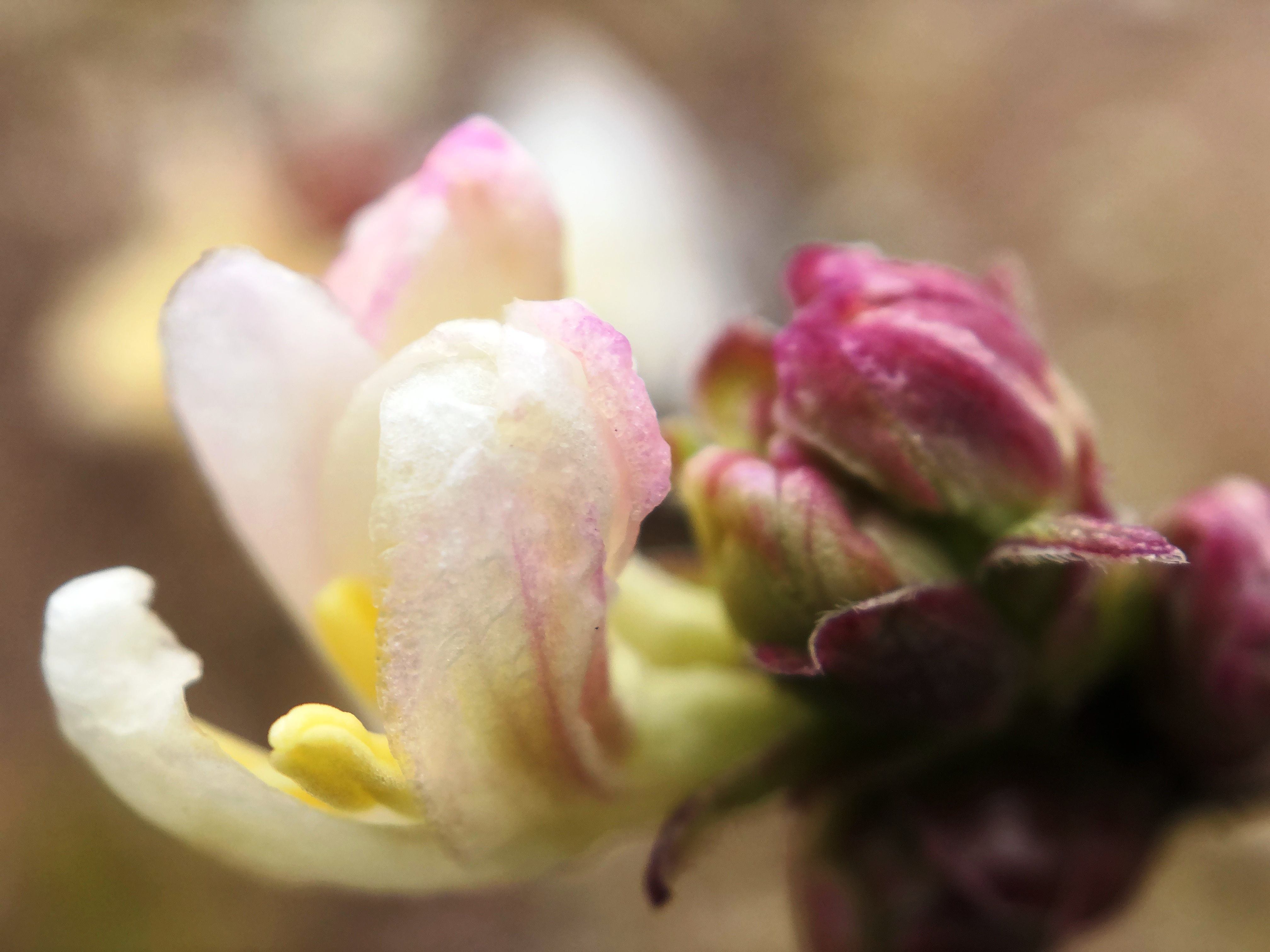
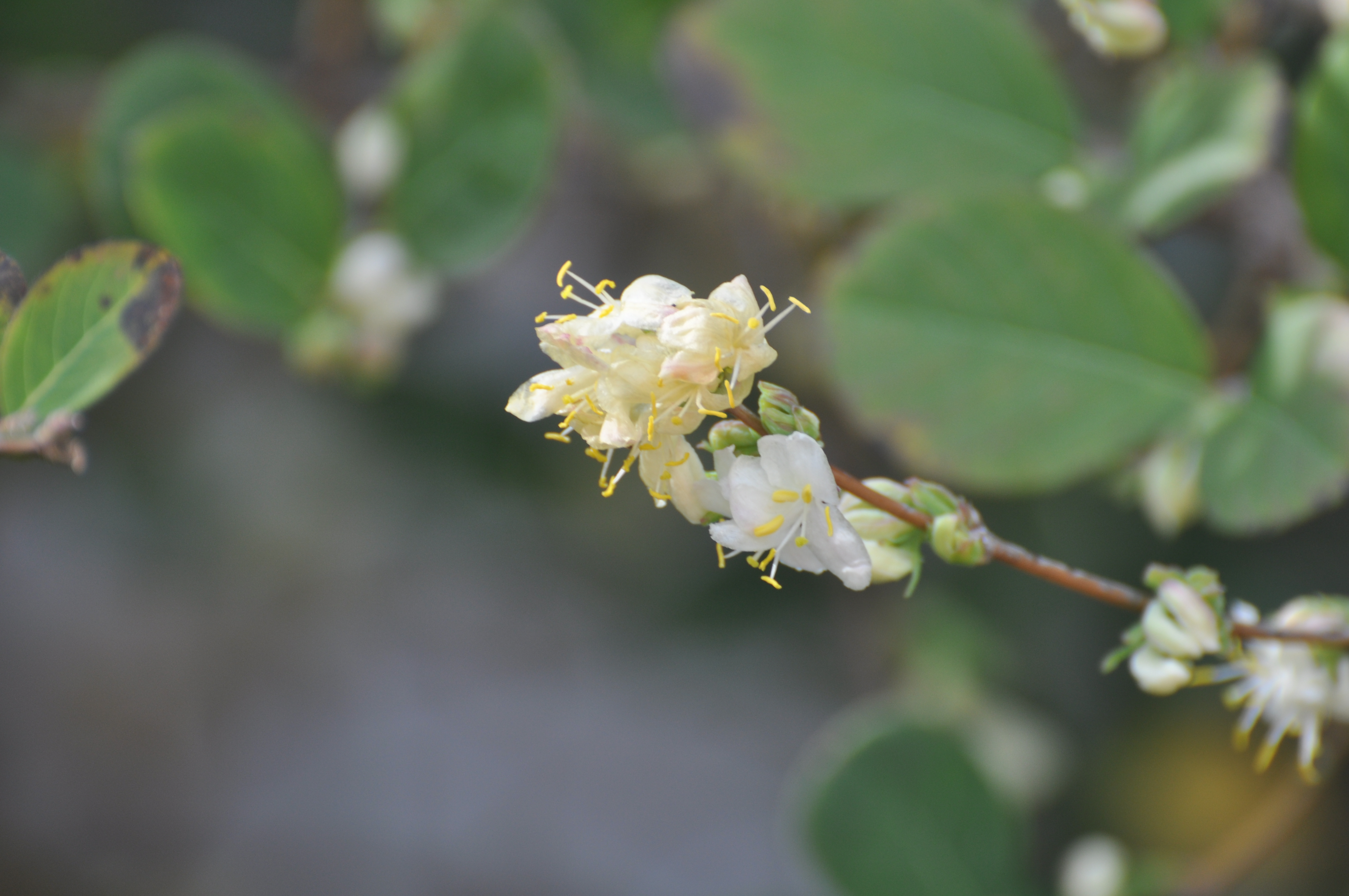
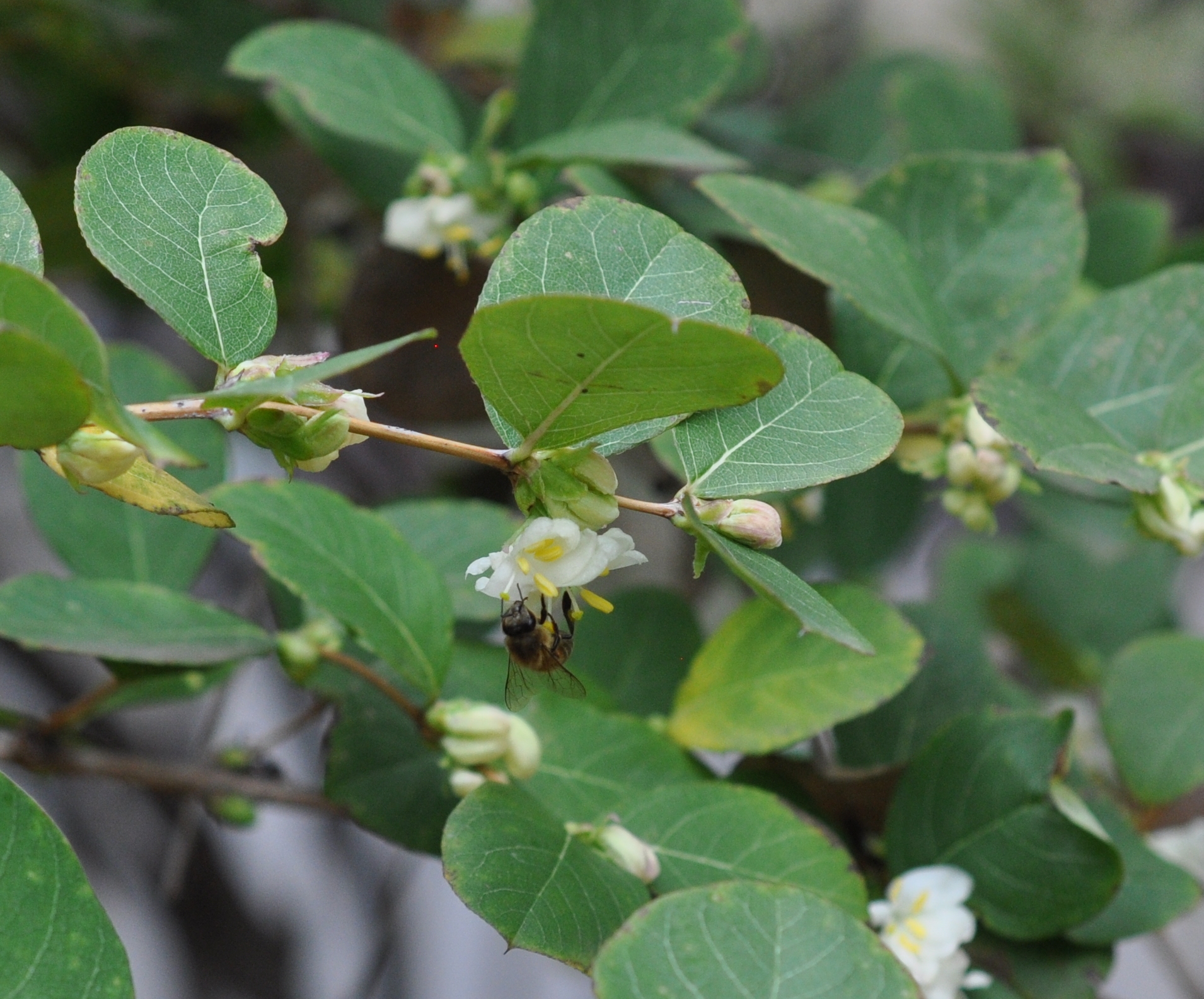
Take a walk around the yard–Yes its cold but the hellebores are starting to bloom but you will never know unless you go out and look.  Winter honeysuckle  is covered in lovely white flowers a treat for people and bees but again it requires a good close look those flowers are beautiful but they are small.

Houseplants are right there for enjoyment.  Don’t take them for granted and let them become just part of the furniture.  Of course do the routine care but take the time to really look closely they will appreciate it and you will reap the benefits.  Even the most common of the plants are amazing on close inspection.

Even January can be a wonderful time for gardeners.  Lets learn from Janus and take action to make it so! 

Susan Thornbury, Dallas County Master Gardener Class of 2008

More information on:
Christmas Cactus

Winter Honeysuckle

Hellebores

FOREVER YOUNG,WITH HELP FROM THE GARDEN

February 13, 2024

This is the time of the year when everyone wants something to change and improve advertisements that didn’t attract a bit of concern a while ago now seem tempting–the newest skin treatments that absolutely promise “younger brighter fresher”  The poor child in the picture seems still a bit concerned but yet now doing better–well she should be concerned of course she is probably past Fourteen and knows its all downhill from here.  Now if you want to buy thats fine after all it won’t hurt–although the price might be a real surprise  and the bottle is so small and then there are two more things you absolutely must have if you really want “results”  But we will go no further with this.

No because YOUNG honestly is a state of mind more than anything and at this time of the year–well we may have to work at realizing that–and most importantly acting on our knowledge.  

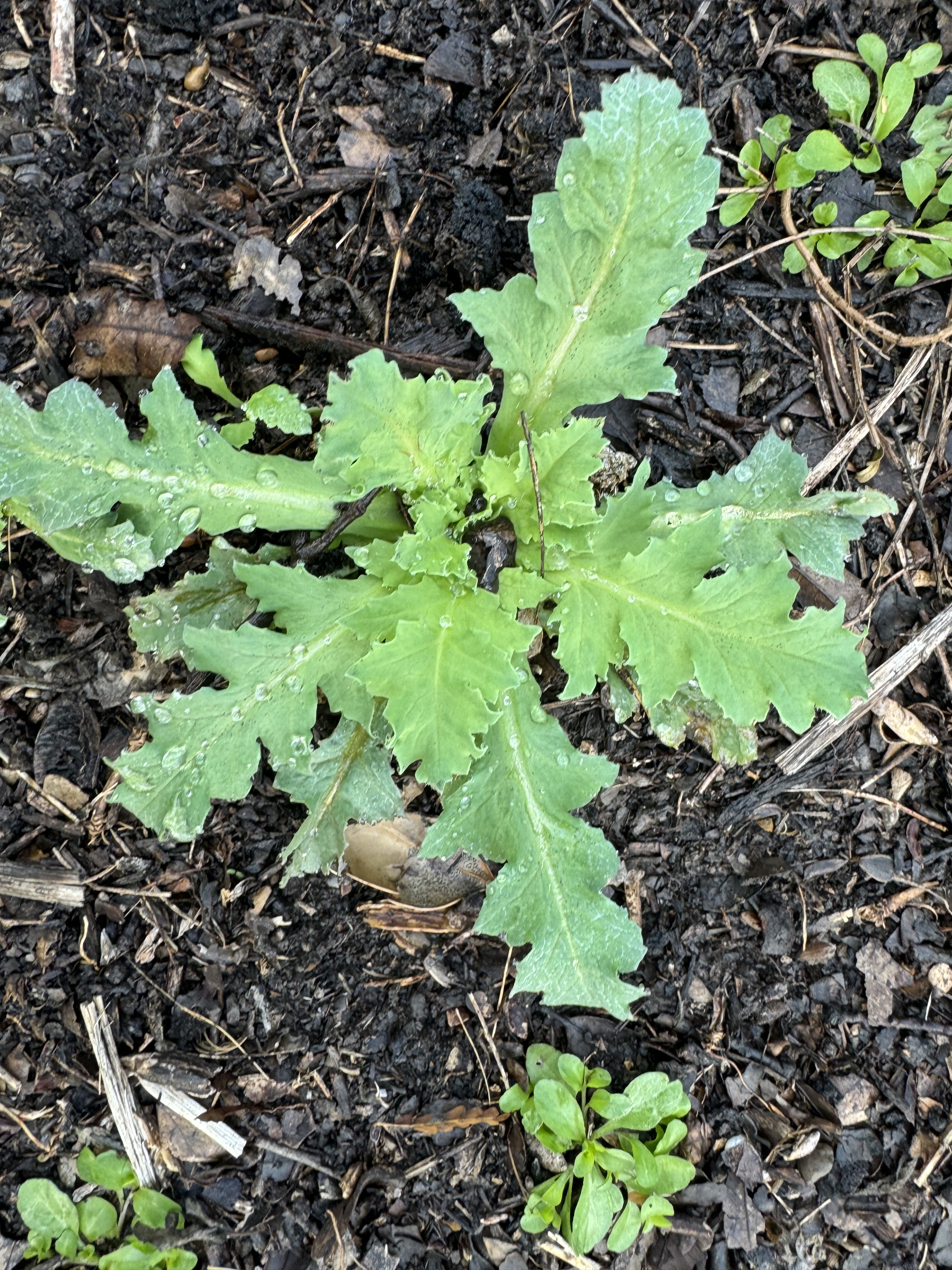
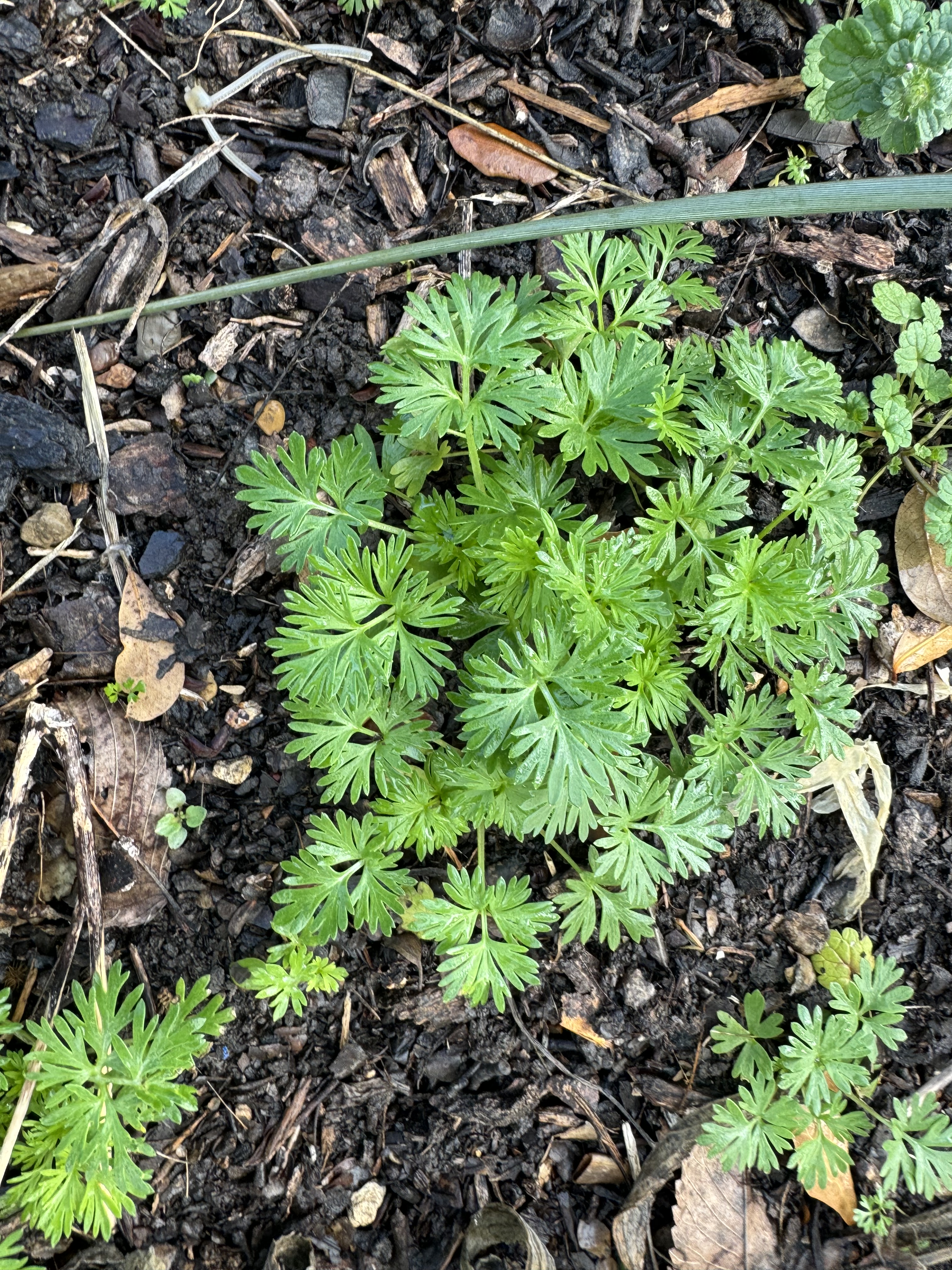
WE can’t let the season get us down.  Its absolutely true that the leaves lying about have totally lost their  charm –and how on earth did there get to be so many sticks and stalks everywhere.  We have to look at things closely–after we clean up a bit of course.  But take your time don’t be hasty, baby plants can be deceiving.  The last thing you want to do is accidentally “weed”  your precious spring  flowers when in doubt don’t pull it up.  Better to leave and weed than loose a poppy!  Let your imagination take you to the blooms that will be here soon  and you will be surprised at how much happier you will feel.  Anticipating good things to come–well that is a receipt for real joy.

This is nothing but pure potential and hope!

Try to see bare patches as “Potential” not “Problems”.  All  the fresh seeds are here–stop and look .  For some people this can be as much temptation as the five hundred dollar skin serum so do be careful.  READ the labels and remember that if it says avoid heat you must avoid buying no matter how chilly and misty the day is right now.  But maybe choose something new to try and  go home and plant it–nothing worse than buying seeds and forgetting them–that doesn’t lead to happiness.  But the choosing and preparing and planting–that can make a big difference for anyone.  Feelings of accomplishment and planning for the future and feeling hopeful–well that makes anyone feel younger and fresher  and its a feeling that lasts!  Just the work in the fresh air helps so much  even if you have to wrap up and use plastic shoes.

If it gets really cold take the time to protect your plants you will be glad you did–its work but it pays off and that makes us feel powerful. Just a little cover saved this lettuce.

If there are plants in the house don’t just pass them by they aren’t sofa cushions they really will respond to attention.  water them and clean their leaves look for changes and growth–if you are fortunate even flowers–its the natural time for orchids to send up flower spikes–look carefully.  Just noticing will brighten the whole day and who knows what tomorrow might bring .That is the key.

When we think about it–isn’t YOUNG really anticipating the future–the good exciting things to come?  That feeling may get a little harder to come by sometimes but if we really notice our plants and gardens and care for them that feeling just seems to catch us and carry us forward–and that is FOREVER YOUNG.

Susan Thornbury, Dallas County Master Gardener Class of 2008

Winter Honeysuckle, A Breath Of Spring

Winter Honeysuckle at Raincather’s

Winter honeysuckle, Lonicera fragrantissima, is a breath of spring when we need it most.

Delicate Bloom of the Winter Honeysuckle

It isn’t native to Texas, but as the bumper stickers say–It got here as soon as it could–brought from China in the 19th century.  Since then it has proven to be a hardy easy care shrub with one claim to fame, but that’s a big claim.  First, shell pink buds swell along the branches followed by many fluffy white flowers that smell lovely. The scent is similar to gardenia but not oppressive, a light springy fragrance.  This display goes on for weeks even when there are freezes providing a treat for the gardener and obviously a treat for the bees at a time when treats are in short supply.
 

Honeybee in January enjoying Winter Honeysuckle blooms.

 
It won’t take long to list care requirements for this plant. Provide good drainage in either full sun or partial shade for Winter Honeysuckle.  Naturally it must be watered to establish, after that it does not require large amounts of irrigation. Remember, of course,  that all plants need water provided when rain is not forthcoming.
 
Winter honeysuckle can grow large, but it can be kept much smaller by pruning done after the winter bloom. Do be aware that in some areas this plant can be overly rambunctious.  This has not been a problem at Raincatcher’s but be watchful especially if your garden is near a wild area. Winter Honeysuckle spreads by seed and suckers.
 
Does it sound like just what your garden needs?  Hopefully there will be starts available at the Raincatcher’s plant sale at the April 2019 meeting!


Susan Thornbury
Pictures by Starla
More about Winter Honeysuckle


A Winter’s Wonder, Lonicera fragrantissima

Just when you need it the most, Lonicera fragrantissima, also known as Winter Honeysuckle bursts on the scene with its powerful scent and dainty little creamy flowers.

The blooms provide pollen and nectar to bees who are foraging on a winter’s day.
When you plan your garden, get used to including other’s needs, especially our pollinators.  Winter can be a bleak time for overwintering butterflies and bees.

Dr. William Welch suggests planting Winter Honeysuckle by a gate so when you brush by it you can enjoy the scent.  It can be grown in partial shade or full sun.  For a look at it in full sun, click here.

If you arrive early at the next *Texas Discovery Garden sale,  you might be able to take home your own small start of this fast growing fragrant bush.

Ann Lamb

*Texas Discovery Garden Sale-April 6-8, 2018

More info about Lonicera fragrantissima right here on Dallas Garden Buzz!


Winter Honeysuckle

It’s nice to have something blooming in February and it’s nice to have friends like Texas Discovery Garden.

We had all gathered around our Winter honeysuckle to inhale its lovely scent and had questions about this plant.

Winter Honeysuckle Blooming Late January through February at the Demonstration Garden on Joe Field Road

Winter Honeysuckle Blooming Late January through February at the Demonstration Garden on Joe Field Road

Roger, featured in another of our posts, answered:

Ann,

Roseann had forwarded me your e-mail yesterday and I hadn’t realized until then that ours too is in bloom now!  I had gone out to check on it and never got back to respond.

As you already know it’s a non-native (E. China)so might be discouraged by some purists for planting.  Although it is listed as “invasive” by some sources, most gardeners would disagree, as it doesn’t produce many berries and only suckers for a short distance from the bush.  Perhaps in the moist woods of eastern U.S. it might escape cultivation, but doubtful here in our fairly dry habitat.  Probably it has received a bad rap from its many relatives – like the highly invasive Japanese Honeysuckle which is a VINE or Amur Honeysuckle, a bush that used to be fairly invasive in this area.

Anyone that would rather not try it, might try the native White Honeysuckle (Lonicera alba) that has very similar leaves and not quite so bush-like.  I’m not sure of its bloom time, but it probably doesn’t produce the profusion of strong scented flowers this early in the season like the Winter (or Fragrant) Honeysuckle.

As a landscape plant, it apparently is not picky as to soil type and is relatively drought tolerant.  It does have some other distinct benefits for a North Texas landscape.  The flowers this early in the season do provide a rare nectar source for bees and butterflies that venture out on warm days during the winter months (Question Marks, Goatweeds, and Mourning Cloaks are local butterflies that overwinter here as adults).  It is supposed to be an excellent bird attracting bush according to some sources for the berries.  But since ours rarely fruits, it is often the flowers that attract the birds!  They apparently eat the flowers for the nectar and spit out the petals.  One interesting comment I read is that it is sometimes referred to as “Pouting Flower” as the paired flowers face in opposite directions!

Thanks for asking about this!  I needed to write something for my weekly “In The Garden…” part of TDG’s blog, so I’ll just copy what I wrote to you!  Naturally, Roger

Roger Sanderson
Director of Horticulture

Texas Discovery Gardens
at Fair Park
3601 Martin Luther King Jr Blvd
Dallas, Texas 75210
P.O. Box 152537
Dallas, Texas 75315
P (214) 428-7476 ext. 210
F (214) 428-5338

RSanderson@TexasDiscoveryGardens.org
The butterflies are back!

Picture by Starla