Tag Archives: growing broccoli

The Full Monty

January 6, 2024

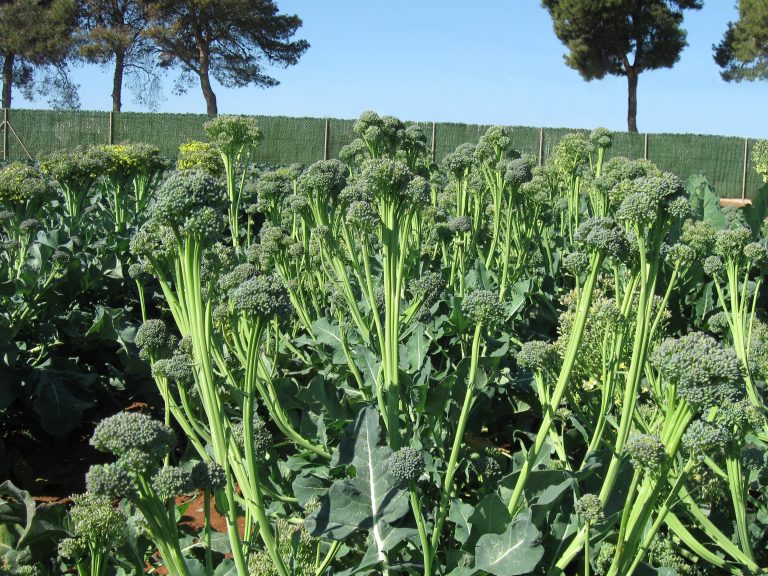
This past fall, I decided to try several different varieties of broccoli in my garden. A few are still growing and I’m hoping they reach the harvesting stage very soon. But, as you can see from the photo, this particular variety produced a beautiful head of broccoli just a few days ago. There are five or six smaller side shoots, but none will be as large as the original. 
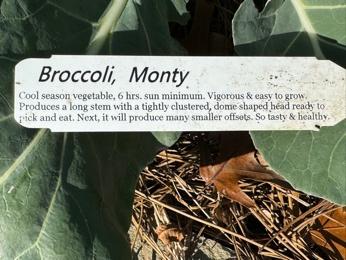
A sign on a leaf

Description automatically generated

One definition of “monty” describes it as the whole thing; everything that is wanted or needed. 

The recipe I selected for ‘monty’ is from our family cookbook. We refer to it as Bethy’s Crunchy Broccoli Salad. It is delicious any time of year but bringing it in straight from the garden on a chilly winter morning was the best ever! It certainly met, and exceeded, our expectations.

*Johnny’s Seeds currently has packets of Broccoli, Monty seeds in stock. 

Linda Alexander, Dallas County Master Gardener Class of 2008
Broccoli Romanesco

November 21, 2022

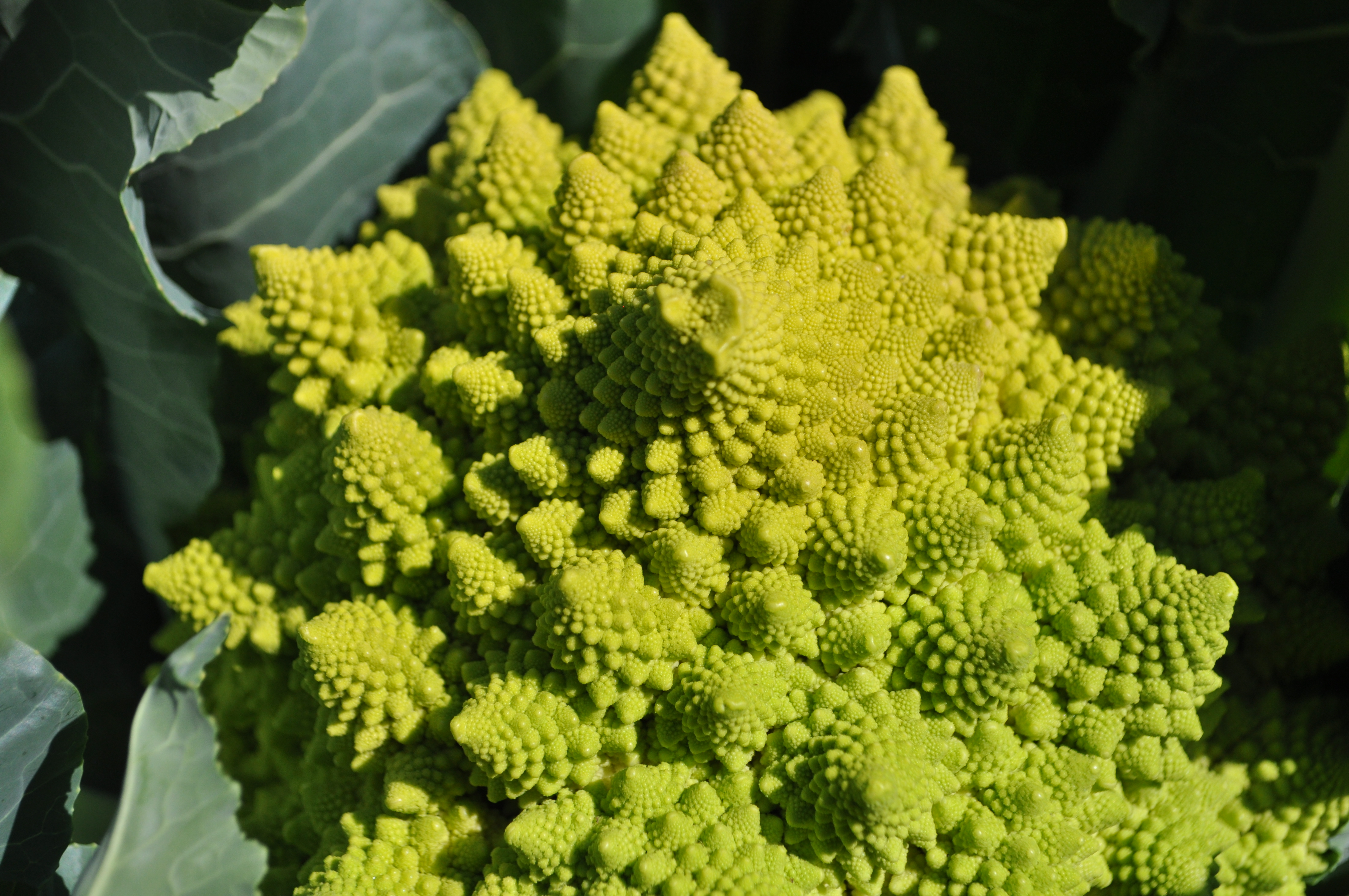
Grow your own garden art! Romanesco is a cole crop with characteristics of broccoli and cauliflower. It is widely grown in Italy and gaining popularity in Texas. Thanks to Romanesco, vegetable gardening is not just rewarding and nutritious it is also beautiful.

Romanesco produces thick stalks and wide, rough leaves. Leave a large space to grow this vegetable. The central head grows very large and eventually the plant can span 2 feet in diameter.

Me-Ann Lamb holding a Brocolli Romanesco from my garden in 2016

Sow seeds in a fertile location from February 1 to March 5 for a spring crop or August 20 to September 20 for a fall crop. Fall crops are ofter more sucessful as this plant thrives in cool weather. Sow seeds tinly and cover with 1/2 inch of fine soil. Keep evenly moist. Seedlings will emerge in 10-21 days. Thin to about 16 inches apart when seedlings are 1-2 inches high. Transplants are also available and much easier to grow. These plants will reach maturity in 75-100 days. To harvest, pick the enitre head before it begins to seperate.

Romanesco is a true photo opportunity. Take a close-up shot and it looks like and apple-green mountain range. The scientific name for this unusual ordering of rows is a “fractal.” Fractals can be thought of as never-ending patterns-nothing wrong with bringing math into the kitchen.

Susan Thornbury, Dallas County Master Gardener Class of 2008

Photo by Starla Willis, Dallas County Master Gardener Class of 2008

More Vegetable Gardens at Raincatcher’s

The Raincatcher’s team has been busy putting in new gardens. Led by Leonard Nadalo and Beverly Allen a ridge and furrow garden was built in October with the purpose of growing food for the North Dallas Shared Ministries’ food pantry and demonstrating an alternative to raised bed gardening on our clay soil. It is aptly named The Donation Garden. One of our turf beds has also become a new veggie plot and is the home for turnips, beets, spinach and some struggling carrots.

Enjoy a look at seedlings of butter crunch lettuce, Georgia southern collards, Chinese broccoli yod fah, and purple top white glove turnips.

If all this planting is making you crave cruciferous crops, don’t delay. It is a little late to start seeds outdoors but transplants are available at garden centers. Which brings me to an important discovery: mini broccolis (thanks Beverly!) We planted Broccoli Atlantis F1 by seed in our garden.

It is called a mini because it is harvested mainly from side shoots that are smaller than what you buy in your grocery store. When you harvest the center first, side shoots branch out and can be harvested all through the winter. Other mini broccolis, such as Artwork F1, are also available as transplants at local garden centers.

The vegetable team has plans for the future that include increasing the production capacity of The Donation Garden and finding a carrot variety that can get happy in Zone 8a. 

Ann Lamb, Dallas County Master Gardener Class of 2005 with additional information by Beverly Allen, class of 2018

Photo of Broccoli Artwork F1 courtesy of All-America Selections 

Note: We chose Atlantis F1 for it’s shorter days to maturity (33) when compared to standard broccoli (56 or greater).

Happy New Year 2019 and It’s Getting Cold Outside!

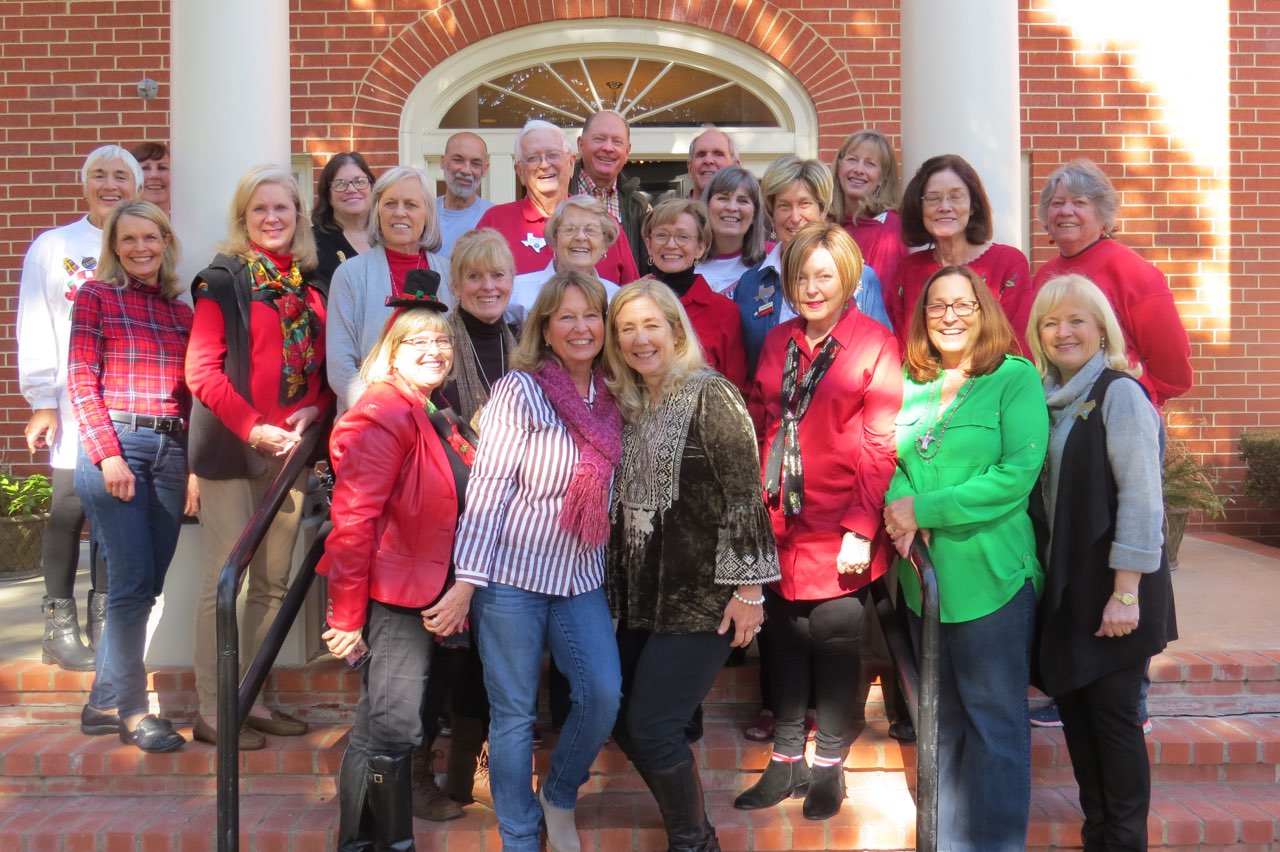
Raincatcher’s Volunteers at our Christmas Party. Some Volunteers are missing from this picture and more needed! Happy Gardening in 2019 from our garden to yours.

Q. You have often mentioned cold tolerant vegetable crops and those which are very susceptible to frosty injury.  Could you list these and temperature lows which they can tolerate?

A. This is very difficult to do and be accurate since cold tolerance depends on preconditioning. For instance, if broccoli has been growing in warm conditions and temperatures drop below 22 degrees F., it will probably be killed. If these same broccoli plants had experienced cool weather, they would probably survive the sudden cold.

In general, a frost (31-33 degrees F.) will kill beans, cantaloupe, corn, cucumbers, eggplant, okra, peas, pepper, potatoes, sweet potatoes, squash, tomatoes, and watermelon.

Colder temperatures (26-31 degrees F.) may burn foliage but will not kill broccoli, cabbage, cauliflower, chard, lettuce, mustard, onion, radish, and turnip.

The real cold weather champs are beets, Brussels sprouts, carrots, collards, kale, parsley, and spinach.

Thank you Aggie Archives for this information!

More about frost protection here.

Cold Tolerant Veggies from Daniel Cunningham here.

Ann Lamb