October 28, 2023
From Mexican Mint Marigold and Pineapple Sage to the tall and stately Frostweed
filled with clusters of white blossoms, stunning displays of seasonal color fill our
gardens with enchanting beauty. Come along, as we find inspiration in the
richness of autumn-hued leaves, pumpkins and an array of natural elements.
Mexican Mint Marigold (Tagetes lucida) seems to stay under the radar for most
of the April to September growing season. And then, something magical happens
in October. Clusters of golden-yellow half-inch flowers begin to appear in early fall
attracting migrating butterflies and other pollinators. Considered by many as the
Texas substitute for French tarragon, it tolerates the hot, humid climate we
experience most summers.
Pineapple Sage (Salvia elegans) is an herbaceous herb used for both culinary and
ornamental purposes. The yellow-green, fuzzy leaves have a tropical, pineapple-
like aroma, especially when crushed. Late in the season, the plant will sprout long
clustered spikes of tubular scarlet-red flowers about an inch long.
While the vibrant red flowers are popular in flower arrangements, they also
attract butterflies and hummingbirds to the garden just in time for their fall
migration. Both the leaves and flowers offer a slightly bitter-sweet citrus and mint
flavor that is delightful to experience.
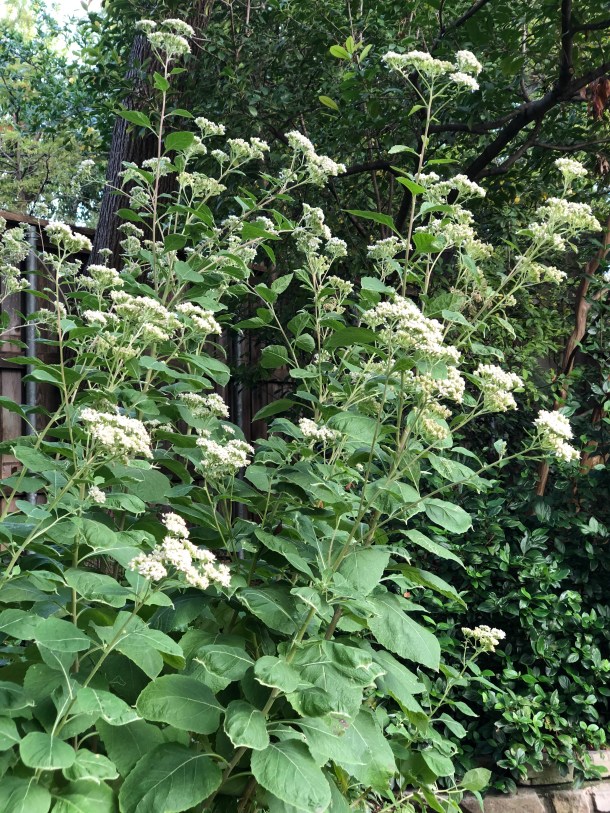
Frostweed (Verbesina virginica) In the fall of 2008, I was completing the three-
month program to become a Dallas County Master Gardener. During one of the
last few weeks, we were told about a special treat. As tradition would have it,
master gardeners from previous classes would be hosting a “plant give-away” to
offer their congratulations to us for completing the program. We could choose
three or four plants to take home following class that day.
For some peculiar reason, I chose a plant unknown to me but with an interesting
name. Another master gardener casually mentioned that it needed plenty of
room to grow in my garden. That strange plant with a funny name was
Frostweed! The next day it was planted in an uncrowded back area of my garden.
Fast forward to this week, and you can see that my tiny 4” pot from 2008 has
continued to grow prolifically and now covers an area over five feet in diameter.
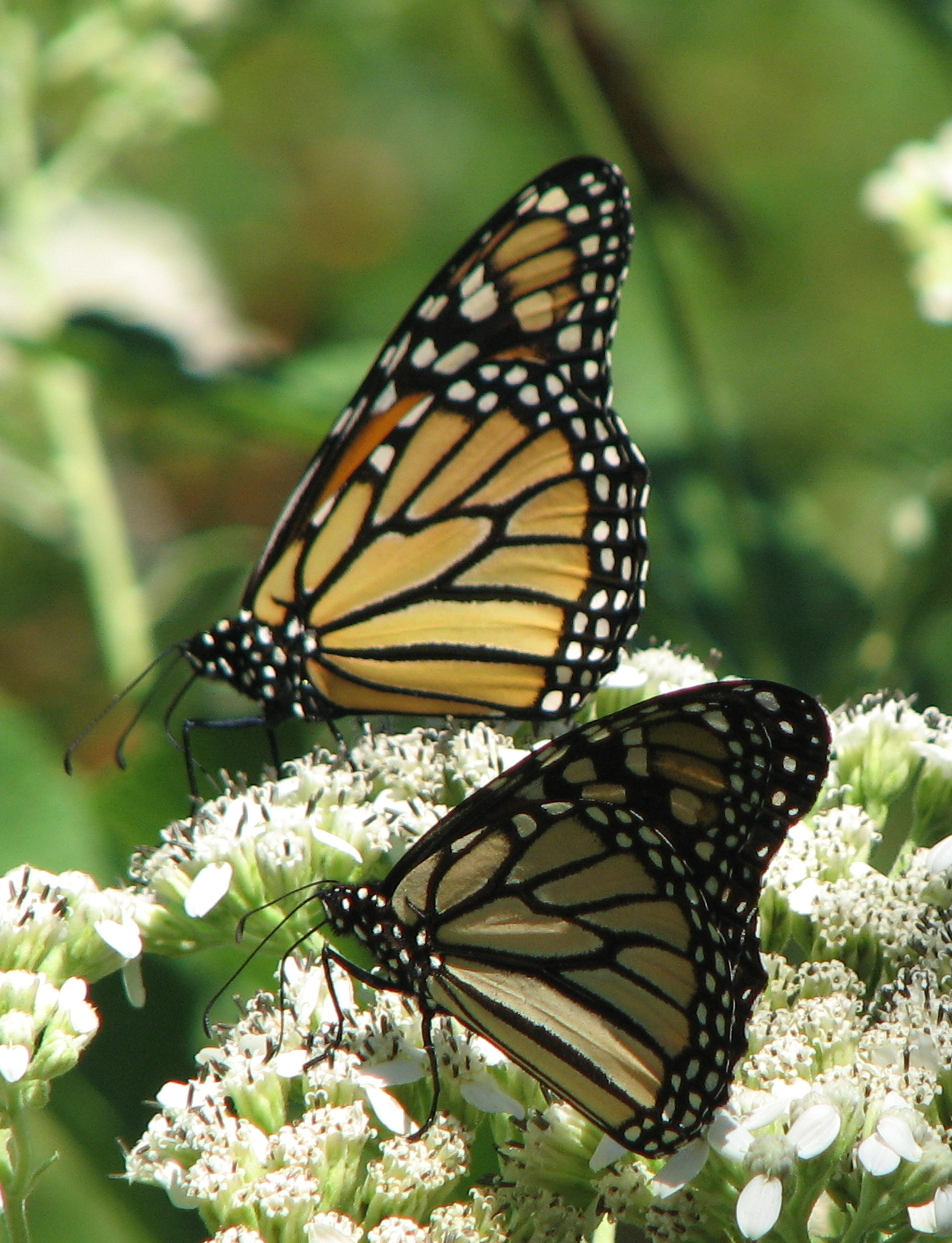
I didn’t know it at the time but have since learned that Frostweed is a critical
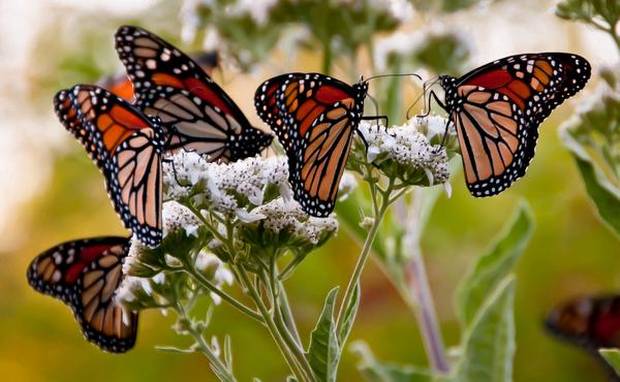
nectar source for monarchs. Clusters of white flowers that appear starting in late
August and lasting until November are a welcome sight for Monarch butterflies
during their fall migration. It is one of the few plants with autumn flowers
consistently in bloom during that time. In addition to monarchs and other
pollinators, our Frostweed is visited daily by hundreds of honeybees.
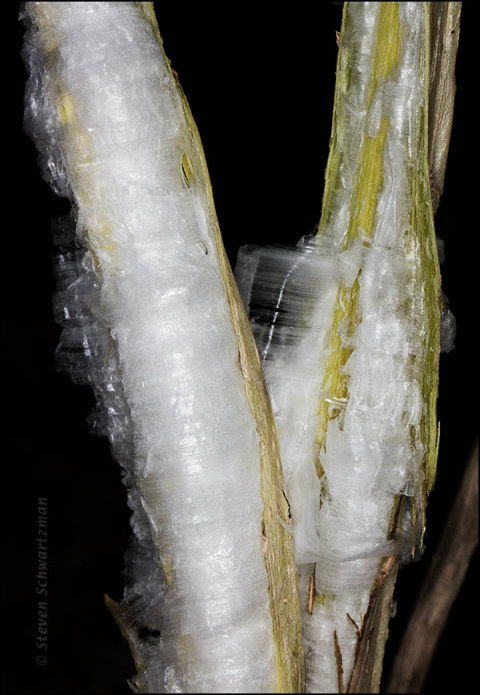
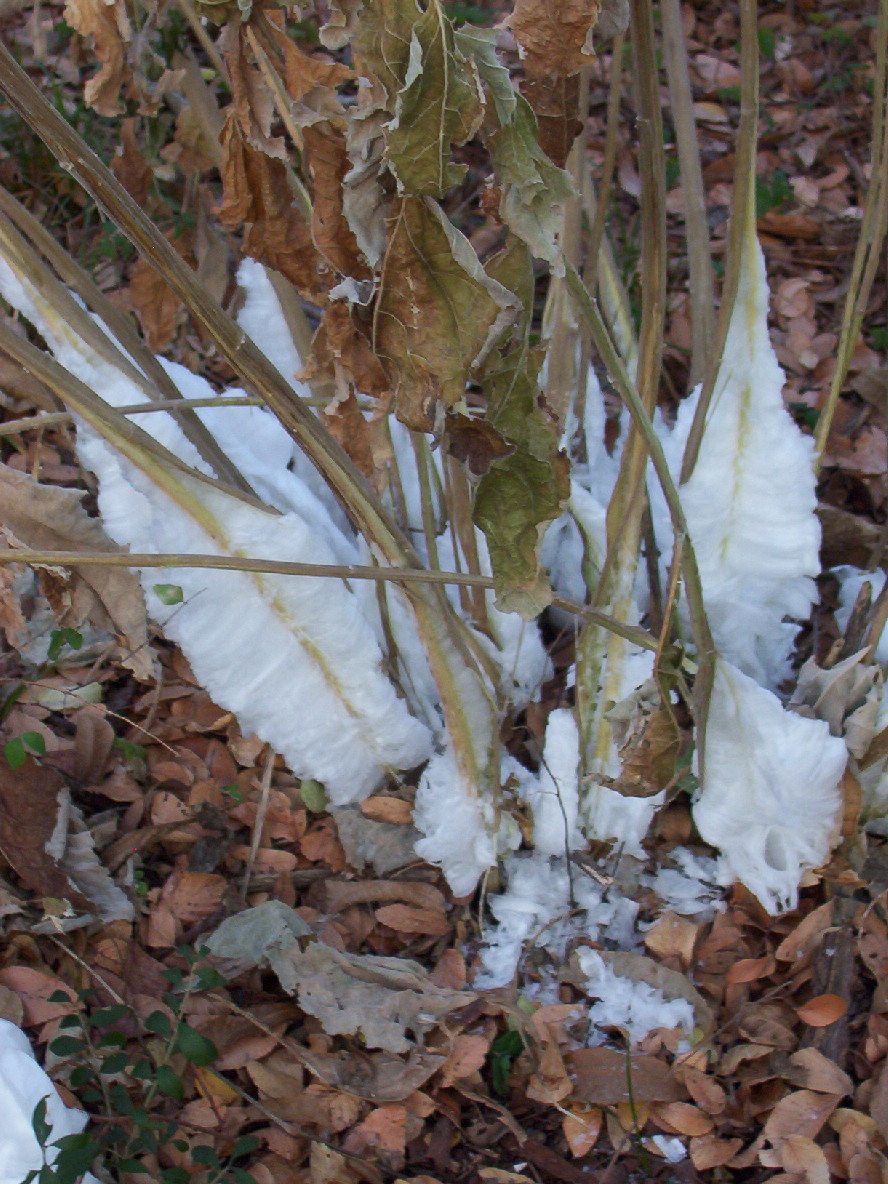
In winter, prepare to be stunned by Frostweed’s unusual behavior. When a freeze
occurs, the stems will burst and make beautiful ice formations at the base of the
plants. Generically referred to as “frost flowers, it is truly a winter garden
phenomenon. My granddaughter got to experience the thin and delicate icy
ribbons a few years ago and was so mesmerized that her sweet little hands could
not stop touching them as she giggled with delight. Give this unique and
impressive Texas native a try.
In closing, please enjoy a brief video showcasing the magical gifts of autumn as
we celebrate this wondrous time of year!
Linda Alexander, Dallas County Master Gardener Class of 2008
In case you missed September’s flora feature and movie, click here.






 DALLAS GARDEN BUZZ