Dallas County Gardener’s May Meeting

Did you know that anyone can attend a Dallas County Master Gardener meeting? Tomorrow we are hosting the May meeting at our new garden with the purpose of talking to our membership and friends about the progress of The Raincatcher’s Garden of Midway Hills.

Come so you can hear from our exciting array of speakers: Elizabeth, Eric, Lisa, and Susan. Learn from them, education is the purpose of our garden. We will be sharing detailed plant information tomorrow and on this blog through hand outs created by Elizabeth.   Take a look at our garden plans and tour The Raincatcher’s Garden to understand the height and depth of what we are trying to do on about an acre of land in North Dallas.

Dallas County Master Gardener May Meeting

11:30 a.m. Thursday, May 28

11001 Midway Rd., Dallas 75229

 Program

An Introduction to the New  Raincatcher’s Garden of Midway Hills

Tours will be offered before and after the general meeting.

 Buds, Bricks & Baskets

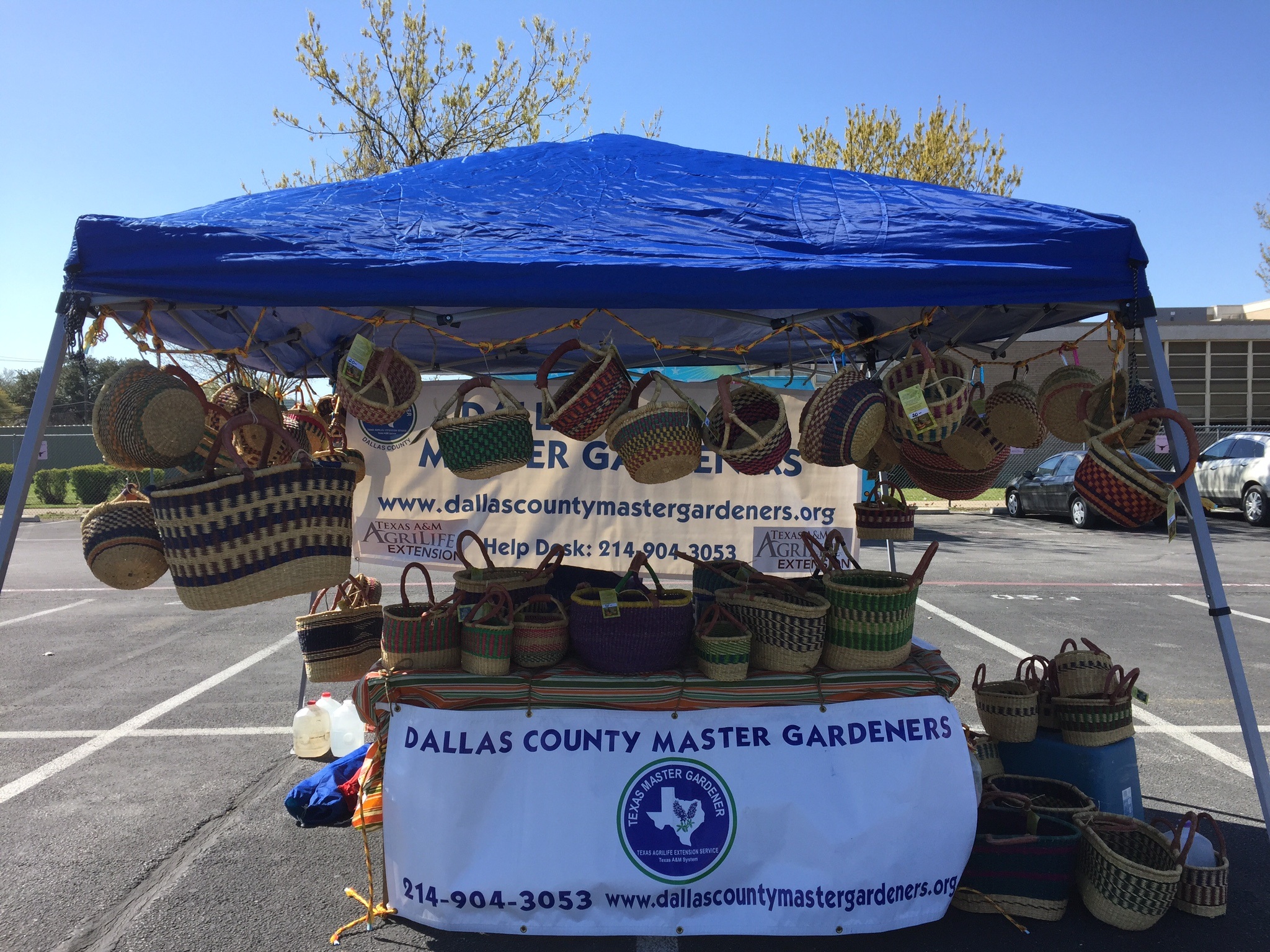
African Free Trade Baskets, Leather Handles! Reasonable Prices! We have Fallen in Love with These!

African Free Trade Baskets, Leather Handles! Reasonable Prices! We have Fallen in Love with These!

The Baskets are ideal for gifts or gathering produce from your garden.

Oregano, Phlox, Tomato Starts, Fig Trees, Cast Iron, Coneflower, Great Prices!

Oregano, Phlox, Tomato Starts, Fig Trees, Cast Iron, Coneflower, Turk’s Cap- Great Prices!

Fill up your card with homegrown plants from our member’s own gardens. We have tables of little starts you’ve just got to take home at Sarah’s “cheap” prices.  Plants will be priced from $1 to $5, with a few special items priced a tiny bit more.  Plan on filling up your cart!  Yesterday it was hard for me to pass by the phlox I saw from Susan’s garden!

Bricks make the perfect contribution to the new garden.

Honor a loved one, recognize the special person that introduced them to gardening, or remember a friend or family member with a personalized brick.  The bricks will serve as part of the entry to the Raincatcher’s Garden under the newly reassembled arbor.  Bricks are priced at $50 for a 4”x 8” size or $125 for an 8” x 8” brick.  Orders will be taken at the May 28 meeting with installation later this year. If you would like to participate and can’t come to the meeting, leave a comment and we will contact you.

Cash, checks or credit cards accepted.

A note about our lunch sales: Thank you to the 98 who purchased box lunches to enjoy during the meeting.

To accommodate feeding almost 100 people we had to stay firm with our reservation deadline. Oh, the planning that goes into an assembly of cooks like we have had the last few days! Hope any who missed the deadline for lunches will understand. We will have more events this summer. Subscribe to Dallas Garden Buzz, to get the details first!

Confession: I didn’t sign up for lunch in time, but you can be sure I will be first in line for a fig tree!!

Ann


Friend or Foe?

Being a master gardener means –sharing   gardening wisdom—sometimes thats easy:”No you really should not order grass seed from the Sunday supplement magazine.”

But other times  its not so easy.  And that brings up the question of the moment:  “Is this bug good or bad”  Or worse,  “friend or foe”?

Ladybug, The Gardener's Friend, Known for Eating Aphids

Ladybug, The Gardener’s Friend, Known for Eating Aphids


First ask your questioner “what makes a bug ‘good?”  Of course–they eat “bad” bugs–everyone knows that.  But this is the thing  insects are most often specialized  in is their eating.  You, for example, might have a great wish to eat ice cream–but if there is no ice cream–carrot sticks or even–chocolate cake–might do.  Most insects are not like that.  They eat what they have, over a very long time period,   been designed to eat.

So, that means if you want the so-called good bugs in you garden–what do you also need in your garden??  Oh no–its bad bugs!!!  Yes its true  and its the only way.  You really must rethink the whole situation.

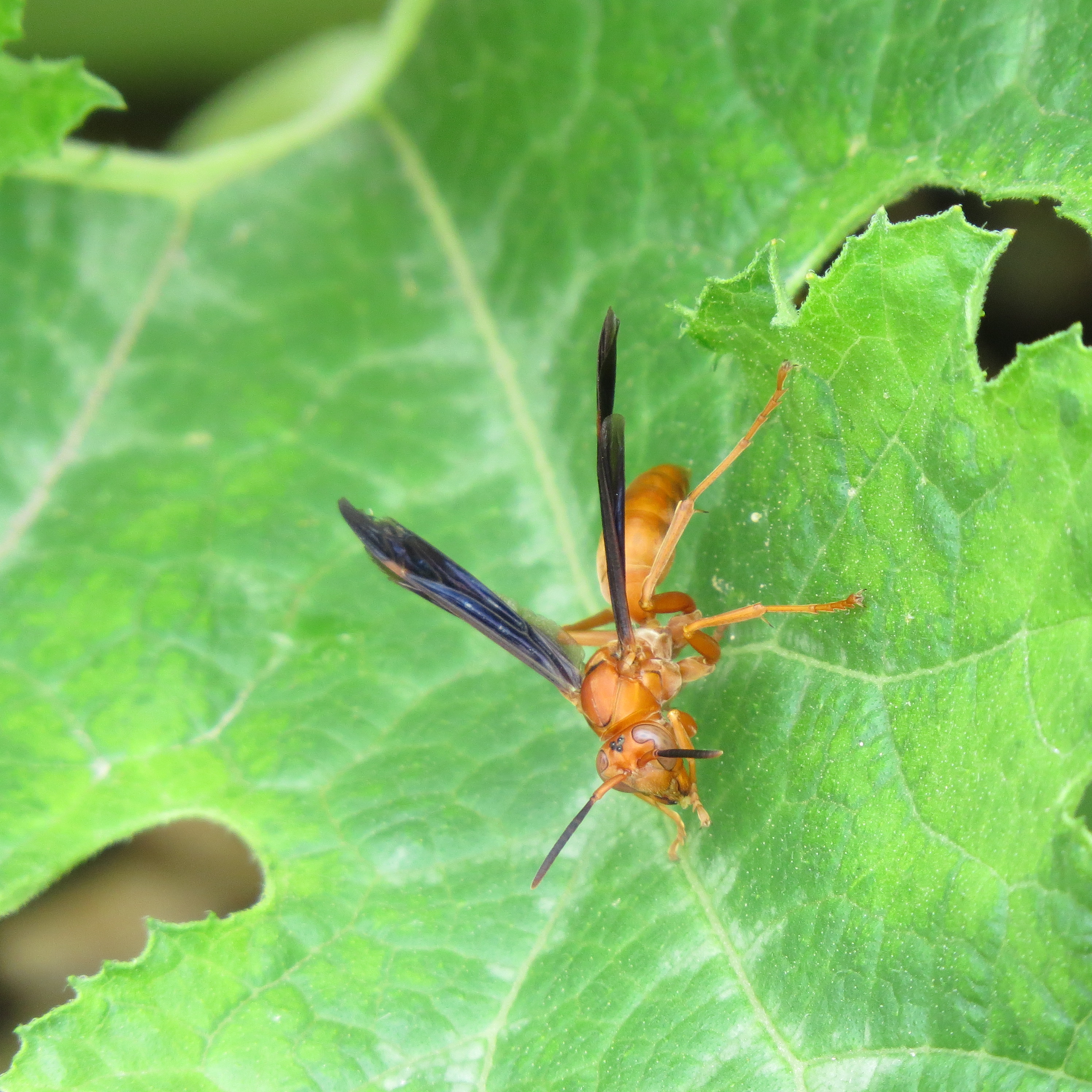
Red Wasp, a Beneficial Insect, Not a Foe

Red Wasp, a Beneficial Insect, Not a Foe


Balance is what the garden needs. That isn’t something that happens overnight or even stays that way once its achieved.  Remember playing on a seesaw?  It took awhile to get the perfect balance–and then someone jumped  off!!  Thats how it can seem.

But with healthy soil,  a diversity of plants, as many native as possible, and reasonable maintenance  you will have some amazing experiences of natures ability to make  what first seem like problems into beauty.  Oh yes–watching ladybug larvae eating aphids –well its beautiful in its on way.  The wasps that eat some monarch larvae also eat those caterpillars that love the broccoli.


So, When you are asked “friend or foe?”  Well ask you questioner to pull up a chair–it may take awhile.

Susan

Pictures by Starla


Cardboard for Weed Control

At our old garden, we faced the  problem of all other gardens: weed invasion. At our new garden, we are making a concentrated effort to try to reduce the problem of weeds. You may have seen some of our Master Gardeners carrying cardboard from trash picks ups, we even get calls from friends donating “nice cardboard.”

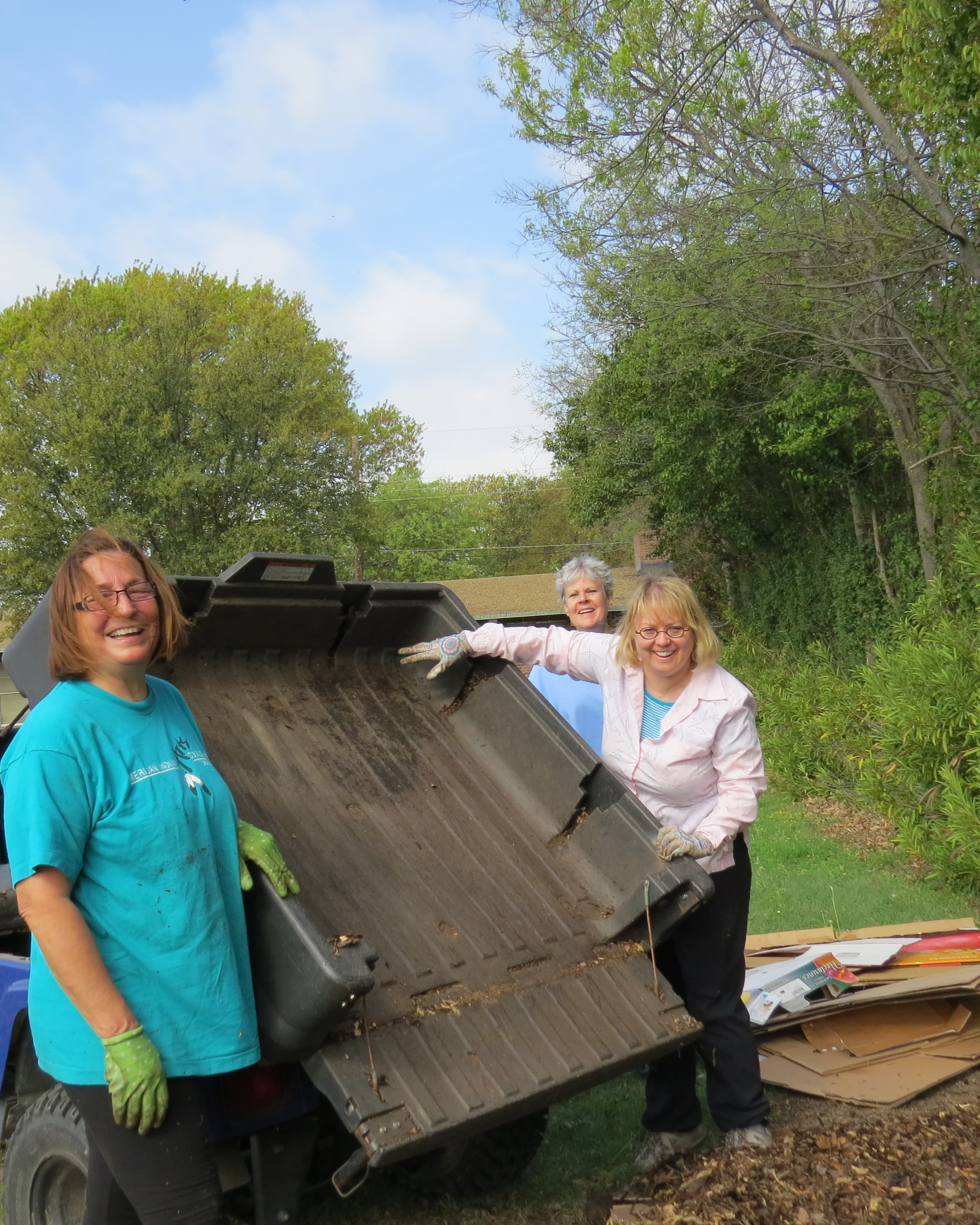
Lisa Hauling Cardboard to The Raincatcher's Garden

Lisa Hauling Cardboard to The Raincatcher’s Garden

We prefer the plain brown stuff, stripped of packing labels and any plastic and broken down please.

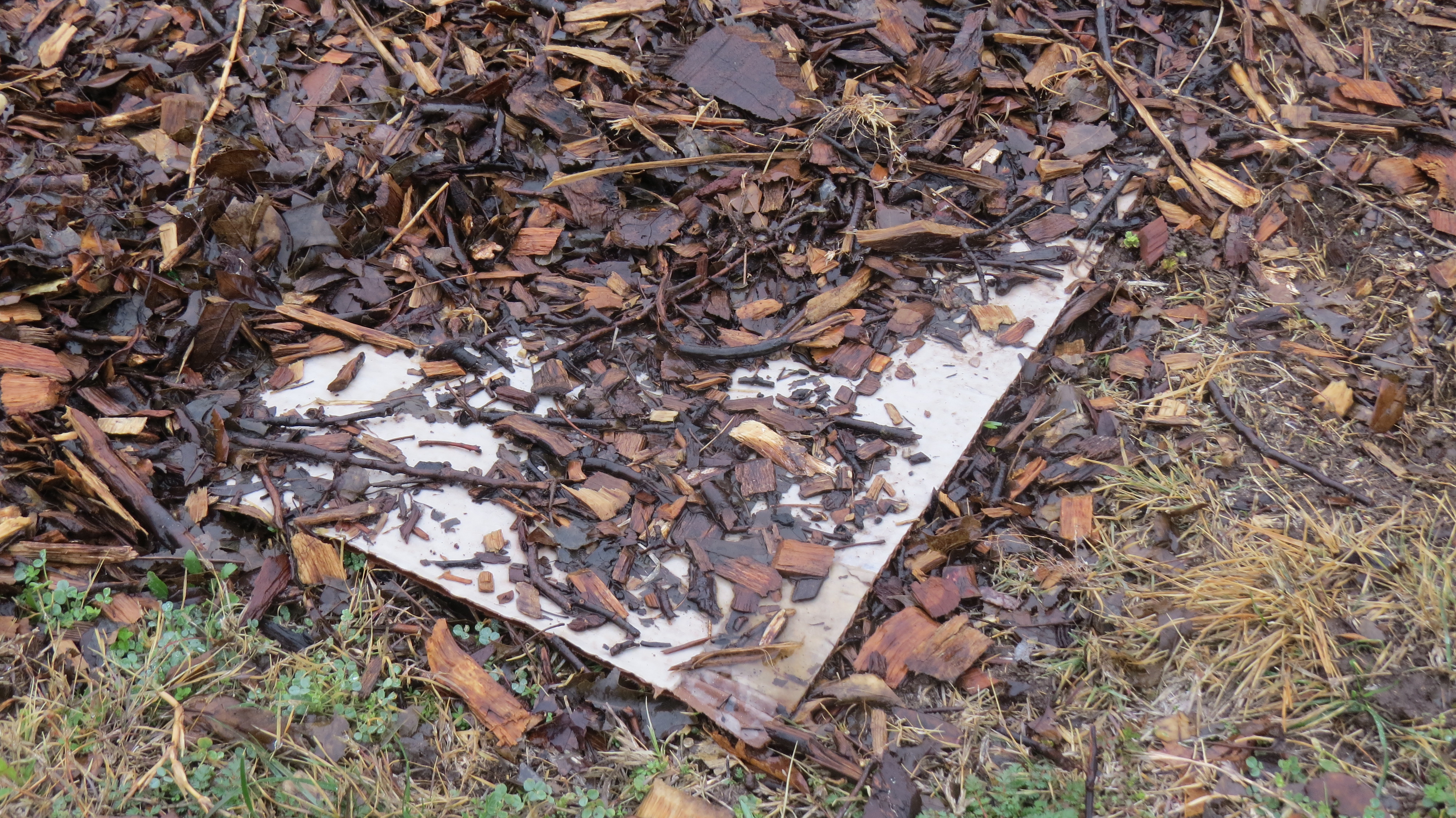
We lay it down, overlapping seams, with 3-6 inches of mulch on top. Several layers of cardboard is permissible and  more mulch equals less weeds.  Some say to water the cardboard to make it more pliable. Of course, during this rainy year we have not had to do that.

Cardboard Peeking Out From Under Mulch, More Mulch to be Added

Cardboard Peeking Out From Under Mulch, More Mulch to be Added

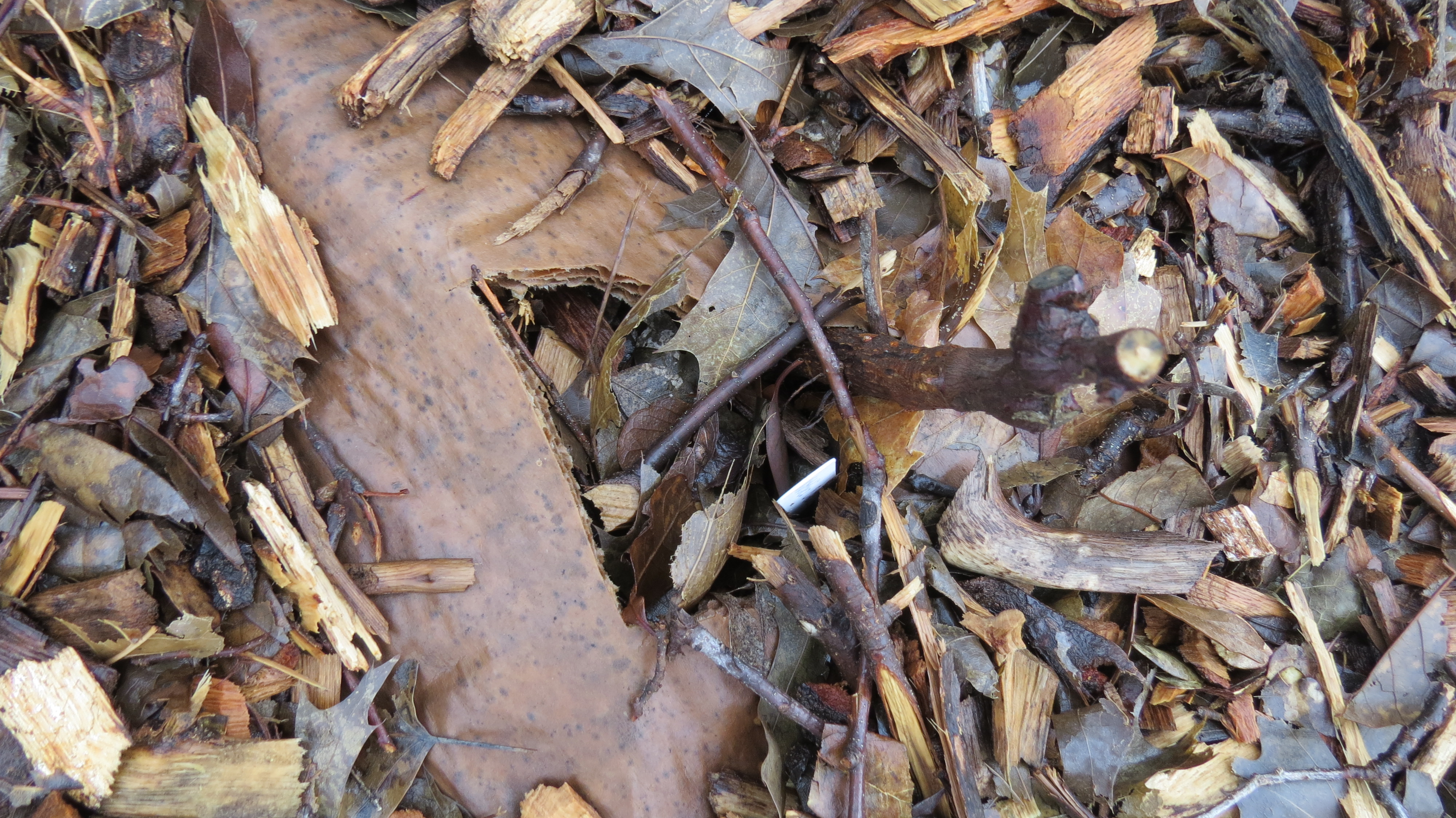
And here’s a word about our mulch selection: you can see our mulch looks organic.  We use chopped up tree trimmings, not purchased mulch.  If you are buying mulch (we prefer free), don’t buy the colored mulch that has dye added.

Mulch Close-Up

Mulch Close-Up

Besides cardboard and mulch, what do you need?  Willing labor!

Thank You Judy, Abbe, and Michele!

Thank You Judy, Abbe, and Michele!

Our most recent mulch drop off came from Dallas Arborilogical Services. More is needed to build our beautiful, weed free garden. For drop off information, call the Dallas County Master Gardener hotline, 214 904 3053 and say The Raincatcher’s Garden sent you.

Ann

Pictures by Starla

BUTTERFLY PLANTS: I LOVE YOU, BUT IT’S TIME TO LEAVE


Variegated Fritillary on Salvia

Variegated Fritillary on Salvia

My side yard has a new unwanted hedge of plants in pots.  These are plants that should be planted in the new butterfly plot at the Raincatcher’s Garden of Midway Hills.  They are not. They sit in pots.  At my house.

The plants have been living in my side yard for two weeks.  They remind me of adult children who move back in for “just a few months, Mom,” and a year later you’re still sharing the washer with their yoga pants.

Using the butterfly garden plan, I made a list of plants required for that garden.   We needed almost 200 plants.

Plant sales are a little cheaper, but you have to know what you’re doing:

Get there early.  I am convinced most shoppers get up at 4:30 a.m. to line up two hours before the doors open.  If you’re pulling in the parking lot with your coffee in a to-go cup about 10:30, it’s not worth the drive.  The shelves are bare at that point.

Plant sales are the closest thing Dallas has to a crowded New York subway.  You’ve got to elbow your way to native-this and hard-to-find that  (saying ‘excuse me’ after each grab—this is, after all, The South).  My genteel mother would have been appalled.

Don’t kid yourself. A tiny old Prius will not be big enough for the drive back with your new acquisitions. You’ll have to beg your patient friend Judy-with-a-truck to pick up all the leftover purchases the next day.

Which brings us to why I have about 200 Plants In A Pot in my side yard, and why I know each of them intimately.

North Texas has been in a severe drought for six years.

I purchased the plants two weeks ago.  Six hours after I unloaded them to my side yard, I hauled them back into the garage because of impending “damaging 60 mph winds, hail, and possible tornadoes.” Out into the sun. Thirty minutes later, back into the garage. This has gone on for days. The plants are confused.  I am exhausted.

Last week I emptied 5 inches of rain from the rain gauge. It is too muddy to till the site for the new butterfly garden.  It is too wet to even think of planting.

The forecast is for 85 degrees and sunny today.  Severe thunderstorms are predicted for tomorrow.

Elizabeth

To read more about our Butterfly Garden Plans click here.

Picture by Starla

First Field Trip at The Raincatcher’s Garden of Midway Hills

West Dallas Community School fifth graders came to our new gardens last week. Composting, Butterflies, Vermiculture, and Herbs were the subjects of the day!

The Wonder of Worms, Nature's Composters in the Palm of Your Hand

The Wonder of Worms, Nature’s Composters in the Palm of Your Hand

How to “host” butterflies in your garden, how to provide nectar sources, these were some of  the topics in butterfly class.

Jane and Judy Teaching West Dallas 5th Graders

Jane and Judy Teaching West Dallas 5th Graders All About Butterflies

“Along with milk and vegetables, kids need a steady diet of rocks and worms. Rocks need skipping, holes need digging, water needs splashing, and bugs and frogs and slimy stuff need finding.”  *

Linda teaching the science of herbs!

Linda Teaching the Science of Herbs

Our free, garden field trips provide this type of outdoor learning experience.  Science is taught in a hands on, interesting way. For more information about our school field trips, please click here.

West Dallas Community School, we are so glad you are back!

Ann

Pictures by Starla

*Quote  by Go RVing!


Hardy Amaryllis

Our dear friends Evelyn and the late Harold Womble, have shared Hardy Amaryllis bulbs with us at the Demonstration Garden on Joe Field Road and now at Midway Hills.  Their home is graced with a  large bed of these bulbs that have multiplied over the years and ended up in their son’s gardens and friend’s gardens. Their original bulbs came from Evelyn’s family home place in Brownwood.

Evelyn, Hardy Amaryllis and Daffodils, All Blooming!

Evelyn, Hardy Amaryllis and Daffodils, All Blooming!

Hippeastrum x johnsonii, the St. Joseph’s lily, blooms in early April in Dallas. The bright red blooms, trumpet shaped, are striped with white. The strap like foliage lasts late into the year and looks tropical.

Because the bulb perennializes so well it is often called the finest amaryllis for southern gardens.

Hardy Amaryllis and daffodils 2015

In Perennial Garden Color, Dr Bill C. Welch calls the bulbs “living antiques because they are tangible symbols of success for generations of Southern gardeners.  Many have been lovingly handed down among the families that contribute cultural diversity and richness to our gardens.”

We will now have our own supply of “living antiques” thanks to Harold and Evelyn.

Ann

Pictures by Starla

Berms and Tree Planting at The Raincatcher’s Garden

We are excited about our new orchard.  Peaches, plums, pears, persimmons, pomegranates, and grapes, figs, and blackberries will be part of our future crops and future recipes.

Dig in to this video to learn the purpose of a berm. We built berms around our trees in the orchard. This is also useful information for other types of tree planting.


Next Tuesday, March 3rd 10-noon, we will be awaiting the arrival and planting of large container grown and balled and burlapped trees. Last week a Ginkgo tree was planted. Next week: Chinquapin oak ,Mexican Oak, Lacey Oak, and Cedar Elm. All tree huggers invited!

Best cinematographer: Starla

Our recipe list here.

Ann


How to Plant a Bare Root Tree

The Academy Awards are over for 2014.  This film was not released in time for review. Watch our film, How to Plant a Bare Root Tree, and see if you agree it really has merit.  Remember Elizabeth’s article about our orchard and the selection of the fruit trees and why we chose Halford stock. TAKE IT AWAY ERIC!


Ann

Movie by Starla

Best Actor: Eric

Beginnings

The dirt’s flying at the new Rainctcher’s Garden-into the new raised vegetable beds on the north field.

Straight rows of onions stand like little soldiers, the first vegetables planted at the new garden. We planted one bunch each of 1015y (yellow) and Southern Belle Red (red). Potatoes are next!

 Our First Onions Planted at The Raincatcher's Garden!

Our First Onions Planted at The Raincatcher’s Garden!

The top 12 inches of the beds have been filled with a generous gift of Vegetable Garden Mix from Living Earth Technology, made of compost, sandy loam, aged mulch, and other ingredients.  We topped it off with some of our homemade compost.

Living Earth, Sarah, and Judy!

Living Earth, Sarah, Tim, and Judy!

Last week the first of our trees, an urban forest demonstration was planted. Expect to see more about berm building and tree planting next week.

Ginko Tree Planted February 19, 2015

Ginkgo Tree Planted February 19, 2015

Pictures by Starla

Writing taken from Jim and Elizabeth emails

Onion Peelings here.

Onion Recipe

Ann


DON’T GO BLACKBERRY BUSH PICKING WITHOUT THE BBQ

Jim and I share many things, a love of dessert, finding just the right pencil for his beloved Martha’s crosswords, and The File.

My life was simple before The File. No longer.

For the last six weeks, my tired brain has been filled with the minutiae of helping Jim pick out trees and berries for an orchard at the Raincatcher’s Garden of Midway Hills.   (We tried to have an orchard at the garden on Joe Field Road, but for various reasons, it didn’t come to pass.)

The File is a brown manila folder about 1½ inches thick filled with downloads, printed emails, notes from extension agents, a parts list for  a grape trellis, and receipts.

It comes with a complimentary bottle of Extra Strength Tylenol.

Jim knew right off the bat that he wanted the orchard to demonstrate pears, peaches, plums, persimmons, pomegranates, and “phigs.”  Grapes, blackberries, and asparagus rounded out the list.

Apples, too. Well, until we found out about the sex lives of pears, but we’ll get to that in a minute.

Jim downloaded recommendations for North and Northeast Texas from Dr. George Ray McEachern, Professor and Extension Horticulturist with the Texas A&M Department of Horticultural Sciences.  This is the guy Texas Monthly calls when they want the inside scoop on the pecan industry in Texas.

We also looked up fact sheets on each crop by Larry Stein, Extension Fruit Specialist with the Texas A&M AgriLife Extension.  The peach article alone is 14 pages long.

Peaches, plum, apples, and pears are fruit tree crops that require a certain amount of cold winter weather, measured in chilling hours, to end their dormancy and promote proper blooming and spring growth, according to Doug Welsh in his Texas Garden Almanac.  Chilling hours are the number of hours during which temperatures are below 45 degrees and above 32 degrees.  If you goof, and plant a variety that requires more chilling than it receives in your garden, the tree may not bloom fully—or at all.  Dallas-Fort Worth falls in the 800-hour zone.

Pollination is a big deciding factor, too.  Without pollination, a fruit tree may blossom abundantly, but fruit will not develop.  Some trees require pollination from another variety and are called “self-unfruitful.”  Other trees are “self-fruitful” and can produce fruit from their own pollen.  Then, just to make it more fun, some fruit trees can have varieties that are self-fruitful and-–don’t you just love this—other varieties that are self-unfruitful.  (Remember, the Tylenol is complimentary.)

Briefly, Jim’s first choice for a peach was ‘Redskin,’ a free-stone variety with yellow flesh that matures about July 20th.  With our high alkaline soil, we needed the ‘Redskin’ grafted on Halford Rootstock, which led us to barbecue in West Texas.  (More on that later.)

Abbe Planting Peach Tree

Abbe Planting Peach Tree

The number of peach varieties is mind-boggling.  Freestone, cling, or semi-cling? Ripening date? White or yellow flesh? The real basis of selection, however, is matching the chilling requirements of the variety with the chilling hours expected in your area.  ‘Redskin’ requires 750 chilling hours.  Peaches are self-fruitful.

Compared with peaches, there are very few varieties of plums adapted to Texas.  Jim chose ‘Ozark Premier,’ a large variety with red-and-cream streaked skin and yellow flesh that matures in late June. This plum is self-fruitful–but other varieties of plums are self-unfruitful.

Texas has a few native persimmons, but the Japanese persimmon is preferred by most gardeners because of its large fruit.  Jim picked  ‘Eureka,’ a self-fruiting variety recommended by Dr. McEachern.  ‘Eureka’ produces bright orange fruit as large as teacups in the fall.

We purchased a ‘Celeste,’ fig that is a smaller, brown “sugar” fig with sweet pink flesh and purple skin.  ‘Celeste’ matures in August.  Water is a big consideration with figs.  The trees will drop their fruit if drought-stressed and need heavy mulch and moist soils when developing their crop.  (Note to self: is fig on irrigation plan? I’m planning on fig preserves.)

Sarah brought the pomegranate from her backyard.  It was dug up and potted at the Joe Field garden, then pampered at Sarah’s for several months.

The big question with blackberries is, thorns? Or thornless? We decided to try a bit of both.  We purchased the time-tested thorned blackberry ‘Rosborough,’ the most popular of the TAMU releases.  It has a large berry, is disease resistant, and is widely adapted in Texas.  We will also try ‘Kiowa,’ a recent thorned blackberry release from the University of Arkansas.  Dr. McEachern noted on Neil Sperry’s radio show that ‘Kiowa’ was extremely vigorous and productive.

Our thornless blackberries, ‘Natchez’ and ‘Ouachita’ also come from the University of Arkansas.  They are known for their firm sweet fruit.

You would have thought growing grapes in Texas was easy.  After all, almost half of all grape species are native to Texas.  Native grapes are a cinch.  Wine grapes are another story.  Pierce’s disease and cotton root rot are some of the conditions that limit choices of grape varieties.  Womack Nursery, where we purchased our grapes, suggests ‘Champanel’ for prairie or blackland soils.  It has large black grapes that make a loose bunch, great for making jelly.

In addition to ‘Champanel,’ we decided to try ‘Carlos Muscadine,’ a grape variety used to make white wine.  Muscadines are the most disease-resistant grapes.

“If you only have one fruit tree, this should be it,” Dr. McEachern advised, when interviewed by Neil Sperry.  He was suggesting the ‘Orient’ pear, a variety that Jim picked for our orchard.  With pears—unlike fussy plums and peaches—the less you prune and fertilize, the more pears you get.  (More tree growth from fertilizer does not equal more fruit.)  We also picked a ‘Warren’ pear, since pears are self-unfruitful and you must have two varieties for good production.

Ana really wanted an apple in the orchard.  We realized at the last minute that both pears and apples need pollinators. Pears are much more disease resistant than apples, so the space in the orchard went to pears.

Judy and I looked at several area nurseries for fruit trees, but couldn’t find a place that had everything we wanted in stock.  One nursery carried the ‘Redskin’ peach, for example, but it was grafted on East Texas rootstock, rather than the Halford stock for alkaline soils.

The only solution was for husband Mike and I to have a road trip to tiny De Leon and Womack Nursery, “Your Texas source for fruit and pecan trees since 1937.”

Fruit Trees at Womack Nursery

Fruit Trees at Womack Nursery

Womack Nursery is often named as the premiere source for pecans and fruit trees in Texas by fruit and nut experts.  Traveling down two-lane Highway 6 between DeLeon and Gorman, you see a series of sheds and a small office.  The parking lot is filled with pickups—all white—as crews assembled orders.  Thousands of fruit trees, pecans, grapes, and berries were tucked in marked rows of sand.  Large boxes waited to be filled with trees and shipped to customers all over Texas.

In a few minutes, our order was packed in damp hay, wrapped in brown paper and plastic, and tightly tied, ready for the trip back to Dallas.

We weren’t quite ready for the big city lights, however.  Some of the best barbecue on the planet waited for us in Stephenville on our way home.


Elizabeth

Pictures by Starla and Elizabeth

More about blackberries here.