“Dear Mrs. Jones, Thank you for the best field trip ever! It was awesome! Thank you for helping us make seed balls. We had so much fun!!!!!”

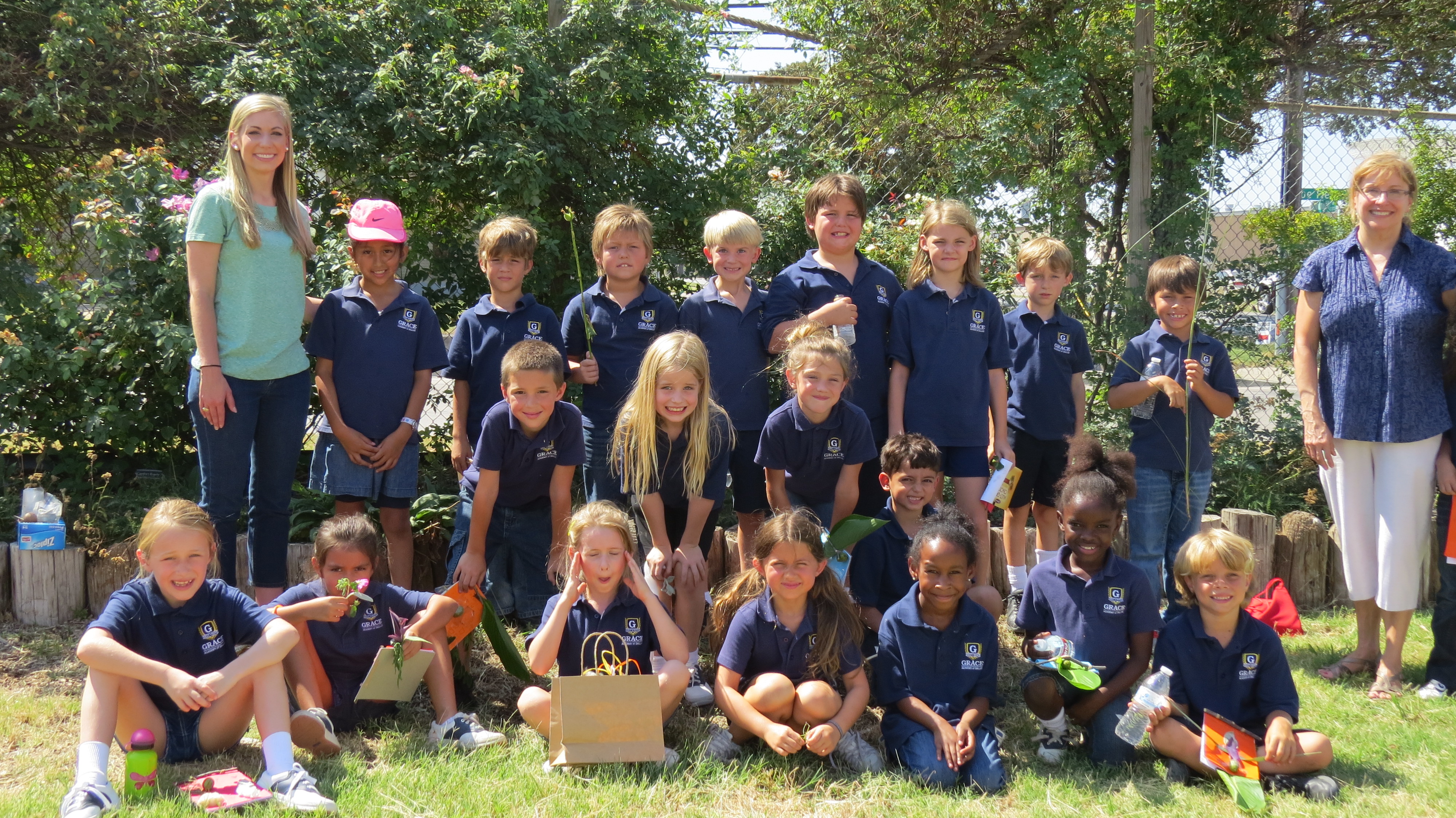
First graders from Lakewood Elementary had a five exclamation point (!!!!!) assessment of their field trip to the Raincatcher’s Garden of Midway Hills.
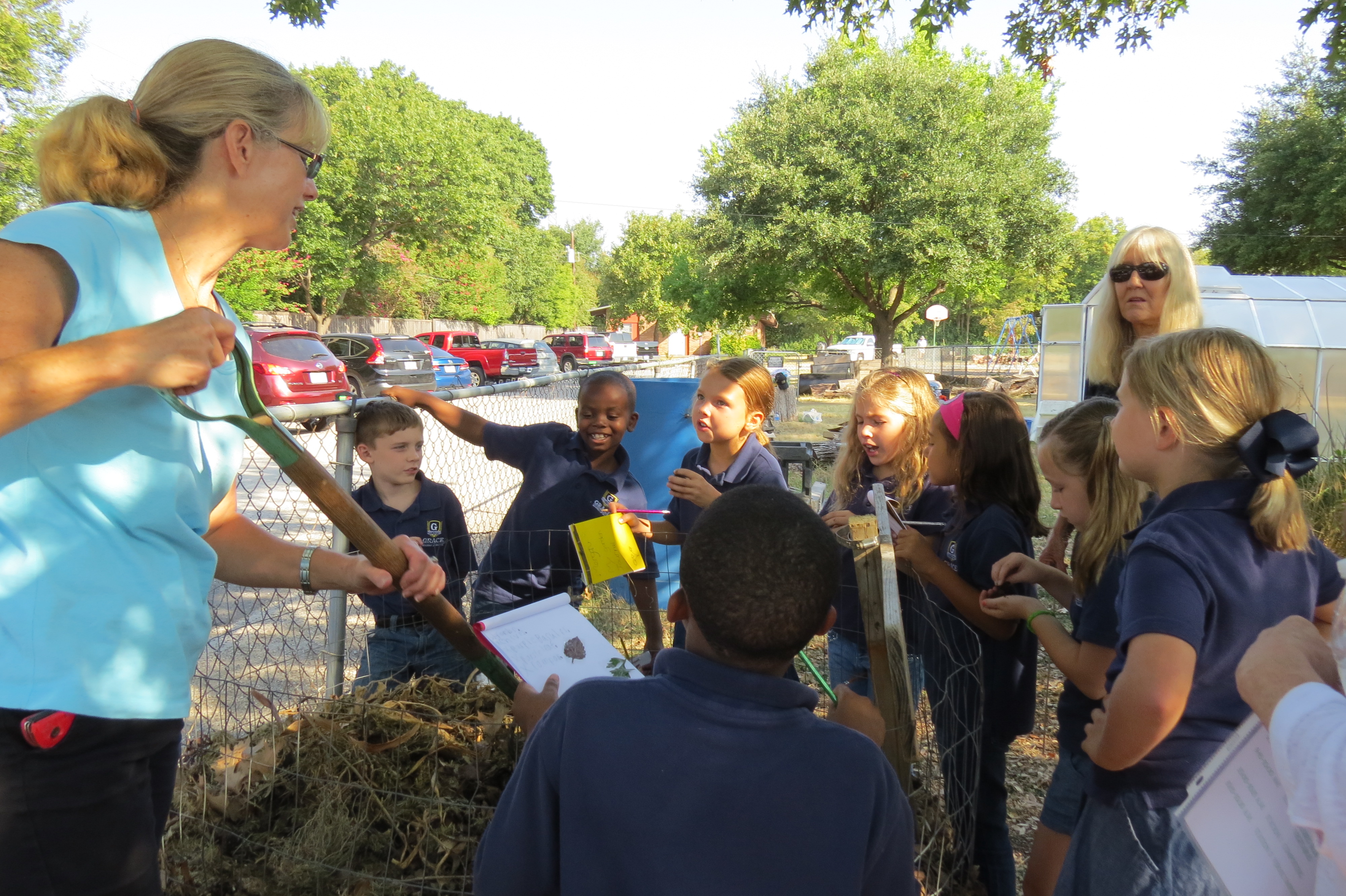
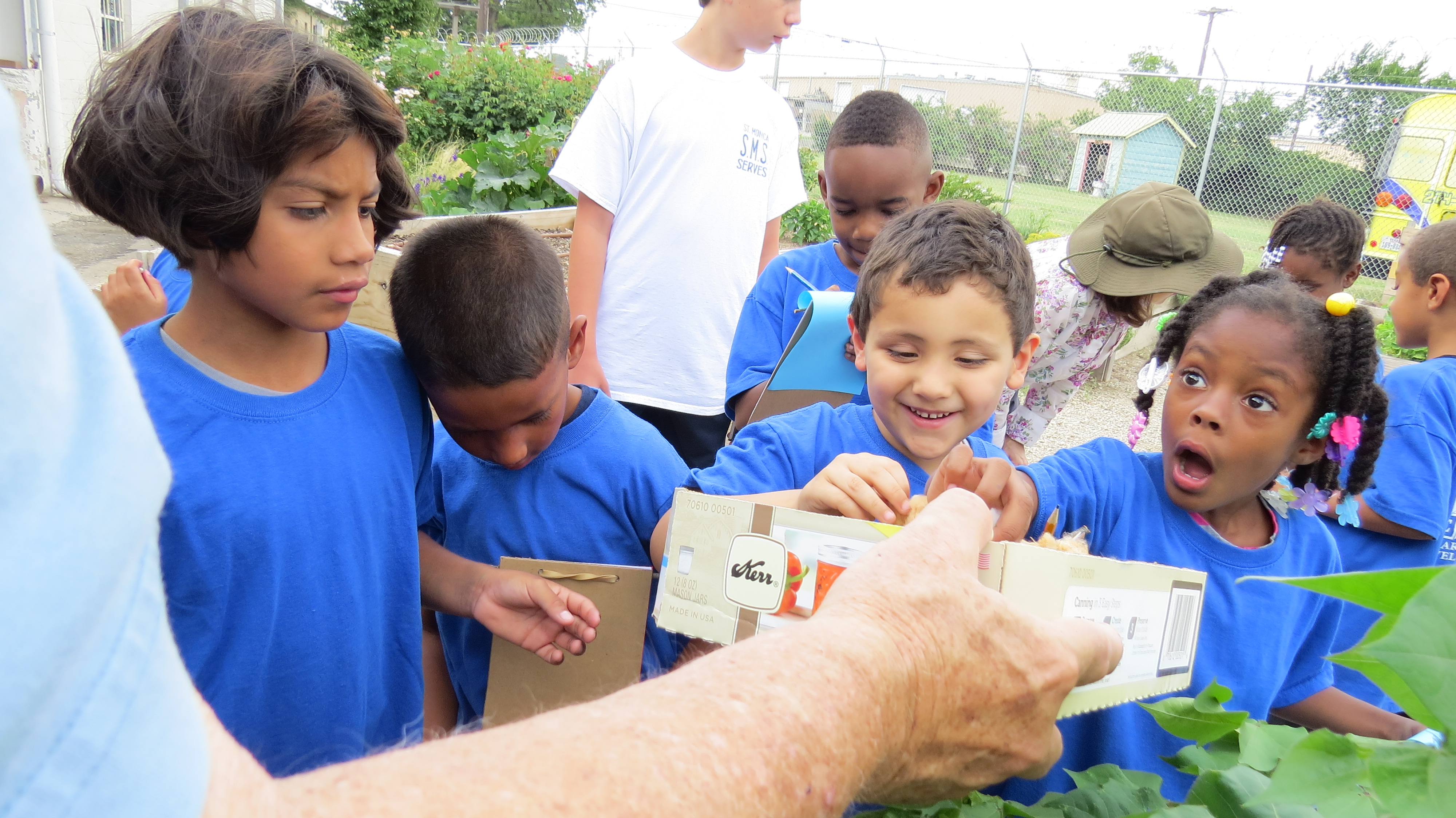
One hundred and fifty pairs of sneakers never stopped from the moment they hopped out of four school buses on November 3rd . Every 15 minutes, timers took the students to another station: seed balls, real live clucking chickens, wiggly red wigglers, “name that vegetable,” herbs and compost. Elizabeth Wilkinson, Cynthia Jones, and Annette Beadles organized the field trip.
“Dear Raincatcher’s Friends, I love you! I love you! I love pumpkins!”

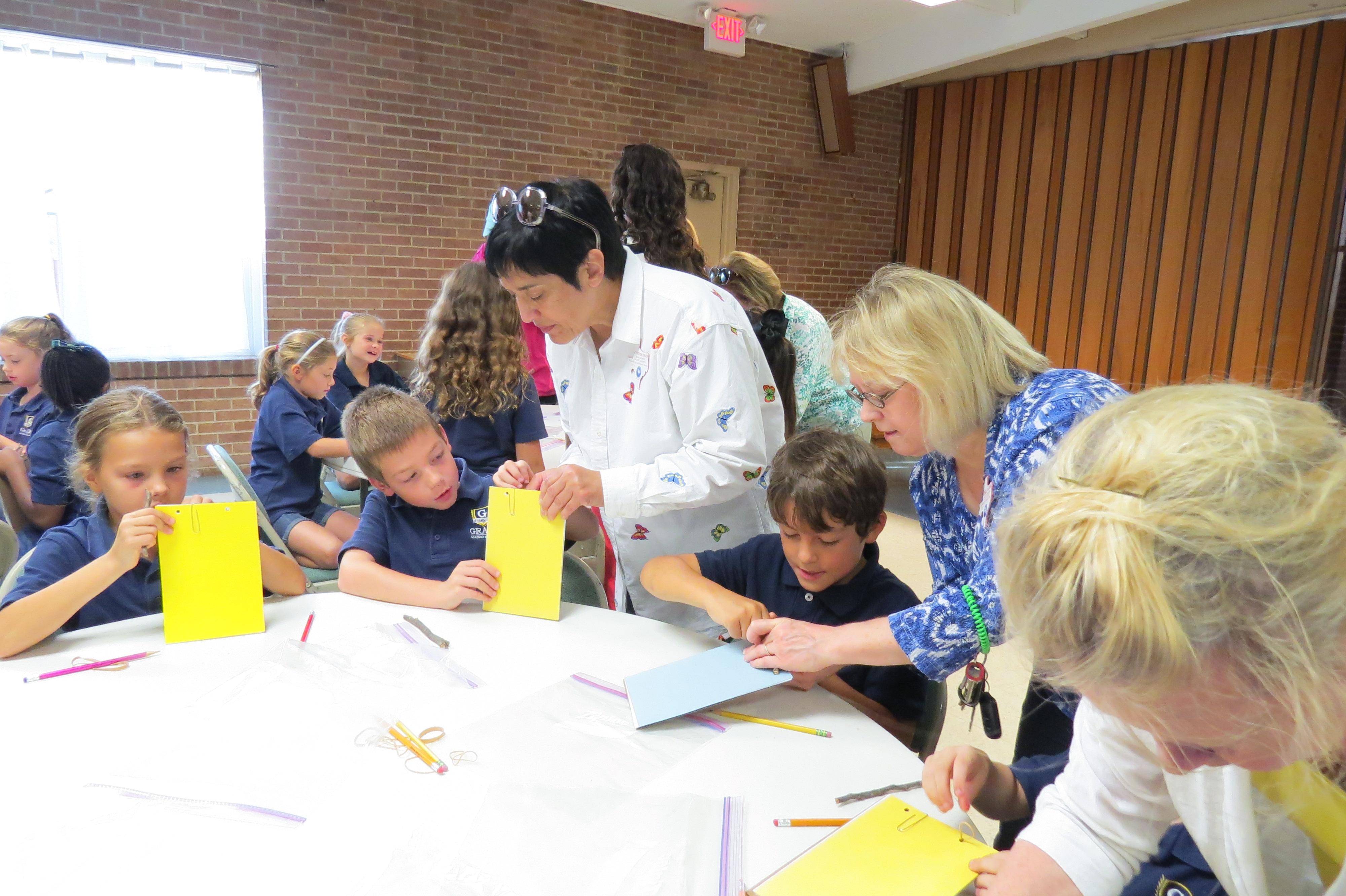
Annette compared the circumference of pumpkins—and first grade volunteers. Cynthia showed students how to roll, mash, divot, and taco-fold clay, soil and wildflowers to make seed balls for their school.
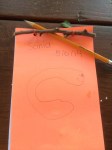 Dear Garden Friends, Thank you for a great time! I love my journal!
Jan Larson assembled 150 journals and sharpened pencils, one for each child. They carried their journals all day, making notes at each station.
The field trip was even the topic of discussion at a Lakewood hair salon. Jan was telling her stylist about the field trip, and a young woman in the next seat joined the conversation. “Are you talking about the field trip to the Raincatcher’s Garden?” At Jan’s nod, the mom said she was a chaperone on the field trip and remarked that it was “amazing.”
With some tears, the Lakewood visitors returned to their classrooms, long-used “temporary” buildings outside an old East Dallas school in need of major repairs. The forty master gardener volunteers, including DCMG board members, might have kept these thoughts from Rachel Carson in mind:
“If a child is to keep alive his inborn sense of wonder, he needs the companionship of at least one adult who can share it, rediscovering with him the joy, excitement, and mystery of the world we live in.”
Elizabeth
Pictures by Starla, poster pic by Cynthia








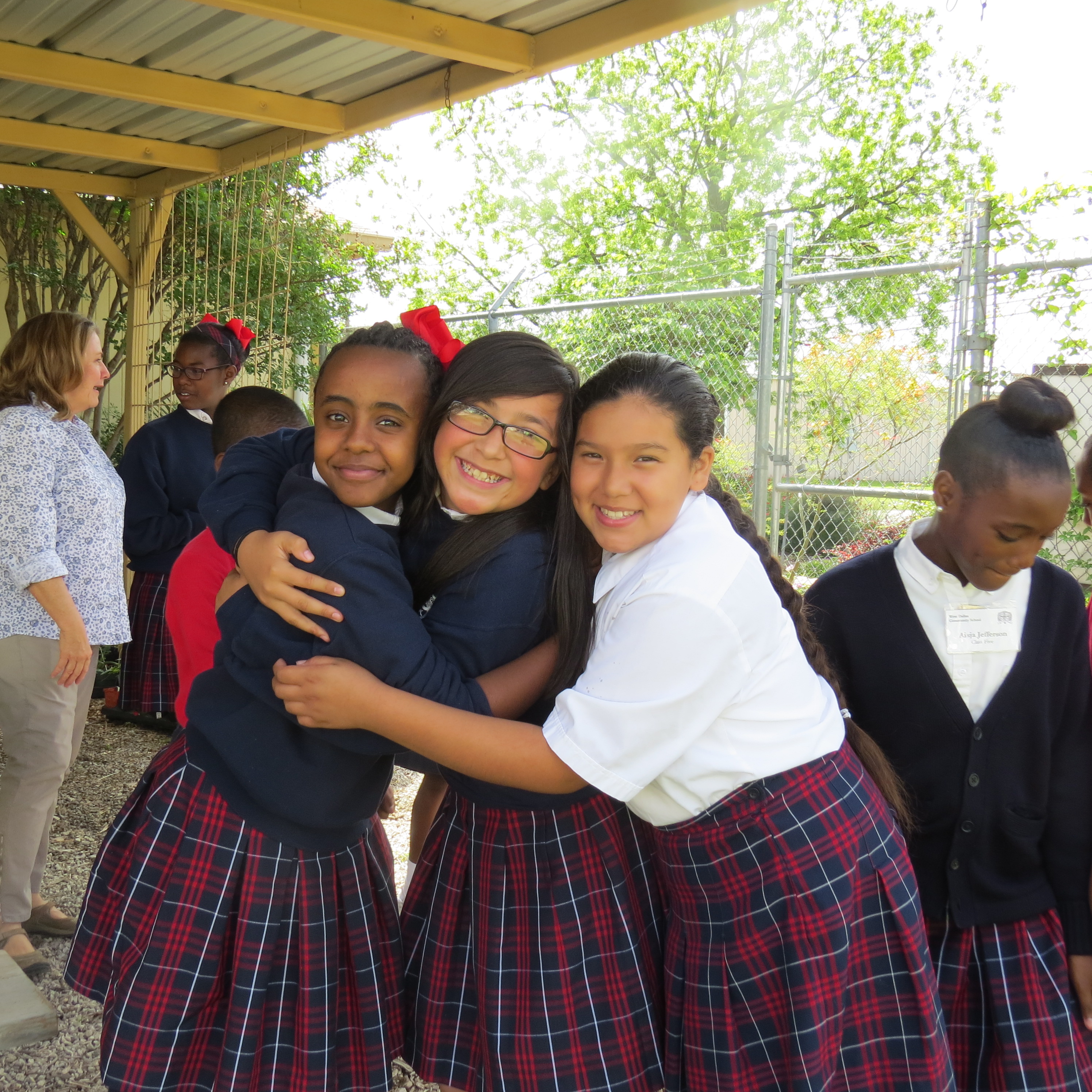
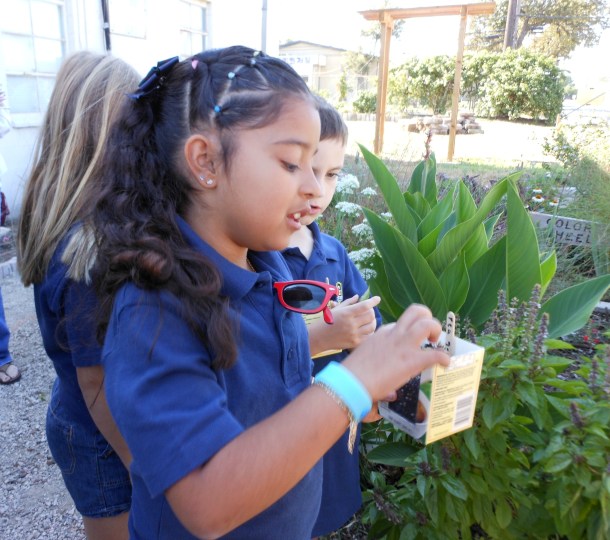
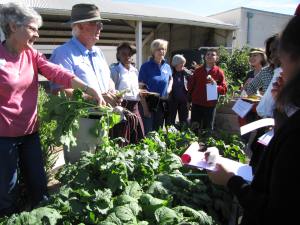 Fifth grade students from West Dallas learn about root crops from Jim and Abbe. Did you know that the turnip or white turnip is a member of the parsley family, Brassica rapa var. rapa? It is a root vegetable known for its bulbous tap root which is high in vitamin C and grown as a food crop for both humans and livestock. Turnips are easy and quick to grow (35-70 days) and can be eaten raw (roots) or cooked (roots and leaves). Turnips like well-tilled soil and constant water. Both of these conditions are provided in our raised organic beds via our home-made compost and drip irrigation system.
 Carolyn demonstrates the technique of hand-spinning cotton thread to the fifth grade students . Did you know that cotton is the most important non-food crop in the world? Cotton has been spun, woven & dyed since prehistoric times. Today, industrial uses for cotton are just as important as the cloth that originally was woven. These products vary widely from cloth-based such as diapers, bandages, and paper to cosmetics, soap and oils; dynamite and plastics; and that sidewalk scourge, chewing gum (cellulose). There are 39 different species of the genus Gossypium, 4 of which were commercially grown since all cotton was domesticated in antiquity. The variety G. hirsutum became known as “upland cotton” and comprises 90% of the world’s cotton crop.
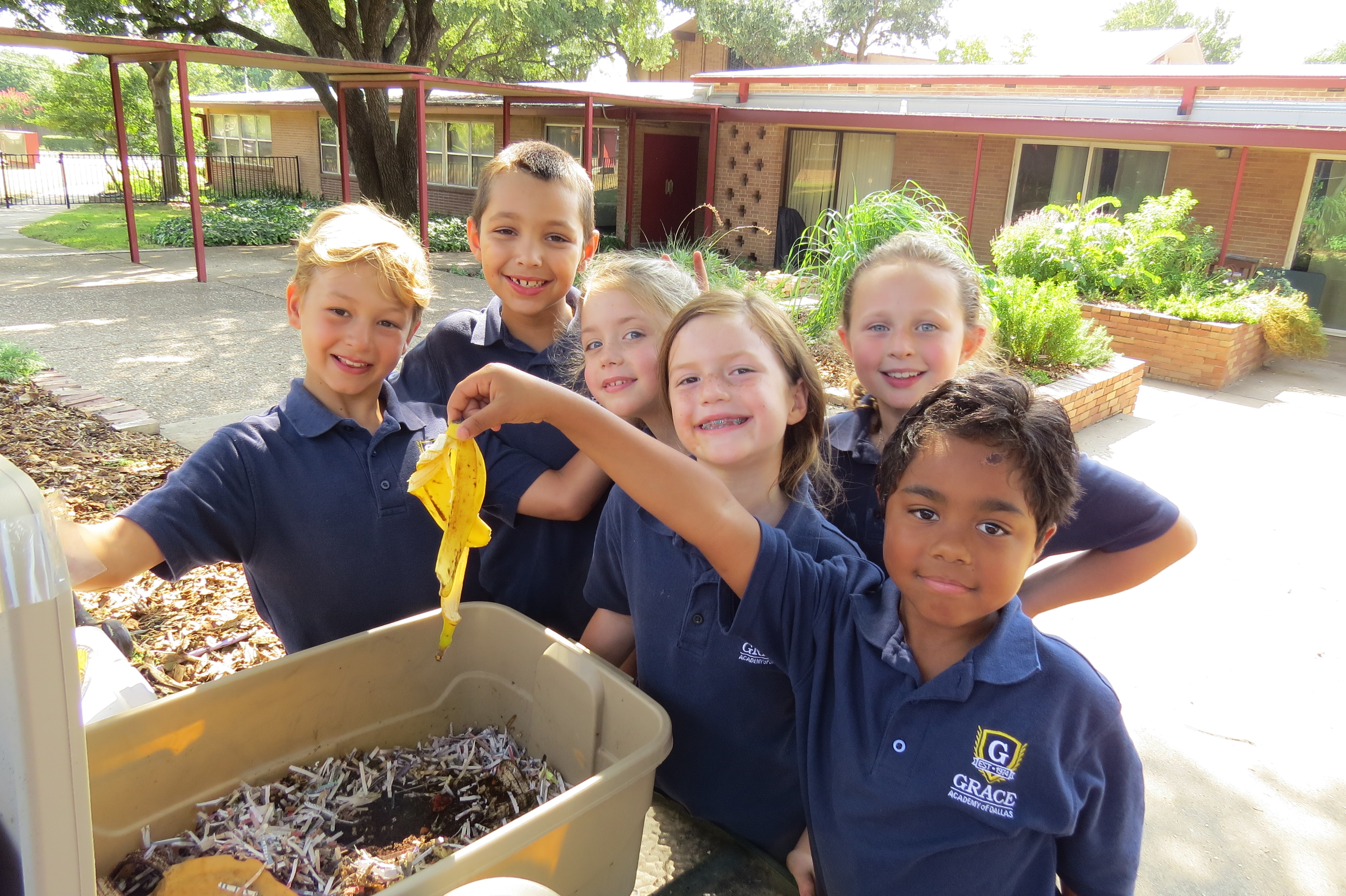
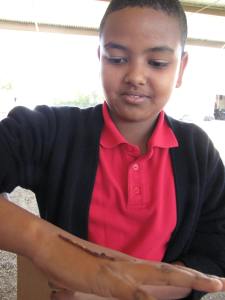 A 5th grade student from West Dallas Community School gets up close & personal with a “red wiggler” worm. During our Vermi-composting lesson, he & his classmates learned that this little ‘Eisenia fetida’ is one of approximately 2700 different kinds of worms of a large variety of species. Did you know that “red wigglers” (aka brown-nose or red worms) work best in container/bin composting. That’s because they are non-burrowing and move horizontally through the soil.

 DALLAS GARDEN BUZZ