June 14, 2026
You might think this book would provide instructions on growing yourself a little garden. You would be wrong—but Tiny Gardens Everywhere is nonetheless full of worthwhile and sometimes startling information. It’s a good addition to the reading list for all Master Gardeners.
Why bother, when there’s already lots on that reading list? Few books equal this one for getting to the heart of why Master Gardeners can make a real difference by educating anyone and everyone that their bit of land can really matter when it becomes a garden.
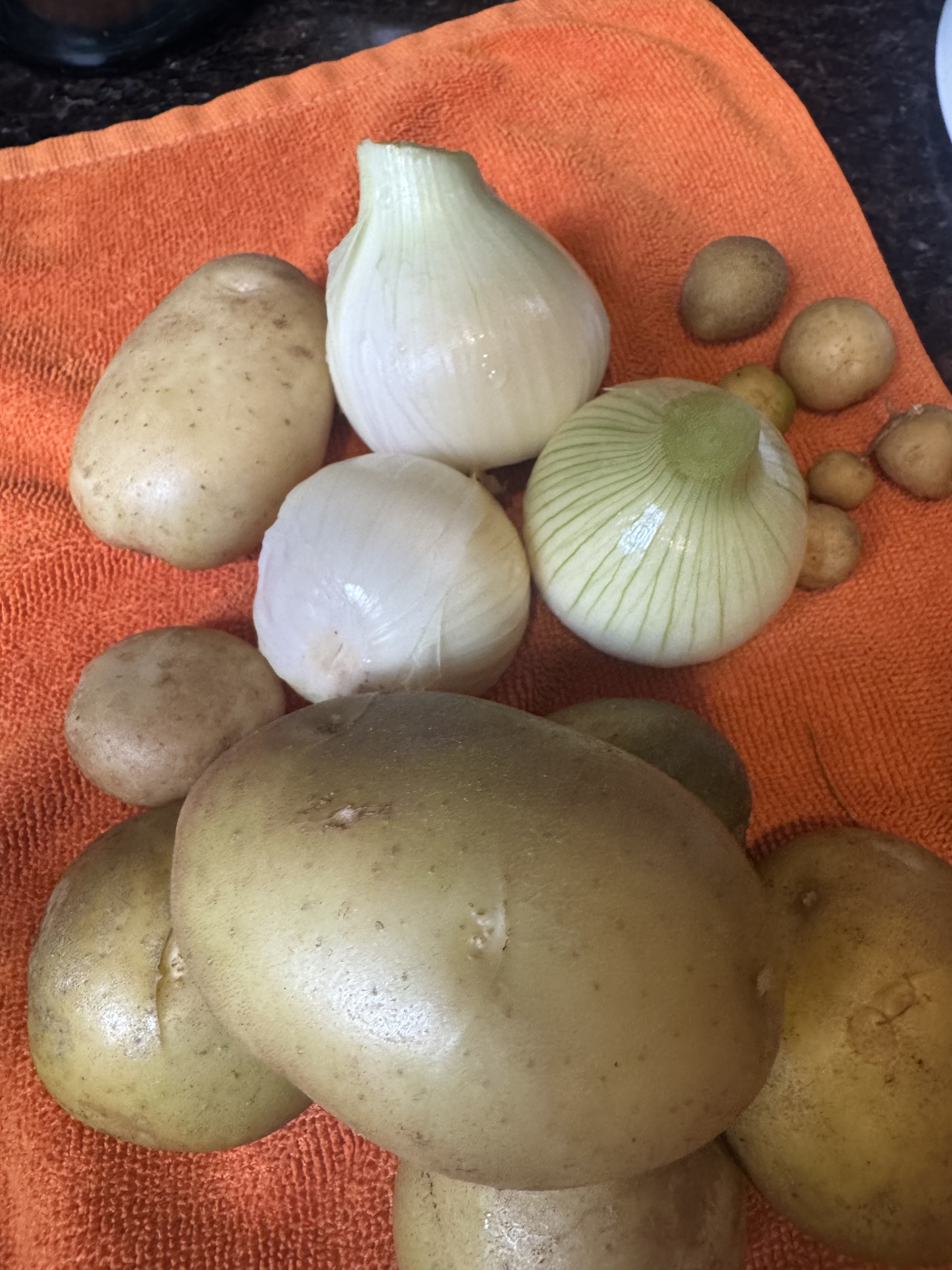
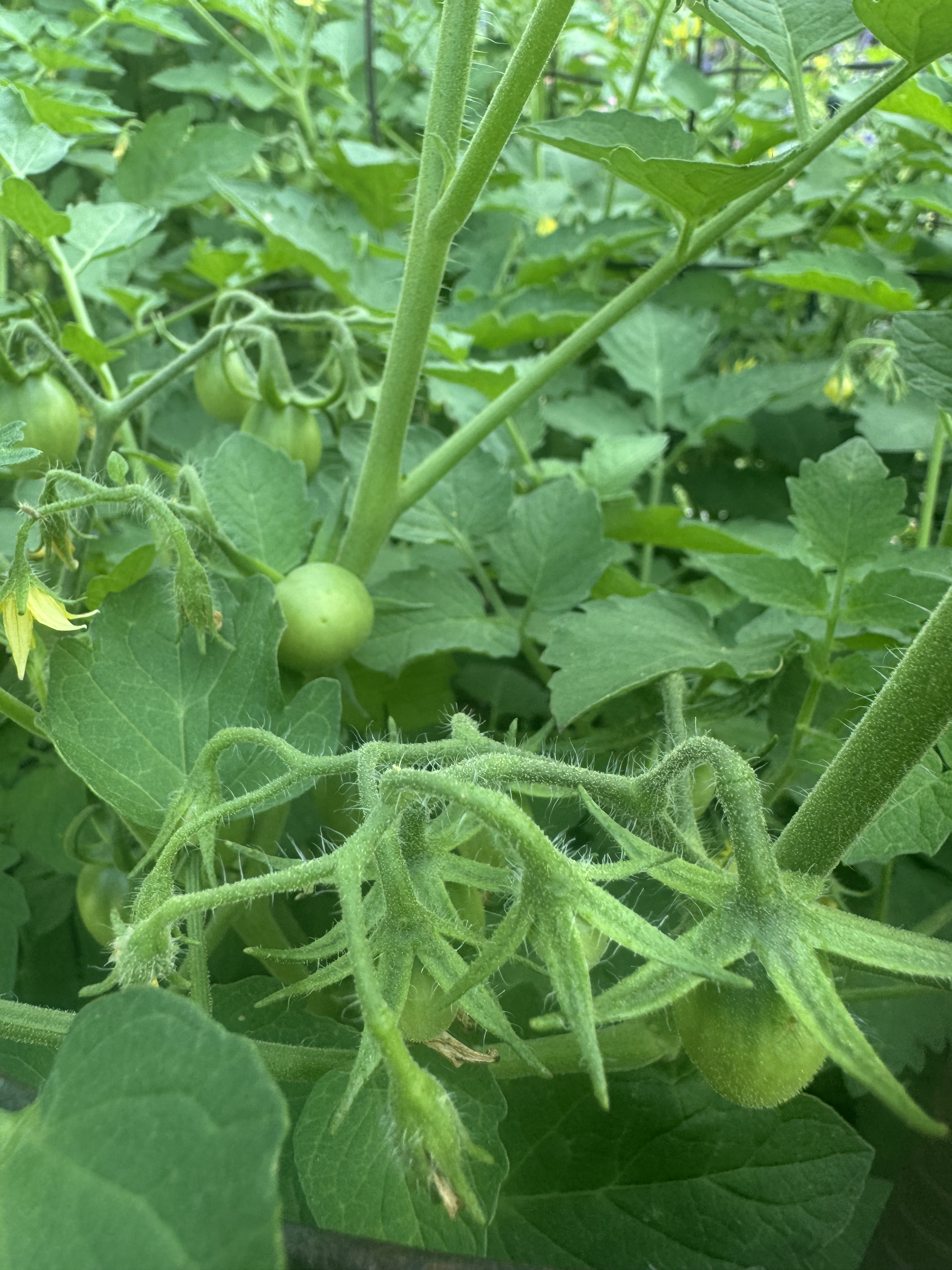
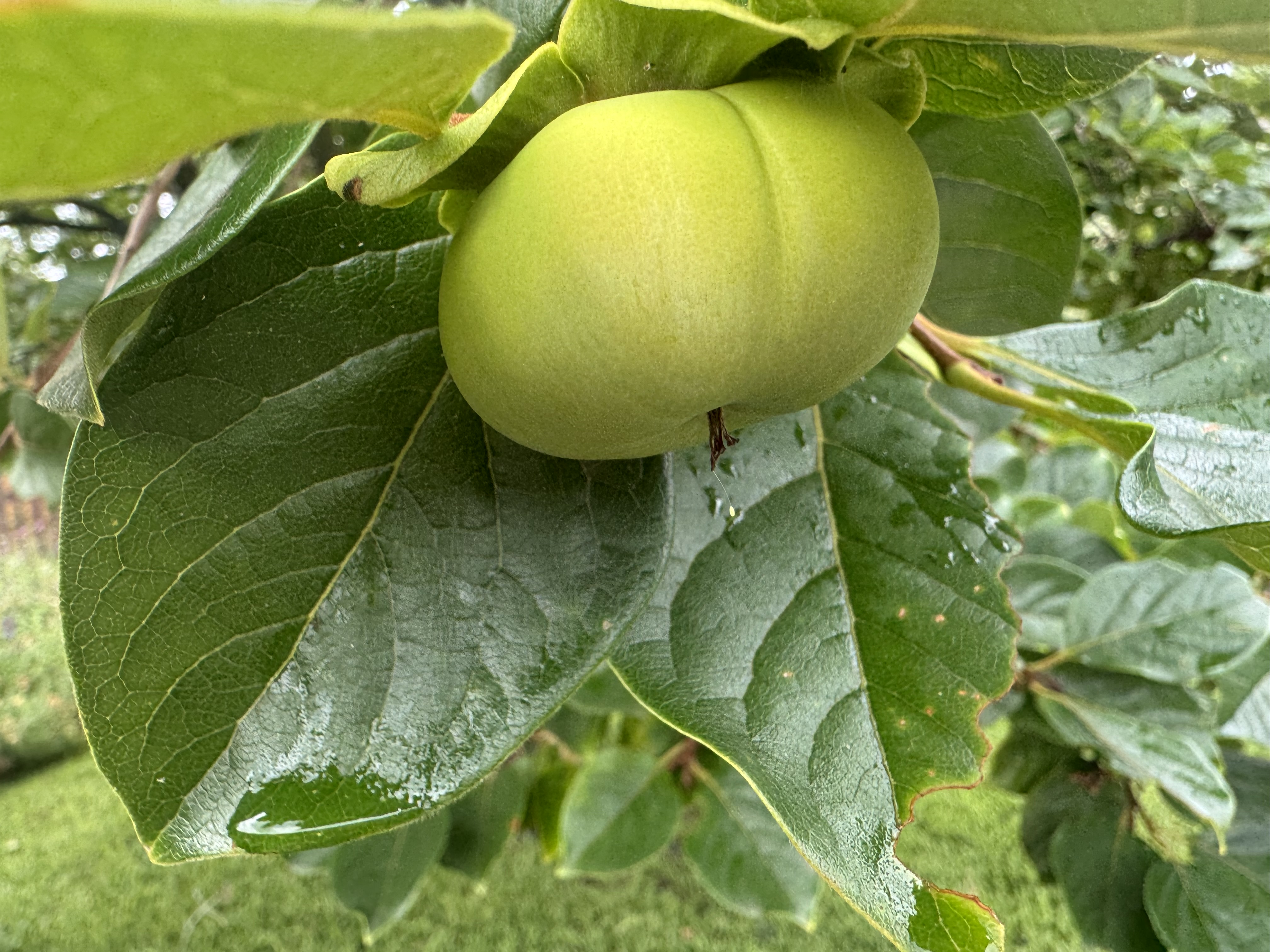
The author presents a huge amount of information. One of the reviews called it “delightful,” but while a lot of Brown’s book seems important for everyone to know, “upsetting” seems a better term. There are many examples here of brave and determined people who grew huge amounts of food in spite of devastating obstacles, which all too often were created by their own leaders. The gardens here were often the result of necessity, as governments realized slowly that helping people to garden made sense.
One of the more surprising stories in Tiny Gardens Everywhere is about the Third Reich’s interest in organic gardening, since they wanted people to use real German soil and real German plants, not those from other places. They even gave botany courses so that people could learn to tell the difference. This didn’t help productivity, though.
Germany and the former Soviet Union provide many examples of people saved from starvation by gardens of their own.
But Brown is also interested in the real problems with food production in the present-day United States. Our produce is shipped from far away at ever-increasing cost. According to her statistics, $38,000 per minute goes to farm subsidies—surely some of that could go to support urban farming.
So, where do Master Gardeners come in?
People need to know how much good even a little garden can do. Education can include “how to,” of course, but it should not stop there. It can go on to show the value of example to urban gardeners’ friends and neighbors, and the real benefits of healthy eating. By word and example, the value of the garden becomes real.
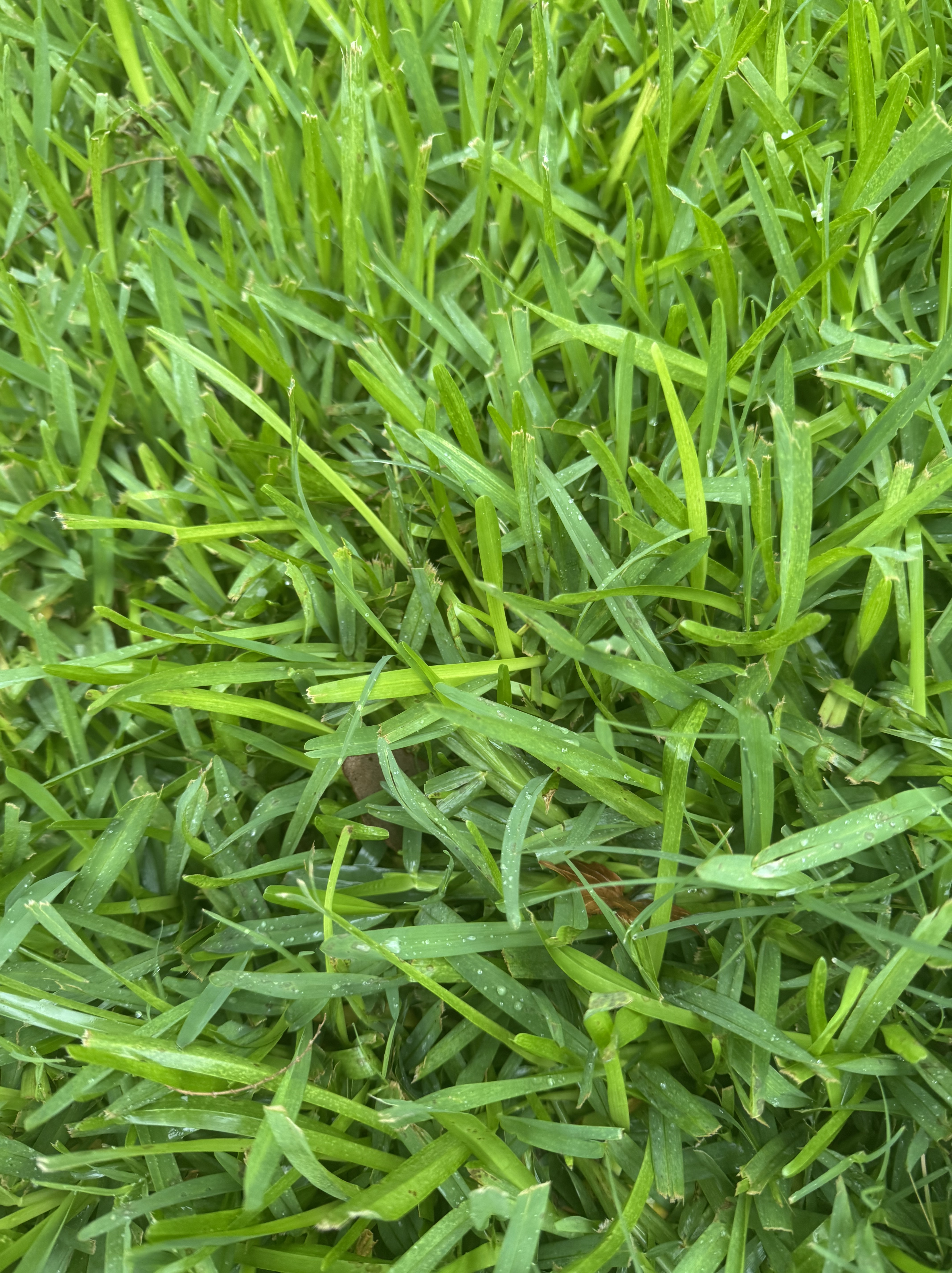
Do not miss the section on turf grass. It’s not what it may seem. In fact, turf can be seen as an element of social control. You may not think it’s possible. You might think turf is irrelevant but it is not. Master Gardeners need to understand this point of view because it relevant to effective communication about gardening.
Susan Thornbury, Dallas County Master Gardener Class of 2008