Tag Archives: Honey baked brie with figs and rosemary

Telling the Bees Our Last Honeybee Article for 2023!

Telling the Bees

We are now entering the final month of our year-long journey into the world of
honeybees and honey production. Along the way, we’ve attempted to answer the
introductory question that started this series…’What’s all the buzz about’?


January began with a brief overview that introduced our readers to some of the
topics we would be exploring in 2023. Starting with the “Anatomy of a Honeybee”
and “What is Honey?” followed by “The Three Different Types of Honeybees in a
Hive” to the “Let’s Dance!” article which explained the purposeful and very
necessary “waggle dance” routine performed by worker bees, some amazing
information has been shared monthly.


We’ve grown in our understanding of how honey is made, the reason behind the
various colors and tastes which ultimately depends on the soil, source and other
environmental factors. Hopefully, after reading the article about “Tasting Honey”,
you were able to land on a favorite new variety. For me, the most appealing taste
profile, at this time, is the earthiness of Black Sage Honey with notes of fruit and
pepper. Remember, it’s the one that is harvested only four times per decade!


After discovering secrets of the colony, we were amazed at how efficiently these
tiny insects perform their specific duties within a brief, but highly productive,
lifespan. Think of worker bees as soldiers and the most active bee of their species.
Drones are the male population of the honeybees with their only purpose in life
being to stay alive long enough to have the chance of breeding with a queen – a
process that occurs only once in their life.


Honeybees are fascinating and brilliant creatures. Without them, our world would
be a much different place. Consider these numbers: bees are responsible for pollinating about one-sixth of flowering plant species worldwide and approximately 400 different agricultural types of plants. Simply stated, we rely on the pollination efforts of bees (and other animals) to sustain our modern food
system.


On a personal note, my appreciation for honeybees has grown immensely. I now
approach them more respectfully and welcome their presence in my garden. And
I must admit that one of the highlights of spending time with honeybees
throughout the year was the absolute joy of teaching my adorable 8-year-old
granddaughter how to photograph honeybees with my new iPhone 15 camera.


We talked about how honeybees were in the garden to perform very important
tasks and not to sting us. I watched as she carefully and slowly grew in her
confidence about approaching the bees as they foraged for nectar and pollen.
Observing as she moved gently closer to the bees and with her precious little
hands, snapped the button just in time to capture the perfect shot, was an
experience I’ll treasure. (Be sure to see her “first honeybee” photograph in the
September frame of the movie!)


In closing, I’ve made an important decision regarding my personal relationship
with honeybees. Becoming a “beekeeper” is not the right project for me at this
season and time of my life. Instead, my desire is to be more intentional about
creating specific pollinator-friendly options and opportunities throughout my
gardens for the honeybees. Writing about honeybees this year has helped me to
discover a longer list of seasonal plants that will be attractive to all pollinators. It’s
time for a new journey and I can’t wait to get started!


And finally, the meaning behind the title, “Telling the Bees”, is something I
stumbled across while doing research about honeybees. It is an old Western
European beekeeping tradition in which bees are told of everything that goes on
in their keeper’s family, including births, deaths, illnesses and marriages. Bees are,
therefore, treated as extended members of their own family. Beekeepers talk to
the bees in calm voices and never use harsh words for fear of upsetting the bees.
It is a fascinating story worth reading. Also, click on the link to poems written by
John Greenleaf Whittier and Eugene Field entitled “Telling the Bees.”

Here are the two December recipes featuring honey:
Bees in a Blanket 

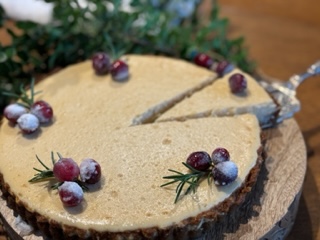
Holiday Honey Cheesecake Tart 

Linda Alexander, Dallas County Master Gardener Class of 2008

Honeybee Activity and Black Sage Honey

October 31, 2023

For the past few weeks, I’ve been spending countless hours in the garden. It didn’t take long to notice the increased level of honeybee activity occurring from early morning until evening. The bees are everywhere during daylight hours and seem to be buzzing around the flowers with a frenzy in their movements. It is truly fascinating to watch.

Why, I wondered, is fall such a busy time for the bees? One interesting explanation that I stumbled across was that honeybees have switched from needing protein to feed their young to craving carbohydrates before they die later in the season. Seems rather sad but, as we know, the lifespan of a honeybee is relatively short – a few weeks to maybe six months, at the most.

I also discovered that as long as the weather is mild, honeybees will continue to forage throughout the autumn months. During this time, worker bees spend many hours collecting enough nectar (carbohydrates) and pollen (protein) to feed and maintain the colony throughout the winter. Keeping the hive alive during the winter months is a priority. In order for this to happen, worker bees will need to be especially vigorous and healthy.  

(NOTE: In the summer months a hive can have about 60,000 bees, but only about 10,000 bees are needed to ensure a colony survives the cold winter weather. As honeybees start preparing for winter, most drones (male honeybees) are evicted from the hive. Since drones have one purpose only – to mate with a queen – when their work is over, out they go.)  

As the days grow shorter and colder, the remaining honeybees will form what is referred to as a “winter cluster”.  The queen and her brood are kept at the center of this globe-like cluster while worker bees shiver or vibrate their wing muscles, generating enough heat to keep the hive warm in even very cold temperatures. On mild winter days, as we often experience in Zone 8, bees will come out of the hive to dispose of waste products, clean the hive and forage. 

However, since there aren’t many options for foraging in the middle of winter, fall nectar and pollen gathering is critical to the hive’s continued survival. We can play an important role in supporting the honeybees during this time by taking a few steps to help them in their work. 

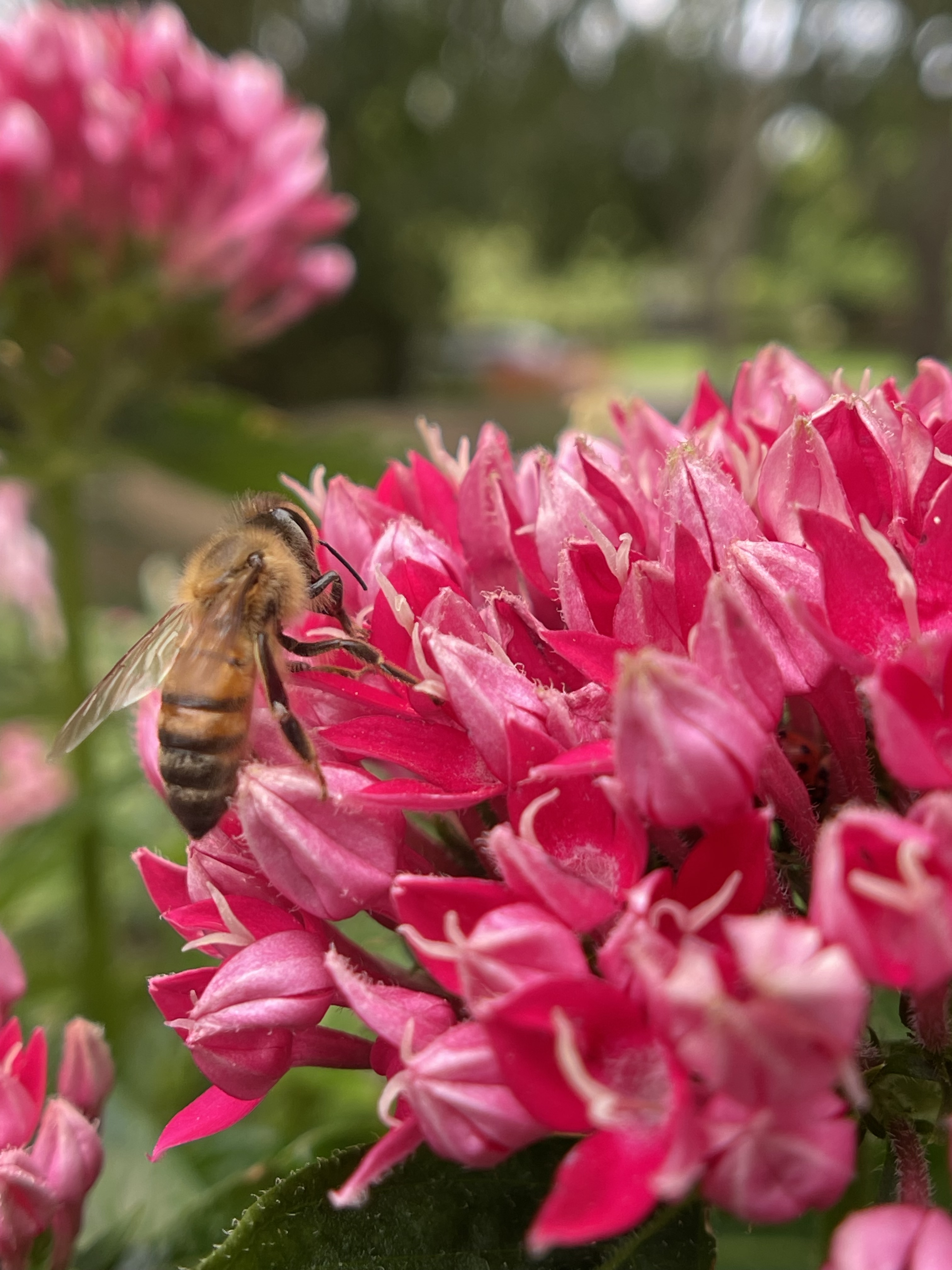
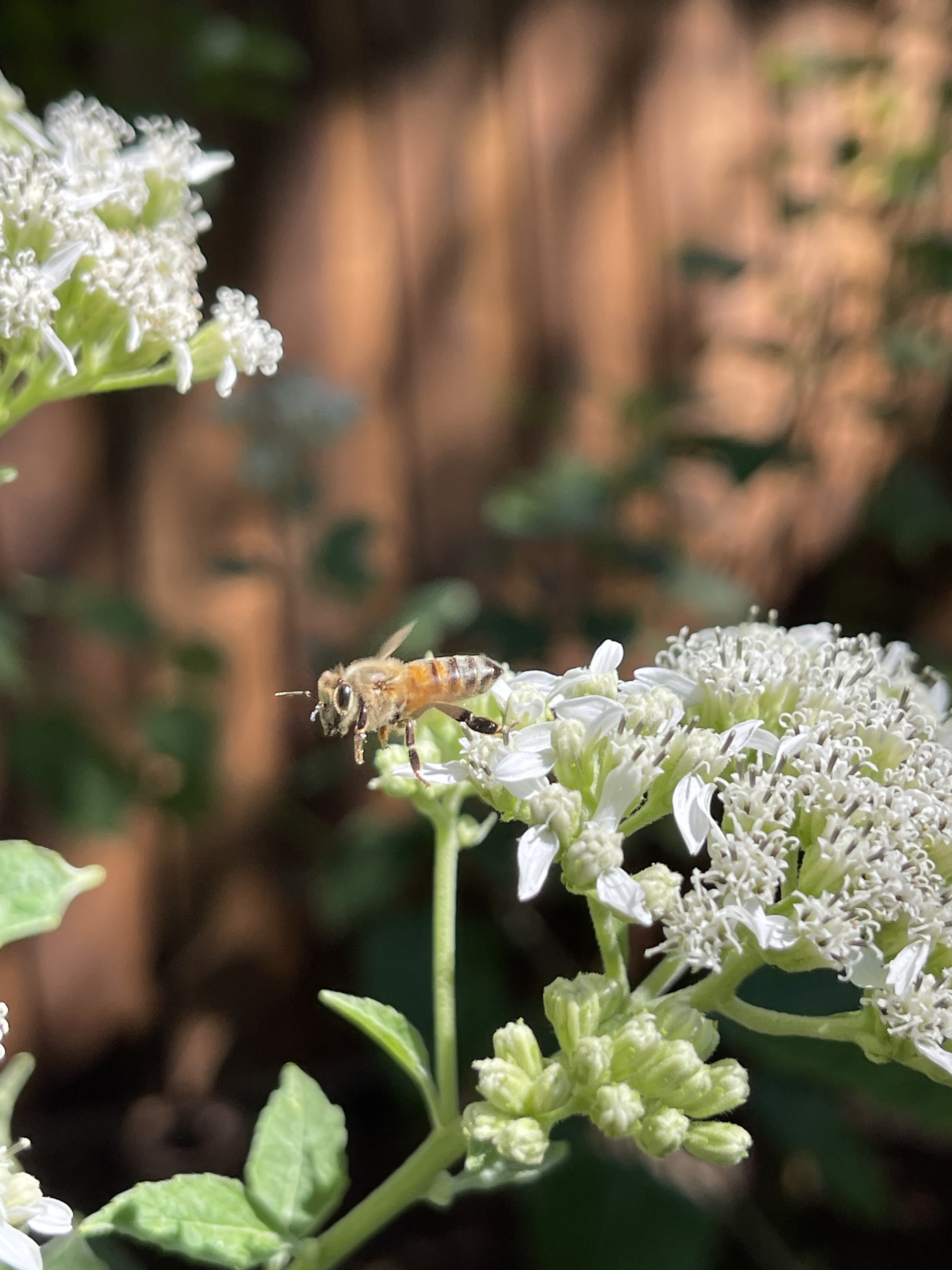
*Plant late blooming plants that provide the nectar and pollen bees need. Some examples include fall asters, borage, calendula, frostweed, goldenrod, hibiscus, pentas, salvia and zinnias. We have pictures of most of these pollinator plants above.

*Plan to leave your basil plants in the ground until the first “cold snap” or freeze. I’ve noticed more honeybees on my fall basil plants than anything else in the garden. 

*Provide a fresh water source (shallow container) and add some pebbles or twigs for the bees to land on while drinking.

Black Sage Honey, (Salvia mellifera)

Sometime around the middle of September, while visiting our youngest son and his family, we started a conversation about the different flavors of honey. He wanted to know if I had ever heard of Black Sage Honey. My answer was “yes”, but I had never tasted it. Immediately, he brought out a jar, opened it and, together, we all sampled a delicious, peppery honey that was truly unique. 

Later that evening, I did an online search to learn more about “black sage”. Here is a brief summary of what I learned about this amazing plant from Specialty Produce.

“Black Sage is a powerfully fragrant, woody shrub that quickly grows to an average of one meter in height and width. More mature plants can reach up to 1.8 meters. The plant has tiny hairs coating the stems and leaves in a sliver-green fuzz, and flowers that range from white to pale blue or lavender grow in spherical clusters known as whorls, along the square stems. The small, oval, dark-green pebbled leaves can look almost black from a distance, especially during dry conditions, and the stem and whorls harden and turn black at the end of the season – all characteristics believed to have influenced the plant’s name. Black Sage leaves produce a strong, herbal, sometimes minty scent and offer a mildly astringent, herbaceous flavor.”

After learning that black sage is recommended for USDA Zones 8-10, I began searching for a grower. Mountain Valley Growers in Squaw Valley, California had the plants in stock, so my order was quickly placed. I purchased a total of three plants. They arrived on October 20th and, after acclimating for a few days, were put into the ground this week.

New planting of Black Sage. It will receive about six hours of sun followed by dappled shade in the late afternoon.

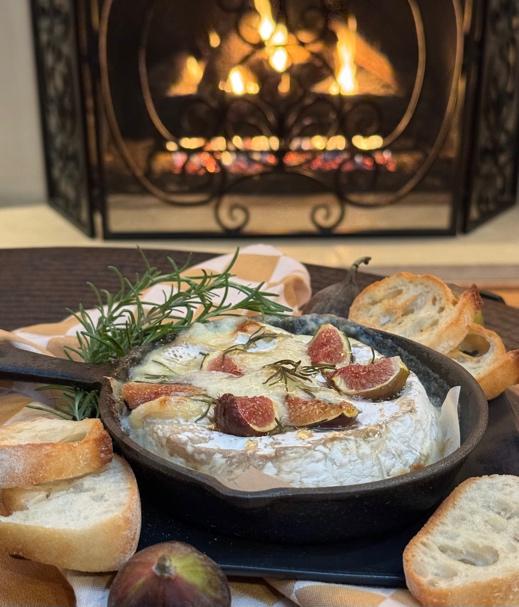
And finally, what’s all the “buzz” about Black Sage Honey? Black sage is native to Southern California and Northern Mexico. It flowers only about every three years. That translates to a very rare honey that is made only about four seasons per decade! Thankfully, I was able to find a jar from Savannah Bee Company and am happy to share this simple recipe with everyone. My recommendation is to experience the wild and earthy taste on its own then decide how you would best enjoy using it. Drizzled over brie cheese and fresh fall figs is my first choice! 

A pan of food next to a fire

Description automatically generated

Honey Baked Brie with Figs and Rosemary

Linda Alexander, Dallas County Master Gardener Class of 2008