Telling the Bees
We are now entering the final month of our year-long journey into the world of
honeybees and honey production. Along the way, we’ve attempted to answer the
introductory question that started this series…’What’s all the buzz about’?
January began with a brief overview that introduced our readers to some of the
topics we would be exploring in 2023. Starting with the “Anatomy of a Honeybee”
and “What is Honey?” followed by “The Three Different Types of Honeybees in a
Hive” to the “Let’s Dance!” article which explained the purposeful and very
necessary “waggle dance” routine performed by worker bees, some amazing
information has been shared monthly.
We’ve grown in our understanding of how honey is made, the reason behind the
various colors and tastes which ultimately depends on the soil, source and other
environmental factors. Hopefully, after reading the article about “Tasting Honey”,
you were able to land on a favorite new variety. For me, the most appealing taste
profile, at this time, is the earthiness of Black Sage Honey with notes of fruit and
pepper. Remember, it’s the one that is harvested only four times per decade!
After discovering secrets of the colony, we were amazed at how efficiently these
tiny insects perform their specific duties within a brief, but highly productive,
lifespan. Think of worker bees as soldiers and the most active bee of their species.
Drones are the male population of the honeybees with their only purpose in life
being to stay alive long enough to have the chance of breeding with a queen – a
process that occurs only once in their life.
Honeybees are fascinating and brilliant creatures. Without them, our world would
be a much different place. Consider these numbers: bees are responsible for pollinating about one-sixth of flowering plant species worldwide and approximately 400 different agricultural types of plants. Simply stated, we rely on the pollination efforts of bees (and other animals) to sustain our modern food
system.
On a personal note, my appreciation for honeybees has grown immensely. I now
approach them more respectfully and welcome their presence in my garden. And
I must admit that one of the highlights of spending time with honeybees
throughout the year was the absolute joy of teaching my adorable 8-year-old
granddaughter how to photograph honeybees with my new iPhone 15 camera.
We talked about how honeybees were in the garden to perform very important
tasks and not to sting us. I watched as she carefully and slowly grew in her
confidence about approaching the bees as they foraged for nectar and pollen.
Observing as she moved gently closer to the bees and with her precious little
hands, snapped the button just in time to capture the perfect shot, was an
experience I’ll treasure. (Be sure to see her “first honeybee” photograph in the
September frame of the movie!)
In closing, I’ve made an important decision regarding my personal relationship
with honeybees. Becoming a “beekeeper” is not the right project for me at this
season and time of my life. Instead, my desire is to be more intentional about
creating specific pollinator-friendly options and opportunities throughout my
gardens for the honeybees. Writing about honeybees this year has helped me to
discover a longer list of seasonal plants that will be attractive to all pollinators. It’s
time for a new journey and I can’t wait to get started!
And finally, the meaning behind the title, “Telling the Bees”, is something I
stumbled across while doing research about honeybees. It is an old Western
European beekeeping tradition in which bees are told of everything that goes on
in their keeper’s family, including births, deaths, illnesses and marriages. Bees are,
therefore, treated as extended members of their own family. Beekeepers talk to
the bees in calm voices and never use harsh words for fear of upsetting the bees.
It is a fascinating story worth reading. Also, click on the link to poems written by
John Greenleaf Whittier and Eugene Field entitled “Telling the Bees.”
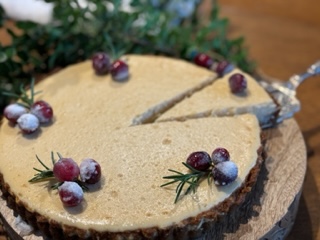
Here are the two December recipes featuring honey:
Linda Alexander, Dallas County Master Gardener Class of 2008



 DALLAS GARDEN BUZZ